Uncertainty Quantification of Transmission Efficiency in EV-WPT System Based on Gaussian Process Regression
T. H. Wang, K. F. Zhao, H. W. Duan, Q. Y. Yu, L. L. Xu, and S. S. Guan
College of Instrumentation & Electrical Engineering
Jilin University, Changchun 130026, China
wangtianhao@jlu.edu.cn, zhaokf23@mails.jlu.edu.cn, duanhw24@mails.jlu.edu.cn,
qyyu20@mails.jlu.edu.cn, xull21@mails.jlu.edu.cn, guanshanshan@jlu.edu.cn
Submitted On: November 8, 2024; Accepted On: March 18, 2025
ABSTRACT
The power transfer efficiency of electric vehicle wireless power transmission (EV-WPT) systems is susceptible to differences in the processing of coils and circuit components as well as the driver’s operating level. In order to quantify the uncertainty and save the computational cost, this paper adopts the Gaussian process regression (GPR) agent model to obtain predicted confidence intervals and transmission efficiency probability density function and calculates the response surface based on the agent model, and finally analyzes the degree of the influence of each variable on transmission efficiency by using the Morris one-at-a-time (MOAT) method. The computational time cost of the GPR agent-based model uncertainty quantification method obtained through simulation experiments is 9 hours and 21 minutes, which improves the computational time by 94.5% compared to the Monte Carlo (MC) method. The prediction error of the predicted values of the GPR agent model is only 1.0294% of the measured values, and its variance error is only 3.5587% of the measured values, so that the GPR agent model is able to realize uncertainty quantification (UQ) accurately and efficiently. Results show that the offset between the coupling mechanism and the diameter of the transmitting coil cross-section are the main factors affecting transmission efficiency.
Index Terms: Gaussian process regression, power transmission efficiency, uncertainty quantification, vehicle engineering, wireless power transfer.
I. INTRODUCTION
As the problems of social environmental pollution, energy crisis and global warming become more and more prominent, the development and utilization of clean energy has become an inevitable trend of today’s social development [1-3]. At the same time, with the advancement of related technologies in the field of new energy electric vehicles (EVs), EVs have gained more and more attention and recognition from automobile manufacturers and consumers [4, 5]. Compared with fuel vehicles, EVs can effectively reduce pollutant emissions, carbon emissions and consumption of non-renewable resources, and can realize high energy conversion efficiency [6, 7]. However, the rapid development of EVs still faces many problems, such as long charging and queuing waiting times, bulky batteries and insufficient effective range. In addition, the rapid development of the EV industry has put forward urgent requirements for improving EV charging technology and accelerating the construction of charging facilities [8].
EV charging methods can be mainly categorized into cable charging and wireless charging. With the rapid development of the new energy electric vehicle industry, its charging method has improved on the traditional cable charging method [9]. Wireless power transfer (WPT) technology is the core development direction of the intelligent transportation field, and safe and reliable WPT technology is a key step to promote all kinds of intelligent mobile devices to realize the interconnection of everything [10]. When using wired charging to charge vehicles, a person needs to manually connect the charging gun to the EV charging port. The exposed charging gun can develop problems caused by repeated plugging and unplugging, and is difficult to use in open air in wet environments such as rain and snow [11]. Since charging requires manual operation, it is generally installed in dedicated charging locations, such as garages and parking lots, and cannot realize flexible charging. Unlike the wired charging method, wireless charging technology charges through non-physical contact, which is conducive to improving the reliability, flexibility, automation and intelligence of the system [12]. WPT technology removes the mechanical interface, improves safety, achieves charging in operation and overcomes drawbacks of the traditional cable charging method. The technology is gradually maturing [13], and is expected to become typical of EV charging technology in the future [14]. Unlike the wired charging method, wireless charging is carried out through non-physical contact, thus avoiding interaction between human and charging equipment, improving the reliability and safety of the system, and completely eliminating the need for manual operation, which is more conducive to the realization of the intelligence and automation of the EV charging process [15].
However, for the performance index of wireless power transmission efficiency, due to the complexity of the design and control of the transmission system and the differences in the actual operation techniques, the relevant factors in the design of the coil structure, transmission distance, coupling mechanism offset and compensation topology parameters directly or indirectly affect the transmission efficiency of the system [16]. Considering the uncertainty of the above relevant factors as input parameters inevitably leads to uncertainty in the transmission efficiency of electric vehicle wireless power transmission (EV-WPT) systems, so accurately quantifying the magnitude of uncertainty in the transmission efficiency of EV-WPT systems is beneficial to the design of engineering structures and decision-making.
Parameter uncertainty quantification (UQ) methods include statistical and non-statistical methods, of which the statistical methods are dominated by the Monte Carlo (MC) method and its improvements, which usually require a large number of calculations to achieve good accuracy. When the complexity and computational cost of the test system are high, MC and its improved methods are not applicable and are usually only used to verify the accuracy of other UQ methods [17, 18]. The non-statistical type of method obtains an approximate alternative model by learning the real model, and the subsequent calculation of UQ does not need to call the original real model, which greatly reduces the computational cost. When computational accuracy is controlled within a reasonable range, it can usually replace the MC method for UQ analysis, and has been widely researched and applied [19–22]. Rossi et al. [21] combined the theory of the generalized chaotic polynomials approach (gPCE) with the radiative near-field in the device-to-equipment, and constructed a UQ framework for the power transfer efficiency of WPT systems, which proved to be more flexible and efficient than the on-the-fly configuration method based on a single gPCE and the direct MC analysis [23]. The mapping solution process of the PCE agent model brings the problem of “dimensionality catastrophe”. With the development of artificial intelligence, machine learning has been gradually applied to the field of WPT electromagnetic compatibility. Trinchero et al. [22] investigated the least-squares support vector machine (LS-SVM) regression and its optimization form to quantify the uncertainty of WPT transmission efficiency and proved that LS-SVM regression based on kernel technology can better solve the high-dimensional spatial nonlinear UQ problem [24], but the selection of hyperparameters lacks a priori knowledge and is not rigorous [25] and there is no strict mathematical basis for obtaining them. Other scholars have applied the Kriging agent model [25, 26] and deep learning [27–29] to the simplified WPT system UQ and optimization, and its uncertainty quantification ability remains to be verified for the structurally complex WPT simulation model. Gaussian process regression (GPR) based on Gaussian stochastic process, kernel technique and Bayesian inference theory is a nonparametric probabilistic model that can quantify the prediction uncertainty and is not restricted by a specific functional form, and the hyper-parameters follow a strict mathematical derivation, with a strong ability to simulate complex models [30].
In this paper, based on the effect of transceiver coil mutual inductance on transmission efficiency, we propose to adopt GPR as the UQ framework for EV-WPT transmission efficiency with the followingcontributions:
(1) The UQ framework of the GPR agent model proposed in this paper can quantify the uncertainty of the power transfer efficiency of EV-WPT systems with a solution accuracy that is approximately consistent with the MC method and a 94.5% computationalspeedup.
(2) In this paper, based on the GPR proxy model, the Morris one-at-a-time (MOAT) algorithm is used to filter the importance of uncertainty input variables to provide a new idea for sensitivity analysis.
(3) The MOAT mean and standard deviation are solved based on the GPR agent model, which proves that the offset between the transmitting and receiving coils and the diameter of the transmitting coil cross-section are the main factors affecting the transmission efficiency, and this conclusion can be used to guide the optimal design of the EV-WPT system in future work, so that it can be realized with an optimal structure for the building of the WPT system based on the degree of influence of the uncertainty factors.
The main contents of this paper are as follows. Section II describes the working principle and simulation model parameters of the EV-WPT system. Section III describes the implementation process of the quantitative agent model for efficiency uncertainty of EV-WPT system and its UQ based on GPR implementation, and the MOAT screening method based on GPR implementation. Section IV describes the simulation experiment validation session of this paper to realize the efficiency UQ assessment and influencing factors screening of EV-WPT system. Section V summarizes the work in this paper.
II. NUMERICAL SIMULATION MODEL OF EV-WPT SYSTEM
In this paper, a simulation model of a magnetically coupled resonant EV-WPT system is established based on the principle of magnetic coupling resonance, which utilizes the space alternating magnetic field to transfer energy. The EV’s comprehensive model and its square magnetic coupling mechanism are depicted in Fig. 1.
Drawing inspiration from a majority of family car models available in the market, the design features a body size of 450020001500 mm, primarily constructed from aluminum, with other non-electromagnetic materials being disregarded. The magnetic coupling mechanism houses the energy transmission coil group on its inner side. The outer contour of this mechanism measures 600600 mm, while the inner contour is sized at 300300 mm. The vertical distance between the transmitting and receiving coils, denoted as z, ranges from 100 mm to 150 mm. Each side of the coil features 11 turns of copper wire, with a conductor cross-sectional diameter of d being 2 mm. To enhance coupling coefficient and minimize magnetic field leakage, thereby improving transmission efficiency, the coil group is encased by a ferrite layer, which mirrors the outer contour of the energy transfer coil and is 10 mm thick.
Offsets of the coupling mechanism along the horizontal x and y axes are represented by x and y, respectively. Given that WPT coils typically exhibit low coupling coefficients, the S-S and P-S topological structures are more appropriate for efficient WPT systems [17]. In this paper, we employ an S-S type compensation circuit, as illustrated in Fig. 2.
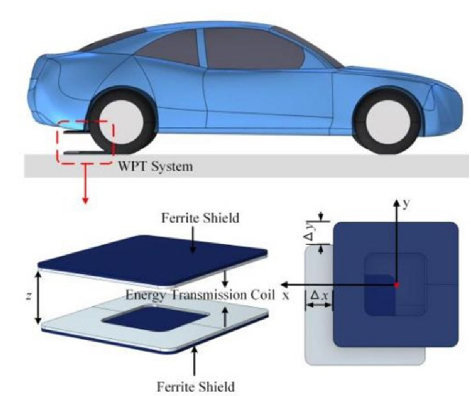
Figure 1: Wireless charging of electric vehicles and the magnetic coupling mechanism.
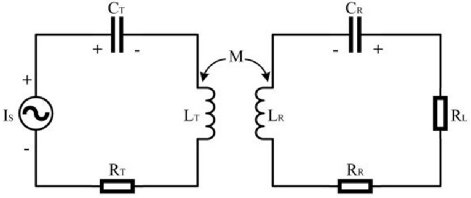
Figure 2: EV-WPT system S-S compensation circuit.
I is the AC current source, R is the equivalent resistance of the loop at the transmitter end, R is the equivalent resistance of the loop at the receiver end,R is the load resistance, such that R=R+R, C and C are the compensating capacitance at the transmitter end and the receiver end, respectively, L and L are the equivalent inductance of the transmitter coil and the receiver coil, respectively, and M is the mutual inductance between the two coils.
When LLL and CCC, the resonant angular frequency , the power is transmitted in the system with an efficiency of:
| (1) |
In practice, the uncertainty in coil dimensions, circuit element parameters, the dislocation of the transmitting and receiving coil packs due to the differences in the level of coil and circuit element processing and manufacturing, and the level of driver operation affects the mutual inductance and mutual coupling coefficients, which inevitably results in uncertainty in the transmission efficiency of the EV-WPT system. Therefore, the usual deterministic studies are not representative and it is necessary to carry out a UQ study of the transmission efficiency of EV-WPT systems in the form of statistical characterization and to analyze the extent to which a wide range of parameters affect the transmission efficiency of WPT systems. In this paper, we focus on the UQ of the transmission efficiency of the coupling mechanism of EV-WPT systems with uncertainties in the offset, physical dimensions and component parameters. In the next section, a UQ framework for the transmission efficiency of EV-WPT systems is developed based on GPR machine learning.
III. UNCERTAINTY QUANTIFICATION OF TRANSMISSION EFFICIENCY BASED ON GPR MACHINE LEARNING
A. GPR transmission efficiency agent model
Agent modeling machine learning is widely used for its simple uncertainty quantification principle. GPR has excellent solving ability for nonlinear problems due to its excellent global and local prediction performance. GPR is a nonparametric model characterized by high flexibility and scalability, and is a parameter-free stochastic process regression based on Gaussian distribution, which gives probabilistic approximate prediction of the quantity of interest and computes the input parameter space at each predicted variance at the sample point. In this paper, we use GPR to train the WPT system input parameters d-dimensional column vectors x with transmission efficiency to build a GPR agent model, which gives the predicted mean and variance of the transmission efficiency.
First, based on the function space perspective, the Gaussian process can be expressed as:
| (2) |
where denotes the hyperparameter of the covariance function, and m(x) and k(x, x’) are the mean and covariance functions of the stochastic process respectively.
The GPR training process is shown in Fig. 3 [30]. The learning problem for GPR is:
| (3) |
is the estimation noise of the GPR and N(0, ), f is regarded as a latent function, and f, f, … , f satisfy the joint Gaussian distribution.
To simplify the computation, let the prior form of constructed from n training sample points (x, ) be N(0, K+I), and let the function constructed from m test sample points be f , then the joint prior distribution of and f is:
| (4) |
where ,, are shorthand for training samples, test samples and covariance matrix between training and test samples, respectively. The specific expression is:
| (5) | |
| (6) |
| (7) |
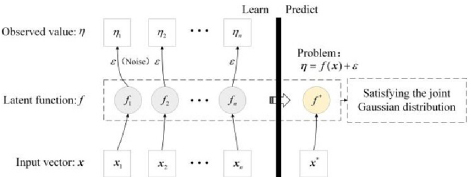
Figure 3: GPR prediction process for transmission efficiency.
According to Bayesian theory, the mean and variance of the predictive distribution can be derived as:
| (8) | ||
| (9) |
where gives a probabilistic approximation of the predicted value of the transmission efficiency and it usually ensures that the model achieves a small decision loss. gives the uncertainty of the prediction and it can be used to quantify the credibility of the predicted results.
The kernel function approach allows the model not to care about the specific form of the mapping function (group) and not to worry about the “dimensionality catastrophe” and other issues, which not only greatly facilitates the computation, but also improves the model’s learning and prediction effect to a greater extent, because the kernel function approach allows the model to measure the data in the higher or even infinite dimensional feature space similarity, and the Bayesian theoretical framework ensures that its learning and prediction are reasonable in high-dimensional or even infinite-dimensional space. The kernel function method is based on the fact that when the kernel function satisfies the Mercer condition, the low-dimensional points are mapped to the high-dimensional feature space by vector inner product, which effectively avoids the “dimensionality catastrophe” and the trouble of overfitting. Commonly utilized kernel functions include:
-
Squared kernel (SE covariance):
(10) -
Matérn 3/2 core:
(11)
In this paper, the Matérn 3/2 kernel is applied for regression analysis according to the need of solving accuracy.
GPR, as a nonparametric Bayesian method, has a variety of parameters with noise that can be varied in the kernel function of GPR, which are collectively known as hyperparameters and have an impact on the model effect. By adjusting the parameters of the kernel function, the fit of the model to the data and the predictive performance can be changed. In GPR, it is often assumed that the observed data contain a certain amount of noise. The hyperparameters of the noise term represent the variance of this noise, which reflects the uncertainty of the observed data. By adjusting the hyperparameters of the noise term, the degree of model fit to the data and the uncertainty of prediction can be balanced. When adjusting the hyperparameters, it is necessary to balance the degree of fit of the model with its ability to generalize. A model that is too complex may lead to overfitting, while a model that is too simple may not adequately capture the characteristics of the data. The log-likelihood function is the logarithm of the probability density function of the observed data for a given model parameter, and the optimal hyperparameter values can be found by maximizing this function. The optimization algorithm is based on gradient descent, and the optimal hyperparameters are obtained by finding the maximum value of the log-edge likelihood function (A.) for the training samples:
| (12) |
B. GPR transmission efficiency UQ framework
In this paper, based on the above theoretical foundation, we perform EV-WPT system transmission efficiency uncertainty quantification based on GPR machine learning, which is mainly divided into three stages, as shown in Fig. 4.
Phase 1: Preparation of training data
Uncertainty input parameters follow specific distributions and, in conjunction with the practical situation, it is assumed that the spatial location uncertainty input parameters follow a uniform distribution. The coil structure, size and element uncertainty input parameters follow a normal distribution, given the mean, variance and fluctuation range of each parameter. Latin hypercube sampling is used to prepare the training data (x, ) to model the transmission efficiency GPR agent.
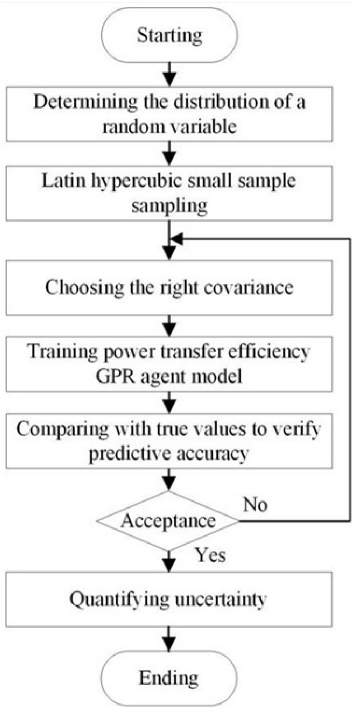
Figure 4: UQ flow chart of EV-WPT system transmission efficiency.
Phase 2: Constructing GPR agent model
Select equation (8) as the covariance function for GPR training and obtain the optimal set of hyperparameters.
Phase 3: Uncertainty quantification of transmission efficiency of EV-WPT system
Calculate the probability density function of the predicted value of transmission efficiency and its mean and variance. Based on the UQ results, gain insight into the effect of uncertainty inputs on the power transfer efficiency of the EV-WPT system.
IV. MOAT screening of uncertainty input variables
The MOAT algorithm is a lightweight global screening method that provides a qualitative measure of the importance of each input parameter [24]. The method is purely sample-based and requires relatively little computational effort from the model. MOAT becomes an ideal method when the number of input parameters is too large for computationally expensive uncertainty quantification studies.
MOAT first uses Morris sampling to obtain p trajectories and generatesl levels for each dimension (i1,…,d) of the d-dimensional variable to generatel levels. Then the sampled data points are (j1,…,p), and the level of influence of the i input variable can be calculated as:
| (13) |
The expression for mean value of MOAT for the i input, based on the basic effect of the p replicates, is:
| (14) |
The expression for standard deviation of MOAT for thei input is:
| (15) |
The MOAT method calculates the MOAT mean and standard deviation for each input parameter and displays them in a MOAT scatter plot. The ordering of the MOAT mean and standard deviation gives the relative importance of the input parameter. The higher the former means that the parameter significantly affects the amount of attention; the higher the latter means that the parameter either has a strong interaction with other parameters, a non-linear effect, or both. In this paper, based on the results of MOAT calculations, we filter out the variables that have a strong influence on the WPT efficiency of EVs, so as to find the most important influencing factors.
V. SIMULATION ANALYSIS
Based on the WPT system model in section I, it can be seen that EV-WPT transmission efficiency is subject to strong uncertainties due to the coupling mechanism offset, coil structure and circuit component parameter uncertainties. For the prior condition of spatial location distribution, in practical applications, the likelihood of distance offsets is the same for all possibilities, which conforms to a uniform distribution in engineering. For the coil parameters in the processing of the error, all kinds of enterprises in the development of test standards commonly used normal distribution to ensure its scientific and objective, so this paper also selected Gaussian distribution.
According to the actual situation, 10 random variables and their distribution intervals that have an impact on the transmission efficiency are considered in this paper, as shown in Table 1, where x is the horizontal offset of the WPT system, y is the vertical offset, z is the coil spacing, d is the transmitting coil cross-sectional diameter, d is the receiving coil cross-sectional diameter, I is the excitation current of the current source, R is the transmitting coil self-resistance, R is the load resistance, C is the transmitting-side compensation capacitance and C is the receiving-side compensation capacitance. The above 10 uncertainty factors are unavoidable errors in the WPT system itself or in the driver’s operation, mapped to the uncertainty effects considered in this paper.
According to the parameter distributions of random variables in Table 1, 500 training samples are collected using the Latin Hypercube Sampling (LHS) method to establish the GPR agent model, and 10,000 MC experiments are conducted based on the agent model. Meanwhile, 10,000 MC experiments of the real model are conducted to verify the accuracy of the GPR method based on experience and UQ stability. The simulation model takes about 1 minute to extract each sample point, and the computation time is given for a computer with a 6-core/12-thread processor (Intel Core i5-10400, 2.90 GHz) and 16 GB RAM running Windows. The GPR model predictions were compared with the true values, as shown in Fig. 5, and the relevant statistical parameters measuring the predictive power were calculated, as shown in Table 2. The results show that the GPR agent model is trained with high accuracy and can be used as a basis for sample prediction for uncertainty quantification.
Establishing the response surface based on the above GPR agent model can save computational cost and achieve good accuracy. The response surface of EV-WPT system transmission efficiency based on GPR agent model is shown in Fig. 6.
Based on the above experimental basis and the EV-WPT model proposed in section II, this paper quantifies the uncertainty of the transmission efficiency of the EV-WPT system around GPR and MC, as shown in Fig. 7 and Table 3.
Table 1: Parameter distribution of random variables
| Input | Distribution | Unit |
| x | U (-0.1,0.1) | m |
| y | U (-0.1,0.1) | m |
| z | U (0.15,0.2) | m |
| d | N (2e-3,1e-4) | m |
| d | N (2e-3,1e-4) | m |
| I | N (100,5) | A |
| R | N (0.2,0.01) | |
| R | N (10,0.5) | |
| C | N (120,6) | nF |
| C | N (130,6.5) | nF |
Table 2: Statistical parameters related to prediction
| Method | Mean Absolute Percentage Error | Root Mean Squared Error | Coefficient of Determination |
| GPR | 0.0005 | 0.0006 | 0.9989 |
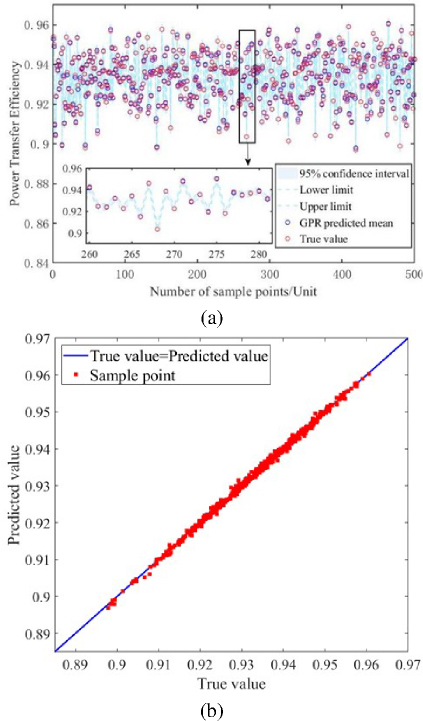
Figure 5: GPR training process and prediction accuracy: (a) uncertainty in GPR projection and (b) comparison of predicted and true values of GPR transmission efficiency.
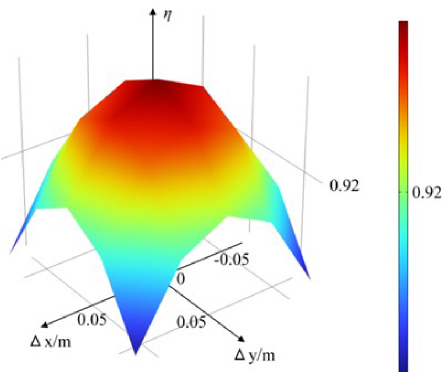
Figure 6: Response surface of transmission efficiency based on GPR agent model.
Establishing the response surface based on the above GPR agent model can greatly save computational cost and achieve good accuracy.
From the above calculation results, it is obvious that the UQ accuracy of the established GPR agent model is basically the same as that of the MC method, but its computational time cost is reduced by 94.5% compared with the MC method, which greatly reduces the computational cost. In addition, it can be observed from Fig. 7 and Table 3 that, under the influence of uncertainty factors, the efficiency of the WPT system has large ups and downs with large transformation intervals, which is attributed to the fact that the coupling effect between the two coils becomes weaker under the influence of uncertainty factors, and the efficiency of the energy transfer subsequently becomes lower. In addition, in the presence of positional deviation, the leakage of electromagnetic field is also one of the potential dangers. Thus, in order to design a rational WPT system, it is necessary to screen out the influential variables so as to make a targetedstrategy.
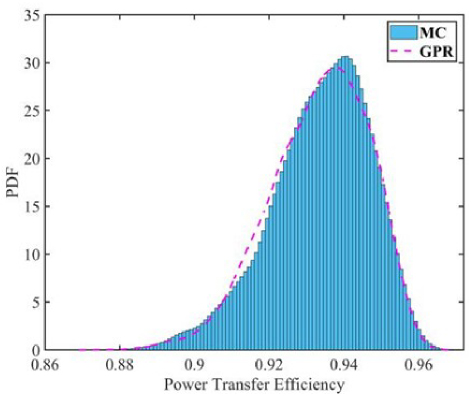
Figure 7: Contrast of probability density function.
Table 3: Comparison of MC and GPR model with uncertainty inputs
| Mean | Variance | RelevantError | Elapsed Time | ||
| MC | 0.9229 | 0.0281 | Mean | Variance | 7 days and 2 hours |
| GPR | 0.9195 | 0.0291 | 0.3684% | 3.5587% | 9 hours and 21 minutes |
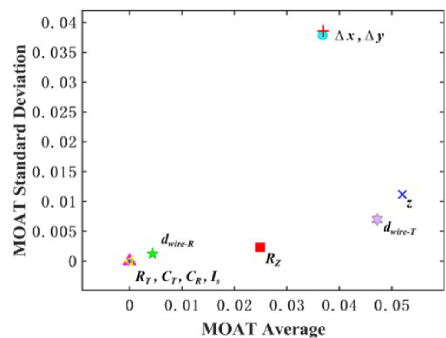
Figure 8: MOAT mean and standard deviation of the related variables.
To qualitatively assess the significance of the 10 input parameters and identify those exerting a more substantial influence on transmission efficiency, this study employs the MOAT approach to address the GPR agent model. The outcomes are illustrated in Fig. 8.
From the results, it can be seen that the variables that have the greatest impact on the transmission efficiency are the horizontal offset x, y, coil spacing z, and the cross-section diameter of the transmitting coil d. The standard deviation of their MOAT and the mean are significantly higher than those of the other factors, which is consistent with the performance of the WPT efficiency in actual use [24] and, therefore, these factors should be emphasized in the design of the actual WPT system. In addition, the receiver side resistance R and the receiver side coil cross-section diameter d also have an impact on transmission efficiency, while other input variables have less impact on the uncertainty of the transmission efficiency.
The above results indicate that in order to make the transmission efficiency as high as possible, in addition to accurately designing the geometrical structure parameters of the WPT system as well as the parameters of the compensation circuits, attention should be focused on the offset between the transmitting and receiving coils. Based on the conclusions obtained from the above results, in the practical design method, the above types of uncertainty factors with obvious effects should be considered in the optimization design of WPT and, since uncertainty factors cannot be avoided, they should be considered as the background of the design, so as to achieve the system to maintain high efficiency under the influence of uncertainty factors.
In order to verify the calculation accuracy of the above GPR-based EV-WPT system transmission efficiency proxy model, an experimental platform based on an EV-WPT system with an operating frequency of 85 kHz and a power of 11 kW is constructed to carry out an experimental validation of the GPR system transmission efficiency proxy model in this paper. The experimental platform is shown in Fig. 9. Among them, the displacement stage is able to realize the position offset on the three-dimensional space of the EV-WPT system and control its displacement through the computer terminal. In the uncertainty quantification verification experiment, this paper adopts the discrete step form to realize the value of uncertainty factors and, according to the limiting range of uncertainty factors in Table 1, the probability density function (PDF) distribution of transmission efficiency of the experimentally verified EV-WPT system is shown in Fig. 10.
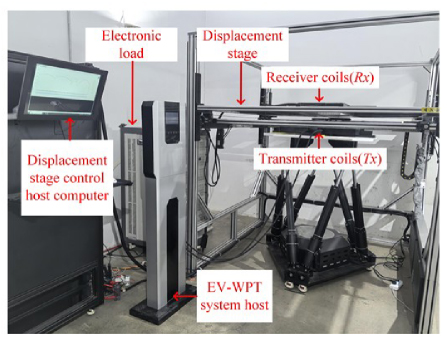
Figure 9: Experimental setup.
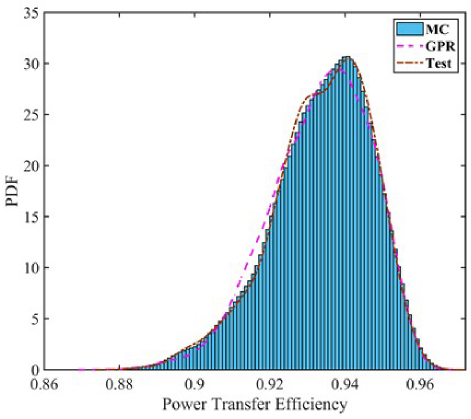
Figure 10: Contrast of probability density function.
Figure 10 shows that the uncertainty quantization results of the GPR-based EV-WPT system transmission efficiency proxy model proposed in this paper are basically consistent with the experimental results, indicating that the GPR proxy model in this paper is accurate. Therefore, the UQ method of the GPR-based EV-WPT system transmission efficiency proxy model proposed in this paper has significant practical applications and provides theoretical guidance for the optimization and design of practical EV-WPT systems.
VI. CONCLUSION
In this paper, the GPR machine learning method is used to build and establish the transmission efficiency agent model of an EV-WPT system. Based on the GPR agent model, it realizes solving the response surface of the transmission efficiency and quantifying the uncertainty of the transmission efficiency, so as to realize the efficiency assessment under the uncertainty background. Finally, the uncertainty input parameters affecting the transmission efficiency are screened by MOAT to quantify the degree of influence of different parameters and, finally, the effectiveness of the GPR agent model in this paper is verified by experiment, so as to provide theoretical guidance on the optimization aspect of the system efficiency of the WPT system.
ACKNOWLEDGMENT
This research is partially funded by the Jilin Scientific and Technological Development Program under Grant 20240101117JC, Grant 20230201122GX, and the Key Laboratory for Comprehensive Energy Saving of Cold Regions Architecture of Education, Jilin Jianzhu University under Grant JLJZHDKF202203.
REFERENCES
[1] A. Triviño, J. M. González-González, and J. A. Aguado, “Wireless power transfer technologies applied to electric vehicles: A review,” Energies, vol. 14, pp. 1-21, Mar. 2021.
[2] B. Wang, X. Kestelyn, E. Kharazian, and A. Grolet, ”Application of normal form theory to power systems: A proof of concept of a novel structure-preserving approach,” in 2024 IEEE Power & Energy Society General Meeting (PESGM), Seattle, WA, USA, pp. 1-5, 2024.
[3] E. Hasani, F. Torabi, and A. Salavati-Zadeh, “Electrochemical simulation of lithium-ion batteries: A novel computational approach for optimizing performance,” Hydrogen, Fuel Cell & Energy Storage, vol. 11, no. 4, pp. 215-224, Nov. 2024.
[4] L. Chaoqun, W. Xiaokang, W. Bin, and G. Yan, ”Research on influence of the electric vehicle on life safety during the wireless charging process,” in 2018 IEEE 2nd International Electrical and Energy Conference (CIEEC), Beijing, China, pp. 507-512, Nov. 2018.
[5] A. Ahmad, M. S. Alam, and R. Chabaa, “A comprehensive review of wireless charging technologies for electric vehicles,” IEEE Trans. Transp. Electrif., vol. 4, no. 1, pp. 38-63, Mar. 2018.
[6] A. Shafiee, H. R. Moghadam, M. Merikhipour, and J. Lin, “Analyzing post-pandemic remote work accessibility for equity through machine learning analysis,” in International Conference on Transportation and Development 2024: Transportation Planning, Operations, and Transit (ICTD), Atlanta, GA, USA, pp. 453-462, 2024.
[7] D. Patil, M. K. McDonough, J. M. Miller, B. Fahimi, and P. T. Balsara, “Wireless power transfer for vehicular applications: Overview and challenges,” IEEE Trans. Transp. Electrif., vol. 4, no. 1, pp. 3-37, Mar. 2018.
[8] S. Sheikhahmadi, M. Moezzi, and H. Ghafoorifard, “A low phase noise class-C oscillator with improved resonator and robust start-up,” IEEE Transactions on Circuits and Systems II: Express Briefs, vol. 68, no. 1, pp. 92-96, Jan. 2021.
[9] M. Ghorbani Eftekhar, Z. Ouyang, M. A. E. Andersen, P. B. Andersen, L. A. de S. Ribeiro, and E. Schaltz, “Efficiency study of vertical distance variations in wireless power transfer for E-mobility,” IEEE Trans. Magn., vol. 52, no. 7, pp. 1-4, July 2016.
[10] K. Sheida, M. Nobari, B. Baigzadehnoe, and H. Bevrani, “An artificial bee colony based PID controller for depth control of an autonomous underwater vehicle,” in 2022 8th International Conference on Control, Instrumentation and Automation (ICCIA), Tehran, Islamic Republic of Iran, pp. 1-6, 2022.
[11] H. Kim, C. Song, D.-H. Kim, D.Y. Jung, I.-M. Kim, and Y.-I. Kim, “Coil design and measurements of automotive magnetic resonant wireless charging system for high-efficiency and low magnetic field leakage,” IEEE Trans. Microwave Theory Tech., vol. 64, no. 2, pp. 383-400, Feb. 2016.
[12] R. Narayanamoorthi, “Modeling of capacitive resonant wireless power and data transfer to deep biomedical implants,” IEEE Trans. Compon. Packag. Manuf. Technol., vol. 9, no. 7, pp. 1253-1263, July 2019.
[13] X. Shang, L. Xu, Q. Yu, L. Bo, G. Lv, Y. Chi, and T. Wang, “Uncertainty quantification and optimal design of EV-WPT system efficiency based on adaptive Gaussian process regression,” Applied Computational Electromagnetics Society (ACES) Journal, vol. 38, no. 12, pp. 929-940, Dec. 2023.
[14] A. Madanimohammadi, M. Abbasian, M. Delshad, and H. Saghafi, “Electromagnetic and thermal analysis of a 6/4 induction switched reluctance machine for electric vehicle application,” Applied Computational Electromagnetics Society (ACES) Journal, vol. 38, no. 05, pp. 361-370, May 2023.
[15] H. Ni, H. Jiang, X. Li, Q. Jia, and X. Wang, “Simulation analysis of electromagnetic environment effect and shielding effectiveness for VPX chassis under plane wave radiation,” Applied Computational Electromagnetics Society (ACES) Journal, vol. 38, no. 11, pp. 875-885, Nov. 2023.
[16] P. Manfredi, “A stochastic active learning strategy for Gaussian process models with application to the uncertainty quantification of signal integrity,” in2023 IEEE Electrical Design of Advanced Packaging and Systems (EDAPS), Rose-Hill, Mauritius, pp. 1-3, Mar. 2023.
[17] G. S. Fishman, Monte Carlo: Concepts, Algorithms, and Applications. New York: Springer, 1995.
[18] T. Tan, T. Jiang, Y. Wu, Y. Zhu, and Y. Chi, “Safety assessment of gender-specific human electromagnetic exposure with aortic valve stents for EV-WPT,” Applied Computational Electromagnetics Society (ACES) Journal, vol. 39, no. 08, pp. 742-753, Aug. 2024.
[19] T. Wang, Q. Yu, B. Li, G. Lv, Y. Wu, and S. Guan, “Uncertainty quantification of human electromagnetic exposure from electric vehicle wireless power transfer system,” IEEE Trans. Intell. Transp. Syst., vol. 24, no. 8, pp. 8886-8896, Aug. 2023.
[20] A. Shah, Y. Cho, and H. Yoo, “Safety evaluation of medical implants in the human body for a wireless power transfer system in an electric vehicle,” IEEE Trans. Electromagn. Compat., vol. 63, no. 3, pp. 681-691, June 2021.
[21] M. Rossi, G. Stockman, H. Rogier, and D. V. Ginste, “Stochastic analysis of the efficiency of a wireless power transfer system subject to antenna variability and position uncertainties,” IEEE Sens. J., vol. 16, no. 7, pp. 1-15, 2016.
[22] R. Trinchero, M. Larbi, H. M. Torun, F. G. Canavero, and M. Swaminathan, “Machine learning and uncertainty quantification for surrogate models of integrated devices with a large number of parameters,” IEEE Access, vol. 7, pp. 4056-4066, 2019.
[23] P. Yao, P. Lionel, B. Mohamed, and L.-B. Yann, “Uncertainty quantification in the design of wireless power transfer systems,” Open Physics, vol. 18, no. 1, pp. 391-396, 2020.
[24] T. Wang, Y. Wu, B. Li, Q. Yu, L. Xu, and S. Guan, “Design of electric vehicle’s wireless power transfer system based on deep learning combined with multi-objective optimization,” IEEE Trans. Compon. Packag. Manuf. Technol., vol. 12, no. 12, pp. 1983-1994, Dec. 2022.
[25] T. Shimamoto, I. Laakso, and A. Hirata. “In-situ electric field in human body model in different postures for wireless power transfer system in an electrical vehicle,” Phys. Med. Biol., vol. 60, no. 1, pp. 163-173, Jan. 2015.
[26] S. Jeong, J. Jung, K. A. Kim, and J. Kim, “Analytical investigation of optimal wireless power transfer topology for electric vehicles,” in 2015 IEEE PELS Workshop on Emerging Technologies: Wireless Power (2015 WoW), Daejeon, South Korea, pp. 1-5, 2015.
[27] T. Hofmann, B. Schölkopf, and A. J. Smola, “Kernel methods in machine learning,” The Annals of Statistics, Institute of Mathematical Statistics, vol. 36, no. 3, pp. 1171-1220, 2008.
[28] Q. Yu, J. Lin, X. Ma, B. Li, L. Xu, and T. Wang, “Efficiency optimization of wireless power transfer system for electric vehicle based on improved marine predators algorithm,” IEEE Trans. Intell. Transp. Syst., vol. 24, no. 7, pp. 7847-7858, July 2023.
[29] Q. Zhu, M. Su, Y. Sun, W. Tang, and A. P. Hu, “Field orientation based on current amplitude and phase angle control for wireless power transfer,” IEEE Trans. Ind. Electron., vol. 65, no. 6, pp. 4758-4770, June 2018.
[30] X. Wan, J. Cai, S. Luo, Z. Tian, L. Zhang, and X. Xia, “Gaussian process for the machine learning-based smart fire detection system,” in 2022 IEEE 6th Information Technology and Mechatronics Engineering Conference (ITOEC), Chongqing, China, pp. 100-104, 2022.
BIOGRAPHIES

Tianhao Wang received the B.S. degree in electrical engineering and the Ph.D. degree in vehicle engineering from Jilin University, Changchun, Jilin, China, in 2010 and 2016, respectively. From 2016 to 2019, he was a Post-Doctoral Researcher at the Department of Science and Technology of Instrument, Jilin University, where he is currently an Associate Professor with the College of Instrumentation and Electrical Engineering. His research interests include the uncertainty quantification of wireless power transfer of EVs and human electromagnetic exposure safety.

Kaifeng Zhao received the B.S. degree in electrical engineering and automation from the College of Instrumentation and Electrical Engineering, Jilin University, Changchun, Jilin, China, in 2023, where he is currently pursuing the M.S. degree in electrical engineering. His research interests include human electromagnetic safety protection and electromagnetic compatibility of EVs.

Hongwei Duan received the B.S. degree in electrical engineering and automation from the College of Electrical Engineering, Northeast Electric Power University, Jilin, China, in 2024. He’s currently working on his M.S. degree at Jilin University, Jilin, China. Since 2024, he has worked on the operation and the application of micro-grid systems.

Quanyi Yu received the B.S. and the M.S. degrees from the College of Communication Engineering, Jilin University, Changchun, Jilin, China, in 2016 and 2020, respectively, where he is pursuing the Ph.D. degree. His research interests include uncertainty quantification and electromagnetic compatibility of EVs.

Linlin Xu received the B.S. degree and M.S. degree in electrical engineering and automation from the College of Instrumentation and Electrical Engineering, Jilin University, Changchun, Jilin, China, in 2020 and 2024, respectively. Her research interests include electromagnetic safety.

Shanshan Guan received the B.S. degree in precision instruments and machinery and the Ph.D. degree in measurement technology and instruments from Jilin University, Changchun, Jilin, China, in 2008 and 2012, respectively. In 2019, she was a Visiting Scholar at the Southern University of Science and Technology, Shenzhen, China. She is currently an Associate Professor with the College of Instrumentation and Electrical Engineering, Jilin University. Her research interests include forward modeling and inverse algorithms of EM fields, and the development of electromagnetic instruments.
ACES JOURNAL, Vol. 40, No. 3, 226–263
doi: 10.13052/2025.ACES.J.400307
© 2025 River Publishers