Deep Learning Enhanced Hybrid BEM-rMLNCA Method for Efficient Power Cable Crosstalk Prediction
Abdul Mueed, Weiqiang Tang*, and Rui Ma
School of Automation and Electrical Engineering Lanzhou University of Technology, Lanzhou, Gansu 730050, China
twqzjh@163.com
∗Corresponding Author
Submitted On: November 18, 2025 Accepted On: July 07, 2026
ABSTRACT
This paper presents a deep learning-assisted hybrid Boundary Element Method (BEM)-recompressed Multilevel Nested Cross Approximation (rMLNCA) algorithm for efficient and accurate crosstalk prediction. This hybrid approach aims to combine the physics-based precision of BEM with the compression efficiency of rMLNCA and the nonlinear learning capability of deep neural networks (DNN) for high-fidelity modeling with reduced computational requirements. Under this proposed method, three parameters are predicted for crosstalk: Near-End Crosstalk (NEXT), Far-End Crosstalk (FEXT), and Common-Mode Current (CMC) measurement. The impedance and coupling parameters are computed using BEM, while rMLNCA decomposes and recompresses the far-field matrices into low-rank admissible blocks, reducing both memory and time significantly. It improves predictive accuracy further by learning nonlinear relationships among geometric, material, and frequency-dependent features using an optimized deep neural network architecture. The suggested model has high predictive consistency with the 5-fold cross-validation of . Final evaluation results showed that there is strong accuracy, as depicted by and MAPE values for NEXT, FEXT, and CMC of 0.9707/15.10%, 0.9602/11.11%, and 0.9750/8.19%, respectively, validating generalization performance.
Keywords: Boundary element method, deep neural network, far-end crosstalk, near-end crosstalk, power cable, recompressed multilevel nested cross approximation..
1 INTRODUCTION
Crosstalk parameter estimation plays a critical role in electromagnetic compatibility. If the interference of neighbor cables degrades signal quality, it also generates difficult-to-remove Far-End Crosstalk (FEXT) in high-speed data transmission [1, 2]. In particular, cables like LIFY and AWG23 have been designed to be resistant against electromagnetic interference for control and data systems [3]. However, compared to the extensive studies done on external interference, internal crosstalk within twisted pairs remains limited [4].
Impedance matrices dealing with crosstalk and current distribution are mostly derived by analytical methods which are then numerically accelerated by sophisticated numerical techniques like integral equation-fast Fourier transform [5] and adaptive integral method [6]. The methods mentioned improve calculation efficiency, however, they remain limited in terms of nonlinear memory computations. Advanced numerical techniques, including finite difference method [7], and method of moments (MoM) [8], have significantly improved the accuracy of crosstalk analysis compared to earlier methods. Conductor partitioning-based approaches [9], volumetric finite element method [10], and Boundary Element Method (BEM) [11] have very high computational burdens, whereas MoM remains the most efficient among the methods dealing with a complex geometry. The adaptive cross approximation (ACA) technique efficiently reduces the computational cost of singular value decomposition through low-rank compression, thus proving ideal for large-scale electromagnetic and multiconductor transmission line (MTL) analyses [12].
Low-rank approximations of far-field impedance matrix interactions are effectively compressed with controlled error tolerance. Methods such as ACA [13] and Hybrid Cross Approximation [14] enhance stability but are without hierarchical organization, limiting the reduction in complexity. Exploiting the nesting property of Lagrange polynomials allows the construction of hierarchical -matrices [15] that further improve computational efficiency. Further advances in fast algorithms by kernel-independence and nesting have resulted in direct -matrix formulations with reduced conversion complexity from [16]. Notably, two kernel-independent methods (nested equivalent source approximation and nested skeletonization) achieve this by using multilevel equivalent sources and proxy surface sampling, respectively [17].
Nested cross approximation (NCA) is an algebraic method that constructs hierarchical low-rank bases with near-linear memory and computational cost using only a few matrix samples [18]. However, the existing algebraic fill strategies rely on globally nested bases; as the problem size increases, the far-field blocks grow fast and, hence, the strategy becomes inefficient. On this account, a deep learning-assisted approach is developed by recursively performing the recompression on the local admissible blocks so that this approach scales better for electrically large problems.
The present study describes a deep learning-assisted hybrid method that incorporates a DNN with BEM and Multilevel Nested Cross Approximation (rMLNCA) for efficient and accurate crosstalk prediction in power cables. DNN enhances the rMLNCA process in computational efficiency, stability, and scalability for crosstalk analysis. With its pattern recognition capability, it refines the numerical compression kernel to achieve high-fidelity modeling of complex coupling behavior. This approach yields a hybrid DNN-BEM-rMLNCA with near-linear computational complexity, significantly reducing the computational burden compared with traditional approaches. The model makes effective predictions of Near-End Crosstalk (NEXT), Far-End Crosstalk (FEXT), and Common-Mode Current (CMC). Validation was performed against the conventional nested cross approximation and the transmission line matrix method.
The paper is organized thus: Theoretical background and simulation setup for single- and multiwire crosstalk are presented in section 2, while section 3 describes the hybrid DNN-assisted model. Section 4 presents the results and analysis, and section 5 concludes the study.
2 PROPOSED MODEL DESCRIPTION
2.1 Numerical model
2.1.1 Single-to-single cable
This research is based on single-to-single-line parameter estimation for crosstalk analysis of an AWG23 single-core cable. One wire is used as an aggressor and the other as a victim. Both NEXT and FEXT crosstalk on the victim line are calculated and confirmed. Table 1 provides the cable parameters while Fig. 1 represents the cross-sectional model and the circuit schematic where - are NEXT ports and - are FEXT ports.
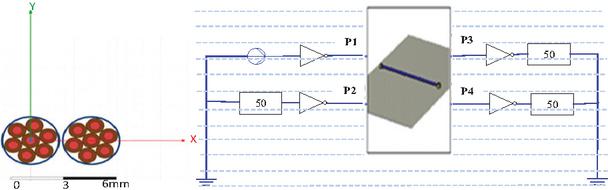
Figure 1 Single-line crosstalk simulation model.
Table 1 Single wire parameter (AWG)
| Parameter | Value |
| Relative distance between cables d | 5 mm |
| Height above the ground h | 50 mm |
| Single core conductor radius | 0.286 mm |
| Insulation thickness of single core wire | 0.19 mm (PE) |
| Termination resistance | 50 |
| Line length 1 | 1 m |
2.1.2 Single cable to twisted pair
The analysis in this part is focused on the parametric study of the twisted LIFY cable. The cables are multistrand, multicore composite and, for crosstalk analysis, a singlecore wire is considered as the aggressor and the twisted pair as the victim. The parameters to be varied are presented in Table 2, and the cable model is depicted in Fig. 2. Ports - illustrate NEXT on lines 1–3, and - refer to FEXT on the same lines.
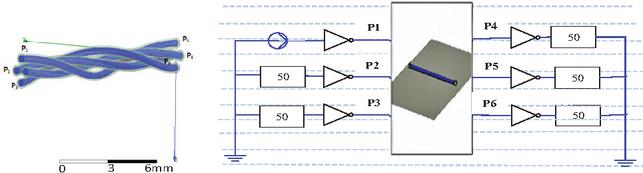
Figure 2 Simulation of twisted pair crosstalk.
Table 2 Twisted wire constraints (LIFY)
| Parameter | Value |
| Relative distance between cables d | 5 mm |
| Height over the ground h | 50 mm |
| Single core conductor radius | 0.286 mm |
| Insulation thickness of single core wire | 0.19 mm (PE) |
| Twisted pair radius | 0.50 mm |
| Insulation thickness of twisted pair | 1.0 mm (PE) |
| Termination resistance | 50 |
| Line length 1 | 1 m |
2.2 Deep learning model
This paper proposes a hybrid algorithm aided by deep learning to predict power cable crosstalk with high accuracy. The hybrid model (Fig. 3) integrates a 100-layer deep neural network with the BEM-rMLNCA numerical method. It utilizes the shape and material properties to predict NEXT and FEXT. The model, which was trained on 1000 samples and stabilized with batch normalization and dropout, achieved a speed-up of the calculation time by 97.2%, a reduction of the operational complexity by 87.5%, and the total time for the analysis of only 2.8 s, about 35 times faster than conventional methods.
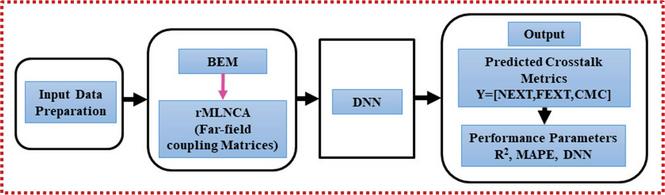
Figure 3 DNN proposed method.
3 DNN ASSISTED BEM-rMLNCA ALGORITHM FOR POWER CABLE CROSSTALK
3.1 Implementation of DNN-BEM-rMLNCA algorithm for power cable crosstalk
BEM discretizes only boundaries, not the full domain. To handle dense matrices in complex problems, we introduce a hybrid rMLNCA for cable crosstalk that has a low-rank approach using minimal entries to approximate full information. A low-rank matrix S is represented by
| (1) |
The basis function is discretized by MoM for cable crosstalk interference parameters. The main purpose of the basis function is to discretize the number of segments (wires) in the MTL accordingly. The total number of wires is the sum of , where and number of wires. The basis function for cable crosstalk based on rMLNCA is:
| (2) | ||
| (3) |
The test functions are chosen within a weighted residual-Galerkin function to meet boundary requirements and linear independence, and use the same basis functions to approximate the solution to ensure numerical stability and weighted residual minimization convergence. The testing function for the M-conductor cable crosstalk is:
| (4) |
The testing function based on the rMLNCA becomes:
| (5) |
Near-end crosstalk: Crosstalk occurs at the near end of the aggressor line closest to the driver. NEXT in terms of voltage is given by:
| (6) |
Far-end crosstalk: FEXT occurs at the end of the victim line opposite to the aggressor driver. The rMLNCA based approximation is:
| (7) |
The common mode measurement induced on a victim cable due to an aggressor’s CM current is:
| (8) |
In equation (9), the convergence criterion epsilon is evaluated using the norm (Euclidean norm) of the residual vector. The convergence for the proposed solution is:
| (9) |
Adaptive tree depth is determined by crosstalk convergence, with recursive subdivision terminating at Level 8 when successive changes fall below a predefined threshold. The resulting octa-level tree achieves a compression ratio of 1:775 and a basis function reduction factor of 0.612012. Tables 3 and 4 show the details.
Table 3 Average reduction order of matrix assembly
| Matrix Assembly | Average Order |
| 122575 | 1.386382 |
| 155996 | 1.371161 |
| 169755 | 1.355393 |
| 183034 | 1.334839 |
| 196787 | 1.319798 |
| 225281 | 1.297659 |
| 242185 | 1.289720 |
| 257994 | 1.282211 |
| 273871 | 1.275396 |
| 286440 | 1.269410 |
Table 4 Computation of basis function for power cable
| Tetrahedra | Basis | Memory | Solution | Adaptive |
| Function | Time | Passes | ||
| Order | ||||
| 286440 | 0 | 299 MB | 3 min | 17 |
| 355596 | 1st | 480 MB | 9 min | 13 |
| 293764 | 2nd | 619 MB | 10 min | 12 |
| 122575 | Mixed | 0.765 KB | 10 s | 9 |
In the DNN method, the adjoined conditions limit the constraints of the far-field coupling matrix. The convergence is monitored for 50 epochs. Mean Absolute Error (MAE) decreases from 0.95 to less than 0.2 at around epoch 20 and remains at about 0.05 after 40 epochs, thus, the network can be considered effectively trained. The simultaneously training and validation error curves also suggest that the model generalizes well (Fig. 4).
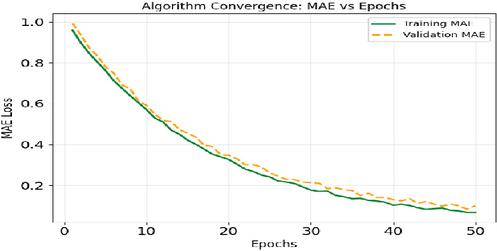
Figure 4 MAE convergence of proposed algorithm.
Frobenius relative error between reference and predicted along with the element-wise error of a rank- far-field matrix is depicted in Fig. 5. The network accurately learns the lowrank features. On average, a 10% mean relative Frobenius error is achieved for 1000 test samples. The basic algorithmic flowchart is demonstrated in Fig. 6.
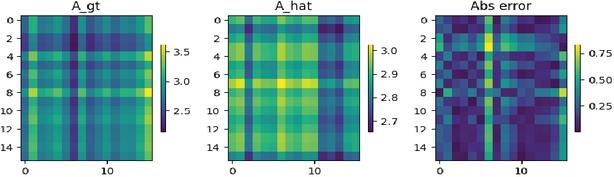
Figure 5 Relative Frobenius error of proposed algorithm.
4 RESULTS AND DISCUSSION
4.1 Power cable crosstalk analysis
In this section, a deep neural network prediction for power cable crosstalk analysis based on BEM-rMLNCA is presented. A HFSS-IE solver is used for the numerical solution of the proposed model layout of cables to build cable simulation models independently. The hybrid solver is used to compute the S-parameters from the computations of a low-rank matrix or rank deficient matrix. Simulated data is extracted, and then trained using dense DNN to predict the crosstalk in the power cable. Data normalization takes place.
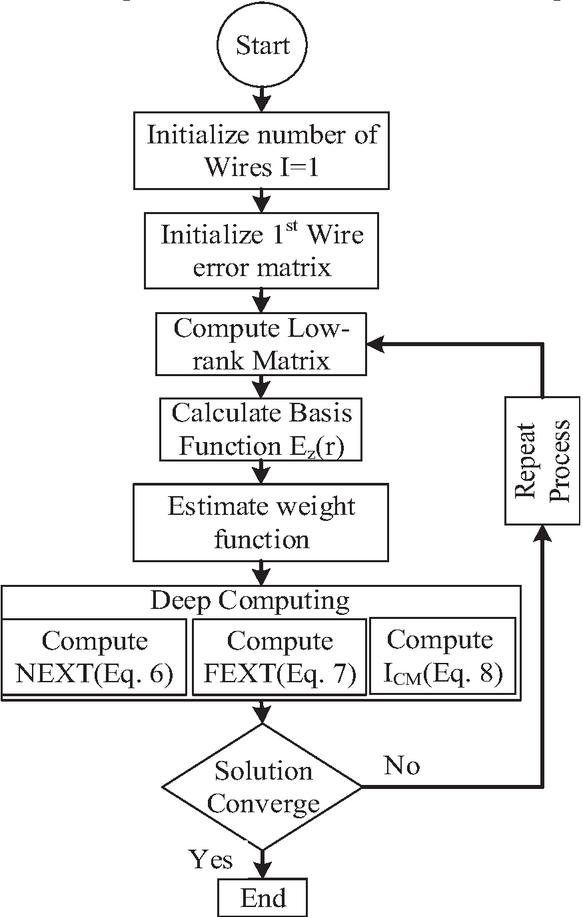
Figure 6 Flowchart of DNN hybrid BEM-rMLNCA algorithm.
4.1.1 Near end crosstalk
Figure 7 presents the measured and predicted NEXT across 0.1–1 GHz. NEXT decreases with frequency, from approximately 0.7–0.9 dB at 0.1 GHz to 0.3–0.4 dB around 0.5 GHz, and down to about 0.05–0.2 dB at 1 GHz. The predicted values, shown as red crosses, trajectory well with the measured data, depicted as blue dots, except for minor deviations in the low-frequency region where NEXT is relatively high and more variable. The model accurately captures the frequency-dependent coupling behavior. The frequency-averaged relative error amounts to 0.032%, and the computational efficiency is 98%. Hence, the plot shows strong agreement between the predicted and actual NEXT, further confirming the reliability of the model over the operating band.
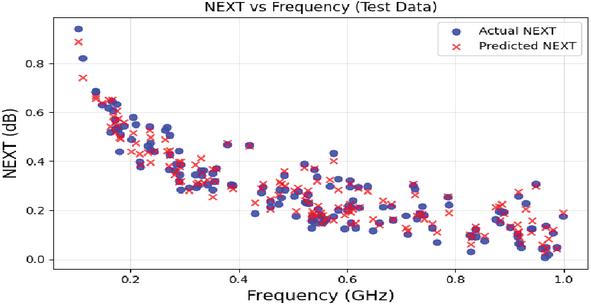
Figure 7 Near-end crosstalk estimation.
4.1.2 Far end crosstalk
Figure 8 illustrates the variation of FEXT with frequency for a multiconductor power cable transmission system. Analysis covers frequencies from 0.1 to 1 GHz, where FEXT values range between 0.1 dB and 0.85 dB across 97 test cases. The results reveal an inverse relationship (FEXT decreases to around 0.25 dB as frequency rises), reflecting reduced electromagnetic coupling at higher frequencies. The comparison between predicted (red crosses) and measured (blue dots) values shows close alignment, with an average relative error 0.09%. Additionally, the matrix compression technique enhances computational efficiency by nearly 95%. This predicted computational efficiency gain demonstrates reduced runtime and increased solver throughput. Overall, the strong alignment between simulated and predicted results highlights the model’s reliability and accuracy in estimating crosstalk within complex cable systems, achieving an effective balance between precision and computational speed.
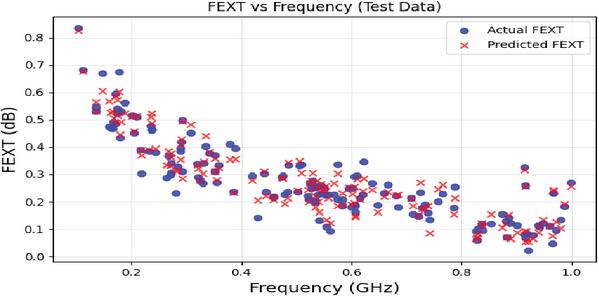
Figure 8 Far-end crosstalk estimation.
4.1.3 Common mode current measurement
Figure 9 presents a comparison of the Common Mode Current test dataset values between 0 and 1 GHz that were both measured and predicted. Measured data (blue circles) and model predictions (red crosses) show the same rising trend with CMC increasing from about 0.05 A at 0.05 GHz to around 1 A at 1 GHz. The close matching indicates that the model performance is strong which is reflected by , root mean square error (RMSE) 8.29%, and mean absolute percentage error (MAPE) 8.19%. The RMSE is normalized by the mean absolute value of the reference crosstalk over the frequency band. These findings confirm the model’s capability to grasp the nonlinear, frequency-dependent coupling behavior of the power cable. The minor differences at higher frequencies may be due to measurement uncertainty or boundary simplifications in the hybrid solver. The compressed matrix achieves 97% reduction with only 3% precision loss, thus the relative error is very small (0.05%) and the steady state behavior is stable. The steady-state behavior in this broadband frequency-domain analysis refers to the crosstalk and CMC’s stabilized sinusoidal response at each frequency following the decay of all transient effects. Consequently, the measurements and predictions are in close agreement. Figure 10 shows the comparison of crosstalk based on DNN.
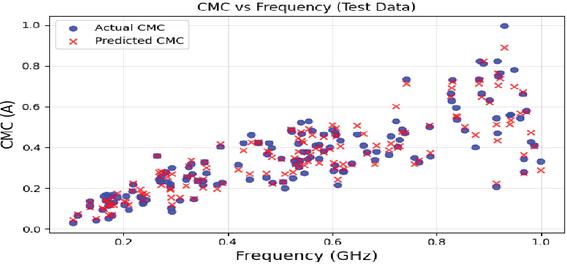
Figure 9 Common mode current measurement for power cable.
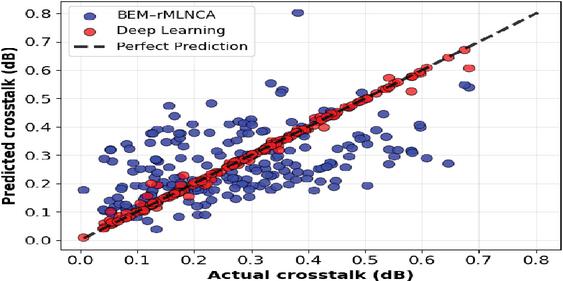
Figure 10 Crosstalk comparison of the proposed algorithm.
4.2 Computing parameters
For the performance evaluation of the proposed algorithm, memory usage, CPU time, error, and accuracy were compared. Table 5 summarizes the memory and runtime performance, while Fig. 11 shows the error and accuracy plots. The combined analysis confirms strong predictive capability for key electromagnetic parameters. For NEXT, the model obtained , while the errors are low: RMSE 2.1%, MAPE 3.5%. In the case of FEXT, it maintained reliable performance with , RMSE 3.8%, MAPE 5.2%, confirming that accuracy is consistent for both outputs.
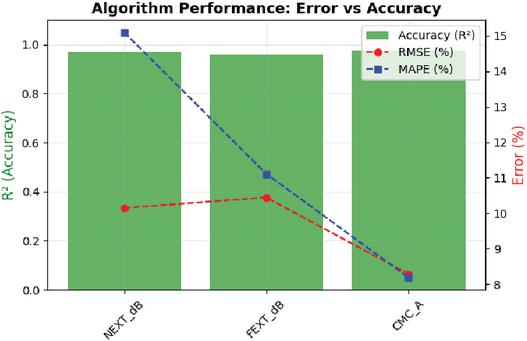
Figure 11 Error vs Accuracy analysis of proposed algorithm.
Table 5 Computational parameters of proposed algorithm
| Matrix | Hybrid Method | Traditional Method [20] | Transmission Line Matrix [19] | |||
| Assembly | Memory (KB) | CPU Time | Memory (MB) | CPU Time | Memory (MB) | CPU Time |
| 122575 | 1.36 | 2 | 135 | 11 | 135 | 14 |
| 155996 | 1.28 | 3 | 225 | 13 | 232 | 19 |
| 169755 | 0.990 | 3 | 296 | 22 | 299 | 27 |
| 183034 | 1.110 | 4 | 334 | 24 | 367 | 32 |
| 196787 | 1.1 | 4 | 488 | 26 | 498 | 38 |
| 225281 | 0.550 | 4 | 499 | 31 | 556 | 42 |
| 242185 | 1.29 | 5 | 545 | 39 | 667 | 46 |
| 257994 | 0.747 | 5 | 676 | 50 | 812 | 59 |
| 273871 | 0.875 | 6 | 787 | 54 | 987 | 67 |
| 286440 | 0.679 | 7 | 989 | 65 | 1089 | 80 |
5 CONCLUSION
In this paper, deep learning assisted hybrid BEMrMLNCA is presented for complex electromagnetic coupling analysis to predict power cable crosstalk characteristics. The hybrid algorithm is a good approximation approach for far-field matrices entries. Numerical evaluations demonstrated excellent predictive performance achieving cross-validation values above 0.97 while maintaining low MAPE across the measurement parameters of NEXT, FEXT, and CMC current. Results identified that the hybrid algorithm’s computational efficiency is about 97% and matrix compression order is 1:125, significantly reducing memory and processing requirements. These results thus confirm the capability of the model in capturing the complex coupling effects and frequency dependent behaviors in MTL. The DNN hybrid approach offers highly reliable, scalable, and efficient solutions for complex electromagnetic coupling analysis. The limitation of the proposed approach depend on data accuracy and error propagation from BEM-rMLNCA approximations and scalability issues for large multiconductor systems.
ACKNOWLEDGEMENT
This work was supported by the National Natural Science Foundation of China (Grant number 62463017), the Chinese Government Scholarship (Grant number 2024GSP000580), the Science and Technology Program of Gansu Province (Grant number 24CXGA039).
REFERENCES
[1] W. Zhang, S. Li, W. Yan, Z. Chen, and Y. Zhao, “Crosstalk prediction between single wire and non-uniform twisted-wire pair,” Electromagnetics, vol. 41, no. 7, pp. 518–532, Oct. 2021.
[2] Z. Wu, Z. Yang, A. Mueed, S. Khan, B. Usman, and M. Asif, “Computational analysis of shielded twisted pair cable based on MoM-MLFMM algorithm,” in ICEET, pp. 1–6, Oct. 2021.
[3] Z. Xi, T. Liang, Y. Z. Xie, and J. Guo, “Enhanced transmission model for predicting coupling between electromagnetic field and a twisted-wire pair of complex dielectric coatings,” in APEMC, pp. 101–103, Sep. 2022.
[4] J. L. Rotgerink, R. Serra, and F. Leferink, “Multiconductor transmission line modeling of crosstalk between cables in the presence of composite ground planes,” IEEE Trans. Electromagn. Compat., vol. 63, no. 4, pp. 1231–1239, 2020.
[5] A. Mueed, Y. Zhao, W. Yan, S. Khan, Q. Q. Liu, and C. Huang, “Skin effect and proximity effect analysis of stranded conductor based on mixed order MoM with adaptive cross approximation algorithm,” Engineering Analysis with Boundary Elements, vol. 120, pp. 52–58, 2020.
[6] M. Li, Y. Hu, R. Chen, and G. Vecchi, “Electromagnetic modeling of moving mixed conductive and dielectric BoRs with an effective domain decomposition method,” IEEE Trans. Antennas Propag., vol. 68, no. 12, pp. 7978–7985, 2020.
[7] Y. Liu and E. Michielssen, “Parallel fast time-domain integral-equation methods for transient electromagnetic analysis,” Parallel Algorithms in Computational Science and Engineering, pp. 347–379, 2020.
[8] R. Jia, S. Zuo, X. Zhao, Z. Lin, Y. Zhang, and M. Yang, “A novel parallel direct solver using adaptive cross approximation for analysis of electromagnetic radiation problems with complex structures,” IEEE Trans. Antennas Propag., vol. 72, no. 3, pp. 2962–2967, 2024.
[9] P. F. Li, S. W. Qu, S. Yang, and J. Hu, “Fundamental relation between phased array radiation and scattering fields,” IEEE Trans. Microw. Theory Tech., vol. 71, no. 9, pp. 3797–3809, 2023.
[10] M. Nale, O. Chadebec, J. M. Guichon, O. Pinaud, B. Ramdane, V. Roche, M. Minola, and C. Göeau, “Transient modeling of corrosion protection systems with BEM-electrical circuit hybrid model,” IEEE Trans. Magn., vol. 59, no. 5, pp. 1–5, 2023.
[11] J. Tibaut, M. Schanz, and J. Ravnik, “Fast boundary-domain integral method with the H2-matrix formulation for large scale numerical investigations,” Engineering Analysis with Boundary Elements, vol. 138, pp. 1–12, 2024.
[12] V. A. Kandappan, V. Gujjula, and S. Ambikasaran, “HODLR2D: A new class of hierarchical matrices,” SIAM J. Sci. Comput., vol. 45, no. 5, pp. A2382–A2408, 2023.
[13] S. Börm, “Adaptive fast multiplication of -matrices,” Math. Comp., vol. 94, no. 352, pp. 825–852, 2025.
[14] M. Li and Y. Hu, “Simulation of surface enhanced Raman scattering from nanoparticles with wideband nested equivalence source approximation,” IEEE J. Multiscale Multiphysics Comput. Tech., vol. 7, pp. 1–8, 2022.
[15] C. Yang and D. Jiao, “Algebraic and fast nested construction method for generating rank-minimized H2-matrix for solving electrically large surface integral equations,” IEEE J. Multiscale Multiphysics Comput. Tech., vol. 9, pp. 10–19, 2023.
[16] N. Lochner and M. N. Vouvakis, “On the H2 representation of EFIE MoM,” in IEEE AP-S/USNC-URSI, pp. 1930–1931, July 2022.
[17] M. Ancellin, P. Marchand, and F. Dias, “Towards high-performance linear potential flow BEM solver with low-rank compressions,” Energies, vol. 17, no. 2, p. 372, 2024.
[18] L. Cong, H. Bin, H. Zongjun, and N. Zhongrong, “Analysis of 2-D orthotropic potential problems using fast multipole boundary element method with higher order elements,” Chin. J. Theor. Appl. Mech., vol. 53, no. 4, pp. 1038–1048, 2021.
[19] B. Yang, “Modeling and analysis of multiconductor transmission lines by distributed transfer function method,” Journal of Electronics, 2024, doi:10.37256/jeee.3220245717.
[20] A. Mueed, Y. Zhao, Y. Wei, Z. B. Zhu, and Q. L. Liu, “Analysis of lossy multiconductor transmission lines (MTL) using adaptive cross approximation (ACA),” Applied Computational Electromagnetics Society (ACES) Journal, vol. 34, no. 11, pp. 1769–1776, 2019.
BIOGRAPHIES

Abdul Mueed was born in Bhakkar, Pakistan. He received the Master’s degree in Electrical Engineering from the University of Engineering and Technology, Taxila in 2015. From 2009 to 2017, he worked as a Lecturer in Electrical Engineering at the Dr. A. Q. Khan Institute of Technology, Mianwali. He is currently working as a Research Scholar at Lanzhou University of Technology, Lanzhou, China. His primary research interests include electromagnetic compatibility problems, computational electromagnetics, power system transients, EMC related application in biomedical engineering, and application of artificial intelligent in EMC.

Weiqiang Tang was born in Wuzhou, China. He received the B.S. degree in Automation from Lanzhou University of Technology, Lanzhou, in 2003, the M.S. degree in Control Theory and Control Engineering from Lanzhou University of Technology, Lanzhou, in 2008, and the D.S. degree in Control Science and Engineering from Xi’an Jiaotong University, Xi’an, in 2012. His research interests include advanced control theory and its application and robust control.

Rui Ma was born in Gansu, China. He received the master’s degree in control theory and engineering from Lanzhou University of Technology, Lanzhou, in 2024. He is currently studying for his Ph.D. at Lanzhou University of Technology, majoring in pattern recognition and intelligent systems. His main research focus are intelligent control and motion control.
ACES JOURNAL, Vol. 41, No. 7, 650–656
DOI: 10.13052/2026.ACES.J.410705
© 2026 River Publishers