Optimization of a Wideband Rectangular TEM Device by Genetic Algorithms
Shiqi Wang, Yangyi Fu, Jinyu Deng, Guojie Wang, and Jiayu Sun
Department of Intelligence and Engineering Shenyang City University, Shenyang, Liaoning 116026, China 1609900643@qq.com
Submitted On: January 19, 2026; Accepted On: May 04, 2026
ABSTRACT
In recent years, artificial intelligence has been widely introduced into the design of electromagnetic devices. Traditional designs of DC-5.2 GHz wideband rectangular transverse electromagnetic (TEM) devices depend on complex formulas and electromagnetic simulation software such as HFSS and CST Microwave Studio Suite TM 2013. This paper proposes a DC-5.2 GHz rectangular TEM device optimized by genetic algorithms (GAs). The main innovation is the comparison between AI-based optimization and traditional design methods while ensuring excellent wideband transmission performance. The GA-optimized TEM device presents favorable performance and is suitable for cellular radiation experiments in wireless communication systems.
Keywords: Genetic algorithms, rectangular TEM device..
1 INTRODUCTION
With the rapid development of modern communication technology, wireless communication has become an indispensable cornerstone of social operation and people’s daily life, penetrating into every field from industrial production to personal information interaction. In order to adapt to the rapid development of the information society, broadband, high-speed transmission, core network integration, and information personalization have gradually become the main development trends of future wireless communication technology. As a key component in microwave communication systems, the DC-5.2 GHz wideband rectangular transverse electromagnetic (TEM) device [15] directly affects the signal transmission quality, efficiency, and stability of the entire communication system; its performance advantages or disadvantages directly affect the overall operation effect of wireless communication networks and even restrict the breakthrough and upgrading of the entire communication industry. Therefore, optimizing the structural parameters of the DC-6 GHz wideband rectangular TEM device to improve its comprehensive performance is of great strategic significance for promoting the high-quality development of wireless communication technology, meeting the growing demand for high-speed and high-quality communication services, and enhancing the core competitiveness of communication equipment.
Traditional design methods for such TEM devices rely heavily on empirical formulas and professional electromagnetic simulation software. However, these methods not only consume enormous time and computing resources but also have obvious limitations in dealing with complex structural optimization problems, making it difficult to efficiently find the optimal parameter combination, which has become a bottleneck restricting the rapid design and performance improvement of TEM devices. The emergence of artificial intelligence algorithms has broken this predicament and provided a new, efficient technical path for solving complex engineering optimization problems. Among various intelligent optimization algorithms, the genetic algorithm (GA) stands out due to its unique evolutionary mechanism and superior optimization performance and has become the most widely used and most effective algorithm in the optimization of microwave cavity structural parameters [1, 2, 3, 4]. Different from other algorithms, the GA simulates the natural selection and genetic variation process of organisms, which enables it to handle multi-parameter coupling, non-linear and multi-constraint optimization problems inherent in TEM device structural design with remarkable advantages. It can encode the structural parameters of the cavity into solution vectors, and through operations such as selection, crossover, and mutation in the iterative evolution mechanism, continuously screen and optimize each parameter, thereby breaking through the limitations of traditional methods, effectively improving the performance of the cavity, and avoiding the blindness of empirical design. The application of GA not only greatly shortens the design cycle of TEM devices but also reduces the dependence on empirical experience and, more importantly, it can explore the potential optimal parameter space that traditional methods are difficult to touch, which is of great practical value for promoting the intelligent, high-precision, and efficient design of microwave communication components.
At present, scholars and research teams domestic and abroad have carried out relevant research on the application of intelligent algorithms in the optimization of coaxial cavity structural parameters, but there are obvious differences in research focus, technical paths, and research results between domestic and foreign studies, and there is still significant room for improvement in the overall research level.
Foreign research in this field started earlier and has formed relatively mature technical systems, focusing more on the application of classic intelligent algorithms in the optimization of specific microwave components and the combination with professional electromagnetic simulation tools, among which the GA has been widely and in-depth applied and achieved remarkable results [5, 6, 7, 8, 9, 10, 11, 12]. A research team used a GA to optimize the structural parameters of coaxial cavity filters. Through multiple iterations and calculations, the team successfully reduced the insertion loss of the filter by more than 15% and significantly improved its out-of-band suppression performance by 20 dB, which has been widely applied in practical wireless communication systems and achieved good application benefits. Another scholar used particle swarm optimization algorithm to optimize the parameters of coaxial cavity combiner, effectively improving the performance of the combiner and enhancing the signal processing capability of the communication system. In addition, some studies have combined intelligent algorithms with electromagnetic simulation software, such as HFSS and CST. Through collaborative simulation, the performance of filters can be accurately predicted and optimized in the early stages of design, significantly improving design efficiency and shortening product development cycles.
Domestic researchers have also achieved many results in this field. A research group used a GA to optimize the DC-6 GHz wideband rectangular device. By finely adjusting the structural parameters, the insertion loss of the cavity in the target frequency band was reduced by 12%, and the signal transmission stability was significantly improved, perfectly meeting the practical application needs of domestic communication systems. A research institution applied particle swarm optimization algorithm to the design of coaxial cavities and, after multiple experiments and optimizations, achieved optimization of cavity performance and cost reduction [13, 14, 15, 16, 17, 18, 19]. At the same time, there are also studies in China dedicated to developing improved versions of intelligent algorithms suitable for optimizing the structural parameters of coaxial cavities, in order to improve the search efficiency and optimization accuracy of the algorithms [20].
However, there are still some shortcomings in current research. On the one hand, some intelligent algorithms are prone to getting stuck in local optimal solutions when dealing with complex coaxial cavity structures, resulting in the inability to find the globally optimal parameter combination, thereby affecting the further improvement of cavity performance. On the other hand, existing research often struggles to balance the relationships between various performance indicators when considering multi-objective optimization. For example, pursuing low insertion loss may lead to a decrease in out-of-band suppression performance.
The significant contributions of this paper are as follows:
(1) improved genetic algorithm;
(2) structural parameter optimization;
(3) DC-5.2 GHz wideband rectangular TEM device.
In view of the above research gaps and the important strategic significance of DC-5.2 GHz wideband rectangular TEM devices in wireless communication systems, this paper proposes a wideband, high-precision, parameter rectangular TEM device, and designs an improved GA for its performance optimization. The proposed GA further improves the global search ability and convergence speed on the basis of the traditional GA, making up for the defect that the traditional GA is prone to falling into local optimal solutions in complex cavity optimization. Compared with traditional electromagnetic simulation software, the proposed improved GA has the advantages of shorter computation time, lower memory occupation, and stronger adaptability to multi-parameter coupling problems. The application of this improved GA not only solves the key technical bottlenecks in the optimization of the DC-5.2 GHz wideband rectangular TEM device but also further enriches the application system of GAs in microwave component design, gives full play to the core value of GAs in intelligent optimization, and provides a new technical reference for the intelligent optimization of similar microwave devices.
The remainder of the paper is organized as follows. Section 2 conducts theoretical analysis on the designed DC-5.2 GHz wideband rectangular TEM device and its performance evaluation index system, laying a theoretical foundation for subsequent work. Section 3 verifies the rationality of the proposed device and the effectiveness of the improved GA through simulation and analyzes results to support practical application.
2 THEORY ANALYSIS OF PROPOSED DEVICE
Traditionally, we use formulas to calculate the device parameters. Figure 1 shows the middle section of radiation device. The cross-section size for the middle part of the inner conductor of the rectangular square cone coaxial cavity is obtained by:
| (1) | |
| (2) |
where is the unit capacitance between inner and outer conductors, is the dielectric constant of media between inner and outer conductors, is the cross-section width of inner conductor plate, is the thickness of inner conductor, is the distance from the inner conductor to the outer conductors on sides, and is the distance from the inner conductor to the top or bottom outer conductors.

Figure 1 Calculation model of middle section of radiation device.
Insertion loss refers to the power loss of a signal as it passes through an ultra-wideband coaxial cavity, caused by the cavity’s absorption and reflection of the signal, and is typically measured in decibels (dB). The lower the insertion loss, the smaller the energy loss of the signal during transmission, and the better the transmission performance of the cavity for the signal.
Nowadays, the GA is a random search algorithm that simulates the process of biological evolution, and its core idea originates from Darwin’s theory of evolution and Mendel’s theory of genetics. In GAs, the solution to a problem is encoded into chromosomes, with each chromosome representing an individual, and all individuals forming a population. Individuals in a population continuously evolve through genetic operations such as selection, crossover, and mutation to find the optimal solution.
Coding is the first step of GAs, which maps the solution space of the problem to the genetic space. In optimization problems, GAs iteratively improve the fitness of individuals within a population, ultimately finding the optimal or near-optimal solution. In each generation, the fitness of each individual is first calculated. The fitness function is designed based on the specific optimization problem and is used to measure the adaptability of individuals to the environment, i.e., the quality of the solution represented by the individual. Subsequently, selection, crossover, and mutation operations are performed to generate a new population. As iterations progress, individuals in the population gradually approach the optimal solution. When predefined termination conditions are met, such as reaching the maximum number of iterations, achieving a predetermined solution quality threshold, or observing stable fitness changes, the algorithm stops and outputs the optimal solution.
Parameter settings play a critical role in determining the convergence speed, optimization stability, and final accuracy of the algorithm. Therefore, reasonable parameter configuration should be determined according to the complexity of the optimization problem, the dimension of design variables, and the characteristics of the objective function. The main parameters of the GA and their functions are listed in Table 1, and the corresponding reasonable selection ranges are given based on engineering experience and numerical experiments.
Table 1 Parameter and its function
| Parameter Name | Function |
| Population size | Determining population diversity, if is too small, it is prone to premature maturity; if is too large, the computational load will increase |
| Crossover probability | Control the frequency of crossover operations, balance the generation of new solutions with the preservation of high-quality genes |
| Mutation probability | Control the frequency of mutation operations, balance diversity maintenance with random disturbances |
| Maximum evolutionary generations | Control the number of iterations to avoid the algorithm running indefinitely |
In this study, the GA is employed to optimize the structural parameters of the transmission component, with the optimization objective of minimizing the reflection coefficient . Strict constraints are imposed to ensure dB over the entire DC-5.2 GHz frequency band, while the characteristic impedance is stabilized at 50 to achieve good impedance matching. The geometric variables to be optimized, their physical implications, and design ranges are given in Table 2.
Table 2 Optimized structural variables
| Variables | Physical Meaning | Range | Unit |
| width of the cross-section in the middle section of the inner conductor | [120,140] | mm | |
| length of conical transition section | [350,380] | mm |
The fitness function is directly related to the optimization objective, and the degree of achievement of needs to be quantified:
| (5) |
3 SIMULATION AND ANALYSIS
3.1 CST simulation and optimization
The electromagnetic simulation and optimization for the rectangular square cone coaxial cavity is carried out with CST Microwave Studio Suite TM 2013. Figure 2 shows the structure diagram of . The impedance matching of the structure is mainly affected by the width of the middle section of the inner conductor plate and the length of the transition section, thus the optimization and parameter scanning analysis of and is carried out in Fig. 3.
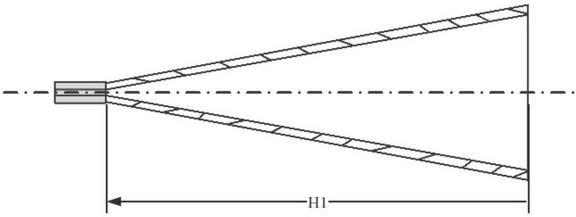
Figure 2 Structure diagram of identification .

Figure 3 Simulated versus frequency with (a) length of the tapered transition and (b) width of the inner plate structure.
3.2 Genetic algorithm simulation and optimization
For wideband coaxial cavities, their structural parameters mainly include size, shape, and material properties. Before applying these parameters to intelligent algorithms, the first step is to complete parameter encoding for algorithm recognition and operation. Continuous dimensional parameters such as inner conductor radius, outer conductor radius, cavity length, resonator length, and width can adopt real-number encoding, which directly uses actual values to represent genes, accurately reflecting real parameter values and avoiding accuracy loss in the binary encoding-decoding process. The fitness function is a key basis for optimizing intelligent algorithms, which is used to evaluate the performance of the wideband coaxial cavity corresponding to each parameter combination. Then we construct a fitness function based on the main performance indicators of the wideband coaxial cavity, such as insertion loss and out-of-band suppression.
GA testing mainly includes population initialization, iterative evolution, fitness evaluation, and convergence verification. The algorithm is validated by testing whether the optimized cavity parameters meet the performance requirements, and its optimization effect is assessed via repeated tests. The GA parameters are established in Fig. 4 in the Python program.

Figure 4 Genetic algorithm parameters.
For the convenience of observing progress, iteration information is output every 20 generations as shown in Fig. 5.

Figure 5 Genetic algorithm simulation results.
3.3 Experimental results
Fitting to the optimization results, a rectangular square cone coaxial cavity is fabricated. The experimental prototype is shown in Fig. 6. It is tested with vector network analyzer AV3629B.

Figure 6 Photograph of the rectangular device.
The simulated and measured results of the device are depicted in Fig. 7. The reflection coefficient is depicted in Fig. 7 (a) and the transmission coefficient is depicted in Fig. 7 (b).

Figure 7 (a) Simulated and measured results of reflection coefficient from DC-6 GHz and (b) simulated and measured results of transmission coefficient from DC-6 GHz.
Comparing the optimized results with the initial structural parameters before optimization, the average insertion loss of the wideband coaxial cavity in the DC-6 GHz frequency band before optimization was 0.5 dB, and the out-of-band suppression in the stopband was only 50 dB. After optimization, both GA and particle swarm optimization algorithm significantly reduced insertion loss and improved out-of-band suppression capability. GA reduced insertion loss by 0.2 dB and increased out-of-band suppression by 15 dB; particle swarm optimization algorithm reduced insertion loss by 0.18 dB and increased out-of-band suppression by 13 dB.
Compared with traditional design methods based on empirical formulas and trial and error methods, traditional design methods can reduce insertion loss to 0.4 dB and achieve out-of-band suppression of 55 dB after multiple adjustments and optimizations. The performance advantages of intelligent algorithm optimization are obvious. GA reduces insertion loss and out-of-band suppression by 0.1 dB and improves by 10 dB, respectively, compared to traditional methods. Particle swarm optimization algorithm also reduces and improves by 0.08 dB and 8 dB, respectively, in these two indicators compared to traditional methods. This fully verifies the superiority of GA and particle swarm optimization algorithm in optimizing the structural parameters of DC-6 GHz wideband coaxial cavity, which can effectively improve the performance of the cavity and meet the demand of modern communication systems for high-performance coaxial cavities.
GAs have exhibited remarkable effectiveness in optimizing the structural parameters of DC-5.2 GHz wideband rectangular TEM cavities, and their application scope has been further expanded to the optimization of various electromagnetic devices across diverse frequency bands. In the sub-6 GHz (300 MHz–6 GHz) band, the core frequency range for 5G FR1, LTE and Wi-Fi systems, GAs are widely used to optimize coaxial cavity filters, combiners, microstrip antennas, and arrays, effectively reducing insertion loss, improving out-of-band suppression and antenna performance, and solving multi-frequency signal interference to meet integration requirements. For millimeter-wave (6 GHz–300 GHz) devices applied in 5G FR2, 6G and short-range communication, GAs tackle design challenges such as high transmission loss and strict structural precision, optimizing waveguides, dielectric resonator filters, millimeter-wave antennas and radio frequency front-end modules to reduce signal loss, enhance detection accuracy, and realize module miniaturization. GAs are also extended to special electromagnetic devices, including 300 MHz–3 GHz UHF partial discharge sensors, 0.1–10 THz detectors, S/C/Ku/Ka band spaceborne electromagnetic devices, and 915 MHz/2.45 GHz biomedical electromagnetic devices like microwave ablation antennas, effectively improving their sensitivity, environmental adaptability, therapeutic precision, and other performance indicators. The successful adaptive application of GAs in different devices and frequency bands relies on four key technical points: adopting adaptive parameter encoding matching precision requirements, designing multi-objective fitness functions with weighted core performance indicators and NSGA-III algorithm, building a closed-loop GA-EM simulation co-simulation system, and improving GAs for specific scenarios with adaptive crossover/mutation probability, elite retention mechanism, and penalty functions. In general, GAs have broken through the application limitation of DC-5.2 GHz TEM device optimization and been widely applied in the design of electromagnetic devices across the entire frequency spectrum from UHF to THz, effectively solving complex optimization problems such as multi-parameter coupling, non-linearity and multi-constraint in device design, and realizing the optimization of electrical performance, miniaturization, and reliability. With the development of 6G, terahertz communication, intelligent manufacturing, and biomedical engineering, GAs will be further combined with neural networks, reinforcement learning, and other artificial intelligence technologies, evolving toward more intelligent, efficient, and multi-scale optimization, and playing a more important role in the innovative design of next-generation electromagnetic devices.
4 CONCLUSIONS
This study delves into the application of genetic algorithms in optimizing the structural parameters of a DC-6 GHz ultra-wideband coaxial cavity. Through a detailed analysis of the structure, working principles, and performance metrics of ultra-wideband coaxial cavities, key structural parameters influencing their performance are identified. These parameters are then appropriately encoded to make them suitable for intelligent algorithm processing. Using a genetic algorithm to optimize the structural parameters of the selected wideband coaxial device, after multiple iterations of calculations, the structural parameter combination that significantly improves the performance of the cavity has been successfully identified. The insertion loss optimized by genetic algorithm is reduced to an average of 0.3 dB in the DC-6 GHz frequency band, and the out-of-band suppression reaches 65 dB in the stopband. Compared with before optimization and traditional design methods, the performance advantage of the cavity optimized by intelligent algorithm is obvious, fully verifying the effectiveness and superiority of genetic algorithm in optimizing the structural parameters of wideband coaxial device, providing new ideas and methods for the design of wideband coaxial device.
REFERENCES
[1] Q. Huang, “Research of gigahertz transverse electromagnetic cell,” Dissertation, School of Physical Electronics, 2013.
[2] J. Zhang, X. Wu, and L. Hu, “Research of optimization methods on the ANN-based virtual beamline platform,” Radiation Detection Technology and Methods, pp. 1–13, 2025.
[3] A. Yilmaz and I. Kuş, “General CNN model for biomedical image classification via genetic algorithm-based hyperparameter optimization,” Ain Shams Engineering Journal, vol. 17, no. 1, pp. 103891–103891, 2026.
[4] X. Yang, G. Lin, and J. Wang, “Optimized fractional-order extended Kalman filtering for IMU-based attitude estimation using the Hippopotamus algorithm,” Sensors, vol. 25, no. 22, p. 6942, 2025.
[5] H. Yin, L. Guo, and M. Pan, “ISAL imaging algorithm for spaceborne non-uniformly rotating targets based on matched Fourier transform and a genetic algorithm,” Remote Sensing, vol. 17, no. 20, p. 3447, 2025.
[6] S. Lin, W. Zhang, and N. Xu, “Automatic design of CNN architecture based on genetic algorithm and particle swarm optimization,” Evolving Systems, vol. 16, no. 3, p. 110, 2025.
[7] W. Yuan, “Research on quality assessment method of university distance teaching based on AGG neural network and genetic algorithm,” International Journal of High-Speed Electronics and Systems, vol. 35, no. 4, p. 2540699, 2025.
[8] T. Zhang, Q. Yin, and S. Li, “An optimized genetic algorithm-based wavelet image fusion technique for PCB detection,” Applied Sciences, vol. 15, no. 6, p. 3217, 2025
[9] D. Zhao, H. Liu, and A. Xie, “Optimization methods of carbon fiber composite antenna surface precision based on genetic algorithms,” Polymer Composites, vol. 46, no. 13, pp. 12002–12012, 2025.
[10] S. Singh, S. A. Nandan, and G. Sikka, “Genetic algorithm-based data controlling method using IoT enabled WSNs,” Soft Computing, vol. 29, no. 5, pp. 1–18, 2025.
[11] S. Tayebnaimi and K. Kiasaleh, “Scintillation index analysis for multi-wavelength Gaussian beams in turbulent underwater channels,” Optical Engineering, vol. 63, no. 12, p. 128105, 2024.
[12] S. Tayebnaimi and K. Kiasaleh, “On the performance of multi-wavelength underwater optical channels in the presence of optical turbulence,” in 2025 IEEE Texas Symposium on Wireless and Microwave Circuits and Systems (WMCS), 2025
[13] Q. Zhang, R. Shi, and R. Gou, “Genetic algorithm optimized BP neural network for fast reconstruction of three-dimensional radiation field,” Applied Radiation and Isotopes, vol. 217, p. 111668, 2025.
[14] D. A. C. Silva and C. A. M. Fernandes, “New approach of blind adaptive equalizer based on genetic algorithms,” Telecom, vol. 6, no. 1, p. 6, 2025.
[15] H. Mrabet, F. Bahloul, and A. Cherifi, “Capacity optimization of the next-generation passive optical networks based on genetic algorithm,” Optical Fiber Technology, vol. 88, p. 104041, 2025.
[16] A. Johnson, T. Landecker, and T. Johnson, “Frequency multiplexing excitation network for ultra-wideband coaxial waveguide feeds,” Electronics Letters, vol. 51, no. 20, pp. 1580–1582, 2015.
[17] J. Wei, F. Liang, H. Feng, and L. Ran, “Condition monitoring of discrete power devices: A data-driven approach with stress quantification and mold temperature sensing,” IEEE Journal of Emerging and Selected Topics in Power Electronics, vol. 12, no. 3, pp. 2569–2579, 2024.
[18] Y. Wen, Y. Yang, and Y. Li, “A novel short-circuit protection scheme for silicon carbide (SiC) MOSFET module considering operation temperature,” IEEE Transactions on Power Electronics, vol. 40, no. 8, pp. 10661–10671, 2025.
[19] X. Dong, J. Zhao, Z. Zhou, P. Chen, H. Zhang, and X. Dang, “DOA estimation of non-circular signals with nested arrays: A block tensor sparse representation,” IEEE Transactions on Aerospace and Electronic Systems, pp. 1–6, 2025.
[20] S. Wang, S. Fang, and P. Chen, “Design and optimization of a wideband rectangular TEM device for cell experiments,” Applied Computational Electromagnetics Society (ACES) Journal, vol. 37, no. 1, 2022.
BIOGRAPHIES

Shiqi Wang was born in Shenyang, China. She received the B.Eng. and M.Eng. degrees in information and communication engineering from Dalian Maritime University, Liaoning, China, in 2014 and 2017, respectively. She is currently a Lecturer with the School of Department of Intelligence and Engineering, Shenyang City University. Her current research interests include wideband electromagnetic field, bioelectromagnetics and algorithm optimization method.

Yangyi Fu was born in Jinzhou, China. She received the B.Eng. and M.Eng. degrees in Communication Engineering from Shenyang Ligong University, Liaoning Province, China, in 2021 and 2024, respectively. She is currently a Teaching Assistant with the School of Department of Intelligence and Engineering, Shenyang City University. Her current research interests include wireless communication, signal processing and data encryption.

Jinyu Deng was born in Shenyang, China. She earned a Master of Engineering degree in Software Engineering from Liaoning University, Liaoning Province, China, in 2021. She is currently employed as a Lecturer at the School of Intelligence and Engineering, Shenyang City University. Her current research interests encompass machine learning, image processing, and fuzzy measures.

Guojie Wang was born in Songyuan, China. He received the Bachelor of Engineering (B.Eng.) degree in Network Engineering from Changchun University, Jilin Province, China, in 2019, and the Master of Engineering (M.Eng.) degree in Computer Technology (Electronic Information) from Shenyang Ligong University, Liaoning Province, in 2023. He is currently a Lecturer with the School of Intelligence and Engineering, Shenyang City University. His current research interests include network communication technology and network information security.

Jiayu Sun was born in Shenyang, China. She obtained a Bachelor of Engineering in Software Engineering from Shenyang University of Technology in 2020 and a Master of Engineering in Computer Science and Technology in 2024. Currently, she serves as an assistant lecturer at the School of Intelligence and Engineering of Shenyang City University, with a primary research focus on computer vision.
ACES JOURNAL, Vol. 41, No. 4, 315–322
DOI: 10.13052/2026.ACES.J.410403
© 2025 River Publishers