KWH Cost Analysis of Energy Storage Power Station Based on Changing Trend of Battery Cost
Jie Huang1, Rong Nie1,*, Zhenyu Zhao2 and Yan Wang2
1Hunan Railway Professional Technology College, Zhuzhou Hunan 412001, China
2North China Electric Power University School of Economics and Management, Beijing 102206, China
E-mail: xy_2023023@163.com
*Corresponding Author
Received 02 December 2023; Accepted 29 December 2023
Abstract
Energy storage plays a vital role in enhancing the resilience of the power grid. Utilizing typical capacity and power energy storage application scenarios, coupled with industry research data and technical analysis of energy storage, this study calculates the cost of energy storage per kilowatt-hour and the associated mileage cost. The findings indicate that the current cost per kilowatt-hour of electrochemical energy storage ranges from approximately 0.6 to 0.9 yuan/(kWh), revealing a considerable gap between the target cost for widespread application and the range of 0.3 to 0.4 yuan/(kWh). Therefore, the development of energy storage technologies (EST) should prioritize achieving “low cost, long life, high safety, and easy recycling,” taking into account a comprehensive assessment of system manufacturing, system lifespan, system safety, and recycling. This paper delves into the changing trend of battery costs and their impact on kilowatt-hours, presenting strategic suggestions to reduce the kilowatt-hour cost of ESP stations. The research underscores that a continuous reduction in battery costs will contribute to enhancing the economic benefits of ESP stations and provide robust support for the future development of the energy storage industry.
Keywords: Battery cost, power storage technology, ESP station, KWH cost.
1 Introduction
Energy Storage Technology (EST) has emerged as a pivotal component in modern power systems, offering solutions to challenges related to grid stability, peak demand management, and the integration of renewable energy sources. However, the widespread adoption of Energy Storage Power (ESP) stations has been impeded by the significant costs associated with this technology [1].
This paper endeavors to address this critical issue by conducting a thorough analysis of the cost per KWH of ESP stations, with a particular focus on the evolving landscape of battery costs. The core of this analysis lies in understanding the dynamics of battery costs, a key determinant in the overall cost structure of ESP stations. Analyzing the dynamics of battery costs represents the linchpin of this comprehensive study, as batteries constitute a significant proportion of the overall expenses associated with ESP stations. The trajectory of battery costs is a crucial factor that shapes the economic feasibility of ESP stations. Delving into historical trends and forecasting future developments in battery costs, the paper endeavors to pinpoint strategies and innovations that could lead to substantial reductions in the cost per kilowatt-hour(KWH) for ESP stations.
The energy industry has undergone a transition towards renewable sources due to environmental concerns and the depletion of fossil fuels. This shift has posed challenges in maintaining a stable power system. EST has emerged as a viable solution, contributing to enhanced system stability and reliability. Furthermore, it exhibits significant market potential in the dynamic and evolving power market [2].
Cost barrier associated with EST has historically hindered its widespread adoption, posing a challenge to the integration of efficient energy storage solutions into modern power systems. However, recent advancements in manufacturing processes, the realization of economies of scale, and a surge in demand for energy storage technologies have collectively contributed to a notable decline in battery costs. This positive trend not only marks a significant milestone in the evolution of energy storage but also positions EST as a more financially viable and attractive option for various stakeholders.
This paper analyzed and study the kilowatt cost of ESP station from perspective of the changing trend of battery cost [3]. First, we introduced concept, including improving power quality, reducing transmission and distribution loss, and meeting the peak and valley difference demand, etc. Then, the changing trend of battery cost and its impact on the kilowatt cost of energy storage plants is explained [4]. On this basis, we put forward strategic suggestions to reduce the cost of KWH of ESP stations, including optimizing battery selection, improving battery utilization, reducing operation and maintenance costs, policy support and scientific research and other measures [5]. We intend to propose strategic recommendations to minimize costs, which can serve as valuable references and guidance for the future advancements of the energy storage industry [6].
2 Overview of ESP Station
2.1 Concept of ESP Station
An ESP station employs advanced battery technology for the storage and distribution of electricity, featuring a battery pack as a key component. The ESP station contributes several advantages to the power system. It plays a crucial role in enhancing power quality and stabilizing the power system by mitigating power fluctuations and regulating grid frequency. Moreover, it effectively reduces transmission and distribution losses through the optimization of power dispatch and distribution. Additionally, energy storage stations address peak demand by supplying extra power during high-demand periods and storing surplus power during periods of low demand [7, 8].
ESP stations are classified into various types based on the technology and principles used. These include hydraulic storage stations, which use water height differences for electricity storage, and mechanical energy storage plants, utilizing flywheels, compressed air, and liquid flow technologies. Electron chemical energy storage stations involve sodium-sulfur batteries, lithium-ion batteries, and flow batteries, while phase change energy storage stations encompass molten salt heat and ice storage. These advanced technologies offer diverse application values, enhancing power system stability and reliability, reducing transmission and distribution losses, meeting peak and off-peak demand, and supporting the integration and advancement of renewable energy [9]. Figure 1 illustrates Cost composition of ESP station.
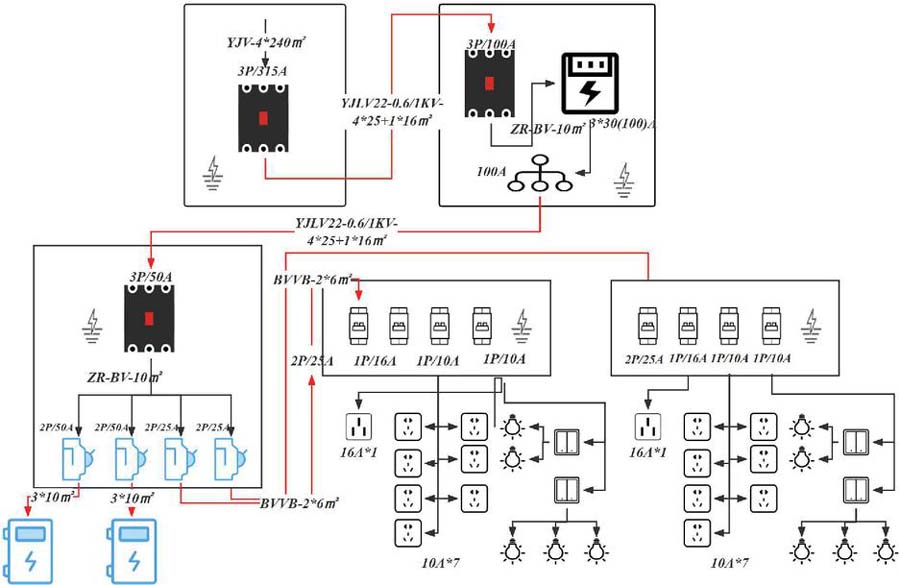
Figure 1 Cost composition of ESP station.
2.2 Application Scenarios of EST
EST has diverse application scenarios across the energy landscape, offering solutions to various challenges and opportunities in power systems. One notable application is the integration of renewable energy sources. ESS play a pivotal role in mitigating the intermittent nature of renewable energy sources by storing surplus energy during periods of high production and releasing it during times of heightened demand. This capability helps stabilize the grid, reduce reliance on traditional fossil fuel-based power generation, and contribute to a more sustainable and environmentally friendly energy ecosystem. By swiftly releasing stored electricity to adjust the frequency, ESS improve the overall stability and reliability of the power system. Additionally, these systems offer backup power supply during peak demand, ensuring uninterrupted power for essential loads and further bolstering the power system’s reliability.
EST finds applications in demand-side management, enabling load shifting and peak shaving to optimize energy consumption. Moreover, it offers ancillary services, including frequency regulation, voltage support, and grid stabilization, thereby contributing to enhanced grid resilience and efficiency. In the transportation sector, EST is essential for electric vehicles, enabling efficient energy storage and release for sustainable and clean mobility solutions. EST addresses power grid frequency instability by swiftly releasing stored electricity to adjust the frequency, thereby improving the overall stability and reliability of the power system. Additionally, EST offers backup power supply during peak demand, ensuring uninterrupted power for essential loads and further bolstering the power system’s reliability [10]. EST plays a crucial role in integrating renewable energy sources by storing excess energy generated during periods of high production and releasing it during times of high demand. This capability helps balance the supply and demand of electricity, reducing the reliance on traditional fossil fuel-based power generation and contributing to a more sustainable and environmentally friendly power system. EST reduces energy losses, lowers reliance on conventional energy sources, and supports the development of renewable energy by improving reliability and utilization rates [11]. As technology advances and costs decrease, its prospects in power systems will broaden [12].
3 Trend Analysis of Battery Cost Change
3.1 Composition and Influencing Factors of Battery Cost
The changing trend of battery cost is a complex process influenced by many factors. From the historical data, battery costs have been falling, but the specific trend is influenced by the material cost, production scale, manufacturing process, battery management system and other factors. Material cost is an important part of the battery cost. As technology advances, new battery materials have been developed, further driving the decline of battery costs [13]. This trend is expected to continue as advancements in manufacturing technology, economies of scale, and increased demand in the expanding energy market further contribute to the decline in battery costs. Additionally, ongoing research and development efforts are focused on enhancing battery performance and efficiency, driving the anticipated cost reduction. These advancements are expected to significantly impact the adoption and integration of battery ESS in various applications, potentially revolutionizing the energy storage landscape.
Secondly, the expansion of production scale stands as a crucial factor contributing to the decline in battery costs. The rapid growth of electric vehicles has propelled the continuous expansion of battery production scale, thereby inducing the scale effect. This effect plays a pivotal role in further diminishing the production cost of batteries. The phenomenon of mass production facilitates the realization of scale effects, enhancing production efficiency, and subsequently reducing production costs. A notable example is Tesla, which has effectively bolstered the competitiveness of electric cars by engaging in mass production of both electric cars and battery packs [14].
The improvement of the manufacturing process is also an important factor in the reduction of battery costs. Progress and innovation in manufacturing processes, such as new coating technology, large-capacity continuous production lines, etc., can improve production speed and quality, reduce waste and scrap rate in the production process, thus reducing the cost of batteries [15]. For example, Ningde Times has greatly improved its production efficiency and reduced the cost of batteries by using continuous production lines to produce batteries. The optimization of battery management system is also one of the factors in the reduction of battery cost. Battery management system is an important part of electric vehicles and ESS. It can monitor and control the charge and discharge state, temperature, voltage and other parameters of the battery, and improve the reliability and life of the battery. With the continuous optimization of the battery management system, the cost of batteries is gradually decreasing. For example, BYD has successfully improved the range and battery life of electric vehicles by adopting advanced battery management systems, thus reducing battery costs [16, 17].
The changing trend of battery cost is affected by a variety of factors, including material cost, production scale, manufacturing process, battery management system, etc. As these factors are optimized and improved, the cost of batteries will continue to decrease [18, 19]. Figure 2 is energy conversion process.
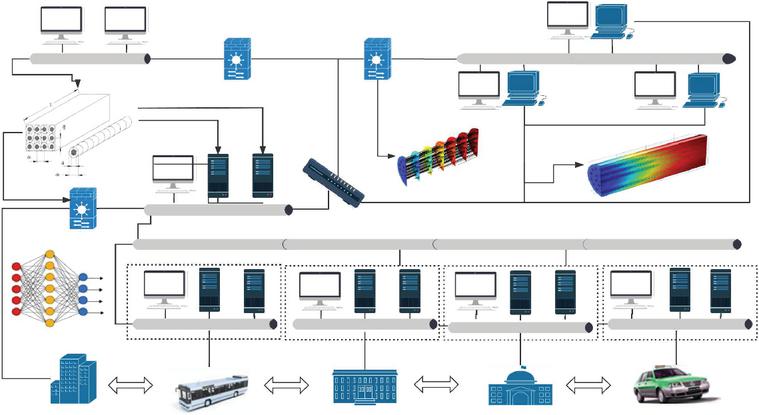
Figure 2 Energy conversion process of ESP station.
3.2 Change Trend of Battery Cost and Impact on Cost of ESP Station
The changing trends in battery cost are influenced by various factors, including material cost, production scale, manufacturing processes, and battery management systems. These factors play a significant role in shaping the cost dynamics of energy storage technologies.
Historical data reveals a fluctuating pattern in battery costs, with notable decreases over recent years. This decline can be attributed to continuous advancements in materials science and improvements in manufacturing processes, as well as the expansion of production scale. These developments have collectively contributed to the reduction in battery costs, making energy storage technologies more economically viable.
The impact of shifting battery cost trends on the overall KWH cost of ESP stations is significant. As battery costs decrease, the cost-effectiveness of ESS improves, thereby enhancing their competitiveness and potential for widespread adoption in power systems. This dynamic cost landscape underscores the importance of examining and understanding the implications of changing battery cost trends on the energy storage industry.
The changing trends in battery cost have a profound impact on the cost of ESP stations. As technology continues to advance and costs decrease, the future of energy storage technologies appears promising, with increased potential for economic viability and widespread integration in the evolving energy landscape.
The cost of batteries has a substantial impact on the overall KWH cost of ESP stations [20]. Factors such as material cost, production scale, manufacturing processes, and battery management systems influence the changing trend of battery cost. Continuous development in materials science and improvements in manufacturing processes, along with the expansion of production scale, are driving the reduction in battery costs [21]. Additionally, advancements in battery technology, such as the development of new and more efficient battery materials, are contributing to the decreasing trend in battery costs. Moreover, the evolution of battery management systems and the increasing deployment of energy storage solutions are also playing a significant role in driving down the overall KWH cost of ESP stations. As a result, these factors collectively contribute to the ongoing reduction in the cost of batteries, making EST more economically viable for widespread adoption in power systems.
The decreasing costs of batteries will result in lower construction and operation expenses for energy storage stations. The construction cost of ESP station mainly includes the cost of battery pack, charging equipment, discharge equipment and management system. In addition, With the continuous optimization of battery management system, it can help reduce the operation and maintenance cost of energy storage station [22]. As battery costs fall, the construction and operation costs of energy storage stations decrease, which will help reduce the cost of KWH electricity. For example, assume a battery life of an energy storage station of 10 years and a total charge of 100 kWh. A 10% reduction in battery costs would also lead to a corresponding 10% decrease in construction expenses for energy storage stations, effectively lowering the overall energy storage cost by 10 kWh. Over a 10-year life cycle, this would result in a cumulative reduction of 100 kWh in energy storage costs, ultimately decreasing the cost per kWh [23, 24].
4 Cost Analysis of ESP Station
4.1 Cost Composition of ESP Station
Battery cost is usually the key factor affecting the overall cost, because the battery is the core component of the ESP station. The ESP battery energy recovery system is an advanced technology applied to battery packs, which can effectively recover the waste heat generated during the discharge process of the battery and convert it into electrical energy for storage, thereby improving the energy utilization rate and range of the battery. In addition, the cost of system integration is also an important aspect, which includes the cost of installation, connection, control system and so on [25]. The battery cost includes purchase, maintenance, and replacement costs, while the charging equipment cost encompasses purchase, operation, and maintenance expenses. Figure 3 shows cost analysis.
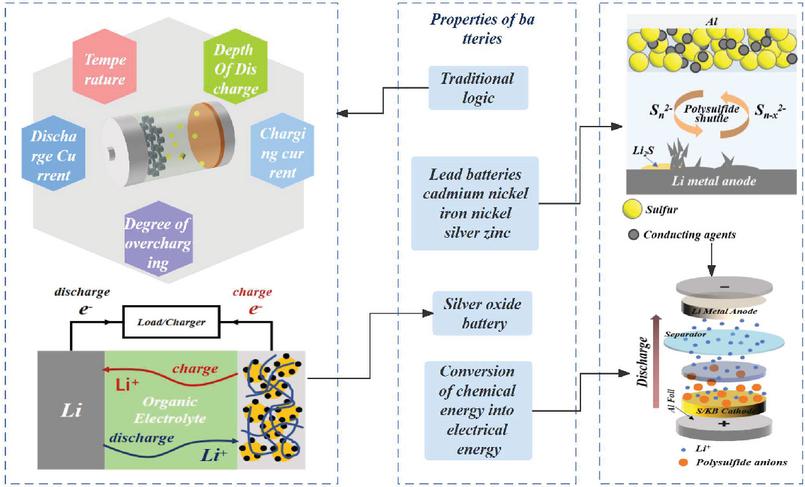
Figure 3 KWH cost analysis of several types of typical energy storage technologies.
The survey found that due to the lack of relevant grid-connected access, scheduling operation, safety guarantee and recovery and disposal standards, other cost accounting of energy storage projects lacks standardization at present, and ratio to cost of energy storage reaches 10%20%. In the future, with the standardization of the implementation standards for energy storage projects, this cost will be significantly reduced. The calculation formula is shown in Equations (1) and (2).
| (1) | |
| (2) |
Where C (ten thousand yuan/(MWh)) and C (ten thousand yuan/MW) are the other costs of EST in capacity and power scenarios, respectively; for the ratio of the other costs to the system costs.
The civil construction cost of ESP stations covers design, construction, and reconstruction expenses. In electron chemical EST, flow battery civil construction costs are higher, while other electron chemical ESP station civil construction costs are relatively similar [26]. The calculation formula is as shown in (3) and (4).
| (3) | |
| (4) |
Where, C (Ten thousand yuan/(MWh)) and C (Ten thousand yuan/MW) is the civil construction cost of EST in capacity type and power type energy storage scenarios respectively; is ratio of civil engineering cost to the system cost.
Generally speaking, battery cost accounts for the largest proportion of the total cost, so reducing battery cost is the key to reducing the KWH cost of energy storage plants. But at the same time, the cost of other equipment can not be ignored, especially the cost of charging equipment and discharge equipment [27].
In order to reduce cost of ESP station, a series of measures can be token, such as optimizing design, reducing manufacturing cost, improving equipment efficiency, extending the service life of equipment, etc. In addition, it is also very important to choose the appropriate EST. Different energy storage technologies have different advantages and disadvantages. We need to choose the most appropriate technology according to the actual situation to maximize the economic benefits of ESP station.
4.2 Influence of Different Factors on KWH Cost of ESP Stations
KWH cost of ESP station is affected by many factors. One of the most important factors is the cost of batteries, which directly affects the overall cost. Equipment costs, operating and maintenance costs, and system integration costs can also have an impact on costs. At the same time, technological progress, economies of scale, policy support and other factors will also have an impact on the cost.
Considering the development trend of lithium-ion battery technology, the cost of KWH is expected to fall to 0.5 yuan/KWH in 2025, and to 0.3 yuan/KWH in 2030. This projected decrease in cost is driven by advancements in manufacturing technology, economies of scale, and increased demand in the expanding energy market. Additionally, ongoing research and development efforts are focused on enhancing battery performance and efficiency, further contributing to the anticipated cost reduction. These advancements are expected to significantly impact the adoption and integration of lithium-ion battery ESS in the coming years, potentially revolutionizing the energy storage landscape.
Charge and discharge efficiency is also a key factor affecting the cost per kilowatt hour of ESP station. The higher the charging and discharging efficiency means that the less energy the battery loses during the charging and discharging process, thus improving the utilization and benefit of the battery. Therefore, the selection of efficient charging and discharge equipment, as well as optimizing the charging and discharge strategy, can improve the charging and discharge efficiency and reduce the KWH cost. Figure 4 shows the energy storage auxiliary AGC (Automatic Generation Control) FM diagram.
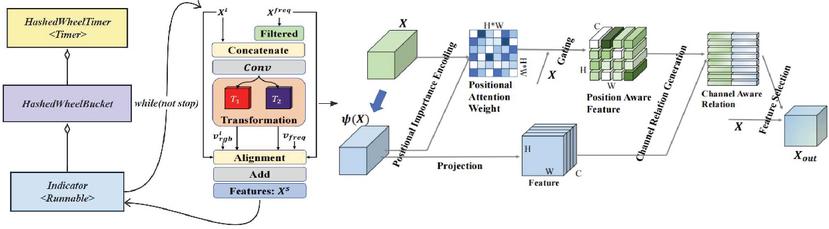
Figure 4 Energy storage auxiliary AGC frequency modulation diagram.
Policy support is also one of the important factors affecting the kilowatt cost of ESP stations. Policy support can reduce the investment cost and improve the feasibility of industry development, thus indirectly reducing the KWH cost. Effective policy measures often encompass a range of incentives, subsidies, and regulatory frameworks designed to incentivize establishment and expansion of ESP networks.
The development of EST is also one of important factors affecting the kilowatt cost of ESP station. For example, with the continuous progress of lithium-ion battery technology, its charging and discharge efficiency will be continuously improved, thus improving the economic benefits of ESP station [28].
Battery life, charge, discharge efficiency, policy support and EST development will all affect the kilowatt cost of energy storage stations. In order to reduce the cost of KWH, it is necessary to consider various factors and formulate corresponding strategies and measures. At the same time, it is also necessary to strengthen the research and development and innovation of EST to promote development and application of energy storage industry [29].
5 Kilowatt Hour Cost and Mileage Cost of Energy Storage
5.1 Kilowatt Hour of Electricity Cost
Calculation formula of KWH cost is shown in Equation (5), and the detailed formula is shown in (6).
| (5) | |
| (6) |
In the formula, is the total cost of the whole life cycle of the ESP station; is total processing power of whole life cycle of energy storage station; DOD (Depth Of Discharge) is the discharge depth (%), for physical energy storage, DOD is set to 100%; n is cycle V of ESS under designed DOD; for physical energy storage, n Service life (year) 365 daily operation times (times) annual operation ratio (%); is the system energy efficiency (%); is the equivalent capacity retention rate (%) for each cycle of ESS. Capacity loss of physical ESS with time is very small, is set to 1, for electron chemical energy storage, such as formula (7):
| (7) |
Where is the capacity retention rate at the end of the system life. There is no unified termination standard for the electron chemical ESS in capacity energy storage scenarios. After investigation and research, and comprehensively considering the system safety (especially the internal short circuit risk) and the battery capacity attenuation characteristics (diving attenuation inflection point), this article is the system termination scrap standard.
For lithium-ion battery EST, cost of power conversion and civil engineering has limited potential for reduction from a lifecycle cost perspective. Over the past eight years, the energy cost of lithium-ion batteries has decreased by nearly 80% [30], from 4.5–6 million yuan/(MWh) to 1–1.5 million yuan/(MWh). The cost reduction rate is not linear and is constrained by existing technology, necessitating the development of transformation battery technology. Improvements in battery structure and processes could potentially reduce KWH cost to about 0.3 yuan/(kWh), meeting the target requirements for large-scale commercial application of capacity energy storage. Figure 5 shows analysis of influencing factors of KWH cost.
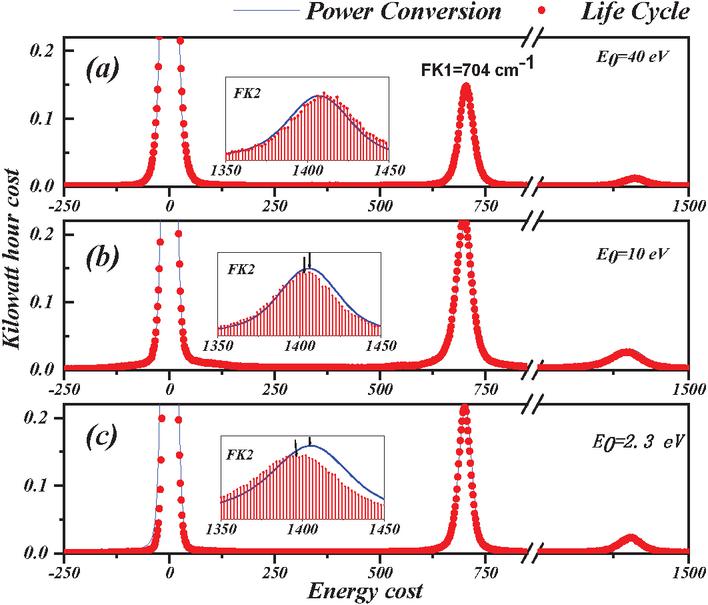
Figure 5 Analysis of influencing factors of KWH cost.
5.2 Mileage Cost
Primary power modulation refers to the governor and load characteristics of the unit automatically absorbing high-frequency and low-amplitude load fluctuations to mitigate frequency changes. This modulation occurs on a timescale ranging from seconds to minutes, and the typical response time of thermal power units falls within the range of 10 to 30 seconds. On the other hand, secondary frequency modulation involves AGC frequency modulation. The unit follows AGC instructions to address regional control deviations and achieve no-difference adjustments. Figure 6 illustrates the annual electricity expenditure in various regions.
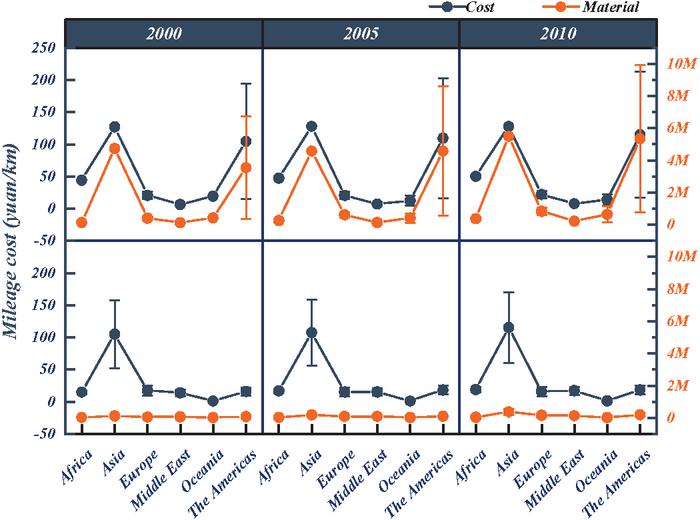
Figure 6 Annual electricity spending in different regions.
Due to the limitation of energy conversion mechanical process, the response speed of thermal power unit providing secondary frequency modulation is slower than that of primary frequency modulation, and the response time generally needs 12 min. Frequency reflect the amount of the unit completed frequency modulation task as formula (8). Intricacy of the secondary frequency modulation process stems from the need for thermal power units to make nuanced adjustments in response to fluctuations in the grid’s frequency. This involves intricate coordination of various components within the power unit.
| (8) |
Where k is the running time; T is the total statistical time; modulation mileage; frequency modulation output power at time k. Formula (9) is an example of the calculation method of FM mileage:
| (9) |
Where is total frequency modulation mileage; is the system energy efficiency (%); should be close to 1; is the frequency modulation output coefficient, Actual response frequency modulation power and the rated power of the power station for example formula (10):
| (10) |
Among, Actual frequency modulation power (MW) for the effective AGC at time ; is the rated power (MW) of the power station. In this paper, is 0.8, the higher the system utilization rate. Effective frequency modulation response times in the whole life cycle of the plant, and the calculation method is as shown in (11) and (12):
| (11) | |
| (12) |
Among them, is the annual operation ratio (%) of the power station; The value is related to application scenario; AGC auxiliary frequency modulation is generally 0.53 min, here 1.8 min; Y is the system life (year).
The power conversion cost is about 500,000 yuan/MW, and the civil construction cost of the power station is about 200,000 yuan/MW. According to the life of the ESS is 5 years, the operation and maintenance cost of the power station is about 350,000 yuan/MW, and the other costs are 180,000 yuan/MW. The cost of the system power components of the power type lithium iron phosphate ESP station is relatively large, and the residual value is relatively high, so the residual value of the power station can be calculated as 370,000 yuan/MW. At present, the power type lithium iron phosphate battery has been able to obtain good profits in the local power auxiliary service market. Figure 7 shows energy cost of ESP life cycle.
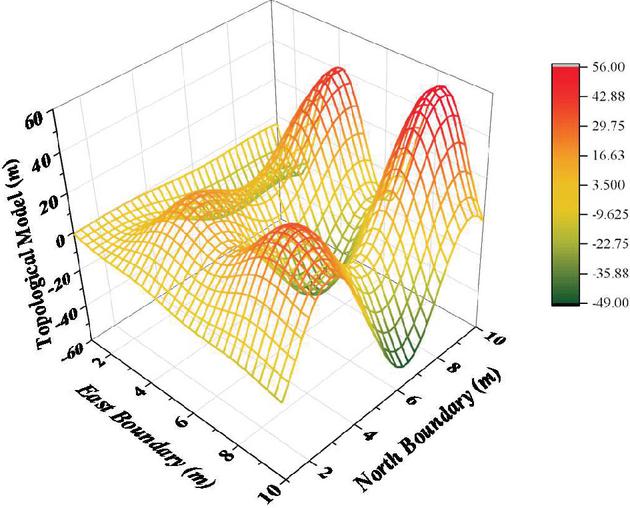
Figure 7 Energy cost of ESP life cycle.
6 Conclusion
The cost of energy storage technology is a key factor determining its feasibility for industrialization and large-scale application. At present, the investment cost of pumped storage power stations is about 5500–7000 yuan/kW, and the cost of kilowatt hours is between 0.21–0.25 yuan/(kWh). The development of site selection economy in the future may lead to a slight increase in kilowatt hour costs. Although capacitive EST is superior to lead batteries and lithium iron phosphate batteries, it still has shortcomings compared to pumped storage, with a cost of 0.6 to 0.8 yuan/(kWh) per kilowatt hour. Relying solely on the peak valley price difference may not ensure profitability. In electric power scenarios, the mileage cost of lithium iron phosphate battery energy storage stations ranges from 6 to 9 yuan/MW, which may generate revenue in the local auxiliary frequency regulation service market.
In line with the goal of achieving “low cost, long lifespan, high safety, and easy recycling”, future research on electrochemical EST should focus on specific fields. This includes developing destructive internal safety and controllable technologies for ESS to elevate safety to a completely controllable level. Destructive repair and lifespan extension technologies are also needed to extend the lifespan of ESS to 10 to 20 years. In addition, the development of battery structure technology and low-cost recycling methods is crucial for achieving efficient and environmentally friendly resource regeneration, with a target regeneration rate of over 90% for precious metal elements. The pursuit of low-cost system manufacturing technology aims to reduce system costs by more than 40%, which will help promote the widespread adoption and localization of high-performance energy storage equipment to serve the global energy storage market.
Acknowledgements
This work was supported by Coupling adaptation assessment and value enhancement mechanism of regional low-carbon comprehensive energy project planning in Beijing, NO. 8232013 and supported by Hunan Provincial Natural Science Foundation of China (2021JJ60066).
References
[1] Zhong L, Zhang C, He Y, et al. A method for the estimation of the battery pack state of charge based on in-pack cells uniformity analysis[J]. Applied Energy, 2014, 113(1): 558–564.
[2] Zakeri B, Syri S. Electrical energy storage systems: A comparative life cycle cost analysis[J]. Renewable and sustainable energy reviews, 2015, 42: 569–596.
[3] Tan K M, Babu T S, Ramachandaramurthy V K, et al. Empowering smart grid: A comprehensive review of energy storage technology and application with renewable energy integration[J]. Journal of Energy Storage, 2021, 39: 102591.
[4] Martinez-Bolanos J R, Udaeta M E M, Gimenes A L V, et al. Economic feasibility of battery energy storage systems for replacing peak power plants for commercial consumers under energy time of use tariffs[J]. Journal of Energy Storage, 2020, 29: 101373.
[5] Keck F, Lenzen M, Vassallo A, et al. The impact of battery energy storage for renewable energy power grids in Australia[J]. Energy, 2019, 173: 647–657.
[6] H.F. Gharibeh, A.S. Yazdankhah, M.R. Azizian. Energy management of fuel cell electric vehicles based on working condition identification of ESS, vehicle driving performance, and dynamic power factor, Journal of Energy Storage, vol. 31, Oct. 2020.
[7] D. Li, A. Zouma, J.T. Liao, H.T. Yang. An energy management strategy with renewable energy and ESS for a large electric vehicle charging station, eTransportation, vol. 6, Nov. 2020.
[8] R. Machlev, N. Zargari, N.R. Chowdhury, J. Belikov, Y. Levron. A review of optimal control methods for ESS – energy trading, energy balancing and electric vehicles, Journal of Energy Storage, vol. 32, Dec. 2020.
[9] W. Wu, B. Lin, C. Xie, R.J.R. Elliott, J. Radcliffe. Does energy storage provide a profitable second life for electric vehicle batteries?, Energy Economics, vol. 92, Oct. 2020.
[10] H.S. Salama, I. Vokony. Comparison of different electric vehicle integration approaches in presence of photovoltaic and superconducting magnetic ESS, Journal of Cleaner Production, vol. 260, Jul. 2020.
[11] Kumari, S., Sreekumar, S., Singh, S., and Kothari, D. P. (2023). Wind Power Deviation Charge Reduction using Machine Learning. Distributed Generation &Amp; Alternative Energy Journal, 39(01), 27–56.
[12] J. Liu, C. Zhong. An economic evaluation of the coordination between electric vehicle storage and distributed renewable energy, Energy, vol. 186, Nov. 2019.
[13] J. Adamec, M. Danko, M. Taraba, P. Drgona. Analysis of selected energy storage for electric vehicle on the lithium based, Transportation Research Procedia, vol. 40, pp. 127–131, 2019.
[14] N. Vukajlović, D. Milićević, B. Dumnić, B. Popadić. Comparative analysis of the supercapacitor influence on lithium battery cycle life in electric vehicle energy storage, Journal of Energy Storage, vol. 31, Oct. 2020.
[15] M.A. Hannan, M.M. Hoque, A. Mohamed, A. Ayob. Review of ESS for electric vehicle applications: Issues and challenges, Renewable and Sustainable Energy Reviews, vol. 69, pp. 771–789, Mar. 2017.
[16] I.S. Bayram, S. Galloway, G. Burt. A probabilistic capacity planning methodology for plug-in electric vehicle charging lots with on-site ESS, Journal of Energy Storage, vol. 32, Dec. 2020.
[17] Wu, D., Su, J., Chen, Z., and Liu, H. (2023). Effects of Distributed Generation on Carbon Emission Reduction of Distribution Network. Distributed Generation & Alternative Energy Journal, 39(01), 57–82.
[18] S.R. Salkuti, “Electrochemical batteries for smart grid applications”, International Journal of Electrical and Computer Engineering (IJECE), vol. 11, no. 3, pp. 1849–1856, Jun. 2021.
[19] S.R. Salkuti, C.M. Jung, “Comparative analysis of storage techniques for a grid with renewable energy sources”, International Journal of Engineering & Technology, vol. 7, no. 3, pp. 970–976, 2018.
[20] J. Jin, Y. Xu, Z. Yang. Optimal deadline scheduling for electric vehicle charging with energy storage and random supply, Automatica, vol. 11, Sept. 2020.
[21] S.R. Salkuti, C.M. Jung, “Overview of Energy Storage Technologies: A Techno-Economic Comparison”, International Journal of Applied Engineering Research, vol. 12, no. 22, pp. 12872–12879, Nov. 2017.
[22] S.R. Salkuti, “Comparative analysis of electrochemical energy storage technologies for smart grid”, TELKOMNIKA Telecommunication, Computing, Electronics and Control), vol. 18, no. 4, pp. 2118–2124, Aug. 2020.
[23] T. Yi, X. Cheng, Y. Chen, J. Liu. Joint optimization of charging station and energy storage economic capacity based on the effect of alternative energy storage of electric vehicle, Energy, vol. 208, Oct. 2020.
[24] L. Haupt, M. Schöpf, L. Wederhake, M. Weibelzahl. The influence of electric vehicle charging strategies on the sizing of electrical ESS in charging hub microgrids, Applied Energy, vol. 273, Sept. 2020.
[25] S.R. Salkuti, “Large scale electricity storage technology options for smart grid”, International Journal of Engineering & Technology, vol. 7, no. 2, pp. 635–639, Apr. 2018.
[26] S.R. Salkuti, “Energy Storage Technologies for Smart Grid: A Comprehensive Review”, Majlesi Journal of Electrical Engineering, Vol. 14, No. 1, pp. 39–48, Mar. 2020.
[27] P. Chinnasa, W. Ponhan, W. Choawunklang. Modeling and simulation of a LaCoO3 Nanofibers/CNT electrode for supercapacitor application, Journal of Physics: Conference Series, pp. 1–5, 2019.
[28] M L, S., R, V., Joseph P, R. B., Manivasagam, M. A., and Kishore, K. H. (2023). Optimizing Energy Consumption in Smart Grids Using Demand Response Techniques. Distributed Generation & Alternative Energy Journal, 39(01), 111–136.
[29] M. Kroupa, G.J. Offer, J. Kosek. Modelling of Supercapacitors: Factors Influencing Performance, Journal of The Electrochemical Society, vol. 163, no. 10, pp. A2475–A2487, 2016.
[30] H.J. Jabir, J. The, D. Ishak, H. Abunima. Impacts of Demand-Side Management on Electrical Power Systems: A Review, Energies, vol. 11, no. 5, 2018.
Biographies

Jie Huang, unit: Hunan Railway Professional Technology College, born in April 1985, gender: male, ethnic group: Han, native place: Longhui, Hunan, education: master’s degree, title: associate professor of university, main research directions: switch power supply technology, power electronics technology, new energy technology.

Rong Niu, unit: Hunan Railway Professional Technology College, born in January 1986, gender: female, ethnic group: Han, native place: Changde, Hunan, education: master’s degree, title: associate professor of university, main research direction: new energy technology, measurement and control technology.

Zhenyu Zhao, Ph.D., Professor, Graduated from Beijing Jiaotong University, Worked in North China Electric Power University School of Economics and Management. He research interests include Clean energy power construction.

Yan Wang, Graduate, Graduated from North China Electric Power University. He research interests include Energy storage cost estimation.
Distributed Generation & Alternative Energy Journal, Vol. 39_3, 441–460.
doi: 10.13052/dgaej2156-3306.3933
© 2024 River Publishers