Fault Diagnosis of Lithium-ion Battery Pack Based on Optimized Support Vector Machine Algorithm
Bangjin Liu*, Bin Wu, Min Zhang, Qihua Lin and Xiaodong Zheng
CGS Power Generation (Guangdong) Energy Storage Technology Co., Ltd., Guangzhou, 510630, China
E-mail: liu_bangjin1117@outlook.com
*Corresponding Author
Received 17 June 2025; Accepted 18 June 2025
Abstract
Diagnosing the faults of lithium-ion battery packs is beneficial for improving the accuracy and efficiency of battery pack fault diagnosis, and promoting the safety and reliability of battery packs. A machine learning-based fault diagnosis method is proposed to address the significant limitations of traditional sensor data monitoring. Based on the support vector machine algorithm for classification and using a simulated annealing algorithm to optimize its parameters, a fault diagnosis system for internal individual aging of battery packs is established. The results indicated that the research method had the highest diagnostic accuracy, and its diagnostic performance was optimal at a temperature of 25C. The number of false positives at temperatures of 25C, 10C, and 10C was 0, 1, and 1, respectively. In the fault diagnosis of aging monomers 3, 7, and 11 within the battery pack, the diagnostic accuracy of the research method was 99.76%, 100%, and 99.64%, respectively. The system demonstrated an ability to accurately differentiate between faulty and non-faulty units of the battery pack, a capability that was consistent with the actual situation. Its diagnostic response time was also found to be rapid, with an average of 2 seconds. The system’s efficacy in real-time performance is conducive to the timely diagnosis and management of faults in electric vehicle lithium-ion battery packs, thereby mitigating safety hazards.
Keywords: SVM, lithium ion, battery pack, internal monomer, aging fault diagnosis.
1 Introduction
1.1 Background
Lithium-ion batteries (LiB), as an important energy storage device, play a crucial role in fields such as electric vehicles and renewable energy. After long-term use, the Li-ion Battery Series (LiBS) will experience aging problems such as gradually decreasing capacity, increasing internal resistance, and decreasing charging and discharging efficiency. These issues will have a significant impact on the performance and lifespan of battery packs, underscoring the necessity for research in aging Fault Diagnosis (AFD). The aging process of LiBS is a complex and multi-factorial process, involving multiple aspects such as the physical and chemical properties of materials, structural design of battery packs, and manufacturing processes. By diagnosing aging faults, key issues and mechanisms during the aging process can be revealed, providing a basis for the improvement and optimization of battery packs [1]. The traditional AFD method for battery packs mainly focuses on monitoring and analyzing sensor data such as current, voltage, and temperature. However, these methods are often limited by data limitations, making it difficult to capture microscopic changes and fault characteristics within the battery, thereby limiting the accuracy and reliability of diagnosis [2]. To overcome the limitations of traditional methods, an increasing number of researchers are introducing machine learning methods into LiBS’s AFD. Among them, methods based on Support Vector Machine (SVM) algorithms have received widespread attention [3]. SVM is a powerful classifier that can effectively distinguish positive and negative samples by finding the optimal decision boundary. However, traditional SVM faces some challenges when dealing with high-dimensional, nonlinear, and imbalanced data.
In response to these challenges, this study proposes a novel method based on optimized SVM to handle the AFD of LiBS. The main purpose of the study is to utilize optimized SVM to better capture the features of LiBS faults and achieve accurate AFD. The innovation of the research lies in the use of a simulated annealing algorithm (SAA) to optimize the penalty factor and kernel function parameters of SVM, in order to improve the performance of the method.
The paper is organized into four sections. The first section is a literature review, summarizing the current research achievements in LiBS fault diagnosis. The second section is research methods, including SVM and its optimization, as well as the LiBS fault diagnosis system. The third section mainly analyzes the simulation results of the research method. The fourth section summarizes the research achievements and shortcomings.
1.2 Related Works
Fault diagnosis of LiBS will be beneficial for protecting the service life and safety of battery packs and has significant research significance. A significant number of researchers have initiated the exploration of machine learning methods to enhance the accuracy and reliability of LiBS fault diagnosis. These efforts have yielded positive outcomes. Reference [4] designed a LiBS intelligent fault diagnosis method based on SVM to accurately identify the degree of fault in electric vehicle battery packs and optimized the diagnosis method using the grid search method. This research method had high accuracy and timeliness [4]. Reference [5] proposed a health monitoring method based on deep Gaussian process regression for the health state estimation problem of LiB. The method started with statistical correlation from the first cycle and predicted the end-of-life time, which had certain effectiveness. Its average absolute error in predicting LiB capacity and end-of-life was less than 0.1, indicating high prediction accuracy [5]. Reference [6] designed a multi-fault diagnosis method based on interleaved voltage measurement topology for battery fault detection and improved the correlation coefficient to detect fault features. This multi-fault diagnosis method had high sensitivity and robustness [6]. Reference [7] proposed a monitoring method that integrates sensors for online monitoring of LiB’s performance and safety. This method would combine devices such as resistance temperature detectors and eddy current sensors to study the performance degradation and safety of LiB during vibration and impact processes. Research has shown that this method has certain effectiveness [7].
A short circuit is a common LiBS fault problem. Monitoring voltage can also help diagnose LiBS faults. To accurately identify micro short circuit faults in LiB in the early stage, Reference [8] proposed a fault diagnosis method based on charging voltage ranking evolution. This method utilized wavelet denoising to preprocess battery data and effectively identify micro short circuit faulty batteries [8]. Reference [9] proposed an incremental capacity-based internal short circuit diagnosis method to address the difficulty of diagnosing internal short circuits in LiB. Through four types of internal short circuit experiments, it was found that this research method could effectively diagnose it and had certain effectiveness and feasibility in the actual working environment of electric vehicles [9]. Reference [10] constructed an electrothermal coupling model to diagnose and analyze the external short circuit of LiB. This method was effective and could meet the safety analysis and fault diagnosis of LiB under electronic stability control [10]. Reference [11] proposed an observer-based estimation method to enhance the detection of LiB open circuit voltage. Simulation experiments were conducted under real battery cell parameters and environmental conditions. The estimation performance of the research method was significantly superior to other methods, which could effectively detect open circuit voltage and provide useful information for battery monitoring and fault diagnosis [11].
The above research indicates that applying machine learning methods to LiBS fault diagnosis can effectively improve the accuracy of diagnosis. However, there is limited research on LiBS-AFD. The powerful classification ability, robustness, and ability to adapt to nonlinear problems of SVM enable it to accurately identify and classify battery pack faults. By diagnosing the aging fault of LiBS, it is possible to detect the fault early and take corresponding measures to reduce safety risks. Based on the optimization of its related parameters, this study will conduct AFD of LiBS to further improve the diagnostic performance.
2 SAFD of LiB Based on Optimized SVM
To diagnose LiBS aging faults, a classification method based on SVM is proposed. To optimize the parameters, SAA is used to tune them. Then, the internal aging fault of the battery pack is diagnosed, the LiBS-AFD system is designed, and the software and hardware facilities are improved.
2.1 SVM Optimized Based on SAA
The traditional battery pack fault diagnosis method based on threshold detection is widely used in the early stages. However, due to the complexity and high accuracy of the calculation of the equivalent circuit model of the battery pack, as well as the high requirements for the processor, it cannot meet the real-time and early warning needs of battery pack fault diagnosis. With the rise of machine learning technology, battery pack fault diagnosis technologies based on big data have also begun to emerge [12]. SVM is a linear classifier based on maximum interval, which can handle both classification and regression problems simultaneously. It has good generalization ability and is not easily trapped in local optima. Due to the strong non-linear, massive, and complex relationships of battery pack data, high classification accuracy is required [13]. Considering data features, data types, and other aspects, SVM has better custom features and is more suitable for battery pack fault data classification.
Assuming represents the training set. and represent sample serial numbers. is the input parameter at a certain time, and the data dimension of is not limited. There are a total of input parameters in the training set and corresponding classification results . The function is determined, that is, a line or hyperplane is found, and binary classification is performed on the data. The definition expression of the function is shown in Equation (1).
| (1) |
In Equation (1), represents the weight coefficient and is the deviation value. Next, the decision function is defined, as shown in Equation (2).
| (2) |
In Equation (2), represents the variable parameter. However, given the function’s capacity to address the classification problem of two-dimensional data, it is imperative to employ nonlinear mapping operations to convert the data into high-dimensional space when dealing with the binary classification problem of multidimensional datasets. The optimal hyperplane within it is found to better classify data [14]. The expression for nonlinear mapping is given in Equation (3).
| (3) |
In Equation (3), represents the dot product. Considering the simplicity of calculation, the Gaussian kernel function is substituted into it and the computational complexity in the mapping space is reduced. The expression of kernel function is given in Equation (4).
| (4) |
The expression of is shown in Equation (5).
| (5) |
In Equation (5), , then represents bandwidth. mainly controls the radial action range of the function [15]. Then, can be re-represented, as shown in Equation (6).
| (6) |
The decision function can also be re-represented, as shown in Equation (7).
| (7) |
Considering that in practical problems, not all training data can be divided, and a portion of the data will be scattered outside or on the edge. To ensure that the model can tolerate these data points, the relaxation variable will be selected to process the scattered data points outside and on the edges. The tolerance level can be represented by the penalty factor , which is used to adjust the weight of the relaxation variable [16]. Figure 1 is the basic schematic diagram of SVM.
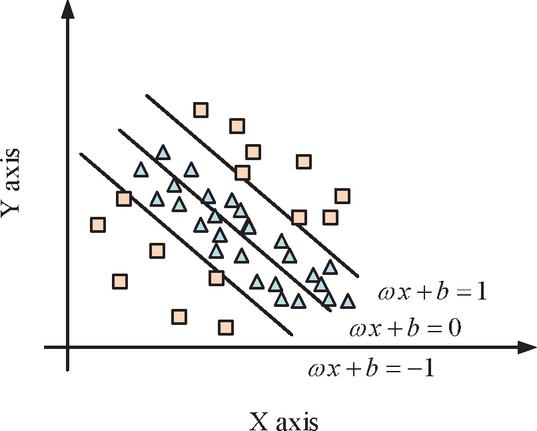
Figure 1 Schematic diagram of the basic principle of SVM.
In Figure 1, the square symbol represents data points scattered outside and on the edge of the region, and the triangle symbol represents data points within the region. Afterwards, by combining the Lagrange function multiplier, the expression for the maximum number of iterations of SVM is obtained, as shown in Equation (8).
| (8) |
In Equation (8), to minimize , the partial derivative needs to be 0. Furthermore, function can be further transformed, as shown in Equation (9).
| (9) |
The decision function can also be further transformed, as shown in Equation (10).
| (10) |
It is worth noting that this study intends to use the input training set as the parameter dataset for each individual cell of the battery pack. The main function of output value is to determine whether each monomer has obstacles and optimize the established model, with penalty factor and kernel function parameter as the two optimal solutions of the model [17].
However, in the process of searching for penalty factor and kernel function parameter , it takes a lot of time and requires the combination of corresponding parameter optimization methods. SAA is an algorithm with global search capability. SAA can simulate the annealing process of solid materials at elevated temperatures, gradually reducing them at high temperatures. This process ultimately brings their parameter combinations closer to optimal and has a certain probability of jumping out of local optima. Considering the timeliness of the research and the generalization ability of the algorithm, this study will use SAA to optimize the parameters. To determine the optimal parameter combination of the model and construct a more accurate battery pack AFD model, it is very important to select appropriate training and testing sets and to set a reasonable optimization objective function. The optimization goal of this study is to ensure that the constructed LiBS-AFD model can accurately determine whether the current battery has malfunctioned. Therefore, the SVM-based LiBS-AFD model will have high classification accuracy and a small error rate. The objective function will select the error rate , as shown in Equation (11).
| (11) |
In Equation (11), represents the predicted aging fault value and represents the actual fault. Among them, represents that there is no fault, and represents that there is a fault. The terminal voltage and battery current history data of all individual cells in the battery pack are used as the training set for calculation. Figure 2 shows the process of SAA.
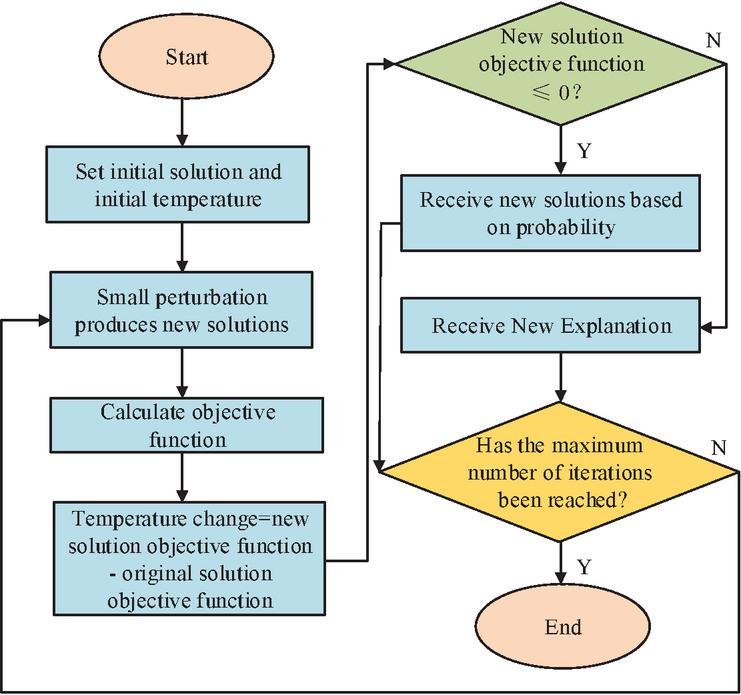
Figure 2 Flowchart of SA algorithm.
According to Figure 2, SAA needs to first set the initial solution state and obtain a larger initial temperature . is the objective function and set . The original solution is disturbed slightly and a new solution is generated. The change value of the objective function before and after temperature changes is calculated. The change value is determined: If , then is selected as the new solution; On the contrary, by combining probability, is selected as the new solution, with a probability value of . When the set maximum number of iterations is met, the optimal solution space, i.e. the optimal parameter combination, can be output.
2.2 Internal Monomer AFD of Battery Pack
Compared with short circuit faults, aging faults have less harm and less response time, making them more suitable for using machine learning methods for diagnosis. After optimizing SVM based on SAA, the AFD process of LiBS can be obtained, which can provide real-time diagnosis of aging faults of individual cells inside the battery and estimate the probability of faults. The process is shown in Figure 3.
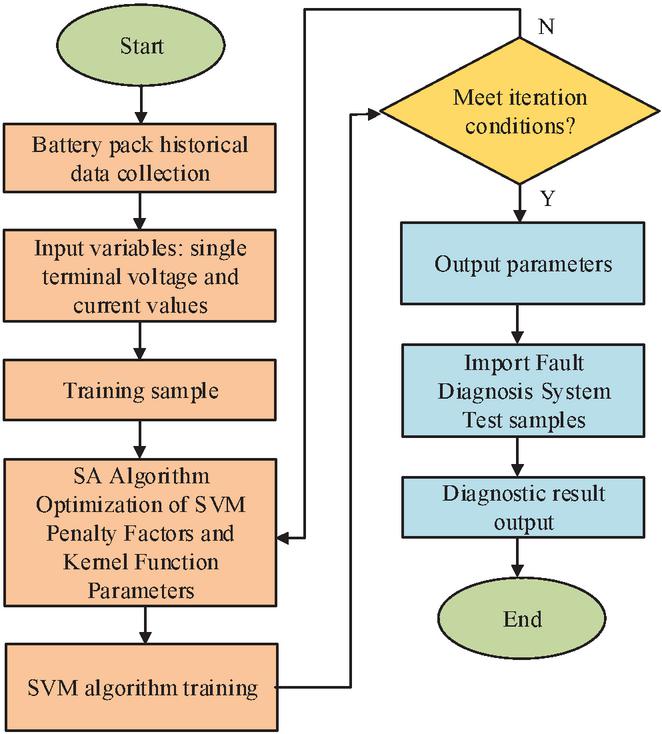
Figure 3 Optimization of SVM’s LiB pack AFD process based on SAA.
In Figure 3, the historical parameter data of the battery pack are first collected, and the individual terminal voltage and current values are used as input variables as training sets, which are then trained in the SVM model. The penalty factor and kernel function parameter of SVM are optimized using SAA. After reaching the iteration termination condition, the model parameter results can be output. The model parameters are imported into the fault diagnosis system, the samples are tested, and the fault diagnosis results are obtained.
The state of health (SOH) of battery is used to describe the current capacity of LiBs to store electricity compared to the new healthy LiB. It is generally expressed in the form of a percentage, which means the discharge capacity of LiBS throughout its entire life cycle. During the aging process of batteries, the current aging level of LiBs is usually described by SOH [18]. The battery pack aging faults are simulated by replacing aging monomers inside the battery pack. The SOH value of LiB is calculated using the SOH estimation method and the aging LiB monomer is determined. Generally, new batteries have a 100% SOH value at the factory. However, during long-term service, the cumulative effect will cause continuous degradation of battery performance, and the SOH value will gradually decrease until the end of battery life. In addition, high temperatures can also affect the SOH of batteries, accelerating their aging. Typically, LiBs with SOH below 80% at room temperature are classified as retired batteries [19]. The expression of SOH is shown in Equation (12).
| (12) |
In Equation (12), represents the initial rated capacity. represents the actual capacity during use. At a current of 1C (i.e. charging/discharging a battery with a current equal to its rated capacity), the battery discharges at a constant current until it reaches the cut-off voltage. The battery is depleted and then fully charged through a constant current and voltage method [20]. The battery is placed in an insulation box and placed at an ambient temperature of 25C for 2 hours. The battery will discharge at a constant current of 1C until the lower cut-off voltage of 2.7 V. The final discharge ampere hour is the usable capacity of the battery. The serial placement of batteries is set in the LiBS internal monomer aging fault experiment, as shown in Figure 4.
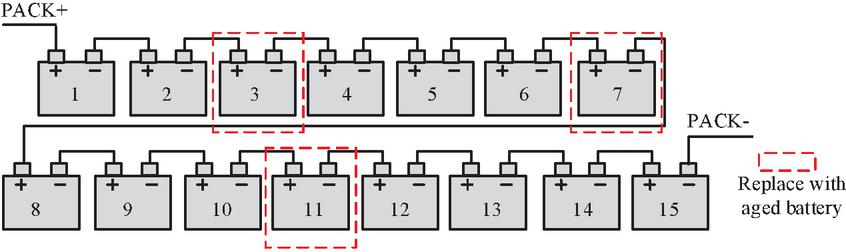
Figure 4 Series placement of LiB in the experiment of internal monomer aging failure.
A total of 15 battery cells are set up in Figure 4. The number of healthy battery cells and aging battery cells is 12 and 3, respectively, and they are replaced with aging batteries at the positions of cells 3, 7, and 11. Then, the LiBS-AFD system is designed and the software and hardware facilities are improved, as shown in Figure 5.
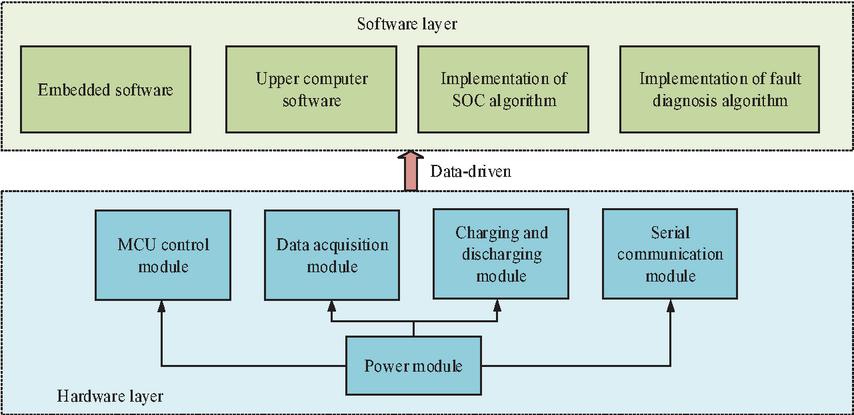
Figure 5 A fault diagnosis system for internal aging of battery units.
In Figure 5, the system mainly consists of two parts: hardware and software. It can collect battery cell voltage, total current, temperature, and estimate SOC, complete charge and discharge control, as well as fault diagnosis and processing, and save and export historical data [21].
3 LiBS Fault Diagnosis Results Based on SAA Optimized SVM
For LiBS fault diagnosis based on SAA-optimized SVM, simulation analysis is first conducted on the research method to compare its performance, including diagnostic accuracy, number of false positives, response time, etc. Then simulation experiments are conducted on LiBS aging faults and the diagnostic situation is analyzed.
3.1 Simulation Analysis of Fault Diagnosis Based on Optimized SVM
Temperature can affect the chemical reaction rate inside the battery and the conductivity of the electrolyte, thereby affecting the terminal voltage of the battery. Temperature is one of the main factors affecting battery aging. High-temperature environments can accelerate the aging process of batteries, leading to aging problems such as decreased capacity and increased internal resistance. Generally speaking, the aging rate of batteries is more pronounced in high-temperature cycling charging and discharging environments. Therefore, to ensure normal operation and prolong the lifespan of the battery, it is necessary to appropriately control the operating temperature of the battery. For LiB, it is also necessary to avoid excessively high temperatures during charging or discharging to avoid safety issues.
Considering the impact of temperature on battery terminal voltage and battery aging degree, this study will be conducted at three typical environmental temperatures of 10C, 10C, and 25C to verify the fault diagnosis performance of SVM based on SAA optimization. This method takes the voltage and current values of each ground terminal of the battery pack as inputs, and the fault value as output. When the fault value is 0, it is determined that the battery has experienced an aging fault, and when the fault value is 1, it is determined that the battery is still healthy. Among them, monomers 3, 7, and 11 are faulty monomers, while the remaining monomers are normal monomers. LiBS historical data are imported under different environmental temperatures into the research model for training and the parameters are optimized. The optimal iteration of the obtained research method under different environmental temperatures is shown in Figure 6.
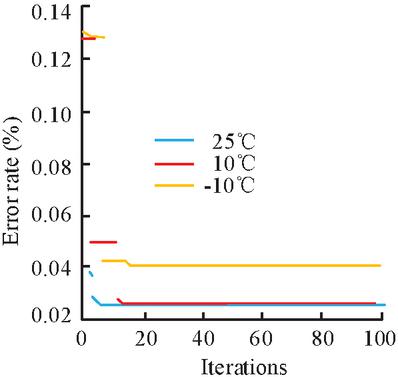
Figure 6 The optimal iteration of research methods under different environmental temperatures.
In Figure 6, after 20 iterations, the error rate of the system remains basically stable. Among them, at 25C, the system tends to stabilize first. The results of analyzing and comparing the diagnostic accuracy of aging fault monomers using research methods at different temperatures are shown in Figure 7.
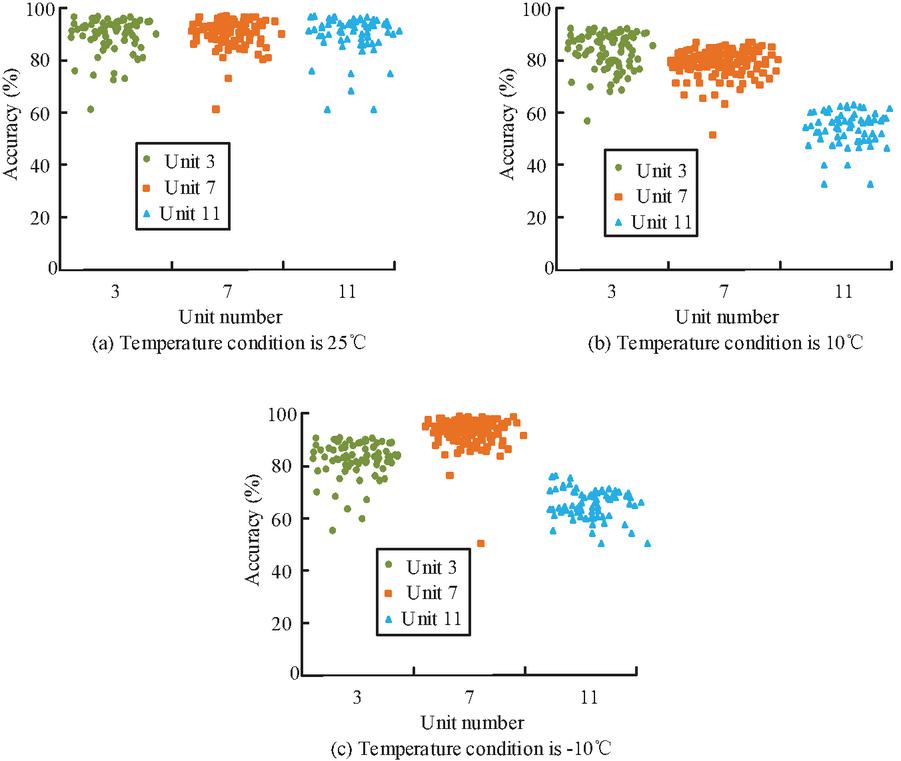
Figure 7 Accuracy of fault individual diagnosis at different temperatures.
In Figure 7, under a temperature environment of 25C, the diagnostic accuracy of the research method is the highest, followed by 10C and 10C. Meanwhile, to further compare and analyze the diagnostic performance of research methods, comparisons will be made with the diagnosis of common classification methods. By comparing the K-nearest neighbor algorithm and decision tree algorithm with the proposed research method, the fault diagnosis accuracy of fault unit 7 under different classification algorithms is obtained, as shown in Figure 8.
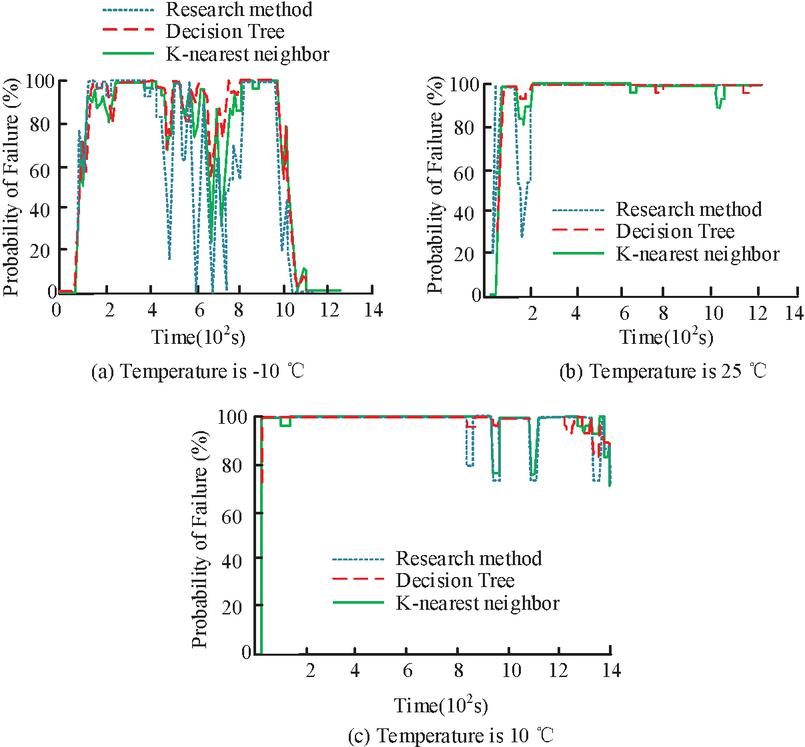
Figure 8 The accuracy of fault diagnosis for fault unit 7 under different classification algorithms.
Figure 8 shows that the fault diagnosis probability curve of the proposed research method has fewer fluctuations and a smaller amplitude. At 25C, the probability curve tends to stabilize first. This indicates that the proposed research method can effectively diagnose errors at 25C. Subsequently, a comparative analysis is conducted on the number of misjudgments made by the three algorithms on healthy monomers at different temperatures, as well as the accuracy of the three methods in diagnosing aging monomer faults, as shown in Figure 9.
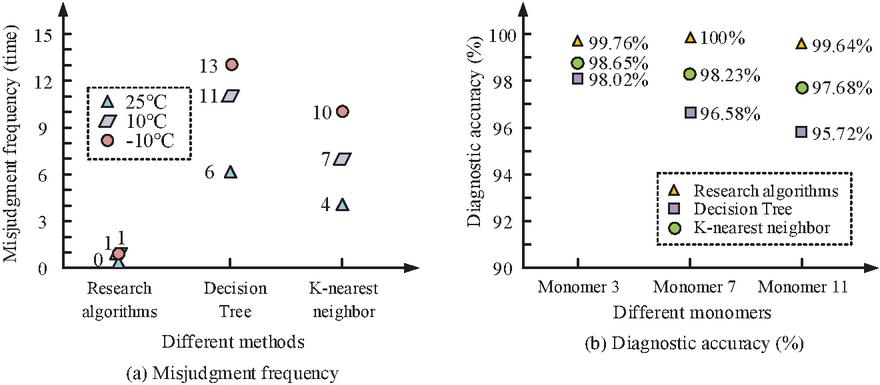
Figure 9 Misjudgment frequency of three algorithms on healthy monomers at different temperatures.
Figures 9(a) and 9(b) respectively represent the number of false positives of the three methods for healthy monomers at different temperatures and the accuracy of the three methods for diagnosing aging monomers’ faults. Under a temperature environment of 25C, the three methods have the lowest number of false positives for healthy monomers. The number of false positives for research method, decision tree, and K-nearest neighbor is 0, 6, and 4, respectively. Among the three methods, the proposed research method has the lowest number of false positives in all three temperature environments, with 0, 1, and 1 false positives at temperatures of 25C, 10C, and 10C, respectively. In the fault diagnosis of aging monomers 3, 7, and 11, diagnostic accuracies for the research method are 99.76%, 100%, and 99.64%, respectively. The accuracies of decision trees are 98.65%, 98.23%, and 97.68%; The accuracies of K-nearest neighbor are 98.02%, 96.58%, 95.72%. The data shows that the fault diagnosis accuracy of all three methods is above 95%, but the accuracy of the research method is best. This indicates that the research method has a relatively lower probability of misjudgment and has the highest accuracy in LiBS fault diagnosis. Since fault diagnosis requires a certain degree of timeliness, the response time of the three algorithms at different temperatures is compared based on the diagnostic response time. The results are shown in Figure 10.
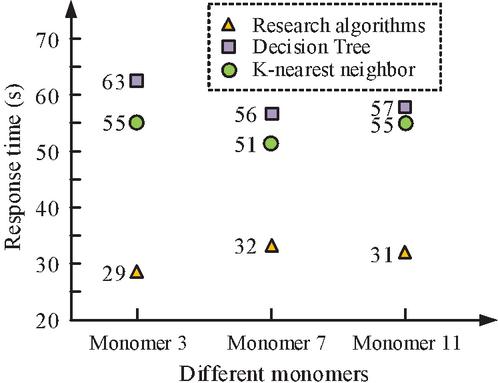
Figure 10 Misjudgment frequency of three algorithms on healthy monomers at different temperatures.
In Figure 10, the proposed research method has the shortest response time for diagnosing three aging faulty monomers, with response times of 29 seconds, 32 seconds, and 31 seconds for aging monomers 3, 7, and 11, respectively, which are significantly faster than the other two algorithms. This indicates that the proposed research method has high efficiency in fault diagnosis.
3.2 Aging Fault Simulation Experiment of LiBS
The SAA-optimized SVM is introduced into LiBS aging fault simulation experiments. A total of 15 battery cells are set up in the simulation experiment, and healthy batteries are replaced with aging batteries at positions 3, 7, and 11 of the cells. System functional testing is performed on LiBS aging faults. Firstly, the fault values of battery cells 3, 7, and 11 are analyzed, as shown in Figure 11.
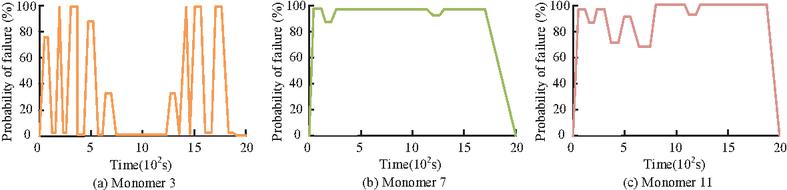
Figure 11 Probability curve of aging unit failure.
According to Figure 11, aging monomer 3 has a certain degree of concealment, making fault diagnosis more difficult. As the current increases, the system can monitor faults more stably. The diagnostic difficulty of 7 and 11 is relatively low, and the fault characteristics are more obvious, which can diagnose and monitor aging faults more stably and clearly. Next, all individual units have been diagnosed and the diagnostic response time has been recorded, as shown in Figure 12.
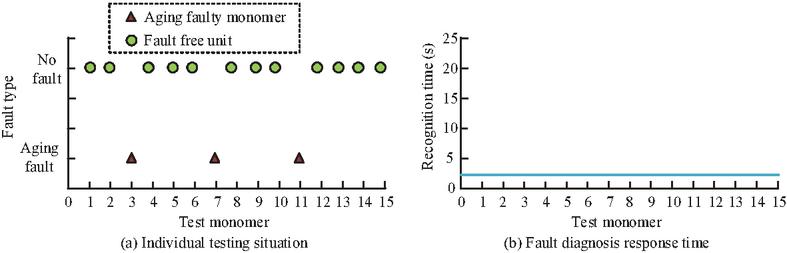
Figure 12 Individual test results and response time.
Figures 12(a) and 12(b) show the diagnostic status and diagnostic response time for all monomers, respectively. The system can accurately identify faulty and non-faulty units, which is consistent with the actual situation. The diagnostic response time is fast, at 2 seconds. Both healthy and faulty monomers can be diagnosed in about 2 seconds, with fast diagnostic efficiency and a 100% diagnostic success rate.
4 Conclusion
The AFD of LiBS can improve the reliability and safety of battery packs. During the aging process, the internal structure and materials of the battery pack may undergo changes, leading to a decrease in performance or even failure of the battery pack. Through diagnosis, faults can be detected early and corresponding measures can be taken to reduce safety risks. This study utilized SVM to partition the data, and considering the problem of a long parameter optimization process, SAA was introduced to optimize the parameters. The results of LiBS fault diagnosis experiments indicated that the system tended to stabilize first at 25C. The diagnostic accuracy of the research method was the highest, followed by 10C and 10C. The probability curve of its fault diagnosis had fewer fluctuations and a smaller amplitude. Under a temperature environment of 25C, the three algorithms had the lowest number of false positives for healthy monomers. The number of false positives for the proposed research method, decision tree, and K-nearest neighbor was 0, 6, and 4, respectively. The proposed research method had the shortest response time for diagnosing three aging faulty monomers, with response times of 29 seconds, 32 seconds, and 31 seconds for aging monomers 3, 7, and 11, respectively, which were significantly faster than the other two algorithms. The study demonstrated that the proposed research method had high efficiency in fault diagnosis compared to the other methods. In summary, the research on LiBS fault diagnosis based on optimized SVM will promote the safety and reliability of battery packs, and promote the development of LiB technology. Future research will conduct in-depth research on multi-fault hybrid diagnosis to face and solve more complex fault situations.
References
[1] Cusenza M A, Bobba S, Ardente F, Cellura M, Persio D, Franco, “Energy and environmental assessment of a traction lithium-ion battery pack for plug-in hybrid electric vehicles”. Journal of Cleaner Production, 2019, 215(1): 634–649.
[2] Zheng Y, Lu Y, Gao W, Han X, Ouyang M, “Micro-Short-Circuit Cell Fault Identification Method for Lithium-ion Battery Packs Based on the Mutual Information”. IEEE Transactions on Industrial Electronics, 2021, 68(5): 4373–4381.
[3] Prasad A, Parhizi M, Jain A, “Experimental and numerical investigation of heat transfer in Li-ion battery pack of a hoverboard”. International Journal of Energy Research, 2019, 43(5): 1802–1814.
[4] Yao L, Fang Z, Xiao Y, Hou J, Fu Z, “An Intelligent Fault Diagnosis Method for Lithium Battery Systems Based on Grid Search Support Vector Machine”. Energy, 2021, 214(1): 118866.1–118866.11.
[5] Tagade P, Hariharan K S, Ramachandran S, Khandelwal A, Han SH, “Deep Gaussian process regression for lithium-ion battery health prognosis and degradation mode diagnosis”. Journal of Power Sources, 2020, 445(1): 227281–227294.
[6] Kang Y, Duan B, Zhou Z, Shang Y, Zhang C, “A multi-fault diagnostic method based on an interleaved voltage measurement topology for series connected battery packs”. Journal of Power Sources, 2019, 417(31): 132–144.
[7] Li B, Jones C M, Adams T E, Tomar V, “Sensor based in-operando lithium-ion battery monitoring in dynamic service environment”. Journal of Power Sources, 2021, 486(13): 229349.1–229349.15.
[8] Chang C, Zhou X P, Jiang J, Gao Y, Jiang Y, Wu T, “Electric vehicle battery pack micro-short circuit fault diagnosis based on charging voltage ranking evolution”. Journal of Power Sources, 2022, 542(15): 1–15.
[9] Qiao D, Wang X, Lai X, Zheng Y, Wei X, Dai H, “Online quantitative diagnosis of internal short circuit for lithium-ion batteries using incremental capacity method”. Energy, 2022, 243(Mar.15): 123082.1–123082.11.
[10] Chen Z, Zhang B, Xiong R, Shen W, Yu Q, “Electro-thermal coupling model of lithium-ion batteries under external short circuit”. Applied Energy, 2021, 293(1): 116910.1–116910.13.
[11] Meng J, Boukhnifer M, Diallo D, “Comparative Study of Lithium-Ion Battery Open-Circuit-Voltage Online Estimation Methods”. IET Electrical Systems in Transportation, 2020, 10(2): 162–169.
[12] Xue Q, Li G, Zhang Y, Shen S, Liu Y, “Fault Diagnosis and Abnormality Detection of Lithium-ion Battery Packs Based on Statistical Distribution”. Journal of Power Sources, 2021, 482(Jan.15): 228964–228975.
[13] Lin T, Chen Z, Zhou S, “Voltage-correlation based multi-fault diagnosis of lithium-ion battery packs considering inconsistency”. Journal of cleaner production, 2022, 336(15): 130358–130370.
[14] Zheng C, Chen Z, Huang D, “Fault diagnosis of voltage sensor and current sensor for lithium-ion battery pack using hybrid system modeling and unscented particle filter”. Energy, 2020, 191(Jan.15): 116504–116516.
[15] Wang X, Wang Z, Wang L, Wang Z, Guo H, “Dependency analysis and degradation process-dependent modeling of lithium-ion battery packs”. Journal of Power Sources, 2019, 414(FEB.28): 318–326.
[16] Xia Q, Wang Z, Ren Y, Tao L, Lu C, Tian J, Lin Y, “A modified reliability model for lithium-ion battery packs based on the stochastic capacity degradation and dynamic response impedance-ScienceDirect”. Journal of Power Sources, 2019, 423(31): 40–51.
[17] Zhang Y, Tavakoli F, Abidi A, Li Z, Aybar HS, Heidarshenas B, “Investigation of horizontal and vertical distance of lithium-ion batteries on the thermal management of the battery pack filled with phase change material with the air flow”. Journal of Power Sources, 2022, 550(1): 1–16.
[18] Pordanjani A H, Aghakhani S, Afrand M, Zhang P, Tang R, Mahian O, Wongwises S, Rashidi MM, “Thermo-electrochemical simulation of the cooling process in a compact battery pack considering various configurations”. Journal of Power Sources, 2023, 553(1): 1–20.
[19] Shang Y, Lu G, Kang Y, Zhou Z, Duan B, Zhang C, “A multi-fault diagnosis method based on modified Sample Entropy for lithium-ion battery strings”. Journal of power sources, 2020, 446(15): 227275–227286.
[20] Fang Y, Luo B, Zhao T, He D, Jiang B, Liu Q, “ST-SIGMA: Spatio-temporal semantics and interaction graph aggregation for multi-agent perception and trajectory forecasting”. CAAI Transactions on Intelligence Technology, 2022, 7(4): 744–757.
[21] Guo Y, Mustafaoglu Z, Koundal D, “Spam Detection Using Bidirectional Transformers and Machine Learning Classifier Algorithms”. Journal of Computational and Cognitive Engineering, 2022, 2(1): 5–9.
Biographies

Bangjin Liu, male, with a bachelor’s degree, graduated from Wuhan University in 2010 with a major in Energy Power Systems and Automation as a senior engineer. He has been engaged in research and engineering application of battery energy storage technology for over ten years, focusing on the application of integrated battery energy storage technology, research on battery operation safety technology, and management of battery energy storage power station engineering construction.

Bin Wu, Male, from Jieyang, Guangdong, Bachelor’s degree, Assistant Engineer, mainly engaged in the construction and operation of electrochemical energy storage power plants.

Min Zhang, male, native of Nantong, Jiangsu province, graduated from the School of Energy and Power Engineering, Jiangsu University in 2017, bachelor’s degree, assistant engineer, currently, he is the project manager of the construction center of Nanfang power grid peak-shaving and frequency regulation (Guangdong) Energy Storage Technology Co., Ltd. Has been engaged in electrochemical energy storage related work, has served as a number of energy storage project project manager, with rich experience in electrochemical energy storage construction and operation. Since 2019, he has been continuously involved in the development and construction of cloud storage platform and central control management center, and organized related scientific and technological projects to be implemented.

Qihua Lin (1999.11), graduated from Wuhan University in 2022 with a Bachelor’s degree in Electrical Engineering and Automation. From 2022 to 2023, he worked as a technician in the Electrical Department at the Technology Company Construction Center. Focused on the electrochemical energy storage infrastructure industry, served as the leader of the progress team and a member of the quality team for the independent battery energy storage project on the Nanhai power grid side in Foshan, Guangdong. Participated in the pre construction preparation work and construction management of the project.

Xiaodong Zheng, male, from Shanwei, Guangdong, graduated from the School of Electric Power, South China University of Technology in 2022 with a master’s degree. Currently, he serves as the assistant project construction manager of the Construction Center of Southern Power Grid Peak shaving and Frequency Regulation (Guangdong) Energy Storage Technology Co., Ltd. He has been engaged in electrochemical energy storage related work since he started my career and has rich experience in electrochemical energy storage construction. Since 2023, he has been continuously involved in the development and construction of energy storage cloud platforms and centralized control management centers, and has accumulated certain experience in the fields of energy storage participation in electricity market trading and algorithm design.
Distributed Generation & Alternative Energy Journal, Vol. 40_4, 681–702.
doi: 10.13052/dgaej2156-3306.4043
© 2025 River Publishers