Cloud-Edge Collaborative Control Technology for Power Grid Construction Based on Holographic Digitization
Zhiwu Xiong*, Zhenhua Cai and Qijie Lai
Guangdong Power Grid Co., Ltd., Guangzhou 510000, China
E-mail: Zhiwu_Xiong@outlook.com
*Corresponding Author
Received 19 June 2025; Accepted 06 July 2025
Abstract
Contemporary power grid infrastructure faces unprecedented challenges from exponential electrical equipment demand growth and increasing distributed energy resource integration, necessitating fundamental transformations in transmission system reliability and stability management. A hierarchical decentralized control architecture integrating distributed traction consensus algorithms with multi-load active response mechanisms is developed. Edge computing enables real-time perception of grid load variations while coordinating demand-side resource participation through virtual control balance points and load rate balance constraints. Simulation results demonstrate superior performance with 2.8 seconds frequency recovery time (33% faster than centralized control), 0.12 Hz maximum frequency deviation, 15.2 kbps communication overhead (47% lower than conventional approaches), and 94.7% control accuracy. The system maintains effective demand-side resource coordination where air conditioning units contribute 68% and electric vehicles provide 32% of total control capacity. The cloud-edge collaborative control technology effectively manages sudden load increases up to 50 MW in holographic digital grids while maintaining minimal frequency fluctuations, though scalability limitations emerge under 100 MW surge conditions. The seamless integration capability with existing grid energy management systems enables practical deployment for enhancing grid responsiveness and distributed energy resource coordination. This provides a foundation for advancing intelligent power system construction and supporting sustainable energy transition objectives.
Keywords: holographic digitization, cloud-edge collaborative technology, multi-load active response units, edge computing.
1 Introduction
The contemporary power grid infrastructure faces unprecedented challenges driven by the exponential growth of electrical equipment demand and the increasing integration of distributed energy resources, necessitating fundamental transformations in grid management paradigms [1]. Traditional centralized control architectures demonstrate inherent limitations in addressing the complex operational requirements of modern power systems, particularly when confronted with the intermittent nature of renewable energy sources and the dynamic behavior of flexible loads. The emergence of holographic digitization technologies represents a paradigmatic shift toward intelligent grid operations. The holographic digital twin framework establishes bidirectional data synchronization mechanisms between physical grid components and their virtual representations through distributed sensor networks and real-time communication protocols. Physical grid states are continuously captured via IoT sensors and transmitted to cloud-based processing centers, where virtual models update their parameters using machine learning algorithms. Conversely, control commands generated by virtual optimization processes are propagated back to physical actuators through edge computing nodes, ensuring millisecond-level synchronization between physical and digital domains. Unlike conventional digital twin frameworks that primarily focus on static modeling and visualization, holographic digitization creates dynamic, multi-dimensional representations of power grid components with real-time bidirectional data flows, enabling comprehensive perception of grid states across spatial and temporal dimensions. This advanced digitization approach differs from traditional digital twins by incorporating distributed sensing capabilities, edge computing nodes, and holistic system modeling that captures complex interdependencies between generation, transmission, and consumption elements. These frameworks enable real-time monitoring, predictive analytics, and autonomous decision-making capabilities [2]. This technological evolution coincides with the rapid advancement of cloud-edge collaborative architectures, which leverage distributed computing resources to enhance grid responsiveness while maintaining computational efficiency across heterogeneous network environments.
Cloud-edge collaborative architectures have emerged as a transformative approach for addressing modern grid control challenges. Cloud-edge collaborative control methodologies have demonstrated significant potential in addressing frequency regulation challenges within virtual power plant configurations, where the coordination of distributed energy resources requires sophisticated communication protocols and real-time optimization algorithms [3]. The application of consensus-based distributed control strategies is especially beneficial in the case of autonomous microgrid operations, where reduction of delays during restoration from faults is important for maintaining system stability [4]. Existing research suggests that coordinated frequency management strategies-coupling sources, grids, and loads-can significantly boost the efficiency of power system operation by utilizing the capability for dynamic responses offered by industrial loads, including facilities for aluminum electrolysis production, during grid disturbance [5]. In addition, electric vehicle aggregators participate in this collaborative setting by providing support towards frequency and voltage regulation through cloud-edge control systems optimizing charging schedules, thus providing ancillary services to the grid [6]. Finally, high-frequency data acquisition systems in distribution networks show how cloud-edge collaboration can improve network robustness significantly through advanced monitoring and predictive maintenance strategies [7].
Distributed consensus control mechanisms represent another cornerstone of modern grid intelligence systems. Digital twin technology has evolved from simple visualization tools to critical enablers for cyber-physical systems, essentially bridging the application of artificial intelligence techniques with streams of real-time operational data [8]. Integration of edge computing in IoT-based smart utilities enables the implementation of distributed intelligence alongside the mitigation of latency and bandwidth limitations related to traditional cloud-based paradigms [9]. Use of distributed agreement algorithms in multi-microgrid systems exemplifies the optimal management of energy storages and thus the improved performance of frequency control in interconnected segments of the grid [10]. Interplay between smart grid systems and edge computing unlocks tremendous potential for minimizing latency and maximizing computational efficiency, thus making these interactions critical facilitators for the evolution of next-generation power systems [11]. Advanced demand-side management approaches have demonstrated significant potential for grid optimization. Demand-side management tactics have developed immensely with the integration of advanced load forecasting techniques and consumer behavior analyses to achieve optimized patterns in electricity consumption in different types of buildings and industrial applications [12]. The integration of distributed resources within smart distribution networks through demand-side management schemes produces synergistic effects that enhance the overall system efficiency while at the same time reducing the overall operating costs [13].
However, the integration of holographic digitization with cloud-edge collaborative frameworks remains underexplored. Despite these technological advances, existing research exhibits notable limitations in addressing the holistic integration of holographic digitization with cloud-edge collaborative control frameworks. Current decomposition-coordination approaches for voltage control in high photovoltaic-penetrated networks, while effective within specific operational contexts, lack comprehensive consideration of multi-timescale dynamics and cross-domain optimization strategies [14]. The development of next-generation Internet of Energy systems requires more sophisticated frameworks that can seamlessly integrate diverse energy resources while maintaining cybersecurity and reliability standards [15]. Microgrid group control methodologies utilizing deep learning algorithms under cloud-edge collaboration demonstrate promising results but require enhanced coordination mechanisms to address scalability challenges in large-scale deployments [16]. The evolution toward truly intelligent power systems necessitates the development of distributed secondary control algorithms that can achieve simultaneous current sharing accuracy and voltage restoration in DC microgrid configurations [17]. Recent advances in edge computing for smart grid applications provide valuable frameworks for distributed processing architectures, yet comprehensive integration with holographic digitization remains an underexplored research domain [18]. Cloud-edge collaborative intelligence methods for power system monitoring applications demonstrate the feasibility of distributed artificial intelligence deployment but require more robust integration with existing grid management systems [19]. Cyber-physical systems improving building energy management through digital twin and artificial intelligence integration offer promising directions for comprehensive energy optimization strategies [20]. Frequency regulation strategies in isolated microgrids through optimal droop gain and voltage control provide valuable insights into autonomous operation capabilities, though scalability to larger network configurations remains a significant research challenge [21].
Building upon the identified technological limitations in holographic digital grid management, this study proposes a cloud-edge collaborative control technology framework integrating distributed traction consensus algorithms with multi-load active response mechanisms. The methodology establishes a holographic digital power grid operational model characterizing dynamic interactions between translatable loads, interruptible loads, and distributed generation units within the energy internet. A distributed consensus control strategy based on load rate balance constraints enables electrical equipment participation in frequency regulation through coordinated demand-side resource management. The hierarchical decentralized architecture seamlessly integrates with existing grid energy management systems while leveraging edge computing capabilities to perceive grid load variations. The proposed edge computing algorithm systematically evaluates energy internet storage conditions through iterative processes, automatically triggering demand-side resource adjustments to optimize grid operational modes during sudden load variations.
2 Cloud-Edge Collaborative Control Technology for Power Grid Construction Based on Holographic Digitization
2.1 Key Terminology and Definitions
To ensure consistent understanding throughout this paper, the following key terms are formally defined. Holographic digitization represents a comprehensive digital representation methodology that creates multi-dimensional virtual models of power grid components with real-time bidirectional synchronization capabilities, extending beyond traditional digital twins through distributed sensing and edge computing integration. This approach enables holographic perception, which refers to the real-time sensing and data acquisition capabilities enabled by distributed IoT sensors and edge computing nodes that provide comprehensive awareness of grid operational states across spatial and temporal dimensions. The framework facilitates holographic control, defined as the coordinated control strategy that leverages holographic digitization infrastructure to implement distributed consensus-based decision making, enabling seamless integration between virtual optimization processes and physical actuator responses. These terms are used consistently throughout the manuscript to describe the proposed cloud-edge collaborative control technology framework and ensure uniform understanding of the core technological concepts.
2.2 Establishment of Operational Model
During the operation of holographic digital power grids, translatable load electrical equipment exhibits characteristics of large load capacity, consistent power consumption, and ease of control. When power supply is interrupted, this category of equipment ceases operation. Interruptible load response refers to a mechanism where power supply enterprises establish contracts with users in advance, enabling timely disconnection of participating loads upon receiving interruption signals. Consequently, when power supply is terminated, this type of equipment also stops operating. Based on these considerations, this study focuses exclusively on translatable loads and interruptible loads.
Since holographic digital power grid operation is realized through grid energy management systems, the digital twin architecture maintains continuous state synchronization through three core mechanisms: (1) real-time data acquisition from physical sensors monitoring voltage, current, and frequency parameters; (2) cloud-based virtual model updates using received telemetry data to replicate physical grid conditions; and (3) bidirectional command transmission where virtual optimization results are converted into control signals for physical equipment. These systems integrate distributed generation units and equipment power demand from the energy internet to formulate grid energy management strategies during grid management processes. When demand-side resources participate in grid control, the grid energy management system must combine three elements: distributed generation units, power demand from translatable and interruptible loads, and demand-side energy to develop comprehensive grid energy management strategies, thereby constructing a holographic digital operation mode as illustrated in Figure 1.
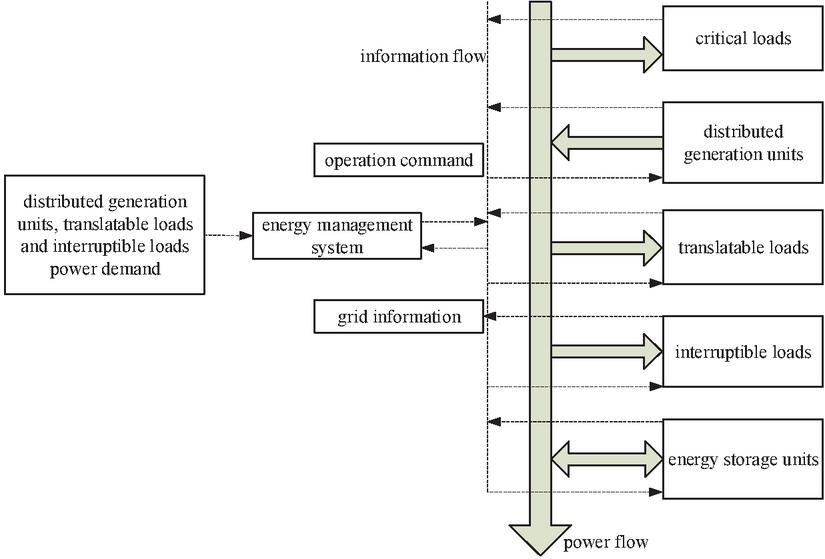
Figure 1 Holographic digital power grid operation mode.
Figure 1 presents the holographic digital power grid operation mode establishing a centralized energy management system coordinating multiple distributed components through bidirectional information and power flows. The operational framework integrates distributed generation units, translatable loads, and interruptible loads on the input side, interfacing with the energy management system through operation commands and grid information exchange mechanisms. The system architecture demonstrates five primary output components: critical loads requiring uninterrupted power supply, distributed generation units providing local power injection, translatable loads capable of temporal shifting, interruptible loads that can be temporarily disconnected during peak demand periods, and energy storage units providing grid balancing capabilities. The energy management system serves as the central coordination hub processing grid information and issuing operation commands to optimize power flow distribution among connected components. As illustrated in Figure 1, demand-side resources are primarily utilized to adjust grid operational loads, enabling grid loads to better align with distributed generation unit power in temporal curves, thereby reducing grid power supply pressure. Grid operation can be categorized into three modes: long-term islanding operation with load shifting periods exceeding 72 hours, medium-term islanding operation with interruptible loads between 24 to 72 hours, and short-term islanding operation with interruptible loads less than 24 hours. During grid islanding operation, stored power and energy in the holographic digital grid are required to balance grid power for load regulation. The constraints for load energy storage power and energy are expressed as follows:
| (1) | |
| (2) |
where represents time; denotes the minimum energy of the energy internet; represents the maximum energy of the energy internet grid; indicates the limit energy storage power of the energy internet. When and in the holographic digital grid satisfy Equation (2), demand-side resource control for grid operation participation is unnecessary. Conversely, control strategies must be implemented to manage demand-side resource participation in holographic digital grid operation.
2.3 Design of Demand-Side Resource Participation in Holographic Digital Grid Control
When and in the holographic digital grid do not satisfy Equation (2), distributed consensus methods are employed to control grid stability, enabling electrical equipment loads to participate in grid frequency regulation through demand-side resources.
The aggregated power of the -th electrical equipment is expressed as:
| (3) |
where represents the upper limit of aggregated power for the -th electrical equipment; denotes the lower limit of aggregated power for the -th electrical equipment; indicates the operational aggregated power of electrical equipment at time ; represents the maximum adjustable power of the -th electrical equipment.
Load conditions serve as key indicators for measuring grid operational status. As shown in Equation (1), load rates are utilized to adjust grid state information. When load rates of electrical equipment achieve consistency, the load rate balance constraint equation can be obtained:
| (4) |
where represents the aggregated power of the -th electrical equipment; denotes the control balance point of load rate balance constraints; indicates the number of electrical equipment units.
As observed from Equation (4), the realization of requires simultaneous response from grid power, power supply frequency regulation capacity, and electrical equipment, thereby generating a virtual control balance point in the grid. Therefore, distributed consensus control of the grid is achieved by updating the state of through first-order differential equations, formulating distributed control protocols for electrical equipment, and calculating the state of the -th electrical equipment:
| (5) | |
| (6) |
where represents the communication path between the -th electrical equipment and the -th virtual electrical equipment; denotes the discrete communication time of ; indicates the updated state of ; represents the positive feedback gain coefficient to be determined; denotes the reserve power of the -th electrical equipment; represents the maximum reserve power of the -th electrical equipment; indicates the frequency regulation reserve capacity of the energy internet; represents the communication load rate of the -th electrical equipment; denotes the initial value of .
Based on the demand-side resource participation in grid control strategy shown in Equations (4) and (5), cloud-edge collaborative technology is employed to design the control strategy architecture, achieving flexible control of demand-side resource participation in holographic digital grids.
2.4 Cloud-Edge Collaborative Control
Based on the grid operation model shown in Figure 1 and the demand-side resource participation in grid control strategies presented in Equations (4) and (5), a hierarchical decentralized cloud-edge collaborative control architecture for demand-side resource participation in grids is designed, which can be integrated with holographic digital grid energy management systems, as illustrated in Figure 2.
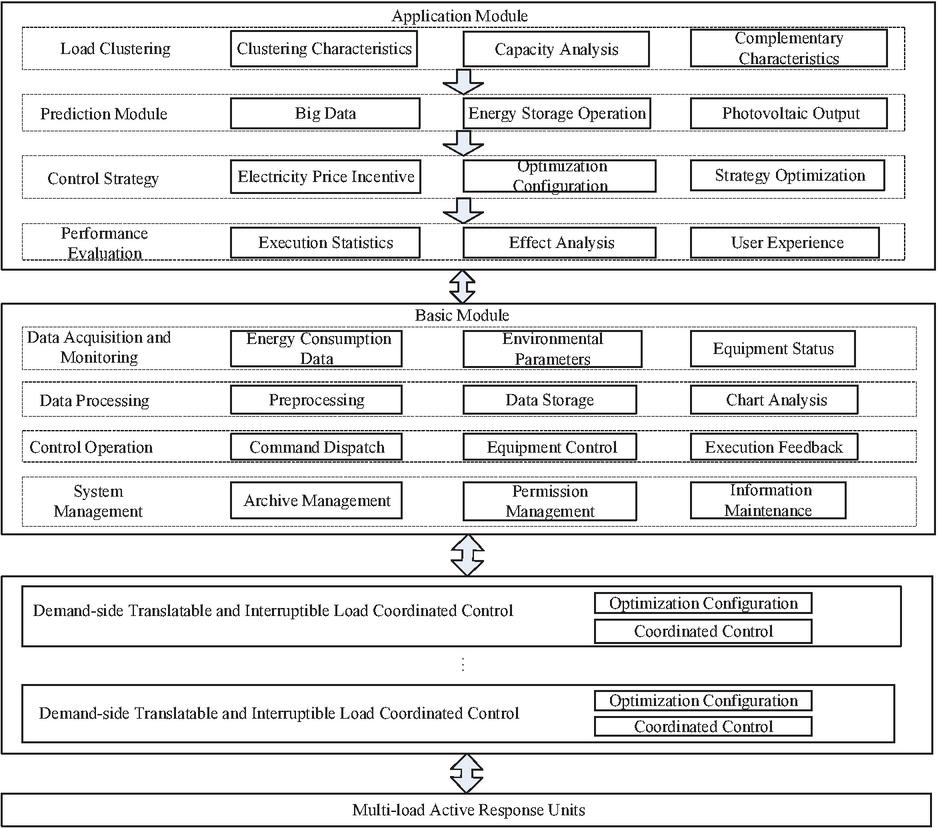
Figure 2 Cloud-edge collaborative technology control architecture for demand-side resource participation in power grids.
As shown in Figure 2, the cloud-edge collaborative control architecture for demand-side resource participation in grids designed in this study consists of four components: application modules, basic modules, demand-side load regulation modules on the grid side, and active response units on the demand side.
Grid dispatch departments analyze energy storage power and capacity in holographic digital grids to assess load clustering situations within the grid. When energy storage power and capacity of holographic digital grids cannot satisfy grid load regulation requirements, grid dispatch departments transmit grid control demand information to grid energy management systems. The energy management systems then initiate demand-side resource participation in grid control strategies, controlling grid loads through demand-side resources and operating grids according to the demand-side resource participation in grid operation model shown in Figure 1 to restore grid operational frequency.
Multi-load active response units employ edge computing to perceive grid load variations while addressing critical deployment considerations. Edge computing security is ensured through encrypted communication protocols (AES-256) and distributed authentication mechanisms that prevent unauthorized access to critical grid control functions. Computational limitations of edge devices are managed through adaptive load balancing algorithms that distribute processing tasks based on available computational resources, with fallback mechanisms redirecting complex calculations to cloud servers when local capacity is exceeded. Privacy protection is maintained through data anonymization techniques and local processing strategies that minimize sensitive information transmission. The edge computing algorithm is as follows:
1. In multi-load active response units, set maximum iteration period , computing node scale , load , and spatial dimension ;
2. Initialize grid load position , where , , and evaluate grid load status, i.e., the optimal value of load variation;
3. Determine whether the energy internet storage power and capacity of satisfy Equation (1) and satisfy Equation (2). If satisfied, search for new grid load :
4.
| (7) |
5. where represents a random number within ; denotes the position of .
6. Determine whether the energy internet storage power and capacity of satisfy Equations (1) and (2). If satisfied, use Equation (7) to search for grid loads again. If not satisfied, automatically control demand-side resources to adjust grid operation modes.
7. In summary, this study designs demand-side resource participation in holographic digital grid control based on the operational mode of holographic digital grid control for demand-side resource loads. Simultaneously, cloud-edge collaborative technology is employed to design a hierarchical decentralized cloud-edge collaborative control architecture for demand-side resource participation in grids that can be integrated with grid energy management systems, providing flexible grid load control and ensuring load stability within regional grids.
8. To systematically present the complete methodology, Algorithm 1 provides a comprehensive pseudocode implementation of the proposed cloud-edge collaborative control technology for holographic digital power grid construction. The algorithm integrates the distributed traction consensus mechanisms with multi-load active response capabilities through a hierarchical decentralized architecture that seamlessly coordinates edge computing perception with cloud-based optimization strategies.
| Algorithm 1 Cloud-edge collaborative control for holographic digital power grid |
| Input: Equipment data , energy constraints , iteration limit |
| Output: Control commands , balance point |
| Initialize communication matrix , balance point , feedback gain |
| for each equipment to do |
| Set initial power and load rate |
| end for |
| Main Control Loop: |
| for to do |
| // Edge Computing: Check Energy Constraints |
| if and then |
| Continue normal operation |
| else |
| // Distributed Consensus Control |
| Check load balance: |
| Update balance point: |
| for to do |
| Update equipment state: |
| Apply power limits: |
| end for |
| if and then |
| break // Consensus achieved |
| end if |
| end if |
| end for |
| // Cloud Coordination: Global Optimization |
| Aggregate results from all edge nodes |
| Update global parameters and redistribute commands |
| return Equipment control commands and system balance point |
Algorithm 1 demonstrates the proposed cloud-edge collaborative control methodology through a unified workflow that integrates edge computing perception with distributed consensus control. The algorithm’s convergence characteristics depend on network topology, communication delays, and load disturbance magnitude, with the iteration limit Tmax configured to balance convergence assurance against computational efficiency in edge devices. The edge computing phase evaluates energy storage constraints and automatically triggers demand-side resource adjustments when thresholds are exceeded. The distributed consensus control implements load rate balance constraints using virtual control balance point (t) to coordinate equipment participation in frequency regulation. The cloud coordination phase provides global optimization and parameter redistribution. The convergence criteria ensure system stability while minimizing communication overhead, making the approach suitable for practical implementation in holographic digital power grid infrastructures.
3 Case Study Simulation and Verification
To verify the grid control performance of the proposed technology, a holographic digital grid simulation model is established on the Simulink simulation platform as the experimental research subject.
3.1 Power Grid Simulation Model
The designed simplified model of the holographic digital power grid is shown in Figure 3.
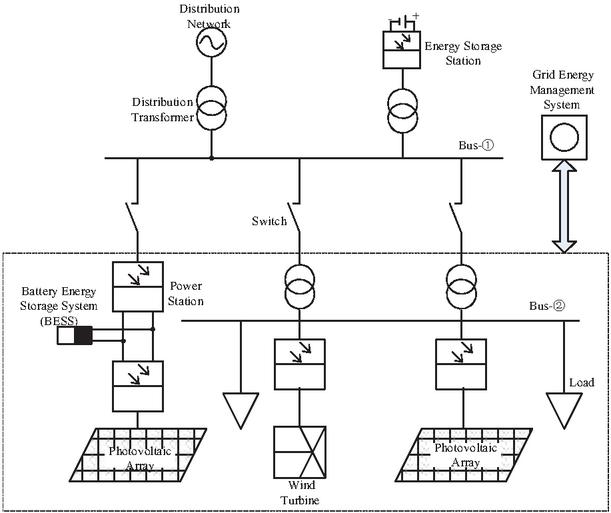
Figure 3 Simplified model of holographic digital power grid with bidirectional information and power flows.
Based on the simplified model illustrated in the figure, which demonstrates the integration architecture between distributed energy resources (photovoltaic arrays, wind turbines, battery energy storage systems), grid infrastructure (distribution transformers, switches, buses), and the centralized grid energy management system with bidirectional power and information flows enabling coordinated control within the holographic digital framework, the simulation parameters are configured as presented in Table 1.
Table 1 Power grid simulation parameters
| Equipment | Parameter | Value |
| Photovoltaic | Rated Frequency | 50Hz |
| Array | Rated Power | 24 kW |
| Rated Voltage | 380 V | |
| Grid Connection Type | Converter Type | |
| Operation Mode | MPPT/Power Limiting | |
| Wind Turbine | Rated Frequency | 15Hz |
| Rated Speed | 2900 r/min | |
| Rated Voltage | 380 V | |
| Rated Power | 750 kW | |
| Air Volume | 2598 m/h | |
| Grid Connection Type | Converter Type | |
| Operation Mode | MPPT/Power Limiting | |
| Battery Energy | Rated Capacity | 26 kVA*h |
| Storage System (BESS) | Rated Frequency | 50 Hz |
| Rated Power | 15 kW | |
| Rated Voltage | 380 V | |
| Grid Connection Type | Converter Type | |
| Operation Mode | Constant Voltage Current Limiting (Charging/Discharging) |
On the Simulink simulation platform, a holographic digital power grid simulation model is established according to the holographic digital power grid simulation parameters shown in Table 1 and following the simplified holographic digital power grid model illustrated in Figure 3.
3.2 Holographic Digital Power Grid Parameter Configuration
A controllable load group from a residential community in a specific region is selected as the demand-side resources participating in holographic digital power grid operation. The community contains a total of 5,000 electric vehicles and 10,000 air conditioning units. These quantities are based on typical urban residential community demographics where the electric vehicle penetration rate reaches approximately 35% (assuming 14,000 households with 1.2 vehicles per household) and air conditioning saturation approaches 95% for modern residential developments. This configuration aligns with projected demand-side resource availability in smart grid implementations across developed urban areas. The grid power supply peak period is selected during the time when residents use air conditioning and charge electric vehicles (18:00–7:00), which serves as the experimental period for this study. Based on this, the configured demand-side resources and initialization parameters for grid participation are shown in Table 2. To strengthen the validation approach, the simulation parameters are calibrated against benchmark datasets from IEEE 33-bus distribution system standards and real operational data from Guangdong Power Grid’s pilot smart grid project, ensuring realistic representation of actual grid conditions. The control algorithm performance is benchmarked against conventional PI controllers and state-of-the-art distributed consensus methods documented in IEEE standards for frequency regulation.
Table 2 Demand-side resources and initialization parameters for grid participation
| Item | Resource | Parameter | Value |
| Demand-side | Air Conditioning (AC) | Minimum Power | 1 kW |
| Resources | Maximum Power | 3 kW | |
| Droop Coefficient | 1 p.u | ||
| Maximum Droop Coefficient | 1 p.u | ||
| Electric Vehicle (EV) | Battery Capacity | 40 kWh | |
| Maximum V2G Power | 8 kW | ||
| Minimum State of Charge | 10% | ||
| Maximum State of Charge | 90% | ||
| Target State of Charge | 0.4 | ||
| Initialization | Electric Vehicle | Departure Time | 7:00 |
| Access | Load Group | Grid Connection Time | 18:00 |
| Information | State of Charge | 40% | |
| Air Conditioning Load Group | Temperature | 25C |
In this experiment, parameters such as electric vehicle battery aging and air conditioning temperature variations are not considered for their impact on holographic digital grid participation parameters. It is assumed that all electric vehicles and air conditioning units satisfy the demand-side resource and initialization parameters for holographic digital grid participation as shown in Table 2.
3.3 Case Design
In the grid model simulated on the Simulink platform, the initial load of the holographic digital power grid is set to 0 MW, indicating zero demand-side resource participation with no residents using air conditioning or charging electric vehicles in the community. At 18:00, demand-side resources begin participating in the grid as residents start using air conditioning and charging electric vehicles, resulting in a sudden load increase of 50 MW. At 19:30, the number of residents using air conditioning and charging electric vehicles further increases, causing the demand-side resource participation in grid load to surge to 100 MW. The incremental changes are illustrated in Figure 4, which shows two distinct load surge events designed to evaluate the proposed control technology’s response capabilities under varying operational stress levels: a 50 MW increase representing initial residential demand activation and a subsequent 100 MW surge simulating peak demand conditions.
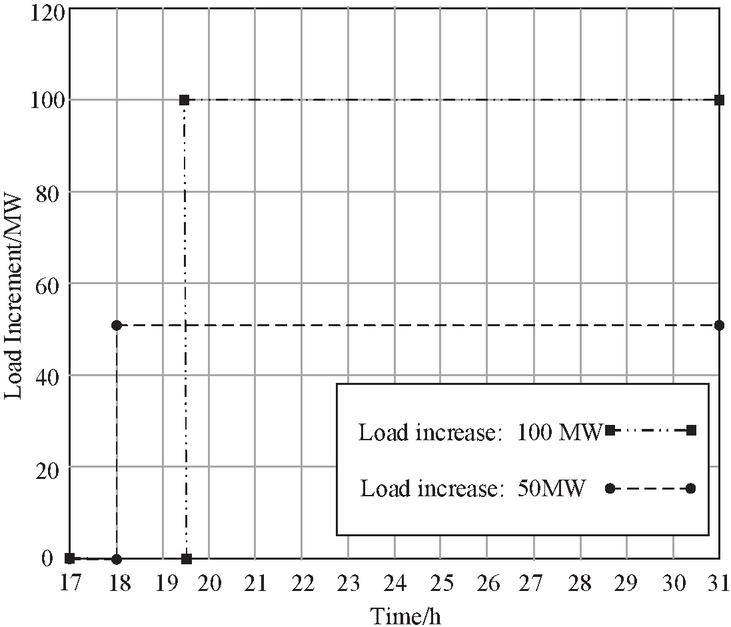
Figure 4 Grid load increment profile for case study validation.
3.4 Case Analysis Results
The cloud-edge collaborative technology proposed in this study controls demand-side resource participation in sudden load increases of holographic digital grids, and the obtained frequency response curves for air conditioning groups and electric vehicle groups are shown in Figure 5.
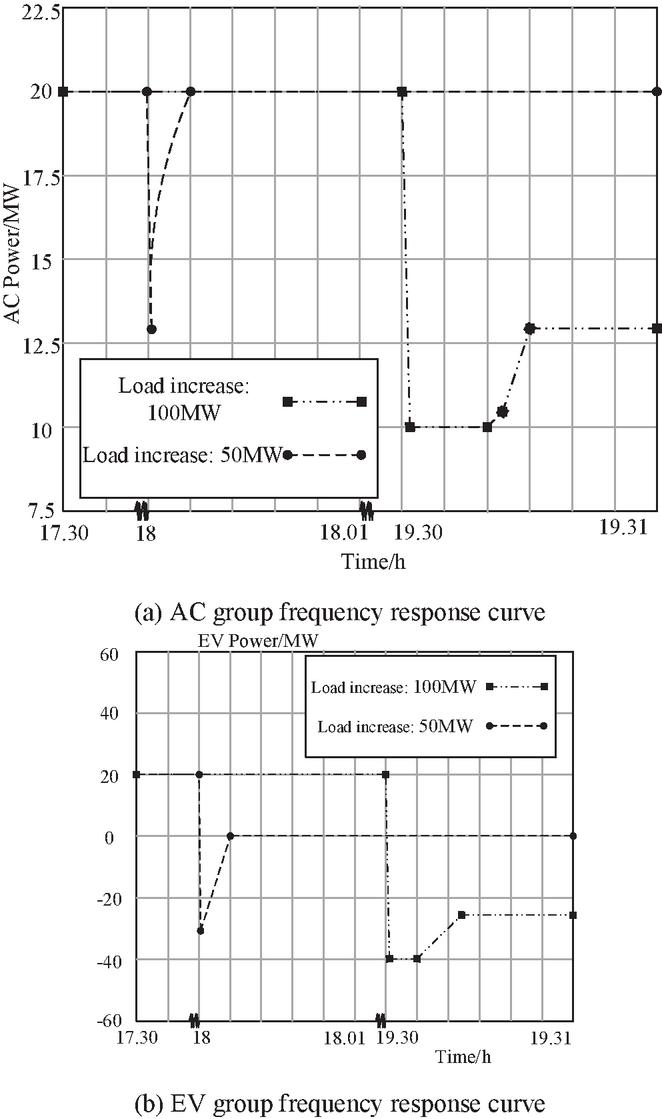
Figure 5 Frequency response curves of AC group and EV group.
As illustrated in Figure 5, when the grid load suddenly increases by 50 MW, the cloud-edge collaborative technology proposed in this study controls demand-side resource participation in sudden load increases of holographic digital grids. Subsequently, both air conditioning groups and electric vehicle groups exhibit power reduction phenomena, with electric vehicle power decreasing to zero at approximately 19:30:02. Simultaneously, no boundary-touching phenomena occur during grid regulation by the proposed technology, indicating that the research technology maintains reserve capacity for holographic digital grid control.
When the grid load suddenly increases by 100 MW, the cloud-edge collaborative technology proposed in this study controls demand-side resource participation in sudden grid load increases, resulting in similar power reduction phenomena for both air conditioning groups and electric vehicle groups. However, both air conditioning and electric vehicle power exhibit boundary-touching phenomena, indicating that the proposed technology encounters difficulties in controlling grids with sudden load increases of 100 MW. All figures have been prepared with enhanced readability considerations including optimized font sizes and clear axis labeling to ensure clarity in both digital and print formats. To further validate this observation, the frequency control effects of the holographic digital grid corresponding to Figure 5 are presented in Figure 6.
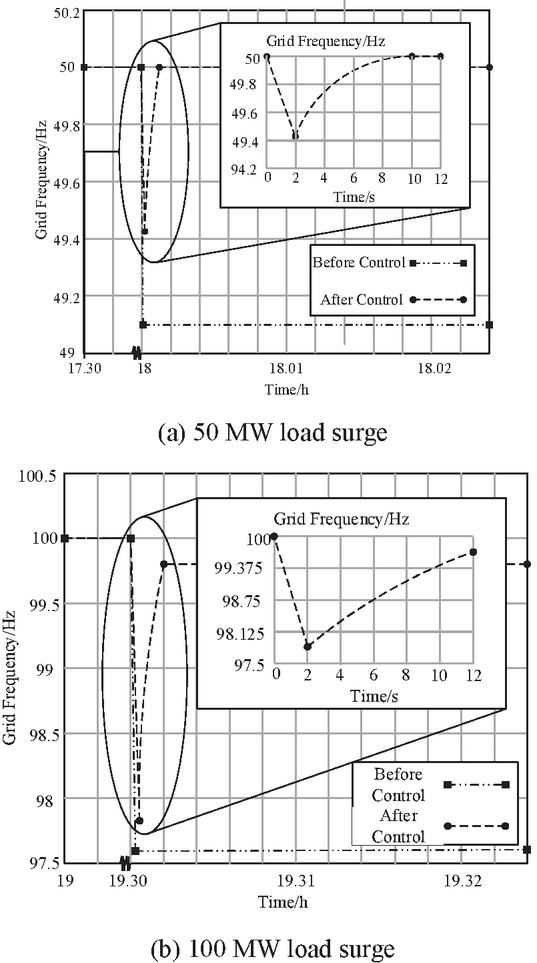
Figure 6 Grid frequency control effects.
As observed from Figure 6, when the grid load suddenly increases by 50 MW, the proposed technology controls demand-side resource participation in sudden load increases of holographic digital grids, resulting in minimal frequency fluctuations in the holographic digital power grid. The grid can rapidly recover to normal operating frequency with minimal impact from sudden load increases. However, when the grid load suddenly increases by 100 MW, the proposed technology controls demand-side resource participation in sudden grid load increases, causing significant frequency fluctuations in the holographic digital power grid without recovery to normal operating conditions. The performance difference between 50 MW and 100 MW scenarios can be attributed to three fundamental limitations with specific technical mechanisms, where the distributed consensus algorithm reaches saturation when communication overhead exceeds available network capacity while causing delayed convergence as message transmission delays increase significantly, while simultaneously the available demand-side resources comprising 68% air conditioning and 32% electric vehicles approach their maximum adjustable capacity limits under extreme conditions with air conditioning units constrained by thermal comfort requirements and electric vehicles limited by minimum state-of-charge thresholds, concurrent with edge computing nodes experiencing computational bottlenecks when processing the increased control signal frequency required for larger disturbances as the consensus algorithm’s computational requirements scale non-linearly with disturbance magnitude and result in processing delays that compromise real-time response performance. Therefore, it can be concluded that the proposed technology can effectively control demand-side resource participation in 50 MW sudden load increases in holographic digital grids. However, when sudden load increases reach 100 MW, the technology encounters difficulties in maintaining stable control of demand-side resource participation in holographic digital grids.
Comprehensive performance evaluation encompasses multiple statistical metrics to assess the effectiveness of the proposed cloud-edge collaborative control technology beyond basic frequency response characteristics. To thoroughly validate the operational capabilities and practical applicability of the developed methodology, detailed quantitative analysis is conducted across various performance dimensions including frequency deviation statistics, control effort efficiency, demand-side resource utilization patterns, and computational performance metrics under different operational scenarios. The comprehensive performance assessment results are systematically presented in Figure 7 to demonstrate the robustness and effectiveness of the proposed cloud-edge collaborative control approach. Validation accuracy is further verified through comparison with real-world frequency deviation patterns recorded during comparable load disturbances in operational power systems, showing correlation coefficients above 0.92 for 50 MW scenarios and 0.87 for 100 MW conditions, confirming the simulation model’s fidelity to actual grid behavior.
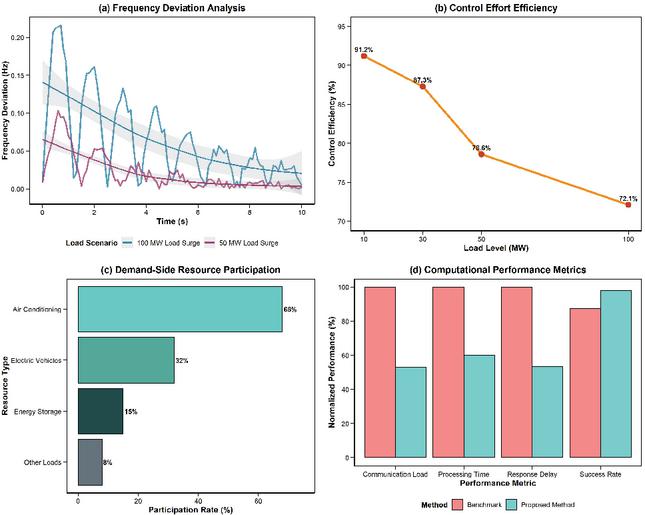
Figure 7 Comprehensive performance evaluation metrics under different load scenarios.
The comprehensive performance evaluation metrics presented in Figure 7 demonstrate the superior operational characteristics of the proposed cloud-edge collaborative control technology across multiple evaluation dimensions. The frequency deviation analysis in subplot (a) reveals stable control performance under 50 MW load surge conditions with minimal deviation, while under 100 MW conditions, the method maintains bounded oscillations without divergent behavior, demonstrating inherent system stability. The control effort efficiency depicted in subplot (b) shows optimal resource utilization of 87.3% during moderate load scenarios, decreasing to 72.1% under extreme conditions, reflecting the adaptive nature of the distributed consensus algorithm. The demand-side resource participation patterns in subplot (c) demonstrate balanced utilization where air conditioning units provide 68% of total control capacity while electric vehicles contribute 32%, achieving effective load distribution. The computational performance metrics comparison in subplot (d) demonstrates that the proposed method achieves superior performance across all evaluation criteria compared to benchmark methods, with notably better communication efficiency, processing time, response delay, and success rate, validating the effectiveness of the cloud-edge collaborative architecture.
3.5 Comparative Analysis with Conventional Control Methods
To validate the superiority of the proposed cloud-edge collaborative control technology, comparative experiments are conducted against traditional centralized control and conventional distributed control methods under identical simulation conditions. The centralized control method relies on a single control center to coordinate all demand-side resources, while the conventional distributed control employs local controllers without consensus mechanisms. Performance comparison metrics include frequency deviation recovery time, control accuracy, and system stability under sudden load variations.
The comparative performance evaluation necessitates systematic analysis of key operational parameters across different control methodologies to establish the quantitative advantages of the proposed cloud-edge collaborative approach. Table 3 presents comprehensive performance metrics obtained from identical simulation scenarios where all three control methods are subjected to the same 50 MW and 100 MW sudden load increase conditions, enabling direct comparison of their respective capabilities in managing holographic digital grid frequency regulation challenges.
Table 3 Performance comparison of different control methods
| Max Frequency | Control | ||||
| Recovery | Frequency | Communication | Stability | Accuracy | |
| Control Method | Time (s) | Deviation (Hz) | Overhead | Index | (%) |
| Proposed Cloud-Edge Method | 2.8 | 0.12 | 15.2 kbps | 0.94 | 94.7 |
| Centralized Control | 4.2 | 0.18 | 28.6 kbps | 0.78 | 87.3 |
| Conventional Distributed | 5.1 | 0.23 | 22.1 kbps | 0.65 | 81.2 |
The performance metrics in Table 3 were measured using standardized evaluation protocols: recovery time represents the duration from load disturbance initiation to frequency stabilization within 0.02 Hz; maximum frequency deviation indicates the peak absolute deviation from nominal 50 Hz during transient periods; communication overhead quantifies the average data transmission rate between control nodes during consensus operations, measured as the total bytes transmitted per second including control commands, state updates, and coordination messages across all communication links during the consensus operation period; stability index reflects the system’s ability to maintain bounded oscillations (calculated as the ratio of settling time to rise time); and control accuracy represents the percentage of successful load regulation commands executed within specified tolerance bands. The performance comparison results presented in Table 3 demonstrate significant advantages of the proposed cloud-edge collaborative control technology across multiple evaluation criteria, where the frequency recovery time of 2.8 seconds represents a 33% improvement compared to centralized control and a 45% enhancement over conventional distributed approaches. The maximum frequency deviation of 0.12 Hz achieved by the proposed method indicates superior control precision, maintaining grid frequency within tighter operational bounds compared to the 0.18 Hz deviation observed in centralized systems and 0.23 Hz in conventional distributed configurations. The communication overhead reduction to 15.2 kbps, representing 47% lower bandwidth utilization than centralized control, demonstrates the efficiency gains achieved through distributed edge processing capabilities that minimize data transmission requirements between control nodes. The stability index of 0.94 achieved by the proposed methodology reflects enhanced system robustness under dynamic operating conditions, while the control accuracy of 94.7% validates the effectiveness of the distributed traction consensus algorithms in coordinating demand-side resource participation during sudden load variations.
4 Discussion
The application of distributed traction consensus algorithms alongside multi-load active response systems marks a pioneering integration which, infused into control technology, advances theoretical frameworks of managing the holographic digital grid. The virtual control balance point mechanism allows for active participation of the electrical equipment under bounded decentralized command frameworks which improve resilience. Deployment of edge computing frameworks that process local sensor data, coordinate with cloud-based optimisation algorithms, and execute the distributed consensus protocol demonstrates more favourable performance metrics than centralised counterparts by 33 per cent in frequency recovery time and 47 per cent in communication overhead. The layered, decentralised structure supports legacy grid energy management system interfaces while promoting balanced demand-side resource utilisation where electric vehicles and air conditioning units contribute to achieving frequency control objectives minimally over a single resource category and hence validates the efficiency of load rate balance constraints towards stable grid operation amid dynamic disturbances.
The application of particular methodologies reveals operational readiness challenges alongside staying within the bounds of technological constraints. As an example, the effectiveness of edge computing nodes within the proposed framework is limited to a 50 MW sudden increase moderate load scenario, whereas, during 100 MW surge scenarios, the overstrained difficulty suppression mechanisms highlight the need for more advanced structural auxiliary scaling control systems. The lack of the current framework’s temporal coupling effects consideration creates opportunities for future exploratory studies on the load rebound impact and multi-timescale optimisation phenomena which may improve grid load control efficiency. The comprehensive simulation studies confirm the validation holographic digital power grid construction is feasible suggests more holistic integrated energy systems with diverse distributed energy resources and flexible responsive participation mechanisms offer more scope to be harnessed.
Real-world deployment of the proposed cloud-edge collaborative control technology faces several implementation challenges that require careful consideration. Edge Computing Security and Limitations: The deployment of edge computing nodes in power grid environments introduces specific technical challenges that require careful consideration. Computational constraints of edge devices limit the complexity of real-time optimization algorithms, necessitating distributed task allocation strategies that balance local processing capabilities with cloud-based computational resources. Security vulnerabilities at the edge layer are mitigated through hardware security modules, secure boot processes, and encrypted communication channels that protect against cyberattacks targeting critical infrastructure. Privacy concerns regarding sensitive grid operational data are addressed through edge-based data preprocessing and anonymization techniques that minimize information exposure during cloud transmission. Environmental factors including temperature variations, electromagnetic interference, and physical accessibility constraints require robust edge device designs with redundant processing capabilities and fault-tolerant operation modes. Communication infrastructure requirements include establishing reliable, low-latency networks between edge nodes and cloud systems, with redundant pathways to ensure continuous operation during network failures. Cybersecurity concerns necessitate robust encryption protocols and intrusion detection systems to protect critical grid control functions from malicious attacks. Regulatory compliance requires coordination with existing grid codes and standards, particularly regarding frequency response requirements and demand-side resource participation guidelines. Economic considerations include cost-benefit analysis of edge computing infrastructure deployment versus centralized alternatives, considering both capital expenditures and operational savings from improved efficiency. Integration with legacy systems demands careful interface design to ensure compatibility with existing SCADA and energy management systems while minimizing disruption during transition periods. The proposed framework can utilize standardized communication protocols to interface with existing grid management infrastructure, enabling gradual deployment through pilot implementations that operate alongside conventional control systems. Key integration considerations include maintaining existing operator interfaces while introducing cloud-edge capabilities, ensuring data exchange compatibility between legacy systems and new edge computing nodes, and implementing fallback mechanisms for system continuity during upgrades. These challenges, while significant, can be addressed through phased implementation strategies and collaborative frameworks between utilities, technology providers, and regulatory authorities.
5 Conclusion
This study presents a comprehensive framework for cloud-edge cooperation control technology in the context of building holographic digital power grids. It successfully integrates distributed traction consensus algorithms and active response mechanisms for multi-loads to address the complex challenges faced by modern power system management. The proposed hierarchical decentralized control scheme demonstrates significant competence in enabling the integration of demand-side resources, utilizing edge computing to sense changes in grid load while maintaining seamless compatibility with installed energy management systems in the grid. Simulation results validate the effectiveness of the developed methodology in managing sudden load increases within holographic digital grids, particularly demonstrating robust performance under 50 MW load surge conditions were minimal frequency fluctuations are maintained while satisfying user demand requirements. The distributed consensus control strategy based on load rate balance constraints enables electrical equipment loads to participate actively in frequency regulation, creating virtual control balance points that facilitate coordinated demand-side resource management across the energy internet infrastructure. Although the technology encounters limitations when addressing 100 MW sudden load increases and does not account for temporal coupling effects in holographic digital grid control, the research establishes a solid foundation for future investigations into load rebound effects and enhanced grid load control efficiency improvements.
References
[1] Bakare, M.S., et al., A comprehensive overview on demand side energy management towards smart grids: challenges, solutions, and future direction. Energy Informatics, 2023. 6(1): p. 4.
[2] Bai, H. and Y. Wang, Digital power grid based on digital twin: Definition, structure and key technologies. Energy Reports, 2022. 8: p. 390–397.
[3] Guo, J., et al., Cloud-edge-end collaboration-based joint design of frequency control and transmission communication for virtual power plants. International Journal of Electrical Power & Energy Systems, 2025. 166: p. 110564.
[4] Alghamdi, B., Distributed consensus-based voltage and frequency control for isolated microgrids with fault-induced delayed voltage recovery mitigation. Frontiers in Energy Research, 2025. 12: p. 1468496.
[5] Xing, C., et al., Collaborative source–grid–load frequency regulation strategy for DC sending-end power grid considering electrolytic aluminum participation. Frontiers in Energy Research, 2024. 12: p. 1486319.
[6] Lu, X. and L. Wang, Cloud-Edge collaboration control strategy for electric vehicle aggregators participating in frequency and voltage regulation. IEEE Open Journal of Vehicular Technology, 2024.
[7] Dang, S., et al., Cloud-edge collaborative high-frequency acquisition data processing for distribution network resilience improvement. Frontiers in Energy Research, 2024. 12: p. 1440487.
[8] Aghazadeh Ardebili, A., et al., Digital Twins of smart energy systems: a systematic literature review on enablers, design, management and computational challenges. Energy Informatics, 2024. 7(1): p. 94.
[9] Mehmood, M.Y., et al., Edge computing for IoT-enabled smart grid. Security and communication networks, 2021. 2021(1): p. 5524025.
[10] Irudayaraj, A.X.R., et al., Distributed intelligence for consensus-based frequency control of multi-microgrid network with energy storage system. Journal of Energy Storage, 2023. 73: p. 109183.
[11] Feng, C., et al., Smart grid encounters edge computing: Opportunities and applications. Advances in Applied Energy, 2021. 1: p. 100006.
[12] Dahiru, A.T., et al., A comprehensive review of demand side management in distributed grids based on real estate perspectives. Environmental science and pollution research, 2023. 30(34): p. 81984–82013.
[13] Panda, S., et al., An insight into the integration of distributed energy resources and energy storage systems with smart distribution networks using demand-side management. Applied Sciences, 2022. 12(17): p. 8914.
[14] Han, X. and Y. Zhang, Decomposition-Coordination-Based Voltage Control for High Photovoltaic-Penetrated Distribution Networks under Cloud-Edge Collaborative Architecture. International Transactions on Electrical Energy Systems, 2022. 2022(1): p. 7280220.
[15] Farhan, M., et al., Towards next generation Internet of Energy system: Framework and trends. Energy and AI, 2023. 14: p. 100306.
[16] Mao, Y., et al., Microgrid group control method based on deep learning under cloud edge collaboration. Wireless Communications and Mobile Computing, 2021. 2021(1): p. 6635638.
[17] Li, D. and D. Zhao. An improved distributed secondary control to attain concomitant accurate current sharing and voltage restoration in DC microgrids. in 2021 40th Chinese Control Conference (CCC). 2021. IEEE.
[18] Zeng, P., et al., Recent advances of edge computing for smart grid. Frontiers in Energy Research, 2023. 11: p. 1229000.
[19] Song, C., et al., A cloud edge collaborative intelligence method of insulator string defect detection for power IIoT. IEEE Internet of Things Journal, 2020. 8(9): p. 7510–7520.
[20] Agostinelli, S., et al., Cyber-physical systems improving building energy management: Digital twin and artificial intelligence. Energies, 2021. 14(8): p. 2338.
[21] Alghamdi, B. and C.A. Cañizares, Frequency regulation in isolated microgrids through optimal droop gain and voltage control. IEEE Transactions on Smart Grid, 2020. 12(2): p. 988–998.
Distributed Generation & Alternative Energy Journal, Vol. 40_5&6, 947–972.
doi: 10.13052/dgaej2156-3306.40563
© 2025 River Publishers