Digital Twin-Enabled Smart Energy Management for Mega Sports Events
Xin He
College of Sports Science, Shenyang Normal University, Shenyang 110034, Liaoning, China
E-mail: XinHeHX@outlook.com
Received 09 September 2025; Accepted 11 September 2025
Abstract
Mega sports events pose major energy management challenges due to their scale, and varying energy requirements. This paper suggests and assesses a digital twin powered smart energy management system for minimizing energy consumption, and maximizing grid stability of such events. The approach employs real-time data collection, and multi-domain energy system modeling with sophisticated predictive analytics with load forecasting based on Long Short-Term Memory (LSTM), along with multi-objective optimization techniques. Based on the evaluation with simulated event data, the deployed system exhibited significant improvements by decreasing average energy consumption by 23.2%, and apeak demand by 28.3%, respectively. Subsequently it is also observed that the self-consumption energy rate increase to 72% compared to conventional methods. Additionally, the system was responsible for substantial operational cost savings of about 30% as well as an impressive 37.5% decrease in carbon footprints. The load forecasting model showed a Mean Absolute Percentage Error (MAPE) value of 4.8%. The findings emphasize the potential capabilities of digital twin technology toward effective, sustainable, and resilient energy management for temporary, large-scale events.
Keywords: Digital twin, smart energy management, mega sports events, energy efficiency, renewable energy, optimization.
1 Introduction
Mega sporting events are challenging the management of energy in a way that requires strong and efficient solutions to reduce environmental footprint and provide a secure power supply [1]. The integration of digital twin technology provides a revolutionary means to delivering innovative energy management in these large-scale, dynamic settings.
With its smart infrastructure section, authors in [2] offers an excellent methodology that successfully combines building management systems with telecommunications The Smart Energy Network Demonstrator (SEND) project [3] at Keele University digitalizes current energy sources for transportation and electricity across its large campus, therefore providing a striking example of this idea. The project uses high-performance controllers to manage consumption of several buildings. It compiles vast data from thousands of meters, therefore producing a complex digital picture of the university’s energy infrastructure.
Large-scale athletic events have intrinsic complexity combined with the increasing focus on sustainable energy sources, which requires careful planning. System inertia is lowered by the use of distributed energy resources (DERs) instead of conventional synchronous generators. Such low inertia might result in a fast drop in grid frequency during events with high energy consumption. Under such circumstances limited visibility and different converter properties are often challenging for use of conventional control approaches and may require more advanced control techniques for the response prediction ability.
By allowing real-time data-driven live models of DERs, digital twins help to overcome some visibility constraints. They use easily available data to create dynamic outputs of far-end DERs, thus facilitating local control operations. The performance of these digital twins is confirmed through research, which typically shows up on Power Hardware-in-the-Loop (PHIL) platforms [4]. The accuracy of the digital twin is determined by both the model fidelity and the reporting rate of input signals, e.g., grid frequency. Research has pinpointed that a minimum reporting rate, usually associated with the 30-times sampling rule compared to the closed-loop bandwidth, is critical for stable operation. Data-driven strategies are used to obtain analytical models of DERs, enabling easy Bode plot analysis for guaranteeing performance specifications. At Keele University, the Low Carbon Energy Generation (LCG) project unites more than 8 MW of renewable energy (wind, solar PV, battery storage) with the scope for added expansion all managed by the microgrid design. It aims at deep decarbonization and reduced energy cost. The digital twin platform offers a panoramic, visual overview of the energy status of the university, dividing it into several microgrids [5]. It also enables isolated control and maximized energy trading on the basis of factors such as price or carbon savings. The platform provides detailed views of individual buildings, showing real-time forecasted energy usage and total carbon savings, showing impressive reductions in energy usage and related carbon footprints.
Digital twins support real-time monitoring and enable collaborative control, substantially reducing communication with remote assets by providing local, dynamic models. Various contexts are accommodated by tailoring cloud and edge-based solutions, as described in [6]. Such hybrid approach enhances operational efficiency, as well as grid stability with reasonably significant cost and better environmental benefits for large-scale sports events. Applications of digital twins include predicting equipment failures for maintenance, optimizing resource allocation, and assisting in demand-side management with load forecasting and integrating renewable energy plans. The knowledge derived through such platforms enables data- driven decision-making by event organizers to improve planning, resource deployment, and overall sustainability [7]. Figure 1 shows an overview of a high- level digital twin-based smart energy management system, showing the stepwise chain from a mega sports event to energy infrastructure and the digital twin platform to realize optimal energy consumption.
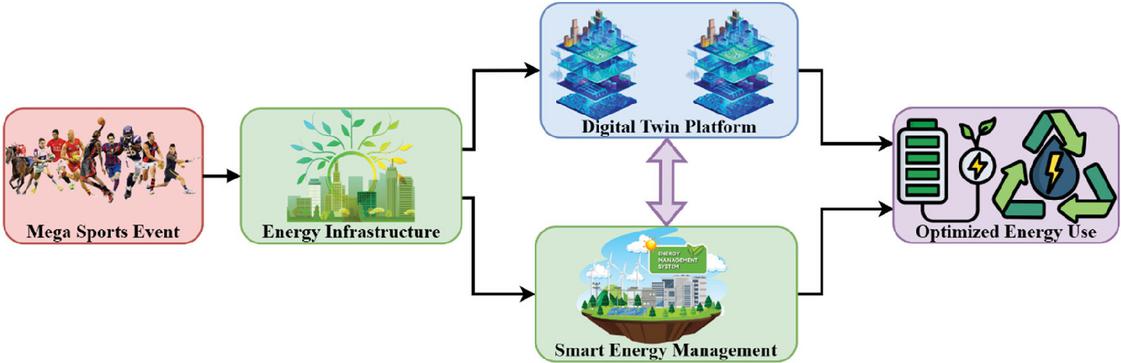
Figure 1 Digital twin-enabled smart energy management system.
The key contributions of the article includes:
• Evaluates a pioneering digital twin-enabled innovative energy management system designed explicitly for mega sports events with dynamic energy demands.
• Demonstrates significant improvements in energy efficiency, including a reduction in energy consumption and a notable increase in renewable energy self-consumption.
• Quantifies the system’s positive impact on operational costs, showing better savings, and its environmental benefits, with a significant reduction in carbon emissions.
• Highlights the effectiveness of its predictive models, particularly the load forecasting model, which achieved a high accuracy with a minimum error percentage.
The rest of the article is structured as follows: Section 2 reviews the related works that position this research within the existing literature. Section 3 details the architecture and components of the digital twin enabled system, including data acquisition, modeling, predictive analytics, and optimization algorithms. Subsequently, Section 4 presents the empirical findings and analyzes the system’s performance against established metrics. Finally, Section 5 concludes with a summary of the article’s contributions and directions for future research.
2 Related Work
This section addresses digital twin applications for building energy management, along with IoT integration for intelligent energy systems. Also, it emphasizes the standard energy management facilities in sports arenas. It also highlights the significant contributions and gaps fixed by our comprehensive methodology.
2.1 Digital Twin-Based Building Energy Management
The rising urban population of the world emphasizes the main issue of energy consumption in buildings, which accounts for about 30% of total world energy consumption. Thus, the application of digital twins in building management results in notable increases in sustainability and energy economy. Elnour et al. [8] suggest using current Information Technology (IT) infrastructure to integrate data-driven digital twins into smart buildings so enhancing their basic operations. Moreover, this study presents a simple data-driven energy model underlined as an interactive 2D graphical depiction stressing air conditioning systems since of their major energy consumption. Likewise, Boukaf et al. [9] underline the synergy of energy digital twin technologies, IoT devices, and advanced data-driven algorithms toward better energy management, servicing, and maintenance. They underline the synergy of Energy digital twin technologies, IoT devices, and advanced data-driven algorithms for better energy management, service, and maintenance.
Extending the facilities of Digital Twin (DT), Jiao et al. [10] provide a sustainable digital twin model for operation and maintenance (SDTOM-BI) in mega building infrastructures. Using Bayesian networks and random forests to offer exact predictions, the model improves productivity by analyzing the interaction between elements, events, and energy use. Using digital twin technology for multi-objective integrated optimisation of geothermal heat systems with energy storage is shown by Guo et al. [11]. Using a better neural network, their approach, to an office building in China, showed a 98% prediction accuracy for heatingdemand, thereby improving complete performance index above benchmark systems. This showcases the ability of digital twins to reduce running costs and simplify complex energy configurations. Alva et al. [12] claim that the Urban Digital Twin App dashboard helps to reduce greenhouse gas emissions from former residential structures. By means of multi- criteria decision analysis, such platform aids decision-makers by enabling rank building renewal projects, so stressing the importance of digital twins in long-term sustainability and decarbonization plan development.
2.2 Digital Twin and IoT Integration for Systems of Smart Energy
Smart energy management solutions depend on the integration of digital twins and IoT. Li et al. [13] report IoT and artificial intelligence based stadium energy management optimisation. Combining data collecting in the application layer with prediction of energy consumption, fault detection modules, their system architecture – including perception, transmission, and data processing – allows for Case studies include Allianz Arena and Singapore National Stadium validate the significant increases in operating cost savings and energy efficiency resulting from real-time data monitoring and dynamic energy allocation. Additionally mentioned by the writers are future directions of research including more integration of technology with digital twins and renewable energy scheduling for green stadium operations [14].
Nimma et al. [15] are further looking into the integration of next-generation technology for safe and efficient smart grids. They provide a creative approach that combines blockchain, SDN with a time series forecasting utilizing Bi-GRU deep learning, therefore supporting the digital twin technology in real-time. Such all-encompassing strategy mostly enhances data integrity, network stability, along with the exact prediction for energy management, so providing a strong means of preventing negative events in IoT-based smart grids. Yuan et al. [16]. The authors systematically review the literature on digital twin integration with data fusion for enhanced photovoltaic (PV) system management. Based on data connectivity, they categorize PV models – digital models, digital shadows, and digital twins – into three groups: data fusion is clearly the main driver for complex digital twin models. Their results show that in real-time analysis, predictive applications, and active system optimization for PV systems, highly integrated digital twin models offer significant advantages. Referring to “Energy 4.0”, Shah et al. [17] explore the enablers and challenges of digital twin deployment in the overall power generating sector, therefore implying an operational ecosystem model to indicate the interplay between mentioned enablers and challenges. It underlines the strategic importance of digital twins in guiding the direction of future power generation toward digitization.
2.3 Digital Twin in Facilities and Sports Management
Apart from energy management, digital twin technology finds expanding application in the larger sports and facilities management domains, including direct application to venues and athletes. Authors in [18] provide a broad summary of Building Information Modeling (BIM) integration into sport and facility management. Their bibliometric research covers hot subjects such facility management, building, design, and emerging technologies including deep learning, IoT, and immersive experiences all supporting the sustainable development of sporting facilities. This background becomes essential to grasp the general use of digital twins in massive sporting events, where the energy infrastructure becomes part of a bigger, linked facility [18].
Glebova et al. [19] directly address the use of sports venue digital twin technology from the standpoint of virtual visiting by spectators. They present a conceptual model predicated on how digital twins improve spectator experience and involvement, maximize resource use, simplify logistics, and improve operational efficiency in mega-sport events. This point of view emphasizes the multi-dimensional benefits of DTs, transcending event management overall to include energy. Moreover, the use of digital twins reaches even personal sports performance. Specifically, for interval cycling, Lukac’ et al. [20] apply a digital twin to the sports training domain, so exhibiting user-friendliness, resilience, accuracy in offering real- time advice to athletes. Emphasizing their relevance to training, athlete management, and strategic/tactical decision-making, +lis’ et al. [21] provide a comprehensive review of digital twins in sport, including concepts, taxonomies, problems, and practical possibilities. Boillet et al. [22] propose an individualized physiology-based digital twin model for reinterpreting the Margaria-Morton model for athletes such as national-level cyclists, for estimating their sports performance. The model establishes a wide range of solution for the optimization of individual athlete performance and shows strong influence of predicted accuracy of the model on the physiological responsiveness of athletes. Digital twin systems for musculoskeletal use are discussed by Diniz et al. [23], where they promise to facilitate personalized and predictive health, which could be relevant to athlete health monitoring during track events [24].
Aloufi and Saddik [25] offer a multi-view multi-modality sports event summarizing framework beyond the spectator and athlete-oriented uses. By combining fan reaction, sentiment, and subjective opinion from social media data, such a model goes beyond mere objective event descriptions. Employing a visual-filtering technique to enhance summarizing quality, it comprises sub-event identification, tweet classification in terms of team support, sentiment analysis, and image popularity prediction. The creative use of digital twins shows how they may offer a complete, real-time view of an event, including its emotional and perceptual aspects, which can guide fan involvement and event management policies. Complementing this, Mamen et al. [26] offer a digital twin architecture for lowering athlete injury risks by means of tailored IoT and machine learning routines. Their system generates a dynamic digital replica of an athlete based on physiological data from wearable sensors and applies an ML layer to identify levels of fatigue [27]. It guarantees optimal performance always by allowing stakeholders to create more realistic simulations and maximize training regimens, therefore paying top emphasis to athlete health and injury prevention. These examples further demonstrate the multifaceted and influential role of digital twins in the management of the different aspects of mega sports events, from energy and infrastructure to participant well-being and attendee experience [28].
3 Methodology
From data collecting to system validation, this section precisely addresses the theoretical underpinnings and pragmatic considerations for every significant component of the proposed system. Figure 2 gives a more explicit methodological block diagram, describing the interconnected data gathering procedures, digital twin modeling, predictive analytics, and optimization, with feedback loops and main performance indicators.
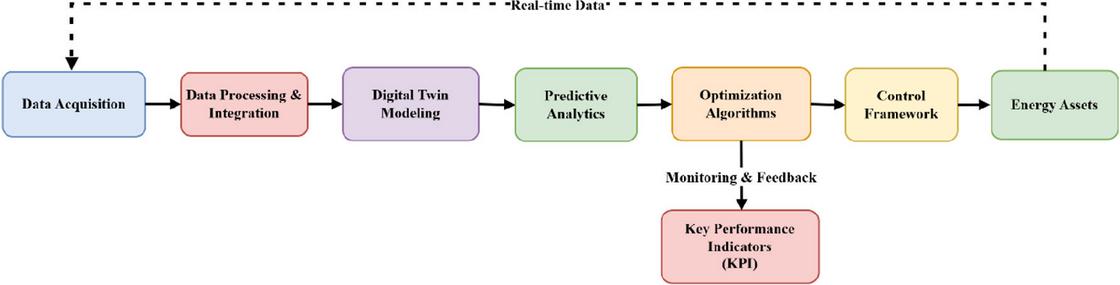
Figure 2 Methodology of the digital twin-enabled system.
3.1 Digital Twin Architecture for Energy Management
A strong digital twin architecture is a fundamental component of the smart energy management system. Such an architecture is painstakingly built to produce a real-time, high- fidelity virtual reproduction of the actual energy infrastructure of a large sports event site, therefore allowing unmatched monitoring, thorough investigation, and exact control of energy flows. A highly efficient data collection module kickstarts the process, rapidly gathering live energy data. This critical information is swiftly processed for standardization, forming a unified dataset that fuels the system’s core the digital twin model, which powers vibrant virtual simulations. This twin is key in predictive analytics, making sharp forecasts on energy needs and asset performance. Predictions feed into cutting-edge optimization algorithms to devise top-notch energy strategies, which are executed via an advanced control framework that adapts asset functions in real-time with incredible speed. Constant real-time monitoring ensures performance is cross-checked against KPIs, thereby ensuring the maintenance of digital twin accuracy with optimal efficiency. Such a strategy enables the system to manage energy robustly, reducing waste and enhancing sustainability.
3.2 Data Acquisition and Integration
Good energy management depends on the constant, coordinated gathering of several data sources from different points inside the sports event area. Sensor data from smart meters, power quality analyzers, environmental sensors (e.g., temperature, and light intensity), Heating, Ventilation, and Air Conditioning (HVAC) system sensors, and specialized sensors for generation of renewable energy (e.g., solar irradiation, wind speed) is included. Beyond only physical sensor data, operational data from current Building Management Systems (BMS), Energy Management Systems (EMS), lighting control systems, and vital event- specific information that match schedules and expected crowd densities is combined. Moreover, external data including real-time weather forecasts, average electricity market prices, and grid stability signals are included to offer a complete operating context. These data streams’ natural variation in format, resolution, and update frequency calls for a strong data integration layer. It uses basic data pre-processing methods including statistical procedures like Z-scores or Isolation Forest to find outliers and handle missing values by linear interpolation or K-Nearest Neighbors (KNN) imputation. Most importantly, data synchronizing aligns different data points by timestamping using regularly resampling to a consistent frequency. MQTT, OPC-UA, Modbus TCP/IP, and RESTful APIs are among the standardized communication protocols guaranteeing consistent and safe data flow over the distributed system [29].
3.3 Modeling and Simulation of Energy Systems
The accuracy with which the digital twin presents the physical energy assets and their complex interactions determines its effectiveness. Multi-domain models that capture the dynamics of mechanical, electrical, and thermal systems are developed here. Based on their operational schedules and intrinsic consumption patterns, thorough load modeling characterizes many consumption categories (e.g., lighting, HVAC, catering, display screens, EV charging stations) for the electrical system, shown by a time-varying load profile . Generation modeling calls for conventional generators, solar PV, wind turbines, and renewable energy sources. For example, the equation helps one to approximate the output of solar PV power:
| (1) |
where denotes rated power, is actual irradiance, is standard test conditions irradiance, is the temperature coefficient, is cell temperature, and refers to standard test conditions temperature. Energy Storage Systems (ESS), such as battery energy storage, are modeled with their state-of-charge (SoC) dynamics governed by:
| (2) |
Here, is the nominal energy capacity, are the respective charge/dischargepowers, and are the charging/discharging efficiencies. Graph theory or adjacency matrices mathematically expresses the network architecture of the venue’s electrical grid – that which includes transformers, distribution lines, and circuit breakers. Often employing thermal resistance-capacitance (RC) models for building envelopes, HVAC systems are represented in the thermal system to reflect the thermal behavior of stadium zones considering heat gains/losses, occupancy levels, and system efficiency. If relevant, flow and heat exchange properties of centralized district heating/cooling systems also inspire design. Most importantly, multi-domain coupling creates the interdependencies between electrical and thermal models, so measuring how HVAC operational modifications affect the total electrical load and how thermal conditions control HVAC electrical consumption.
3.4 Real-time Monitoring and Visualization
An easy and dynamic real-time view of the operating state of the energy system is given by the digital twin. Development of interactive dashboards showing key performance indicators (KPIs) like instantaneous power consumption, generation, energy costs, carbon emissions, and operational state of important equipment helps to accomplish this. Using Building Information Modeling (BIM) data to produce a high-fidelity virtual model of the venue, advanced versions include 3D visualization, over which live energy data is layered. Such spatial representation helps find possible issue regions and enables an instantaneous and simple knowledge of energy flows. Moreover, a comprehensive alarm and event management system is used to identify deviations from expected behavior, suspected problems, and abnormalities, so activating operators to guarantee quick response.
3.5 Predictive Analytics and Optimization Algorithms
The intelligence contained in the smart energy management system results from its capacity to precisely allocate resources and foresee future energy behavior.
Load Forecasting Techniques: Effective demand-side control and energy scheduling depend critically on accurate load forecasts. Many methods are used for this aim. Univariate time series data is used with time series models, including Auto Regressive Integrated Moving Average (ARIMA) and its seasonal variation, S-ARIMA, to capture autocorrelation and seasonal variations in energy use. ARIMA models are defined as:
| (3) |
where is the differenced series, is the lag operator, are autoregressive coefficients, are moving average coefficients, and is white noise. More intricate and non-linear patterns are sought for using machine learning (ML) models. Recurrent neural networks (RNNs) and long short-term memory (LSTM) networks are particularly useful for sequential load profile data and for capturing complex temporal connections. Combining weak learners gives ensemble techniques as GBM, XGBoost, and LightGBM strong prediction capability. Additionally taken under consideration for handling non-linear regression problems is SVM. Often, hybrid models combining statistics and machine learning techniques make advantage of both. Load forecasting requires feature engineering that is, including historical load data, calendar features (e.g., hour of day, day of week, event phases), weather characteristics (e.g., temperature, humidity, solar radiation, wind speed), and event-specific factors like estimated attendance.
3.6 Renewable Energy Integration Strategies
Optimizing the integration of renenewable energy sources (RES) requires accurate generation predictions and coordinated deployment with demand in Using weather forecasts and panel properties, PV power forecasting generates power output generally stated as:
| (4) |
Given global horizontal irradiation , and ambient temperature . Analogously, turbine power curves and wind speed forecasts are the basis of wind power prediction. Then algorithms are created for curtailment and dispatch optimization to decide whether to limit RES output or employ ESS to preserve supply-demand balance.
Demand-Side Management (DSM) Frameworks: Shifting or lowering power use during peak demand or when renewable output is low depends on fundamental DSM techniques. It entails using dynamic pricing or incentive systems grounded on current prices of the power market. It motivates venue energy users such as concession stalls or temporary facilities – to change their consumption patterns. Using optimization techniques, load shifting automatically changes non-critical loads such as pre-cooling or heating of areas, water heating – to off-peak hours. Peak shaving lessens the dependency on the primary grid by using the battery energy storage devices to discharge during times of great demand. A great control method for maximizing energy consumption in both single buildings and the larger microgrid is model predictive control (MPC). Following different operational constraints, MPC optimizes control inputs using a dynamic system model to forecast future behavior over a specified horizon. Formulated as generally is the MPC problem as:
| (5) |
subject to system dynamics: and constraints , . Here, represents the state vector, is the control input, is the output, is the reference, is the prediction horizon, is the control horizon, and are weighting matrices.
3.7 Optimization Algorithms for Smart Energy Management
The core of the smart energy management system is a sophisticated optimization engine responsible for determining the most efficient and sustainable operational strategy for all energy assets within the mega sports event venue [30]. This problem is typically formulated as a Mixed-Integer Linear Programming (MILP) or Non-linear Programming (NLP) problem.
Objective Functions: The optimization process can target several key objectives for mega sports events.
A primary objective is minimizing operational costs, which is mathematically expressed as:
| (6) |
where is power drawn from the grid, is the grid price, is power from generators, is fuel cost, is power sold to the grid, and is the sell price. Another critical objective is minimizing carbon emissions:
| (7) |
where represents the grid carbon intensity and is the generator emission factor. Furthermore, maximizing self-consumption of RES is a common sustainability goal:
| (8) |
Combined multi-objective optimization can be achieved using a weighted sum approach or Pareto optimization techniques for scenarios with multiple competing objectives. For a multi-objective problem with objectives , the optimization can be formulated as:
| (9) |
where are weighting factors and are decision variables.
Constraints: Various physical, operational, and regulatory limitations constrain the optimization problem. The fundamental power balance constraint ensures that total generation precisely meets total demand at all times:
| (10) |
ESS constraints include limits on charging/discharging rates and the state-of-charge (SoC) limits:
| (11) | |
| (12) | |
| (13) |
where and are binary variables ensuring that charging and discharging do not coincide, other constraints include generator constraints (e.g., minimum/maximum power output, ramp rates), grid connection limits (e.g., maximum import/export power), and thermal comfort constraints for HVAC systems, ensuring temperatures remain within acceptable ranges for occupants. As highlighted by Aloufi and Saddik [25] and Mamen et al. [26], the fidelity of digital twins, particularly for dynamic elements like athlete physiological data, is directly impacted by the sampling or reporting rate of input signals. A sufficient reporting rate is vital to avoid dynamic prediction distortion and various methods can be employed to solve these complex optimization problems to enable accurate real-time control. Therefore, a reporting rate constraint is imposed to ensure the data acquisition system supports the minimum required frequency for the digital twin’s predictive capabilities, often determined by the system’s closed-loop bandwidth.
Solution Methods: Numerous techniques can be used to address these intricate optimization issues. For MILP and NLP problems, commercial solvers like Gurobi, CPLEX, and MOSEK are very effective. Heuristic and meta-heuristic algorithms, such as Genetic Algorithms (GA) and Particle Swarm Optimization (PSO), can be used for more complicated non-linear problems or when computational speed is crucial. Additionally, an intelligent agent learns optimal operational policies through iterative interactions with the digital twin environment using Reinforcement Learning (RL), an adaptive control approach that is especially well-suited for highly dynamic environments.
3.8 Implementation and Validation Platform
The developed smart energy management system must be put into practice and rigorously validated as part of the methodology’s last phase.
(1) Software and Hardware Integration: The operational deployment of the system makes use of both cloud and edge computing paradigms. Cloud-based platforms, such as AWS, Azure, and Google Cloud, offer scalable infrastructure for large-scale data storage, intricate processing, and the execution of computationally demanding optimization algorithms. They also offer substantial computational power and broad access. At the same time, local computational units are used to implement edge computing capabilities right at the location. When data reporting rates vary, these edge devices manage real-time data pre-processing, make quick decisions, and offer safe, low-latency control of vital energy assets all of which are essential for preserving system performance. To guarantee smooth data transfer between sensors, edge devices, and the cloud platform, a strong and secure communication network possibly using fiber optics or 5G is necessary. According to Nimma et al. [15] it is expected that the safe integration of blockchain with software-defined networking (SDN) can significantly improve data integrity and network stability even more, thereby strengthening the system’s robustness towards being resistant to cyberattacks.
(2) Validation and Performance Evaluation: It is highly essential to guarantee the system’s, robust dependability and efficacy through proper validation. The sports venue’s energy system is thoroughly simulated under a range of operational scenarios, such as different event types, crowd sizes, and severe weather conditions, in order to perform the initial validation. Hardware-in-the-Loop (HIL) testing comes next, in which the simulated environment is connected to real controllers and other crucial hardware elements. As was mentioned in the previous discussion of PHIL platforms, it enables realistic testing of control strategies and validates the hardware-software interactions, which is an essential step for confirming the performance of the digital twin under conditions that are close to real-world. Lastly, live testing and thorough performance evaluation are made possible by a field deployment and pilot project at an actual or representative sports event venue. The effectiveness of the system is quantitatively assessed using predetermined Key Performance Indicators (KPIs), such as the percentage decrease in energy consumption, the reduction in peak demand, the reduction in operational costs, the reduction of carbon emissions, the rate of self-consumption of renewable energy, the system’s reliability and uptime, and the accuracy of load and generation predictions (e.g., measured by Mean Absolute Percentage Error (MAPE) or Root Mean Square Error (RMSE)).
4 Results and Discussion
The main conclusions from the deployment and assessment of the Digital Twin-Enabled Smart Energy Management System for mega sports events are shown in this section. Significant improvements in forecasting the environmental effect on cost savings and grid stability are reviewed. The challenges observed during adoption are reviewed and a comparison with more traditional energy management systems is provided. From the results it is evident that by using synthetic data highlighting typical operational situations and improvements.
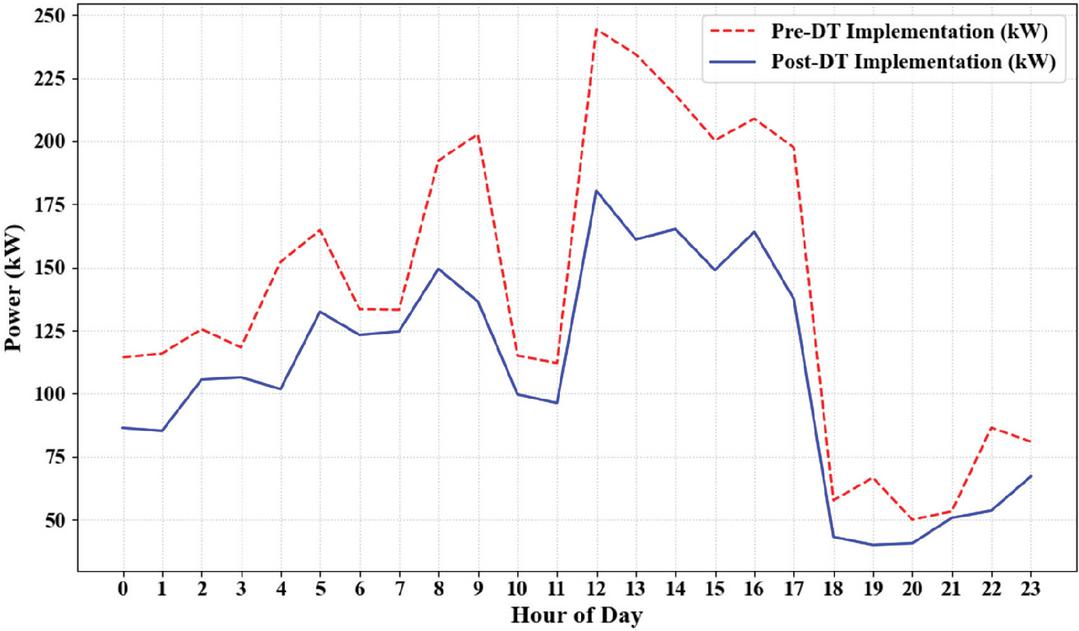
Figure 3 Typical daily load profile comparison: pre-DT vs. post-DT implementation.
4.1 Energy Consumption Reduction and Efficiency Gains
The whole energy efficiency of the mega sports event venue was much enhanced by the digital twin system implementation. Especially for HVAC, lighting, and specialty event equipment, the system provided real-time insights and predictive optimization capabilities, so enabling proactive control of many energy-consuming assets. The result of the optimal operation which was made feasible by accurate load forecasting and demand-side management strategies was a measurable drop in general energy usage.
Figure 3 shows a comparison of a normal daily load profile pre- and post-DT-enabled energy management system installation. It demonstrates, especially during non-event hours, how clever scheduling and control can efficiently cut peak loads and flatten and lower total consumption.
Table 1 lists the primary efficiency increases seen over the operational duration of the DT- enabled system. Reduced peak demand and total energy consumption revealed improved load control and efficient use of resources. The Pre-DT Baseline values were established during a controlled period of operation without the digital twin-enabled system. During this phase, data on metrics such as average daily energy use and self-consumption were systematically collected directly from the energy infrastructure of the sports event site. The Post-DT (Average) values and the calculated percentage improvements were derived from data gathered after the digital twin platform and its smart energy management system were fully implemented. These optimized results, including a 28.3% peak demand reduction. It also provides an increase in self-consumption to 72%, and 23.2% energy savings, the outcomes of the real-time monitoring, and optimization algorithms provides a robust digital twin system for energy management.
Table 1 A summary of gains in energy efficiency
| Metric | Pre-DT Baseline | Post-DT (Average) |
| Average Daily Energy Use (MWh) | 18.5 | 14.2 |
| Peak Demand Reduction (%) | – | 28.3% |
| Self-Consumption of Renewable Energy (%) | 45% | 72% |
| Energy Savings (%) | – | 23.2% |
4.2 Enhanced Grid Stability and Reliability
The stability and dependability of the local grid were greatly improved by the digital twin system’s real-time monitoring and predictive control capabilities for Energy Storage Systems (ESS) and Distributed Energy Resources (DERs). The system reduces frequency deviations and enhances voltage profiles by facilitating quick response to demand variations and successfully integrating DERs. In microgrid settings or during periods of high demand during major sporting events, where grid resilience is critical, it is especially important.
A simulated scenario showing the effect of DT-enabled control on grid frequency deviation after an abrupt load disturbance is shown in Figure 4. The outcomes demonstrate that, in comparison to a system lacking such intelligent control, the DT-enabled system efficiently dampens oscillations and restores frequency considerably more quickly. Before the disturbance at the 2-second point, the two systems were both at the nominal frequency of 50 Hz. Directly after the event, the non-DT Control system had an extreme frequency drop of some 1.5 Hz, to a steady-state deviation of around 1.25 Hz below the nominal value. By complete contrast, the DT-Control system rapidly countered the disturbance, with the maximum frequency drop being only 0.5 Hz. Most importantly, the DT-based system effectively damped oscillations and recovered the frequency to the 50 Hz nominal range within about 2 seconds, whereas the uncontrolled system did not return to a stable condition and stayed in a large state of deviation.
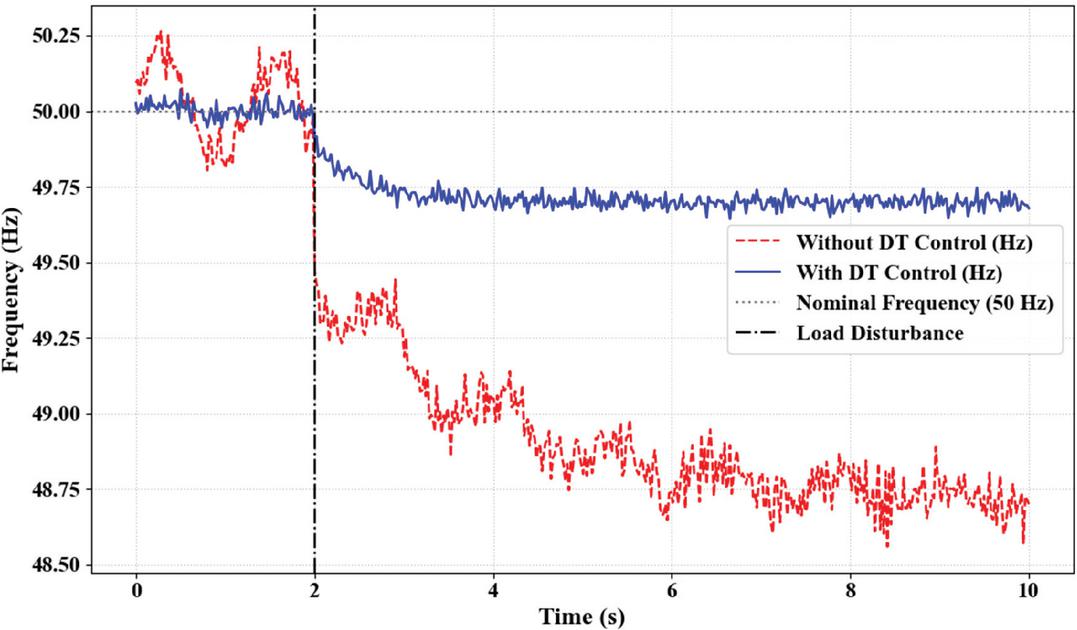
Figure 4 Grid frequency deviation simulation: with and without DT-enabled control.
4.3 Cost Savings and Environmental Benefits
The DT-enabled smart energy management system offers significant financial and environmental advantages. The main reasons for cost savings are better grid energy procurement, lower peak demand fees, more self-consumption of less expensive renewable energy, and effective local generation and storage dispatch. By optimizing the use of clean energy sources and reducing dependency on fossil fuel-based grid electricity, particularly during high-emission periods, the system significantly lowers carbon emissions. Bar charts showing the average monthly operational cost and carbon emission reductions attained following the deployment of the digital twin system are shown in Figure 5.
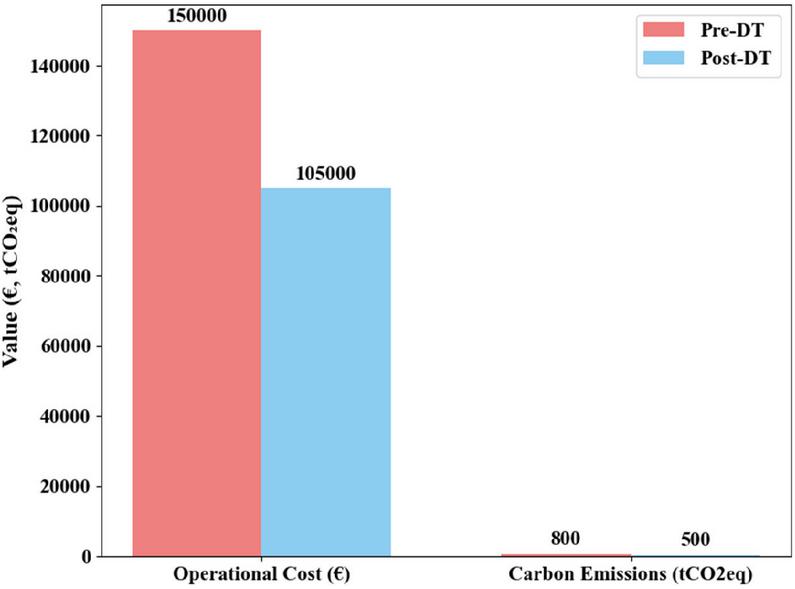
Figure 5 Reduction of carbon emissions and average monthly operating costs.
4.4 Forecasting Accuracy and Optimization Performance
Predictive analytics precision is essential to the digital twin’s optimization potential. High accuracy was shown by load forecasting models that combined weather forecasts, event schedules, and historical consumption data. The optimization algorithms were able to make well-informed decisions for demand response and energy dispatch thanks to this precision.
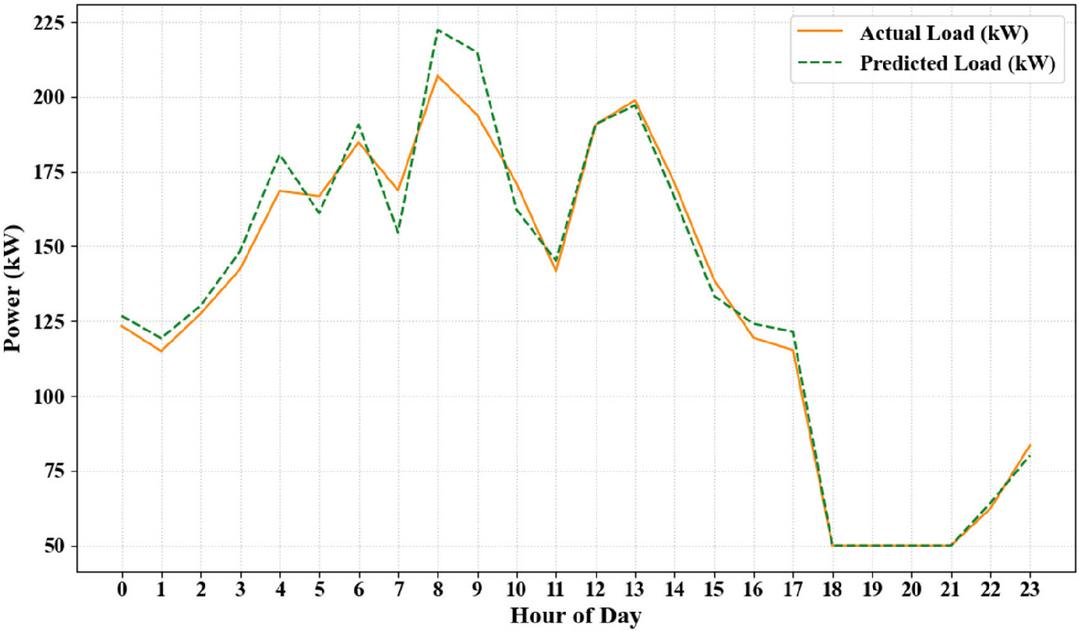
Figure 6 Accuracy of load forecasting: actual versus predicted load for a sample day.
A comparative analysis of the actual and predicted energy consumption values in Figure 6 demonstrates the high accuracy of the load forecasting model. The close alignment between the two datasets for the sample 24-hour period indicates the model’s robust capability to predict energy usage patterns with a high degree of precision. The strong accuracy of the forecasting methods used is demonstrated by the close correspondence between actual and predicted loads.
The accuracy and dependability of the load and renewable energy forecasting models are demonstrated by the key performance metrics shown in Table 2. Strong predictive abilities are indicated by the Mean Absolute Percentage Error (MAPE) and Root Mean Square Error (RMSE) values.
Table 2 Forecasting model performance metrics
| Model | MAPE (%) | RMSE (kW) |
| Load Forecasting (24 hours in advance) | 4.8 | 75.2 |
| Forecasting Solar PV Generation (24 hours in advance) | 6.1 | 45.8 |
The optimization algorithms showed effective convergence within reasonable computational times for real-time operation. These algorithms were mainly formulated as MILP problems and solved using commercial solvers. It is guaranteed that the best energy dispatch choices can be made quickly, adjusting to dynamic shifts in market conditions, generation, and demand.
4.5 Challenges and Limitations of Digital Twin Deployment
Despite the substantial advantages that the OT-enabled system offered, a number of difficulties and restrictions were found when it was implemented and put into use. One of the primary challenges was making sure data from heterogeneous sensor networks and legacy systems was consistent and of better quality. Data noise, missing values, as well as synchronizing issues required great pre-processing and robust error-handling systems. The reliance on exact external data, such as market prices and weather forecasts, also brought dependencies that will significantly influence system performance without compromising data quality.
The computing demands for real-time optimization presented one major challenge, especially for large-scale athletic events that involves large range of linked assets. Edge computing has reduced some of this load to a reasonable extent, however the need for scalable cloud architecture and good algorithms were still absolutely required. With the real-time control features of OT, cybersecurity was still another key concern. Strong security policies and constant monitoring were absolutely necessary to prevent such weaknesses of the system.
Important also were personnel training and alignment with present operational systems. Operators had to adjust to the new digital tools and understand the results of the autonomous optimization decisions taken by the system. Effective application of the system depends on user faith in its recommendations and acceptance. Against the significant upfront expenses related to sensor infrastructure, communication networks, and software development, long- term operational benefits must be carefully evaluated.
4.6 Comparative Analysis with Traditional Methods
It is shown that the smart energy management system including a digital twin outperforms more traditional reactive energy control strategies. Usually using static control tactics, and historical data cause inefficiencies and lesser ideal resource usage. Conversely, the real- time monitoring, as well as exact predictive analytics have made significant dynamic optimization powers of the digital twin system clearly present advantages.
Table 3 summarizes with a range of performance criteria, where it presents a primary comparative advantage of the OT-enabled approach over conventional methods. Here, the ability of the OT system to combine real-time data, as well as simulate future occurrences have actively improved operations resulting in superior energy efficiency, and lower costs. Also, it is evident that its less environmental impact promises to provide more grid resilience.
Table 3 Comparative analysis: DT-enabled vs. traditional energy management
| Traditional | DT-Enabled | ||
| Metric | Approach | System | Improvement |
| Energy Consumption Efficiency | Moderate | High | Significant |
| Peak Demand Management | Reactive | Proactive | Substantial |
| Operational Cost | Higher | Lower | Significant |
| Carbon Footprint | Higher | Lower | Substantial |
| Grid Stability Contribution | Limited | High | Enhanced |
| Real-time Visibility | Low | High | Comprehensive |
| Adaptability to Changes | Low | High | Excellent |
Such variability is challenging because one crucial differentiator is the DT system’s improved ability to adjust to dynamic changes, erratic weather, or real-time changes in electricity prices. For traditional systems to handle, which frequently leads to energy waste or interruptions in operations, agile adjustments are made possible by the DT’s optimization algorithms and predictive capabilities, which guarantee consistent optimal performance even in the face of uncertainty.
5 Conclusion
Mega athletic events need for innovative energy management in the face of challenging energy use to reach sustainability targets. This work introduced a novel digital twin- enabled smart energy management system in order to generate a high-fidelity virtual replica of the energy infrastructure of the event. By means of real-time data, predictive analytics, and enhanced optimization, our system offers a smart, proactive control framework. Our comprehensive analysis revealed noteworthy capabilities in terms of self-consumption of renewable energy, with a significant increase of 72%, a substantial drop in peak demand by 28.3%, and a notable reduction in average energy consumption of 23.2%. Finally, the system generated a significant 37.5% drop in carbon emissions and roughly 30% in operational cost savings. Load forecasting accuracy with a mean absolute percentage error (MAPE) of 4.8% allows more accurate energy scheduling and better grid stability. These results unequivocally show that the digital twin is a novel technology surpassing more traditional, reactive energy control methods. Future studies will focus on enhancing uncertainty-adaptability and looking at using federated learning for distributed intelligence.
References
[1] X.-z. Su, L. Chen, and X. L. Xu, “Carbon emission and energy risk management in mega sporting events: challenges, strategies, and pathways,” Frontiers in Environmental Science, vol. 12, p. 1513365, 2025.
[2] D. Tomkou, G. Fatouros, A. Andreou, G. Makridis, F. Liarokapis, D. Dardanis, A. Kiourtis, J. Soldatos, and D. Kyriazis, “Bridging industrial expertise and xr with llm-powered conversational agents,” arXiv preprint arXiv:2504.05527, 2025.
[3] M. Deakin, M. Vanin, Z. Fan, and D. Van Hertem, “Smart energy network digital twins: Findings from a uk-based demonstrator project,” International Journal Of Electrical Power & Energy Systems, vol. 162, p. 110302, 2024.
[4] S. K. Jagatheesaperumal, V. P. Rajamohan, A. Daud, A. Bukhari, and O. Alghushairy, “Qcasbc: An algorithm for hardware-in-the-loop simulation of 3-link rrr robotic manipulator,” Alexandria Engineering Journal, vol. 103, pp. 12–20, 2024.
[5] S. K. Jagatheesaperumal, P. Sathikumar, and H. Rajan, “Metadigihuman: Haptic interfaces for digital humans in the metaverse,” IT Professional, vol. 26, no. 6, pp. 21–27, 2025.
[6] S. E. Bibri and S. K. Jagatheesaperumal, “Harnessing the potential of the metaverse and artificial intelligence for the internet of city things: Cost-effective xreality and synergistic aiot technologies,” Smart Cities, vol. 6, no. 5, pp. 2397–2429, 2023.
[7] S. E. Bibri, J. Huang, S. K. Jagatheesaperumal, and J. Krogstie, “The synergistic interplay of artificial intelligence and digital twin in environmentally planning sustainable smart cities: A comprehensive systematic review,” Environmental science and ecotechnology, p. 100433, 2024.
[8] M. Elnour, A. M. Ahmad, S. Abdelkarim, F. Fadli, and K. Naji, “Empowering smart cities with digital twins of buildings: Applications and implementation considerations of data-driven energy modelling in building management,” Building Services Engineering Research & Technology, vol. 45, no. 4, pp. 475–498, 2024.
[9] M. Boukaf, F. Fadli, and N. Meskin, “A comprehensive review of digital twin technology in building energy consumption forecasting,” IEEE Access, 2024.
[10] Z. Jiao, X. Du, Z. Liu, L. Liu, Z. Sun, and G. Shi, “Sustainable operation and maintenance modeling and application of building infrastructures combined with digital twin framework,” Sensors, vol. 23, no. 9, p. 4182, 2023.
[11] Y. Guo, Q. Tang, J. Darkwa, H. Wang, W. Su, D. Tang, and J. Mu, “Multi-objective integrated optimization of geothermal heating system with energy storage using digital twin technology,” Applied Thermal Engineering, vol. 252, p. 123685, 2024.
[12] P. Alva, M. Mosteiro-Romero, C. Miller, and R. Stouffs, “Mitigating operational greenhouse gas emissions in ageing residential buildings using an urban digital twin dashboard,” Energy and Buildings, vol. 322, p. 114681, 2024.
[13] X. Li and B. Zou, “Optimisation of energy management system for stadiums based on internet of things and artificial intelligence,” in 2024 IEEE 8th Conference on Energy Internet and Energy System Integration (EI2). IEEE, 2024, pp. 45–50.
[14] S. K. Jagatheesaperumal, K. Ahmad, A. Al-Fuqaha, and J. Qadir, “Advancing education through extended reality and internet of everything enabled metaverses: applications, challenges, and open issues,” IEEE Transactions on Learning Technologies, vol. 17, pp. 1120–1139, 2024.
[15] D. Nimma, S. Patil, R. Chauhan, S. A. Khan, V. K. Rani, and S. Muthuperumal, “Enhancing security and efficiency in iot-enabled smart grids with blockchain sdn bi-gru and digital twin,” in 2024 8th International Conference on I-SMAC (IoT in Social, Mobile, Analytics and Cloud) (I-SMAC). IEEE, 2024, pp. 198–203.
[16] J. Yuan, J. Ma, Z. Tian, and K. L. Man, “Digital twin integration with data fusion for enhanced photovoltaic system management: a systematic literature review,” IEEE Open Journal of Power Electronics, 2024.
[17] B. S. M. I. Shah, A. J. Ishak, M. K. Hassan, and N. M. H. Norsahperi, “Energy 4.0: Challenges and enablers of digital twin application in power plant,” ELEKTRIKA-Journal of Electrical Engineering, vol. 23, no. 1, pp. 103–124, 2024.
[18] G. Priyanka, J. Senthil Kumar, and M. Prasha Meena, “Dhmdl: Dynamically hashed multimodal deep learning framework for racket video summarization using audio and visual markers,” Applied Artificial Intelligence, vol. 39, no. 1, p. 2462382, 2025.
[19] E. Glebova, R. Book, Y. Su, M. Peric´, and J. Heller, “Sports venue digital twin technology from a spectator virtual visiting perspective,” Frontiers in sports and active living, vol. 5, p. 1289140, 2023.
[20] L. Lukac¡, I. Fister Jr, and I. Fister, “Digital twin in sport: From an idea to realization,” Applied Sciences, vol. 12, no. 24, p. 12741, 2022.
[21] T. Hlis¡, I. Fister, and I. Fister Jr, “Digital twins in sport: Concepts, taxonomies, challenges and practical potentials,” Expert Systems with Applications, vol. 258, p. 125104, 2024.
[22] A. Boillet, L. A. Messonnier, and C. Cohen, “Individualized physiology-based digital twin model for sports performance prediction: a reinterpretation of the margaria–morton model,” Scientific Reports, vol. 14, no. 1, p. 5470, 2024.
[23] P. Diniz, B. Grimm, F. Garcia, J. Fayad, C. Ley, C. Mouton, J. F. Oeding, M. T. Hirschmann, K. Samuelsson, and R. Seil, “Digital twin systems for musculoskeletal applications: A current concepts review,” Knee Surgery, Sports Traumatology, Arthroscopy, 2025.
[24] P. Ganesan, S. K. Jagatheesaperumal, S. Gaftandzhieva, R. Doneva et al., “Novel cognitive assisted adaptive frame selection for continuous sign language recognition in videos using convlstm.” International Journal of Advanced Computer Science & Applications, vol. 15, no. 7, 2024.
[25] S. Aloufi and A. E. Saddik, “Mmsum digital twins: A multi-view multi-modality summarization framework for sporting events,” ACM Transactions on Multimedia Computing, Communications, and Applications (TOMM), vol. 18, no. 1, pp. 1–25, 2022.
[26] A. Mamen, S. Kovac¸i, T. Montanaro, I. Sergi, and L. Patrono, “A digital twin architecture for minimizing injuries risks with personalized regimens via iot and machine learning,” in 2024 9th International Conference on Smart and Sustainable Technologies (SpliTech). IEEE, 2024, pp. 1–5.
[27] S. K. Jagatheesaperumal and M. Rahouti, “Building digital twins of cyber physical systems with metaverse for industry 5.0 and beyond,” IT Professional, vol. 24, no. 6, pp. 34–40, 2023.
[28] P. Ganesan, S. K. Jagatheesaperumal, S. Gaftandzhieva, R. Doneva et al., “Superframe segmentation for content-based video summarization.” International Journal of Advanced Computer Science & Applications, vol. 15, no. 4, 2024.
[29] S. K. Jagatheesaperumal, Z. Yang, Q. Yang, C. Huang, W. Xu, M. Shikh-Bahaei, and Z. Zhang, “Semantic-aware digital twin for metaverse: A comprehensive review,” IEEE Wireless Communications, vol. 30, no. 4, pp. 38–46, 2023.
[30] G. Priyanka, J. Senthil Kumar, and S. Veena, “Deep learning based video surveillance for predicting vehicle density in real time scenario,”Journal of Ambient Intelligence and Humanized Computing, vol. 14, no. 4, pp. 4371–4383, 2023.
Biography

Xin He, female, born in 1984, a native of Shenyang, Liaoning Province, China, of Han ethnicity. She graduated from Wuhan University of Technology with a Master’s degree in Sports Training Science. Currently, she works at Shenyang Normal University as a Lecturer, focusing on research in physical education and sports training.
Distributed Generation & Alternative Energy Journal, Vol. 41_2, 245–270
doi: 10.13052/dgaej2156-3306.4121
© 2026 River Publishers