Evaluation and Assessment of Power Plant Fuel Management Reliability Using Fuzzy Multi-criteria Decision-making
Jun Li1, Lei Zhang1, Xufeng Hong1, Qiang Liu1, Rui Zhu1, Yaxin Liu2,*, Chen Zhang3 and Xudong Zhao2
1Shandong Energy Group Lingtai Thermal Power Generation Co., Ltd, Pingliang, 744000 Gansu, China
2Xi’an Thermal Power Research Institute Co., Ltd, Xi’an, 710054 Shaanxi, China
3Xi’an YTRG Co., Ltd, Xi’an, 710000 Shaanxi, China
E-mail: lj631102@126.com; 5926304449@qq.com; xfhonng@126.com; 135637865156@139.com; 151933367999@163.com; Yaxinliu112@outlook.com; zhaoxudongvip@126.com; l201712306@126.com; 9494059118@qq.com
*Corresponding Author
Received 31 January 2026; Accepted 11 June 2026
Abstract
Effective fuel management plays a vital role in the provision of power generation services with minimum associated risk. However, the results obtained from the application of conventional evaluation approaches have been unable to handle the issues of uncertainty in fuel reliability evaluation. To address these challenges, the study develops a novel approach to fuel reliability evaluation based on a hybrid fuzzy MCDM approach, which combines Fuzzy AHP with Fuzzy TOPSIS with sensitivity analysis to validate the results. The proposed approach makes use of the Global Power Plant Dataset and expert judgments for the assessment of the four different fuels: Coal, Gas, Oil, and Biomass, based on the criteria of fuel availability, fuel supply stability, capacity reliability, fuel diversity, and operational risk. Fuzzy AHP is applied for the calculation of the criteria weights in the presence of uncertainty, and Fuzzy TOPSIS is applied for the computation of the reliability scores of the alternatives. Sensitivity analysis is carried out for the assessment of the stability of the results with different criteria weights. The results showed that the reliability score for Oil-based plants is the highest at 0.765, followed by Coal at 0.544, Gas at 0.475, and Biomass at 0.440. The results also show that the overall reliability depends not only on the dominance in any particular factor but also on the overall performance in all the factors. The proposed framework proves to be a powerful decision support tool in the evaluation of fuel management reliability.
Keywords: Fuel management reliability, fuzzy multi-criteria decision-making, fuzzy TOPSIS, expert judgment, power plant optimization.
1 Introduction
The world is heavily dependent on power plants, which successfully supply electricity to all parts of the world and to an extent reliable [1]. Fuel management is among other elements in power plants operation that would be vital in maintaining power generation without failure [2]. Effective fuel management is not only related to the economic performance of power plants but also leads to sustainability in operations, safety of the environment, and compliance with regulations [3]. Management systems typically, however, encounter considerable difficulties, including disruptions in the supply chain, changes in the quality of fuel, and risk in operation, and it is necessary to evaluate and streamline supply chain management systems regularly in order to ensure their efficiency over the long term [3].
The main issues in fuel management are caused by the availability of fuel, the stability of fuel supply, and the stability of fuel capacity [4]. Sufficiency of fuel may arise as a result of logistical difficulties, geopolitical limitations or unforeseen shortage [5]. The supply of fuels is usually endangered by the unpredictable market costs, transportation risks and political unrest in supply areas [6]. In addition, there is also the issue of capacity reliability particularly in cases where the source of fuel is very limited or is unreliable which influences the performance of the plant [7]. Such elements may contribute to higher operational costs, downtime and low efficiency, a fact that explains the significance of a proper system to assess and improve fuel management strategies [8].
The existing approaches for fuel management evaluation, such as conventional MCDM techniques like AHP, TOPSIS, and ANP, are commonly used in decision-making for power systems [9]. However, it has been identified that these techniques possess certain limitations in dealing with uncertainty, vagueness, and subjective expert opinions, especially in complex and dynamic environments [10]. Furthermore, it has been identified that in most of the existing literature, decision-making is based on either quantitative or qualitative information, without considering a framework that considers both real-time operational information and expert opinion [11]. This has, therefore, created a requirement for developing a reliable decision-making model that considers uncertainty in dealing with fuel management reliability evaluation [12]. For this purpose, a hybrid fuzzy MCDM technique is developed in this research, where Fuzzy AHP is used for determining weights, and Fuzzy TOPSIS is used for ranking alternatives, considering sensitivity analysis for validating the model [13].
The suggested framework transcends shortcomings of current practices because it presents a fuzzy MCDM framework including both rationale-based and expert judgments. This method employs the fuzzy logic to manage uncertainties and vagueness in the judgments of experts and real-life information on fuel management is used to make the decision-making process robust. With the help of the Fuzzy TOPSIS, the given framework can compute reliability scores of various types of fuels (Coal, Gas, Oil, Biomass), which will enable to make a more thorough and trustworthy assessment. This research is novel as it combines fuzzy AHP and Fuzzy TOPSIS with sensitivity analysis to confirm findings in different criteria weight, and therefore, it is a more useful and valid decision support tool to the power plant operators and policymakers.
1.1 Research Objectives
• Conceptualize and quantify power plant fuel management reliability by identifying key technical and operational evaluation criteria.
• Analyse and weight the identified reliability criteria using Fuzzy AHP based on expert pairwise comparisons with consistency validation.
• Integrate real-world power plant operational data, including installed capacity and electricity generation from the Global Power Plant Dataset, into the reliability assessment framework.
• Evaluate and rank alternative fuel types (coal, gas, oil, and biomass) using Fuzzy TOPSIS and validate the robustness of the ranking through sensitivity analysis of criteria weights.
1.2 Research Scope and Novelty
The assessment and ranking of the reliability of the fuel management systems utilized in power plants through the fuzzy MCDM method. The suggested framework will combine professional judgment with empirical information of the Global Power Plant Dataset on actual operations to assess the fuel types (Coal, Gas, Oil, Biomass) more comprehensively with the use of various criteria, such as fuel availability, supply stability, capacity reliability, fuel diversity, and operational risk. The interest of the framework is the innovative application of Fuzzy AHP as a criterion weighting method and Fuzzy TOPSIS as a reliability scoring method, and sensitivity analysis to support the results. This incorporation makes it possible to manage uncertainty and vagueness of expert judgments, which creates a powerful actionable decision-making tool that can be applied to power plants and policymakers to make sure that the fuel management strategies are more reliable and effective.
1.3 Research Organization
The paper is structured in the following way:
• Section 2 is the literature review, where the author explains current approaches to fuel management and decision-making frameworks.
• Section 3 describes the suggested methodology, such as the data collection, professional analysis and the fuzzy MCDM model.
• Section 4, the results and discussion will be made, and scores of reliabilities and rankings of the various types of fuel will be analyzed.
• Section 5 dwells on the sensitivity analysis and strength of the proposed framework.
2 Literature Survey
Bari et al. [14], determine the operational hazard identification and prioritisation in Heavy Fuel Oil based power plants in Bangladesh through a hybrid fuzzy MCDM. The paper incorporates the fuzzy analytical hierarchy process and fuzzy TOPSIS to rank the operational hazards and then interpretive structural modelling and MICMAC analysis are used to analyse mitigation criteria. The results put forward the importance of standard operating procedures and training as the most effective driving forces that can be used to guarantee the operational safety and sustainability of operations because of the hazards that can result in explosions [15], use of MCDM in preparing a site plan of power plants using single-technology and hybrid energy systems. The research emphasises the application of the MCDM techniques in making informed decisions because of combining economical, technical, environmental, and location-specific criteria. The results are to stress that economic considerations are widely important but technology-dependent aspects like solar sunshine or resource is decisive factor when one considers the kind of power generation system in mind.
Afolabi et al. [16], introduce an elaborate fuzzy MCDM to the selection of the most suitable non-destructive testing methods in oil and gas facility maintenance. The paper follows a combination of fuzzy AHP with TOPSIS, PROMETHEE, and VIKOR techniques, which are unified by CRITIC, to consider techno-economic criteria. The findings confirm that radiographic testing is the most appropriate technique, which shows strong capability of hybrid fuzzy MCDM to make informed decisions of maintenance. Suryabhanji Bhojane et al. [17], is based on a thermodynamics-aided MCDM to assist in selecting the optimal fuel in thermal power plants. The paper combines the entropy-based weighting and TOPSIS, Grey Relational Analysis and Additive Ratio Assessment in ranking the fuel options based on the thermodynamic parameters. The results refer to the method of the most reliable one, which is the use of the Grey Relational Analysis, proving that the fuel ranking is consistent and strong enough with changing weight conditions and informing the decision-making in efficient and sustainable operation or functioning of the power plants.
Roy et al. [18], examine superior hybrid configurations of renewable energy systems to be used in remote islands using wind, solar, hydrogen and storage technologies. The analysis is based on the use of techno-economic and environmental analysis in conjunction with a MCDM based on TOPSIS to decide on the best system design. Findings indicate the high-quality work of the chosen configuration and show the importance of uncertainty analysis in the evaluation of economic risks and system stability. Li et al. [19], assess the viability of hybrid renewable energy-hybrid system that contains hydrogen and battery storage system based on an integrated multi-criteria-based decision-making system. The research comes up with elastic models of systems with enhanced power management solutions and uses entropy weight and CODAS techniques to evaluate technical, economic and environmental measures. The results emphasize the prevalence of the power supply reliability in decision-making and offer feasible understanding of the energy investors and policy makers on the potential HRES deployment.
Karnavas et al. [20], introduce a fuzzy MCDM that can be used to assess the value of emerging technologies in policy-making in maritime education. The research has incorporated the Fuzzy Delphi Method and Fuzzy AHP employing the views of the experts in the academic and industrial worlds. The results highlight the applicability of the artificial intelligence, augmented and virtual reality, Internet of Things, digital twins, cybersecurity and the eLearning platforms and attest to the efficacy of the fuzzy MCDM approaches in facilitating the human-friendly and explainable development of the education policy. Sultan and Akram [21], work out a new multi-criteria group decision making model to choose the most appropriate hydrogen fuel cell and component suppliers in unpredictable situations. The paper combines the spherical fuzzy rough numbers and techniques in ranking alternatives as per their efficiency, cost, durability and the socio-economic considerations. The integration of fuzzy logic and rough set theory makes the method highly robust and effective in decision making and also helps to deal with ambiguity well besides making the selection of suppliers reliable when using hydrogen energy.
Severi et al. [22], improve the traditional hazard and operability inquiry by introducing a fuzzy multi-attribute HAZOP model, combining AHP and TOPSIS. The research uses the model on biogas upgrading and biogas-to-polyhydroxyalkanoates pilot plants and reveals potential subsystems that are critical and operational risks. The findings show a better prioritization of hazards, strength, and dependability, which is used in preparation of preventive maintenance and safer scale-up of biological biogas upgrading technologies. Hou et al. [23], will utilize a MCDM methodology to examine the structural influences on vehicle safety of the population. The research incorporates the failure tree analysis and interval-valued Pythagorean fuzzy AHP and DEMATEL to rank failure factors and find the causal relationship between factors. The framework, applied to a maintenance case in a bus service, enhances the prioritization of hazards, decreases the evaluation ambiguity, and brings viable information on how to optimize the maintenance practices and improve the transportation security.
Zhao et al. [24], suggest a MCDM based on GIS to optimally select a location to construct photovoltaic charging facilities to charge the electric cars. The paper combines fuzzy DEMATEL in terms of criteria weighting and fuzzy MULTIMOORA in terms of site ranking, which is aided by the spatial analysis. The method is applied to a case study in Qingdao where appropriate charging sites are selected and the sensitivity and comparative analyses prove the reliability of the tool that is presented as a powerful decision-support instrument in the study of the planning of electric vehicle infrastructure sustainability. Hassan et al. [25], suggest a hybrid MCDM to evaluate the potential of the site and technical viability of the large-scale solar photovoltaic systems. The research combines the weighting approach of the CRITIC method used in the criteria with the ranker of TOPSIS in the alternatives taking into account climatic, technical, geographical, and economic criteria. This is applied to the key cities of Saudi Arabia, and the obtained results indicate that Riyadh is the most appropriate site and the strength of the framework is validated by the sensitivity analysis, which proves the feasibility of strategic planning of solar power plants.
2.1 Problem Statement
The complexity of the energy systems and power generation lies in the fact that despite various and overlapping criteria, the reliability of fuel management and operational performance is determined, among other aspects, by the availability of fuel, the reliability of supply, capacity, the diversity of fuel, the operational risk, and the economic or environmental factors [14]. The fuzzy MCDM methods that have been used in previous studies to solve the problem of decision-making under uncertainty include Fuzzy AHP, Fuzzy TOPSIS, and DEMATEL, but such methods are usually applied to single problems, e.g. prioritizing hazards, selecting fuel, deploying renewable energy, or optimizing maintenance strategies, and are rarely used to combine experience with real operational data [20]. Moreover, sensitivity to criteria weighting, inconsistent expert judgment, and insufficient treatment of both quantitative and qualitative uncertainty often compromises the decision robustness of such methods, which can severely limit the implementation of such approaches in situations where reliable operational planning and strategic decision making is required [24].
The proposed work addresses existing limitations by introducing a unified fuzzy multi-criteria decision-making framework that integrates open-source power plant data with expert judgment to evaluate fuel management reliability. By combining quantitative information and qualitative assessments, the framework enables a holistic and reproducible reliability evaluation, supporting informed decision-making for power plant operators and policymakers aimed at reducing operational risk and improving fuel management planning.
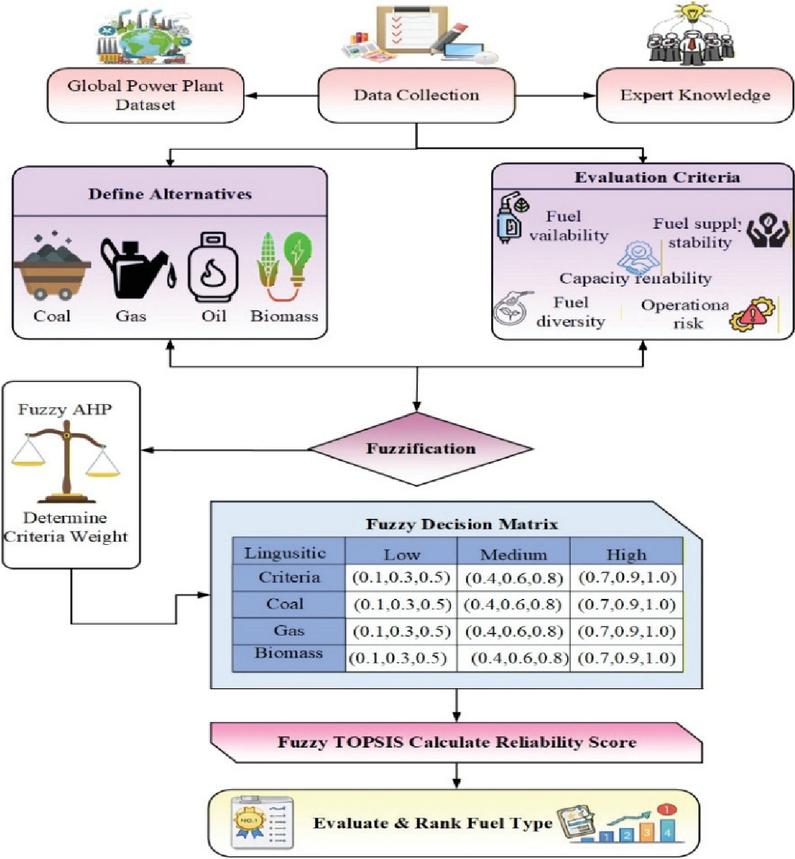
Figure 1 The overall proposed framework.
3 Methodology
The reliability of fuel management in power stations using fuzzy MCDM frameworks is shown in Figure 1. The whole process begins by collecting data from two parts: the Global Power Plant Dataset for objective plant information about fuel types, capacity, generation, and expert knowledge about the subjective evaluations. This gathered information will be fed into a definition of the four fuel alternatives: Coal, Gas, Oil, and Biomass. These fuels are assessed using different evaluation criteria: availability, stability of fuel supply, reliability of capacity, diversity of fuels, and operational risk. The next step will be fuzzification, which means converting linguistic terms (Low, Medium, High) into fuzzy numbers for mathematical processing. Fuzzy AHP is then applying to find the criteria weights, represent the relative importance of each evaluation criterion. Based on the fuzzified values and the derived criteria weights, a fuzzy decision matrix is formed and analysed using the Fuzzy TOPSIS method to calculate the reliability scores of the fuel types. Finally, the fuel alternatives are evaluated and ranked according to their reliability scores to derive an optimal fuel management strategy.
3.1 Algorithmic of Proposed Fuzzy MCDM Framework
In order to enhance the overall methodological clarity, the overall fuzzy MCDM technique has been summarized in the form of the following steps in the form of an algorithm:
Step 1: Input the necessary information obtained from the Global Power Plant Dataset and the expert evaluation for the specified criteria.
Step 2: Define the alternatives (Coal, Gas, Oil, Biomass) and the evaluation criteria (fuel availability, fuel supply stability, capacity reliability, fuel diversity, and operational risks).
Step 3: Convert the linguistic expert opinions (Low, Medium, High) into the form of triangular fuzzy numbers by applying the fuzzification technique.
Step 4: Create the fuzzy pairwise comparison matrix and compute the criteria weights by applying the Fuzzy AHP technique.
Step 5: Create the fuzzy decision matrix by applying the weighted criteria and the alternative rating.
Step 6: Normalizing fuzzy decision matrix and applying weights of criteria.
Step 7: Calculate by Fuzzy Positive Ideal Solution (FPIS) and Fuzzy Negative Ideal Solution (FNIS).
Step 8: Calculate the distance of each alternative from FPIS and FNIS by employing the vertex method.
Step 9: Calculate the closeness coefficient of each alternative and defuzzification.
Step 10: Rank all the fuel alternatives on the basis of their reliability score.
Step 11: Sensitivity analysis of weights for validating the robustness of the ranking of alternatives.
The above algorithmic representation of the fuzzy MCDM framework is a clear and structured overview of the methodology, thus enhancing reproducibility.
3.2 Data Source
The data used in this study comprise secondary data from the Global Power Plant Dataset [26], which provides plant characteristics, including fuel type, capacity, and generation, to establish fuel alternatives. Primary data would be derived on the basis of expert opinions on fuel management criteria, in which the experts assess the types of fuel according to their availability, the stability of supply, capacity, variety and their operational risk.
3.2.1 Secondary data
Kaggle Global Power Plant Dataset is utilized to find fuel substitutes by the major fuel types (Coal, Gas, Oil, Biomass). It also gives quantitative features of the plants, including the capacity as well as the annual generation, which will prove essential in supporting the assessment criteria. Also, this data provides objective information that can be used to support and justify the expert opinions employed in the research.
3.2.2 Primary data (stimulation)
Each of the fuel types (alternative) is rated using expert judgments based on a set of selected criteria: fuel availability, supply stability, capacity reliability, fuel diversity, and operational risk. Linguistic ratings (Low, Medium, High) are offered by experts to each criterion, which represent preciosity and subjectivity of the decision-making process. Such assessments contribute to the introduction of expert knowledge in the fuzzy MCDM system.
3.3 Definition of Alternatives
This step will be used to establish the alternatives using the main types of fuels in the dataset. These options refer to the various fuel management options available for power plants. The following is the description of each of the alternatives step-by-step:
3.3.1 A1: Coal-based plants
• Fuel Type: Coal
• Characteristics: The most traditional form of power generation is the coal-based plants. Their capacity is high, however, and they might be struggling with stability in supply and environmental issues.
• Reliability: High-capacity reliability, though there could be a problem of stability in supply because of the reliance on coal.
3.3.2 A2: Gas-based plants
• Fuel Type: Natural Gas
• Characteristics: Gas-based plants have been characterized by being economical and producing fewer emissions as opposed to coal. They usually can operate more flexibly and they can either increase or decrease speedily.
• Reliability: The high availability and operational performance but moderate supply stability because it depends on the gas supply chains.
3.3.3 A3: Oil-based plants
• Fuel Type: Oil
• Characteristics: The oil-based plants are less frequent and are usually utilised as the backup sources of the power. These are more expensive and less efficient but they also have a high energy density.
• Reliability: Reliability is moderate since it is more expensive and less stable in terms of supply than coal or gas.
3.3.4 A4: Biomass-based plants
• Fuel Type: Biomass
• Characteristics: Biomass plants utilize organic substances in generating power. They are said to be greener though they have difficulties with the supply of fuel and regularity.
• Reliability: Less availability and reliability because of the volatility of fuel supply and operational risk, but has sustainability advantages.
All these options are alternative methods of controlling fuel in power plants, and each has a level of reliability and working features. The fuzzy MCDM method will be used to assess and rank these alternatives according to such criteria as fuel availability, supply stability, capacity reliability, fuel diversity, and operational risk.
3.4 Evaluation Criteria
Fuel management reliability assessment of power plants is conducted in accordance with a complex of criteria that include technical, operation and supply factors. These criteria will fully reflect on the important factors of fuel management so that there will be a strong evaluation of every option. Reliability of each type of fuel (Coal, Gas, Oil, Biomass) is determined using the following criteria in Table 1.
Table 1 Evaluation criteria for operational and resource reliability
| Code | Criterion |
| C1 | Fuel availability |
| C2 | Fuel supply stability |
| C3 | Capacity reliability |
| C4 | Fuel diversity |
| C5 | Operational risk |
C1: Fuel Availability: Determines the ease with which fuel is available and supplied to achieve the continuous power supply. A secure fuel supply will be necessary in ensuring the smooth running of the plant. Lack of availability may create downtime, increasing risks, and low efficiency.
C2: Fuel Supply Stability: Evaluates the risk of those disruptions in the fuel supply caused by such factors as logistics, geopolitics or market changes. Constant supply of fuel will guarantee continuous running of plants. Any disruptions may lead to higher expenses, as well as operation.
C3: Capacity Reliability: Measures the capacity of the plant to sustain its power generation capacity in the long-term without frequent failure. Reliable plant has a constant supply of power reducing the number of outages and making it perform reliably.
C4: Fuel Diversity: Examines the extent of reliance on a single fuel type of the plant as compared to use of multiple fuel sources. An operation can be conducted with greater flexibility as a result of using multiple fuels, which lessens the effects of price variations, fuel shortage, or even regulation.
C5: Operational Risk: Evaluates the risk of problems or failure as a result of fuel management issues (such as fuel quality or management). High operational risks may result in the expensive repairs, downtime, or even safety risks to the overall performance of the plant.
3.5 Expert Evaluation
Fuzzy AHP and Fuzzy TOPSIS analyses required expert judgments and were provided by a group of five domain experts with professional backgrounds in power plant operation, energy systems engineering, and fueling management. The experts had 8–15 years of industrial and academic experience, thus, their assessments of the reliability criteria for fuel management were very much informed and trustworthy. The pairwise comparisons of the evaluation criteria were done with the help of linguistic terms that were later translated into triangular fuzzy numbers. To guarantee the consistency of the expert judgments, the consistency ratio (CR) was used, and it turned out that all comparison matrices fell within the permissible limit of CR 0.10, thus confirming logical consistency.
The reliability of the pairwise comparison matrix in Fuzzy AHP, consistency of expert judgments is checked by calculating the consistency ratio (CR). The consistency ratio is computed based on the consistency index (Cl) and the random index (RI), as given in Equations (1) and (2):
| (1) | |
| (2) |
where is the maximum eigenvalue of the pairwise comparison matrix, n is the number of criteria, and RI is the Random Index corresponding to matrix size n. The RI values are available in standard consistency tables of Saaty. The consistency ratio is acceptable if CR 0.10, which means the expert judgments are logically consistent and can be further analyzed.
The individual judgments of the experts were combined by applying the fuzzy geometric mean method to generate a group decision matrix, which was further used in the Fuzzy AHP weighting process and the Fuzzy TOPSIS evaluation in Figure 2.
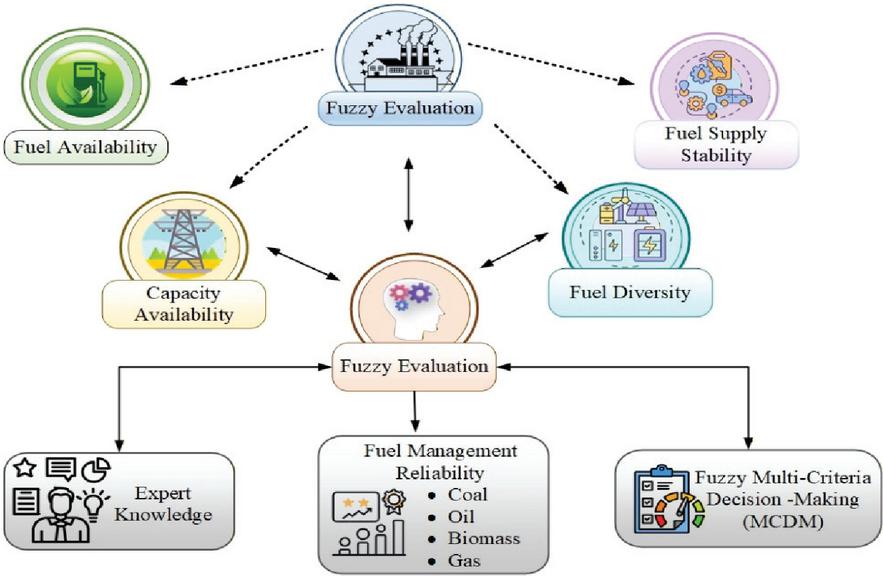
Figure 2 Fuzzy evaluation for fuel management reliability.
3.6 Fuzzification
Fuzzification is used to transform linguistic value judgments provided by experts (Low, Medium, High) into TFNs and represent mathematical uncertainty in the decision-making process. A common fuzzification scale is applied to all evaluation criteria instead of redefining membership functions for individual criteria to avoid redundancy. The standardized triangular fuzzy numbers used in this research in which each linguistic variable is defined by a triplet of numbers (a, b, c) with b being the most likely value, and a and c being the lowest and highest possible values, respectively. This format facilitates the processing of expert opinions for all criteria in the framework of fuzzy MCDM.
Table 2 Standard triangular fuzzy numbers for linguistic variables
| Linguistic Term | Triangular Fuzzy Number (a, b, c) |
| Low | (0.1, 0.3, 0.5) |
| Medium | (0.4, 0.6, 0.8) |
| High | (0.7, 0.9, 1.0) |
The order to avoid inconsistency and redundancy in various criteria, it is ensured that a common fuzzification scale is used for all parameters of evaluation. This is achieved by adopting a common scale of triangular fuzzy numbers for all parameters of evaluation, as shown in Table 2. The triangular fuzzy numbers are used for evaluating all criteria, namely C1, C2, C3, C4, and C5.
3.7 Criteria Weight Determination
The relative significance of each assessment criterion (e.g., Fuel Availability, Supply Stability, Capacity Reliability, Fuel Diversity, and Operational Risk) can be determined by such techniques as Fuzzy AHP or Fuzzy Best-Worst Method (BWM). These approaches enable the use of fuzzy weights through expert judgment. After assigning the weights, they are normalized to ensure that the sum of all the weights is equal to 1 is in Equation (3):
| (3) |
Where, is the weight of every criterion and is the number of criteria. E.g., the normalized weights can be in the form of:
• C1 (Fuel Availability): 0.28
• C2 (Fuel Supply Stability): 0.22
• C3 (Capacity Reliability): 0.20
• C4 (Fuel Diversity): 0.15
• C5 (Operational Risk): 0.15
These normalized weights are essential in the implementation of the fuzzy MCDM framework because every one of the criteria will contribute proportionate weight to the final rating of each type of fuel.
3.8 Reliability Assessment
The fuzzy decision matrix is built with the help of Fuzzy TOPSIS whereby the expert ratings (as fuzzy numbers) and the dataset values of each fuel type and evaluation criteria are used. This is followed by the normalization of the decision matrix where all the values would be brought to a similar level and then the weight of the criteria be applied. The Fuzzy Positive Ideal Solution (FPIS) and Fuzzy Negative Ideal Solution (FNIS) are computed, the utmost values are the best performance (FPIS) and lowest values are the worst performance (FNIS) of each criterion.
In fuzzy TOPSIS, the distance of each alternative from the fuzzy positive ideal solution (FPIS) and fuzzy negative ideal solution (FNIS) is calculated through the vertex distance method for triangular fuzzy values. The fuzzy closeness coefficients are then defuzzified by the centroid (center of area, COA) method, which determines the average of the lower, middle, and upper limits of the triangular fuzzy numbers, thus making the final reliability ratings unambiguous. The fuzzy positive ideal solution (FPIS) and fuzzy negative ideal solution (FNIS) are defined as Equation (4):
| (4) |
where and represent the best and worst values of the th criterion, respectively. The distance of each alternative i from FPIS and FNIS is computed using the vertex method for triangular fuzzy numbers calculated as Equation (5):
| (5) |
where represents the fuzzy value of the performance of alternative i with respect to criterion , and represents the distance between two fuzzy numbers. The closeness coefficient (reliability score) of each alternative is then calculated as Equation (6):
| (6) |
where represents the relative closeness of alternative i to the ideal solution. It can be inferred that an increase in means better performance with higher reliability. This will enable the ranking of the types of fuel according to the degree of reliability.
3.9 Ranking Alternatives
Reliability scores of the fuel types (alternatives) are computed during the preceding step using Fuzzy TOPSIS and the alternatives are ranked accordingly. The reliability scores indicate the distance between each type of fuel and the ideal solution (FPIS) and between the type of fuel and the negative ideal solution (FNIS). The greater the score on reliability can be seen as more effective in performing fuel management, in which case, the alternative is more efficient, stable, and less risky. The rankings are to be made in descending order, the greatest score getting the first position, and the lower score will also give a clear picture of the overall quality of the fuel types.
4 Results and Discussion
Findings of the fuzzy MCDM framework give a detailed analysis of the fuel management reliability of the four fuels: Coal, Gas, Oil, and Biomass. The Oil-based plants do not have the highest score in any of the individual evaluation criteria, but they have the highest closeness coefficient score due to their balanced performance in all the criteria. The ranking in the fuzzy TOPSIS method is determined by the relative distance from both the ideal solution (FPIS) and the negative ideal solution (FNIS) instead of individual criterion scores. The Oil-based plants have moderate scores in all the criteria, which reduces their relative distance from the ideal solution. It also does not have extreme negative scores in any of the criteria, which would increase the relative distance from the ideal solution. On the other hand, both Coal and Gas have high scores in some of the criteria, which reduces their relative distance from the ideal solution, but they also have low scores in some of the criteria, which increases their relative distance from the ideal solution. The scores of reliabilities obtained with the help of Fuzzy TOPSIS show that overall reliability of Oil-based plants is the highest because of a reasonable blend of availability of fuels, stability of supply, and moderate risk of operation. There are coal-based plants, which have a high-capacity reliability and low supply stability. The plants which use gas demonstrate the excellent level of fuel availability and capacity reliability, yet the general operation of the plant is weakened by the average operational risk and low stability of supply. Biomass-based plants are ranked last as they are not very good in terms of capacity reliability and fuel availability even though the supply ability of the plants is very high. The sensitivity analysis shows that the most dependable type of fuel in different criteria weights is Oil, while Biomass has always been the lowest in terms of ranking.
4.1 Computational Resources
To achieve an ideal performance in fuzzy MCDM activities, it is advisable to have a 64-bit processor with a minimum of 8 GB of RAM to support big data and intricate calculations. Python 3.7 or more should also be compatible with the system to be able to use other essential libraries such as scikit-fuzzy to perform fuzzy analysis effectively. It only takes a system that is based on a CPU with a current operating system like Windows 10/11 or Linux in Table 3. All computations were performed using Python-based numerical and fuzzy logic libraries. No machine learning or neural network models were employed in this study.
Table 3 System configuration
| Specification | Recommended Value |
| Processor | Intel Core i5 (or higher) |
| Installed RAM | 8 GB (or more) |
| System Type | 64-bit operating system |
| Python Version | Python 3.7 or higher |
| Processor Type | CPU |
| Operating System | Windows 10/11 or Linux |
| Library | scikit-fuzzy |
Table 4 Fuel type reliability scores
| C1 Fuel | C2 Fuel | C3 Capacity | C4 Fuel | C5 Operational | |
| Primary Fuel | Availability | Supply Stability | Reliability | Diversity | Risk |
| Biomass | 0.357678839 | 1 | 0.028418103 | 0.357678839 | 0.639621109 |
| Coal | 0.582791396 | 0.044429605 | 1 | 0.582791396 | 1 |
| Gas | 1 | 0.070350158 | 0.442695952 | 1 | 0.700968174 |
| Oil | 0.580290145 | 0.10066555 | 0.133809214 | 0.580290145 | 0.303175939 |
The defuzzified reliability scores of five criteria of four types of fuels, which gives an idea of the fuel management performance in Table 4. Biomass also has a high level of variability (operational risk 0.640) and moderate level of fuel availability (0.358), capacity reliability (0.028) and supply stability (1.0). The maximum capacity of coal is reliable (1.0) and the operational risk (1.0), availability (0.583) and diversity (0.583) are moderate and the stability of supply (0.044) is very low indicating the vulnerability of coal to the problem of supply. Gas has the highest availability (1.0) and diversity (1.0) and moderate capacity (0.443) and high operational risk (0.701). The availability of oil is moderate (0.58) and capacity (0.134) and supply stability (0.101) are lower, which implies lower overall reliability.
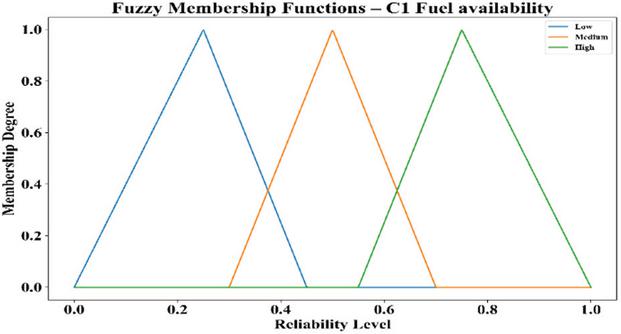
Figure 3 Fuzzy membership – C1 fuel availability.
The Fuel Availability which is the degree of membership of Low, medium, and high reliability levels in Figure 3. The Low membership has the highest value of 0.3 with the triangular shape of 0 to 0.6 indicating that the degree of reliability (0 to 0.3) falls in the completely low category but this is gradual to zero at 0.6. The Medium membership ranges up to 0.55 and it covers between 0.3 and 0.8 and the membership is at the highest 0.55. The High membership is at the highest at 0.8 and it fluctuates between 0.55 and 1.0 meaning that reliability level of above 0.8 is regarded as high to the limit of 0.55. These triangular fuzzy numbers [(0.1,0.3,0.5) of Low, (0.4,0.6,0.8) of Medium, (0.7,0.9,1.0) of High) are mathematically used to represent uncertainty in the expert ratings of the fuel availability to MCDM analysis.
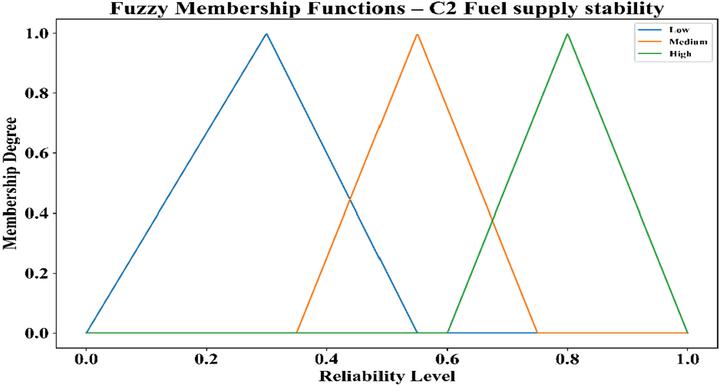
Figure 4 Fuzzy membership – C2 fuel supply stability.
The Fuel Supply Stability, which depicts the level of reliability of the level which is classified as Low or Medium or High in Figure 4. The Low membership highest is at 0.3 and is approximately 0 to 0.6, i.e., the level of reliability between 0 to 0.3 can be wholly regarded as low with a gradual decreasing trend to 0.6. The Medium membership is highest with the value of 0.55 and a range of 0.3 to 0.8, which has the other extreme membership that is 0.55. This is because the values of the High membership are highest at 0.8, which is the range of 0.55 to 1.0, and it is known that the level of reliability below 0.8 is completely high. These are triangular fuzzy numbers [(0.1,0.3,0.5) in case of Low, (0.4,0.6,0.8) in case of Medium, (0.7,0.9,1.0) in case of High) which represent expert uncertainty in the evaluation of the stability of fuel supply to the fuzzy MCDM.
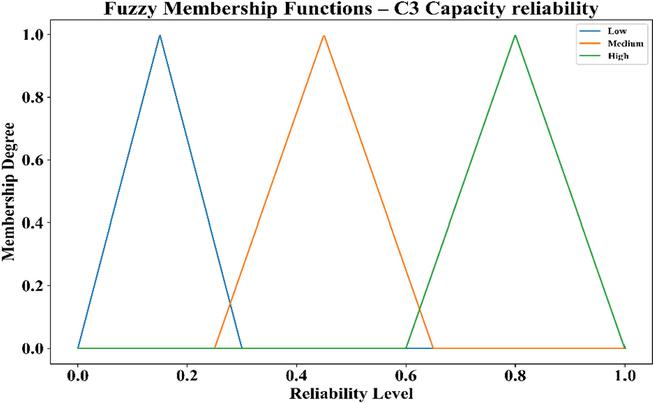
Figure 5 Fuzzy membership – C3 capacity reliability.
The Capacity Reliability, which has Low, Medium and High level of reliability in Figure 5. The Low membership has the highest value of 0.2 and that the membership varies within a range of 0 to 0.3, which means that the reliability has been given full credibility of 0.2 and zero at 0.3. The Medium membership is at its highest at 0.5 and it is approximately between 0.3 and 0.65 covering the between capacity reliability and the highest membership of 0.5. The peak of the High membership is 0.8 and is between approximately 0.65 and 1.0 indicating that the high level of reliability (0.8), reduces to the zero point (0.65). These triangular fuzzy numbers [(0.1,0.3,0.5) when Low, (0.4,0.6,0.8) when Medium and (0.7,0.9,1.0) when High) indicate the uncertainty that the experts have in assessing plant capacity reliability in the analysis of the fuzzy MCDM analysis.
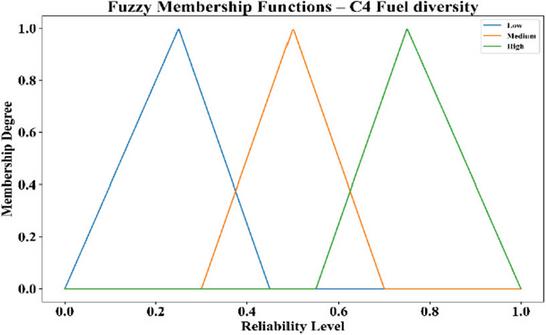
Figure 6 Fuzzy membership – C4 fuel diversity.
Fuel Diversity with Low, Medium, and High degree of reliability in Figure 6. The Low membership is highest at 0.3 and a range of between 0 to 0.45 meaning that the degree of reliability at 0.3 is fully regarded as low and as we move towards 0.45, the membership is zero. The Medium membership reaches its highest value of 0.55 having an interval of about 0.3–0.7 with the highest membership of 0.55. The High membership has the highest point of 0.8 and the highest range of 0.55 to 1 which indicates that reliability above 0.8 is entirely high and decreases to zero at 0.55. The matching triangular fuzzy numbers [(0.1, 0.3, 0.5) when Low, (0.4, 0.6, 0.8) when Medium and (0.7, 0.9, 1.0) when High) are the fuzzy numbers indicating uncertainty of the expert in the appraisal of fuel diversity in the fuzzy MCDM analysis.
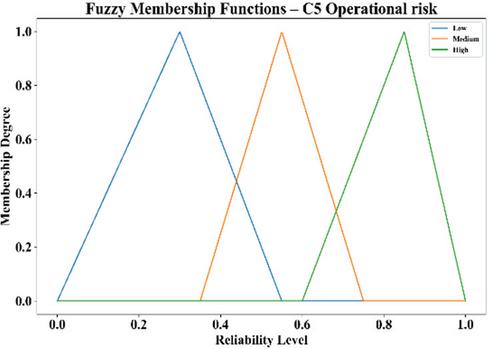
Figure 7 Fuzzy membership – C5 operational risk.
Operational Risk with the Low, Medium, and High reliability level in Figure 7. The Low level of membership is at its highest point of 0.3 and falls under the range of 0 to 0.45 meaning that operational risk levels up to 0.3 are fully regarded as low and diminish to 0.45. The Medium membership has the highest value of 0.55 that shows the intermediate operational risk which has a maximum membership of 0.55 that is with a range of between 0.35 to 0.75. The High membership has its maximum at 0.85 and ranges between 0.65 and 1.0, or the risk levels that are above 0.85 are all considered to be high and the bottom is zero at 0.65. The fuzzy numbers of the triangular type [(0.1,0.3,0.5) representing Low, (0.4,0.6,0.8) representing Medium, (0.7,0.9,1.0) representing High) represent the uncertainty in how the expert assesses the operational risk in conducting fuzzy MCDM analysis.
Table 5 Fuel type criterion scores
| C1 Fuel | C2 Fuel | C3 Capacity | C4 Fuel | C5 Operational | |
| Availability | Supply Stability | Reliability | Diversity | Risk | |
| Coal | 0.499187 | 0.04443 | 0 | 0.499187 | 0 |
| Gas | 0 | 0.07035 | 0.578088 | 0 | 0.510581 |
| Oil | 0.495435 | 0.100666 | 0.267618 | 0.495435 | 0.296189 |
| Biomass | 0.311518 | 0 | 0.056836 | 0.311518 | 0.473773 |
Coal is merely average in the fuel availability and the diversity (it is about 0.499) but zero capacity reliability and operational risk, which means that there is a limitation in spite of the fact that the fuel availability is satisfactory. Gas has high-capacity reliability (0.578) and moderate operational risk (0.511) and zero fuel availability and diversity, which means that it is a good performer in terms of its operation but limited coverage. Oil has a medium availability and diversity (0.495), medium capacity reliability (0.268), and medium operational risk (0.296), which means that it is not an evenly reliable system. Biomass is of low availability (0.312), there is almost zero stability of supply, low-capacity reliability (0.057) and moderate operational risk (0.474) implying worse fuel management reliability in Table 5.
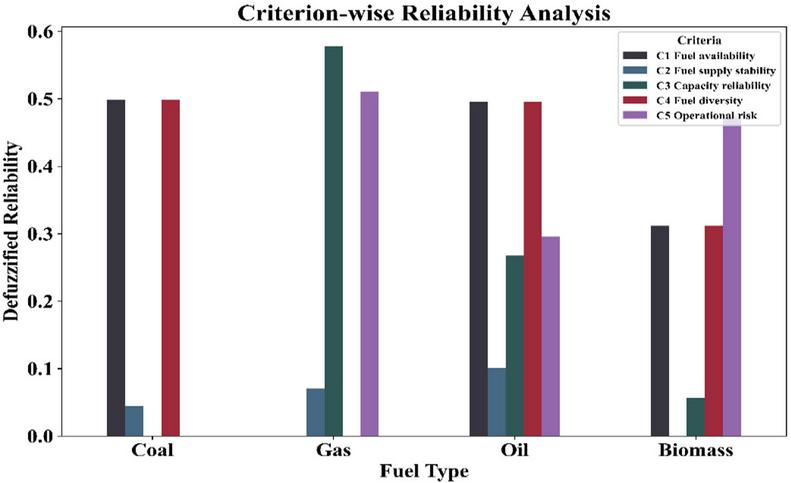
Figure 8 Criterion-wise reliability analysis – fuel types.
The criterion-defuzzified scores of reliabilities of each type of fuel in Figure 8. In the case of Coal, C1 Fuel Availability, C4 Fuel Diversity, and C2 Fuel Supply Stability are high with values of about 0.50, 0.50 and the C2 Fuel Supply Stability is very low (0.04). Gas demonstrates the greatest degree of C3 Capacity Reliability (0.58) and C5 Operational Risk (0.51) with C2 Fuel Supply Stability standing at 0.07. In the case of Oil, the values of C1 and C4 are approximately 0.49, C3 Capacity Reliability is approximately 0.27 and C5 Operational Risk is approximately 0.29. The overall scores of Biomasses are lower with C5 Operational Risk with the highest score of about 0.50, C1 Fuel Availability with a score of about 0.31 and C3 Capacity Reliability with a score of about 0.06. This visualization offers a good comparative analysis of the performance of each type of fuel based on all the criteria of reliability.
Table 6 Fuel type reliability ranking
| Fuel Type | Reliability Score | Rank |
| Oil | 0.764764 | 1 |
| Coal | 0.543866 | 2 |
| Gas | 0.474926 | 3 |
| Biomass | 0.440463 | 4 |
The general reliability score and ranking of four fuel types as per fuzzy TOPSIS analysis in Table 6. Oil shows the highest reliability score of 0.765 and is ranked first because the fuel availability, the stability of the supply, and the average risk of operation are balanced. The second is coal with 0.544 score which indicates that coal has high-capacity reliability and low supply stability. Gas is rated at the 3rd position with 0.475; it has high availability but moderate operation performance and risk. Biomass has the lowest score of 0.440 which means that there is a limit in capacity reliability and supply stability even though its operational risk is moderate. The ranking offers a definite decision-making guide on the best management of fuel.
Plants based on oil did not score the highest in each individual parameter, however, they still managed to secure the highest overall reliability score in fuzzy TOPSIS evaluation due to their balanced performance with lower operational risk.
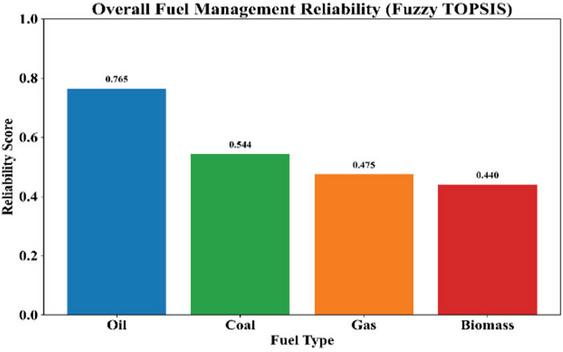
Figure 9 Overall fuel management reliability – fuzzy TOPSIS.
The total scores of the reliability of the fuel management of various types of fuel in terms of Fuzzy TOPSIS in Figure 9. Oil-based plants reported the highest score of reliability of 0.765 and thereafter are Coal-based plants, Gas-based plants and Biomass-based plants which have a score of 0.544, 0.475 and 0.440. This implies that oil-based power plants are the most dependable in fuel management, probably because of unchanging fuel supply and reduced chances of operational risks, whereas biomass plants are the least dependable. The bar chart gives a comparative graphical illustration of the overall performance of each type of fuel type in regard to reliability as per the fuzzy multi-criteria.
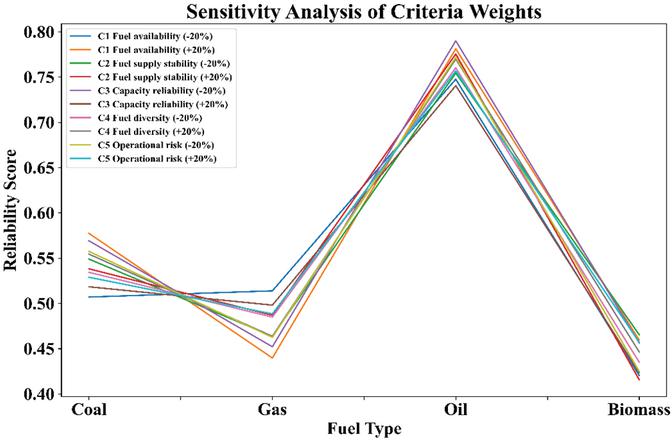
Figure 10 Sensitivity analysis of criteria weights.
Figure 10 shows how weights of various types of criteria vary under a sensitivity analysis, the variation in each of the criteria by a margin of 20 percent will impact the overall scores of reliabilities. In the case of Coal, the reliability scores of 0.50 to 0.58 are obtained in all criteria adjustments. Between 0.44 and 0.52 gas has lower scores, which implies a moderate level of sensitivity. Oil always ranks first with a range of 0.74 to 0.79 which is resistant to weight variations. The range of biomass scores is between 0.42 and 0.47, which means that it has the lowest total reliability with moderate sensitivity. This discussion supports the view that the performance of the various fuels in the fuzzy MCDM assessment depends on the varying weights of criteria and shows that the Oil-based plants are the most successful, whereas biomass is the least successful.
4.2 Limitation
• Subjectivity in Expert Judgment: The use of expert evaluations can lead to subjectivity and bias since the outcome may change depending on the experience and knowledge of the experts, which will influence the correctness of the rankings.
• Static Framework: The approach presumes no dynamic changes in the supply of fuels, prices, and technology changes with time, which may affect the long-term stability of fuel management systems.
5 Conclusion
This study presents a complete MCDM platform based on fuzzy to determine the reliability of the fuel management of the four types of fuel namely, Coal, Gas, Oil, and Biomass. The paper presents the advantages and disadvantages of the various kinds of fuels with the help of the Fuzzy AHP to compute the criteria weighting and the Fuzzy TOPSIS to score the reliability. The obtained ranking also demonstrates the significance of the proposed framework in supporting the decision process in power plants. Instead of the emphasis on the numerical values, the results show that the selection of the fuel type with the balanced performance in the multiple criteria can improve the reliability and minimize the risks in the power plants. Conversely, Biomass has the lowest score in reliability, this is mainly because of its low fuel availability and capacity reliability.
The suggested framework presents a powerful decision-making instrument to use by power plant managers to improve the comprehension of fuel management practices and their operational effects. Nevertheless, the paper also mentions that real-world validation is required because the findings are determined by the expertise and Global Power Plant Dataset. As a measure of the stability of the framework, sensitivity analysis revealed that Oil performs the same when the weights of the criteria are varied. This method can be extended to accommodate new fuels or environmental conditions when the power generation systems become more advanced. To enhance its practical applicability, in future research, it will be more beneficial to increase the range of the fuel types within the dataset and bring the framework to the real-life power plant case studies.
6 Future Work
Incorporating Renewable Energy Sources: Future studies may involve the inclusion of alternate sources of fuels such as solar, wind and hydropower within the evaluation model to determine their contribution to the increase in reliability associated with fuel management.
Real-World Case Studies: Data on real-world power plants should be used to test the framework to ensure that its applicability is confirmed in real-world operations environments and that it can be used to take into consideration dynamic aspects of the study like fluctuations in fuel markets.
Integration with IoT-based Monitoring: Continuous monitoring of fuel management through the integration of real-time IoT-based information on smart sensors would make the framework flexible in real-time decision-making in power plants.
Declarations
Data Availability
https://www.kaggle.com/datasets/taylorsamarel/global-power-plant-dataset.
Conflicts of Interest
The authors declare that they have no known competing financial or personal interests that could have influenced the work reported in this paper.
Funding Statement
The authors received no specific funding for this study.
Author Contributions
Jun Li and Lei Zhang conceived the study.
Xufeng Hong and Qiang Liu conducted data analysis.
Rui Zhu and Chen Zhang contributed to methodology development.
Xudong Zhao assisted with validation and interpretation.
Yaxin Liu supervised the research and prepared the final manuscript.
All authors reviewed and approved the final version.
Ethical Approval
This study does not involve human participants or animals and therefore does not require ethical approval.
Consent to Participate
Not applicable.
Consent to Publication
All authors have approved the manuscript for publication.
Competing Interests
The authors declare no competing interests.
References
[1] T. Hai, A. K. Alazzawi, J. Zhou, and H. Farajian, “Performance improvement of PEM fuel cell power system using fuzzy logic controller-based MPPT technique to extract the maximum power under various conditions,” Int. J. Hydrogen Energy, vol. 48, no. 11, pp. 4430–4445, 2023.
[2] Y. Noorollahi, A. Ghenaatpisheh Senani, A. Fadaei, M. Simaee, and R. Moltames, “A framework for GIS-based site selection and technical potential evaluation of PV solar farm using fuzzy-Boolean logic and AHP multi-criteria decision-making approach,” Renew. Energy, vol. 186, pp. 89–104, 2022.
[3] M. Besharati Fard, P. Moradian, M. Emarati, M. Ebadi, A. Gholamzadeh Chofreh, and J. J. Klemeš, “Ground-mounted photovoltaic power station site selection and economic analysis based on a hybrid fuzzy best–worst method and geographic information system: A case study of Guilan Province,” Renew. Sustain. Energy Rev., vol. 169, p. 112923, 2022.
[4] L. Jayarathna, G. Kent, I. O’Hara, and P. Hobson, “Geographical information system–based fuzzy multi-criteria analysis for sustainability assessment of biomass energy plant siting: A case study in Queensland, Australia,” Land Use Policy, vol. 114, p. 105986, 2022.
[5] A. Almasad, G. Pavlak, T. Alquthami, and S. Kumara, “Site suitability analysis for implementing solar PV power plants using GIS and fuzzy MCDM-based approach,” Sol. Energy, vol. 249, pp. 642–650, 2023.
[6] J. Krzywanski et al., “Modelling of SO2 and NOx emissions from coal and biomass combustion in air-firing, oxyfuel, iG-CLC, and CLOU conditions by fuzzy logic approach,” Energies, vol. 15, no. 21, p. 8095, 2022.
[7] S. Kart, F. Demir, Ý. Kocaarslan, and N. Genç, “Increasing PEM fuel cell performance via fuzzy-logic controlled cascaded DC–DC boost converter,” Int. J. Hydrogen Energy, vol. 54, pp. 84–95, 2024.
[8] B. K. Giri, S. K. Roy, and M. Deveci, “Fuzzy robust flexible programming with ME measure for electric sustainable supply chain,” Appl. Soft Comput., vol. 145, p. 110614, 2023.
[9] A. Asakereh, M. Soleymani, and S. M. Safieddin Ardebili, “Multi-criteria evaluation of renewable energy technologies for electricity generation: A case study in Khuzestan Province, Iran,” Sustain. Energy Technol. Assess., vol. 52, p. 102220, 2022.
[10] Y. Mohammadi, G. H. Shakouri, and A. Kazemi, “A multi-objective fuzzy optimization model for electricity generation and consumption management in a micro smart grid,” Sustain. Cities Soc., vol. 86, p. 104119, 2022.
[11] M. Murugan and S. Marisamynathan, “Analysis of barriers to adopt electric vehicles in India using fuzzy DEMATEL and relative importance index approaches,” Case Stud. Transp. Policy, vol. 10, no. 2, pp. 795–810, 2022.
[12] P. Ramesh, V. Arul Mozhi Selvan, and D. Babu, “Selection of sustainable lignocellulose biomass for second-generation bioethanol production for automobile vehicles using lifecycle indicators through fuzzy hybrid PyMCDM approach,” Fuel, vol. 322, p. 124240, 2022.
[13] S. Çakır, “Renewable energy generation forecasting in Turkey via intuitionistic fuzzy time series approach,” Renew. Energy, vol. 214, pp. 194–200, 2023.
[14] A. B. M. M. Bari, M. T. Siraj, S. K. Paul, and S. A. Khan, “A hybrid multi-criteria decision-making approach for analysing operational hazards in heavy fuel oil–based power plants,” Decis. Anal. J., vol. 3, p. 100069, 2022.
[15] A. Khanlari and M. Alhuyi Nazari, “A review on the applications of multi-criteria decision-making approaches for power plant site selection,” J. Therm. Anal. Calorim., vol. 147, no. 7, pp. 4473–4489, 2022.
[16] K. Afolabi, O. Babatunde, D. Ighravwe, B. Akintayo, and O. A. Olanrewaju, “A fuzzy multi-criteria decision-making framework for evaluating non-destructive testing techniques in oil and gas facility maintenance operations,” Eng, vol. 6, no. 9, p. 214, 2025.
[17] M. S. Bhojane, S. C. Murmu, H. Chattopadhyay, and A. Dutta, “Application of MCDM technique for selection of fuel in power plant,” Mater. Today Proc., 2023.
[18] D. Roy, H. Taghavifar, K. V. Shivaprasad, Y. Wang, B. K. Das, and A. P. Roskilly, “Multi-criteria decision-making and uncertainty analyses of off-grid hybrid renewable energy systems for an island community,” Energy Convers. Manage., vol. 343, p. 120120, 2025.
[19] Z. Li, Y. Wang, J. Xie, Y. Cheng, and L. Shi, “Hybrid multi-criteria decision-making evaluation of multiple renewable energy systems considering the hysteresis band principle,” Int. J. Hydrogen Energy, vol. 49, pp. 450–462, 2024.
[20] S. I. Karnavas, I. Peteinatos, A. Kyriazis, and S. G. Barbounaki, “Using fuzzy multi-criteria decision-making as a human-centered AI approach to adopting new technologies in maritime education in Greece,” Information, vol. 16, no. 4, p. 283, 2025.
[21] M. Sultan and M. Akram, “An extended multi-criteria decision-making technique for hydrogen and fuel cell supplier selection using spherical fuzzy rough numbers,” J. Appl. Math. Comput., vol. 71, no. 2, pp. 1843–1886, 2025.
[22] C. A. Severi, V. Pérez, C. Pascual, R. Muñoz, and R. Lebrero, “Identification of critical operational hazards in a biogas upgrading pilot plant through a multi-criteria decision-making and FTOPSIS-HAZOP approach,” Chemosphere, vol. 307, p. 135845, 2022.
[23] Z. F. Hou, K. M. Lee, K. L. Keung, and J. Y. Huang, “A novel multi-criteria decision-making framework of vehicle structural factor evaluation for public transportation safety,” Appl. Sci., vol. 15, no. 6, p. 3045, 2025.
[24] H. Zhao, J. Gao, and X. Cheng, “Electric vehicle solar charging station siting study based on GIS and multi-criteria decision-making: A case study of China,” Sustainability, vol. 15, no. 14, p. 10967, 2023.
[25] I. Hassan, I. Alhamrouni, and N. H. Azhan, “A CRITIC–TOPSIS multi-criteria decision-making approach for optimum site selection for solar PV farm,” Energies, vol. 16, no. 10, p. 4245, 2023.
[26] “Global Power Plant Dataset,” Kaggle, 2026. [Online]. Available: https://www.kaggle.com/datasets/taylorsamarel/global-power-plant-dataset.
Biographies

Li Jun, born in 1980, graduated from Hebei University of Technology with a major in Electrical Engineering and Automation. He currently serves as the Chief Engineer of Shandong Energy Group Lingtai Thermal Power Generation Co., Ltd. With years of experience in power production and operation, he possesses extensive practical and theoretical knowledge.
https://orcid.org/0009-0005-6202-6585

Lei Zhang was born in 1984. He received the Bachelor’s degree in Civil Engineering from the College of Civil Engineering, Shandong University of Science and Technology, China, in 2008. He is currently an engineer at Shandong Energy Group Lingtai Thermal Power Generation Co., Ltd. He has long been engaged in power engineering construction as well as power plant operation and maintenance, and has accumulated extensive practical experience and solid theoretical knowledge in these fields.
https://orcid.org/0009-0000-0262-7657

Xufeng Hong was born in 1979. He graduated from Huainan Institute of Technology, China. He is currently an engineer in the Production Technology Department at Shandong Energy Group Lingtai Thermal Power Generation Co., Ltd. He has long been engaged in the management of informationization and intelligent construction of thermal power enterprises, and has accumulated extensive practical experience and solid theoretical knowledge in these areas.
https://orcid.org/0009-0003-0196-5170

Qiang Liu was born in 1976. He received the Bachelor’s degree in Thermal Power Engineering from the College of Thermal Power Engineering, Shanghai University of Electric Power, China, in 1998, and the Master’s degree in Mechanical Engineering from Shandong University of Science and Technology, China, in 2016. He is currently the General Manager and a Senior Engineer at Shandong Energy Group Lingtai Thermal Power Generation Co., Ltd.He has long been engaged in equipment selection, engineering construction, system commissioning, and production operation of large-scale thermal power generating units, and has accumulated extensive practical experience and solid theoretical knowledge in these areas.
https://orcid.org/0009-0008-9682-2071

Rui Zhu, born in 1985, graduated from Harbin Institute of Technology (Weihai) majoring in Automation. He currently works at the Production Technology Department of Shandong Energy Group Lingtai Thermal Power Generation Co., Ltd., serving as the head of the Production Technology Department and holding the title of engineer. Over the years, he has been engaged in thermal power generation technology management, thermal control automation, and intelligent construction management, possessing rich practical experience and theoretical knowledge.
https://orcid.org/0009-0006-8652-2249

Yaxin Liu, born in 1998, graduated from Xi’an Jiaotong University with a major in Software Engineering. Currently employed at the Intelligent Power Generation Technology Department of Xi’an Thermal Power Research Institute Co., Ltd., holding the title of Engineer in the Technical Development Division. Specialized in research and application of power plant automatic control and intelligent optimization technologies. As a key technical contributor, participated in multiple national, provincial-ministerial, and departmental-level research projects. Long-term involvement in the R&D and implementation of key technologies for the digital transformation of the power generation industry.
https://orcid.org/0009-0009-0993-0611

Chen Zhang, born in 1994, graduated from Xi’an University of Posts and Telecommunications with a major in Electrical Engineering and Automation. He currently serves as an Engineer at the Control Division of Xi’an YTRG Co., Ltd., holding the title of engineer. Over the years, he has been engaged in thermal power generation technology management, thermal control automation, and intelligent construction management, possessing rich practical experience and theoretical knowledge.
https://orcid.org/0009-0006-3659-9686

Xudong Zhao, born in 2001, earned his degree in Computer Science and Technology from the University of Electronic Science and Technology of China. He is currently employed as a Technical Developer in the Technology Development Department of Xi’an Thermal Power Research Institute Co., Ltd. His research is centered on the development of lightweight neural network models for time-series forecasting, the investigation of large-scale time-series models, and the provision of technical services for smart thermal power plants. In these areas, he has amassed considerable practical experience and theoretical knowledge.
https://orcid.org/0009-0000-0453-5211
Distributed Generation & Alternative Energy Journal, Vol. 41_5, 1207–1240
doi: 10.13052/dgaej2156-3306.4152
© 2026 River Publishers