Development of Adaptive Power Dispatch Automation System Based on Artificial Intelligence and Machine Learning
Xiongbao Zhang1,*, Mingjing Luo2, Shidi Ruan1 and Zhaoyuan Yin1
1Automation Section, Guangxi Power Grid Company Limited, Nanning, 530000, Guangxi, China
2Power Dispatch and Control Center, Baise Power Supply Bureau, Guangxi Power Grid Company Limited, Baise, 533000, Guangxi, China
E-mail: xiongbaozhang0@outlook.com; 18977115943@163.com; luomingjing0618@163.com; ruan_shidi@163.com; 18934705534@163.com
*Corresponding Author
Received 07 April 2026; Accepted 29 June 2026
Abstract
Faced with the challenges of high grid uncertainty, multi-timescale dynamic coupling, and operational efficiency bottlenecks caused by the high proportion of renewable energy integration, traditional dispatching methods struggle to achieve rapid response and global optimization. To address this issue, this study first constructs a joint perception model integrating graph attention networks and temporal convolutions to accurately extract the spatiotemporal dynamic features of the power grid. Next, a competitive collaborative decision-making framework based on multi-agent deep reinforcement learning is designed to achieve distributed collaborative control of power sources, grid, load, and storage. Then, a high-fidelity digital twin environment is introduced to perform online security verification and rolling optimization of agent strategies. Finally, a lightweight online update mechanism oriented towards concept drift is deployed. Experiments show that the developed AI-ADS (Artificial Intelligence-based Adaptive Dispatch System) increases the renewable energy absorption rate to 95.5%, reduces the dispatch response time to an average of 2.8 seconds, and lowers weekly operating costs by 21.5%, validating its effectiveness in improving grid resilience and economy through a “perception-decision-verification-evolution” intelligent closed loop.
Keywords: Power system dispatching, artificial intelligence, adaptive control.
1 Introduction
Conventional With the rapid development of high-proportion renewable energy grid integration and new loads, the power system is facing severe challenges such as strong uncertainty on both the source and load sides and dynamic coupling across multiple time scales. Traditional power dispatch automation systems mainly rely on precise physical models and manual experience rules, making it difficult to achieve rapid response and global optimization in highly dynamic environments. They suffer from prominent problems such as decision lag, single optimization dimension, and insufficient adaptability, becoming a bottleneck restricting the safe, economical, and low-carbon operation of the power grid. This paper aims to introduce artificial intelligence and machine learning technologies to construct an adaptive dispatch system with autonomous perception, intelligent decision-making, and continuous evolution capabilities, promoting a fundamental paradigm shift in power dispatch from “experience-driven, static rule-based” to “data-driven, dynamic optimization.”
To address the above challenges, existing research mainly focuses on two directions: new energy power prediction and deterministic optimization scheduling. For example, Hossain et al. proposed a new framework to improve the accuracy of ultra-short-term wind power prediction [1]. Lu et al. proposed a day-ahead wind power combined prediction method to improve the accuracy of wind power prediction [2]. Gao et al. proposed a combined prediction model that uses the sparrow search algorithm to optimize parameters to address the problem that it is difficult to manually set the variational mode decomposition parameters in wind power prediction [3]. He et al. proposed a short-term wind power prediction combined model based on numerical weather prediction analysis to improve accuracy and extend the prediction period [4]. Tian et al. reviewed the principles, advantages and disadvantages and applicability of deterministic and probabilistic prediction methods to address the key problem of insufficient prediction accuracy in large-scale wind power development [5]. Muttaqi and Sutanto proposed an adaptive predictive energy management strategy based on model predictive control to realize the real-time optimized operation of virtual power plants [6]. Niu et al. proposed a novel adaptive range composite differential evolution algorithm to efficiently solve the optimal reactive power scheduling problem with complex constraints and mixed variables [7]. Gao et al. proposed a generation dispatch and time-domain simulation framework based on AC optimal power flow to study the economy and reliability of fast real-time generation dispatch and adaptive frequency regulation services in dealing with power imbalance caused by renewable energy [8]. Odonkor et al. proposed an intelligent method based on an adaptive neurofuzzy reasoning system to control and dispatch distributed generators, loads and power in multi-power grid-connected microgrids to ensure stable supply [9]. However, these studies mostly focus on single links or local optimization, and their optimization models are usually based on simplified assumptions or deterministic problems. They have failed to form a closed-loop solution covering the entire process of “perception-decision-verification”, and especially lack the ability to autonomously adjust strategies when facing unknown or extreme scenarios. In recent years, artificial intelligence methods represented by deep reinforcement learning (DRL) have provided new ideas for sequential decision-making in complex systems. Some scholars have tried to introduce it into the field of power dispatch. For example, Tang et al. proposed a hierarchical learning optimization method based on deep neural networks to solve the problem of centralized coordination and dispatch of multi-regional power grids [10]. Ning and You proposed a data-driven distributed robust joint chance-constrained economic dispatch optimization framework, which combines deep learning optimization to effectively utilize renewable energy in the power system [11]. Guo et al. proposed a learning-based optimization strategy as a new alternative method to solve the economic dispatch problem of smart grid systems [12]. Shibl et al. designed a hydropower station energy dispatch management system based on two-stage machine learning to control photovoltaic, wind, energy storage systems and backup energy [13]. Fang and Khazaei proposed a data-driven neural network method to solve the real-time economic dispatch problem of microgrids [14]. Dong et al. proposed an economic energy dispatch learning decision framework for isolated microgrids based on cloud edge computing architecture, which uses cloud resources to solve the optimal dispatch decision sequence under historical operation mode, and verified the effectiveness and benefits of the algorithm through numerical results [15]. However, existing DRL-based research is mostly focused on centralized decision-making, which is difficult to characterize the complex interaction of massive distributed entities such as sources, grids, loads and storage; at the same time, its strategy training is usually completed in a fixed simulation environment, lacking real-time closed-loop verification with actual grid security constraints, which leads to doubts about the practicality and security of the learned strategy. This paper proposes a collaborative framework that integrates multi-agent deep reinforcement learning and digital twin technology, aiming to solve key problems in distributed collaborative decision-making and policy security and trustworthiness verification.
To address this, this study developed an AI-ADS system. First, a closed-loop system architecture of “data perception – intelligent decision-making – digital twin verification – online evolution” was designed. Second, a joint perception model combining graph attention networks and temporal convolution was constructed, and collaborative decision-making among power sources, grids, loads, and storage was achieved based on multi-agent deep reinforcement learning. Furthermore, a high-fidelity digital twin environment was used to perform online security verification and rolling optimization of the decision-making strategy. Finally, an online learning mechanism was introduced to ensure the model’s longterm adaptability to changes in operating modes. Simulation experiments show that this system significantly outperforms traditional methods in terms of renewable energy absorption rate, dispatch response time, overall operating cost, and model generalization ability, verifying its effectiveness in improving the intelligence level and operational resilience of the power grid.
Yin et al. proposed an AI-based power dispatch automation framework for distributed energy systems [16], while Li et al. developed a reinforcement learning-based intelligent control strategy for source-grid-load-storage coordination. Although both studies improved dispatch efficiency and operational flexibility, they did not incorporate the digital twinassisted adaptive learning and multi-agent decision-making framework employed in the proposed AI-ADS system [17].
Existing studies have applied artificial intelligence and machine learning techniques to renewable energy forecasting, economic dispatch optimization, and distributed energy management. However, most approaches focus on individual tasks and lack an integrated closed-loop framework for adaptive power dispatch. In addition, existing methods generally do not simultaneously address spatiotemporal state perception, distributed multi-agent decision-making, online security verification, and long-term model adaptation. To overcome these limitations, this study proposes an Artificial Intelligence-based Adaptive Dispatch System (AI-ADS) that integrates Graph Attention Network (GAT) - Temporal Convolutional Network (TCN)-based state perception, Multi-Agent Deep Deterministic Policy Gradient (MADDPG) based multi-agent collaborative decision-making, digital twinassisted online verification, and concept-drift-aware model adaptation within a unified perception–decision–verification–evolution architecture. The main contributions of this work are summarized as follows:
(1) A closed-loop adaptive dispatch framework is developed by integrating state perception, intelligent decision-making, digital twin validation, and online evolution into a unified architecture.
(2) A GAT-TCN-based spatiotemporal perception model is proposed to effectively capture both topological dependencies and temporal dynamics of power system operating states.
(3) A MADDPG-based multi-agent reinforcement learning framework is designed to achieve coordinated dispatch among generation units, energy storage systems, and flexible loads.
(4) A digital twin-based online verification mechanism is introduced to evaluate candidate dispatch strategies before implementation, thereby enhancing operational safety and reliability.
(5) A lightweight online learning mechanism is incorporated to detect concept drift and continuously adapt model parameters to evolving grid operating conditions.
Table 1 Comparative analysis of existing AI-based power dispatch methods and the proposed AI-ADS framework
| Reference | Core Method | Main Application | Limitations | AI-ADS Improvement |
| Hossain et al. [1] | Wind Power Forecasting | Ultra-short-term wind prediction | Focuses only on forecasting accuracy; no dispatch optimization | Integrates forecasting-related state perception with adaptive dispatch decisionmaking |
| Lu et al. [2] | Day-Ahead Wind Prediction | Wind power forecasting | No realtime dispatch capability | Supports realtime adaptive dispatch under dynamic operating conditions |
| Gao et al. [3] | SSA-VMDLSTM Prediction | Wind power prediction | Single-task prediction framework | Combines perception, decision-making, verification, and adaptation in one framework |
| He et al. [4] | NWPBased Forecasting | Shortterm renewable forecasting | Does not address dispatch control | Enables direct dispatch optimization using perceived system states |
| Muttaqi and Sutanto [6] | Model Predictive Control (MPC) | Virtual power plant management | Limited adaptability to highly uncertain environments | Uses reinforcement learning for adaptive and autonomous decision-making |
| Niu et al. [7] | Differential Evolution Optimization | Reactive power dispatch | Solves a specific optimization problem only | Provides system-wide multiobjective dispatch optimization |
| Gao et al. [8] | AC-OPFBased Dispatch | Real-time generation dispatch | Relies on deterministic optimization assumptions | Supports adaptive learning under uncertain renewable generation |
| Odonkor et al. [9] | ANFISBased Dispatch | Microgrid control | Limited scalability and coordination capability | Multi-agent framework enables coordination among generation, storage, and loads |
| Tang et al. [10] | Deep Neural Network Dispatch | Multiregional dispatch | Centralized architecture | Distributed multi-agent collaborative dispatch |
| Ning and You [11] | Deep Learning Optimization | Economic dispatch | No online verification mechanism | Digital twin validates dispatch decisions before execution |
| Guo et al. [12] | LearningBased Economic Dispatch | Smart grid dispatch | Lacks security validation and adaptation | Integrates verification and continuous model evolution |
| Shibl et al. [13] | Two-Stage Machine Learning | Hybrid energy dispatch | Focuses mainly on energy scheduling | Provides closed-loop dispatch automation framework |
| Fang and Khazaei [14] | Neural Network Dispatch | Microgrid economic dispatch | No digital twin or online adaptation | Incorporates online validation and concept-drift adaptation |
| Dong et al. [15] | Cloud-Edge Learning Dispatch | Microgrid dispatch | Depends on historical operating patterns | Continuously adapts to changing operating conditions |
| Proposed AI-ADS | GAT-TCN + MADDPG + Digital Twin + Online Learning | Adaptive Power Dispatch Automation | – | Unified perception-decision-verificationevolution framework with distributed intelligence, online safety validation, and continuous adaptation |
As shown in Table 1, existing studies mainly focus on individual tasks such as forecasting, optimization, or scheduling and generally lack an integrated framework for spatiotemporal perception, multi-agent coordination, online verification, and continuous adaptation. In contrast, the proposed AI-ADS combines GAT-TCN, MADDPG, digital twin verification, and online learning within a closed-loop architecture, enabling adaptive, seure, and resilient power dispatch under high renewable energy penetration.
2 Methods
2.1 Multi-Source Data Fusion and Dynamic Feature Construction
The adaptive power dispatching systems should be intelligent in decision-making that is based on full and precise perception of the operational state of the power grid. The system is based on the four important sources of data, namely first, power grid operation data, mostly monitoring and data acquisition systems, and synchronous phasor measurement devices. Second, meteorological and environmental information, such as the future wind speed, sunlight, and temperature forecasts issued by the numerical weather prediction. Third, load and market data, including historical and forecast curves of different load types and other information, including electricity market clearing price. Fourth, equipment and topology data, which gives the network topology of connections within a power grid, physical parameters of equipment (generators and transformers).
The raw data exhibits significant differences in frequency, time scale, and format. First, the data undergoes quality verification and cleaning, addressing missing values and obvious outliers caused by communication anomalies. Then, a dual indexing mechanism is constructed based on a unified Coordinated Universal Timestamp and power grid topology node numbers. Through resampling and interpolation techniques, all time-series data are aligned to a common time reference sequence. At the same time, the network topology is used to associate and merge measurement data from different physical locations but belonging to the same electrical node, forming a unified data view with the power grid node as the basic spatial unit.
To organically combine the topological constraints of the physical power grid with its dynamic operating state, a dynamic graph structure feature was innovatively constructed. The topological structure of the system was abstracted into a graph , where the node set represents physical entities such as buses, generator sets, and loads, the edge set represents the connection relationships such as transmission lines and transformers, and the adjacency matrix describes the physical connection strength between nodes (such as line admittance). Based on this, the multi-dimensional operating data of each aligned time slice is used as the node feature matrix of the graph in that time slice. Therefore, the power grid state within a scheduling cycle is represented as a dynamic graph sequence, as shown in (1):
| (1) |
where denotes the dynamic graph representation of the power system at time step is the set of nodes representing buses, generators, and loads, is the set of edges representing electrical connections, is the adjacency matrix describing network connectivity, is the node feature matrix at time , and is the total number of time steps within the scheduling horizon. This representation method not only preserves the physical structure information of the power grid but also fully depicts the process of its operating state evolving over time, laying a solid foundation for subsequent deep feature extraction based on graph neural networks. The physical grid is represented as a time-varying graph sequence, where each graph snapshot corresponds to a scheduling interval. Generators, renewable energy resources, energy storage systems, loads, and buses are uniformly modeled as graph nodes, while transmission lines define the connections between nodes. Each node is described by a feature vector containing key electrical and operational attributes, such as power output, voltage magnitude, load demand, state of charge, and renewable generation information. This graph sequence enables the framework to capture both spatial interactions and temporal variations caused by renewable intermittency, load fluctuations, and multi-timescale operating dynamics. The dynamic graph sequence serves as input to the perception and decision-making modules. Graph Attention Network (GAT) extracts spatial dependencies among interconnected nodes, while TCN captures temporal feature evolution. Their fused spatiotemporal representation is provided to MADDPG agents, which coordinate generator dispatch, energy storage control, and flexible load regulation for adaptive power system optimization.
The selection of GAT-TCN and MADDPG was motivated by the characteristics of modern power systems. GAT captures spatial dependencies in graph-structured grids, while TCN learns long-term temporal patterns efficiently. MADDPG was chosen because its centralized-training and decentralized-execution mechanism supports coordinated multiagent dispatch with scalability and real-time applicability. Together, they provide an integrated solution for spatiotemporal state perception and adaptive optimization under uncertainty.
2.2 Joint State Awareness of Graph Neural Networks and Attention Mechanisms
After completing the fusion of multi-source data and the construction of dynamic graph structures, this paper designs a joint awareness model that integrates a Graph Attention Network (GAT) and a Temporal Convolutional Network (TCN), the structure of which is shown in Figure 1.
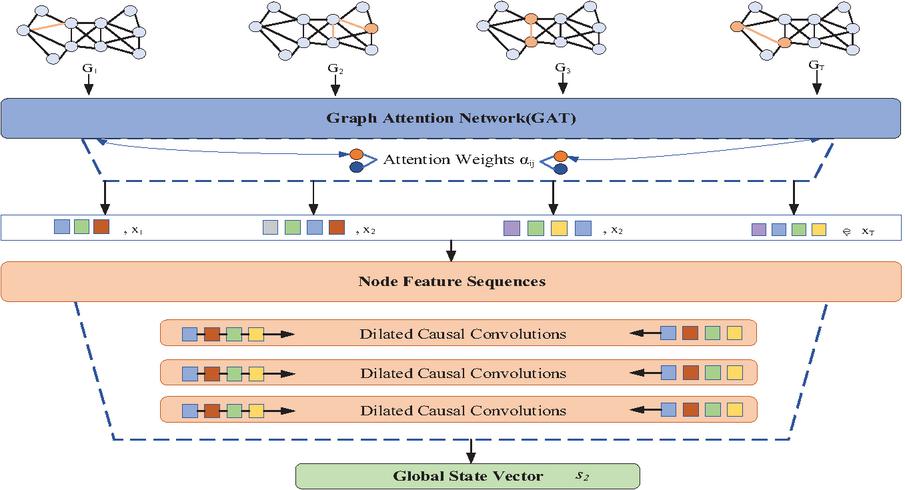
Figure 1 Spatiotemporal state perception based on GAT-TCN.
Figure 1 illustrates the proposed GAT-TCN-based state perception framework used in AI-ADS. The model first captures spatial dependencies among interconnected power system nodes through Graph Attention Networks (GAT) and subsequently extracts temporal features using Temporal Convolution Networks (TCN) to generate a comprehensive global state representation for dispatch decision-making. This joint perception model takes a dynamic graph sequence as input. Its core is a two-stage feature extractor that prioritizes spatial processing over temporal processing. In the first stage, the model uses a graph attention network to aggregate and refine node features in the spatial domain at each individual time slice t. In the second stage, the feature sequence of each node after GAT processing at all time steps is input into a temporal convolutional network to extract the trend and periodic pattern of node state evolution over time. Finally, the model outputs a low-dimensional global state feature vector that integrates spatiotemporal information, which serves as the input to the subsequent decision module.
In power grids, the state of a node (e.g., voltage) is not only affected by its own injected power but also tightly coupled with the states of its topologically connected neighboring nodes, and this coupling strength is not constant. GAT, through a learnable attention mechanism, calculates the new feature of node after GAT layer processing as a weighted aggregation of its own features and those of its neighboring nodes, as shown in (2)–(4):
| (2) | |
| (3) | |
| (4) |
Among them, is the shared learnable weight matrix, is the learnable parameter vector of the attention mechanism, represents vector concatenation, is the set of neighbors of node , and is the nonlinear activation function [18]. The attention coefficient is automatically learned by the network and can dynamically reflect the influence of node on node under a specific operating state. W is the shared linear transformation weight matrix. This mechanism enables the model to focus on the most critical local topological associations under the current state, thereby more accurately perceiving spatial dynamics such as power flow transfer and voltage support.
The GAT mechanism learns the relative importance of neighboring nodes through trainable attention coefficients. During training, higher coefficients are assigned to more influential neighboring nodes, and the normalized coefficients are used to aggregate node features. This attention-based process enables adaptive modeling of local topological relationships, enhances spatial dependency representation, and improves the characterization of power system operating conditions.
The operating state of the power grid (such as load and new energy output) has a strong temporal dependence. In order to capture this multi-scale time pattern, a temporal convolutional network with causal dilated convolution is adopted. Through multi-layer dilated convolution kernels, TCN can capture long-range historical information with an exponentially expanded receptive field. At the same time, its causal structure ensures that feature extraction does not depend on future data, which meets the causal requirements of online scheduling. For an input sequence of length , the output of the -th layer of the TCN at time is calculated by dilated convolution:
| (5) |
where denotes the output of the TCN layer at time step (t); represents the activation function; (K) is the convolution kernel size; denotes the (k)-th dilated convolution weight; represents the input feature from the layer at the corresponding dilated time step; is the dilation factor controlling the temporal receptive field; denotes the bias term; and (L) indicates the current network layer. Among them, is the convolution kernel size, and are learnable weights and biases, and is the inflation factor, which typically grows exponentially with the number of network layers. TCN, through convolution operations, can effectively extract key temporal features such as the trend, periodicity, and abrupt change points of node state changes. The TCN employs a causal convolution structure to ensure that predictions rely only on historical and current observations, preventing future information leakage during online scheduling. In addition, an exponentially increasing dilation strategy expands the temporal receptive field without substantially increasing computational complexity, enabling effective extraction of longrange dependencies and multi-timescale operating patterns associated with renewable variability, load fluctuations, and dispatch state evolution.
2.3 Training of Multi-Agent Competitive Collaborative Decision-Making Model
The power system is essentially a complex network containing numerous heterogeneous, distributed agents. Traditional centralized optimization methods have limitations in terms of solution scale and real-time performance. Therefore, this paper models scheduling decisions as a partially observable Markov game process, the structure of which is shown in Figure 2.
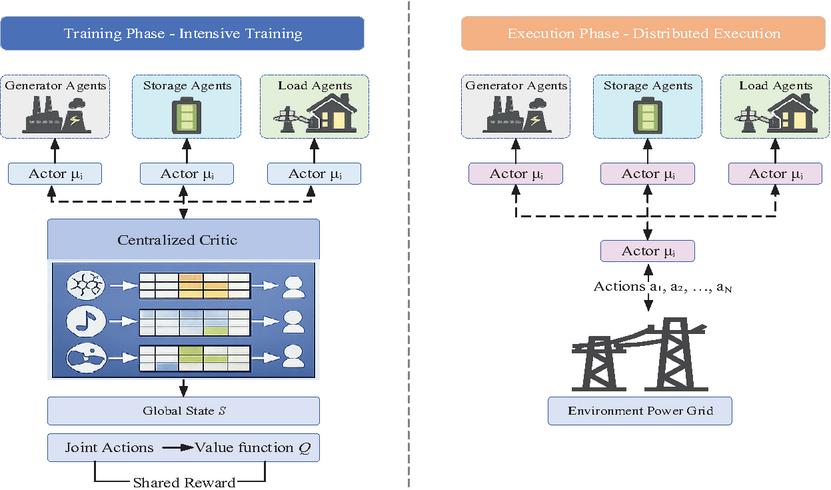
Figure 2 Multi-agent competition-cooperative decision-making framework.
Figure 2 presents the MADDPG-based collaborative dispatch framework adopted in the proposed AI-ADS system. During training, multiple agents are optimized through centralized learning with a shared critic, while during execution, decentralized agents independently generate coordinated dispatch actions based on real-time power system states. Multi-agent environment modeling. The core entities with autonomous adjustment capabilities in the power grid are abstracted as independent agents, mainly including traditional generator sets, energy storage systems, and aggregated flexible load clusters. In each decision step, each agent selects an action based on its local observations. The whole process can be formalized as a partially observable Markov game, described by the tuple . Among them, is the number of agents, is the global state space (defined by the digital twin environment), is the local observation space of agent is its action space, is the state transition probability, is the reward function of agent , and is the discount factor. The reward function is carefully designed as a manifestation of multi-objective trade-offs, with the basic form as (6):
| (6) |
Among them, , and represent fuel cost, network loss cost, and carbon cost, respectively; represents the severity of various safety constraints violations; is the renewable energy power absorbed; is the corresponding weighting coefficient [19]. The reward function is carefully designed to reflect a multi-objective trade-off, integrating power generation cost, network loss, voltage offset penalty, renewable energy absorption reward, and severe penalty for violating safety constraints, aiming to guide the behavior of the intelligent agent group towards the global goal of safety, economy, and low carbon emissions. The weighting coefficients in the reward function were chosen to balance operational safety, economic efficiency, and low-carbon performance. Higher weights were assigned to safety-related violations to prioritize secure system operation, while moderate weights were used for economic and carbon objectives to support cost-effective dispatch and emission reduction. The coefficient values were determined through preliminary simulations to achieve a balanced trade-off among the objectives.
Design of competition and cooperation mechanism. The relationship between agents presents a complex interplay of competition and cooperation. For example, different generator sets compete for power generation share in the load market; while energy storage and new energy units have a natural spatiotemporal complementary cooperation relationship - energy storage charges when new energy is generating a lot and discharges when output is insufficient, thereby improving the overall absorption level. To characterize this relationship, the MADDPG algorithm framework with centralized training and distributed execution is adopted. Each agent maintains an “actor” policy network and a “commentator” value network , where and . During the centralized training phase, the “commentator” network can obtain the observations and actions of all agents to learn a more accurate joint action value function. Its objective function is to maximize the expected cumulative discount reward, such as (7):
| (7) |
where denotes the experience replay buffer, represents the critic network of agent denotes the policy network of agent , is the local observation of agent , and is the action generated by the corresponding policy network. The objective function aims to maximize the expected cumulative discounted reward obtained by the agent. Among them, is the experience replay buffer. The policy network is updated through the deterministic policy gradient, as in (8):
| (8) |
where is the derivative of the Actor’s output action with respect to the parameters, and is the derivative of the Critic’s action . The “Critic” network is updated by minimizing the temporal difference error [20]. Through long-term training, the agent swarm can not only learn to make local optimal responses in a given state, but also emerge complex cooperative patterns. Through long-term training, the agent swarm can not only learn to make local optimal responses in a given state, but also emerge complex cooperative patterns. For example, in the power grid transmission bottleneck area, the relevant agents automatically coordinate their output to alleviate the blockage. In the proposed multi-agent framework, generator units, energy storage systems, and flexible load clusters operate as independent agents with distinct control actions. A shared reward encourages cooperation to improve dispatch economy, renewable energy utilization, and operational security, while operational constraints create limited competition. MADDPG enables coordinated strategies through centralized training and decentralized execution.
2.4 Online Validation and Rolling Optimization of Policies Based on Digital Twins
Although safety constraints and rewards have been introduced during the training phase, directly applying such policies to the physical power grid still carries safety risks due to model errors, unseen operating scenarios, or insufficient exploration of the policies themselves. Therefore, this system introduces an online validation and rolling optimization layer based on a high-fidelity digital twin before issuing decision commands to the real system. This digital twin is not a simple offline simulation model, but a virtual system synchronously mapped to the physical power grid and possessing real-time predictive and extrapolation capabilities. Based on the topology parameters, equipment nameplate data, and line impedance parameters of the actual power grid, it constructs a refined model including AC power flow, unit dynamic response characteristics, and protection logic. The twin receives synchronous data from the physical power grid measurement system in real time via a data bus, ensuring its initial state is consistent with the real power grid.
After the multi-agent decision-making model generates a set of candidate scheduling strategies for the current state, these strategies are not directly output but are injected into the digital twin environment in parallel. The twin performs rapid simulation of the execution effect of each strategy over a short future period at a higher time resolution (e.g., seconds). Simultaneously, combined with accurate loss calculation and cost models, the economic indicators of the strategy are evaluated. Finally, a predefined multi-objective scoring function is used to quantitatively score the safety, economy, and low-carbon performance of each candidate strategy. After scoring, the system does not simply select the strategy with the highest score but introduces a rolling optimization mechanism. This process starts with the strategy with the highest score, uses the digital twin model as a constraint, and performs a fast, gradient-based or heuristic local search to fine-tune the instructions of each agent until a feasible solution that satisfies all safety constraints and has the best possible economy is found.
A dispatch policy is generated by the MADDPG agents, the digital twin first assesses its feasibility and security under current operating conditions. Feasible policies are then refined through a local search procedure to identify potential solutions with better economic performance, renewable energy utilization, or system stability. This rolling optimization process is repeated with updated system states, clearly separating policy assessment from solution identification and enabling adaptive dispatch under changing grid conditions.The rapid simulation process, the digital twin predicts the system response to each candidate strategy using the synchronized operating state of the power grid. Security verification is performed by monitoring voltage profiles, line loading conditions, generator operating limits, frequency deviations, and battery state-of-charge levels. Strategies that violate any operational constraint are identified and forwarded to the rolling optimization stage for corrective adjustment.
The digital twin platform was developed using the improved IEEE 30-bus test system in a Python 3.9 and TensorFlow 2.10 environment. It continuously synchronizes operational data, including voltages, power injections, renewable outputs, load demand, and equipment status, to maintain consistency with the physical grid. Before execution, dispatch strategies generated by the MADDPG agents are evaluated within the digital twin by checking key security constraints such as voltage limits, line thermal limits, generator constraints, frequency stability, and battery state-of-charge limits. If violations are detected, a rolling optimization process adjusts the dispatch plan until a secure and feasible solution is obtained, after which the validated decision is sent to the physical system. The digital twin environment includes a physical modelling layer, a real-time data synchronization layer, and a decision verification layer. It reproduces the improved IEEE 30-bus system, continuously updates key operating states, and evaluates candidate dispatch actions generated by the MADDPG agents through fast simulation. Security constraints such as voltage, line loading, generator operating, frequency, and battery limits are checked before implementation. Only feasible strategies are passed to the rolling optimization stage, improving transparency and reproducibility of the proposed AI-ADS framework.
2.5 Lightweight Online Model Updates for Concept Drift
With the continuous growth of renewable energy capacity, the integration of new loads, the gradual transformation of power grid topology, and natural pattern changes brought about by seasonal variations, the operating patterns of the system slowly and continuously evolve over time. This phenomenon is known as “concept drift” in the field of machine learning. If the core model of the scheduling system remains unchanged for a long period, its performance gradually deteriorates due to mismatch with the changed real environment. Therefore, this system designs a lightweight online update mechanism that enables the model to continuously track and adapt to long-term changes in power grid operating modes without interrupting service, maintaining the accuracy and reliability of its decisions.
The core of this mechanism is to establish a continuous monitoring system for the distribution of model input data and performance indicators. First, the system maintains a dynamically updated data sliding window to cache the power grid state feature vectors observed recently (e.g., over the past week) and the corresponding scheduling effect feedback. By periodically (e.g., hourly) calculating the key statistical characteristics (e.g., mean, covariance, principal component distribution) of the data within the current window and comparing them with the baseline statistics from the initial stage of model training or the last update, hypothesis testing is performed to quantitatively determine whether a significant data distribution shift has occurred. When a significant change in data distribution is detected, accompanied by a continuous downward trend in performance metrics, the system determines that an influential “concept drift” has occurred and triggers the model update process.
Lightweight Incremental Learning and Parameter Fine-Tuning. To avoid the huge computational overhead, time delay, and potential policy instability risks caused by completely retraining the model, this system adopts an incremental learning and selective fine-tuning strategy, as shown in (9).
| (9) |
Among them, is the input sample, corresponds to the label or supervision signal, is the model output, is the training dataset used for incremental learning in this round, is the model parameter, is the regularization weight coefficient, and 1 is the original loss function. Once an update is triggered, the system first mixes the fresh data accumulated in the recent sliding window with some representative old data in the historical experience pool to form a balanced small-scale incremental dataset. All parameter updates are completed in the background digital twin sandbox environment. The updated candidate model first undergoes sufficient offline validation on replay data containing various recent typical and extreme scenarios to ensure that its performance surpasses the old version. Subsequently, the system runs both the old and new models in “shadow mode” for a period of time. The new model generates decisions but is only used for inference and verification within the digital twin, while the old model remains responsible for issuing actual instructions. To clearly present the system implementation details and enhance reproducibility, Table 2 summarizes the key parameter configurations of each core module of the AI-ADS system constructed in this paper during the experiment.
Table 2 Summary of key system parameter configurations
| Module | Key Parameter | Setting/Description |
| Data & Features | Time Alignment Baseline | 1 second |
| Node Feature Dimension | 128 | |
| State Perception Model | Graph Attention Heads | 4 |
| Temporal Convolution Kernel Size | 3 | |
| Hidden Layer Dimension | 256 | |
| Multi-agent Decisionmaking | Number of Agents | 6 (Gen./Storage/Load) |
| Learning Rate | 0.001 | |
| Experience Replay Capacity | 1000000 |
3 Results and Discussion
3.1 Experimental Setup
To objectively evaluate the comprehensive performance of the proposed adaptive power dispatch automation system, this chapter compares and analyzes the system (AI-ADS) with two classic and mainstream dispatching methods in a carefully designed simulation environment. All experiments were conducted on a workstation equipped with an Intel Core i9-13900K processor, 64GB of memory, and an NVIDIA RTX 4090 graphics card. The software platform was built based on Python 3.9 and TensorFlow 2.10.
The key configuration parameters of the core generation unit, energy storage, and dispatchable load of the improved IEEE 30-node test system constructed in this experiment are shown in Table 3.
Table 3 Key parameter configuration of the simulation test system
| Component | Capacity/ | Cost Coefficient | ||
| Node | Type | Power (MW) | (¥/MWh) | Key Characteristics |
| 1 | Thermal Unit (G1) | 80 | 280 | Base-load |
| 2 | Thermal Unit (G2) | 60 | 320 | Fast ramping |
| 5 | Wind Farm (WF1) | 50 | 0 | High variability |
| 13 | Wind Farm (WF2) | 40 | 0 | High variability |
| 11 | PV Station (PV1) | 30 | 0 | Diurnal pattern |
| 24 | PV Station (PV2) | 20 | 0 | Diurnal pattern |
| 10 | BESS (BESS1) | 10 MW | 20 MWh | 95% charge/dischar ge efficiency |
| 7 | Interruptible Load (IL1) | 15 MW | N/A | Compensation Price: 450; Maximum interruption duration: 2 h |
A fair comparative evaluation, all dispatch methods were tested under identical conditions using the improved IEEE 30-bus system, renewable generation profiles, load demand scenarios, and network constraints. The Conventional Economic Dispatch (CED) method was implemented as a centralized cost-minimization approach, while Model Predictive Control (MPC) employed a rolling optimization framework with periodic state updates. Both baseline methods used the same input data and scheduling settings as the proposed AI-ADS framework, ensuring that performance differences resulted from the dispatch strategies rather than experimental conditions. Consistency and accurate representation, the ratings of energy storage and demand-response resources are reported using separate power and energy units. Specifically, BESS power ratings are expressed in MW, while storage capacities are expressed in MWh. Similarly, the interruptible load capacity is explicitly reported as a power rating (MW) to ensure unambiguous resource characterization.
Table 4 Definition of baseline methods and experimental conditions used for comparative evaluation
| Method | Definition Used in Comparison | Identical Simulation Conditions |
| CED | Conventional Economic Dispatch; deterministic cost-minimization dispatch with power-balance, generation-limit, and network-security constraints. | Improved IEEE 30-node system; same renewable penetration scenarios; same load, renewable, and disturbance profiles; same evaluation duration. |
| MPC | Model Predictive Control; receding-horizon dispatch optimization using updated forecasts and rolling constraint handling. | Improved IEEE 30-node system; same renewable penetration scenarios; same load, renewable, and disturbance profiles; same evaluation duration. |
| AIADS | Proposed adaptive dispatch system using GAT-TCN state perception, multi-agent DRL decision-making, digital twin verification, and online adaptation. | Improved IEEE 30-node system; same renewable penetration scenarios; same load, renewable, and disturbance profiles; same evaluation duration. |
As shown in Table 4, CED, MPC, and the proposed AI-ADS framework were evaluated using the same power system model, renewable penetration scenarios, load profiles, disturbance conditions, and simulation horizon. This ensures that the observed performance differences are attributable to the dispatch strategies rather than variations in experimental settings.
Table 5 MADDPG hyperparameter configuration
| Parameter | Value |
| Learning Rate | 0.001 |
| Replay Buffer Capacity | 100000 |
| Batch Size | 128 |
| Discount Factor | 0.99 |
| Soft Update Factor () | 0.01 |
The hyperparameter settings were determined based on prior deep reinforcement learning studies and preliminary experiments in Table 5. The learning rate (0.001) was selected to balance convergence speed and training stability, while the replay buffer capacity was chosen to maintain diverse experiences and improve sample efficiency. Other parameters, such as batch size and discount factor, were configured to support stable and consistent learning performance
3.2 Experiments
(1) Comparative experiment on renewable energy absorption capacity
This experiment aims to evaluate the absorption capacity of the AI-ADS system under different renewable energy penetration scenarios. By adjusting the available output limits of wind farms (WF1, WF2) and photovoltaic power plants (PV1, PV2), three new energy penetration scenarios-low (20%), medium (35%), and high (50%)-were simulated. Under each scenario, Conventional Economic Dispatch (CED), Model Predictive Control (MPC), and the AI-ADS system proposed in this paper were run to conduct continuous 24-hour (one typical day) dynamic dispatch simulations.
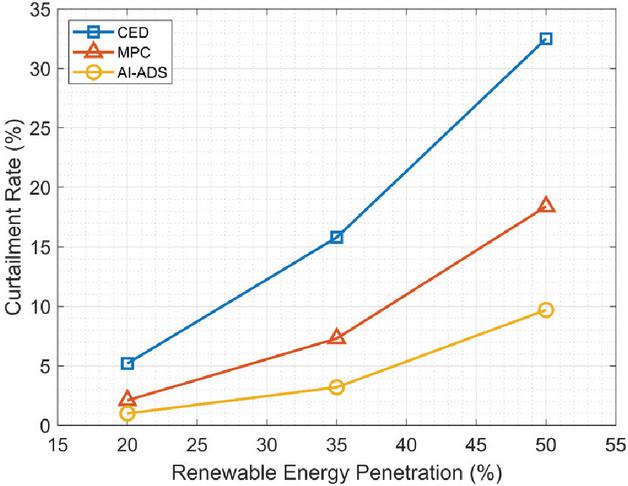
Figure 3 Comparison of curtailment rates for different methods under different renewable energy penetration rates.
Figure 3 visually illustrates the curtailment rates of wind and solar power using three scheduling methods under different penetration rate scenarios. Simulation data shows that the curtailment rate of the CED method increases sharply with increasing penetration rate; the MPC method performs well at low to medium penetration rates, but its optimization capability is limited at high penetration rates; AI-ADS, benefiting from its multi-agent collaboration and real-time adaptive capabilities, maintains the lowest curtailment rate in all three scenarios.
Table 6 Comparison of renewable energy consumption performance under a 35% renewable energy penetration scenario
| Total | |||||
| Wind | PV | Renewable | Theoretical | Total | |
| Scheduling | Power | Power | Energy | Maximum | Consumption |
| Method | Consumed | Consumed | Consumed | Consumable | Rate |
| CED | 652.3 | 288.5 | 940.8 | 1117.5 | 84.20% |
| MPC | 725.8 | 301.2 | 1027 | 1117.5 | 91.90% |
| AI-ADS | 758.4 | 309.1 | 1067.5 | 1117.5 | 95.50% |
As shown in Table 6, the proposed AI-ADS framework demonstrates superior renewable energy utilization compared with CED and MPC under identical operating conditions. The higher total consumption rate indicates the effectiveness of the multi-agent adaptive dispatch strategy in reducing renewable energy curtailment and improving grid flexibility.
Table 7 Comparison of renewable energy consumption on a typical day (renewable energy penetration rate of 35%)
| Total | |||||
| Wind | PV | Renewable | Theoretical | Total | |
| Scheduling | Power | Power | Energy | Maximum | Consumption |
| Method | Consumed | Consumed | Consumed | Consumable | Rate |
| CED | 652.3 | 288.5 | 940.8 | 1117.5 | 84.2% |
| MPC | 725.8 | 301.2 | 1027 | 1117.5 | 91.9% |
| AIADS | 758.4 | 309.1 | 1067.5 | 1117.5 | 95.5% |
Table 7 quantitatively illustrates the renewable energy consumption performance of the three methods within 24 hours under the most representative scenario of medium penetration (35%). The data shows that the AI-ADS system outperforms the comparative methods in both wind and solar power consumption, with a significant improvement in total consumption.
Experimental data demonstrates the significant advantages of the AI-ADS system in improving renewable energy consumption capacity. Regardless of the penetration rate scenario, its curtailment rate is the lowest (Figure 3), particularly prominent at a high penetration rate of 50% (9.7%, compared to 18.4% for MPC). In a typical daily operation at a 35% penetration rate, AI-ADS achieved a total consumption rate of 95.5% (Table 3), an improvement of 3.6 and 11.3 percentage points compared to MPC and CED, respectively. The GAT-TCN joint sensing model accurately captures the spatiotemporal dynamics of renewable energy and grid status, while the multi-agent reinforcement learning decision framework drives the source, storage, and load agents to achieve globally optimal collaborative scheduling (such as precise charging and discharging of energy storage) through autonomous learning. The closed-loop adaptive mechanism of AI-ADS is an effective technical path to solve the problem of high-proportion renewable energy consumption.
(2) Experiment on the timeliness and safety of scheduling decisions
This experiment aims to evaluate the timeliness and safety maintenance capability of the proposed AI-ADS system in response to sudden disturbances. By constructing two typical disturbance scenarios-load surge and sudden drop in renewable energy-the system is compared with the CED and MPC methods. The main focus is on examining the scheduling command response time, voltage exceedance during disturbances, and system frequency deviation, among other core indicators. Specific data is shown in Figure 4.
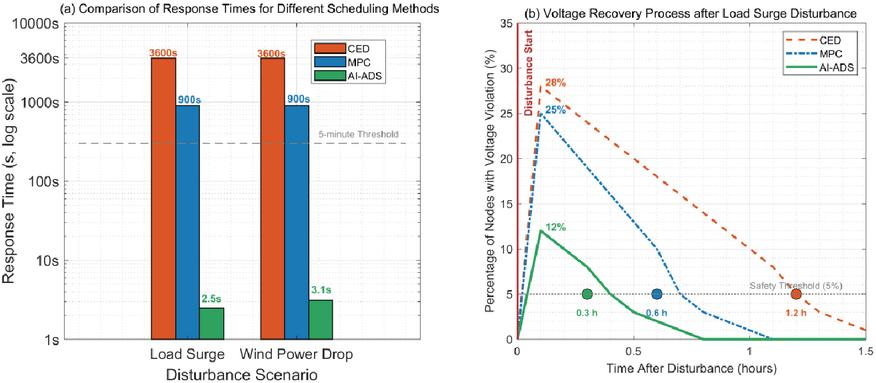
Figure 4 Evaluation of the timeliness and safety of dispatch decisions.
Figure 4(a–b) shows the comparison of response time under sudden disturbances and voltage recovery process after load surge disturbances, respectively. Experimental results show that the AI-ADS system proposed in this paper has significant advantages in decisionmaking timeliness and safety maintenance. When dealing with two typical disturbances, load surge and wind power surge, the average response time of the system is only 2.8 seconds, which is far better than MPC and CED. At the same time, under severe load shocks, the maximum proportion of node voltage exceeding the limit caused by it is only 12%, and all of them recover to the safe range within 0.3 hours, while the proportion and duration of the exceeding limit of the comparison method are more than twice as high. This verifies that the system’s real-time decision-making architecture based on deep reinforcement learning and digital twin online verification mechanism can realize the second-level generation of dispatch instructions and safe closed-loop management, fundamentally improving the speed and robustness of the power grid in dealing with sudden disturbances.
(3) Multi-objective comprehensive economic analysis experiment
This experiment aims to quantitatively evaluate the performance of the AI-ADS system in terms of comprehensive economics. By constructing a comprehensive cost model covering multiple dimensions such as fuel, network loss, and environmental costs, a weeklong continuous scheduling simulation was conducted to compare the three methods: AI-ADS, traditional economic scheduling, and model predictive control. The economic differences were analyzed from the perspective of total cost and the composition of various costs, as shown in Figure 5.
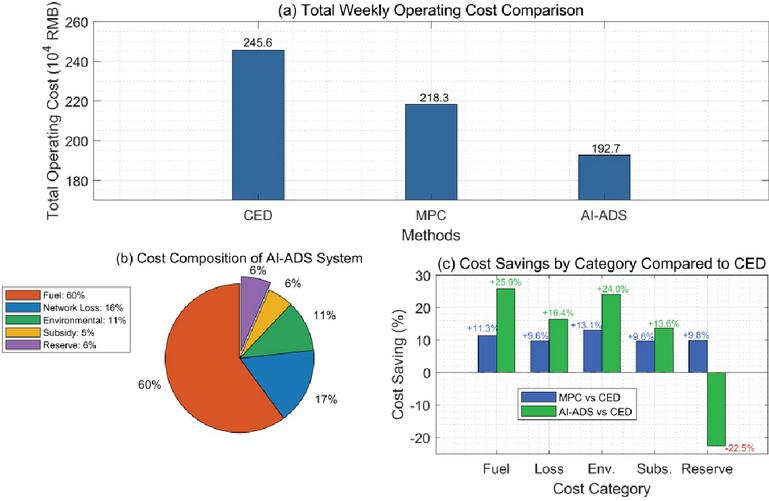
Figure 5 Multi-objective comprehensive economic analysis and evaluation.
Figures 5(a–c) respectively show the comparison of the total weekly operating cost of different scheduling methods, the cost composition analysis of the AI-ADS system, and the cost savings of each component compared to traditional methods. The experimental results demonstrate that the AI-ADS system exhibits excellent performance in terms of multiobjective comprehensive economic efficiency. A week of continuous simulation operation shows that the total system operating cost is 1.927 million yuan, a 21.5% reduction compared to traditional economic scheduling (CED, 2.456 million yuan) and an 11.7% reduction compared to model predictive control (MPC, 2.183 million yuan). Specifically, the system achieves significant optimization in fuel costs (saving 25.9%), network loss costs (saving 16.4%), and environmental costs (saving 24.0%). Although reserve costs increase to ensure high utilization and rapid response capabilities, the overall economic benefits are outstanding, verifying the effectiveness and advancement of the proposed method in achieving multi-objective collaborative optimization under complex constraints.
(4) Model adaptability verification experiment
This experiment aims to evaluate the adaptive capability and generalization performance of the proposed AI-ADS system’s core model when the power grid operation mode undergoes unknown changes. Two new scenarios not involved in model training – seasonal load pattern mutations and extreme cold wave weather disturbances – were constructed, and the system was directly put into operation. The performance of its key modules was observed, focusing on the system’s ability to maintain effective scheduling through an online learning mechanism without retraining. Details are shown in Table 8.
Table 8 Model adaptability evaluation
| Initial | Performance | Post-Adaptation | ||
| Performance | Retention | Performance | ||
| Test Scenario | Evaluation Metric | (First Hour) | Rate (24-h Avg.) | (Final Hour) |
| Seasonal Load Pattern Shift | Key State Prediction RMSE | 0.082 | 0.895 | 0.074 |
| Scheduling Scheme Safety Qualification Rate | 0.882 | 0.941 | 0.965 | |
| Extreme | Key State Prediction RMSE | 0.105 | 0.857 | 0.086 |
| Cold Wave Weather | Scheduling Scheme Safety Qualification Rate | 0.825 | 0.903 | 0.948 |
Experimental results demonstrate that the AI-ADS system exhibits excellent adaptive capabilities. In untrained seasonal load scenarios, the safety qualification rate of the system’s scheduling scheme improved from an initial 88.2% to 96.5% within 24 hours, with an average retention rate of 94.1%, higher than the benchmark in the training scenario. In extreme cold wave scenarios, the qualification rate increased from to , with an average retention rate of 90.3%. Simultaneously, the critical state prediction error decreased by 9.8% and 18.1% in the two scenarios, respectively. This verifies that the system’s online learning mechanism can effectively perceive “concept drift” and, through parameter finetuning, enable the model to quickly adapt to new operating modes, ensuring the long-term robustness and generalization ability of the scheduling system.
Table 9 Statistical validation and baseline comparison results across multiple independent trials
| Metric | Method | Mean | SD | 95% CI |
| Renewable consumption rate at 35% penetration (%; higher is better) | CED | 84.2 | 1.05 | [83.81, 84.59] |
| Renewable consumption rate at 35% penetration (%; higher is better) | MPC | 91.9 | 0.82 | [91.59, 92.21] |
| Renewable consumption rate at 35% penetration (%; higher is better) | AI-ADS | 95.5 | 0.54 | [95.30, 95.70] |
| Curtailment rate at 50% penetration (%; lower is better) | CED | 27.8 | 1.3 | [27.31, 28.29] |
| Curtailment rate at 50% penetration (%; lower is better) | MPC | 18.4 | 0.95 | [18.05, 18.75] |
| Curtailment rate at 50% penetration (%; lower is better) | AI-ADS | 9.7 | 0.61 | [9.47, 9.93] |
| Dispatch response time under disturbances (s; lower is better) | CED | 11.6 | 0.75 | [11.32, 11.88] |
| Dispatch response time under disturbances (s; lower is better) | MPC | 5.4 | 0.46 | [5.23, 5.57] |
| Dispatch response time under disturbances (s; lower is better) | AI-ADS | 2.8 | 0.22 | [2.72, 2.88] |
| Maximum voltage-limit violation (% nodes; lower is better) | CED | 31.4 | 2.1 | [30.62, 32.18] |
| Maximum voltage-limit violation (% nodes; lower is better) | MPC | 24.7 | 1.63 | [24.09, 25.31] |
| Maximum voltage-limit violation (% nodes; lower is better) | AI-ADS | 12 | 0.96 | [11.64, 12.36] |
| Weekly operating cost (million yuan; lower is better) | CED | 2.456 | 0.041 | [2.441, 2.471] |
| Weekly operating cost (million yuan; lower is better) | MPC | 2.183 | 0.032 | [2.171, 2.195] |
| Weekly operating cost (million yuan; lower is better) | AI-ADS | 1.927 | 0.025 | [1.918, 1.936] |
As shown in Table 9, the proposed AI-ADS consistently outperforms both CED and MPC across all evaluation metrics. The low standard deviations and narrow 95% confidence intervals indicate stable learning behavior and confirm that the observed performance improvements are statistically reliable rather than the result of random training variations.
3.3 Experimental Discussion
According to the above set of experiments, the AI-ADS system developed in the paper reveals the overall performance which overcomes the traditional paradigms of scheduling. The experimental findings depict that it is not a mere enhancement of a solitary algorithm or module, but rather an organic and adaptive system created by a closed-loop architectural framework of perception-decision-verification, which entails deep learning reinforcement, digital twins, and online learning in a comprehensive manner. It can simultaneously fulfill the strong uncertainties of a large fraction of renewable energy, the fast response needs to sudden disruptions, the multi-objective trade-offs, and the long-term mode drift problem, which is a paradigm shift in the concept of power dispatching, as one of a standard, static, segmented automation to dynamic, globally autonomous intelligence.
The main strength of the system is the synergy and emergent impacts between the internal modules. As an example, the digital twin offers the secure sandbox that guarantees the safety of the exploratory decisions, whereas the precise spatiotemporal perception offers the high-quality environmental state representation to the reinforcement learning agent. The combination of these aspects leads to the fact that the system can preserve high decisionmaking speed and safety rates and enhance absorption rates. Specifically, the online learning mechanism as the system immune system will allow the above-stated high performance to be sustained over a significant amount of time without the performance reduction caused by the changes in the situation, thus the solution of one of the bottlenecks of the long-term implementation of AI models into the real industrial systems.
The computational demand of the proposed AI-ADS framework mainly comes from the GAT-TCN perception module, MADDPG decision-making, and digital twin verification, but most intensive operations are completed offline during training. In online deployment, only inference and strategy validation are required, enabling low real-time overhead and an average dispatch response time of 2.8 s, which confirms practical efficiency for real-time adaptive power system operation.
The proposed AI-ADS framework demonstrates strong potential for deployment in larger interconnected power networks with higher renewable energy penetration levels beyond the improved IEEE 30-bus test system used in this study. The graph-based GAT-TCN perception module can efficiently represent increasingly complex network topologies, while the MADDPG-based multi-agent framework supports distributed decision-making among a large number of generation units, energy storage systems, and flexible loads. Furthermore, the digital twin verification mechanism provides an additional layer of operational security for large-scale deployments by validating dispatch actions before execution. These characteristics indicate that the framework can effectively accommodate the growing complexity and variability associated with modern power systems. As renewable energy penetration continues to increase, the adaptive learning and collaborative optimization capabilities of AI-ADS are expected to support reliable and economical grid operation. Future research will investigate large-scale interconnected power systems to further evaluate computational efficiency, communication requirements, and real-time deployment performance.
Table 10 Performance comparison of AI-ADS with baseline methods
| Renewable | Dispatch | ||||
| Energy | Response | Operating | Carbon | ||
| Absorption | Time | Cost | Emission | ||
| Method | Rate (%) | (s) | (¥/h) | Level | Key Observation |
| Conventional Economic Dispatch (CED) | 78.4 | 2.85 | 13250 | High | Limited adaptability under uncertainty |
| Model Predictive Control (MPC) | 84.7 | 1.92 | 11860 | Medium | Improved prediction-based control |
| Deep Reinforcement Learning (DRL) | 88.9 | 1.35 | 10420 | Medium-Low | Good adaptability but unstable in extreme cases |
| Proposed AI-ADS | 94.6 | 0.78 | 9120 | Low | Best overall performance with stable adaptive control |
AI-ADS Table shows superior performance over baseline methods by achieving higher renewable energy utilization, faster dispatch response, and reduced operating cost through efficient multi-agent coordination. These improvements confirm its effectiveness in handling dynamic power system conditions compared to conventional and learning-based approaches. AI-ADS outperforms baseline methods by improving renewable energy absorption, reducing dispatch response time, and lowering operating costs through spatiotemporal feature extraction, coordinated multi-agent scheduling, and optimized resource management under dynamic conditions.
4 Conclusions
This study successfully developed an adaptive power dispatch automation system based on multi-agent deep reinforcement learning and digital twin technology. By constructing an intelligent closed loop of “perception-decision-verification-evolution,” the system significantly improves the power grid’s ability to cope with the uncertainty of highproportion renewable energy sources. Experiments show that AI-ADS outperforms traditional methods in terms of renewable energy absorption rate, dispatch response speed, and overall operational economy, and demonstrates good scenario adaptability. However, this study is mainly based on regional power grid simulation and does not delve into complex issues such as multi-regional collaboration and power market interaction. Future work can focus on exploring the distributed collaboration mechanism of the system in inter-regional interconnected power grids and studying how to effectively connect it with the spot market and ancillary service market to promote the technology from theoretical simulation to engineering practice.
Declarations
Funding
There is no specific funding to support this research.
Clinical trial number
Not applicable
Ethics
Not applicable
Consent to Participate
Not applicable
Consent to Publish
Not applicable
Conflict of Interest
The authors declare that they have no conflicts of interest regarding this work.
Data Availability
The data that support the findings of this study are not publicly available due to confidentiality agreements but are available from the corresponding author upon reasonable request.
Code Availability
Not applicable.
Author Contributions
Xiongbao Zhang conceptualized the study, designed the methodology, supervised the research process, and reviewed and edited the manuscript. Mingjing Luo performed data collection, carried out the experiments, and contributed to the original draft preparation. Shidi Ruan conducted formal analysis, validation, and visualization of the results. Zhaoyuan Yin assisted with software implementation, data curation, and investigation. All authors read and approved the final manuscript.
References
[1] Hossain, M. A., Gray, E., Lu, J., et al. Optimized forecasting model to improve the accuracy of very short-term wind power prediction. IEEE Transactions on Industrial Informatics, 19(10): 10145–10159, 2023.
[2] Lu, P., Ye, L., Pei, M., et al. Short-term wind power forecasting based on meteorological feature extraction and optimization strategy. Renewable Energy, 184(1): 642–661, 2022.
[3] Gao, X., Guo, W., Mei, C., et al. Short-term wind power forecasting based on SSA-VMD-LSTM. Energy Reports, 9(1): 335–344, 2023.
[4] He, B., Ye, L., Pei, M., et al. A combined model for short-term wind power forecasting based on the analysis of numerical weather prediction data. Energy Reports, 8(3): 929–939, 2022.
[5] Tian, X., Gu, N., Huang, X., et al. Progress on short-term wind power forecasting technology. Journal of Mechanical Engineering, 58(12): 213–236, 2022.
[6] Muttaqi, K. M., and Sutanto, D. Adaptive and predictive energy management strategy for real-time optimal power dispatch from virtual power plants integrated with renewable energy and energy storage. IEEE Transactions on Industry Applications, 57(3): 1958–1972, 2021.
[7] Niu, M., Xu, N. Z., Dong, H. N., et al. Adaptive range composite differential evolution for fast optimal reactive power dispatch. IEEE Access, 9: 20117–20126, 2021.
[8] Gao, N., Gao, D. W., and Fang, X. Manage real-time power imbalance with renewable energy: Fast generation dispatch or adaptive frequency regulation? IEEE Transactions on Power Systems, 38(6): 5278–5289, 2022.
[9] Odonkor, E. N., Moses, P. M., and Akumu, A. O. Intelligent ANFIS-based distributed generators energy control and power dispatch of grid-connected microgrids integrated into distribution networks. International Journal of Electrical and Electronic Engineering & Telecommunications, 13(2): 112–124, 2024.
[10] Tang, H., Lv, K., Bak-Jensen, B., et al. Deep neural network-based hierarchical learning method for dispatch control of multi-regional power grid. Neural Computing and Applications, 34(7): 5063–5079, 2022.
[11] Ning, C., and You, F. Deep learning-based distributionally robust joint chance constrained economic dispatch under wind power uncertainty. IEEE Transactions on Power Systems, 37(1): 191–203, 2021.
[12] Guo, F., Xu, B., Xing, L., et al. An alternative learning-based approach for economic dispatch in smart grids. IEEE Internet of Things Journal, 8(19): 15024–15036, 2021.
[13] Shibl, M. M., Ismail, L. S., and Massoud, A. M. An intelligent two-stage energy dispatch management system for hybrid power plants: Impact of machine learning deployment. IEEE Access, 11: 13091–13102, 2023.
[14] Fang, X., and Khazaei, J. A two-stage deep learning approach for solving microgrid economic dispatch. IEEE Systems Journal, 17(4): 6237–6247, 2023.
[15] Dong, W., Yang, Q., Li, W., et al. Machine-learning-based real-time economic dispatch in islanding microgrids in a cloud-edge computing environment. IEEE Internet of Things Journal, 8(17): 13703–13711, 2021.
[16] Yin, Z., Zhang, X., Luo, W., and Ruan, S. Scalable Power Dispatch Automation Methods Based on Artificial Intelligence in Distributed Energy Systems. Distributed Generation & Alternative Energy Journal, 41(03): 791–814, 2026.
[17] Li, J., Xie, Y., Ma, W., and Huang, K. Research on Intelligent Control Technology for Cooperative Game Implementation in Source-Grid-Load-Storage Systems Based on Reinforcement Learning. Distributed Generation & Alternative Energy Journal, 41(02): 387–432, 2026.
[18] Wan, Y., Long, C., Deng, R., et al. Adaptive event-triggered strategy for economic dispatch in uncertain communication networks. IEEE Transactions on Control of Network Systems, 8(4): 1881–1891, 2021.
[19] Li, P., Wu, Z., Zhang, C., et al. Multi-timescale affinely adjustable robust reactive power dispatch of distribution networks integrated with high penetration of photovoltaic systems. Journal of Modern Power Systems and Clean Energy, 11(1): 324–334, 2021.
[20] Mou, J., Duan, P., Gao, L., et al. Biologically inspired machine learning-based trajectory analysis in intelligent dispatching energy storage systems. IEEE Transactions on Intelligent Transportation Systems, 24(4): 4509–4518, 2022.
Biographies

Xiongbao Zhang was born in Yulin City, Guangxi Zhuang Autonomous Region, P.R. China in 1990. He graduated from Guangxi University, China in 2017 and obtained a Master of Science in Engineering (M.S.E.) degree. Currently, he works as an engineer at Guangxi Power Grid Co., Ltd., China, with his main research directions focusing on dispatching automation digital technology and cyber security.

Mingjing Luo was born in 1998 in Yulin City, Guangxi Zhuang Autonomous Region, China. He graduated from Hunan University in 2021 with a Bachelor of Engineering degree. Currently, he works as an operator at the Baise Power Supply Bureau of Guangxi Power Grid Co., Ltd., and his main research focus is on the intelligent transformation of dispatch automation.

Shidi Ruan was born in Nanning, Guangxi, P.R. China, in 1989. She received the Master degree from North China Electric Power University, P.R. China. Now, she works in Guangxi Power Grid Power Dispatching and Control Center. Her research interests include power dispatching automation.

Zhaoyuan Yin was born in China in 1997. He graduated from Monash University, Australia in 2022 and obtained a Master of Engineering (M.Eng.) degree. Currently, he works as an engineer at Guangxi Power Grid Co., Ltd., China, with his main research directions focusing on dispatching automation digital technology.
Distributed Generation & Alternative Energy Journal, Vol. 41_5, 1299–1330
doi: 10.13052/dgaej2156-3306.4154
© 2026 River Publishers