Study on the Mechanical Influence of Water Ash Ratio and Sand Ratio on the Compressive Strength of Alkali Excited Concrete
Liang Chen1,* and Yu Tang2
1Chongqing University of Posts and Telecommunications, Chongqing, 400065, China
2Chongqing Jiaotong University, Chongqing, 400074, China
E-mail: chenliang_cqupt@163.com
*Corresponding Author
Received 20 July 2024; Accepted 13 October 2024
Abstract
In this study, the cement-based material system with different water-cement ratio, and studied the cracking behaviour of the early age of concrete material under the joint influence of constraint shrinkage and stress relaxation. The main work and conclusions are as follows: through the mechanical properties test at early age, self-contraction test, The mechanical properties of four different water-cement ratios (0.17,0.26,0.35,0.52) and self-shrinkage with age, Master the law of water-ash ratio affecting the mechanical properties and self-contraction in early age, It covers the difference in the development of high and low water ash than early age, Mainly because the low water cement ratio in the rapid hydration phase will produce a lot of shrinkage strain in the gel material, Which tains plastic contraction that does not cause stress and effective self-contraction that leads to stress generation, The shrinkage development of high water cement material is relatively stable in this stage. The determination of Time-zero is one of the key problems in the calculation of stress in the early age of low water ash ratio materials. Most self-shrinkage of low water ash ratio materials occurs before Time-zero. At this time, mechanism and the calculation of contraction related data, the method proposes the starting point of self-contraction induced stress through the temperature rate, self-contraction rate and self-contraction development curve. In the internal relative humidity is less than 100% greater than 50%, capillary tension is the main contraction driving force, this is the scholar’s consensus, when the relative humidity is less than 50% and more than 11%, surface tension and dismantling pressure into the contraction driving force, when the relative humidity is less than 11%, gel water loss between CSH layers, led to the late contraction. Early self-contraction often occurs at the water loss stage with RH 70% and is mainly explained by capillary tension theory.
Keywords: Concrete material, water-cement ratio, self-shrinkage, cracking, relaxation, finite element simulation.
1 Introduction
With the deepening of China’s infrastructure construction process, the concrete structure form is more and more complex and diversified, and the structural engineering puts forward higher requirements for all aspects widely used in complex new buildings and projects with high strength and durability requirements, etc. The ultra-high-performance concrete has also begun to be used in large Bridges, high-speed railways and projects under special harsh environments [1, 2]. Modern high strength, high performance and high-performance concrete materials usually use lower water glue ratio to ensure material to achieve good mechanical and durability performance, but as the concrete material water glue ratio decreasing, early age cracking phenomenon is more common and serious, has become low water glue than concrete material one of the most noteworthy problems in engineering applications [3]. According to the existing concrete early age cracking related basic theory, early age cracks can be divided according to the following different classification methods, according to the concrete structure type for classification, such as new pouring reinforced concrete column early age transverse cracks, concrete road panel early age crack, building floor early age crack. In bridge engineering, due to concrete shrinkage and other reasons, the crack phenomenon of early age is common, cast-in-place beam, bridge deck, bridge deck pavement layer due to shrinkage or maintenance is prone to penetrating cracks, pier tower column is also easy to cause the internal temperature difference due to hydration heat release early age cracking problem [4, 5]. According to the causes of crack classification, such as temperature cracks, dry shrinkage cracks, load cracks and settlement cracks. Classify according to the characteristics of cracks, such as random cracks, mapping cracks, transverse cracks, longitudinal cracks, angular cracks, etc [6].
According to the crack recovery ability, the cracks in the hardened concrete are divided into early age temporary cracks and permanent through cracks. The temporary cracks tend to close by compression at the end of the cooling period, while the permanent penetration cracks generally do not tend to close with time [7, 8]. Studies show that 80% of the concrete cracks are caused by non-load factors. Early age cracks are produced before the structure bears the maximum load. Most of the research on cracking in early age focuses on how to focus on engineering application, while the research on cracking mechanism and prediction method is not perfect [9]. The internal tensile stress of concrete is caused by many different factors, which can be summarized into two aspects: one is the inherent properties of the material, including mechanical properties, free shrinkage deformation, viscoelastic properties, these properties are closely related to the concrete hydration hardening process, change with the development of age; the second is external factors, including structure size and form, constraint conditions, environmental conditions, etc [10]. Because there are many influencing factors involved in early age cracking and various factors, systematic research is necessary to accurately predict the cracking time of these factors, and comprehensively analyse the dynamic change of material performance in early age is the difficulty in the study of early age cracking. Among them, the most important and inevitable factors are mixing ratio, temperature deformation caused by hydration heat, self-contraction, creep effect and constraints [11]. The cause of most early cracks of concrete structure is that the volume deformation caused by many factors exceeds the tolerable range of itself, and the essence is the result of internal tensile stress caused by contraction deformation under the constraint condition [12, 13]. In the hardening process of concrete, due to the influence of hydration and environment, there will inevitably be shrinkage deformation. In the structure, whether it is the reinforcement constraints, or the external constraints provided by boundary conditions, contraction is bound to be constrained to produce constraint stress [14]. Previous studies have shown that large early age self-shrinkage is the main cause of low water glue cracking than concrete early age cracking. At the same time, concrete is not completely elastic material, and its viscous characteristics cause the continuous deformation inside the material, which makes the actual stress lower than the theoretical calculation value of elasticity, so the early tensile stress of concrete is determined by the superposition of stress relaxation caused by constraint contraction and viscoelasticity [15, 16]. When the actual residual the material. Existing studies show that before 7d after the concrete pouring, the internal stress is caused by the volume change, and the creep strain caused by the stress is opposite to the shrinkage strain, which can relax more than 60% of the tensile stress. Compared with ordinary water glue than cement-based material, low water glue than cement-based material early age hydration process development and microstructure evolution is more complex, macro performance for early age performance changes, more obvious early age shrinkage [17]. Early age cracks may not affect the bearing capacity of the concrete structure in a short time, but the existence of cracks creates a free path for harmful substances, the penetration of chemical substances, carbonization enhancement, and accelerate the corrosion of steel bars in concrete, will lead to the premature deterioration of the structure, reduce the service life of the structure [18, 19].
2 Raw Materials and Test Methods
2.1 Test the Raw Materials and the Mix Ratio
The tensile properties of concrete material are usually obtained by the cracking tensile test. The test method of cracking tensile strength is simple, the data is stable, and the material has a good correlation with the tensile strength of the axial axis. As shown in formula (1), (2), the test machine records the test force-time, the specimen is connected to a displacement meter, two strain pads are pasted in the middle of the two sides, and the displacement / strain-time curve is obtained through the acquisition instrument. The chemical bound water and non-evaporation water quantity in the hydration slurry can be obtained by testing.
| (1) | |
| (2) |
Non-evaporative water remains in the hardened slurry after the D-drying or considerable drying procedure, which is one kind of chemically bound water. The degree of hydration can be estimated by the non-evaporation water. As shown in formulas (3) and (4), this study carried out the non-contact self-shrinkage test of different cement slurry and concrete materials. Lay the PTeflon film inside the mold to eliminate friction, and cover the surface and sealed with plastic film after pouring. The sensor is fixed to the top of the steel die and the position fixed throughout the test.
| (3) | |
| (4) |
The reflection target is placed in the fresh concrete and moves as the concrete shrinks during the test. As shown in Equations (5), (6), adjusted in advance before the test. During the test, the sensor receives the reflected signal and passes the controller to record the change of the relative distance between the two, obtaining the self-contraction from the beginning of pouring to 28d of age.
| (5) | |
| (6) |
The ring restraint shrinkage cracking test is carried out according to the standard method of cement mortar and concrete ring restraint shrinkage cracking test ASTMC1581-04. After the pouring of cement base material, the surface is sealed with plastic wrap to prevent the water exchange between the cementing material and the external environment and placed in the constant temperature laboratory. As shown in formulas (7) and (8), immediately connect the strain acquisition instrument and start the acquisition of strain data. At this stage, the water in the mixture is gradually consumed, the cement slurry gradually solidifies, and the strength of the cementitious material increases rapidly.
| (7) | |
| (8) |
As the basic attribute of engineering materials, mechanical properties usually need to be mastered first. They are in a stage of rapid growth and continuous dynamic development in the early age period, and it is an important parameter to judge the risk of cracking in the early age period. Therefore, the development law of mechanical properties of materials cannot be ignored. At the same time, self-contraction mainly occurs in the early age, as shown in the formulas (9), (10), especially in the low water glue than cement-based material system. The self-shrinkage of the cement base material under the early age constraint state may cause structural cracks and affect the durability of the concrete. In the process of concrete structure design and construction, the self-shrinkage development of concrete should be fully considered, otherwise the risk of concrete structure cracking may occur.
| (9) | |
| (10) |
2.2 Mechanical Properties Test Method
Four kinds of water-cement ratio from high to low (0.52,0.35,0.26,0.17) were selected, and reliable mechanical performance indexes were obtained by carrying out mechanical performance tests, and the development rules of mechanical properties of cement-based materials under different water-cement ratios were summarized. The formula for predicting the mechanical properties of early age is determined, as shown in Equations (11) and (12), which can be used to fit / predict the compressive, compressive resistance and elastic modulus development of each cement-based material with water-cement ratio. The above results provide critical data for cracking stress calculation and cracking risk analysis.
| (11) | |
| (12) |
By conducting the shrinkage performance test, get different water ash than cement base material of early age since the contraction development curve, comparing the high and low water ash than since the contraction of development, combined with the early age hydration process since the shrinkage mechanism and characteristics of different stages of development, put forward the method of shrinkage zero, make important bedding for cracking stress calculation research. Some suggestions for use and correction are put forward. As shown in Equations (13) and (14), the age by the fastest growth rate before 3d, then the growth rate slows down, and the mechanical performance index gradually stabilizes after 7d.
| (13) | |
| (14) |
0.17 The water ash ratio is special. Due to the large amount of water reducing agent, the retarding effect is obvious, and the development starting point of mechanical performance index is late. The hydration reaction begins after the cement makes contact with water, and the most rapid stage is before 3d. The main source of the strength of the C-S-H gel generated by the hydration reaction, as shown in Equations (15) and (16), the constantly generated hydrated products fill the gap in the concrete, making the microstructure gradually become dense, the solid phase products are constantly cross-linked and lap, the flow plasticity of the cementing material is gradually lost, and the condensation hardening is experienced to obtain the strength.
| (15) | |
| (16) |
The compressive strength of concrete is usually one of the first developed mechanical properties developed in early age. Compared with the compressive strength, the growth rate of the tensile strength and elastic modulus of concrete is slower. At early age, microcracks and capillary holes in concrete can lead to low tensile strength and elastic modulus. As shown in formulas (17) and (18), over time, the growth and condensation of cement stone will fill these small holes.
| (17) | |
| (18) |
There is a relationship between mechanical properties at early age, therefore, it can be predicted or fitted based on the same model. Put forward the relationship between the compressive strength and other mechanical properties, due to a lot of tests to obtain all mechanical property parameters, the compressive strength test method is simple, good stability, as shown in (19), (20), estimate the tensile strength and elastic modulus based on the test condition development of mechanical properties. The mechanical performance index obtained by this method may have less than 20% error, and the most accurate method is still obtained by direct testing.
| (19) | |
| (20) |
3 Analysis of Orthogonal Test of Particulate Concrete
3.1 Sge Arrangement and Paste
The mechanical properties of the whole age are required in cracking prediction. Therefore, based on the points determined by the test, the mature strength development model is used to regout the key parameters of the model, so as to presume the mechanical properties value of the whole age. The development of mechanical properties model considering the initial stress time is important for the accurate calculation of effective stress and cracking determination [20]. In the condition of measuring the mechanical properties indexes of specific age, the specific relationship curve of mechanical properties developed over time for the stress calculation in early age cracking; the self-shrinkage of cement base material is obtained from the non-contact self-contraction test in the sealed state. In the engineering structure, most of the concrete is in the state of the outer concrete, and the early age plays a leading role from the shrinkage, especially the low water ash ratio than the concrete, which is the main cause of early age cracking [21, 22]. To exclude the effect of drying, testing under sealing conditions. Figure 1 is the simulation model diagram of the mechanical properties of concrete materials. The drastic temperature change and self-shrinkage volume deformation are due to the rapid hydration reaction, the hydration and self-contraction of cement [23, 24]. In order to study the development law of shrinkage deformation in the early age of different water-ash ratio, the material systems used in this paper were tested by non-contact shrinkage test, the shrinkage deformation value within 28d was tested, and the temperature and relative humidity inside the cement base material were tested simultaneously. The shrinkage of cement-based material in the super early stage is the deformation characteristic of expansion and then contraction [25, 26].
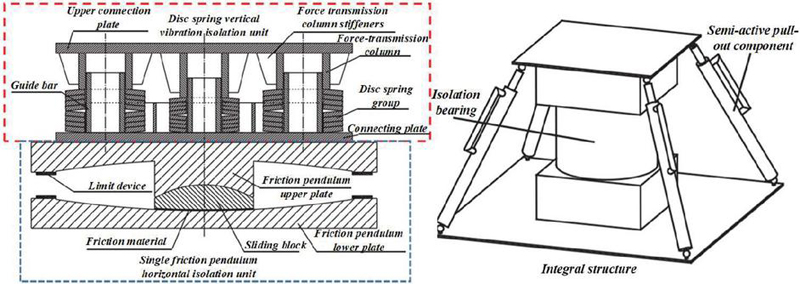
Figure 1 Simulation model diagram of the mechanical properties of concrete materials.
This is due to the plastic flow state of the newly poured cement base material. Under the condition of free deformation, plastic settlement and lateral expansion occur. Under the comprehensive effect of chemical contraction and temperature deformation associated with the hydration reaction, its macroscopic performance is the influence of temperature deformation decreases, and the self-contraction gradually increases and becomes the leading role of volume deformation [27, 28]. The deformation curve measured in the test actually includes three parts: self-contraction, plastic deformation and temperature deformation. It can be seen from the development of the curve that the high and low water ash ratio presents different development characteristics than the cementitious material. For clean slurry specimens, 0.17 and 0.26 water ash ratio have the characteristics of self-shrinkage development of low water ash ratio, and 0.35 and 0.52 water ash ratio have the characteristics of high-water ash ratio [29, 30]. For concrete specimens, 0.26 water-cement ratio and low water-cement ratio system has the characteristics of self-shrinkage development of high water-cement ratio, and 0.26 is roughly the critical water-cement ratio with the characteristic difference of self-shrinkage curve. The low water ash ratio system develops rapidly during the rapid hydration reaction phase, and the average contraction rate of A-1 reaches 84.46/h at 4 to 52 h, and the average contraction rate of A-2 reaches 26.58/h at 0 to 24 h, which is the fastest developing stage in the whole contraction curve. The total shrinkage of the high water-ash ratio system is not obvious at this stage. The self-contraction in the hydration exothermic stage is mainly the chemical contraction caused by the rapid hydration reaction. At this time, the material is in the condensation process and changes from flow plastic state to solid state, and the chemical contraction is almost completely transformed into self-contraction. After the hydration reaction enters the stable period, the shrinkage rate of the cemented material decreases sharply. Figure 2 shows the simulation model of concrete microstructure. At the end of the hydration heat release peak, the relative humidity has begun to decrease, and this stage is not easy to distinguish from the next stage. A-2 and C-1 curves are obvious in this stage, and the contraction rate decreases from 638/d, 2211.76/d to 20.04/d, 46.67/d respectively. It is mainly due to the decrease of chemical contraction rate, at this stage, the hydration products gradually overlap each other to form a skeleton, which can also resist part of the deformation, and the reactants are consumed to form internal pores. After the relative humidity begins to decline, the shrinkage enters a new stage. At this stage, there is no big difference in the self-shrinkage development rate of high and low water ash ratio specimens, and even the shrinkage rate of some lower water ash ratio materials is slightly higher than that of higher water ash ratio materials. This is due to the fact that the slurry has formed a stable skeleton, further limiting the macroscopic deformation.
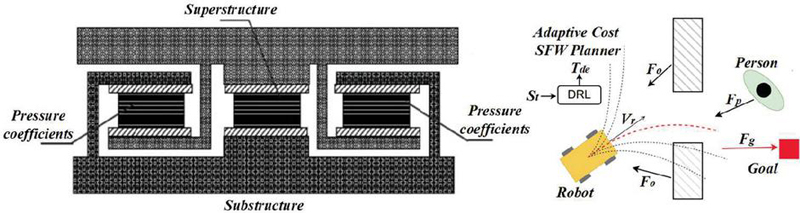
Figure 2 Simulation model diagram of concrete microstructure.
For cement-based materials with low water-cement ratio, because the curvature radius of the crescent surface in the pore is smaller, it will produce greater negative pressure, but at the same time, the slurry strength is higher and the deformation resistance is stronger. The macro contraction at this time is the strength of the slurry skeleton “force” to resist “the negative capillary pressure. By embedding the temperature and humidity sensor in the parallel specimen, the internal temperature and relative humidity changes of cement-based materials in the early age were measured simultaneously, and the development law of temperature and humidity in the early age and the influence of water ash ratio on the change of temperature and humidity were mastered, providing data support for the subsequent research and analysis. The development of the internal temperature of cement base material with time is as follows: with the rapid hydration reaction in the beginning of pouring, the hydration heat release rate is higher than the heat dissipation rate, and the temperature curve rises. When the rapid heat release period ends, the temperature drops and gradually tends to the ambient temperature. including physical binding water, capillary water or free water. The water involved in the hydration reaction of the cement exists in the form of chemical binding water; Some part exists in the pores, including physical binding water, capillary water or free water, which determines the internal relative humidity of the material; Under sealing conditions, the water is not lost into the air. Hydration water consumption and water diffusion make the relative humidity of concrete with the age of the relative humidity saturation period of 100%, the saturation state lasts for a period of time are the humidity decline period, the relative humidity begins to decline for the critical time of the two stages. The critical time of relative humidity of cement or concrete materials with different water cement ratio shows a regular advance with the decrease of water cement ratio. At the beginning of condensation, because the water in the concrete is sufficient, the liquid water in the pores is connected to form a continuous network, so the relative humidity in the concrete is close to 100%. The internal relative humidity of the cemented material begins to decline earlier because the water content is small, the hydration water consumption rate is faster, and the pores generated are thinner, so the free water in the pores will be consumed in a short time, so as to reach the critical time faster.
3.2 Cube was Used for Compressive Strength Analysis
In most of the current studies, the difference between the contraction start point and the stress start point is often ignored. This is due to in the high-water ash ratio system, the starting point of the initial contraction, which is similar to water cement than 0.17 has been greatly self-contracted in 1d, while the material is still in the flow plastic state, and it will appear extrusion deformation with finger pressing, which does not have the bearing capacity. This indicates that the contraction starting point and the TZ time cement is mixed with water to form a plastic slurry. With the hydration reaction, the slurry begins to lose plasticity, the hydration reaction continues, and the slurry completely loses plasticity. Before the initial coagulation, the contraction caused by capillary pressure, settlement movement, chemical contraction at early age and self-contraction is called plastic contraction. It is further subdivided into four stages. Plasticity sedimentation–effluent contraction-auto contraction–secondary plastic contraction. In the early stages of the plastic phase, changes in volume do not lead to stress development under constraints. To avoid underestimating or overestimating super-early contractile strain, it is necessary to determine the time at which the material begins to generate internal stress, distinguishing the ineffective contractile strain that does not cause any significant internal tensile stress from the effective contractile strain that causes important internal tensile stress. Figure 3 shows the prediction model of alkali inspired concrete, the heat release rate keeps increasing; the hydration rate reaches the maximum; CH oversaturation degree decreases; solid phase increase and porosity in the hydration system decrease; the cement base materials gradually show hardening characteristics, both initial and final coagulation occur in this period. At this stage, the material gradually has the bearing capacity. After the chemical shrinkage, some convert into pores, and some into macro shrinkage. Temperature rate and shrinkage rate of different water-cement ratio net slurry and concrete specimens. The hydration acceleration period of common water ash ratio system is 4–8 h, A-1 acceleration period is 23 h, A-2 acceleration period is 9 h, and C-1 acceleration period is 11 h, which belongs to the category of low water ash ratio. The acceleration period of other specimens is less than 8 h, which is consistent with the high and low water ash ratio results divided according to the characteristics of the self-contraction curve.
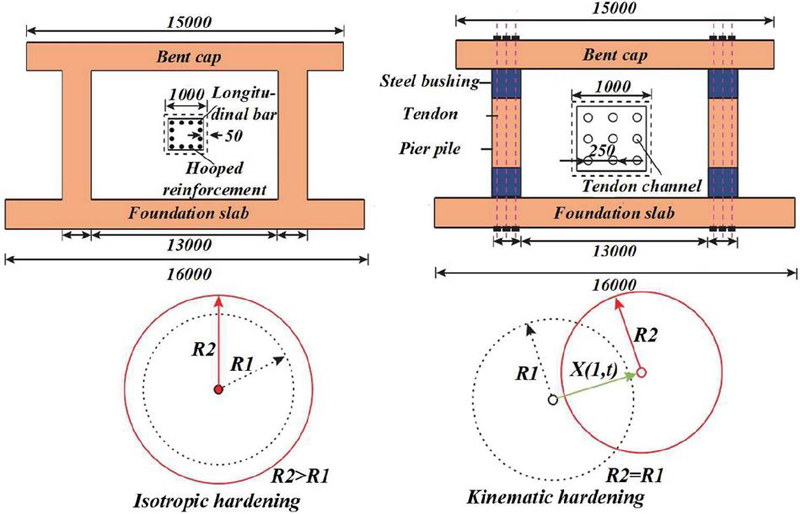
Figure 3 Architecture diagram of the compressive strength prediction model of alkali-inspired concrete.
C-3 acceleration phase end time close to the starting point of contraction, A-3, A-4, C-2, C-4 acceleration phase at the end of the macro contraction has not started, and the acceleration phase contraction rate curve is greatly affected by the temperature change, the test measured the contraction rate contains expansion strain rate caused by hydration heating, is not completely equivalent as caused by the chemical contraction rate, contraction rate curve is not significant, not directly through the contraction rate curve accurate judgment TZ. Moreover, the test method of embedded temperature and humidity sensor does not provide adiabatic conditions, which is not used to test the hydration heat release test, and the hydration heat release curve cannot be accurately obtained. The temperature rate curve measured in some specimens is not significant, and choosing the starting point or end point of acceleration period as TZ may cause the unsafe stress calculation of shrinkage cracking, so the judgment of TZ with high water-cement ratio material may not be accurate. The initial setting time of low water cement ratio cement base material is significantly later than the starting time of contraction. Figure 4 shows the evaluation diagram of concrete compressive strength and material composition. Development and relaxation of early age, the starting point of self-contraction can be taken as the starting point of stress calculation for safety calculation. Through the analysis of the internal temperature and humidity curve of the shrinkage curve and the corresponding material, the formation mechanism of the shrinkage in different stages is gradually clear. In order to further study the self-shrinkage model and the cracking stress calculation of the shrinkage, the shrinkage in the early age period is divided according to the development characteristics and formation mechanism of plastic contraction, condensation and the stable development stage of the shrinkage model, it can provide a reference for the material early age during the lack of the shrinkage test conditions.

Figure 4 Evaluation diagram of the ratio of concrete compressive strength to material composition.
4 Study on the Mechanical Influence of Water Ash Ratio and Sand Ratio on the Compressive Strength of Alkali Excited Concrete
The essence of the empirical model is the empirical formula derived from the regression analysis of the trial data. Such models are usually built on large amounts of experimental data and can more accurately describe the self-contraction behavior of cement-based materials. The disadvantage is the weak interpretation of the self-contraction mechanism. The mechanism model is based on the microstructure of the cement-based material and the chemical reaction mechanism to predict the self-contraction behavior of the material. Such models usually require more parameters and calculations, but have higher predictive accuracy and explanatory power. Mult mechanism models contain complex parameters, such as the hydration kinetic model and C. Hua model. Figure 5 is the evaluation diagram of the compressive strength test results of concrete. The shrinkage integration model proposed based on the capillary negative pressure theory uses water ash ratio and relative humidity characterization, which has theoretical research significance, has been widely recognized and has the feasibility of popularization and application. According to the characteristics of relative humidity change, the contraction is divided into two stages: relative humidity satiety (RH 100%) and relative humidity drop period (RH 100%). The contraction mechanism of the two stages is different, and the calculation method is proposed respectively.
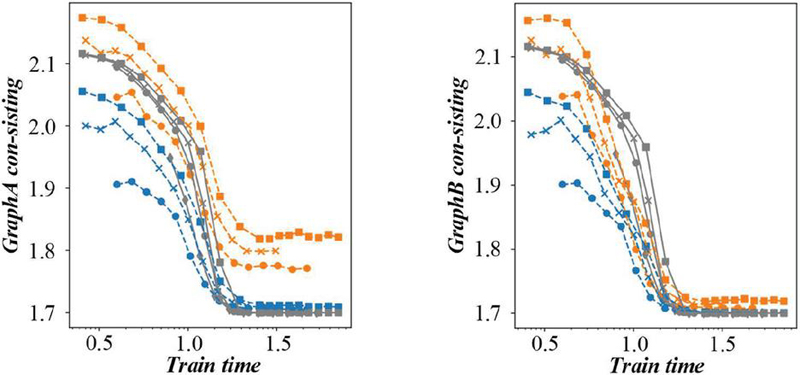
Figure 5 Evaluation diagram of concrete compressive strength test results.
In the period of saturation period of relative humidity, macroscopic self-contraction is dominated by chemical contraction, and in the non-saturation period of relative humidity, whether it is self-contraction caused by self-drying or drying contraction caused by water diffusion, its essence is the contraction caused by the decrease of concrete internal humidity and the negative pressure of pores. TGA test hydration degree of cement slurry. The degree of hydration gradually increased with the increase of age, and the growth rate was the largest in the first 3d. 0.170.523d hydration degree to 45%–66%. Later, the hydration rate decreased rapidly, the degree of hydration was not obvious, and the degree of 28d was 56%–80%. The three-parameter model of exponential form was used to fit the test results, and Tazawa model, CESAR model and CEB-FIP model were used to predict and fit the self-shrinkage shrinkage model to predict the cement net slurry and the self-shrinkage of concrete. Table 1 is the risk evaluation of cracking, and the self-contraction model only describes the individual effect of self-contraction. The data measured in the test include plastic settlement deformation and thermal strain caused by temperature change, so the test curve should be treated. Accurate self-contraction development curves are obtained from total contraction excluding temperature strain and discarding the plastic expansion segment. Tazawa The model can directly fit the concrete in the range of 0.2–0.5, and the prediction effect is good.
Table 1 Cracking risk evaluation
| The Specimen | Cracking | Average Stress | |
| Number | Time | Development Rate | Cracking Risk Level |
| A-1 | 15.96d | 0.232 | Medium to high cracking risk |
| A-2 | 2.08d | 0.758 | High cracking risk |
| A-3 | 2.99d | 1.730 | High cracking risk |
| A-4 | 15.91d | 0.127 | Low and medium cracking risk |
| C-1 | 8.70d | 0.695 | High cracking risk |
| C-2 | 3.83d | 0.674 | High cracking risk |
| C-3 | 12.79d | 0.194 | Medium to high cracking risk |
| C-4 | 18.79d | 0.168 | Low and medium cracking risk |
The final self-shrinkage of 0.17 water-cement ratio concrete is 902.74, unable to fit the full shrinkage curve, and starting from TZ time, it is found that the shrinkage model only reflects the effective deformation of concrete after condensation, which further proves. Figure 6 is the evaluation diagram of the compressive strength of concrete by the alkali excitation agent content, which obviously cannot be used to predict the self-shrinkage of the net slurry, because the self-shrinkage of the same water-cement ratio is much greater than that of concrete.
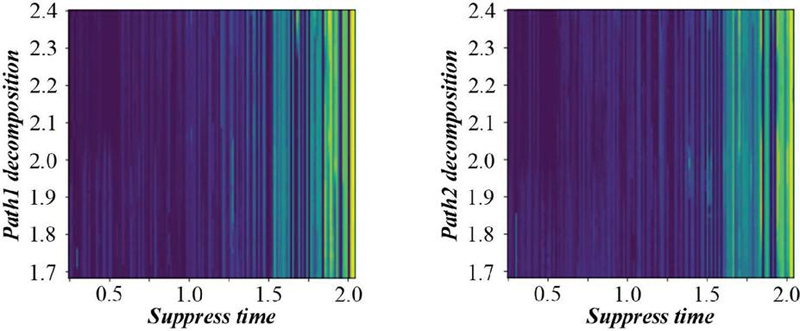
Figure 6 Evaluation diagram of alkali excitation content on compressive strength of concrete.
When the CESAR model based on hydration needs to determine the contraction value of 28d through tests. After calculation, it is found that the curve matching effect is not good, because the hydration degree is directly related to chemical contraction, but the chemical contraction cannot be fully converted into self-contraction after the initial coagulation. The model is relatively simple to consider the mechanism of self-contraction. It can be seen that the calculation results of the model are well consistent with the test value. The prediction model with relative humidity as the contraction driving force can not only be used to predict the self-contraction of concrete materials, but also apply to the cement slurry, and can well show the development characteristics of self-contraction in stages. This model can be used for the simulation and cracking calculation of premature age shrinkage of cement-based material, but there is still some limitations and room for further correction. First of all, the model needs to test the humidity inside the cement-based material in early age, and ensure the accuracy of the relative humidity test results, especially the critical time of humidity drop. Second, for the relative humidity saturation section since the contraction prediction deviation, relative humidity saturation stage contains different hydration reaction period, cement base material experienced condensation and skeleton formation process, so the stage of material stiffness coefficient is not fixed coefficient, related to hydration reaction and microstructure, macroscopic can be used over time growth of material stiffness itself. Table 2 shows the time of contraction onset and TZ, After comparing the four self-contraction models, The following suggestions are given: Need to obtain 28d compressive strength using the MC2010 model, Use to predict will significantly underestimate the self-contraction; The other three models also require trial value fitting; The CESAR model built based on the degree of hydration is required to determine the 28-d shrinkage value and the degree of hydration, Due to the insufficient consideration of the self-contraction mechanism, The deviation between the prediction results and the actual curve morphology is relatively large.
Table 2 Comparison of contraction start time and Tz time
| Material | Shrink | Acceleration Phase of the | |
| Number | Time/h | Hydration Reaction at/h | Time-zero/h |
| A-1 | 8 | 28–51 | 41 |
| A-2 | 3 | 2–11 | 6 |
| A-3 | 8 | 4–12 | 8 |
| A-5 | 15 | 5–12 | 15 |
| C-1 | 7 | 15–26 | 23 |
| C-2 | 18 | 3–10 | 18 |
| C-3 | 12 | 2–10 | 12 |
| C-5 | 16 | 5–9 | 16 |
The shrinkage integration model is highly theoretical, and the prediction results of RH falling segment are good, which can be predicted by the relative humidity test results. The prediction formula of RH saturation segment needs to be further studied and corrected. For concrete materials with short relative humidity saturation period, the model can be directly predicted and used for cracking risk assessment. Explore the mechanical properties and self-shrinkage differences of cement net slurry and concrete under the same water-cement ratio, and study the influence mechanism of aggregate, which can provide some basis for the establishment of shrinkage cracking mechanism from the fine level. The mechanical and shrinkage properties of age-based cement are significantly affected by the water-cement ratio. For low water ash ratio system, early age since the contraction development presents obvious differences, mainly lies in low water cement than gel material in rapid hydration stage will produce a lot of shrinkage strain, including the plastic shrinkage does not cause stress and lead to effective stress from contraction, and high water cement than gel material in the stage of shrinkage development is relatively stable, this is because low water cement than gel cement dosage, super early hydration reaction is more intense. Most of the self-contraction of low water ash ratio occurs before Time-Zero, when the material is still in a plastic state, and the constraint contraction will not cause internal stress. To accurately judge the TZ time of low water ash ratio material is a key problem in the calculation of cracking stress in early age. Based on the analysis of the shrinkage mechanism and shrinkage related data calculation, put forward through the temperature rate, the contraction rate and the contraction development curve to determine the calculation of the stress TZ method, namely for low water cement than cement base material, the initial setting time significantly later than the contraction start time, the contraction rate highest point for TZ, for high water ash ratio material, for the safety of the contraction starting point as the TZ time.
5 Experimental Analysis
On the one hand, the interface of aggregate and cement slurry transition area is relatively weak, so the aggregate will have negative effect on strength, Figure 7 for the best water ash ratio and sand ratio of concrete compressive strength assessment chart, on the other hand if the cement matrix strength is significantly lower than the aggregate strength, aggregate as part of the material and have a positive impact on the overall strength.
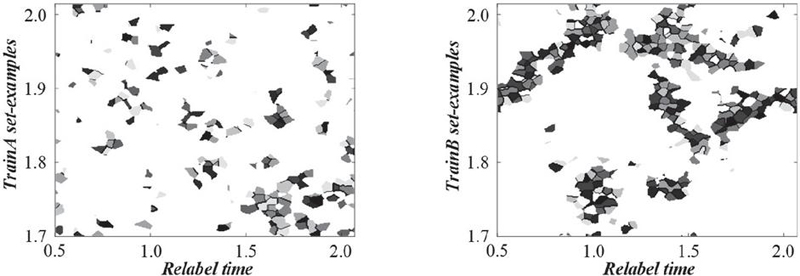
Figure 7 Evaluation diagram of the compressive strength of concrete under the combination of optimal water-cement ratio and sand ratio.
However, in general, the incorporation of aggregate does not change the strength rule of cement-based materials the specimen is greater than that of aggregate, that is, the strength of cement matrix is still the dominant factor determining the compressive strength. It can be seen that the tensile strength of concrete is higher than that of the cement slurry at first. Figure 8 is the evaluation diagram of the sand rate and the compressive strength of concrete, which tends to be equal later. On the one hand, there is an occlusion effect between aggregate and aggregate, which can prevent the development of cracks and increase the cracking area.
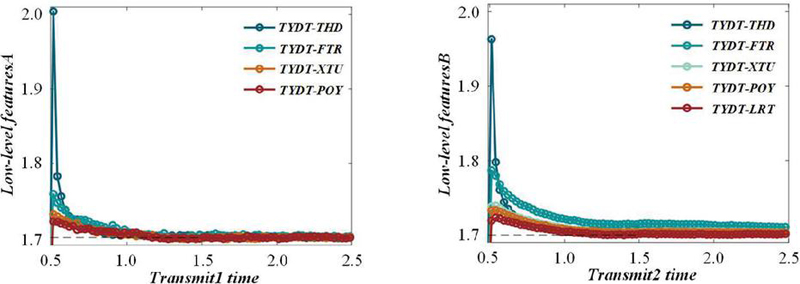
Figure 8 Assessment diagram of sand rate and compressive strength of concrete.
It has a positive effect on the tensile strength. On the other hand, the interface transition zone with the cement slurry is relatively weak, which will have negative effects. In addition, the stress is concentrated under the short time load, which sometimes leads to the splitting of the aggregate, thus increasing the strength of the split surface. However, in the cracking test, the stress growth is slow. Figure 9 shows the evaluation diagram of the change of the compressive strength of concrete under different water-cement ratio with time. The crack is expanded around the aggregate, so the crack resistance index of the split-pull test results is slightly overestimated. Cement-based materials mainly include cement net slurry, mortar and concrete.
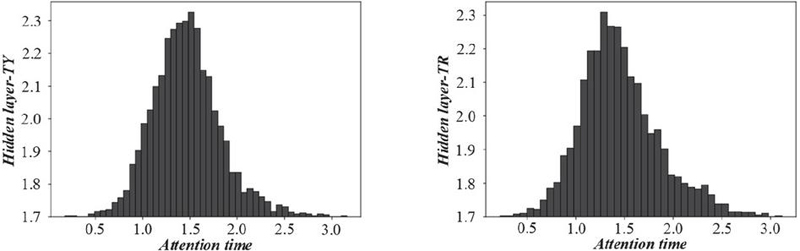
Figure 9 Evaluation diagram of the compressive strength of concrete over time under different water-cement ratios.
Only the cement slurry can self-contract, and the aggregate is equivalent to internal constraints, which limits the cement slurry self-contraction. Provide volume stability and reduce the overall shrinkage, Pickett model assumes that the single spherical aggregate suppressed its external cement slurry shell shrinkage deformation, total volume reduction from aggregate inhibition is derived, considering the aggregate particle shrinkage, Figure 10 for the impact of the sand rate change on the compressive strength of concrete, the calculation of the single aggregate particles on the shrinkage of the surrounding cement slurry shell, and further calculate the inhibitory effect of a large amount of aggregate on the shrinkage of cement slurry.
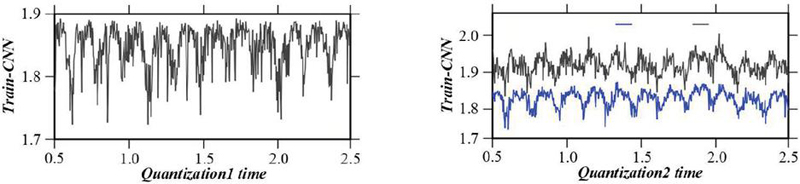
Figure 10 Impact assessment diagram of the sand rate change on the compressive strength of concrete.
The growth rate slowed down, and the mechanical properties index gradually stabilized after 7d. There is a certain relationship between the mechanical performance indicators. Figure 11 is the evaluation diagram of the influence of water ash ratio on the compressive strength of alkali stimulated concrete. The development consistency is good and can be fitted with the same model based on equivalent age period. Is derived from the contraction of chemical shrinkage, relative humidity saturation stage of the contraction is dominated by chemical shrinkage, namely driven by hydration reaction, its characteristics and cement hydration reaction characteristics, before the early condensation for plastic contraction phase, slow effect in induction period, hydration acceleration is the key of condensation period, the solid phase and the porosity decreased, cement base material gradually presents a hardening characteristics, with bearing capacity, high and low water ash than shrinkage rate difference.
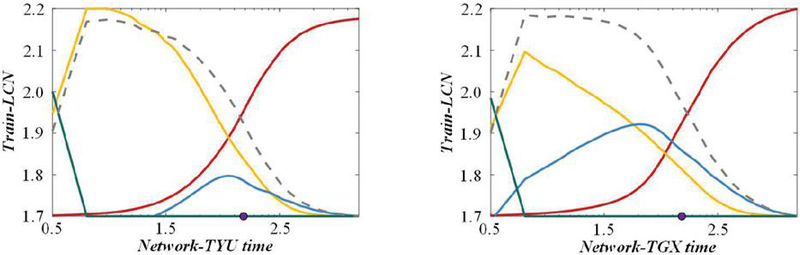
Figure 11 The influence of water cement ratio on the compressive strength of alkali stimulated concrete.
6 Conclusion
The mechanical properties and self-contraction of cement-based materials are closely related to the hydration reaction are related to each other. The common feature is that the growth rate was the fastest 3 days ago, and then the growth rate slowed down, and the mechanical performance index gradually stabilized after 7d. The development rate of mechanical properties is relatively consistent, and the same mechanical properties development model and parameters can be used to estimate the tensile strength and elastic modulus from the compressive strength, with the error within 20%. The early self-shrinkage development of high and low water ash ratio with cement base material shows obvious differences. Low water ash ratio with cement base material will produce hundreds or even thousands of microstrain shrinkage in the rapid hydration stage,, For the 0.26–0.52 water-cement ratio test piece, The lower the water-ash ratio, The higher the average stress development rate, The higher the cracking risk level, The earlier the cracking time; Using water ash lower than 0.26 has a higher risk of cracking than cementitious material, On the one hand, due to the presence of the hoop in the test ring of the high-strength gelling material, what’s more, Low water ash ratio materials have developed substantial self-contraction during the plastic phase, The ineffective shrinkage of low water ash ratio material up to 50–80% of the total shrinkage strain, However, the self-contraction development rate of the low water-cement ratio material after condensation and hardening is not high.
Among them, fc 28, ft28 and Ec 28 are the compressive, tensile strength and elastic modulus for 28 days; s is the test constant; cement concrete is 0.20; the rest is s 0.25; nC, nT are the coefficient representing the development of mechanical properties over time; the specification recommendation is 0.5, and 0.30.7 by experience; t0 is the initial time of starting stress inside the material. Because the specimen is placed in a 20C constant temperature chamber for maintenance, tT is taken directly for the test age. Comparing the development curve of different water ash ratio shrinkage at 28d shows that the lower the water ash ratio, the greater the final value of 28d shrinkage. The final shrinkage value of 0.17 water ash ratio is 4325, while the water ash ratio of 0.52 is only 228. Although the change between 0.35 and 0.26 is the same as the water-cement ratio between 0.2 and 0.17, the increment of contraction is quite different. It shows that after entering the category of low water ash ratio system, the influence of the decrease on the final value of 28d increases significantly. The concrete test results also show the same pattern. There is a difference between tensile creep and compression creep in early age of cement-based materials. In the low water-ash ratio system, the shrinkage and creep mechanism have changed, and the applicability of the existing model has problems in predicting the shrinkage and creep of low water-ash ratio in early age. After a comparative study of the four self-contraction models, the results show that the Tazawa model can be used to predict the effective self-contraction in the range of 0.17–0.35 water cement ratio and used for cracking calculation, and the shrinkage integration model is very accurate to predict the self-contraction during the decline of relative humidity.
References
[1] J. M. Abdalhmid, A. F. Ashour, and T. Sheehan, “Long-term drying shrinkage of self-compacting concrete: Experimental and analytical investigations,” Construction and Building Materials, vol. 202, pp. 825–837, 2019.
[2] H. A. Abdel-Rahman, M. M. Younes, and M. M. Khattab, “Effect of waste glass content on the physico-chemical and mechanical properties of styrene acrylic ester blended cement mortar composites,” Polymer Composites, vol. 39, no. 4, pp. 985–996, 2018.
[3] D. Adiguzel, S. Tuylu, and H. Eker, “Utilization of tailings in concrete products: A review,” Construction and Building Materials, vol. 360, pp. 10, 2022.
[4] O. Biricik and A. Mardani, “Parameters affecting thixotropic behavior of self compacting concrete and 3D printable concrete; a state-of-the-art review,” Construction and Building Materials, vol. 339, pp. 22, 2022.
[5] Y. Dhandapani et al., “Fresh properties of concrete containing calcined clays: a review by RILEM TC-282 CCL,” Materials and Structures, vol. 55, no. 6, pp. 19, 2022.
[6] S. Gao, S. M. Zhang, and L. H. Guo, “Application of Coal Gangue as a Coarse Aggregate in Green Concrete Production: A Review,” Materials, vol. 14, no. 22, pp. 22, 2021.
[7] K. Gayathiri and S. Praveenkumar, “Influence of Nano Silica on Fresh and Hardened Properties of Cement-based Materials – A Review,” Silicon, vol. 14, no. 14, pp. 8327–8357, 2022.
[8] H. Ghanem, R. Ramadan, J. Khatib, and A. Elkordi, “A Review on Chemical and Autogenous Shrinkage of Cementitious Systems,” Materials, vol. 17, no. 2, pp. 23, 2024.
[9] M. F. Gou, L. F. Zhou, and N. W. Y. Then, “Utilization of tailings in cement and concrete: A review,” Science and Engineering of Composite Materials, vol. 26, no. 1, pp. 449–464, 2019.
[10] E. Guneyisi, Y. R. Atewi, and M. F. Hasan, “Fresh and rheological properties of glass fiber reinforced self-compacting concrete with nanosilica and fly ash blended,” Construction and Building Materials, vol. 211, pp. 349–362, 2019.
[11] F. H. Han, S. C. Pu, Y. Zhou, H. B. Zhang, and Z. Q. Zhang, “Effect of ultrafine mineral admixtures on the rheological properties of fresh cement paste: A review,” Journal of Building Engineering, vol. 51, pp. 14, 2022.
[12] W. Hou, Q. Zhang, Z. B. Zhuang, and Y. X. Zhang, “Sustainable Reusing Marble Powder and Granite Powder in Cement-Based Materials: A Review,” Acs Sustainable Chemistry & Engineering, vol. 12, no. 7, pp. 2484–2510, 2024.
[13] D. G. Huang, Y. Feng, Q. Xia, J. B. Tian, and X. F. Li, “Research on mechanical properties and durability of early frozen concrete: A review,” Construction and Building Materials, vol. 425, pp. 13, 2024.
[14] P. Jagadesh, A. Juan-Valdés, M. I. Guerra-Romero, J. M. Moran-del Pozo, J. García-Gonzalez, and R. Martínez-García, “Effect of Design Parameters on Compressive and Split Tensile Strength of Self-Compacting Concrete with Recycled Aggregate: An Overview,” Applied Sciences-Basel, vol. 11, no. 13, pp. 22, 2021.
[15] B. Kanagaraj, E. Lubloy, N. Anand, V. Hlavicka, and T. Kiran, “Investigation of physical, chemical, mechanical, and microstructural properties of cement-less concrete-state-of-the-art review,” Construction and Building Materials, vol. 365, pp. 27, 2023.
[16] F. Kanavaris et al., “Standardisation of low clinker cements containing calcined clay and limestone: a review by RILEM TC-282 CCL,” Materials and Structures, vol. 56, no. 9, pp. 21, 2023.
[17] K. Li, L. Xu, P. Stroeven, and C. J. Shi, “Water permeability of unsaturated cementitious materials: A review,” Construction and Building Materials, vol. 302, pp. 19, 2021.
[18] L. S. Li, Y. Wang, M. Z. An, P. Y. Yu, and X. Hou, “The Influence of Rehydration on the Properties of Portland Cement-Based Materials with Low Water/Binder Ratios: A Review of Existing Research,” Materials, vol. 16, no. 3, pp. 26, 2023.
[19] Y. Z. Liu, L. Wang, K. Cao, and L. Sun, “Review on the Durability of Polypropylene Fibre-Reinforced Concrete,” Advances in Civil Engineering, vol. 2021, pp. 13, 2021.
[20] J. Y. Lu, P. Feng, H. Li, and Q. Tian, “Deformation and Cracking Resistance of MgO-Incorporated Cementitious Material: A Review,” Materials, vol. 16, no. 2, pp. 16, 2023.
[21] J. Ma, H. N. Wang, Z. Q. Yu, H. Shi, Q. Y. Wu, and X. D. Shen, “A systematic review on durability of calcium sulphoaluminate cement-based materials in chloride environment,” Journal of Sustainable Cement-Based Materials, vol. 12, no. 6, pp. 687–698, 2023.
[22] T. Manzoor, J. A. Bhat, and A. H. Shah, “Advancements in Geopolymer Concrete: A State-of-the-Art Analysis of Its Mechanical and Durability Features,” Iranian Journal of Science and Technology-Transactions of Civil Engineering, vol., pp. 40, 2023.
[23] R. Martínez-García, P. Jagadesh, G. Búrdalo-Salcedo, C. Palencia, M. Fernández-Raga, and F. J. Fraile-Fernández, “Impact of Design Parameters on the Ratio of Compressive to Split Tensile Strength of Self-Compacting Concrete with Recycled Aggregate,” Materials, vol. 14, no. 13, pp. 38, 2021.
[24] R. Martínez-García, P. Jagadesh, F. J. Fraile-Fernández, J. Pozo, and A. Juan-Valdés, “Influence of Design Parameters on Fresh Properties of Self-Compacting Concrete with Recycled Aggregate-A Review,” Materials, vol. 13, no. 24, pp. 24, 2020.
[25] N. A. Nair and V. Sairam, “Research initiatives on the influence of wollastonite in cement-based construction material- A review,” Journal of Cleaner Production, vol. 283, pp. 16, 2021.
[26] J. Z. Pan, X. J. Gao, and H. Ye, “Influence of Rheological Behavior of Mortar Matrix on Fresh Concrete Segregation and Bleeding,” Iranian Journal of Science and Technology-Transactions of Civil Engineering, vol. 45, no. 3, pp. 1281–1295, 2021.
[27] N. Philip, A. E. Varughese, and J. James, “Correlation of Mechanical Properties of Concrete with Partial Metakaolin Replacement with Various Depended Factors,” Iranian Journal of Science and Technology-Transactions of Civil Engineering, vol. 47, no. 1, pp. 1–19, 2023.
[28] N. S. Piro, A. S. Mohammed, and S. M. Hamad, “Electrical resistivity measurement, piezoresistivity behavior and compressive strength of concrete: A comprehensive review,” Materials Today Communications, vol. 36, pp. 15, 2023.
[29] M. A. M. Rihan and T. A. Abdalla, “Factors Influencing Compressive Strength in Fly Ash-Based Geopolymer Concrete: A Comprehensive Review,” Iranian Journal of Science and Technology-Transactions of Civil Engineering, vol., pp. 17, 2024.
[30] Z. Salari, B. Vakhshouri, and S. Nejadi, “Analytical review of the mix design of fiber reinforced high strength self-compacting concrete,” Journal of Building Engineering, vol. 20, pp. 264–276, 2018.
Biographies
Chen Liang, a senior economist with a master’s degree, is currently employed at Chongqing University of Posts and Telecommunications. His research focuses on analysis of the mechanical characteristics and economic application value of building materials.
Tang Yu, a lecturer with a Ph.D., is affiliated with Chongqing Jiaotong University. Her research interests lie in highway subgrade pavement materials and structures, pavement maintenance technology, and disease treatment.
European Journal of Computational Mechanics, Vol. 33_6, 535–560.
doi: 10.13052/ejcm2642-2085.3361
© 2025 River Publishers