Evaluation and Application of International Standard Conversion: An Applicability-based Approach
Jia Li
The Institute of Theory and Strategy of Standardization, China National Institute of Standardization (CNIS), Beijing, 100191, China
E-mail: asdgastw213@outlook.com
Received 29 August 2025; Accepted 19 November 2025
Abstract
Bodies such as ISO, IEC, ASTM, and ITU develop international standards that help ensure interoperability, quality assurance, and similar rules across various industries worldwide. So, since the world has many different rules, technologies, cultures, and economies, these standards must be transformed and made relevant for each context. The review examines the main theories, methods, and approaches used to transform international standards in different countries. The review examines using comparative gap analysis, Delphi expert consensus, and MCDA, as well as following guidelines such as ISO/IEC Guide 21 and new approaches such as TRIZ. In healthcare, information security, and civil engineering, examples of the issues and ways international standards can be suitable for each sector are given. It highlights common issues, including rules, technologies, language, and resources. It proposes solutions like national applicability matrices, involvement of both the public and private sectors, capacity building, and ensuring openness. Finally, it points out that emerging technologies like AI and SMART standards can help make standard conversion easy, effective, and fair. It provides a clear roadmap for policymakers, standardization bodies, and industry stakeholders who want to bring global standardization goals in line with what is possible locally and boost sustainable development, innovation, and interoperability across the globe.
Keywords: International standards adaptation, standardization methodologies, applicability assessment, comparative gap analysis, SMART and AI-driven standards.
1 Introduction
The International Organization for Standardization (ISO), the International Electrotechnical Commission (IEC), ASTM International, and the International Telecommunication Union (ITU) create standards that support world trade, the development of technology, and industries (Jayakar, 1998). They make sure that goods, services, and information can be shared easily across countries. Compatibility and consistency in international standards help to cut down trade barriers, increase the reliability of services and goods, look after consumers, and advance different industries by sparking innovation (Anand et al., 2010).
With technology and digital change, there are greater needs for international standards. Because of technological advances in AI, IoT, renewable energy systems, and smart manufacturing, standards now need to be technically reliable and quick to respond to changes and new rules (Sahoo and Lo, 2022). The variabilities in regulations, infrastructure, culture, and markets in different nations make it tricky to use international standards the same way everywhere. For this reason, a reliable method is needed to modify standards so they are suitable for each country or industry and do not lose their main value (Clougherty, 2024).
The project focuses on solving these problems by developing and applying a method that checks how well international standards can be used in different countries (Landoni and Corti, 2011). This approach assesses compatibility, relevance, and influence standards before being changed or adopted in various countries. Such an evaluation looks at technical compatibility, regulatory consistency, readiness of technology, economic benefits, and acceptability by the community to decide if standards should be adopted as is, changed to suit a country, or rewritten to share the same principles (Heires, 2008).
This review article seeks to provide a thorough overview of the theories, different methods, examples of use, and main difficulties connected to converting international standards using a fitting approach. It looks at the international guidelines for standardization and conversion, studies popular evaluation methods such as gap analysis and multi-criteria decision-making, investigates examples of sector-specific changes, and highlights future directions aided by advanced and smart standardization. Its main goal is to provide advice that enables policymakers, standardization bodies, industry players, and researchers to unite global and local standards, helping to promote sustainable development, more innovative ideas, and interoperability worldwide.
2 Background and Conceptual Foundations
To use international standards in various countries, transformation or adaptation must ensure that the standards address each place’s specific local, technical, economic, and cultural conditions. Unlike the simple idea of direct adoption, transformation involves carefully adjusting standards’ content, structure, and approaches, so that they can be used and still meet their important goals everywhere (Li et al., 2023).
2.1 Definition and Modalities of International Standard Transformation
The transformation of standards into national ones can be grouped into three main ways, each showing a different degree of modification.
• Equivalent adoption (identical adoption) refers to the immediate adoption of an international standard with only slight changes. The international standard’s original words, technical parts, and performance criteria remain the same, and only the administrative details are changed. Using an international standard without changes is possible when local regulations, technology, and expectations are close to the standard’s requirements (Vergara, 2018).
• Modified adoption (contextualized adaptation): Under this method, specific clauses, terms, and procedures in the international standard are changed to match the local environment. These changes ensure that local laws, infrastructure, cultural aspects, or economy are considered without changing what the standard is trying to accomplish. It helps to reconcile global rules with unique local regulations and situations (Youn, 2015).
• Non-equivalent adoption (principle-based reinterpretation): When using this method, the key ideas and goals of the international standard are preserved, but the standard’s details and structure are significantly modified to match the needs of a different location. When big differences exist in local infrastructure, regulations, or operations, wholesale copying of the international standard is often impossible, so non-equivalent adoption is used (Wipulanusat and Sunkpho, 2013).
Standardization bodies, regulators, and industry stakeholders need to know these modalities to decide on the strategy that suits their goals and environment.
2.2 The Critical Role of Applicability in Standard Transformation
Applicability is essential for effective standard transformation because it ensures that a standard can be applied in a certain context without harming the standard’s main purposes or safety. Assessing applicability is the first important task in the transformation process, helping decision-makers determine how a standard can be adapted for use in a certain context (Spichkova et al., 2015).
Figure 1 summarizes three modalities of international standard transformation – equivalent adoption, modified adoption, and non-equivalent adoption – and their key characteristics.
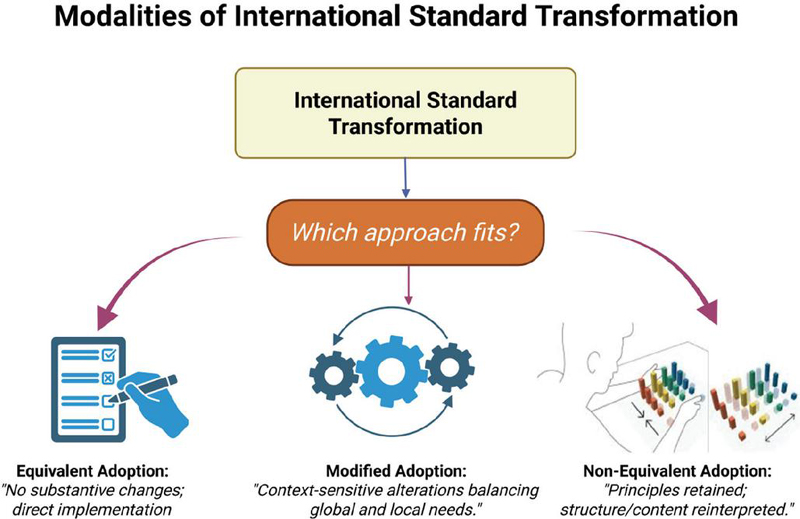
Figure 1 Overview of standard transformation modalities.
Figure 1 indicates the heterogeneous channels of how standard transformations may occur at the global level, which includes cultural accommodation, regulatory conformity, and technological assimilation. The contribution of each pathway to practices of global marketing tourism has been graphically illustrated, whereby the arrow shows how the theoretical constructs can be translated into a working practice in different regions. The complexity is due to several factors that are connected.
• Regulatory divergence: Often, differences in rules and how they are enforced from one country to another can lead to problems with following international standards. Therefore, there may be stricter rules on safety, different environmental requirements, or different methods for compliance, which need to be dealt with during transformation (Ernst et al., 2013).
• Technological and infrastructure readiness: Some technical requirements cannot be applied without infrastructure, testing tools, trained workers, and digital advancement. When a country or sector has limited resources, it may struggle with standards that use modern technologies, leading to changes in how the standards are adopted (Getachew et al., 2022).
• Socio-cultural norms and institutional practices: Cultural values, how companies are run, and how stakeholders are involved can impact the application and understanding of standards. For example, if a culture is risk averse or managers are hierarchical, standards for quality assurance or occupational health and safety are often applied less effectively (Kumar et al., 2017).
• Economic feasibility and market dynamics: The need to spend on certification, training, upgrades, and audits affects the ability of SMEs and public sector organizations with limited money to follow a standard (Toader, 2022).
By considering these factors, applicability assessments give a good picture of how well a standard fits in a given situation, which helps decide whether it should be adopted, adapted, or replaced.
Figure 2 illustrates the process of assessing the applicability of a standard within a specific context, guiding decision-makers through key factors like regulatory, technological, and socio-cultural dimensions.
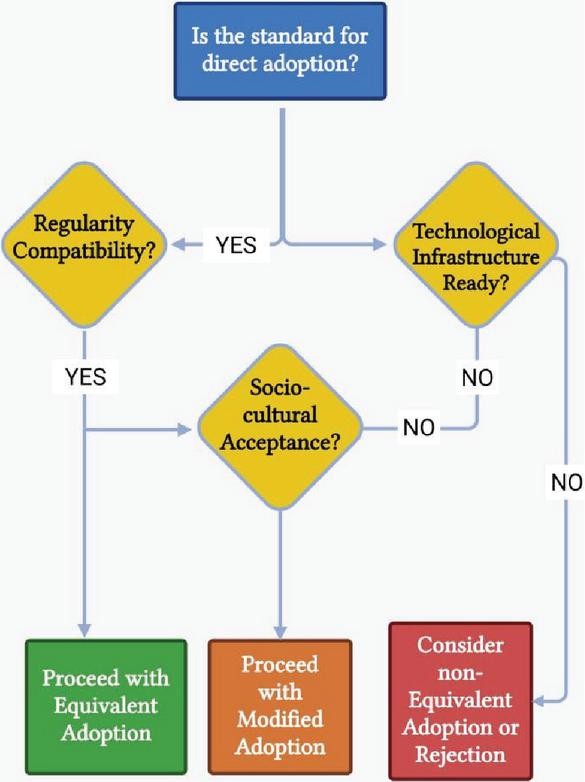
Figure 2 Applicability assessment framework.
2.3 The Imperative for Structured Evaluation and Transformation Frameworks
Due to the complex nature of applicability, international standards must be changed by following a well-designed, reliable, and repeatable process (Moultrie et al., 2006). If there is no such framework, there is a risk that standards will be applied on paper, or that their requirements will be too hard to comply with and can slow down improvement and operation. A good transformation framework merges technical, stakeholder, regulatory, and economic assessments to help make fair decisions (Allaoui et al., 2019).
Also, with rapid technological advances, regulation shifts, and cross-border interactions, the world has become complex and standard transformation frameworks must adapt to these changes. For this reason, integrated approaches that use comparative analysis, expert opinions, and several decision-making methods are essential for considering numerical and non-numerical applicability (Khan and Rehman, 1999).
To sum up, the international standard transformation’s background and conceptual basis show the importance of rigid and adaptable standards (Li et al., 2018). Embedding applicability as a key factor in international standards allows the transformation process to close the gap between standards set by organizations and their use by local businesses.
3 International Rules Governing Standardization and Transformation
The rules, protocols, and frameworks set by global organizations and agreements are what define the architecture for international standardization (Abbott and Snidal, 2001). Not only do these international rules manage the making and sharing of standards, but they also support their adoption, adjustment, and transformation in many national and regional areas. Understanding these rules is necessary to understand how global objectives are handled in different national and regional settings. To enable an easy transition between the Background and Conceptual Foundations part and the International Rules Governing Standardization, it is necessary to highlight the importance of the theoretical provisions presented in the previous section as a basis of the regulatory principles that guide the practice of standardization within the global context. As an example, the theoretical framework of cultural adaptation in the context of the artificial intelligence technologies can be used to analyse how different international organizations and regulatory authorities can impact the global adoption of generative AI in tourism marketing to secure compliance between local requirements and international regulations.
3.1 International Standardization Bodies and Their Regulatory Frameworks
ISO, IEC, ASTM International, and ITU are prominent organizations that develop standards by following certain guidelines for their creation, verification, and publication. They bring together people from industry, authorities, universities, and consumers to ensure that their standards are sound, fair, and accepted by many (O’Connor and Laporte, 2017).
• ISO/IEC: ISO and IEC collaborate to develop many standards, especially for information technology and electrotechnical sectors, by following the process outlined in the ISO/IEC directives. The ISO/IEC Guide 21 suggests that national bodies can adopt international standards in three ways according to their situation: identical, changed, or not completely identical adoption (Hackos, 2016).
• ASTM International: ASTM standards are created with strict protocols to ensure they are both accurate and helpful.
• ITU: The standards for telecommunications and information exchange from the ITU are approved through agreements that ensure they are compatible across the world (Kafle et al., 2016).
These organizations ensure that every change they make to their standards is reviewed and checked by all those who could be affected.
3.2 The WTO Technical Barriers to the Trade (TBT) Agreement and their Implications
The TBT Agreement of the WTO says that member countries must use international standards in their regulations only if they do not go against local demands. The TBT Agreement points out the need for countries to be transparent, not discriminate, and avoid making unfair differences between themselves (Du, 2007).
At the same time, the TBT framework allows countries to enact standards directed at consumer security, the environment, or national security. The TBT Agreement aims to balance global standards with local ones. Even though global harmony in standards is helpful for trade, each country can establish unique standards when required by local needs, sometimes leading to the need to change the standards (Ghodsi and Michałek, 2016).
When the TBT framework is applied well, detailed information, discussions with relevant groups, and member notification must be provided, which helps achieve predictability and trust in global standard development.
3.3 Modalities of International Standard Transformation Under ISO/IEC Guide 21
This document highlights the procedures for national standard bodies to use international standards. It outlines three primary ways of transforming international standards into national standards – equivalent adoption (IDT), modified adoption (MOD), and non-equivalent adoption (NEQ) – and gives rules for documentation, reporting differences, and conformity checks (O’Connor and Laporte, 2017).
• Equivalent adoption: Equivalent adoption is a situation whereby the adoption of a new standard or technology is done in a uniform manner in different cultural or national settings and no adjustment is made. To give an example, the introduction of the ISO 9001 quality management system in most sectors of the world with only a few local modifications can be used as an example of equivalent adoption. It requires the national standard to be the same as the international standard to guarantee equivalence in different countries. Equivalent adoption helps countries use each other’s standards and fosters worldwide recognition, but it requires their rules and regulations to be aligned (Vergara, 2018).
• Modified adoption: Modified adoption refers to a scenario where a standard or technology is adopted but with slight adjustments to suit the local cultural, economic or regulatory needs. An example of paradigm shift is the compliance with the General Data Protection Regulation (GDPR) requirements implemented by multinational corporations in the European Union member states, where the data protection procedures are adjusted to the country-specific requirements. They may change terminology, units, or testing procedures as long as the basic standards are not impacted. All modifications should be accurately described with reasons for the changes, to ensure the new standard is based on the original one (Youn, 2015).
• Non-equivalent adoption: Non-equivalent adoption is a situation when the implementation of a technology or a standard is either altered significantly or not adopted at all because of dramatic differences in local situations. One such example is the implementation of artificial intelligence technologies in different nations, where different regulatory systems, infrastructure capacities, and cultural appropriateness create disparate degrees of deployment. Adaptations may be significant and are required because of major infrastructure, rules, or cultural differences. Although this kind of adoption permits major changes to the standard’s content, it might prevent countries from trading or sharing information safely (Wipulanusat and Sunkpho, 2013).
Guide 21 also states that the new standard should include references to the original version and that its changes should not block international trade or safety.
3.4 Digital and SMART Standards: Evolving International Rules in the Digital Era
Digital technologies have led to new standards in international standardization, for example, SMART standards (specific, measurable, achievable, relevant, time-bound) that are meant for machines, are easy to apply, and are designed for today’s dynamic environments (Viardot et al., 2013). International rules are being updated to reflect these developments, so that standards work for hardware and software in digital environments.
ISO/IEC and ITU have brought new ways of developing digital standards that require flexibility, up-to-date features, and connections with artificial intelligence (AI) and Internet of Things (IoT). They aim to preserve the key principles of transparency, consensus, and global application as they adapt to new and fast-changing technology (Kwon et al., 2023).
3.5 Legal and Institutional Considerations in International Standard Transformation
International rules, apart from procedural ones, include legal principles concerning enforceability, intellectual property rights, liability, and conformity assessment linked to standards. International and regional agreements often interact with standardization rules to decide how national standards will be created (Mattli, 2001).
Such institutions ensure that international standards fit each country’s domestic laws and policies. In this case, National Annexes are used to make changes to international standards, explaining how they should be applied and referencing the main standards (Khamidovich, 2024).
Multiple institutions working together help ensure that international rules for transforming standards do not obstruct market access, innovation spread, or goals related to public welfare (David and Shurmer, 1996).
4 Evaluation Methods for Applicability-based Standard Transformation
Comprehensive evaluation methods are required to make international standards suitable for different areas. These methods must thoroughly look into technical, regulatory, economic, and socio-cultural aspects to judge if adopting or adapting standards fits the needs in a given region (Joo et al., 2023). Due to the wide variety and complexity in different countries, evaluation systems have come to use various approaches, involve stakeholders, and rely on technology to help choose the right international standards (Xu, 2020).
4.1 Comparative Gap Analysis
Comparative gap analysis is one of the main approaches to spot and measure the gaps between an international standard and other national, regional, or sectoral standards. This method involves a step-by-step review of every clause or requirement to find differences in compliance, interoperability, or whether the standard can be used (Vollmer et al., 2024).
Key dimensions assessed include:
• Structural disparities: Disparities in the standard’s structure, sequence, and presence or absence of annexes.
• Semantic discrepancies: Differences in the words and meanings used in the standards may change what the text is intended to mean.
• Technical and functional mismatches: Differences in requirements for performance, tests, measurements, and acceptance levels.
Typically, the outputs are gap matrices or differential maps that mark the areas needing review or modification. The analysis is used to choose the right method of adoption (equivalent, modified, or non-equivalent). It helps ensure the changes made are useful locally and do not cause many changes (Hey, 2017).
4.2 Delphi Method and Expert Consensus Techniques
It is often used in situations without much information or where people have different and complex opinions. This method relies on SMEs answering questionnaires anonymously, so the group can agree on the pros and cons of adopting standards (Thangaratinam and Redman, 2005).
Among its characteristics are:
• Controlled feedback: The group receives feedback by seeing the summary and they can then enhance their points of view using their colleagues’ opinions.
• Anonymity: It makes sure that everyone’s views are considered equally, so the process is fair and does not favor one person.
• Statistical aggregation: Summarizing the feedback and finding views that are not in agreement helps determine what should be done next.
It is most helpful when it comes to examining links between regulations, technology, and stakeholders, as well as deciding on standards (Shariff, 2015).
4.3 Quantitative Applicability Scoring Models
The use of quantitative scoring adds to qualitative data by using a process to compare and rank standards based on defined criteria. They allow for grading standards using different criteria, which supports the choice of which standards to improve.
Prominent techniques include:
• Multi-criteria decision analysis (MCDA): To use MCDA, experts or stakeholders should select important criteria, say what their priorities are, compare standards with them, and then use utility functions to combine the results. The method allows policymakers and standardization bodies to check how sensitive the results are if assumptions change (Reddy et al., 2016).
• Analytic hierarchy process (AHP): AHP is a method that ranks criteria hierarchically and compares them two at a time to come up with weights for detailed prioritization.
• Fuzzy logic models: They manage uncertainties and vague feedback from experts and the situation using fuzzy sets and membership functions, which help make more reliable decisions (Mulubrhan et al., 2014).
Policymakers and standardization organizations can use these models to balance different objectives, such as technical requirements, feasibility, and social impact, to optimize their standard selection and adaptation approach.
4.4 Stakeholder-based Participatory Evaluation
It is important to understand that standard transformation affects many parts of society, so participatory evaluation includes various stakeholders. The evaluation process considers numerous perspectives and challenges by inviting all these groups to participate (Gilliam et al., 2002).
Techniques employed include:
• Structured interviews and focus groups: They conduct dialogues to collect information about difficulties at work, what users think, and how well they comply with the rules.
• Workshops and consensus-building forums: Forums are arranged for people to discuss the findings from the evaluation, resolve conflicts, and work together on solutions for changes.
• Public consultations and surveys: Including public viewpoints and experiences helps maintain legitimacy and acceptance of the changes made in healthcare, environmental management, and data privacy areas.
Figure 3 depicts the interactions among key stakeholders involved in standard transformation – standardization bodies, regulators, industry, end-users – and the decision-making processes.
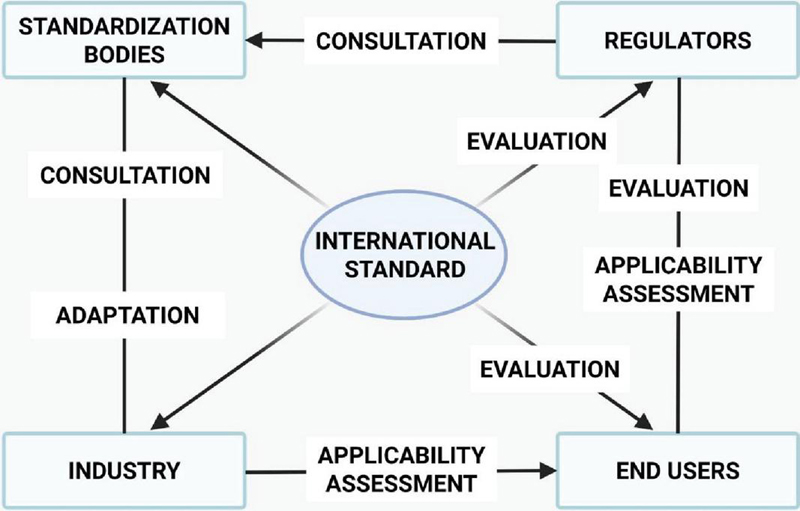
Figure 3 Stakeholder and process interaction map.
The key stakeholders help ensure democracy, social awareness, and inclusivity in the financial, environmental, and health sectors (Rey and Fortin, 2023).
4.5 Integration of Digital Decision-s upport Tools
Thanks to advancements in technology, more digital platforms and tools make it easier and faster to evaluate the applicability of rules. Blending data management, algorithms, and collaboration helps improve efficiency, transparency, and traceability (Huang et al., 2024).
Examples include:
• Decision support systems (DSS): Applications that help evaluate applicability using MCDA algorithms, gap analysis, and stakeholder feedback input.
• Automated gap detection tools: These tools rely on NLP and machine learning to find differences in standard documents, making the process more accurate and reducing the effort needed by people (Hawari et al., 2018).
• Online collaboration platforms: Stakeholders can participate in evaluation activities, review documents, and build agreements even if they are not present simultaneously.
Digital tools make the process more accurate and up-to-date, able to meet new regulations, technology, and market changes (Yacob et al., 2024).
5 Applicability Frameworks and Conversion Models
To make international standards suitable for local use, it is necessary to use strong evaluation techniques and have well-structured frameworks and models for guiding the adaptation and conversion (Yang et al., 2021). They ensure all changes are tracked and provide a way to easily justify why certain standards were adopted. By ensuring standards are useful in global and local situations, applicability frameworks support those who need to adapt standards for use in their regions (Davey, 2001).
5.1 ISO/IEC Guide 21: Structured Adoption of International Standards
ISO/IEC Guide 21 describes the primary framework for helping national standards bodies adopt and alter international standards. ISO/IEC Guide 21 points out that the exact reproduction of international standards may not work in every context, and it recommends three main adoption methods, all with detailed steps and guidelines (O’Connor and Laporte, 2017).
• Identical adoption (IDT): Adopting national standards involves keeping all technical details and normative clauses unchanged. Administrative changes involving national forewords or prefixes to the international standard are permitted. The standards are adopted as written to ensure interoperability and mutual recognition, but they work well only if the country’s rules and regulations are similar (Li et al., 2023).
• Modified adoption (MOD): Permits the update of specific clauses, terms, or references in the international standard to suit local regulations, units, or how things are done. Such modifications need to be described in detail with clear reasons explaining why they are being made and to prove that the outcome is the same.
• Non-equivalent adoption (NEQ): This approach requires re-interpreting or restructuring the international standard, usually because of significant regulatory differences, technology problems, or cultural reasons. While the basic principles and main objectives are kept, the technical and procedural parts can be changed in necessary ways (Frommelt, 2024).
It underlines the need to keep records of the original international standards and ensures open reports of any differences made, to assist in traceability and international scrutiny. It encourages a structured and accountable way to adapt international standards.
5.2 TRIZ-based Innovation Framework for Problem Solving in Standard Adaptation
Genrich Altshuller first developed TRIZ as the Theory of Inventive Problem Solving, which gives a step-by-step process for resolving problems and sparking new ideas in engineering design. Increasingly, TRIZ tools are being used in standard transformation, especially for standards with challenging technical and operational issues (Ghane et al., 2024).
TRIZ allows stakeholders to do several things, for instance:
• Identify contradictions: As an illustration, a standard’s performance requirement might go against local infrastructures or conflict with environmental regulations.
• Apply inventive principles: TRIZ includes inventive principles, contradiction matrices, and modeling tools that help develop new solutions to resolve conflicting requirements.
• Systematically derive adaptations: TRIZ makes it possible for stakeholders to find solutions that ensure standards are still followed, even with challenges caused by local situations.
The use of TRIZ in standard transformation helps ensure standards keep up with changes in the technical environment (Shao et al., 2022).
5.3 Multi-criteria Decision Analysis (MCDA): Quantitative Framework for Prioritization and Decision Support
MCDA presents several methods that help with problems that involve several conflicting criteria. MCDA is used in international standards to provide a structured and fair way to rate and choose adaptation options (Abu Dabous et al., 2020).
Key features of MCDA include:
• Criteria definition and weighting: Experts or stakeholders help in deciding which criteria are suitable and what role each one plays; the criteria are then assigned different weights (Zhang and Balakrishnan, 2021).
• Scoring and aggregation: Each alternative is evaluated using the chosen criteria, and the collected data are then put together using different functions to calculate an applicability score (Barfod et al., 2011).
• Sensitivity and robustness analysis: Looking into how sensitive the outcomes are to changes in criteria weights and scoring is important, as it helps handle risks and secure strong decisions.
If MCDA is used for standardization, one of the common methods is the analytic hierarchy process (AHP) for comparing and structuring standards, the technique for order preference by similarity to ideal solution (TOPSIS) for ranking possibilities, and fuzzy MCDA for handling the unclear information given by experts (Garattini and Padula, 2017).
In practice, multi-criteria decision analysis (MCDA) methods can also be used in order to rank decision variables within more complex situations involving multi-ETU, often contradicting, criteria. Indicatively, new standards are being implemented in the tourism industry, so besides cost and cultural suitability, policy makers are required to consider technical preparedness, technological suitability and regulations. The criteria tend to be discordant; a socially accepted solution, e.g., can be more expensive or technologically difficult. The use of MCDA allows assigning relative weight to the criteria based on their relative importance, as well as using a scoring mechanism to determine the most balanced solution.
Using MCDA, policymakers can make fair, well-justified, and balanced decisions when working with many criteria in standard transformation.
5.4 Synergistic Application of Frameworks: Toward Integrated Transformation Models
Guidelines in ISO/IEC Guide 21, TRIZ, and MCDA problem-solving and decision approaches comprise the core of successful international standard transformation. Using these frameworks together makes standard transformation approaches more flexible and reliable (Shao et al., 2022).
• Guide 21 outlines official ways of adopting standards and ensures they are followed step by step.
• Using TRIZ, the transformation process can address challenges and find new ways to maintain the integrity of the standard.
• MCDA compares different ways to adapt standards based on several criteria, helping with clear and informed decisions.
Using such models allows for flexible and suitable standard transformations to meet changes in laws, technological advancements, and what stakeholders want. Such models improve how people trace and verify the work done and reach agreements, essential for the legitimacy and lasting success of converting international standards (Balahurovska, 2023).
Table 1 gives a summary to help clarify and assess the various evaluation methods and areas where they are used. It pulls together the important aspects of the methodologies, their uses in different areas, and the linked difficulties and recommendations for effective change. The table shows how the various approaches help evaluate international standards in different sectors and rules.
Table 1 Key evaluation methods, frameworks, and sectoral applications in international standard conversion
| Year | Title | Insights | Methods Used | Practical Implications | Findings | Conclusions |
| 2017 (Nathanail et al., 2017) | ISO/DIS 18504 standard on sustainable remediation | Defines sustainable remediation, balancing environmental, social, and economic factors. | Risk-based options appraisal for contaminated soil and groundwater remediation. | Provides a global remediation framework for countries without their guidelines. | Standard enables benchmarking of sustainable remediation strategies and clear communication. | ISO 18504 improves remediation strategy selection by balancing sustainability dimensions. |
| 2023 (Ronalter et al., 2023) | ISO management system standards and corporate sustainability | Highlights growing research on ISO standards beyond popular ones for ESG issues. | Bibliometric analysis using Scopus, keyword mapping, and performance analysis. | Encourages adopting diverse ISO standards for better sustainability performance. | Many ISO MSSs address sustainability, with research mostly on a few standards. | Broader research needed; integration of MSSs enhances corporate sustainability. |
| 2015 (Chen et al., 2015) | IT system security evaluation based on ISO/IEC 15408 & 18045 | Addresses complexity and evaluator bias in security evaluations. | Developed tools guiding evaluators, managing documents, and intermediate results. | Enhances fairness and transparency and reduces mistakes in the evaluation process. | Evaluation complexity causes errors; the tool mitigates biases and errors. | Supporting environment improves reliability and consistency of security evaluations. |
| 2022 (Meijer and Taylor, 2022) | ISO/IEC standards on telehealth services and medical apps | Found inconsistencies and alignment gaps in telehealth and medical app standards. | Analysis model covering quality, healthcare processes, and resource domains. | Calls for international efforts to improve standards consistency. | Standards are aligned in some areas, but transparency and alignment are lacking overall. | Global collaboration is needed to standardize telehealth and medical app requirements. |
| 2016 (Mani et al., 2016) | ASTM E3012-16 for sustainability in industrial processes | Provides structured data collection for simulation modeling of industrial processes. | Discrete event simulation (DES) modeling using AutoMod tool. | Helps improve resource efficiency and sustainability assessments. | Standard effective in communicating process data and supporting DES models. | E3012-16 enhances understanding of manufacturing sustainability via structured data. |
| 2014 (Hargreaves et al., 2014) | IEC common information model for smart grid | CIM standardizes power data integration, improving grid efficiency and situational awareness. | Model-driven information integration in utilities for smart grid data. | Facilitates renewable energy integration and flexible electrical networks. | CIM is essential for interoperable, efficient smart grid management. | IEC CIM is foundational for smart grid data interoperability and intelligence. |
| 2010 (Fliess et al., 2010) | Use of international standards in technical regulation | Transparency is lacking on which standards underpin regulations; harmonization is needed. | Analytical framework and data collection template for regulatory standards use. | Improves monitoring of standards use and supports trade analysis. | Broad use of non-national standards, but low transparency on specifics. | Transparency improvements can aid harmonization and reduce trade barriers. |
| 2014 (Marsden and Shahtout, 2014) | ISO certification benefits in clinical laboratories | ISO certification reduces costs, scrap, and rework; improves quality management. | Descriptive analysis of certification processes and benefits. | The certification framework supports continuous quality improvement in labs. | Maintenance and audits ensure sustained management system effectiveness. | ISO certification is vital for clinical lab efficiency and quality control. |
| 2012 (Ranky, 2012) | Sustainable energy management based on ISO 50001 | Combines green engineering and lean manufacturing with energy management principles. | Conceptual integration of design and manufacturing process improvements. | Enhances operational efficiency and reduces environmental impact. | ISO 50001 supports energy-efficient sustainable product and process design. | Energy management standards are critical for sustainability in engineering and manufacturing. |
| 2018 (Østebø et al., 2018) | ISO standards in the oil and gas industry technology and operations | Multi-disciplinary ISO standards help meet HSE objectives and reduce climate impact. | Roadmap of specific ISO standards for maintenance and cost coding. | Improves operational excellence and technology development in the industry. | ISO standards facilitate risk management and digitalization in oil and gas. | Qualified use of ISO standards unlocks business value in the petroleum sector. |
| 2024 (Herrera-Sánchez et al., 2024) | ISO standards and industrial maintenance for sustainable development goals | ISO 55001 promotes green and sustainable maintenance, aligning with the SDGs. | Qualitative analysis of standards’ role in sustainable industrial practices. | Encourages adopting standards for sustainability in maintenance strategies. | Green maintenance is crucial but is under-represented in the ISO certification landscape. | ISO standards are critical in supporting SDGs via sustainable industrial maintenance. |
| 2022 (Patón-Romero et al., 2022) | Application of ISO/IEC TR 33014 for green IT processes | Standards guide effective sustainability improvements in IT management. | Case study applying standard-based improvement plans. | Structured standards enhance the Green IT process’s reliability and efficiency. | Adherence to standards leads to the adoption of sustainable IT practices. | ISO/IEC TR 33014 is effective for guiding IT sustainability improvements. |
| 2019 (Patón-Romero et al., 2019) | ISO/IEC 33000 maturity model application to Green IT | The maturity model supports structured green IT implementation and evaluation. | Empirical case study with exploratory questions for model validation. | A framework aids organizations in adopting and improving Green IT. | The model is effective in real contexts and aligns with ISO/IEC standards. | Maturity models are vital for advancing sustainable IT governance practices. |
| 2020 (Mirtsch et al., 2020) | Diffusion of ISO/IEC 27001 and cultural impact | Cultural dimensions and ICT development shape security standard diffusion. | Negative binomial regression in 57 countries over 12 years. | Tailors implementation strategies considering culture and technology levels. | Future orientation and power distance affect standard uptake; ICT is crucial. | Adoption varies by culture and infrastructure, which informs policy recommendations. |
| 2018 (Villarreal, 2018) | International standardization and TBT agreement analysis | The highlight is the lack of clear definition of the TBT agreement’s international standards. | Legal and procedural analysis of standardization bodies. | Calls for clearer definitions to improve trade standard harmonization. | Ambiguities complicate international standard application and enforcement. | Clarification is needed for effective standardization supporting international trade. |
| 2009 (Perkins and Neumayer, 2009) | Geographic variations in corporate voluntary standards adoption | Transnational linkages and democracy influence voluntary standard adoption. | Quantitative analysis of certification densities and political context. | Tailors strategies considering geographic and governance factors. | Certification in trade partners drives domestic uptake; democracy aids GC adoption. | External networks and the domestic political environment influence adoption. |
| 2008 (McKane et al., 2008) | Industrial energy efficiency and management standards | ‘Plan–do–check–act’ approach integrates energy management with quality systems. | Comparative analysis of international energy management standards. | Supports industrial adoption of energy efficiency through management plans. | Energy savings are possible via standardized management; barriers remain organizational. | Energy management standards are essential for sustained industrial efficiency improvements. |
| 2023 (Acharige et al., 2023) | Review of EV charging technologies and standards | Focus on converter configurations and renewable energy integration in charging. | Technical review of charging technologies and station designs. | Guides the development of efficient, standard-compliant EV charging solutions. | Challenges remain in grid integration and optimal converter control strategies. | Advanced charging tech and standards are vital for EV adoption and grid support. |
| 2023 (Ceko, 2023) | Relationship between ISO standards and sustainable development | Strong correlation between ISO 9001 and SDG performance. | Regression analysis comparing SDG and ISO indices. | Advocates the widespread adoption of ISO standards for sustainability. | ISO facilitates quality management and sustainable growth without harming the environment. | Integration of ISO standards is critical to achieving and maintaining the SDGs. |
| 2023 (Kwon et al., 2023) | ISO/IEC SMART standards for digital innovation | Collaborative development enhances digital standards’ effectiveness and accessibility. | Structured analysis of digital standardization status and stakeholder involvement. | SMART standards accelerate digital transformation and tech integration. | Need stakeholder collaboration to address rapid technology changes. | SMART standards are crucial for adaptive, interoperable digital ecosystems. |
6 Sectoral Applications of International Standard Conversion
Turning international standards into local or regional frameworks differs for every sector since each has regulations, technologies, potential risks, and social and economic conditions (Brusca and Martínez, 2016). It is necessary to apply a tailored approach that meets the needs of each sector and still preserves the main principles of international standards. In this section, we discuss important sectors where applicability-based standard transformation has been widely studied and applied, highlighting the process’s difficulties, methods, and results (Nguyen et al., 2019).
6.1 Healthcare and Medical Devices
Healthcare, specifically relating to medical devices, points to the high risks and difficulties in using international standards globally. ISO 13485:2016, an international standard, guarantees that medical devices are safe, perform as intended, and are in compliance with the law globally. Still, because there are many different rules in different countries, it is necessary to review standards carefully (Coronato, 2018).
• Regulatory heterogeneity: In the European Union, the Medical Device Regulation (MDR 2017/745) imposes stringent requirements on medical device safety, clinical evaluation, post-market surveillance, and conformity assessment, which differ from regulatory frameworks in other jurisdictions.
• Transformation modalities: Countries often implement ISO 13485 with additional rules to agree with their local regulations. Extensive analyses, reviews of risks, and talks with stakeholders are needed to ensure that the rules are met and can be used effectively (Sharma and Luthra, 2023).
• Global harmonization efforts: Programs such as the Medical Device Single Audit Program (MDSAP) work to unify QMS auditing processes internationally (for instance, in the USA, Canada, Australia, Brazil, and Japan) to ensure common acceptance and less repetition (Jadhav and Shendge, 2024).
The conceptual and illustrative case study assesses the ability of the current EHR standards and related structures to handle the heterogeneous data created by the intelligent systems in healthcare. It evaluates those criteria against the backdrop of portability, scalability and interoperability, including structured (EHRs) and unstructured data. These findings have shown that despite the effectiveness of current EHR systems to handle structured data, there is still a desperate requirement of integrating models that can handle unstructured data, and the formulation of a robust ontology that can help smooth data storage in the dynamic environment of smart healthcare.
Applicability evaluation is critical in this sector because small changes or wrong adoption can directly influence patient safety, access to the market, and regulation.
6.2 Information Security and Cybersecurity
Nowadays, with so much happening digitally, information security is an important area where international standards must be updated in both technical and legal ways. An Information Security Management System (ISMS), defined by ISO/IEC 27001:2022, is meant to preserve information assets’ confidentiality, integrity, and availability (Kurii and Opirskyy, 2023).
• Legal and regulatory divergence: Laws such as the GDPR in Europe, HIPAA in the US, and Asia
• Transformation challenges: Organizations usually make changes to ISO/IEC 27001 by including new policies, audits, or technologies to be compliant with local regulations. An example of this is that GDPR requires organizations to create special policies covering subject rights and reporting of data breaches (Nahai, 2018).
• Methodological approaches: To ensure compliance with local laws, organizations often adapt ISO/IEC 27001 by using modified adoption, detailed crosswalks, and identifying the differences between laws. To maintain trust and resilience in the digital world, organizations should consult with legal experts, IT teams, and regulators about understanding the standards in their area (Kitsios et al., 2023).
• Impact on interoperability: Keeping trust and resilience in the global digital environment requires organizations to follow local laws and still be able to interact with other systems.
When dealing with high-technological industries, standardization is one of the most prominent aspects of competition. This can be most clearly seen in modular markets (which are characterized by the existence of modular architectures) and in network markets, where the preference of users is on the acquisitions of other users compatible with those. The establishment of standards can be brought about through diverse processes; sometimes there are fierce debates around standardization, and at other times disputants are able to agree on a similar standard before the technology is launched to the market. The present paper will attempt to provide an interpretative framework of the standardization process and corroborate the given framework by conducting a detailed review of two case studies in a typical network market (the multimedia industry): the Modem56 k and the Information Appliances-enhanced Television.
The two case studies present empirical evidence regarding the course of standardization and reinforce the rising role of supra-parliamentary organizations, that is, standard development organizations, in seeking to balance different interests and technologies to impose a single standard in the market (Chiesa et al., 2002).
6.3 Construction and Civil Engineering
The construction and civil engineering sector focuses on how different the land, weather, and customs are in each place and tries to take them into account when building things. The Eurocodes (EN 1990 to EN 1999) help check how safe, strong, and long-lasting buildings need to be in every country in Europe (Gulvanessian and Driscoll, 2001).
• Environmental and geographical considerations: To work well, construction and civil engineering projects need to take into account things like local earthquakes, weather, and the type of ground where they’re built, because these can be different depending on where they are (García-Alvarado et al., 2022).
• National annexes and adaptation: Many countries add national annexes to the Eurocodes, and these lists show what safety levels, mixes of loads, and common materials each country needs for their buildings (Lesnikowski et al., 2015).
• Material and technological variability: Because materials and techniques are not the same everywhere, the design rules need to be changed to fit what’s usual in each place.
• Integration with sustainability frameworks: Increasingly, standards are updated to include sustainability through LEED and BREEAM, helping to ensure construction is environmentally friendly and safe (Awadh, 2017).
• Digital innovations: Building information modeling (BIM) allows standard transformation to be smoothly integrated into design work, allowing real-time checking and shared effort among individuals in different fields (Ghaffarianhoseini et al., 2017).
An international collaboration system (ICS) application capability measurement scale is developed using five dimensions of knowledge learning, talent assurance, technical support, relationship management and organizational support. Using a structural equation model (SEM) to mediate the relationship between project performance and the survey data, the paper uses 174 survey data of Chinese contractors working on international projects. The results prove that relationship management and technical support have direct impact on competitiveness, but the effect of talent assurance and organizational support at competitiveness is indirect through the version of project performance. The presented case study highlights the importance of ICS application capability and offers suggestions that can be used by contractors to enhance their competitiveness strategy (Ma et al., 2020).
This sector demonstrates that standard transformation must match global standards with each region’s unique needs and rules to maintain safety and sustainability (Oliveira, 2014).
6.4 Additional Sectoral Examples
In domains other than these, transformation of international standards is very important, for example:
• Energy and utilities: International standards for energy management, such as ISO 50001, are modified for local use to support energy saving and lowering emissions (António da Silva Gonçalves and Mil-Homens dos Santos, 2019).
• Food safety and agriculture: Codex Alimentarius standards are modified in each country to harmonize food safety with what people eat, the farms, and the climate in that region (Lee et al., 2021).
• Manufacturing and industrial processes: These sectors mean that standards for safety, the environment, and product quality must be tailored to match local rules and the technology available.
Each sector points out that it is necessary to carefully check and adapt standards, ensuring they work for compliance and day-to-day activities (Prasetya et al., 2021).
7 Challenges in the Evaluation and Conversion of International Standards
Technical, legal, organizational, and socio-economic barriers exist to convert international standards for use in other countries. Not dealing with the assocciated problems can cause the transformation process to fail, resulting in inefficient and divided implementation (Hutsalenko and Marchuk, 2019).
Figure 4 compares sectoral challenges (healthcare, civil engineering, information security) and corresponding adaptation strategies.
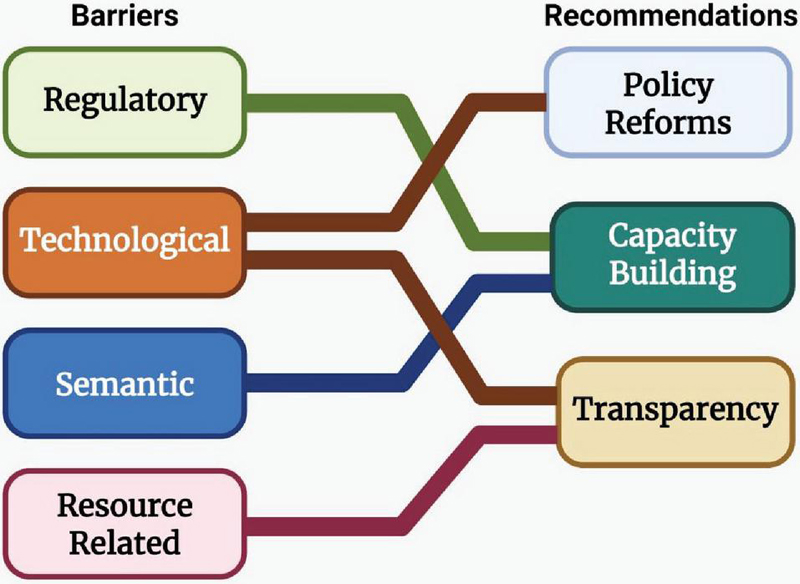
Figure 4 Sector-specific adaptation challenges and strategies.
7.1 Regulatory Conflicts and Legal Incompatibilities
A big issue occurs when laws are different at national and international levels, as international standards are not required by law. Local authorities may pass stricter laws on safety or the environment, especially where there is more than one level of government (Abbott and Snidal, 2001). It also takes time to align international standards with national rules when laws are not passed quickly or when there are disagreements among different agencies. Improving coordination between agencies and doing legal gap analyses helps ensure international standards are suitable for the country (Harasymiv, 2023).
7.2 Technological Gaps and Infrastructure Limitations
A proper infrastructure, tools for measurement, and trained people to follow international standards is required. Because of a lack of technology, suitable testing, and qualified professionals, low- and middle-income countries (LMICs) are unable to use international standards. Developing capacity-building, infrastructure, and technology transfer, and strengthening public-private partnerships is key to resolving the problems (Malik et al., 2024).
7.3 Interpretation Differences and Semantic Ambiguities
Because international standards are often written in broad and general language, their interpretation may vary across jurisdictions depending on linguistic, cultural, and operational contexts. Differences in terminology, language, and local practices can lead to inconsistent understanding of the same standard. These issues can be addressed through the use of explanatory guidelines, targeted textual clarifications, country-specific notes, and structured training programs to ensure consistent interpretation and application across different settings (Hirst, 1988; Vergara, 2018).
7.4 Resource Constraints in Implementation and Evaluation
Small and medium enterprises (SMEs), developing countries, and non-profit sectors must use more resources when they convert standards. Helping SMEs, developing countries, and non-profit sectors with costs and training can address these problems. Sharing knowledge and collaborating with other countries helps deal with these challenges (Parker, 1999).
7.5 Coordination and Stakeholder Engagement Challenges
For standards to be transformed efficiently, regulators, industry representatives, and civil society groups must cooperate. The process can become difficult, with conflicting priorities, communication barriers and fragmented governance. Overcoming these issues, ensuring the standards are accepted by many, and making them legitimate is possible using transparent, participatory governance and digital collaboration platforms (Mitchell et al., 2020).
8 Recommendations and Best Practice for Effective Standard Conversion
To convert standards effectively, offering strategic, evidence-based advice that links global needs with local actions is necessary. It outlines the best practices for increasing the conversion process’s efficiency, inclusiveness, and sustainability (Ali and Haapasalo, 2023).
With emergent technologies, such as artificial intelligence (AI) and SMART standards, it is necessary to explore their configuration within the current standardization frameworks. Such integration is salient in the tourism industry context, where the concept of AI could enhance the personalization of the consumer experience through the use of real-time information analytics, and SMART standards could create an environment of effective, efficient, and sustainable management of tourist operations. However, there are challenges, including regulatory restriction and infrastructural challenge that have to be overcome to make extensive use of these technologies in the tourism marketing in the world.
8.1 Develop National Applicability Matrices (NAMs)
NAMs compare international standards with local rules, facilities, and societal conditions (Parish et al., 2020). They facilitate:
• A clear assessment of differences between standards and existing rules is made.
• They can be altered as laws and technology evolve.
• NAMs allow different industries to work closely by supplying the same information.
• NAMs provide a way to easily prioritize and decide how to allocate resources for adopting standards.
8.2 Promote Public–Private Partnerships (PPPs)
PPPs bring together resources and skills from government, industry, the academy, and international groups (Sadeghi et al., 2016). Key benefits include:
• Corporate, government, academic, and international bodies work together in PPPs.
• Both the government and industry provide funding for developing capabilities and facilities.
• Sharing knowledge and innovation can create adaptive changes.
• Well-structured and managed PPPs can enhance the capability to set standards nationally.
8.3 Train Professionals in International Standardization Methodologies
Training initiatives are very important to maintain change in standards (Zaitseva et al., 2017). Effective training should include:
• Training modules should address the needs of people from both the industry and the government.
• Part of the training should include standardization principles in academic courses.
• Learning should be on digital platforms to make it convenient for many people.
• By training, industry players and policymakers gain knowledge of MCDA, Delphi, and gap analysis, which helps maintain proper procedures.
8.4 Foster Transparency and Documentation in Evaluation Processes
Being transparent guarantees the credibility of converting a standard (Tavares, 2024). Best practices include:
• Conversion dossiers open to the public containing information on gaps and stakeholders’ thoughts.
• Audit trails to keep the process accountable and help it improve gradually.
• Audit records allowing for the review and improvement of standards conversion.
• Digital archiving allows sharing information across different locations and reduces the risk of repeating work.
8.5 Leverage Emerging Technologies for Dynamic and Adaptive Transformation
AI, machine learning, and natural language processing have the potential to change the process of converting standards (Lakshmi et al., 2019):
• Automating steps to identify the difference between current standards and desired ones.
• Showing the possible effects of adaptations on the economy, the environment, and society.
• AI can be used to aid in engaging stakeholders during the standardization process.
• Using AI to assist in engaging stakeholders during standardization.
Standardization ecosystems need to pay attention to data management and technology tools to use these new technologies successfully.
Figure 5 visualizes how emerging digital technologies (AI, IoT, SMART standards) integrate into the standardization process and enable applicability assessment.
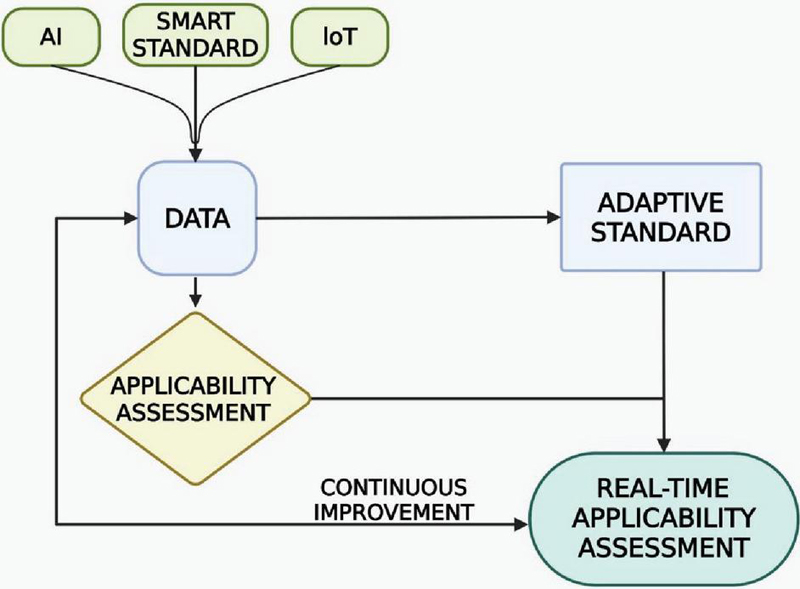
Figure 5 Digital transformation of standardization.
These recommendations allow standardization ecosystems to improve their standard transformation, making it sustainable and relevant, and helping to create more innovation globally (Shaikh, 2024).
9 Conclusion
When based on applicability-based evaluation, converting international standards is essential for bringing together the standards’ universal aims and the particular needs of places where they are used. This review proves that a successful transformation goes beyond technical changes and involves improving laws, building institutions, and teaming up with stakeholders. Using gap analysis, Delphi consensus, and MCDA in ISO/IEC Guide 21 allows for reliable and formal ways to make changes. It is evident from case studies that different sectors require unique approaches suited to differences in regulations, readiness of infrastructure, and culture. Addressing such issues as conflict between regulations, weak technology, variations in terms, and lack of resources calls for national applicability matrices, public-private teams, training, and clear governance. Also, AI-based evaluation tools and SMART standards have created new and better chances to increase the speed and accuracy of adapting standards. In short, by linking global standards to local factors, stakeholders can benefit from international standards to boost innovation, guarantee compliance, and support fair and sustainable development everywhere.
In summary, the methodological contribution outlined in this paper, namely, comparative gap analysis and MCDA, is a flexible model of explaining the dynamics of standard transformations within heterogeneous geopolitical and economic environments. Implementing these tools on a macro level will make sure that AI technologies are integrated in a way that will allow policymakers and marketers in the tourism sector to embrace cultural heterogeneity without rejecting ethical and transparent business practices. Visionary studies could investigate the localization of these systems to specific regions or sectors and hence guide the formulation of AI policies and ethical norms in world systems.
References
Abbott, K. W., and Snidal, D. (2001). International “standards” and international governance. Journal of European Public Policy, 8(3), 345–370. https://doi.org/10.1080/13501760110056013.
Abu Dabous, S., Zeiada, W., Zayed, T., and Al-Ruzouq, R. (2020). Sustainability-informed multi-criteria decision support framework for ranking and prioritization of pavement sections. Journal of Cleaner Production, 244, 118755. https://doi.org/10.1016/j.jclepro.2019.118755.
Acharige, S. S. G., Haque, Md. E., Asif, M., Hosseinzadeh, N., Hasan, K. N., and Than Oo, A. M. (2023). Review ofElectric Vehicle Charging Technologies, Standards, Architectures, and ConverterConfigurations. IEEE Access, 11, 41218–41255. https://doi.org/10.1109/ACCESS.2023.3267164.
Ali, F., and Haapasalo, H. (2023). Development Levels of Stakeholder Relationships in Collaborative projects: Challenges and Preconditions. International Journal of Managing Projects in Business, 16(8), 58–76. Emerald. https://doi.org/10.1108/ijmpb-03-2022-0066.
Allaoui, S., Bourgault, M., and Pellerin, R. (2019). Business transformation frameworks: Comparison and industrial adaptation. Journal of Enterprise Transformation, 1–28. https://doi.org/10.1080/19488289.2019.1571538.
Anand, K., Saini, K. S., Chopra, Y., and Binod, S. K. (2010). To Recognize the Use of International Standards for Making Harmonized Regulation of Medical Devices in Asia-Pacific. Journal of Young Pharmacists, 2(3), 321–325. https://doi.org/10.4103/0975-1483.66804.
António da Silva Gonçalves, V., and Mil-Homens dos Santos, F. J. (2019). Energy management system ISO 50001:2011 and energy management for sustainable development. Energy Policy, 133, 110868. https://doi.org/10.1016/j.enpol.2019.07.004.
Awadh, O. (2017). Sustainability and green building rating systems: LEED, BREEAM, GSAS and Estidama critical analysis. Journal of Building Engineering, 11, 25–29.
Balahurovska, I. (2023). Innovation synergy for the transformation of organizations in the digital era. Scientific Papers of Silesian University of Technology Organization and Management Series, 2023(188). https://doi.org/10.29119/1641-3466.2023.188.1.
Barfod, M. B., Salling, K. B., and Leleur, S. (2011). Composite decision support by combining cost-benefit and multi-criteria decision analysis. Decision Support Systems, 51(1), 167–175. https://doi.org/10.1016/j.dss.2010.12.005.
Brusca, I., and Martínez, J. C. (2016). Adopting International Public Sector Accounting Standards: a challenge for modernizing and harmonizing public sector accounting. International Review of Administrative Sciences, 82(4), 724–744. https://doi.org/10.1177/0020852315600232.
Ceko, E. (2023). On the Relationship Between ISO Standards and SustainableDevelopment. https://doi.org/10.35784/preko.3953.
Chen, H., Bao, D., Goto, Y., and Cheng, J. (2015). A Supporting Environment for IT System Security Evaluation Basedon ISO/IEC 15408 and ISO/IEC 18045 (pp. 1359–1366). Springer, Berlin, Heidelberg. https://doi.org/10.1007/978-3-662-45402-2\_189.
Chiesa, V., Manzini, R., and Toletti, G. (2002). Standard–setting processes: Evidence from two case studies. R&D Management, 32(5), 431–450.
Clougherty, J. A. (2024). International standards. Edward Elgar Publishing EBooks, 237–239. https://doi.org/10.4337/9781800884045.ch61.
Coronato, A. (2018). ISO 13485: medical devices - quality management systems – requirements for regulatory purposes. Institution of Engineering and Technology EBooks, 51–67. https://doi.org/10.1049/pbhe012e\_ch5.
Davey, G. (2001). Adapting International Protocols to Local Settings. Tropical Doctor, 31(2), 65–66. https://doi.org/10.1177/004947550103100201.
David, P. A., and Shurmer, M. (1996). Formal standards-setting for global telecommunications and information services. Towards an institutional regime transformation? Telecommunications Policy, 20(10), 789–815. https://doi.org/10.1016/s0308-5961(96)00060-2.
Meijer, W. J., and Taylor, A. (2022). ISO/IEC-Standards on Quality and Safety of Telehealth Services and MobileMedical Apps. MedInfo, 290, 508–511. https://doi.org/10.3233/SHTI220128.
Ronalter, L. M., Poltronieri, C. F., and Gerolamo, M. C. (2023). ISO management system standards in the light of corporatesustainability: a bibliometric analysis. The Tqm Journal, 35(9), 256–298. https://doi.org/10.1108/tqm-09-2022-0279.
Ernst, N., Borgida, A., Jureta, I. J., and Mylopoulos, J. (2013). An Overview of Requirements Evolution. Springer EBooks, 3–32. https://doi.org/10.1007/978-3-642-45398-4\_1.
Fliess, B., Gonzales, F., Kim, J., &Schonfeld, R. (2010). The Use of International Standards in TechnicalRegulation. Research Papers in Economics. https://doi.org/10.1787/5KMBJGKZ1TZP-EN.
Frommelt, C. (2024). Compliance Guidelines and their Cultural Context. Proceedings of the International Conference on Advanced Research in Business, Management and Economics, 1(1), 1–14. https://doi.org/10.33422/icabme.v1i1.316.
Garattini, L., and Padula, A. (2017). Multiple Criteria Decision Analysis in Health Technology Assessment for Drugs: Just Another Illusion? Applied Health Economics and Health Policy, 16(1), 1–4. https://doi.org/10.1007/s40258-017-0345-7.
García-Alvarado, R., Moroni-Orellana, G., and Banda, P. (2022). Development of Variable Residential Buildings with 3D-Printed Walls. Buildings, 12(11), 1796. https://doi.org/10.3390/buildings12111796.
Getachew, E., Woldeamanuel, Y., and Manyazewal, T. (2022). Capacity and Readiness Assessment of Healthcare Facilities for Digital Health Interventions Against Tuberculosis and HIV in Addis Ababa, Ethiopia. Frontiers in Digital Health, 4. https://doi.org/10.3389/fdgth.2022.821390.
Ghaffarianhoseini, A., Tookey, J., Ghaffarianhoseini, A., Naismith, N., Azhar, S., Efimova, O., and Raahemifar, K. (2017). Building Information Modelling (BIM) uptake: Clear benefits, understanding its implementation, risks and challenges. Renewable and Sustainable Energy Reviews, 75(75), 1046–1053.
Ghodsi, M. M., and Michałek, J. J. (2016). TECHNICAL BARRIERS TO TRADE NOTIFICATIONS AND DISPUTE SETTLEMENT WITHIN THE WTO. Equilibrium. Quarterly Journal of Economics and Economic Policy, 11(2), 219–249. https://www.ceeol.com/search/article-detail?id=459528.
Gilliam, A., Davis, D., Barrington, T., Lacson, R., Uhl, G., and Phoenix, U. (2002). The Value of Engaging Stakeholders in Planning and Implementing Evaluations. AIDS Education and Prevention, 14(3_supplement), 5–17. https://doi.org/10.1521/aeap.14.4.5.23878.
Hargreaves, N., Pantea, S., and Taylor, G. A. (2014). Adopting the IEC Common Information Model toEnable Smart Grid Interoperability and Knowledge Representation Processes (pp. 439–462). Springer Singapore. https://doi.org/10.1007/978-981-4585-30-9\_17.
Herrera-Sánchez, G., Morán-Bravo, L. delC., Silva-Juárez, A., and De Sampedro-Poblano, H. (2024). Sustainabledevelopment goals and ISO standards in industrial maintenance. Revista de Ingeniería Industrial, 8(20). https://doi.org/10.35429/jie.2024.8.20.3.9.
H. Gulvanessian, and Driscoll, R. (2001). Eurocodes – the new environment for structural design. Proceedings of the Institution of Civil Engineers – Civil Engineering, 144(6), 3–7. https://doi.org/10.1680/cien.2001.144.6.3.
Hackos, J. T. (2016). International Standards for Information Development and Content Management. IEEE Transactions on Professional Communication, 59(1), 24–36. https://doi.org/10.1109/tpc.2016.2527278.
Hawari, A., Alamin, M., Alkadour, F., Elmasry, M., and Zayed, T. (2018). Automated defect detection tool for closed circuit television (cctv) inspected sewer pipelines. Automation in Construction, 89, 99–109. https://doi.org/10.1016/j.autcon.2018.01.004.
Heires, M. (2008). The International Organization for Standardization (ISO). New Political Economy, 13(3), 357–367. https://doi.org/10.1080/13563460802302693.
Hey, R. B. (2017). Using Benchmarking Results. Elsevier EBooks, 419–428. https://doi.org/10.1016/b978-0-12-810446-0.00027-x.
Hirst, G. (1988). Semantic interpretation and ambiguity. Artificial Intelligence, 34(2), 131–177. https://doi.org/10.1016/0004-3702(88)90037-9.
Huang, H., Burgherr, P., and Macharis, C. (2024). A collaborative group decision-support system: the survey based multi-actor multi-criteria analysis (MAMCA) software. Journal of the Operational Research Society, 1–22. https://doi.org/10.1080/01605682.2024.2398114.
Hutsalenko, L., and Marchuk, U. (2019). Financial statements according to the international financial reporting standards: requirements and realities of implementation. Ekonomika APK, 6, 36–44. https://doi.org/10.32317/2221-1055.201906036.
Jadhav, N. M., and Shendge, R. S. (2024). ISO 13485:2016 – The Gateway of Global or Regional Harmonization for Medical Device Regulations. International Journal of Pharmaceutical Quality Assurance, 15(01), 502–511. https://doi.org/10.25258/ijpqa.15.1.76.
Jayakar, K. (1998). Globalization and the Legitimacy of International Telecommunications StandardSetting Organizations. Indiana Journal of Global Legal Studies, 5(2), 711–738. JSTOR. https://doi.org/10.2307/25691125.
Joo, H.-J., An, Y.-S., Kim, M.-H., and Kong, M. (2023). Long-term performance evaluation of liquid-based photovoltaic thermal (PVT) modules with overheating-prevention technique. Energy Conversion and Management, 296, 117682–117682. https://doi.org/10.1016/j.enconman.2023.117682.
Kafle, V. P., Fukushima, Y., and Harai, H. (2016). Internet of things standardization in ITU and prospective networking technologies. IEEE Communications Magazine, 54(9), 43–49. https://doi.org/10.1109/mcom.2016.7565271.
Khamidovich, N. F. (2024). The impact of international intellectual property law on national law. Frontline Social Sciences and History Journal, 4(6), 39–44. https://doi.org/10.37547/social-fsshj-04-06-06.
Khan, N., and Rehman, A. (1999). Standard of standards. Journal of Engineering and Applied Sciences, University of Engineering and Technology, Peshawar, 18(1). https://doi.org/10.25211/jeas.v18i1.605.
Kitsios, F., Chatzidimitriou, E., and Kamariotou, M. (2023). The ISO/IEC 27001 Information Security Management Standard: How to Extract Value from Data in the IT Sector. Sustainability, 15(7). https://doi.org/10.3390/su15075828.
Kumar, K., Boesso, G., and Yao, J. (2017). Cultural values, institutional arrangements and stakeholder management culture. Review of International Business and Strategy, 27(4), 450–465. https://doi.org/10.1108/ribs-03-2017-0029.
Kwon, D., Kim, D., Joo, S., and Shin, Y. (2023). Standardization for Digital Innovation: An Analysis of the ISO/IEC SMART Standards Concept. Society for Standards Certification and Safety, 13(4), 19–34. https://doi.org/10.34139/jscs.2023.13.4.19.
Lakshmi, M. V. N. N., Sricharan, Y. V. N. S., and Vijayakumar, T. (2019). Leveraging Technology for Shared Services Transformation. Innovation, Technology, and Market Ecosystems, 51–64. https://doi.org/10.1007/978-3-030-23010-4\_3.
Landoni, P., and Corti, B. (2011). The Management of International Development Projects: Moving toward a Standard Approach or Differentiation? Project Management Journal, 42(3), 45–61. https://doi.org/10.1002/pmj.20231.
Lee, J.-G., Lee, Y., Kim, C. S., and Han, S. B. (2021). Codex Alimentarius commission on ensuring food safety and promoting fair trade: harmonization of standards between Korea and codex. Food Science and Biotechnology, 30(9), 1151–1170. https://doi.org/10.1007/s10068-021-00943-7.
Lesnikowski, A., Ford, J., Biesbroek, R., Berrang-Ford, L., and Heymann, S. Jody. (2015). National-level progress on adaptation. Nature Climate Change, 6(3), 261–264. https://doi.org/10.1038/nclimate2863.
Li, J., Che, D., and Niu, N. (2023). Research on Practice of Adopting International Standards at Home and Abroad and the New Adoption Standard Rate System in China. 2023 International Conference on Information Management (ICIM), 92–97. https://doi.org/10.1109/icim58774.2023.00023.
Li, Q., Tang, Q., Chan, I., Wei, H., Pu, Y., Jiang, H., Li, J., and Zhou, J. (2018). Smart manufacturing standardization: Architectures, reference models and standards framework. Computers in Industry, 101, 91–106. https://doi.org/10.1016/j.compind.2018.06.005.
Ma, D., Li, X., and Cheng, C. (2020). The impact of the international construction standard application capability on contractors’ competitiveness: Chinese contractors’ experience. Journal of Civil Engineering and Management, 26(8), 757–774
Macmillan, P. (2016). International Organization for Standardization (ISO). The Statesman’s Year-Book, 50–50. https://doi.org/10.1007/978-1-349-68398-7\_40.
Malik, N. S., Azeem, N. S., Rehman, N. A., Khan, N. H., Haque, N. A., and Qamar, N. A. (2024). Implications of technological advancement of surgery in low and middle-income countries’ a narrative review. Journal of the Pakistan Medical Association, 74(4). https://doi.org/10.47391/jpma.aku-9s-10.
Mani, M., Larborn, J., Johansson, B. J., Lyons, K. W., and Morris, K. C. (2016). Standard Representations forSustainability Characterization of Industrial Processes. Journal of Manufacturing Science and Engineering-Transactions ofThe Asme, 138(10), 101008. https://doi.org/10.1115/1.4033922.
Marsden, A., and Shahtout, A.(2014). International Organization for Standardization (pp.447–450). American Society of Microbiology. https://doi.org/10.1128/9781555817282.CH22.
Mattli, W. (2001). The politics and economics of international institutional standards setting: an introduction. Journal of European Public Policy, 8(3), 328–344. https://doi.org/10.1080/13501760110056004.
McKane, A., Williams, R., Perry, W., &Li, T. (2008). Setting the Standard for Industrial Energy Efficiency. eScholarship. https://escholarship.org/content/qt91d187hx/qt91d187hx.pdf.
Ming Du, M. (2007). Domestic Regulatory Autonomy under the TBT Agreement: From Non-discrimination to Harmonization. Chinese Journal of International Law, 6(2), 269–306. https://doi.org/10.1093/chinesejil/jmm022.
Mirtsch, M., Pohlisch, J., and Blind, K.(2020). International Diffusion of the Information Security Management SystemStandard ISO/IEC 27001: Exploring the Role of Culture. European Conference on Information Systems. https://dblp.uni-trier.de/db/conf/ecis/ecis2020.html\#MirtschPB20.
Mitchell, J. R., Mitchell, R. K., Hunt, R. A., Townsend, D. M., and Lee, J. H. (2020). Stakeholder Engagement, Knowledge Problems and Ethical Challenges. Journal of Business Ethics, 175(1), 75–94. https://doi.org/10.1007/s10551-020-04550-0.
Mostafa Ghane, Mei Choo Ang, Cavallucci, D., Rabiah Abdul Kadir, Kok Weng Ng, and Shahryar Sorooshian. (2024). Semantic TRIZ feasibility in technology development, innovation, and production A systematic review. Heliyon, 10(1), e23775–e23775. https://doi.org/10.1016/j.heliyon.2023.e23775.
Moultrie, J., Clarkson, P. J., and Probert, D. (2006). A tool to evaluate design performance in SMEs. International Journal of Productivity and Performance Management, 55(3/4), 184–216. https://doi.org/10.1108/17410400610653192.
Mulubrhan, F., Mokhtar, A. A., and Muhammad, M. (2014). Comparative Analysis between Fuzzy and Traditional Analytical Hierarchy Process. MATEC Web of Conferences, 13, 01006. https://doi.org/10.1051/matecconf/20141301006.
Nahai, F. (2018). General Data Protection Regulation (GDPR) and Data Breaches: What You Should Know. Aesthetic Surgery Journal, 39(2), 238–240. https://doi.org/10.1093/asj/sjy296.
Nathanail, C. P., Bakker, L. M. M., Bardos, P., Yasuhide, F., Nardella, A., Smith, G., Smith, J. W. N., and Goetsche, G.(2017). Towards an international standard: The ISO/DIS 18504 standard onsustainable remediation. Remediation Journal, 28(1), 9–15. https://doi.org/10.1002/REM.21538.
Nguyen, S. P., Nielsen, P., and Johan Ivar Sæbø. (2019). Global Standards and Local Development. Communications in Computer and Information Science, 141–155. https://doi.org/10.1007/978-3-030-11235-6\_10.
Østebø, R., Selvik, J. T., Naegeli, G., and Ciliberti, T. (2018). ISO Standards to EnableReliable, Safe and Cost-Effective Technology Development, Project Execution andOperational Excellence. https://doi.org/10.4043/28705-MS.
O’Connor, R. V., and Laporte, C. Y. (2017). The Evolution of the ISO/IEC 29110 Set of Standards and Guides. International Journal of Information Technologies and Systems Approach, 10(1), 1–21. https://doi.org/10.4018/ijitsa.2017010101.
Oliveira, R. (2014). Optimization of Large Civil Engineering Projects from an Environmental Point of View. Springer EBooks, 1–7. https://doi.org/10.1007/978-3-319-09303-1\_1.
Parish, S. T., Aschner, M., Casey, W., Corvaro, M., Embry, M. R., Fitzpatrick, S., Kidd, D., Kleinstreuer, N. C., Lima, B. S., Settivari, R. S., Wolf, D. C., Yamazaki, D., and Boobis, A. (2020). An evaluation framework for new approach methodologies (NAMs) for human health safety assessment. Regulatory Toxicology and Pharmacology, 112, 104592. https://doi.org/10.1016/j.yrtph.2020.104592.
Parker, R. (1999). From National Champions to Small and Medium Sized Enterprises: Changing Policy Emphasis in France, Germany and Sweden. Journal of Public Policy, 19(1), 63–89. https://doi.org/10.1017/s0143814x99000185.
Patón-Romero, J. D., Baldassarre, M. T., Rodríguez, M., Pérez-Canencio, J. G., Ojeda-Solarte, M. L., Rey-Piedrahita, A.,& Piattini, M. (2019). Application of ISO/IEC 33000 to Green IT: A CaseStudy. IEEE Access, 7, 116380–116389. https://doi.org/10.1109/ACCESS.2019.2936451.
Patón-Romero, J. D., Baldassarre, M. T., Rodriguez, M., Pérez-Canencio, J. G., Ojeda-Solarte, M. L., Rey-Piedrahita, A.,& Piattini, M. (2022). Application of ISO/IEC TR 33014to the improvement of Green IT processes. 82, 103611. https://doi.org/10.1016/j.csi.2021.103611.
Perkins, R., and Neumayer, E. (2009). Geographic Variations in the Early Diffusion of Corporate Voluntary Standards:Comparing ISO14001 and the Global Compact. Social Science Research Network. https://papers.ssrn.com/sol3/papers.cfm?abstract\_id=1271652.
Prasetya, B., Wahono, D. R., Dewantoro, A., Anggundari, W. C., and Yopi. (2021). The role of Energy Management System based on ISO 50001 for Energy-Cost Saving and Reduction of CO2-Emission: A review of implementation, benefits, and challenges. IOP Conference Series: Earth and Environmental Science, 926(1), 012077. https://doi.org/10.1088/1755-1315/926/1/012077.
Ranky, P. G. (2012). Sustainable energymanagement and quality process models based on ISO 50001:2011 the InternationalEnergy Management Standard. IEEE International Symposium onSustainable Systems and Technology, 1–6. https://doi.org/10.1109/ISSST.2012.6227995.
Reddy, B. P., Praveen Thokala, Iliff, A., Warhurst, K., Chambers, H., Bowker, L., Walters, S. J., Duenas, A., and Kelly, M. (2016). Using MCDA to generate and interpret evidence to inform local government investment in public health. EURO Journal on Decision Processes, 4(3–4), 161–181. https://doi.org/10.1007/s40070-016-0059-3.
Rey, L., and Fortin, A. (2023). Participatory evaluation, deliberation and democracy. Edward Elgar Publishing EBooks, 132–153. https://doi.org/10.4337/9781800884892.00017.
Sadeghi, A., Barati, O., Bastani, P., Daneshjafari, D., and Etemadian, M. (2016). Strategies to develop and promote public-private partnerships (PPPs) in the provision of hospital services in Iran: a qualitative study. Electronic Physician, 8(4), 2208–2214. https://doi.org/10.19082/2208.
Sahoo, S., and Lo, C.-Y. (2022). Smart manufacturing powered by recent technological advancements: A review. Journal of Manufacturing Systems, 64, 236–250. https://doi.org/10.1016/j.jmsy.2022.06.008.
Shaikh, Z. P. (2024). Leveraging Artificial Intelligence for Digital Actionable Transformation of Business. Advances in E-Business Research Series, 181–212. https://doi.org/10.4018/979-8-3693-7056-8.ch007.
Shao, P., Tan, R., Peng, Q., Zhang, L., Wang, K., and Dong, Y. (2022). Problem-Solving in Product Innovation Based on the Cynefin Framework-Aided TRIZ. Applied Sciences, 12(9), 4157. https://doi.org/10.3390/app12094157.
Shariff, N. J. (2015). Utilizing the Delphi Survey Approach: A Review. Journal of Nursing and Care, 04(03). https://doi.org/10.4172/2167-1168.1000246.
Sharma, A., and Luthra, G. (2023). Implementing a Risk-Based Approach to Quality Management System ISO-13485 Processes in Compliance with EUMDR 2017/745 for Medical Device Industry. Journal of Pharmaceutical Research International, 35(13), 8–19. https://doi.org/10.9734/jpri/2023/v35i137365.
Spichkova, M., Schmidt, H. W., Rashed, M., and Madhavji, N. H. (2015). Structuring diverse regulatory requirements for global product development. 57–60. https://doi.org/10.1109/relaw.2015.7330212.
Taras Harasymiv. (2023). Problems of harmonization of national legislation to international legal standards. Visnik Nacional’nogo Universitetu “Lvivska Politehnika” Seria Uridicni Nauki, 10(40), 12–19. https://doi.org/10.23939/law2023.40.012.
Tavares, J. F. F. (2024). Transparency and accountability in public management. Accounting and Management Review |Revista de Contabilidade E Gestão, 28(1). https://doi.org/10.55486/amrrcg.v28i1.6.
Thangaratinam, S., and Redman, C. W. (2005). The Delphi technique. The Obstetrician and Gynaecologist, 7(2), 120–125. https://doi.org/10.1576/toag.7.2.120.27071.
Toader, C.-I. (2022). The Impact of Socio-Cultural Factors on the Business Environment. CECCAR Business Review, 3(7), 35–42. https://doi.org/10.37945/cbr.2022.07.04.
Vergara, M. M. (2018). Estándares jurídicos internacionales: Necesidad de un análisis conceptual. Revista de Derecho (Coquimbo), 25(1), 233–256. https://doi.org/10.4067/s0718-97532018000100233.
Viardot E. The role of cooperatives in overcoming the barriers to adoption of renewable energy. Energy Policy. 2013 Dec 1;63:756–64.
Villarreal, A. B. (2018). International Standardization and the Agreement on TechnicalBarriers to Trade. https://www.cambridge.org/core/books/international-standardization-and-the-agreement-on-technical-barriers-to-trade/C38EACC08D54BE8D43F38478DD748861.
Vollmer, M., Berchtold, C., Sakkas, G., Ioannis Tsaloukidis, Danai Kazantzidou-Firtinidou, Pertti Woitsch, and Jaakko Perilä. (2024). Standardization Gaps in European Disaster Management. Journal of Homeland Security and Emergency Management, 21(2), 209–242. https://doi.org/10.1515/jhsem-2021-0047.
Warit Wipulanusat, and Jirapon Sunkpho. (2013). Quality assessment in public sector: A view from public sector management quality award. Proceedings of the 2013 (4th) International Conference on Engineering, Project, and Production Management, 1138–1147. https://doi.org/10.32738/ceppm.201310.0094.
Xu, S. (2020). Methods for Comprehensive Evaluation. Technological Economics, 375–392. https://doi.org/10.1007/978-981-15-8582-1\_20.
Yacob, A., Aimi Dalila Roslim, Wahab, A., Halim, A., Zirawani Baharum, Mohd, W., and Dewi Nasien. (2024). Exploring the Landscape of Decision Support Systems: A Comprehensive Review of Implementations and Key Characteristics. Journal of Advanced Research in Applied Sciences and Engineering Technology, 51(1), 141–149. https://doi.org/10.37934/araset.51.1.141149.
Yang, F., Wen, X., Aziz, A., and Luhach, A. Kr. (2021). The need for local adaptation of smart infrastructure for sustainable economic management. Environmental Impact Assessment Review, 88, 106565. https://doi.org/10.1016/j.eiar.2021.106565.
Yevhenii Kurii, and Opirskyy, I. (2023). ISO 27001: Analysis of changes and compliance features of the new version of the standard. Kìberbezpeka. Osvìta, Nauka, Tehnìka, 3(19), 46–55. https://doi.org/10.28925/2663-4023.2023.19.4655.
Youn, E. (2015). Adoption of ISAD(G) in practice: a close look at the standardization process of ISAD(G) in a manuscript archives of Korea. Archives and Records, 36(2), 128–145. https://doi.org/10.1080/23257962.2015.1029892.
Zaitseva, N., Dzhandzhugazova, E., Bondarchuk, N., and Zhukova, M. (2017). Modern “challenges” in the system of personnel training: standardization and innovations. International Journal of Educational Management, 31(4), 497–504. https://doi.org/10.1108/ijem-02-2016-0036.
Zhang, Z., and Balakrishnan, S. (2021). Multi-Criteria Decision Analysis. Elsevier EBooks, 485–492. https://doi.org/10.1016/b978-0-08-102671-7.10371-9.
Journal of ICT Standardization, Vol. 14_1, 125–164
doi: 10.13052/jicts2245-800X.1415
© 2026 River Publishers