From Lump-Sum to E-Taxation with a Behavioral Analysis of Payment Method Choices Among Informal Retailers
Thao Thi Phuong Nguyen1 and Nguyen Van Ninh2,*
1Faculty of Economics, Tay Bac University, Son La, Vietnam
2Faculty of Commerce and Tourism, Industrial University of Ho Chi Minh City, Vietnam
E-mail: phuongthao@utb.edu.vn; nguyenvanninh@iuh.edu.vn
*Corresponding Author
Received 29 September 2025; Accepted 25 May 2026
Abstract
In the transition from lump-sum to tax declaration, retailers face two choices: continue using cash or adopt e-taxation with electronic invoices. Using a behavioral approach, this study applies Institutional Pressure and the Theory of Planned Behavior (TPB) to explain payment choices in traditional markets. Partial least squares structural equation modeling (PLS-SEM) was used to test relationships with survey data from 365 retailers. The findings show coercive and mimetic pressures affect TPB mediators, whereas normative pressure influences attitude and subjective norms but not perceived control. In the case of e-payment intentions, attitude, subjective norms, and perceived control are significant predictors. For the intention to continue cash use, attitude and perceived control are significant, whereas subjective norms are not. Familiarity and security with cash sustain traditional behavior alongside modern adoption. The sample was limited to one locality, reducing generalizability.
Keywords: Taxation, behavioral intention, cash-based payment, electronic payment, retail sector.
1 Introduction
In Vietnam, the small-scale retailers in the informal sector have had a hard time adapting since the collection of tax ceased being in the form of lump sum payments and it became computerized tax collection [1]. For a long time, most traders in conventional markets and small businesses have primarily traded using cash, and never issued invoices, as they remained not part of the formal tax structure [2]. To address this, the government has recently required households to use e-invoices and cash registers connected with tax authorities. This step is part of the broader application of e-government tools to enhance compliance and introduce more openness to the informal economy [3].
In parallel with this process, Vietnam’s retail payment environment is becoming more digitalized, but this process is not distributed evenly across the groups of the population. In recent evidence in the country, 71% of adults reported having an account, 62% made or received a digital payment, 98% of adults owned a mobile phone, and 88% were using the internet within the last three months [4]. In line with this, data obtained by the State Bank of Vietnam indicate that by the end of the first quarter of 2025, non-cash transactions have grown by 44.43%. QR code payments rose by 81.64%, while internet and mobile transactions increased by 40.41% and 39.82%, respectively [5]. These figures suggest that informal retailers now operate in a retail setting where cashless payment practices are becoming more visible.
However, the transition process is hindered by barriers and has met with mixed feedback [6]. While some businesses have adapted to the new regulations, many are hesitant, delaying adoption or continuing to rely on cash-on-delivery [7]. The issue is: what factors really influence their behavior? Is compliance either internally awareness or socially and institutionally pressured?
In addition, most research reports on tax compliance concentrate on formal businesses, with deterrence theory, compliance costs, or access to technical factors [8][9]. The studies usually fail to consider the social environment of informal businesses, where the decision is influenced by norms, habits, economic interests, and access to technology [10].
In this context, theoretical analysis of the selection of payment methods by informal retailers requires a theoretical framework that will connect Institutional Pressures and personal choice. Earlier methods, such as deterrence models or cost-based models, focus on formal enterprises and economics at the expense of community norms and context of policy. Therefore, this study chooses Institutional Theory [11] to explain external pressures such as regulations, imitation behavior and social norms; and combines it with the Theory of Planned Behavior (TPB) [12] to explain how these pressures are transformed into attitudes, subjective norms, and perceived behavioral control, thereby forming intentions in payment choice.
From this perspective, two behavioral paths can be identified. The first shows the willingness to use electronic cash registers attached to invoices according to policy requirements [13]. The second shows a tendency to continue using cash without issuing invoices, which may serve either as a convenient practice or as a way to avoid taxation [14]. The construction of this two-way analytical model not only helps explain compliance behavior, but also contributes to clarifying the mechanism of evasive behavior in the context of policy changes. The research also provides a practical policy advice on the interventions of the policies that can be relevant to the psychology and conditions of the small business in transition economies.
2 Literature Review
2.1 Background Theory
Vietnam is promoting digital transformation across the economy, in which tax management has become increasingly relevant to the small business sector [15]. This is a commercial group that has long operated primarily in cash and without invoices. Replacing lump-sum taxes with an electronic tax system linked to output invoices has created a major change in the payment collection behavior of retailers. This study approaches this phenomenon from two perspectives, including institutional and behavioral [16]. According to the institutional approach, the behavior of business households is not only governed by regulations from tax authorities but also reflects the tendency to follow others when feeling uncertain, as well as compliance based on social norms recognized within the trading community [17]. These pressures not only exist objectively but also contribute to shaping the way sellers understand problems, evaluate choices, and perceive their own sense of control [11]. From there, three behavioral components are formed, including attitudes towards the new payment collection tool, feelings about the expectations of others, and the feeling of being able to perform the behavior yourself [12]. This integration is important because legal or cost-based deterrence models primarily capture economic calculations in formal firms, but they ignore the informal sector, where compliance is shaped by Institutional Pressures and translated into psychological drivers of intention by the surrounding environment [18]. On that basis, the study focuses on measuring two behavioral trends that are occurring in parallel during the tax transition process, including the trend of adopting electronic payment collection devices and the trend of continuing to collect cash without issuing invoices [19].
2.2 Hypothesis Development
2.2.1 Institutional pressures and behavioral belief constructs
In the context of rapidly changing tax policies, small businesses are no longer operating entirely on their own but are increasingly subject to oversight and coordination from management agencies [20]. One of the most obvious forms of pressure is coercive influence stemming from the policy and legal system [21][22]. This kind of pressure is caused by the forced demands of the state like regulations on cash registers connected to the invoices, the necessity to declare the quality revenue, and the risk to be examined and punished in case of non-cooperation [23]. When it becomes clear that the transition to electronic taxation is unavoidable, businesses may adjust their attitudes to adapt, acknowledging that this shift is a matter of compliance [24]. At the same time, they may also feel a loss of autonomy, believing that behavioral choices are no longer entirely within their control. Therefore, coercive pressure is likely to affect attitudes, perceptions of social norms, and the level of perceived behavioral control [25].
Next, in informal business environments that are highly communal, imitation behavior among retailers is readily observable [26]. When a group of retailers begins adopting electronic cash registers, others tend to follow suit, not only because of the perceived convenience, but also because they feel that being different may be disadvantageous or draw unwanted attention [27, 28]. The imitative pressure usually is not presented by the law or punishment, but by the fear that they will lag behind in case they do not adhere to the general trend. In many cases, observing other businesses adopting technology helps sellers form a more positive evaluation of the behavior, perceiving it as safe, feasible, and can foster trust [29]. This form of social pressure not only fosters supportive attitudes but also strengthens individuals’ confidence in their ability to perform the behavior, especially when they see that others like them have already done so [30].
Besides, the influence of social norms within traditional business communities cannot be overlooked [19]. Normative pressure does not stem from administrative regulations or widespread behavior but rather from the expectations of relatives, business partners, regular customers, neighborhood officials, or embedded social networks [31]. Advice such as “do it right”, “do business transparently”, or “everyone uses invoices now” tends to be more moral than strictly regulatory [32]. In environments that are so familiar, going against or breaking common expectations can result in negative evaluations and can harm the reputation of the seller [33]. When people understand how they are judged by others, they may feel a sense of internal pressure to behave in a certain way, even in the absence of a clearly identified authority enforcing it. Moreover, normative pressure influences individual attitudes and social expectations, while reinforcing the belief that community support makes the behavior more feasible [34].
Therefore, all three types of Institutional Pressure are likely to influence attitudes, perceived social norms, and behavioral self-control. These three forces could be the main issues that precondition or prevent the construction of intention as the theory of planned behavior proposes [35]. Based on this, the study hypothesizes that institutional forces influence the three psychological elements relating either to conformity or a non-conformity behavior among the retailers.
H1.abc Coercive pressure has an impact on attitudes, subjective norms, and perceived behavioral control of business households toward the use of electronic cash collection devices.
H2.abc Mimetic pressure has an impact on attitudes, subjective norms, and perceived behavioral control of business households toward the use of electronic cash collection devices.
H3.abc Normative pressure has an impact on attitudes, perceived social norms, and perceived behavioral control of business households toward the use of electronic cash collection devices.
2.2.2 Interrelationship among behavioral belief constructs
In the theory of planned behavior, the three main factors of attitude, perceived norm, and perceived control do not operate independently but are often interrelated. This is especially true in contexts where the behaviorist is faced with simultaneous changes from both policy and the surrounding community, such as the transition from lump-sum tax to electronic tax [36].
First, when salespeople have a positive attitude toward electronic cash registers, they tend to find them easy to use. Believing that the tool is useful and reasonable makes them more willing to learn about it, try it, and overcome initial technical difficulties [37]. When they evaluate the behavior positively, their anxiety is reduced, which increases their confidence that they can do it if they prepare well. The relationship between attitude and behavioral control is therefore mutually supportive: if people feel good about it, they are more likely to believe that they can do it [38].
Next, social norm perceptions may also determine the way sellers give their chances on carrying out a behavior. Sellers will be more confident to do their deeds and motivated when the people surrounding them show support, trust or expectations whether it is their colleague, regular customers, or relatives among others [39]. Encouragement from a familiar environment often brings a sense of security, helping them believe that they are not alone in switching to a new way of doing things. In the current context, social networks and online communities also play a certain role in shaping business behavior [40]. From these influences, sellers can gradually form the belief that the behavior is not only the right thing to do, but also the completely possible thing to do.
These internal relationships show that not only external factors but also psychological components in the TPB model have the ability to interact and support each other in the process of forming behavior [41]. When social norms are clearly perceived and attitudes towards the behavior are positive, individuals tend to be more confident in their ability to perform the behavior effectively. Therefore, the study suggests that perceived subjective norm and attitudes are both likely to influence perceived behavioral control, thereby proposing two extended hypotheses in the TPB model.
H4 Subjective norms also impact on the perceived behavior control with regard to using electronic cash registers.
H5 Attitudes toward the use of electronic cash registers have an influence on perceived behavioral control.
2.2.3 Behavioral belief constructs and payment method intentions
The decision to change or maintain business households’ payment collection practices is not merely shaped by policies or technologies, but directly reflects how they evaluate, perceive, and believe in the behavior they are about to undertake [42]. According to the TPB, three psychological components - attitude, subjective norms, perceived behavioral control - play a central role in shaping intention [12]. In the case of changing lump-sum taxation in Vietnam in favor of an electronic tax regime, the following two tendencies can possibly emerge: either embracing the use of digital payment devices, or continuing to collect cash without issuing invoices [43]. These are modeled as two distinct intentions rather than a simple one-dimensional continuum.
First, positive attitudes toward the use of electronic payment collection devices are often linked to the belief that the behavior is reasonable, beneficial, and provides a greater sense of security in doing business [44]. The opportunity of a change in habit is increased as individuals consider electronic receipts are contemporary, safe, and convenient [45]. In contrast, concerns about income transparency, system complexity, or reduced control may drive sellers to rely on cash, which they view as safer and more familiar [46]. This suggests that attitude can steer behavior toward e-payment adoption, while also reinforcing continued reliance on cash when it is viewed as safe and familiar.
Next, subjective norms can act as a guide to behavior through perceptions of expectations from others [47]. At the same time, sellers are more likely to comply with e-invoicing requirements when they believe that customers, families, or the business community at large expect them to do so [48]. Moreover, when cash continues to be the most popular practice with the invoices not being observed, sellers have a tendency of staying as they are and conferring the message that they do not intend changing their behavior [31]. While perceived social norms clearly support e-payment adoption, their influence on sustaining cash practices is limited when such behavior has become institutionalized [32].
Finally, perceived behavioral control plays a special role in the retail environment, where most sellers are not formally trained in technology or tax procedures [35]. When sellers feel they are capable of using the equipment, following the invoicing procedure, and processing the transaction, they will more likely switch to the new behavior. Instead, when they are made to believe that they cannot handle the new behavior, when they feel that they are alone on this or it is too much work, then they will use the path of least resistance: collecting cash in the old way as usual [49]. In this case, perceived control becomes a key factor that reinforces both adoption and continuation.
From the above analysis, this study proposes that all three components of TPB may influence two distinct directions of behavioral intention: the intention to adopt e-payment devices and the intention to continue collecting cash without issuing invoices.
H6.a Attitude to the adoption of e-tax has a positive relationship with e-payment intention.
H6.b Attitude towards the adoption of e-tax is a positive predictor of cash intention.
H7.a Perceived behavioral control positively predicts e-payment intention.
H7.b Perceived control is a positive predictor of the cash intentions.
H8.a Subjective norms have a positive influence on e-payment intention.
H8.b Subjective norms have no significant effect on cash intention.
From the analysis of theoretical documents, the study proposes an integrated model between Institutional Pressures and TPB to explain two behavioral trends that exist in parallel in the context of tax transition in Vietnam: acceptance of electronic payment collection devices and continued use of cash without issuing invoices. The model structure is presented in Figure 1.
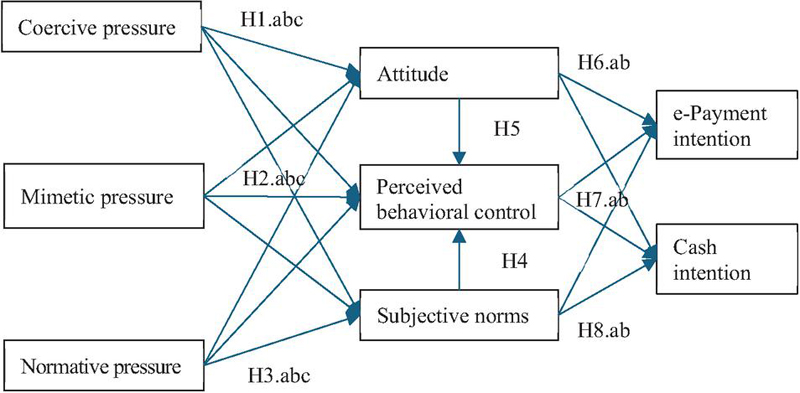
Figure 1 The framework of institutional and behavioral factors influencing sellers’ payment choices.
3 Methods
3.1 Questionnaire Structure
The study was designed based on the Institutional Pressures framework, including three independent variables: coercive pressure, mimetic pressure, and normative pressure. The three mediating variables were attitude, subjective norm, and perceived behavioral control, while the outcome variables were e-payment intention and cash intention. E-payment intention refers to the intention to adopt digital practices in retailing transactions. It includes the use of electronic payment collection tools connected with e-invoicing and the broader e-taxation process. The scales for each concept were inherited from previous studies, with each variable consisting of four to six indicators (see Table 2).
Before the main survey, the questionnaire was pre-tested on 30 traders in the traditional markets using convenience sampling. The results showed that some questions were unclear and were subsequently edited to suit the context. Reliability testing showed that the scales had Cronbach’s alpha values ranging from 0.833 to 0.922, all higher than the threshold of 0.7 [50]. Factor analysis also confirmed convergent validity when all indicators met the standard [51]. Thus, the revised questionnaire was considered suitable for the official survey.
The final questionnaire consisted of two parts. The first part collected demographic information using a nominal scale. The second part contained items for the main study constructs, all rated on a five-point Likert scale.
3.2 Sample Size Estimation and Data Collection
In this study, the sample size was determined using two approaches. First, according to the “10 times” rule, the minimum sample size is determined by multiplying the number of arrows pointing to an endogenous variable by the number of scales of that variable. Currently the perceived behavioral control variable has 7 paths, minimum sample size 70 observations. Second, power tables can also be used to estimate the sample size and these consider the maximum number of paths that may influence a variable and the expected R2 value [52]. With four predictor variables, if the R2 is assumed to be at an average of 0.25, about 80 observations are needed, and if the R2 is at 0.50, about 120 observations are needed. Thus, both approaches require no more than 120. However, in practice, data collection often encounters limitations such as invalid questionnaires or low response rates, so the sample size design always needs to be higher than the minimum. Therefore, the target design of 500 questionnaires is considered reasonable to ensure the stability and reliability of PLS-SEM analysis [53].
In fact, the study received 365 valid responses, reaching a rate of 73%. During the survey, to limit sampling bias, the research team applied the snowball method for the sample group collected through acquaintances, friends, and colleagues who introduced people who were retailing in areas far from traditional concentrated markets. The second sample group was directly collected from individuals who were selling at traditional retail markets. The t-test results of the two sample groups showed no statistically significant difference , thereby affirming representativeness [54]. For the group of household businesses at the market, the authors directly approached, explained the purpose of the study, committed not to collect personal information, and sent the questionnaire link on Google Forms only to those who agreed to participate [55, 56]. The concepts in the questionnaire were briefly elaborated in order to give clear understanding to the respondents. The collection period begins from 10 March 2025 to 10 August 2025, the period with the maximum amount of buyers and sellers in the year. The market areas are divided equally with 25% of the sample for each market including Rang Tech, Market 308, Market Noong Duc, and Son La City Central Market.
3.3 Analytical Techniques
Covariance-based structural equation modeling (CB-SEM) and PLS-SEM are both applicable in behavioral research for testing theoretical models. CB-SEM is often suitable for confirmatory research, which requires large samples and normally distributed data [57]. In contrast, PLS-SEM is better suited to work more efficiently in the context of an exploratory study, intricate models containing many mediators, and non-normative data [52]. For this reason, the study chose PLS-SEM for analysis.
The procedure was performed on SmartPLS in two steps. First, the measurement model was evaluated through reliability and convergent/discriminant validity indices, including Cronbach’s alpha, composite reliability (CR), average variance extracted (AVE). Then, the structural model was tested by bootstrapping to estimate the path coefficient, R2 value, and test the research hypotheses [51]. As the data were self-reported and collected from a single informant at one point in time, the possibility of common method bias should be considered when interpreting the findings [58].
4 Results
4.1 Sample Characteristics
The subjects in this study were retailers. The demographic characteristics of the survey respondents are summarized in Table 1 to provide an overview of the research context.
Table 1 Respondents’ profile
| Category | Items | Frequency | Percent (%) |
| Gender | |||
| Female | 221 | 60.548 | |
| Male | 144 | 39.452 | |
| Age | |||
| 18–29 | 86 | 23.562 | |
| 30–39 | 180 | 49.315 | |
| 40–49 | 83 | 22.740 | |
| 50 and above | 16 | 4.384 | |
| Education | |||
| No qualification | 132 | 36.164 | |
| Certificate | 105 | 28.767 | |
| Diploma | 53 | 14.521 | |
| Bachelor’s degree | 69 | 18.904 | |
| Postgraduate | 6 | 1.644 |
From Table 1, descriptive statistics analysis of survey participants, women account for the majority at 60.5%, while men account for 39.5%. This distinction is a reflection of the features of the retailing group, which is comprised of female employees who often play a significant part in the operations of small businesses. In terms of age, the 30–39 age group accounts for nearly half (49.3%), followed by the 18–29 age group (23.6%) and 40–49 age group (22.7%), while those over 50 account for only 4.4%. This demonstrates that the workforce is mostly comprised of individuals within the working-age demographic, characterized by high energy levels and a strong capacity to adjust to changes in the business environment [59].
In terms of educational level, more than a third of the participants do not have a formal degree (36.2%), while the group with vocational certificates accounts for 28.8% and the group with intermediate level of education accounts for 14.5%. Moreover, the number of people with a bachelor’s degree reached 18.9%, while only 1.6% had a postgraduate degree. This distribution structure shows that the majority of retailers have a general education or occupational training, implying that educational and training opportunities are limited for this group of workers [60].
In general, the demographic characteristics of the survey sample are consistent with the research context, when focusing on the Vietnamese trader workforce, which is mainly female, middle-aged, and has an average education level. This is an important basis for analyzing attitudes and behaviors related to payment methods in the study.
4.2 Reliability and Validity Assessment
To ensure the reliability and validity of the scales in the study, the first step is to test the internal consistency as well as the convergence level of the indicators. This helps to confirm that the observed variables correctly reflect the theoretical concepts and can be used for subsequent analyses. Table 2 presents the test results, including Cronbach’s alpha, outer loading and variance inflation factor (VIF) index for each scale.
Table 2 Reliability and convergent validity of constructs
| Cronbach’s | Outer | |||
| Items | Description of Measurement Items | Alpha | Loading | VIF |
| CP | Coercive pressure | 0.858 | ||
| CP1 | Retailers perceive the use of electronic cash registers as mandatory due to regulations from the tax authority | 0.831 | 2.018 | |
| CP2 | Retailers fear being inspected or punished in the event that they are non-compliant with the new requirements tax declarations | 0.839 | 2.066 | |
| CP3 | Retailers believe that the transition to e-taxation is inevitable in the current context | 0.855 | 2.145 | |
| CP4 | Retailers feel that legal requirements have deprived them of the freedom to choose their preferred payment methods as before | 0.826 | 1.951 | |
| MP | Mimetic pressure | 0.827 | ||
| MP1 | Retailers see others using cash registers and want to follow suit | 0.796 | 1.685 | |
| MP2 | Retailers worry that if they do not do the same as other stalls, they will be noticed or lose out | 0.800 | 1.847 | |
| MP3 | Retailers think that imitating others is a safe way to avoid risks when changing the way they collect money | 0.854 | 2.061 | |
| MP4 | Retailers feel more likely to follow suit because they see others similar to them doing it | 0.796 | 1.752 | |
| NP | Normative pressure | 0.848 | ||
| NP1 | Retailers feel that their relatives or regular customers expect them to be more transparent in collecting payments | 0.865 | 2.148 | |
| NP2 | Retailers believe that advice such as “everyone uses receipts” makes them feel the need to change | 0.837 | 1.969 | |
| NP3 | Retailers are afraid of being judged if they continue to collect cash without receipts in a familiar environment | 0.805 | 1.751 | |
| NP4 | Retailers find that when the surrounding community supports them, the transition becomes easier | 0.806 | 1.804 | |
| AE | Attitudes toward e-payment | 0.843 | ||
| AE1 | Retailers find the use of electronic cash registers reasonable and useful | 0.861 | 2.098 | |
| AE2 | Retailers believe that electronic payment collection tools help reduce business-related anxiety | 0.848 | 1.978 | |
| AE3 | Retailers are willing to learn and adopt new payment collection technologies if they perceive them as beneficial | 0.816 | 1.839 | |
| AE4 | Retailers positively evaluate the use of electronic invoices as being aligned with modern business trends | 0.770 | 1.666 | |
| SN | Subjective norms | 0.848 | ||
| SN1 | Retailers feel that regular customers and relatives expect them to collect money transparently | 0.791 | 1.772 | |
| SN2 | Retailers think that if many people around them use electronic invoices, they should follow suit | 0.860 | 2.150 | |
| SN3 | Retailers perceive that the community supports the shift toward using electronic payment machines | 0.836 | 2.047 | |
| SN4 | Retailers feel encouraged by their familiar environment when changing their method of payment collection | 0.829 | 1.900 | |
| BC | Perceived behavioral control | 0.841 | ||
| BC1 | Retailers are confident they can use electronic payment collection devices if they are thoroughly guided | 0.822 | 1.797 | |
| BC2 | Retailers think that they can overcome the initial technical difficulties when using cash registers | 0.842 | 2.009 | |
| BC3 | Retailers feel capable of carrying out payment collection with invoices | 0.812 | 1.715 | |
| BC4 | Retailers believe that, with good preparation, they can completely change the way they collect payments | 0.815 | 1.881 | |
| EI | E-payment intention | 0.904 | ||
| EI1 | Retailers intend to use electronic cash registers in the near future | 0.883 | 2.685 | |
| EI2 | Retailers want to change their payment collection methods to comply with new regulations and trends | 0.882 | 2.557 | |
| EI3 | Retailers feel ready to adopt electronic payment collection devices if conditions allow | 0.878 | 2.587 | |
| EI4 | Retailers assume that when they turn to electronic invoices, they will make their business more transparent and efficient | 0.880 | 2.724 | |
| CI | Cash intention | 0.896 | ||
| CI1 | Retailers still prefer to continue collecting cash as it feels more familiar and safer | 0.876 | 2.477 | |
| CI2 | Retailers have no intention to change their payment collection methods because cash is perceived as more convenient | 0.861 | 2.385 | |
| CI3 | Retailers are not interested in using invoices since people around them also do not use them | 0.878 | 2.429 | |
| CI4 | Retailers want to keep their old habits because they feel it is harder to control when using new devices | 0.875 | 2.534 |
Table 2 shows that all scales have high reliability, with Cronbach’s alpha from 0.827 to 0.904, far exceeding the recommended threshold of 0.70. This result confirms that the observed variables reflect the stability of the measurement concept and, at the same time, creates a solid basis for the subsequent PLS-SEM analyses, an approach that is also recommended by many reports [52].
Besides, the outer loadings range from 0.770 to 0.883, all higher than the recommended threshold of 0.70. According to [61], this proves that each indicator reflects the latent concept well, thereby strengthening the convergent validity of the measurement model.
In addition, the VIF values are between 1.666 and 2.724, smaller than the warning value of 5. The outcome demonstrates that there is no issue of multicollinearity, and estimates in the PLS-SEM model are stable and accurate [51].
4.3 Discriminant Validity Assessment
In addition to reliability and convergent validity, the study also examined the discriminant validity between the concepts. This was done based on the Fornell-Larcker criterion, in which the square root of the AVE of each variable must be greater than the correlation coefficient with other variables. Table 3 summarizes the discriminant validity results using the Fornell-Larcker criterion.
Table 3 Discriminant validity results (Fornell-Larcker criterion)
| CR | AVE | AE | BC | CI | CP | EI | MP | NP | SN | |
| AE | 0.852 | 0.680 | 0.825 | |||||||
| BC | 0.843 | 0.677 | 0.298 | 0.823 | ||||||
| CI | 0.898 | 0.761 | 0.436 | 0.508 | 0.873 | |||||
| CP | 0.860 | 0.702 | 0.299 | 0.414 | 0.350 | 0.838 | ||||
| EI | 0.906 | 0.776 | 0.357 | 0.391 | 0.291 | 0.280 | 0.881 | |||
| MP | 0.833 | 0.659 | 0.334 | 0.369 | 0.377 | 0.375 | 0.264 | 0.812 | ||
| NP | 0.852 | 0.687 | 0.301 | 0.325 | 0.320 | 0.372 | 0.212 | 0.212 | 0.829 | |
| SN | 0.853 | 0.688 | 0.178 | 0.440 | 0.265 | 0.334 | 0.445 | 0.296 | 0.304 | 0.829 |
| Note: Composite reliability (CR); Average variance extracted (AVE); Attitude toward e-payment (AE); Perceived behavioral control (BC); Cash intention (CI); Coercive pressure (CP); E-payment intention (EI); Mimetic pressure (MP); Normative pressure (NP); Subjective norm (SN). | ||||||||||
Table 3 presents the results of the discriminant validity test using the Fornell-Larcker criterion. In particular, the square root values of AVE all exceed correlation coefficients between any two constructs. This shows that each measurement concept in the model has the ability to clearly distinguish from the remaining concepts [61].
The study also examined convergent and discriminant validity, with CR ranging from 0.833 to 0.906 and AVE from 0.659 to 0.776, both exceeding the recommended thresholds of 0.70 and 0.50, respectively [51]. This confirms that the research constructs not only achieve convergent validity but also ensure discriminant validity, that is, the observed variables reflect the measurement concept well and do not overlap with other concepts.
From this result, it can be concluded that the scale in the study meets both the requirements of reliability and discriminant validity, suitable for use in PLS-SEM linear structural analysis. Therefore, the next analysis steps such as structural model testing can be conducted according to the data analysis process.
4.4 Structural Model Assessment and Hypothesis Testing
After the measurement model was confirmed, the study conducted structural model testing to assess the hypothesized relationships. The results of the direct effects testing are presented in Table 4.
Table 4 Direct effects of the structural model
| Hypothesis | Relationship | Path Coefficients | p-value | Decision |
| H1a | CP AE | 0.134 | 0.045 | Supported |
| H1b | CP BC | 0.191 | 0.017 | Supported |
| H1c | CP SN | 0.194 | 0.001 | Supported |
| H2a | MP AE | 0.242 | 0.001 | Supported |
| H2b | MP BC | 0.157 | 0.046 | Supported |
| H2c | MP SN | 0.183 | 0.005 | Supported |
| H3a | NP AE | 0.200 | 0.022 | Supported |
| H3b | NP BC | 0.104 | 0.157 | Not supported |
| H3c | NP SN | 0.193 | 0.001 | Supported |
| H4 | SN BC | 0.278 | 0.001 | Supported |
| H5 | AE BC | 0.108 | 0.181 | Not supported |
| H6a | AE EI | 0.247 | 0.002 | Supported |
| H6b | AE CI | 0.310 | 0.001 | Supported |
| H7a | BC EI | 0.175 | 0.022 | Supported |
| H7b | BC CI | 0.401 | 0.001 | Supported |
| H8a | SN EI | 0.325 | 0.001 | Supported |
| H8b | SN CI | 0.033 | 0.597 | Not supported |
| Note: Attitude toward e-payment (AE); Perceived behavioral control (BC); Cash intention (CI); Coercive pressure (CP); E-payment intention (EI); Mimetic pressure (MP); Normative pressure (NP); Subjective norm (SN). | ||||
Table 4 presents the results of testing the hypotheses in the model, thereby reflecting the role of Institutional Pressures in forming TPB structures and guiding the behavioral intentions of retailers. Path coefficients and p-values show the different levels of influence between each relationship, thereby clarifying the mediating mechanism as well as the existence of two parallel behavioral directions.
First, the results of hypothesis testing show that coercive pressure positively affects retailers’ attitudes (, ). In addition, mimetic pressure has a strong impact on subjective norms (, ), while normative pressure does not have a significant impact on perceived behavioral control (, ). Overall, these findings partly confirm the mediating role of TPB constructs in transmitting the impact from the institutional context to behavioral intentions [24]. This result is consistent with the theory of planned behavior [12] and related empirical studies [31, 34].
Conversely, the results show a clear differentiation between the two behavioral directions. For the tendency to adopt e-payment, attitude (, ), subjective norms (, ), and perceived control (, ) all have positive and statistically significant impacts on the intention of retailers [44, 45]. In contrast, for the tendency to maintain cash payment, both attitude (, ) and perceived control (, ) show significant influences, while subjective norms are not significant (, ) [14, 39]. This outcome implies that, given cash has become the standard payment system in Vietnamese society, social norms are no longer decisive. Rather, the familiarity and perceived security of using cash continues to prevail and creates a balance between traditional and modern practices [2, 7].
Following the results of direct impact relationships, the study further analyzed indirect relationships to clarify the mediating role of variables in the model. The detailed results are shown in Table 5.
Table 5 Indirect effects of the structural model
| Mediating Relationships | Path Coefficients | Standard Deviation | t-statistic | p-value |
| MP BC CI | 0.063 | 0.038 | 1.662 | 0.097 |
| NP BC EI | 0.018 | 0.015 | 1.200 | 0.230 |
| MP SN EI | 0.059 | 0.026 | 2.280 | 0.023 |
| NP SN EI | 0.063 | 0.027 | 2.290 | 0.022 |
| NP BC CI | 0.042 | 0.031 | 1.345 | 0.179 |
| MP SN CI | 0.006 | 0.013 | 0.468 | 0.640 |
| AE BC EI | 0.019 | 0.018 | 1.045 | 0.296 |
| AE BC CI | 0.043 | 0.033 | 1.331 | 0.183 |
| SN BC EI | 0.049 | 0.030 | 1.638 | 0.102 |
| CP BC CI | 0.077 | 0.039 | 1.974 | 0.048 |
| CP BC EI | 0.034 | 0.022 | 1.559 | 0.119 |
| MP BC EI | 0.027 | 0.019 | 1.476 | 0.140 |
| NP AE BC EI | 0.004 | 0.004 | 0.885 | 0.376 |
| CP AE BC CI | 0.006 | 0.006 | 1.016 | 0.310 |
| NP AE BC CI | 0.009 | 0.008 | 1.100 | 0.272 |
| CP AE BC EI | 0.003 | 0.003 | 0.869 | 0.385 |
| MP AE CI | 0.075 | 0.031 | 2.400 | 0.016 |
| CP AE BC | 0.014 | 0.014 | 1.035 | 0.301 |
| NP AE EI | 0.049 | 0.028 | 1.769 | 0.077 |
| CP SN CI | 0.006 | 0.013 | 0.481 | 0.630 |
| MP AE EI | 0.060 | 0.025 | 2.367 | 0.018 |
| NP AE CI | 0.062 | 0.035 | 1.776 | 0.076 |
| CP SN EI | 0.063 | 0.025 | 2.551 | 0.011 |
| MP SN BC | 0.051 | 0.026 | 1.970 | 0.049 |
| MP AE BC CI | 0.010 | 0.008 | 1.240 | 0.215 |
| MP AE BC EI | 0.005 | 0.005 | 0.987 | 0.324 |
| NP SN BC | 0.054 | 0.022 | 2.455 | 0.014 |
| MP SN BC CI | 0.020 | 0.010 | 1.973 | 0.049 |
| NP SN BC CI | 0.022 | 0.009 | 2.290 | 0.022 |
| MP SN BC EI | 0.009 | 0.007 | 1.204 | 0.229 |
| CP SN BC | 0.054 | 0.021 | 2.553 | 0.011 |
| NP AE BC | 0.022 | 0.021 | 1.050 | 0.294 |
| SN BC CI | 0.112 | 0.035 | 3.150 | 0.002 |
| NP SN BC EI | 0.009 | 0.006 | 1.499 | 0.134 |
| MP AE BC | 0.026 | 0.021 | 1.219 | 0.223 |
| CP AE EI | 0.033 | 0.021 | 1.604 | 0.109 |
| CP SN BC CI | 0.022 | 0.009 | 2.314 | 0.021 |
| CP AE CI | 0.042 | 0.023 | 1.800 | 0.072 |
| CP SN BC EI | 0.009 | 0.007 | 1.409 | 0.159 |
| NP SN CI | 0.006 | 0.013 | 0.487 | 0.626 |
From the results of the analysis according to the theoretical structural model, Figure 2 is visualized, thereby reflecting the relationships between Institutional Pressure, the structures of TPB and the behavioral intentions of retailers. The diagrammatic illustration not only helps clarify the influence level of each latent variable, but also shows the transmission mechanism through the intermediate structures, thereby strengthening the results of hypothesis testing more clearly.
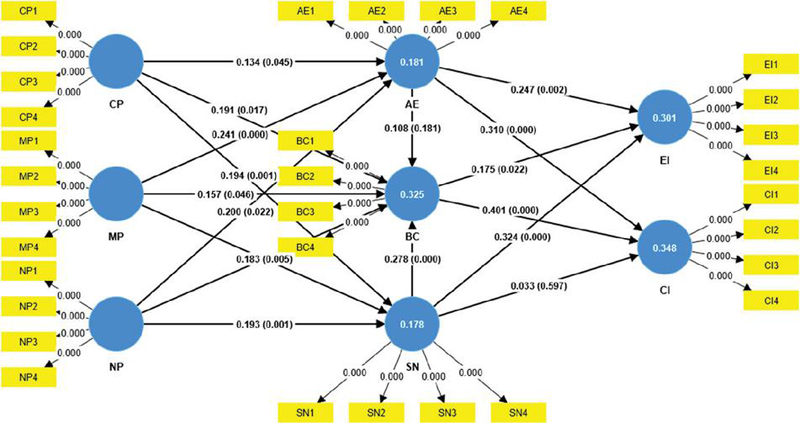
Figure 2 Visual representation of structural model results.
Note: Attitude toward e-payment (AE); Perceived behavioral control (BC); Cash intention (CI); Coercive pressure (CP); E-payment intention (EI); Mimetic pressure (MP); Normative pressure (NP); Subjective norm (SN).
Overall, the results suggest the coexistence of two behavioral orientations. First, e-payment is motivated by positive attitudes, subjective norms, and perceived control. Second, the habit of using cash is maintained due to the feeling of familiarity and security. These findings provide a basis for further discussion of the mediating mechanism of TPB as well as implications related to policies to encourage digital transformation in the tax sector.
5 Discussion
In the context of the transition from lump-sum tax to e-taxation, this study aims to explain the behavioral mechanism of retailers through the theoretical framework of Institutional Pressure and TPB. The analysis results show that Institutional Pressures not only have direct impacts but also indirectly through attitudes, subjective norms, and perceived control. The important significance of this finding lies in pointing out the differentiation of behavior in two directions: on one side is the tendency to accept e-payments guided by socio-psychological factors, and on the other side is the continued maintenance of cash payments due to habits and a sense of security that are ingrained. These results both strengthen the generalizability of TPB in the context of tax administration and provide a basis for discussing the impact of institutional environment on behavioral choices in practice.
First of all, the results confirmed that not all types of Institutional Pressure equally affect the formation of the mediating structures in TPB. Specifically, coercive pressure positively influences the attitude of retailers (, ), imitative pressure has a positive impact on subjective norms (, ), while normative pressure does not have a significant impact on perceived control (, ), which only partly aligns with the institutional isomorphism perspective [16, 32]. Furthermore, behavioral differentiation is clearly shown through two different trajectories. On the one hand, the willingness to switch to e-payment is moderately affected by attitude (, ), subjective norms (, ), and perceived control (, ) which are consistent with the results of adoption of e-payment using the TPB framework [45, 49]. For cash use, both attitude (, ) and perceived control (, ) are significant, while subjective norms are not (, ). This supports earlier evidence that social norms weaken once cash becomes institutionalized [14, 39].
The results of this kind of outcomes resonate with the mediating effect of TPB constructs on the intention shaping as postulated [12]. They also align with the finding that coercive tax policies encourage small businesses to adopt e-filing technology [24]. Similarly, mimetic pressure is also relevant when a firm is copying its competitors to avoid falling behind [32]. Besides, behavioral control perceived is also significant when companies fear the prices of keeping electronic cash registers [23]. A study on digital transformation in the Ugandan tax filing system also found two different groups of businesses [24]. One group was ready to adapt, while the other maintained old habits, reflecting similar characteristics to the case of Vietnamese retailers [1].
Taking a broader view of the results as a whole, a prominent theme emerges that is the competition between modern and traditional behavioral orientations in a changing institutional environment. The intention to accept e-payment paints a clear picture of the structuralization of the TPB where attitudes, subjective norms, and perceived control all play a role in influencing behavior. In contrast, the cash trajectory demonstrates the durability of familiarity, where perceived control acts as a barrier for small businesses to continue to use their old options, despite social or policy pressures [62]. This is consistent with a recent report that shows that the habit of using cash for small transactions in Vietnam is still reinforced by beliefs about safety and convenience [60]. At the same time, the results also complement the finding that the policy context of encouraging e-payments has only had a partial impact, as users are still affected by traditional market infrastructure and uneven access to technology [63]. Therefore, this research result can be seen as a demonstration of an incomplete behavioral transition process, where the parallel presence of two trends both reflects the hybrid nature of the transition period and opens up questions about the long-term impact mechanism of Institutional Pressure on behavioral shift in the context of Vietnam [64].
6 Conclusion and Implications
This study investigates the influence of Institutional Pressures on retailers in their behavioral intentions in the transition of lump-sum tax to e-taxation. The model is based on the Theory of Planned Behavior [12] and the Institutional Theory [11] to explain how policy context relates to individual behavioral decisions. The findings show that coercive pressure positively affects retailers’ attitudes, while mimetic pressure significantly influences subjective norms, which is consistent with earlier studies on institutional influence and small business adaptation [24, 32]. In contrast, normative pressure does not have a significant effect on perceived behavioral control. The results also show two distinct behavioral directions in the Vietnamese retail context. Attitude, subjective norms, and perceived behavioral control influence intention to adopt e-payment, which agrees with previous TPB-based research on the adoption of digital payments. Meanwhile, attitude and perceived behavioral control contribute to the intention to remain a cash user. Subjective norms are not significant, implying that habit and familiarity in payment remain important [23]. It is suggested that these findings indicate the mediating role of TPB and demonstrate the presence of both modern and traditional orientations of payments in Vietnam.
The results show that positive attitudes, subjective norms, and behavioral control are decisive factors for e-payment. Therefore, practical solutions should go straight to the points that sellers care about: specific benefits, support from regular customers, and operational capabilities. Short training sessions right at the market should directly explain the benefits such as saving time, avoiding disputes, and be accompanied by hands-on instructions to increase confidence. At the same time, choosing a number of reputable merchants as role models will create a ripple effect in the sales community. On the other hand, for the group that is still used to using cash, the behavioral control associated with technical concerns and costs is a major barrier. Therefore, policies need to support basic equipment, cheap data packages, and easy-to-remember 5-step operating procedures. Where technical concerns are high, priority should be given to on-site technical support instead of pointing out legal regulations or administrative fines.
From a social perspective, the application of e-payment is not only a compliance requirement but also contributes to building trust between sellers and buyers. Transparency of e-invoices makes customers feel more secure and, at the same time, encourages retailers to participate in formal financial services. However, to avoid creating a sense of pressure, in the initial stage, cash and e-payment should be allowed to coexist, especially for small households, the elderly, or those with limited literacy. In addition, community communication should be based on real stories: a vegetable or fish seller who has reduced errors thanks to e-invoice will be more convincing than a general slogan. Group activities, such as e-invoice weeks in each market, can help establish new social rules in which customers expect greater transparency. If implemented carefully, e-payment will not only be a tax tool but also a social connection channel, helping traditional markets gradually integrate into the digital economy.
Although this study provides useful evidence on Institutional Pressure and TPB in Vietnam, several limitations should be noted. First, the sample was based in a single locality and therefore, may not represent all retail contexts. This problem is important since payment practices in Vietnam still vary according to more cash-based and more cashless environments. Second, the study used self-reported data from one informant at one point in time. Therefore, common method bias cannot be fully ruled out when interpreting the findings. In addition, the model included three Institutional Pressures and three basic TPB constructs only. Other relevant factors, such as trust, security concerns, bank protection, and digital literacy, were not examined [60]. The study may be extended to other provinces and contrast various payment settings in the future. They should also include more psychological and technological factors related to e-payment adoption [19]. Longitudinal research would also help examine whether e-payments replace cash or continue alongside cash.
Acknowledgements
The authors sincerely acknowledge the institutional assistance of the Tay Bac University and the Industrial University of Ho Chi Minh City.
Funding
Not applicable.
Data Availability Statement
The report and its corresponding files include all research data.
Declaration of Competing Interest
The authors declare no conflict of interest.
Ethical Approval Statement
The study involved voluntary participation, and informed consent was obtained from all respondents. All responses were collected anonymously and used only for academic purposes.
References
[1] H. Q. Doan, N. H. Vu, B. Tran-Nam, and N. A. Nguyen, “Effects of tax administration corruption on innovation inputs and outputs: evidence from small and medium sized enterprises in Vietnam,” Empir. Econ., vol. 62, no. 4, pp. 1773–1800, 2022, doi:10.1007/s00181-021-02072-w.
[2] L. M. Chau, “Reluctant Compliance and Collaborative Fiscal Disobedience: How Hmong Consumers Evade Value-Added Tax in Vietnam’s Northern Uplands,” Asia Pacific J. Anthropol., vol. 26, no. 1, pp. 1–18, Jan. 2025, doi:10.1080/14442213.2024.2407962.
[3] C. C. Williams, “E-government Tools to Formalise the Informal Economy,” in In: Formalization of the Informal Economy. SpringerBriefs in Economics, C. C. Williams, Ed., Cham: Springer Nature Switzerland, 2023, pp. 57–104. doi:10.1007/978-3-031-37928-4_3.
[4] L. Klapper, D. Singer, L. Starita, A. Norris, and World Bank, “The Global Findex Database 2025: Connectivity and Financial Inclusion in the Digital Economy,” World Bank, 2025. doi:10.1596/978-1-4648-2204-9.
[5] T. Binh, “Cashless payments are gradually shaping consumer spending habits,” Vietnam Banking Magazine (online), Jun. 03, 2025. [Online]. Available: https://tapchinganhang.gov.vn/thanh-toan-khong-dung-tien-mat-tao-lap-thoi-quen-chi-tieu-cua-nguoi-dan-16131.html.
[6] E. de Bellis and G. Venkataramani Johar, “Autonomous Shopping Systems: Identifying and Overcoming Barriers to Consumer Adoption,” J. Retail., vol. 96, no. 1, pp. 74–87, 2020, doi:10.1016/j.jretai.2019.12.004.
[7] H. Lundberg, P. Öhman, and U. Sjödin, “Transaction convenience in the payment stage: the retailers’ perspective,” Manag. Serv. Qual., vol. 24, no. 5, pp. 434–454, 2014, doi:10.1108/MSQ-02-2014-0032.
[8] R. I. Kiconco, W. Gwokyalya, A. Sserwanga, and W. Balunywa, “Tax compliance behaviour of small business enterprises in Uganda,” J. Financ. Crime, vol. 26, no. 4, pp. 1117–1132, 2019, doi:10.1108/JFC-03-2018-0031.
[9] J. T. Casey and J. T. Scholz, “Beyond Deterrence: Behavioral Decision Theory and Tax Compliance,” Law Soc. Rev., vol. 25, no. 4, pp. 821–843, 1991, doi:10.2307/3053871.
[10] K. Heinonen and O. Adeola, “Elevating service research in Africa,” J. Serv. Mark., vol. 38, no. 10, pp. 70–85, Dec. 2024, doi:10.1108/JSM-05-2024-0245.
[11] P. J. DiMaggio and W. W. Powell, “The iron cage revisited: Institutional isomorphism and collective rationality in organizational fields,” Am. Sociol. Rev., vol. 48, no. 2, pp. 147–160, Aug. 1983, doi:10.2307/2095101.
[12] I. Ajzen, “The theory of planned behavior,” Organ. Behav. Hum. Decis. Process., vol. 50, no. 2, pp. 179–211, 1991, doi:10.1016/0749-5978(91)90020-T.
[13] S. A. Olaleye, I. T. Sanusi, O. A. Dada, and F. J. Agbo, “A bibliometric review of global visibility, impact and adoption of electronic invoicing: The past and the future,” Heliyon, vol. 9, no. 3, 2023, doi:10.1016/j.heliyon.2023.e13726.
[14] X. M. Loh, V. H. Lee, G. W. H. Tan, K. B. Ooi, and Y. K. Dwivedi, “Switching from cash to mobile payment: what’s the hold-up?,” Internet Res., vol. 31, no. 1, pp. 376–399, 2021, doi:10.1108/INTR-04-2020-0175.
[15] B. T. Mai, P. V. Nguyen, U. N. H. Ton, and Z. U. Ahmed, “Government policy, IT capabilities, digital transformation, and innovativeness in Post-Covid context: case of Vietnamese SMEs,” Int. J. Organ. Anal., vol. 32, no. 2, pp. 333–356, 2024, doi:10.1108/IJOA-11-2022-3480.
[16] I. A. Horodnic, “Tax morale and institutional theory: a systematic review,” Int. J. Sociol. Soc. Policy, vol. 38, no. 9–10, pp. 868–886, 2018, doi:10.1108/IJSSP-03-2018-0039.
[17] R. Belahouaoui and E. H. Attak, “Analysis of tax compliance behavior of family businesses: combining social and psychology norms and legitimacy determinants,” Int. J. Sociol. Soc. Policy, vol. 44, no. 7–8, pp. 672–688, 2024, doi:10.1108/IJSSP-12-2023-0314.
[18] A. Tor, “The Law and Economics of Behavioral Regulation,” Rev. Law Econ., vol. 18, no. 2, pp. 223–281, 2022, doi:10.1515/rle-2021-0081.
[19] K. Ofosu-Ampong, “New policies, new behaviors: How digital taxation shapes mobile money use in Ghana,” Eng. Reports, vol. 6, no. 10, p. e12860, 2024, doi:10.1002/eng2.12860.
[20] W. Prichard, “Taxation and State Building: Towards a Governance Focused Tax Reform Agenda,” IDS Work. Pap., vol. 2010, no. 341, pp. 01–55, 2010, doi:10.1111/j.2040-0209.2010.00341_2.x.
[21] E. Nartey, “Tax compliance of small and medium sized enterprises in Ghana,” Int. J. Sociol. Soc. Policy, vol. 43, no. 11–12, pp. 1063–1083, 2023, doi:10.1108/IJSSP-06-2022-0159.
[22] D. Dedi, R. A. O. Putro, and Jarudin, “Harnessing Digital Technologies: Developing Effective Business Strategies for the Modern Marketplace,” J. ICT Stand., vol. 13, no. 3, pp. 327–358, 2025, doi:10.13052/jicts2245-800X.1335.
[23] P. Engström, J. Hagen, A. Khoshghadam, and A. Schneider, “Effects of electronic cash registers on reported revenue,” Int. Tax Public Financ., vol. 32, no. 2, pp. 566–594, 2025, doi:10.1007/s10797-024-09844-x.
[24] S. Night and J. Bananuka, “The mediating role of adoption of an electronic tax system in the relationship between attitude towards electronic tax system and tax compliance,” J. Econ. Financ. Adm. Sci., vol. 25, no. 49, pp. 73–88, 2020, doi:10.1108/JEFAS-07-2018-0066.
[25] W. Chaouali and K. El Hedhli, “Toward a contagion-based model of mobile banking adoption,” Int. J. Bank Mark., vol. 37, no. 1, pp. 69–96, 2019, doi:10.1108/IJBM-05-2017-0096.
[26] R. Odoom and J. P. Kosiba, “Mobile money usage and continuance intention among micro enterprises in an emerging market – the mediating role of agent credibility,” J. Syst. Inf. Technol., vol. 22, no. 4, pp. 97–117, 2020, doi:10.1108/JSIT-03-2019-0062.
[27] R. Hasan, M. Ashfaq, and L. Shao, “Evaluating Drivers of Fintech Adoption in the Netherlands,” Glob. Bus. Rev., vol. 25, no. 6, pp. 1576–1589, 2024, doi:10.1177/09721509211027402.
[28] C. R. Plouffe, M. Vandenbosch, and J. Hulland, “Intermediating technologies and multi-group adoption: A comparison of consumer and merchant adoption intentions toward a new electronic payment system,” J. Prod. Innov. Manag., vol. 18, no. 2, pp. 65–81, 2001, doi:10.1111/1540-5885.1820065.
[29] S. Kim and H. Park, “Effects of various characteristics of social commerce (s-commerce) on consumers’ trust and trust performance,” Int. J. Inf. Manage., vol. 33, no. 2, pp. 318–332, 2013, doi:10.1016/j.ijinfomgt.2012.11.006.
[30] J. K. Park, J. Ahn, T. Thavisay, and T. Ren, “Examining the role of anxiety and social influence in multi-benefits of mobile payment service,” J. Retail. Consum. Serv., vol. 47, pp. 140–149, 2019, doi:10.1016/j.jretconser.2018.11.015.
[31] A. A. Kemal and M. H. Shah, “Digital innovation in social cash organizations – the effects of the institutional interactions for transforming organizational practices,” Inf. Technol. People, vol. 37, no. 5, pp. 2092–2126, 2024, doi:10.1108/ITP-02-2023-0176.
[32] J. Effah, “Institutional Effects on E-payment Entrepreneurship in a Developing Country: Enablers and Constraints,” Inf. Technol. Dev., vol. 22, no. 2, pp. 205–219, 2016, doi:10.1080/02681102.2013.859115.
[33] S. A. Suhluli and S. M. F. Ali Khan, “Determinants of user acceptance of wearable IoT devices,” Cogent Eng., vol. 9, no. 1, p. 2087456, 2022, doi:10.1080/23311916.2022.2087456.
[34] Q. H. Ngo, “Do environmental management practices mediate institutional pressures-environmental performance relationship? Evidence from Vietnamese SMEs,” Heliyon, vol. 9, no. 7, p. e17635, 2023, doi:10.1016/j.heliyon.2023.e17635.
[35] S. Verma, S. S. Chaurasia, and S. S. Bhattacharyya, “The effect of government regulations on continuance intention of in-store proximity mobile payment services,” Int. J. Bank Mark., vol. 38, no. 1, pp. 34–62, 2020, doi:10.1108/IJBM-10-2018-0279.
[36] H. L. Smith and T. Griesdorn, “Do saving rules influence self-employed households’ participation in tax-Deferred Retirement Plans?,” Fam. Consum. Sci. Res. J., vol. 43, no. 1, pp. 47–60, 2014, doi:10.1111/fcsr.12080.
[37] X. J. Lim, P. Ngew, J. H. Cheah, T. H. Cham, and Y. Liu, “Go digital: can the money-gift function promote the use of e-wallet apps?,” Internet Res., vol. 32, no. 6, pp. 1806–1831, 2022, doi:10.1108/INTR-06-2021-0406.
[38] E. Osei-Assibey, “What drives behavioral intention of mobile money adoption? The case of ancient susu saving operations in Ghana,” Int. J. Soc. Econ., vol. 42, no. 11, pp. 962–979, 2015, doi:10.1108/IJSE-09-2013-0198.
[39] R. N. Rimal and K. Real, “How behaviors are influenced by perceived norms a test of the theory of normative social behavior,” Communic. Res., vol. 32, no. 3, pp. 389–414, 2005, doi:10.1177/0093650205275385.
[40] Y. Wu, S. Nambisan, J. Xiao, and K. Xie, “Consumer resource integration and service innovation in social commerce: the role of social media influencers,” J. Acad. Mark. Sci., vol. 50, no. 3, pp. 429–459, 2022, doi:10.1007/s11747-022-00837-y.
[41] S. T. Naskar and J. M. M. Lindahl, “Forty years of the theory of planned behavior: a bibliometric analysis (1985–2024),” Manag. Rev. Q., pp. 1–60, 2025, doi:10.1007/s11301-025-00487-8.
[42] S. Yang, Y. Lu, S. Gupta, Y. Cao, and R. Zhang, “Mobile payment services adoption across time: An empirical study of the effects of behavioral beliefs, social influences, and personal traits,” Comput. Human Behav., vol. 28, no. 1, pp. 129–142, 2012, doi:10.1016/j.chb.2011.08.019.
[43] N. D. Nguyen, Y. T. H. Mac, and H. T. H. Do, “The Impact of Electronic Tax System on Tax Compliance of Vietnamese Small and Medium Enterprises,” in Knowledge Transformation and Innovation in Global Society: Perspective in a Changing Asia, Springer, 2024, pp. 179–198. doi:10.1007/978-981-99-7301-9_9.
[44] D. Chawla and H. Joshi, “Consumer attitude and intention to adopt mobile wallet in India – An empirical study,” Int. J. Bank Mark., vol. 37, no. 7, pp. 1590–1618, 2019, doi:10.1108/IJBM-09-2018-0256.
[45] M. E. Hoque, P. Susanto, N. U. Shah, H. Khatimah, and A. Al Mamun, “Does perceived behavioral control mediate customers’ innovativeness and continuance intention of e-money? The moderating role of perceived risk and e-security,” Int. J. Emerg. Mark., vol. 19, no. 12, pp. 4481–4502, 2024, doi:10.1108/IJOEM-06-2022-0914.
[46] G. Bugár and M. Somogyvári, “Fundamental principles to design an ethical payment system,” Humanit. Soc. Sci. Commun., vol. 12, no. 1, pp. 1–14, 2025, doi:10.1057/s41599-025-04603-7.
[47] R. I. McDonald and C. S. Crandall, “Social norms and social influence,” Curr. Opin. Behav. Sci., vol. 3, pp. 147–151, 2015, doi:10.1016/j.cobeha.2015.04.006.
[48] F. Aliakbari Nouri and M. Shafiei Nikabadi, “Exploring the causal relationships between factors affecting taxpayer adoption of e-invoicing: application of interval neutrosophic DEMATEL,” Kybernetes, 2025, doi:10.1108/K-07-2024-1807.
[49] M. L. Ashour, M. S. Allan, and M. M. Al-Adayleh, “Consumer Adoption of e-Payment Services Using the Theory of Planned Behavior,” in Studies in Big Data, Springer, 2023, pp. 417–425. doi:10.1007/978-3-031-42455-7_35.
[50] J. C. Nunnally, “An Overview of Psychological Measurement,” Clin. Diagnosis Ment. Disord., pp. 97–146, 1978, doi:10.1007/978-1-4684-2490-4_4.
[51] J. F. Hair, J. J. Risher, M. Sarstedt, and C. M. Ringle, “When to use and how to report the results of PLS-SEM,” Eur. Bus. Rev., vol. 31, no. 1, pp. 2–24, 2019, doi:10.1108/EBR-11-2018-0203.
[52] J. F. Hair Jr., L. M. Matthews, R. L. Matthews, and M. Sarstedt, “PLS-SEM or CB-SEM: updated guidelines on which method to use,” Int. J. Multivar. Data Anal., vol. 1, no. 2, p. 107, 2017, doi:10.1504/ijmda.2017.10008574.
[53] J. M. Becker and I. R. Ismail, “Accounting for sampling weights in PLS path modeling: Simulations and empirical examples,” Eur. Manag. J., vol. 34, no. 6, pp. 606–617, 2016, doi:10.1016/j.emj.2016.06.009.
[54] M. B. Brown and A. B. Forsythe, “Robust Tests for the Equality of Variances,” J. Am. Stat. Assoc., vol. 69, no. 346, pp. 364–367, Apr. 1974, doi:10.2307/2285659.
[55] P. R. Regmi, E. Waithaka, A. Paudyal, P. Simkhada, and E. Van Teijlingen, “Guide to the design and application of online questionnaire surveys,” Nepal J. Epidemiol., vol. 6, no. 4, pp. 640–644, 2017, doi:10.3126/nje.v6i4.17258.
[56] D. T. Cuong, “Online Impulsive Buying Behavior Using Partial Least Squares Algorithm,” J. ICT Stand., vol. 11, no. 3, pp. 217–236, 2023, doi:10.13052/jicts2245-800X.1131.
[57] G. Dash and J. Paul, “CB-SEM vs PLS-SEM methods for research in social sciences and technology forecasting,” Technol. Forecast. Soc. Change, vol. 173, p. 121092, 2021, doi:10.1016/j.techfore.2021.121092.
[58] N. Kock, “Common method bias in PLS-SEM: A full collinearity assessment approach,” Int. J. e-Collaboration, vol. 11, no. 4, pp. 1–10, Oct. 2015, doi:10.4018/ijec.2015100101.
[59] General Statistics Office of Viet Nam, “Workers in informal employment in Viet Nam,” 2023. [Online]. Available: https://www.gso.gov.vn/wp-content/uploads/2023/06/LAO-DONG-CO-VIEC-LAM-PHI-CHINH-THUC-O-VIET-NAM-Eg-final.pdf.
[60] T. T. Linh, N. T. T. Huyen, D. N. Thang, and N. M. Phuong, “How neighbor influence negatively affects digital payment adoption in Vietnam,” Cogent Bus. Manag., vol. 11, no. 1, p. 2431654, 2024, doi:10.1080/23311975.2024.2431654.
[61] C. Fornell and D. F. Larcker, “Evaluating Structural Equation Models with Unobservable Variables and Measurement Error,” J. Mark. Res., vol. 18, no. 1, pp. 39–50, Feb. 1981, doi:10.1177/002224378101800104.
[62] Asmawa, A. Hakim, Hermawan, and A. Hayat, “Transforming Public Policy in Developing Countries: A Comprehensive Review of Digital Implementation,” J. ICT Stand., vol. 12, no. 3, pp. 337–364, 2024, doi:10.13052/jicts2245-800X.1235.
[63] T. T. Nguyen, T. N. H. Tran, T. H. M. Do, T. K. L. Dinh, T. U. N. Nguyen, and T. M. K. Dang, “Digital literacy, online security behaviors and E-payment intention,” J. Open Innov. Technol. Mark. Complex., vol. 10, no. 2, p. 100292, 2024, doi:10.1016/j.joitmc.2024.100292.
[64] T. Pham, N.-Y. N. Hoang, and H.-N. Do, “The ‘e-Wallet Generation’: How Barriers and Promoting Factors Influence Intention to Use,” Rev. Socionetwork Strateg., vol. 15, no. 2, pp. 413–427, 2021, doi:10.1007/s12626-021-00088-3.
Biographies

Thao Thi Phuong Nguyen received her Bachelor of Accounting degree from Tay Bac University, Vietnam, in 2010, her Master of Accounting degree in 2013, and her Ph.D. in Accounting and Auditing from the National Economics University of Hanoi in 2019. She currently teaches at the Accounting Department, Faculty of Economics, Tay Bac University. Her teaching and research areas include accounting, management accounting, financial reporting, internal auditing, and accounting information systems.

Nguyen Van Ninh received the bachelor’s degree in economics from Nha Trang University, Vietnam, in 2008, the master’s degree in economics from Nha Trang University, in 2012, and the Ph.D. degree in economics from Tomas Bata University in Zlín, Czech Republic, in 2018. He is currently a Lecturer at the Faculty of Commerce and Tourism, Industrial University of Ho Chi Minh City. His teaching and research interests focus on consumer behavior, behavioral intention, agritourism, service innovation, digital transformation, sustainability, and bibliometric analysis in tourism and business studies.
Journal of ICT Standardization, Vol. 14_3, 391–420
doi: 10.13052/jicts2245-800X.1435
© 2026 River Publishers