6G Intelligent Healthcare Framework: A Review on Role of Technologies, Challenges and Future Directions
Shubhangi Kharche1,* and Jayshree Kharche2
1Departement of Electronics and Telecommunication, SIES Graduate School of Technology, Nerul, Navi Mumbai, Maharashtra, India
2Department of Physiology, Bharatratna Atalbihari Vajpayee Medical College, Pune, Maharashtra, India
E-mail: shubhangik@sies.edu.in; jayshree.kharche7@gmail.com
*Corresponding Author
Received 12 January 2022; Accepted 22 August 2022; Publication 15 February 2023
Abstract
The Healthcare industry is experiencing a sea change due to the availability of disruptive communication technologies. Augmented reality, virtual reality, haptics, robotic assistance, and the ubiquitous, highly reliable low latency communication based on intelligence; support remote surgery in real-time. The sixth-generation (6G) mobile communication supporting disruptive technologies and intelligence; will realize remote healthcare for people of all ages in three-dimensional (3D) space. The discussion on the application of disruptive technologies in 6G intelligent healthcare is found insufficient in the literature. The objective of the paper is to propose a conceptual framework for 6G intelligent healthcare and elaborate on applications of the various disruptive technologies with their associated challenges. The state-of-the-art technologies viz; digital twin, blockchain, optical wireless communication, wireless energy transfer, tactile Internet, holographic communication, quantum communication, artificial intelligence, etc., are elaborated for their applications and challenges in healthcare. The fifth-generation (5G) lacks supporting disruptive technologies, intelligence, and ultra-low latency requirements of remote healthcare. 6G will support highly reliable (99.9999%), secure, ultra-low latency (0.1 microseconds), and ultra-high-speed communication (1 Tbps) required for remote and ubiquitous healthcare. Moreover, 6G supports the Internet of Everything, Internet of skills, and Internet of thinking to realize and optimize healthcare globally.
Keywords: 6G, communication, technologies, challenge, healthcare, conceptual framework.
1 Introduction
The mobile communication generations 1G to 4G have satisfied the time and technology-driven requirements of the users from the early 1970s till date. From 2020, the 5th generation of mobile communication has started capturing the global market to satisfy the current day requirements of smart communications through the Internet of Things (IoT). At the early stages of the deployment of 5G, industrialists, researchers and academicians have identified the limitations of 5G for its application in the Intelligent Internet of Everything (IoE) [1]. The researchers at the University of Oulu, Finland initiated the discussion on the 6th generation of mobile communication in February 2018 [2]. Since then, the research on 6G has convincingly proven how it will benefit the healthcare industry apart from many other sectors. The technology advancements with the 6G will support the Quality of Service (QoS) which is required to satisfy the future requirements of ubiquitous telemedicine and telesurgery. The 5G supports smart healthcare with the use of smart wearables, haptics (the five senses of communication), holographic communication, wireless brain-computer interface (WBCI), augmented reality (AR), and virtual reality (VR). However, 5G does not support the augmented reality and virtual reality service requirements for their applications in telesurgery.
Nowadays, smart wearables are used profoundly in 4G/5G-based healthcare. 6G will enable the use of intelligent wearables in healthcare. So, 6G will transform smart healthcare into an intelligent one. 6G is envisioned to bring a paradigm shift in global communication from the Internet of things (IoT) to the Internet of Everything (IoE). 6G is likely to provide full support for the Internet of skills (IoS) [3], Internet of thinking (IoTk) [4], and Internet of Everything (IoE). Whereas 5G does not support all these networks. 5G healthcare systems are smart, whereas 6G enabled healthcare will be smart and intelligent. 5G has partial support for tactile Internet whereas, 6G will fully support it. The tactile Internet in healthcare democratized with specialized skills for enabling bi-directional immersive human-to-virtual world interaction termed the Internet of skills (IoS) [3]. The Internet of Thinking (IoTk) [4], is envisioned to embed intelligence in healthcare sensors and devices so that they will have the abilities of learning, adapting, and think to support seamless communication among humans and machines. Internet of Everything (IoE) is an Internet of people, processes, data, and things proposed by Dave Evans in 2012 [1]. The data includes the raw health state data sensed using a variety of health sensors. The things comprised of smart health sensors (wearables), enterprise assets, medical equipment, and consumer devices can interact directly or via the Internet. The people, the doctors, caregivers, nurses, medical staff, and patients with communicating gadgets/devices would function as nodes in IoE that can continuously be sensing, processing, forwarding, computing, and analyzing the information intelligently. The people will also connect via various social networks using several devices that will not be limited to the use of current-day devices like PCs, laptops, tablets, TVs, and smartphones. The processes in IoE ensure the proper functioning among the people, data, and things to provide the correct healthcare information to the right person and at the right time. With the advent of IoE and 6G communication, the doctors would be able to monitor the health state of the digestive tracts securely for a patient who swallows a pill [1]. 6G supports highly reliable transport of humongous health data with ultra-low latency to enhance the QoS and access to healthcare. 6G with the Internet of Things (IoT), Internet of Everything (IoE), Internet of skills (IoS), Internet of Thinking (IoTk), and its disruptive technologies will support intelligent and ubiquitous healthcare. Figure 1 shows how healthcare progressed from the first generation (1G) to the sixth generation (6G) of mobile communication.
The availability of foreseen disruptive and intelligent technologies with their associated challenges in 6G era has motivated the authors to propose a conceptual framework for 6G intelligent healthcare and elaborate on the various technological applications with their associated challenges in the proposed framework. Section 2 of the paper describes the proposed framework (Figure 2) to focus on the computational levels and the intelligence involved in processing the electronic health records. Section 3 provides insights on the roles and challenges of various 6G disruptive technologies in healthcare. Section 4 focuses on types of communication supported by 6G and their applications in healthcare with challenges. Section 5 concludes the work and highlights the future directions.
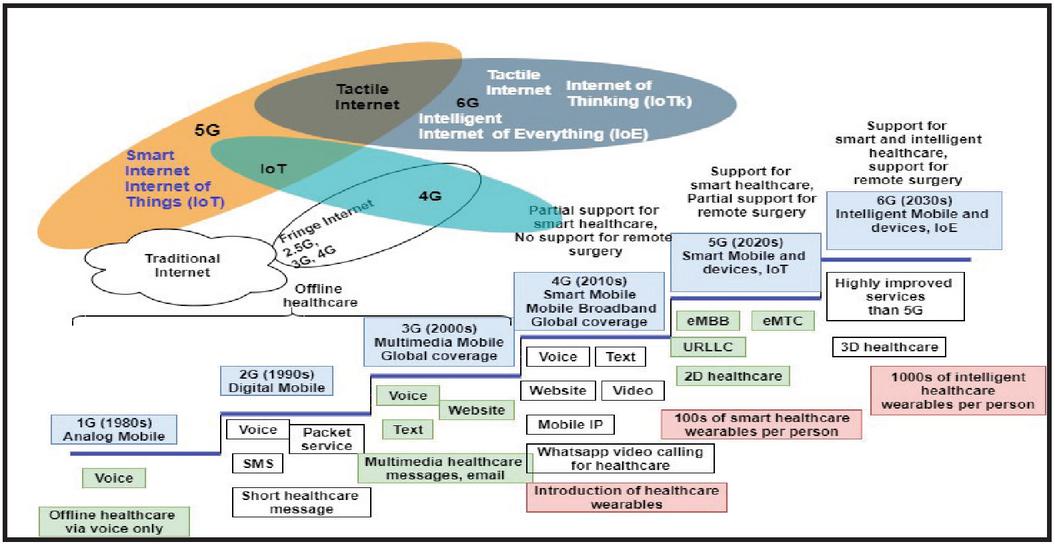
Figure 1 Healthcare from 1G to 6G: Technological drive on 6G intelligent healthcare.
2 Conceptual Framework for 6G Intelligent Healthcare
2.1 Intelligent and Ubiquitous Healthcare
The 6G healthcare system will be intelligent. At the network side the intelligence will be integrated at the sensing level, processing level, communication level, computing level and the analytical level. At the doctors’ side the intelligence will be at the disease diagnostic, prediction and prescription levels.
At the sensing level, the in-body (implantable) and on-body (external) wearables that are part of wireless body area network (WBAN) will be intelligent to predict ubiquitously in time advance; health indicators like blood glucose level, stress, heart rate, anxiety, blood pressure, temperature, neurological disorders etc. for in time precautionary treatments (Figure 2). Nowadays, the smart wearables are available for almost every part of the body to sense/detect various ailments and diseases. The challenge is to make the miniature size sensors intelligent by using the complex algorithms. The memory and energy constraints of the wearables have potential challenges to integrate intelligence. The sensed health data is processed and logged on smart and intelligent devices and further communicated to cloud for analytics. The analyzed data is utilized by the doctors for decision making and proper treatments/prescriptions. The sensed health data is locally communicated to smart and intelligent devices using short range radio frequency (RF) or the optical wireless communication (OWC) [5] technologies. In the long-range communication task from the edge devices to the Internet cloud, 6G will provide least (ultra-low) latency which is further reduced by enabling computing on the electronic health records (EHR) at dew, edge and fog level (Figure 2). Depending on the stage at which data is generated and processed the computing is classified as dew computing, edge computing, fog computing, and cloud computing. Dew, edge and fog computing are derived from cloud computing paradigm that are deployed in information technology (Table 1). The dew computing is implemented at the user end devices like the mobile handsets, the edge computing is implemented at a nearby server or access point, the fog computing is implemented at the gateways or far end servers and the cloud computing is implemented at the servers on Internet. The application of intelligent algorithms at different computing levels has different complexities and challenges.
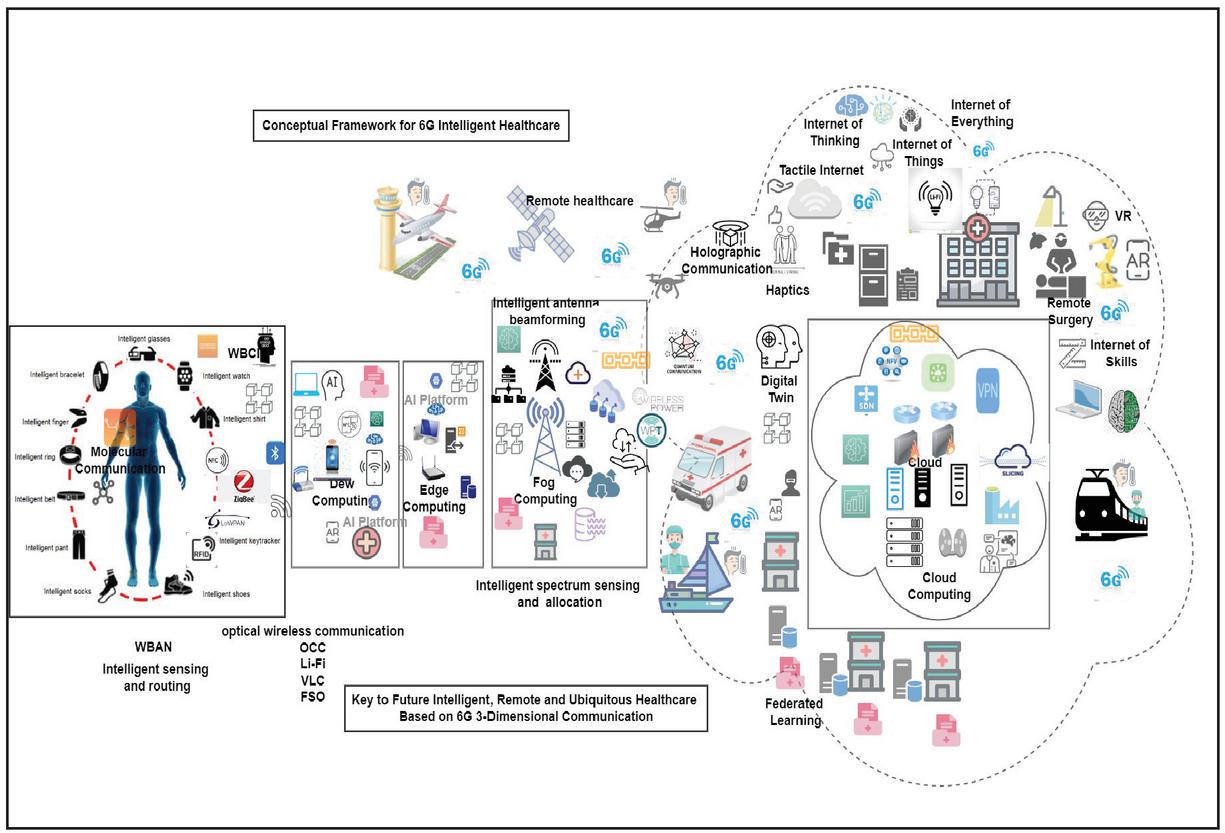
Figure 2 Conceptual framework for 6G intelligent healthcare.
Table 1 Dew, edge, fog, and cloud computing in healthcare and their challenges
| Application in | ||||
| Computing | Healthcare | Advantages | Drawbacks | Challenges |
| Dew | Real time reporting of patient data and health parameters | Locally available (closest to end users), Least latency, needs no Internet | Limited computational resources | Security, reducing computational offloading |
| Edge | Storing and reporting health parameters, analysis of patient health record, decentralized approach for healthcare services | Available near the end point devices, Low latency | Limited computational resources | Trade-off between energy efficiency and cost |
| Fog | Highly accurate disease prediction, automated prescription, high quality video streaming applications in healthcare, quick and enhanced personal data security. | Moderate latency | Far away from end point devices | Overcome interoperability issues among heterogenous resources |
| Cloud | optimised computational resources for healthcare services using virtualization techniques | Highest computational resources | Farthest from end users, High latency, needs Internet | Reducing latency and energy consumption, security |
2.1.1 Dew computing
Dew computing (DC) [6] nodes are nearest to the end point devices i.e. at the sensing level from which the data is generated. The communication of the data from end point devices to the dew computing nodes is over short-range RF/OWC technologies which does not require Internet access. The dew computing nodes including the PC, laptop, smart phone, WBAN sink etc. are located at the health parameters sensing sites and act as a sub storage for the data generated by the sensors. In the dew computing layer nodes are connected to each other and form a small local-area-network (LAN). The data accumulated in dew computing layer is shared across to the edge computing layer over a secured communication channel to ensure data security and privacy. Dew computing offer advantages of local data availability for analysis and faster processing of data. The challenges posed by dew computing include the limited data storage, processor capacities and power at the end point devices. The security of the EHR is of utmost importance at each computing level. Therefore, the intelligent and secure federated-learning (FL) [7] of health data will be carried out in collaborative manner at dew, edge, fog and cloud level.
2.1.2 Edge computing
Edge computing (EC) [8] nodes like routers, firewalls, autonomous ambulance, gateways located at home, small local clinics, laboratories and hospitals, are closer towards the sensing sites but away from the Internet. The edge computing devices dedicatedly serve the edge computing layer hence the network traffic and latency are low. The computing is enhanced by having sensors, storage closer to data sources. Edge nodes can be used for caching, data call, encoding data and copying data. In edge computing, the data routing devices are closer to the endpoint devices. The data security and privacy at edge computing layer can be increased by having dedicated by configuring security devices and applications.
2.1.3 Fog computing
Fog computing (FC) [9] nodes like antennae, cellular base stations are located at comparatively big clinics, hospitals, laboratories, airplanes, submarines, ships, flying base stations, remote valleys, mobile ambulances, and UAVs closer to the Internet but far from the sensing sites. Fog computing proposed by Cisco serves end-users (patients, doctors, medical staff/caregivers) in the absence of cloud centres. FC servers and nodes are closer to endpoints than the cloud. FC provides a flexible environment in terms of devices, applications, the proximity of the site, etc., as it is customized as per the requirements to optimize the setup. The quality of service is improved based on the user’s requirement. The optimization is achieved based on energy, latency, and cost as the baseline hardware is customized. Security, latency, energy, stability, and reliability issues are solved at an organizational level. FC shifts the network resources more towards the network edge due to which response time shoots up. FC provides affordable, highly scalable, and energy-efficient deployments. FC forms a medium-scale layer corresponding to IoT gateways (small clinics, hospitals, offices, and rooms) that share the data with lower edge and upper cloud computing layers. FC is used widely in the healthcare industry due to its high reliability, availability, affordability, scalability, security, and efficiency. FC has the challenge to manage low-cost affordable deployments and interoperability between heterogeneous resources at the fog level. Challenges are to provide high computational resources, maintain security and reliability.
2.1.4 Cloud computing
Cloud computing (CC) [10] consists of highly reliable and scalable components which can be scaled horizontally and vertically based on the requirement. It has built databases, load balancers, virtualized server computer instances that serve as the base for data computing. Cloud storage can be used efficiently to store huge amounts of data in a geo-resilient way [11]. Hence there are fewer chances of data getting lost. Cloud computing has features to secure data and provide secure access. Mobile device management (MDM) servers are deployed to secure data in the cloud. Cloud computing nodes are generally far from the sensing sites and hence require a good and secure bandwidth pipe. The data collected on the cloud storage from the DC, EC, and FC levels are further used for data analytics, and extracts are in healthcare systems. The use of cloud computing is very challenging in the healthcare industry because of the data security policy settings for confidential patient information [12].
2.1.5 AI in healthcare
Anything including machine, device, sensor, protocol, and service that shows any intelligence is termed artificial intelligence (AI). The wide acceptance of AI will bring a complete renaissance in the healthcare sector. The highly disruptive AI-based task will be remote robot-assisted surgery. The 6G technology will provide the ultra-low latency services, transfer of haptics via tactile Internet, augmented reality (AR), and virtual reality (VR) services for robot-assisted surgery remotely. In the recent pandemic, the robots are deployed widely for patients’ initial screening of temperature, mask, and blood oxygen levels. AI-assisted robots can predict the temperature and oxygen levels of a person. They have also been used for patient rehabilitation and physical therapies. The developed AI algorithms are used more accurately for the prediction of cancer disease in its early stage, prediction of drug dose [13], and prediction of life post-cancer.
The AI is also used to predict the movements of patients, doctors, and medical staff. The intelligent wearables assist the patients with their activity levels and get feedback from the doctors based on the monitoring records communicated to them. The AI-based chatbots provide high-quality medical information to the patients before consulting the physicians. The application of AI is to review and translate mammograms several times faster with very high accuracy and reliability that can help avoid unnecessary biopsies. There are several AI-enabled detection applications viz; detection of availability of medicine in a pharmaceutical shop, detection and diagnosis of disease, bone tissue damage detection, blood vessels blockage detection, anomaly detection, pathology detection, hyponatraemia detection [14, 15], depression detection, emotion detection, leukemia detection, and drowsiness detection. The AI algorithms can process more precisely a huge number of images in a fraction of milliseconds to spot the micro minute details in imaging than that is possible for humans/doctors. Profound is a new platform developed by zebra medical vision to analyze all kinds of medical reports that can help identify osteoporosis, aortic aneurysms, and breast cancer with more than 90% accuracy [16]. The use of AI avoids the testing of drugs on the human body. AI will also greatly support efficient communication among the blind, deaf, and dumb people in the 6G-based brain abstracted Internet of Thinking (IoTk).
2.1.6 Challenges for AI in 6G
The challenge to provide huge computational training resources for AI due to 6G device limitations are overcome by edge/fog/cloud computing. The data analysts do not have complete healthcare datasets since the doctors are reluctant to share them because of critical ethical and legal issues. Therefore, hospitals cannot capture international patients because of privacy and security. Data privacy is improved in healthcare using federated learning (FL). In FL, the shared AI/ML models among multiple devices/computing levels are trained collaboratively without exposing the data security. FL locates the healthcare data to the learning models in a decentralized manner. It collaboratively utilizes deep learning on the un-pooled data preserving safety for the patients’ health data. Overall, FL is used to enhance data privacy and save network bandwidth.
3 Sixth Generation (6G) Technologies and Their Applications and Challenges in Healthcare
3.1 Optical Wireless Communications
The optical wireless communications (OWC) include visible light communication, optical camera communication, free-space optics, and light fidelity communication standards. These wireless communication standards play a vital role in 6G healthcare due to their several advantages over radio frequency (RF) communication [29]. Table 2 shows the applications of these standards in healthcare with the challenges that need to be solved.
Table 2 6G supported communication standards in healthcare and their challenges
| 6G Technology | Applications in Healthcare | Challenges |
| VLC | Anomaly detection [17], Tracking of blind, wheelchairs, gestures, medical equipment/devices, robots and patients [18], health data security, ambulance to ambulance communication, safe, secure and high-speed retrieval and reporting of images from MRI scanners, healthcare in hospitals, ships, underwater and airplanes, VLC for surgery, lighting as a service (LAAS), VLC based health monitoring in intensive care unit (ICU) | To overcome shadowing effects during a surgery, challenging to add intelligence at the receiver side image sensors/photo detectors to avoid the fading, noise and shadowing effects, challenge to use ML algorithms in VLC systems to remove the flickering effects. The challenge is to solve the protocol and data format interoperability issues between RF-VLC and acoustic-VLC |
| OCC | OCC based health monitoring in intensive care unit (ICU), monitoring of pulse oxygen, measuring PPG signal, positioning, communication, emotion checking and imaging. | Challenge to overcome the low data rates due to the bandwidth limitation of the camera at receiver and to remove noise from several sources introduced in received images. |
| FSO | Telemedicine, lastmile technology connecting network edge to core, broadband services for communicating health reports, patients’ health safety (eye & skin safe) | To overcome atmospheric turbulences and maintain acceptable S/N ratio. Challenge to incorporate ML based switching between RF and FSO. |
| LiFi | LiFi wearables, use of LiFi around the MRI medical equipment | To overcome sensitivity to blockages and high path loss, to use LiFi in uplink due to practical aspects and cost reasons. |
| Haptic communication | Robot-assisted haptic telemedicine, haptics to provide social assistive aids to the blind, haptics to support mental health by addressing abnormal levels of anxiety/stress, telesurgery, haptics to enable rehabilitation robots, walking cane with haptic biofeedback to overcome ambulatory disability in patients caused due to Knee osteoarthritis | Haptics enabled telerehabilitation is challenging if patients are located in remote and difficult to access locations |
| Tactile Internet (TI) | TI for communication of haptics at high speed between two machines, two robots, robot and doctor, doctor and patients in real time with very low latency. | Common platform for establishing TI performance benchmark is missing [21] |
| Holographic commincation | Secure and reliable communication of five human senses, holographic displays for ambulance navigation, real face-to-face communication over remote communication scenarios, holographic meetings | To develop holographic MIMO antennas |
| WBCI | Controlling neighbouring computing devices, robotic arms or the prosthetic limbs using brain implants. | To overcome the inefficiency issue of WBCI caused due to the intrinsic neurophysiological instabilities of brain dynamics [22] |
| WET | Wirelessly powering E-bands, wearables, healthcare devices and gadgets. | To design wireless transceivers for healthcare wearables operating at THz frequencies. |
| Satellite communication (SC) | Signal amplification and regeneration, surgery over SC channel [74], Diagnosis and treatment of breast cancer via SC [75, 76] | To overcome high power consumption, to develop protocols that are interoperable between 6G and SC [74] |
| Molecular communication (MC) | Localization of tumor cells, localization of unhealthy and abnormal cells | To develop newer macroscale MC testbeds and advanced simulation tools |
| Quantum communication and quantum computing | Quantum communication for health data security, Quantum computing as a service | Nascent technologies, challenges are to develop protocols for communication and high complexity computational algorithms. Challenge to improve lifetime of qubits used in Quantum computers. |
| THz Communication | Connectivity in 3D space for healthcare services | To overcome EMI and the health hazards, to design transceiver chips operating at THz frequency bands. |
3.1.1 Visible light communication
Visible Light Communication (VLC) is optical-wireless, short-range data transmission technology exploiting data-modulated light-emitting devices like white LEDs as transmitting antennas and photodiodes as receiving antennas that operate in line-of-sight (LOS) communication. Fluorescent lights are used alternatively as transmitters and charge-coupled devices. CMOS sensors are equipped as receivers in VLC. VLC is based on IEEE 802.15.7 standard which provides the physical and MAC layer specifications. VLC operates in a 400 nm to 780 nm visible range and supports more than 1000 times-per-second switching speed with the help of an add-on function. Vehicle-to-vehicle (V2V) communication based on VLC employs LED lamps, traffic signage, traffic lights, and street lamps. VLC will offer high speed, high data rate vehicle-to-vehicle communication between the patient in the ambulance and the doctor traveling in a car. It will support healthcare in closed environments of airplanes, ships, and terrestrial hospitals (Figure 3). Treatment against the health injuries of the swimmers is possible for a doctor from sea-shore based on VLC and wireless optical healthcare sensors. The challenge is to solve the protocol and data format interoperability issues in RF-VLC and acoustic-VLC communications. The advantages of VLC outnumber its limitations and drawbacks. VLC provides GPS, light-based localization, and positioning of healthcare devices. VLC operating band will not interfere with the THz band in 6G communication. VLC will replace RF and potentially reduce the hazards in healthcare environments. VLC is not limited by Line-of-Sight (LOS) communication as it can work even in light obstructed environments. As the light is confined to the opaque walls, the VLC provides security for indoor data communication in healthcare. The VLC provides low-cost, highly available, reliable, and secure healthcare solutions in the 6G-enabled Internet of Everything (IoE). Lightning devices like LEDs are cheap and need infrequent replacements leading to long lifetimes, higher reliability, and availability. Further with the advent of lightning-as-a-service (LAAS), the VLC based healthcare systems can work reliably without needing device replacements. VLC overcomes the challenge of massive data rate and security in healthcare scenarios. VLC offers numerous advantages to healthcare compared to the RF. VLC in healthcare ensures that the quality of the equipment is not jeopardized and does not create hazards for human health as it has no electromagnetic interference (EMI). VLC guarantees the privacy of healthcare data. It is a strong candidate for transmission of clinical data in healthcare because of its higher rates, zero EMI, low power consumption, high bandwidth, safety, and high security compared to the RF technologies viz; Bluetooth, RFID, UWB, Wi-Fi, and WiMAX. VLC lacks mobility and is still at infancy in communication. But VLC has a substantial potential for underwater communication where RF waves cannot propagate over a long distance. Flashlight lying in VLC can propagate through a distance of seven meters underwater. This feature can help locate the swimmer having health issues and those who cannot continue swimming due to lack of oxygen.
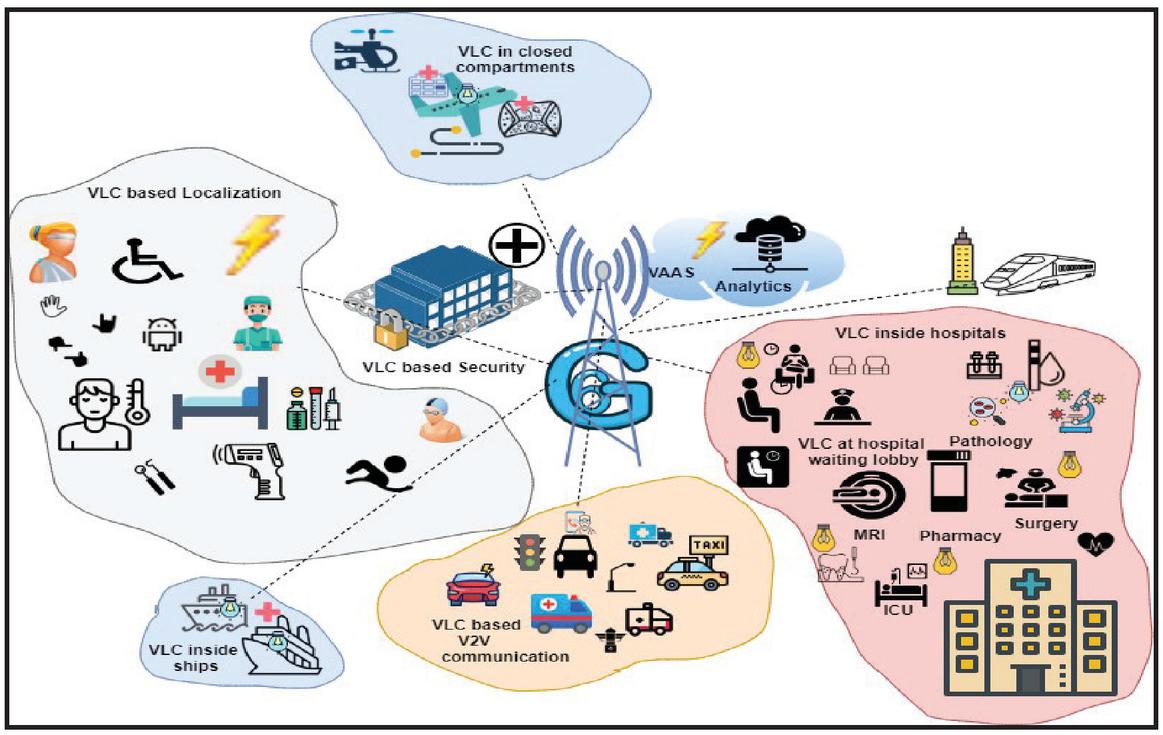
Figure 3 Visible Light Communication and 6G connectivity in healthcare.
VLC challenges
In the deployment of VLC systems, confidentiality is a critical issue that is solved by the physical layer security mechanisms [17]. It is challenging to use a VLC system in a surgery room due to the shadowing effects caused due to the presence of doctors, other objects, and equipment between the transmitter and the receiver. This challenge can be solved by employing multiple light sources in a distributed manner to ensure redundancy and hence uninterrupted working [18, 20]. The shadowing effect is overcome by incorporating several light sources and intelligently selecting a few from them such that they are unobstructed by the objects in the medium. It is challenging to add intelligence at the receiver side image sensors/photodetectors to avoid the fading, noise, and shadowing effects. VLC systems have the issues of interference with ambient light leading to shot and Gaussian noise and fading of the received signal. Machine learning (ML) algorithms are employed to predict the non-interfering path of the light signals. Challenge is to make the VLC systems intelligent. Intelligence is required to remove the nonlinear effects generated by the LED sources and saturation effects of receiving photodiodes. Saturation effects cause signal damage which is compensated by employing artificial neural networks [19]. The nonlinear effects lead to incorrect judgment of modulated signals and exhibit phase deviation at the receiver. The nonlinear effects are compensated by employing the ML models like K-means clustering, support vector machine (SVM), and Gaussian mixture [19]. Further, the signal fading in the time and frequency domain due to non-linear effects is overcome by the multi-layer perceptron (MLP) model. In the VLC system, the received light interferes with the surrounding light-generating noise. The 6G networks have high density employing VLC based smart and intelligent light sensors for healthcare. The massive use of VLC in healthcare may result in flickering effects that will be detrimental to the human body. Challenge will be to overcome these effects using ML algorithms.
3.1.2 Free space optics (FSO)
The challenge is to provide healthcare to a growing number of chronic and old age people at cheaper costs. Free space optics (FSO) provides the cost-efficient solution than copper, RF, and OFC-based body area network (WBAN). FSO is the last mile technology connecting a network edge (WBAN) to network core (6G). FSO in the last mile can be configured in a point-to-point (P2P) or a point-to-multipoint (P2MP) topology following a mesh or ring. FSO provides high throughput, bandwidth, data rates, and security. It is environment-friendly and immune to EMI [23]. FSO operates in an unlicensed frequency band (few 100 s of Thz) with very-low bit error rates (BER) and offers very low latency (0.1 ms to 50 ns) over a maximum distance of 5 km [24]. FSO has vast applications in P2P terrestrial communication, P2P satellite communication, P2P UAV communication, P2P ground to satellite communication, and satellite to ground communication. But the performance of FSO degrades due to atmospheric turbulences like scintillations, fog, smoke, mist, haze, and rain [24–26]. Due to these turbulences, it is challenging to maintain a high signal-to-noise ratio in scenarios of high signal attenuation. Large-scale deployment of RF/FSO poses an economic challenge. Integrating ML-based switching and different software and hardware switching between RF and FSO hybrid systems [24] is also challenging. The use of broadband services is a must in hospitals to transmit and access health data and reports from any place. The use of RF in such scenarios creates adverse effects on patients’ health and medical equipment. Radio over (RO) FSO i.e., RO-FSO is an optimum hybrid solution for broadband services in hospitals to ensure patients health safety [27].
3.1.3 Optical camera communication
Optical camera communication (OCC) employs LED arrays to transmit optical signals and cameras for receiving them. OCC offers the advantages of broad-spectrum, low cost, no electromagnetic interference (EMI), and reduced system cost. Usually, in indoor applications, OCC is employed for; monitoring the patients inside airplanes, ambulances, ships, homes, hospitals, and intensive care units (ICUs). The OCC is useful for measuring the photoplethysmography (PPG) signal using a hand patch and a CCTV. Md. Faisal et al. [28] have proposed an OCC-based system for monitoring pulse oxygen. OCC is also employed in positioning, communication, checking emotions, and imaging [29].
Challenges for OCC in V2V communication
In vehicle-to-vehicle (V2V) communication it is challenging to remove the noise introduced from various sources like background noise, street lights, and sun. In indoor healthcare systems, the background and the surrounding medical equipment introduce noise in the received images. In mobile healthcare applications like ambulance-to-ambulance, or a vehicle to an ambulance, it is challenging to remove the noise introduced from various sources like background noise, street light, and sun. The camera capturing images at the receiving end in OCC has a bandwidth limitation. So, it is challenging to overcome the issue of low data rate. On the receiver end, high complexity computations are required to detect and recognize the images, leading to the challenge of longer delays. Moreover, the accurate detection of the LED array under complex environments in real-time is a challenge. Cristo Iurado-Verder et al. [30] have proposed an equalizer based on convolutional autoencoder. The electromagnetic interference results in faults in the medical devices. The devices suffer from waveform disorders, automatic shutdown/restart, and erroneous readings [29]. In OCC based healthcare system, the data is collected from several LEDs in a secure, reliable manner without causing any interference ensuring good quality of service (QoS).
3.1.4 Li-Fi healthcare
Light Fidelity (Li-Fi) supports bidirectional, multiuser communication. Wireless Li-Fi (IEEE 802.15.7 standard) network comprises tiny optical auto cells supporting seamless handover [31]. Wireless Li-Fi networks employ light-emitting diodes (LEDs) as the source for data transmission. Li-Fi provides the advantages of security, low cost, ultra-high-speed communication, low energy consumption and zero electromagnetic interference (EMI), and health safety. Li-Fi wearables viz; LED earrings, LED bracelets, LED, and wristwatches, provide continuous monitoring of individuals’ health state on a dew device. Li-Fi is extensively used in hospitals to get rid of RF radiations due to Wi-Fi like it can be used around the MRI medical equipment to avoid RF radiations. Radio frequencies adversely affect brainwaves and personal behavior. Human beings thus suffer from insomnia, decreased cell growth, abdominal fetal development, fertility problems, cardiac stress, abnormal brainwaves, etc. owing to the use of radio signals [32]. The above said health issues are mitigated by relying on Li-Fi technology. Li-Fi offers other advantages of high capacity, high data rates, high efficiency, free spectrum usage, good availability, and high data security in healthcare. It is a simple technology having no fading effects and provides health safety than the RF waves. So Li-Fi is the best technology for healthcare in hospitals, airplanes, ships, and undersea where RF is not suitable. 6G communication will support the 3D integration and the all-service requirements of LiFi. High sensitivity to blockages and high path loss are a few drawbacks of LiFi. Practical aspects and cost reasons offer a challenge to use LiFi in uplink (U/L).
3.2 Haptic Communication
Haptic communication (HC) [33] is a non-verbal communication based on various touch senses added to the legacy audio-visual communication. In HC, the messages are communicated using sensory nerves and received via brain sensors. The wireless brain-computer interface (WBCI) will effectively boost this haptic communication. The haptics backed up by tactile Internet for visual feedback, remote control, and monitoring will have numerous applications in healthcare. A patient can remotely communicate the pain to a doctor using haptics. Patients can pay gratitude to doctors for treating them remotely using haptics. A mother can remotely send love, warmth, and care via haptics to the infant. Deaf and dumb can communicate their feelings, illness, and pain via haptics to a remote doctor for treatment. A psychological patient can be remotely treated and cured via haptics. Doctors will be able to determine the emotions and feelings of patients with psychological disorders. Haptic communication will play a vital role in training physically challenged people, particularly students. It will also have substantial usage in training the AI-enabled robots for surgical operations [33]. The HC with VR/AR will unlock the true potential of 6G for real-time remote surgery. The 6G communication will support the ultra-low latency requirements of micro-seconds for distant surgery in real-time.
3.3 Tactile Healthcare
Tactile Internet (IEEE standard P1918.1] communication standard was announced by 3GPP and ITU as one of the fundamental technologies for 5G/IMT2020 [34]. Applications of TI are in the domains of remote surgery, telemedicine, healthcare, AR, medical education, tele-repair, tele-maintenance, tele diagnostics, etc. The Tactile Internet provides high-speed connectivity between two machines, robots, robots and doctors, and a doctor and patient in real-time with very low latency (1 ms). The tactile internet supports the communication of haptics. Tactile interactions require latency 0.5 ms, reliability of 99.9999%, lower baud rate, low density, low subscriber density etc. [34]. Challenge for TI is the absence of a common platform for establishing its performance benchmark [21]. TI has a fundamental challenge to overcome the resource constraints from the haptic/tactile devices. There are also challenges for AI integration at dew, edge, and fog computing in the TI. AI integration is limited by the resource constraints at the edge nodes, while the edge servers can store some amount of real-time data. Further, to improve the speed and accuracy at the computational levels (dew, edge, and fog), the fundamental challenge is to implement training based on federated learning (FL) awareness. The TI service requirements are ultra-reliability-low-latency-communication (URLLC), ultra-low-round-trip-latency (ULRTL) and maximum one millisecond outage per day (i.e., 100% availability) [3].
3.4 Holographic Communication
Holograms (3D images) appear intangible environments using interference patterns generated by LASER. Holographic communication does not have full support from 5G due to issues in latency and bandwidth [35]. The 6G will support data rates up to 4Tbps, ultra-high reliability (99.9999%), ultra-low latency (in sub milliseconds), security, and ultra-low density connection requirements of the holographic communications. But the challenge is to develop the holographic MIMO antennas operating in 6G frequency bands. Holographic communication (HC) will communicate the sense of touch that enables doctors and patients to enrich their legacy audio-visual communication. HC permits true immersion in remote environments [36]. It accredits reliable communication of five human senses viz; touch, taste, smell, sight, and hearing. It requires exploration of VLC and sub terahertz bands [36]. Holographic meetings [37] considering health discussions will be held extensively in the 6G era requiring the 3D holographic displays. These displays will also require ambulance navigation. HC is needed to secure healthcare systems. It provides a tangible feel of face-to-face communication over remote communication scenarios. HC enables the physical presence of patients remotely at the hospital location. HC is feasibly combined with AR/VR to provide a better 3D view of the patient’s surgical area to the doctors remotely.
3.5 Wireless Brain Computer Interface
Wireless brain-computer interface (WBCI) uses human thoughts/brain signals/emotions to interact with computers/machines/robots and the environments [38]. The WBCI technology translates the mind/brain signals into machine-understandable signals. The mind/brain signals are perused using electrodes and communicated wirelessly to the external environment to control devices like turning ON the equipment/devices in-home/hospital scenarios. BCI forms a direct communication link between the human brain and computer/external devices [22]. BCI delivers human cognition [39] to robots via a headset. Haptics and tactile Internet integrated with WBCI, drive the robots to serve medicines, water, bed sheets, etc., timely to the patients. But the challenge is to generate sufficiently strong brain signals and interface them properly with the robots via the computers to drive them for the said actions. 6G will support the ultra-reliability, ultra-low latency, and high data rate services for remote operations of WBCI. WBCI and 6G enable a doctor traveling in a car to direct a fresher moving along with a patient in an ambulance to provide prompt treatment and care. WBCI furnishes IT solutions to overcome challenges in the covid-19 scenario [40]. A WBCI system, that monitors wrist and arm blood pressures (BP) is proposed in [41]. The bedridden patients can take the wrist BP and arm BP reading wirelessly using the WBCI system [41]. BCI sends decisions to part-picking robots [39]. Robots can receive doctors’ decisions about surgical operations in WBCI. In telesurgery operations, the difficulties are to overcome the challenges of cognition doctor-robot interaction (using WBCI) and the physical doctor-robot interaction [39]. The critical problem is to solve the doctor safety issue during the physical collaboration with the robots. Smart brain and body implants, XR applications, and wireless BCI combinedly revolutionize 6G healthcare systems. 6G will support the stringent requirements of these applications. Few use cases for these applications include; enabling brain-controlled movies to the multi-brain-controlled cinema, controlling individuals’ environment using haptics, empathic and gestures, and matching couples’ moods using emotion-driven devices [83].
3.6 Wireless Energy Transfer
6G will support radio-frequency (RF) enabled Wireless energy transfer (WET) to power up far-flung devices and things connected to the IoT. One of the challenges with WET is the inefficient energy transfer due to, first, high propagation path loss, and second, the transmit power limitations to preserve health safety [42]. WET is meant for charging autonomous ambulances, un-manned aerial vehicles (UAVs), 6G-enabled healthcare devices, things, gadgets, medical equipment, surgical equipment, E-bands, mobile edge computing devices, and other wearables. [43] proposed future public transport vehicles (F-PTV) that includes trains, buses, and other vehicles to re-charge wireless devices via in-vehicle access points using intelligent reflecting surfaces. There is a need to design ML-based sensing, computing, and communications jointly with the WET/wireless power transfer (WPT) [44]. L.A. Lopez et al. [45] proposed an indoor cell-free massive MIMO system employed with RF strips to charge wirelessly power-hungry devices. The IoT networks can be re-charged using RF power beacons (PBS). PBS is used to charge wearable devices in [46] while maintaining sufficient energy transfer to the wearables and minimizing the maximum incident power to ensure health safety. WET needs to solve unequivocal challenges. Networkwide integration of WET and wireless communication is a challenge. Ensuring QoS while providing ubiquitous WET to massive devices in 6G networks is a challenge [45]. Integration of miniaturized hardware chips and algorithm functionalities to re-charge constraint IoT devices wirelessly is a challenge. The design of transceivers operating at THz frequency is also a challenge. So, implementing WET for the devices that work in Thz frequency bands is a great challenge [46].
3.7 Virtual Reality and Augmented Reality in Healthcare
Telesurgery using virtual reality (VR) means providing the healthcare service at a remote location in real-time over a wireless channel. 6G will support the requirements of telesurgery with the advent of haptics and tactile Internet. Diagnosis and evaluation; anteriorly operation, post-operation, and follow-up visits, are backed with telemedicine. These help patients save on their workdays and unnecessary visits to the hospital [47]. In augmented reality (AR), virtual elements are placed and used intangible environments. In virtual reality, tangible elements are situated and used in virtual environments. Virtual reality applications (Table 3) are in medical training, medical education, technical education, patient rehabilitation, surgery, learning anatomy, surgical simulation and planning, virtual endoscopy, diagnostic assistance of medical staff, virtual consultation, and remote patient monitoring [47]. VR has created a new learning method for students in the medical field. Virtual reality modeling language technology (VRML) creates an inexpensive virtual learning environment compared to other expensive techniques such as immersDesk and cave automatic virtual environment (CAVE). VR is widely adopted in the medical field as the medicos can only learn through practice, and there is a high risk to training them on live patients [48]. VR also finds an application for monitoring the physical environment required for storing medicines in virtual refrigerators. VR helps sensing of surrounding vehicles’ status and the traffic conditions by the ambulance driver for the safety of the patients. Internet of Vehicles (IoV) is a wireless network of vehicles meant for monitoring the location of a self-vehicle and the nearby vehicles. The driver of the Internet of Vehicle (IoV) ensures the safety of the traveling emergency patient by sensing the traffic conditions, speed, distance, and the exact location of the nearby vehicles using the VR glass. VR monitors the physical well-being of the swimmer. VR is applied to perform collaborative telesurgery. VR ensures efficiency and quality of treatment by improving the patients’ health. VR is used for personalized health consultation [49] and developing video games to enhance the abilities of mentally-retarded children [own]. 6G supports much higher data rates of Gb/s per user that satisfies the system capacity requirement of terabits for virtual reality applications. 6G will also support the ultra-low latency requirements of the users to experience the immersive virtual reality applications. [50]. With VR and 6G, rural area surgeons can collaborate with urban area surgeons in real-time without any latency in communication [51].
Table 3 Applications, service requirements and challenges for VR
| 6G Technology/ | Services | Applications of | |
| Year | Supported by 6G | VR in Healthcare | Challenges |
| Virtual Reality [54] | Latency 1 S, reliability 99.999999%, EMBB, URLLC, PDR 1 Tbps, UEDR 1 Gbps, | Animation of surgical operations, telesurgery using VR | Communication of haptics over tactile internet for VR applications |
| Virtual Reality [49] | Large bandwidth required for streaming ultra-high definition (UHD) VR content | VR for sensing the status of the medicines stored in the refrigerator and monitoring the temperature, humidity and unoccupied space in the refrigerator. VR for monitoring the locations of other nearby vehicles by the ambulance driver while the carrying the patient. VR for monitoring the health status of underwater swimmer. | Limited computational resources |
| Virtual Reality [51] | Continuous un-interrupted communication, extremely low latency | Tele-surgery, tele-medicine | Synchronous collaboration among surgeons from different geographical locations. |
| Virtual Reality [50] | Per user data rate of the order of Gbps and data rate of 4.32 Tbps to support 3D holographic display used to view patient anatomy in remote surgery | Remote-surgery | Mobility support, requirement of complex and time-consuming coders and decoders for virtual reality |
Augmented reality (AR) based telesurgery is performed on a COVID infected 59-year-old patient using proximie platform and AR tools in [51]. Such telesurgery helps reduce the requirement on the number of Personal protective equipment (PPE) and safeguard the doctors from being infected by the life-threatening virus [52]. 6G will provide a web-based AR application for pediatric healthcare [53]. Challenge is to support healthcare in 3D space covering undersea, land, and air. Though 6G will provide 3D communication, it will be challenging to perform telesurgery for a patient traveling through an airplane since it requires extremely-high mobility, ultra-high availability, ultra-high reliability, and ultra-low latency. The communication of high-fidelity haptics over 6G-enabled tactile Internet is the requirement for telesurgery. High-definition video streaming will be required to provide healthcare in virtual space while the patient is traveling in an ambulance. 6G will support high QoS communication among the budding doctor operating a patient in a hospital and the expert doctors traveling in bus, car, airplane, or a metro rail. To meet the high data rate per user of the order of Gbps and ultra-low latency requirement in the immersive (virtual) healthcare environment, time-consuming and high complexity coders and decoders will be required in 6G [50]. Thus, VR and AR are changing healthcare.
A few of the real examples are:
• Pain Relief: The University of Washington has been using VR to treat patients with burns without pain killers. Mixed reality (MR) alters brain waves and helps eliminate phantom limb pain. VR, AR & MR are used to alleviate chronic and severe pain.
• Rehabilitation: VR helps in the rehabilitation of patients with conditions like spinal cord injuries, stroke, multiple sclerosis, and Parkinson’s disease.
• Assisted daily lining: AR helps in assisted daily living, for example, interfacing/altering behaviours. Quadriplegics perform daily living tasks of brushing and cooking. It is also used for recovering patients from neurodegenerative disorders caused by Alzheimer’s disease [55, 56].
• Medical Education: VR helps medical students in repetitive anatomy training [57] in case of a shortage of human cadavers. VR allows detailed examination of micro faces of organs, tissues with repetitive training, and self-study. It helps in the visualization of anatomical structures and individual patient anatomy. US national library of Medicine (NLM) used various anatomical parts and created a visible human project which inspired several similar visual projects. Training on cadavers leads to hardening of cadaveric tissue due to color changes, non-pulsating cadaveric arteries, and harmless slicing of arteries. However, simulation helps in repeated procedures with no harm to the virtual body. Organs are made transparent and several functions are simulated for realistic visualization. Physiological functions are simulated to learn various functions of the body.
• Surgery: VR is used widely in surgery for educating surgeons and planning surgery by visualizing individual anatomical models. It enhances the speed and accuracy of surgical procedures, reduces risk, and assist during surgery. Telesurgery is an application in medicine where the surgeon and the patient are at different locations. Remote operations using VR/AR are of prime importance in situations like accidents, injured soldiers on the battlefield, and patients who cannot reach the hospital.
• Skills training: VR provides training mainly for Laparoscopic surgery, emergency or planned surgery, and organ transplant surgery. VR capabilities are used to train various medical groups based on their individual and collective needs. Study shows that higher accuracy in medical practice is reported with the use of VR in skills training. (MAHNAZ SAMADBEIK). The patient counselling skills develop using VR.
• Diagnostic assistance : VR and AR enable the doctor to look through layers of the patient viz; check veins, organs, lesions, and other structures without actual penetration. VR/AR has collaborated with MRI/ CT scans to provide a precise diagnosis and improved healthcare. Various non-invasive sensors help to provide patients’ vitals that can be equipped in VR/AR for further management [57].
• Doctor consultation: VR can provide consistent eye-to-eye contact and deliver essential pulse examination and emotion reading services in remote environments.
• Remote patient monitoring: VR/ AR-based patient monitoring is performed remotely. Remote monitoring is comfortable for the patient as well as the doctor. 6G will provide a web-based AR application for paediatric healthcare [53].
• Psychological disorders: VR/AR is used in treating various psychological disorders like anxiety, phobia, and depression.
All the above applications of 6G are varied in many important and useful situations like COVID 19. These applications can reduce the potential risk to the treating doctors as well as reduce the requirement of PPE.
3.8 Digital Twin
Digital Twin (DT) is a probabilistic simulation that replicates the physical components from the real world. It’s an industry 4.0 technology capable of visualizing 3D designs, performing visual tests and simulations before any physical component creation. The Healthcare industry utilizes Digital twins for diagnosis, prognostics, configuration, estimation of proper medication, testing of solutions in a proactive manner, and monitoring. Due to this fact, they will become most prevalent in the foreseeable future. Blockchains reshape and transform Digital Twins (DTs) for secure manufacturing to guarantee safety, quality, authenticity, compliance, and traceability in healthcare. Table 4 shows the use cases for DT present in the research literature, the 6G services required for DTs, and the challenges.
Table 4 6G support and challenges for digital twin applications in healthcare
| 6G Technology/ | Services | Applications of | |
| Year | Supported by 6G | DT in Healthcare | Challenges |
| Digital Twin [58]/2020 | High speed connections between virtual and corresponding real objects, high efficiency, high reliability, low response times | Digital twin for lung cancer diagnosis [58] | Security, software vulnerability detection |
| Digital Twin [59]/2020 | Real time seamless connectivity | Premature disease diagnosis, proactively determining proper medication, granular level monitoring and analysis of health data from corresponding real-world component [59]. | Interoperability between blockchains and Digital Twins |
| Digital Twin [60]/2020 | Interconnection of biological, physical and digital world, 3-D ubiquitous connectivity, gesture-based communication. | Digitalisation of healthcare services [60] | Insufficient security and privacy solutions in the mirrored digital world from physical and biological world |
| Digital Twin [61]/2019 | Low latency, high reliability and security | Bipolar disorder prediction in psychology etc. [61], remote surgery using DT | Interoperability between WBAN and IoT |
| Digital Twin [62]/2020 | Deep learning architecture, ML, DL, algorithms | Predicting diabetic and hypertension conditions of patients, synthesizing the clinical information like age, heart rate, exercise, blood pressure, ethnicity, nutrition, sex etc | Data interoperability |
| Digital Twin [63]/2020 | ML, DL algorithms, suggestion to improvise health, suggest food, exercise, daily routine to diabetic patient | Prediction of stroke well before tie of its occurrence, other health problems prediction, avoiding stress, avoid occurrence of illness, suggestions for refreshment activities like dance, music, watching movie etc, detection and prediction of sad emotions. | Interoperability between technologies required for DT implementation, legal issues w.r.t entrusting the responsibilities of digital twins to acting on behalf of individuals and liability for any harmful actions due to the use of DTs. |
| Digital Twin [64]/2020 | Real time data communication | ECG heart rate classifier, DT framework for healthcare | Building trust, security and privacy, interoperability between DTs and 6G due to heterogeneity in data (lack of standards) |
| Digital Twin [65]/2020 | Real time/ ubiquitous communication, reliable, ultra low latency | Fitness management | Continuous collection of data over WiFi from fitbit sensors (interoperability between WiFi standards and 6G) |
| Digital Twin [66]/2019 | Real time continuous communication between DTs, seamless and ubiquitous communication, high throughput | Predictive maintenance of healthcare (medical devices, DT for hospital management) | Interoperability between DT of thing/object and DT of human. Lack of seamless communication between digital and physical twin. Lack of real time data exchange. |
| Digital Twin [67] | High speed, ultra-reliable, ultra-low latency communication between healthcare resources and the cloud, support for P2P, M2M, M2P and M2C | Medical path way planning, medical activity prediction, medical resource allocation | Limited medical resource allocation |
3.9 Blockchain
Blockchain (BC) is one of the potential and promising technologies to provide cooperative trust among heterogeneous network entities. BC facilitates privacy protection, trusted data sharing, secure and efficient resource sharing, secure-access control, and tracing in 6G wireless networks. BC is a decentralized architecture wherein the devices at the dew, edge, fog, and cloud computing levels operate in a distributed network. Digital transactions are recorded into a shared healthcare ledger by the devices at various computing levels. Any changes in the stored copy of the shared healthcare ledger are updated in all the copies. The shared ledgers are used at various computing levels (dew, edge, fog, and cloud) to build trust among doctors, scientists, researchers, and patients to ensure reliability in caching health data. Transactions at various computing levels are structured in blocks and recorded in chronological order. Health information collected at each computing level from the WBAN is encrypted, digitally signed, and sent to the next computing level. BC is capable of building resiliency, traceability, immutability, transparency, decentralization, scalability, and interoperability. BC usage is extended from finance to many diverse areas like digital twins, UAVs, copyright protection, digital voting, federated learning, healthcare, logistics, tax regulation, AI, computing, etc. BC is used for secure and reliable ambulance-to-ambulance and hospital-to-ambulance communication. BC-enabled edge computing is used for transforming secure and reliable healthcare services from centralized to decentralized nodes [68]. Integration among BC, 6G, and AI is a challenge. Table 5 presents a few more challenges for the BC applications in healthcare. BC provides security in electronic health records [69], telesurgery, financial transactions in healthcare, and teleconsultation. BC also enables secure spectrum sensing and data sharing among 6G-enabled health devices.
Table 5 6G support and challenges for Blockchain (BC) applications in healthcare
| 6G Technology/ | Services | Applications of | |
| Year | Supported by 6G | BC in Healthcare | Challenges |
| Blockchain [54]/2020 | AI driven services, high data rate, high mobility, low latency communication, ultra-high reliability | Application of high degree of privacy to healthcare data, intelligent healthcare | Deploying new spectrum sharing techniques is a challenge for 6G healthcare system |
| Blockchain [70]/2020 | BC based spectrum sensing; BC based air (UAV) traffic management | Scalable healthcare architectures, intelligent resource management in healthcare, security for healthcare data, overcome limitations of UAV used in healthcare | Scalability of healthcare services |
| Blockchain [71]/2020 | Ultra-low latency communication, support for augmented reality | Integrity of healthcare data, intelligent resource management | Scalability of wearable devices in healthcare, minimum latency communication using AR assisted devices, implementation of BC based security in resource constraint wearable devices |
| Blockchain [72]/2020 | High-definition video conferencing over air | Distributed security management for millions of healthcare devices connected to IoT | Providing high level of security, reliability, and ubiquitous availability of communication system |
| Blockchain [73]/2020 | Ultra-low latency (10–100 S) communication, reliability (99.9999%), 6G AI algorithms support in telesurgery system, 6G tactile Internet. | Blockchain based telesurgery | Time lag between doctors’ suggestions and robotic arm movement in real time telesurgery, also time delay between doctors’ movements and their display on dashboard |
4 Communication in 6G
4.1 Satellite Communication
6G will integrate terrestrial and satellite communication (SC) to support remote healthcare spanning encyclopedic areas viz; oceans, mountains, peaks, forests, and rural areas. Using satellite communication channels is possible for surgery [74]. The diagnosis and treatment of breast cancer [75, 76] are feasible via SC, video conferencing, and email. The satellite receives ground signals, amplifies, and retransmits them to the earth. More than two thousand satellites orbit around the globe [74]. SC provides high-speed data transfer, stability in communication, and instant broadband access. The challenge is to overcome high power consumption and develop protocols [77] that are interoperable between 6G and satellite communication (Table 1). SC needs to mitigate covid-19 [78] spread by tracking them and reducing the patients’ physical contact with healthcare givers. Bangladesh remitted the cholera break using SC. SC has the feasibility for capturing images periodically or continuously to predict the cholera incidence rate. Satellite images determine anomalies such as variations in temperature, weather conditions, humidity, and other parameters from the surrounding areas that may affect human health. Satellite images detect the lack of water, food, pharmaceuticals, etc. satellite imagery monitors the spread of vector-borne diseases like cholera, malaria, and covid-19 [78]. Satellite communication evaluates risks of Lyme disease [79] West Nile virus and the water contamination risks in a recreational lake. Satellite imagery for observing variations in ice cover [79]. Satellite communication for identification of diseases like HIV/AIDS, malaria, cholera, TB, and coronavirus [79].
4.2 Molecular Communication
Molecular communication (MC) is a potential and promising technology for 6G-based healthcare applications [17, 80]. It exists between bio machines via molecules or chemical signal channels in fluidic/aqueous environments like blood vessels. MC is a promising technology for the Internet of Bio-Nano Things (NoBNT) [80]. MC deliver targeted drugs and diagnose diseases. Sharing common MC channel/medium among nanomachines is a challenge for IoBNT. Authors in [81] illustrated the use of MC for abnormality detection and localization based on co-operative mobile sensors in the aqueous medium. Challenge is to overcome the miss-detection of errors due to sensor imperfections and correctly locate the detected abnormality. It is challenging to design a reliable MC due to the communication errors resulting from high path loss rates, noisy transmissions, and computational constraints [82]. The biological tissues acting as channels in MC are affected by various sources of noise and errors. MC supports the connectivity between IoBNT and Internet. [82] proposed an error prevention method based on cell or calcium signaling to improve the data propagation and overall MC performance. MC poses challenges to provide security and privacy to communicate hypersensitive information. It is imperative to tackle the challenges of encryption and authentication to provide secure molecular communication.
4.3 Quantum Communication and Computing
Quantum communication (QC) and quantum computing (QCo) are nascent technologies but will be very potential and promising for 6G. QC supports very high data rates required for haptic/tactile Internet. QC is based on quantum mechanics and has a great potential to provide security using quantum key distribution (QKD). QC allows detecting any presence of a third party in the communication. Thus, QC enables healthcare systems to maintain complete secrecy in data communication [83]. Quantum computing (QCo) executes in the backbone network. It improves the channel capacity with the use of multiple access technologies. In healthcare, QCo is required for drug development [84] and acts as a service (QCaaS). In drug development, QCo allows the simulation of large atoms and molecules [84]. The challenge is in improving the lifetime of Qubits used in quantum computers.
5 Conclusion and Future Directions
The conceptual framework is proposed based on 6G-intelligent healthcare. Insights on various state-of-the-art technologies are provided, related to the applications and challenges in healthcare. The feasibility of 3D healthcare based on 6G is determined. We have foreseen 6G to strongly support a few of the 5G technologies to realize the goal of real-time remote healthcare. 6G also supports newer technologies, improved services, and full intelligence to accomplish ubiquitous, intelligent healthcare. Several challenges need to be solved to attain 6G-intelligent healthcare. Integration of several technologies in 6G networks is a challenge to satisfy the requirements in the healthcare sector. The challenges for integrating intelligence in each component of the healthcare framework need to be solved. Interoperability issues Viz; protocol, data, semantic, network, device, platform, etc., need to be solved. 5G is inefficient to support remote surgery because of its high latency services that cannot drive the AR/VR applications. Moreover, 5G does not fully support IoE, IoS, IoTk, and complex AI algorithms. A strong foothold of the modern 6G technologies by the researchers, industrialists, and healthcare stakeholders, will inevitably pave the way for the successful implementation of the proposed framework.
5.1 Artificial Intelligence and Deep Learning Models
Efficient machine learning and deep learning algorithms are needed to realize the conceptual framework for 6G intelligent healthcare. The algorithms should work efficiently on the memory constraint sensing devices. The algorithms should provide high-speed computations at the dew, edge, fog, and cloud computing levels.
The deep learning (DL) models saved in shared repositories should provide accurate predictions from the health data. The interoperability issues between the DL models need to be solved. The hackers attack the DL models and maliciously change the information reducing the accuracy of predictions that cause risk to patient life. Thus, the DL models should be protected using reliable security algorithms. AI and DL models employed for failure prediction at edge, fog, and cloud levels should maintain the QoS requirements. Paramount data analytics takes place in the cloud for the doctors’ feedback. So, AI and DL models at the cloud level should provide high QoS, scalability, low response times, high performance, and robustness to user needs. Medical equipment should have advanced AI/ML algorithms for proactive diagnosis.
Digital twins (DTs) in healthcare should be highly accurate. Suitable ML and DL algorithms should be employed in DTs to maintain accuracy. The DTs should be interoperable with Blockchains for security. ML and DL algorithms in haptics and robotics-based telesurgery should be highly accurate. Embedding intelligence to all 6G-healthcare devices is a challenge that needs to be solved.
5.2 Interoperability Issues
The global remote and ubiquitous healthcare is feasible as 6G is compliant with IoT, IoE, IoS, and IoTk networks and supports advanced technologies. But, the operation among these networks and 6G should be seamless i.e., the networks should be interoperable. 6G technologies must be interoperable. For example, two blockchains should be interoperable. Blockchain and digital twins should be interoperable. Seamless health data transfer between any two tiers of communication should be possible. For, example the data formats between space and land communication should be interoperable. Data communication formats between land and undersea should be interoperable. Communication protocols should be interoperable among space, land, and undersea. The healthcare sensors, devices, and equipment having heterogenous addresses in heterogeneous networks should be interoperable. For example, medical equipment identified by the 6LoWPAN address in the IoT network should interoperate with other equipment identified by radio-frequency identification (RFID) numbers. To recapitulate, seamless data communication in 6G intelligent healthcare will be feasible by overcoming several interoperability issues [85].
5.3 6G Support
The advanced propitious technologies in 6G ensure global, ubiquitous, remote, and intelligent healthcare. But the technologies need to test 6G network services. Almost a decade-long 6G deployment is envisioned to support 99.9999% reliability, less than a microsecond latency, and speeds up to 10 tera-bits-per-second. The VR/AR, haptics, and digital twin technologies need testing with 6G services for remote surgery. Enabling of 6G services will be required on devices and equipment in healthcare. 6G operates at THz frequency, so the challenge of designing the transceivers operating at THz frequency needs to be solved.
5.4 Security Issues
The security of electronic health records is of prime importance for patients’ safety. Blockchain is a promising technology to secure health information and ensure patients’ safety. Quantum cryptography plays a crucial role in providing security at various computational levels in healthcare. But quantum cryptography being a nascent technology, needs optimization. Molecular communication is vital to secure healthcare data. Apart from these technologies, complex ML/DL-based security algorithms are required to boost the security aspects in healthcare systems.
Acknowlegdements
The authors would like to offer thanks to the anonymous editors and reviewers of this manuscript for spending their valuable time and providing valuable reviews and insightful remarks.
References
[1] Evans, D., 2018. The Internet of Things, How the Next Evolution of the Internet is Changing Everything. Cisco Internet Business Solutions Group (IBSG), (2011).
[2] Katz, M., Matinmikko-Blue, M., and Latva-Aho, M. (2018, November). 6Genesis flagship program: Building the bridges towards 6G-enabled wireless smart society and ecosystem. In 2018 IEEE 10th Latin-American Conference on Communications (LATINCOM) (pp. 1–9). IEEE.
[3] Mukherjee, Mithun, Mian Guo, Jaime Lloret, and Qi Zhang. “Leveraging Intelligent Computation Offloading with Fog/Edge Computing for Tactile Internet: Advantages and Limitations.” IEEE Network 34, no. 5 (2020): 322–329.
[4] Ning, Huansheng, Feifei Shi, Shan Cui, and Mahmoud Daneshmand. “From IoT to Future Cyber-Enabled Internet of X and Its Fundamental Issues.” IEEE Internet of Things Journal 8, no. 7 (2020): 6077–6088.
[5] Chowdhury, M.Z., Shahjalal, M., Hasan, M. and Jang, Y.M., 2019. The role of optical wireless communication technologies in 5G/6G and IoT solutions: Prospects, directions, and challenges. Applied Sciences, 9(20), p. 4367.
[6] Skala, K., Davidovic, D., Afgan, E., Sovic, I. and Sojat, Z., 2015. Scalable distributed computing hierarchy: Cloud, fog and dew computing. Open Journal of Cloud Computing (OJCC), 2(1), pp. 16–24.
[7] Li, T., Sahu, A.K., Talwalkar, A. and Smith, V., 2020. Federated learning: Challenges, methods, and future directions. IEEE Signal Processing Magazine, 37(3), pp. 50–60.
[8] Shi, W., Cao, J., Zhang, Q., Li, Y. and Xu, L., 2016. Edge computing: Vision and challenges. IEEE internet of things journal, 3(5), pp. 637–646.
[9] Bonomi, F., Milito, R., Zhu, J. and Addepalli, S., 2012, August. Fog computing and its role in the internet of things. In Proceedings of the first edition of the MCC workshop on Mobile cloud computing (pp. 13–16).
[10] Jadeja, Y. and Modi, K., 2012, March. Cloud computing-concepts, architecture and challenges. In 2012 International Conference on Computing, Electronics and Electrical Technologies (ICCEET) (pp. 877–880). IEEE.
[11] Corradini, F., De Angelis, F., Ippoliti, F. and Marcantoni, F., 2015. A Survey of Trust Management Models for Cloud Computing. In CLOSER (pp. 155–162).
[12] Sharma, D.K., Chakravarthi, D.S., Shaikh, A.A., Ahmed, A.A.A., Jaiswal, S. and Naved, M., 2021. The aspect of vast data management problem in healthcare sector and implementation of cloud computing technique. Materials Today: Proceedings.
[13] Moore, H., Allen, R. What Can Mathematics Do for Drug Development?. Bull Math Biol 81, 3421–3424 (2019). https://doi.org/10.1007/s11538-019-00632-x AI
[14] Owen Thorpe, Martin Cuesta, Ciaran Fitzgerald, Owen Feely, William P Tormey, Mark Sherlock, David J Williams, Chris J Thompson, Aoife Garrahy, Active management of hyponatraemia and mortality in older hospitalised patients compared with younger patients: results of a prospective cohort study, Age and Ageing, Volume 50, Issue 4, July 2021, Pages 1144–1150, https://doi.org/10.1093/ageing/afaa248
[15] Tormey, W.P., 2020. Hyponatraemia, harm reduction and the O’Hara report from Northern Ireland. Irish Journal of Medical Science (1971–), 189(1), pp. 1–2.
[16] Mintz, Y. and Brodie, R., 2019. Introduction to artificial intelligence in medicine. Minimally Invasive Therapy & Allied Technologies, 28(2), pp. 73–81.
[17] Porambage, P., Gür, G., Osorio, D.P.M., Liyanage, M. and Ylianttila, M., 2021. 6G security challenges and potential solutions. In Proc. IEEE Joint Eur. Conf. Netw. Commun.(EuCNC) 6G Summit (pp. 1–6).
[18] Rahman, A.B.M., Li, T. and Wang, Y., 2020. Recent advances in indoor localization via visible lights: A survey. Sensors, 20(5), p. 1382.
[19] Chi, N., Jia, J., Hu, F., Zhao, Y. and Zou, P., 2020. Challenges and prospects of machine learning in visible light communication. Journal of Communications and Information Networks, 5(3), pp. 302–309.
[20] Muhammad, S., Qasid, S.H.A., Rehman, S. and Rai, A.B.S., 2016. Visible light communication applications in healthcare. Technology and Health Care, 24(1), pp. 135–138.
[21] Gokhale, V., Kroep, K., Rao, V.S., Verburg, J. and Yechangunja, R., 2020. TIXT: An Extensible Testbed for Tactile Internet Communication. IEEE Internet of Things Magazine, 3(1), pp. 32–37.
[22] Saha, S., Mamun, K.A., Ahmed, K.I.U., Mostafa, R., Naik, G.R., Darvishi, S., Khandoker, A.H. and Baumert, M., 2021. Progress in Brain Computer Interface: Challenges and Potentials. Frontiers in Systems Neuroscience, 15, p. 4.
[23] Mirza, J., Imtiaz, W. and Ghafoor, S.A., 2021. Integrating Ultra-Wideband and Free Space Optical Communication for Realizing a Secure and High Throughput Body Area Network Architecture Based on Optical Code Division Multiple Access.
[24] Trichili, A., Ragheb, A., Briantcev, D., Esmail, M.A., Altamimi, M., Ashry, I., Ooi, B.S., Alshebeili, S. and Alouini, M.S., 2021. Retrofitting FSO Systems in Existing RF Infrastructure: A Non-Zero Sum Game Technology. arXiv preprint arXiv:2105.07543.
[25] Lema, G.G., 2020. Free space optics communication system design using iterative optimization. Journal of Optical Communications.
[26] Siraj, M., Shoaib, M. and Memon, I., 2017. Performance Enhancement of Telemedicine Network by Free Space Optics Links Provisioning. networks, 11, p. 14.
[27] Liang, P., Zhang, C., Nebhen, J., Chaudhary, S. and Tang, X., 2021. Cost-Efficient Hybrid WDM-MDM-Ro-FSO System for Broadband Services in Hospitals. Frontiers in Physics, p. 410.
[28] Ahmed, M.F., Ali, M.O., Rahman, M.H. and Jang, Y.M., 2021, January. Real-time health monitoring system design based on optical camera communication. In 2021 International Conference on Information Networking (ICOIN) (pp. 870–873). IEEE.
[29] Chowdhury, M.Z., Hossan, M.T., Shahjalal, M., Hasan, M.K. and Jang, Y.M., 2020. A new 5g ehealth architecture based on optical camera communication: An overview, prospects, and applications. IEEE Consumer Electronics Magazine, 9(6), pp. 23–33.
[30] Jurado-Verdu, C., Guerra, V., Matus, V., Rabadan, J. and Perez-Jimenez, R., 2021. Convolutional autoencoder for exposure effects equalization and noise mitigation in optical camera communication. Optics Express, 29(15), pp. 22973–22991.
[31] Leba, M., Riurean, S. and Lonica, A., 2017, June. LiFi—The path to a new way of communication. In 2017 12th Iberian Conference on Information Systems and Technologies (CISTI) (pp. 1–6). IEEE.
[32] Alfattani, S., 2021. Review of LiFi technology and its future applications. Journal of Optical Communications, 42(1), pp. 121–132.
[33] Yazdani, A., Novin, R.S., Merryweather, A. and Hermans, T., 2021, August. Is The Leader Robot an Adequate Sensor for Posture Estimation and Ergonomic Assessment of A Human Teleoperator?. In 2021 IEEE 17th International Conference on Automation Science and Engineering (CASE) (pp. 1946–1952). IEEE.
[34] Zheltova, E.P. and Kuznetsov, K.A., Tactile Internet Applications for distance learning foreign languages: Pros and Cons. BECTHNK, p. 361.
[35] Gupta, R., Reebadiya, D. and Tanwar, S., 2021. 6G-enabled Edge Intelligence for Ultra-Reliable Low Latency Applications: Vision and Mission. Computer Standards & Interfaces, 77, p. 103521.
[36] Strinati, E.C., Barbarossa, S., Gonzalez-Jimenez, J.L., Ktenas, D., Cassiau, N., Maret, L. and Dehos, C., 2019. 6G: The next frontier: From holographic messaging to artificial intelligence using subterahertz and visible light communication. IEEE Vehicular Technology Magazine, 14(3), pp. 42–50.
[37] Shahraki, A., Abbasi, M., Piran, M., Chen, M. and Cui, S., 2021. A comprehensive survey on 6g networks: Applications, core services, enabling technologies, and future challenges. arXiv preprint arXiv:2101.12475.
[38] Guo, F., Yu, F.R., Zhang, H., Li, X., Ji, H. and Leung, V.C., 2021. Enabling massive IoT toward 6G: A comprehensive survey. IEEE Internet of Things Journal.
[39] Li, Y. and Kesavadas, T., 2021. SSVEP-based Brain-computer Interface for Part-picking Robotic Co-worker. Journal of Computing and Information Science in Engineering, 22(2), p. 021001.
[40] Olszewska, J.I., 2021, May. Human Computer Interaction Feedback Based-On Data Visualization Using MVAR and NN. In 2021 IEEE 15th International Symposium on Applied Computational Intelligence and Informatics (SACI) (pp. 67–72). IEEE.
[41] Jafri, R.A., Shahid, N., Shamim, M.F., Alam, M.A., Munir, M.W. and Haque, M.U., 2018. Wireless Electroencephalography Based Blood Pressure Monitoring. International Journal of Engineering & Technology, 7(4.38), pp. 904–907.
[42] Kang, J., Choi, J. and Choi, W., 2021. Multi-user Energy Beamforming for Different Energy Requests. IEEE Wireless Communications Letters.
[43] Jaffry, S., 2021. Intelligent Reflecting Surface Aided Wireless Energy Transfer and Mobile Edge Computing for Public Transport Vehicles. arXiv preprint arXiv:2102.08672.
[44] Clerckx, B., Huang, K., Varshney, L.R., Ulukus, S. and Alouini, M.S., 2021. Wireless power transfer for future networks: Signal processing, machine learning, computing, and sensing. arXiv preprint arXiv:2101.04810.
[45] López, O.L., Kumar, D., Souza, R.D., Popovski, P., Tölli, A. and Latva-aho, M., 2021. Cell-Free Massive MIMO with Radio Stripes for Indoor Wireless Energy Transfer. arXiv preprint arXiv:2106.12188.
[46] Zhu, Y., Tian, X., Chi, K., Wen, C. and Zhu, Y.H., 2019, December. Real-Time Power Control of Wireless Chargers in Battery-Free Body Area Networks. In 2019 IEEE Global Communications Conference (GLOBECOM) (pp. 1–6). IEEE.
[47] Dananjayan, S. and Raj, G.M., 2021. 5G in healthcare: how fast will be the transformation?. Irish Journal of Medical Science (1971–), 190(2), pp. 497–501.
[48] Lányi, C.S., 2006. Virtual reality in healthcare. In Intelligent paradigms for assistive and preventive healthcare (pp. 87–116). Springer, Berlin, Heidelberg.
[49] Hu, M., Luo, X., Chen, J., Lee, Y.C., Zhou, Y. and Wu, D., 2021. Virtual reality: A survey of enabling technologies and its applications in IoT. Journal of Network and Computer Applications, p. 102970.
[50] Giordani, M., Polese, M., Mezzavilla, M., Rangan, S. and Zorzi, M., 2020. Toward 6G networks: Use cases and technologies. IEEE Communications Magazine, 58(3), pp. 55–61.
[51] Al-Ansi, A., Al-Ansi, A.M., Muthanna, A., Elgendy, I.A. and Koucheryavy, A., 2021. Survey on Intelligence Edge Computing in 6G: Characteristics, Challenges, Potential Use Cases, and Market Drivers. Future Internet, 13(5), p. 118.
[52] AlMazeedi, S.M., AlHasan, A.J.M.S., AlSherif, O.M., Hachach-Haram, N., Al-Youha, S.A. and Al-Sabah, S.K., 2020. Employing augmented reality telesurgery for COVID-19 positive surgical patients. Journal of British Surgery, 107(10), pp. e386–e387.
[53] Vidal-Balea, A., Blanco-Novoa, Ó., Fraga-Lamas, P. and Fernández-Caramés, T.M., 2021. Developing the Next Generation of Augmented Reality Games for Pediatric Healthcare: An Open-Source Collaborative Framework Based on ARCore for Implementing Teaching, Training and Monitoring Applications. Sensors, 21(5), p. 1865.
[54] Nayak, S. and Patgiri, R., 2021. 6G communication technology: A vision on intelligent healthcare. In Health Informatics: A Computational Perspective in Healthcare (pp. 1–18). Springer, Singapore.
[55] Kelly, Á.M., 2018. Exercise-induced modulation of neuroinflammation in models of Alzheimer’s disease. Brain Plasticity, 4(1), pp. 81–94.
[56] Devenney, K.E., Guinan, E.M., Kelly, Á.M., Mota, B.C., Walsh, C., Rikkert, M.O., Schneider, S. and Lawlor, B., 2019. Acute high-intensity aerobic exercise affects brain-derived neurotrophic factor in mild cognitive impairment: a randomised controlled study. BMJ open sport & exercise medicine, 5(1), p. e000499.
[57] Jones, J.F., McCaul, C., Gorman, L., Campbell, T. and Pickering, M., 2020. 3D Printing in Anatomy. In Teaching Anatomy (pp. 349–357). Springer, Cham.
[58] Zhang, J., Li, L., Lin, G., Fang, D., Tai, Y. and Huang, J., 2020. Cyber Resilience in Healthcare Digital Twin on Lung Cancer. IEEE Access, 8, pp. 201900–201913.
[59] Yaqoob, I., Salah, K., Uddin, M., Jayaraman, R., Omar, M. and Imran, M., 2020. Blockchain for digital twins: Recent advances and future research challenges. IEEE Network, 34(5), pp. 290–298.
[60] Viswanathan, H. and Mogensen, P.E., 2020. Communications in the 6G era. IEEE Access, 8, pp. 57063–57074.
[61] Rasheed, A., San, O. and Kvamsdal, T., 2019. Digital twin: Values, challenges and enablers. arXiv preprint arXiv:1910.01719.
[62] Barbiero, P., Torné, R.V. and Lió, P., 2021. Graph Representation Forecasting of Patient’s Medical Conditions: Toward a Digital Twin. Frontiers in genetics, 12.
[63] El Saddik, A., 2018. Digital twins: The convergence of multimedia technologies. IEEE multimedia, 25(2), pp. 87–92.
[64] Elayan, H., Aloqaily, M. and Guizani, M., 2021. Digital Twin for Intelligent Context-Aware IoT Healthcare Systems. IEEE Internet of Things Journal.
[65] Barricelli, B.R., Casiraghi, E., Gliozzo, J., Petrini, A. and Valtolina, S., 2020. Human digital twin for fitness management. Ieee Access, 8, pp. 26637–26664.
[66] Barricelli, B.R., Casiraghi, E. and Fogli, D., 2019. A survey on digital twin: definitions, characteristics, applications, and design implications. IEEE access, 7, pp. 167653–167671.
[67] Liu, Y., Zhang, L., Yang, Y., Zhou, L., Ren, L., Wang, F., Liu, R., Pang, Z. and Deen, M.J., 2019. A novel cloud-based framework for the elderly healthcare services using digital twin. IEEE Access, 7, pp. 49088–49101.
[68] Prabadevi, B., Deepa, N., Pham, Q.V., Nguyen, D.C., Reddy, T., Pathirana, P.N. and Dobre, O., 2021. Toward Blockchain for Edge-of-Things: A New Paradigm, Opportunities, and Future Directions. IEEE Internet of Things Magazine.
[69] Vora, J., Nayyar, A., Tanwar, S., Tyagi, S., Kumar, N., Obaidat, M.S. and Rodrigues, J.J., 2018, December. BHEEM: A blockchain-based framework for securing electronic health records. In 2018 IEEE Globecom Workshops (GC Wkshps) (pp. 1–6). IEEE.
[70] Aggarwal, S., Kumar, N. and Tanwar, S., 2020. Blockchain-Envisioned UAV Communication Using 6G Networks: Open Issues, Use Cases, and Future Directions. IEEE Internet of Things Journal, 8(7), pp. 5416–5441.
[71] Hewa, T., Gür, G., Kalla, A., Ylianttila, M., Bracken, A. and Liyanage, M., 2020, March. The role of blockchain in 6G: Challenges, opportunities and research directions. In 2020 2nd 6G Wireless Summit (6G SUMMIT) (pp. 1–5). IEEE.
[72] Tariq, F., Khandaker, M.R., Wong, K.K., Imran, M.A., Bennis, M. and Debbah, M., 2020. A speculative study on 6G. IEEE Wireless Communications, 27(4), pp. 118–125.
[73] Gupta, R., Kumari, A. and Tanwar, S., 2021. Fusion of blockchain and artificial intelligence for secure drone networking underlying 5G communications. Transactions on Emerging Telecommunications Technologies, 32(1), p. e4176.
[74] Seliverstov, P., Bakaeva, S., Tsurtsumiia, D. and Shapovalov, V., Telemedicine as An Essential Part of The Modern Healthcare Development.
[75] Prasad, P., Montagna, C., Mesias, J.D.A., Oktay, M. and Sparano, J.A., 2020. Abstract B091: Molecular alterations in black and Hispanic women with early breast cancer.
[76] Ashai, N., Prasad, P. and Rajdev, L., 2019. Multimodality management of localized biliary cancer. Current treatment options in oncology, 20(7), pp. 1–15.
[77] Pradhan, B., Bhattacharyya, S. and Pal, K., 2021. IoT-Based Applications in Healthcare Devices. Journal of Healthcare Engineering, 2021.
[78] Suryaatmadja, S. and Maulani, N., 2020. Contributions of space technology to global health in the context of covid-19. Jurnal Administrasi Kesehatan Indonesia, 8, pp. 60–73.
[79] Anema, A., Preston, N.D., Platz, M. and Unnithan, C., 2020. Shaping the future of global health: A review of canadian space technology applications in healthcare. Space Capacity Building in the XXI Century, 22, p. 193.
[80] Chen, X., Wen, M., Chae, C.B., Yang, L.L., Ji, F. and Igorevich, K.K., 2021. Resource Allocation for Multi-User Molecular Communication Systems Oriented to The Internet of Medical Things. IEEE Internet of Things Journal.
[81] Khaloopour, L., Mirmohseni, M. and Nasiri-Kenari, M., 2021. Theoretical Concept Study of Cooperative Abnormality Detection and Localization in Fluidic-Medium Molecular Communication. IEEE Sensors Journal.
[82] Borges, L.F., Barros, M.T. and Nogueira, M., 2021. Toward Reliable Intra-Body Molecular Communication: An Error Control Perspective. IEEE Communications Magazine, 59(5), pp. 114–120.
[83] Mahmoud, H.H.H., Amer, A.A. and Ismail, T., 2021. 6G: A comprehensive survey on technologies, applications, challenges, and research problems. Transactions on Emerging Telecommunications Technologies, 32(4), p. e4233.
[84] Braun, N., 2021. A Survey on Quantum Communication Networks. Communication Systems XIV, p. 65.
[85] Kharche, S. and Dere, P., 2022. Interoperability Issues and Challenges in 6G Networks. Journal of Mobile Multimedia, 18(5), pp. 1445–1470.
Biographies

Shubhangi Kharche pursued a Bachelor of Engineering in Electronics and Telecommunication Engineering from Government College of Engineering, Aurangabad, and a Master of Engineering in Electronics from Jawaharlal Nehru College of Engineering, Aurangabad, in 1999 and 2004 respectively from Dr. Babasaheb Ambedkar Marathwada University Aurangabad. In 2020, She pursued her Ph.D. from SNDT Women’s University, Mumbai. She has more than two decades of experience in academics and research. She has published more than 30 research papers in reputed conferences and Journals. She received the best paper award at IEEE ANTS Women in Engineering (WIE) conference, held at IISc Bangalore in 2016. She also received Women Researcher Award under International Scientist Awards on Engineering, Science, and Medicine at Coimbatore, India, in September 2021. Her research interest includes Computer Communication Networks, Mobile Cellular Networks, Wireless Sensor Networks, IPv6 Over Low Power Wireless Personal Area Networks, and Artificial Intelligence and Data analytics.

Jayshree Kharche pursued a MBBS degree from Indira Gandhi Medical College Nagpur University in 2002 and MD Physiology from Bharati Vidyapeeth Deemed University Medical College Pune in 2009. She pursued her DNB in 2017 from National Board of Examination, Delhi. She has eighteen years of experience in academics and research. She has published 35 research papers in reputed Journals and made paper presentations in National and International Conferences. She also received Women Researcher Award under International Scientist Awards on Engineering, Science, and Medicine at Coimbatore, India, in September 2021. Her research interest includes use of Artificial Intelligence in health care, Autonomic function tests, Yoga and meditation.
Journal of Mobile Multimedia, Vol. 19_3, 603–644.
doi: 10.13052/jmm1550-4646.1931
© 2023 River Publishers