Design of Gamified Crowdsourcing for Tourism Participatory of Urban Problem the Management of Smart City Initiatives
Suepphong Chernbumroong1, Phimphakan Thongthip2, Orasa Sirasakamol3, Kanjana Jansukpum2, Phichete Julrode2 and Kitti puritat2,*
1College of Art Media and Technology, Chiang Mai University, Chiang Mai, 50200, Thailand
2Department of Library and Information Science, Chiang Mai University, Chiang Mai, 50200, Thailand
3Rajamangala University of Technology Lanna, Chiang Mai, 50300, Thailand
E-mail: suepphong.c@cmu.ac.th; phimphakan_t@cmu.ac.th; orsa_k@rmutl.ac.th; kanjana.jan@cmu.ac.th; phichete.j@cmu.ac.th; kitti.p@cmu.ac.th
*Corresponding Author
Received 21 September 2022; Accepted 09 August 2023; Publication 13 October 2023
Abstract
Chiang Mai is a well-known province in Thailand, attracting a large number of tourists every year. Nonetheless, due to the large number of tourists visiting Chiang Mai, they may confront a variety of issues, including urban issues, which may create annoyance and create unpleasant experiences. In this study, we proposed the design and development of gamified mobile application which employed the concept of participatory crowdsourcing and the system architecture for management of tourism participatory of urban problem for smart city of government officer in order to motivate tourists to collaborate in providing their comments and feedback regarding urban problems encountered in Chiang Mai city. To evaluate the approach, we developed and launched our data-gathering application for tourists. The results reveal five significant types of urban problems encountered by 352 tourists in Chiang Mai. Moreover, we found that the most urban problems in Chiang Mai by tourists are communication (31.34%), vendors (23.88%) and transportation (15.67%). Furthermore, the study revealed that gamification can motivate tourists’ attention of the participatory sensing to providing feedback and complaints to the officer government to solve the problems.
Keywords: Gamification, crowdsourcing, tourism, participatory sensing, smart city.
1 Introduction
Humans have been exposed to many advanced technologies in the digital era, such as crowdsourcing, which has been widely used in many organizations and companies for obtaining data or opinions from a large group of people. They can collect that information via smartphone applications, social media, and the Internet. Crowdsourcing has been used in the tourism industry to utilize tourists as marketers and actively include them in marketing tactics [2]. Social issues, namely over tourism caused by the growth in the number of travelers, have been defined by the World Tourism Organization of the United Nations (UNWTO) [3] as the consequences of tourism on destinations that exceedingly impact citizens’ perceived life quality or travelers’ quality of experience in a negative manner, and have received much interest recently. Such issues can be addressed by gathering crowdsourced user-generated content and tracking tourist activity flows. Aside from crowdsourcing, gamification is considered a well-known and useful tool for keeping the user interested in certain tasks. Therefore, in order to make crowdsourcing more exciting and engaging, gamification has been applied and adapted in the tourism industry. In other words, crowdsourcing systems have become more gamified [1], which means that firms have an intention to create crowdsourced work to be like playing a game so that it can give other motivations for working than monetary rewards. For example, Wastapp is a gamified app designed to encourage recycling practices in tourist destinations, addressing waste generation. Studies show its effectiveness in motivating visitors to engage in recycling activities, enhancing eco-friendly and sustainable destinations’ reputation [27]. Nevertheless, little specific research has investigated the suitability of gamified participatory sensing design for travelers.
Due to its popularity as a tourist destination in Thailand, Chiang Mai province attracts numerous visitors annually. However, some travelers may encounter urban challenges that lead to frustration and negative experiences during their stay. With the aim of addressing these issues and enhancing the overall tourism experience, this study seeks to gather and analyze tourists’ feedback and recommendations concerning urban concerns in Chiang Mai. By collecting and analyzing such data, the study endeavors to propose viable solutions to tackle these challenges and improve the overall quality of tourism experiences in the region.
The proposed of this study aims to purpose the approach of the feasibility study to motivate tourists to collaborate in providing their comments and feedback regarding urban problems encountered in Chiang Mai on our gamified mobile application, “Find Issue,” which was developed by implementing a concept of gamification to support participatory crowdsourcing to government officer in order to management and decision support for the urban problem which is the concept of smart city initiatives. Thus, we summarized the proposed of study following:
1. Proposed the design and development of gamified mobile application which the concept of participatory crowdsourcing.
2. Proposed the system architecture for management of tourism participatory of urban problem for smart city of government officer.
3. To motivate tourists to collaborate in providing their comments and feedback regarding urban problems encountered in Chiang Mai city which is the largest city in northern Thailand.
To verify the approach, we developed the gamified mobile application “Find Issue” and the backend system for monitoring the problem. For feasibility testing, we collected the data for both quality and quantity data from a vast number of travelers within three months.
There are seven sections in this study: (1) introduction, (2) related works on participatory sensing motivations, tourism gamification and MDA framework concept (3) a proposal for gamified crowdsourcing in tourism (4) Examining the experimental procedure (5) the results of quantitative and qualitative data collected from crowdsourcing participants (6) discussion, and (7) conclusion, limitation and future work.
2 Related Works
2.1 Participatory Sensing Motivations
Through the increasing usage of smart mobile gadgets installed with several built-in sensors such as GPS, camera, and accelerometer, participatory sensing has been leveraged for many contexts, including monitoring the environment [4, 5], road conditions [6, 7], and well-being [8, 9]. Additionally, with the purpose of supporting participatory sensing in several circumstances, several systems [10, 11] and frameworks [12–14] have been created. Nonetheless, as participatory sensing techniques demand the application of a smartphone, participants experience several issues, including battery consumption, mobile data traffic, data security, and data quality [15]. Participant active engagement can be considered the most significant aspect of data gathering in participatory sensing. Hence, various research has been conducted on the incentive mechanism to stimulate active engagement [16, 17]. There are two sorts of incentive mechanisms: monetary and non-monetary [18]. There were a lot of studies studied and investigated the impact of monetary incentives on sensing participation as well as the quantity and quality of data obtained from users in crowdsourced participatory sensing. According to Lee et al. [19], they presented a reverse auction-based dynamic pricing system for users upon which sensing users establish a price while reporting information to the organizer. The suggested technique minimizes incentive costs while improving incentive fairness, according to simulation results. The three kinds of financial incentive plans, including lottery-style, unalterable micro-payment, and alterable micro-payment, were suggested by Khoi et al. [20]. They also proposed experiments of case studies in the actual world with 230 participants that demonstrated that the participation rate can be increased by monetary incentives. Nevertheless, in the actual world, monetary incentives are frequently restricted by overall budgetary issues and encounter continuous issues. Non-monetary incentives, in contrast, offer numerous experiences, including enjoyment [21], social contribution, and genuine desire. Gamification, described as “the employment of game design concepts in non-game situations” [22], has risen in popularity in user-centric designs, including participatory sensing [42]. Gamification is a technology that focuses on increasing or enhancing a specific action by increasing the participants’ or users’ incentive to take part in activities or act [23]. For example, gamification has been applied to the environmental sensing area to investigate its influence on user experience and participation. Following the study findings, they discovered that gamification increased participant involvement without enhancing or affecting the experience of the user [24].
2.2 Gamification in Tourism
Gamification is frequently used to increase brand recognition in the tourism industry [48], improve visitor experiences, and increase consumer, destination, and participation loyalty [25]. According to Moro et al. [26], the most significant gamification characteristics for encouraging visitors to write evaluations are certain badges and the total number of badges received [43]. Regarding brand recognition, foursquare has effective collaborations with various businesses advertised throughout gameplay via check-ins and when users share their experiences on social media [44]. Additionally, there are Facebook-based games, including Ireland Town and Smile Land Thailand, promoting brand recognition as a tourist destination, and enhancing user frequency of local associations’ social networking media. Wastapp, a gamification application, has been designed to support recycling action among visitors in order to address the trash created in tourist destinations. Research with this gamified application has shown that implementing gamification in application urges visitors to recycle and promotes the reputation of locations [27]. TripAdvisor, the largest online travel website, is a notorious example of tourism gamification. It features several online activities that make use of several gamification techniques. Tourists, for instance, are encouraged to provide tourist information, including images and/or comments, and are rewarded with scores, medals, a competitor scoreboard, and etc [28]. As indicated earlier, gamification is widely used in the tourist industry. Nevertheless, academic research on gamification usage in the tourist area is still limited [29]. A few studies have been conducted to investigate the gamification effect on dynamic tourist information gathering using varied gamification mechanisms. Nonetheless, after a thorough examination utilizing numerous mechanics, it is questionable whether gamification mechanics had an influence on which results [25].
2.3 The MDA Framework
A theoretical framework based on Self-Determination Theory (SDT) that involves the following: understanding the grounds for utilizing gamification; recognizing profiles of players and inspiring motivations; evaluating aims and purposes; evaluating necessary abilities and behaviors; inserting preferences and expected results; playtesting and refining [30]. Octalysis is a gamification framework that was developed to be an octagon design containing eight core drives on every side. The eight core drives comprise epic definition and calling, progress and achievement, imagination and response, possession and belonging, impact on society and association, insufficiency and lack of patience, uncertainty and inquisitiveness, and deprivation and evasion [31]. 6D is a well-known gamification framework for creating business processes. It consists of six processes, each beginning with the word D: determine business goals; describe desired behaviors; characterize your users; design activity phases; don’t forget the enjoyment; deploy suitable techniques [32]. The initial operating method of game design focuses on the theoretic assumptions of procedures that are comparable to games. The MDA framework emerged and evolved as a result of the need for a separate formal approach to the game design atmosphere [49]. By establishing a formal, organized method to perceiving games [46], MDA tries to fill in the gaps that arise between the design of a game and its development, game criticism, and assessment of the technical game [33]. This technique will clarify and strengthen the repetitious methods that developers, academics, and researchers use to break down, investigate, and construct a broad group of action courses for designing games and game artefacts, one that provides an increase in Mechanics, Dynamics, and Aesthetics [34]. Mechanics define the game’s unique aspects at the level of data algorithms and presentation [50]. They can provide the utmost designer control over the game stages, allowing them to guide the efforts of players [47]. Additionally, dynamics describes the function of mechanics in runtime comportment on user inputs and outputs of one another over a particular timeframe. They define, both individually and in collaboration with other users, how each user is performing in accordance with the system’s mechanics [33]. Once the user interacts with the system of the game, the aesthetics of the system connecting with the system of the game oversee collecting exciting characteristics. The standard fun offers eight different types of characteristics [35]:
• Feeling: a sensation of enjoyment induced by the experience of something unusual;
• Challenge: an invitation to participate in a competition by attempting to complete a task;
• Revelation: something formerly unknown to the user is revealed, and they discover more by taking a new action;
• Fellowship: participation in using specific websites and communicating with other users via social networks;
• Expression: the capacity to convey a person’s choice in a task;
• Idealism: immersion in a computer-generated radiance;
• Submission: having accepting process in the game;
• Storyline: a continuous plot that captures a person’s sense of wonder and engagement.
2.3.1 Applying MDA framework
The result of a system will be influenced by the motivation level provided for players. Thus, understanding the motivational aspects of players is critical for developing an undefeated gamified system [36]. Similarly, our study starts with the topic of aesthetics, which offers the appropriate player motive, then moves on to dynamics that are suitable for aesthetics, and finally to the underlying mechanics.
(a) Aesthetics: Developers may study methodically the characteristics of any possible players in a projected phase of their initial proceedings. Consequently, they will be able to place their objectives in a specific position in terms of planned aesthetics, that is, the potential passionate responses and experiences of players who will be drawn by any research [37]. The aesthetics were determined accordingly to the players’ platforms, their motives, and the eight kinds of aesthetics described in the preceding section. The primary objective of the initiative developer is to obtain financial assistance for the charity program. Project designers have little time to complete their jobs, which motivates them to continue trying. Accordingly, the challenge’s aesthetic has been selected for this purpose. When funders can support a charitable program, in contrast, the satisfaction of players’ desires is one that stimulates pleasure and experience. In addition, through the gamified platform, fellowship arises once all participants (funders and initiative developers) can share information about themselves. Sharing a link to a project on the donation-based crowdfunding platform, for example, is considered a fellowship.
(b) Dynamics: The MDA framework is a helpful technique for game developers to use when determining which dynamics are beneficial in building potential aesthetics [38]. In such a framework, game dynamics are one of the requirements that will develop and enhance an aesthetic perception [38]. Time restriction and development type are two game factors that contribute to and reinforce the aesthetics of challenge. The gaming aesthetic of fellowship is based on the dynamics of information exchange and an account of present circumstances among established organizations (of a team) or a response system. The users’ motivation will be increased if an affordable satisfaction system is offered to them. Besides, players will accomplish something continuously if it is rewarded. They will do so because connectedness and improvement drive them forward. Hence, it can be concluded that rewarding gamers produces a sensational experience for them.
(c) Mechanics: Using potential dynamics and aesthetics, developers are able create appropriate game mechanics and enjoyable features [37]. The term “mechanics” means the activities’ various behaviors and controlling mechanisms available to the player within the limitations of a game. Being ready for action with such an understanding of game mechanics, dynamics, and aesthetics means a person can accurately interpret game aspects [38].
3 Proposed Gamified Crowdsourcing for Tourism
3.1 Determining the Game Design Concept
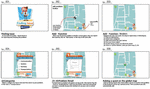
Gamified Mobile Crowdsourcing is focused on the gamification approach, including game dynamics, game mechanics, and game rules used to attract people and contribute data to the government. However, in this step we employed the idea of the location-based game in which people provide accurate latitude and longitude coordinates for the location. The approach adapted game mechanics from Pokemon GO, in which users travel throughout their neighborhoods. When they are approaching a flag of a problem, their mobile phones vibrate to notify them. When people come across a flag of a problem, they can also solve it by providing solutions, giving remarks, or expressing their positive or negative feelings [39]. However, a game design is the blueprint from which a game is to be built in the first. Thus, we designed the storyboard of the game design concept “Find issue” shown in Figure 1.
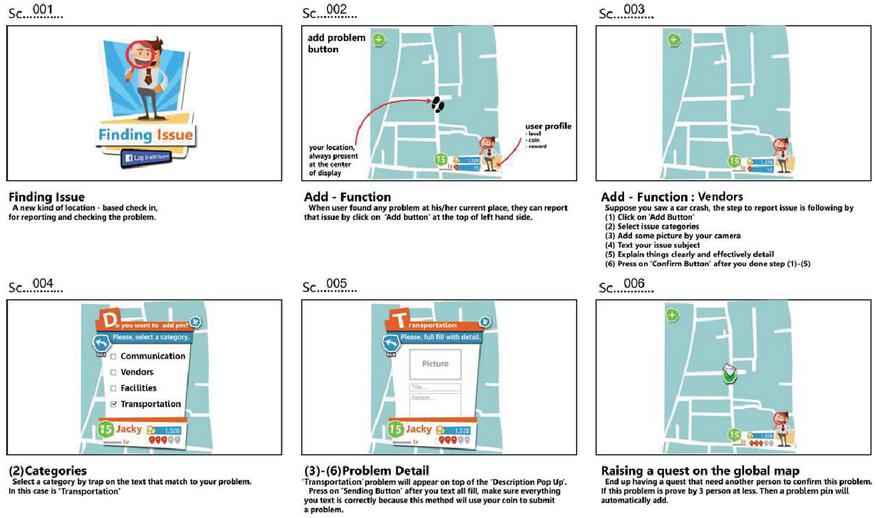
Figure 1 Storyboard of the game design concept “Find issue”.
3.2 Defining the Core Game Flow and Mechanics
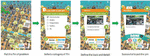
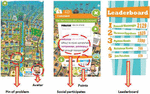
An engaged crowd of people is the foundation of an efficient and effective crowdsourcing system. We built a mobile application based on the gamification approach to alter the psychological consequences and inspire people to utilize the crowdsourcing system, convincing people to interact with the crowdsourcing system the core game flow shown in Figure 2. In the next step, we implemented the game element into the game mechanics such as leaderboard, levels, badges, and a scoring system are integrated into our application the list of game elements applies in the approach shown in Table 1 and Figure 3. When users make or join a problem flag, they receive XP points. Players will be advanced to the next level and receive a new badge If they earn enough points [39].
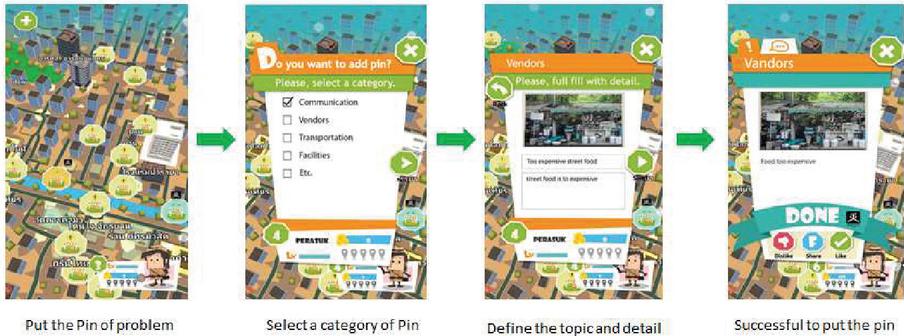
Figure 2 The core game flow of “Find issue”.
Table 1 List of game elements applied in our approach
| Element | ||
| Features | Description | Implemented on the System |
| Levels | Encourage users to improve their knowledge and ability. It would be much more challenging at the upper levels than at the lower levels [36]. | We created a system in which the user may advance to the upper level by participating in or adding a flag of problem. This is encouraged to raise user involvement while utilizing the system. |
| Avatars | An avatar enables the users to raise their self-esteem, and it plays a significant part in increasing the engagement of the users [40]. | The use of avatars for the users is suggested through crowd sourcing. They may choose between male and female, as well as personalize the accessories and clothing. |
| Social participation | To promote involvement in the system, social participation can perform as a cultural exchange point, guiding the flow of information towards certain fields of interest, depending on their own network of social interactions and issues covered within. | We employed social participation to a flag of problem as a means of exchanging knowledge and opinions about the problem. |
| Leaderboard | When users aim to get higher scores, rank can act as a significant motivation [40]. | Users may check their profile ranks online. |
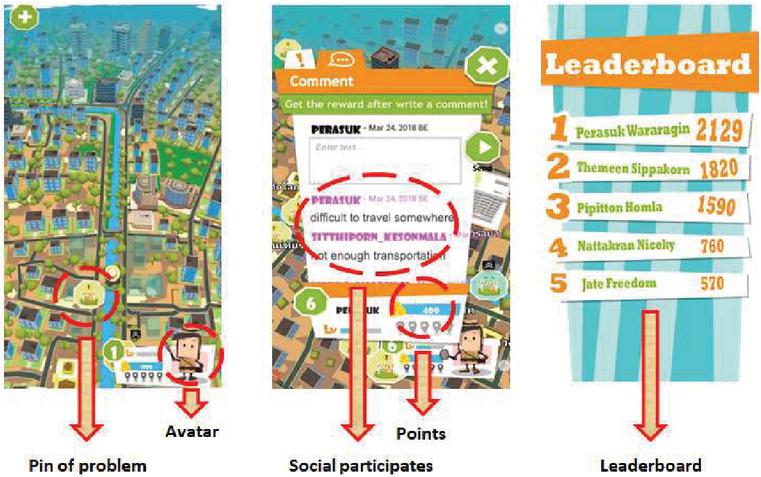
Figure 3 List of game elements applied in the core game.
3.3 Proposed System Architecture
Mobile gamification can increase the intrinsic and extrinsic motivation for users [45]. However, it is quite really difficult to develop in deep of system architecture without the expert of the specific fields. To design that, the system architecture have been designed by the cooperation of researchers and lecturers of the College of Art Media and Technology and Faculty of Humanities department of the Library and Information Science, Chiang Mai University who are experts in the fields of gamification with co-operative with faculty of Electrical engineering, University of technology Lanna who are experts in fields of software engineering in order to provide the system architecture and reliable mobile application.
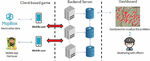
In term of system architecture, we proposed the implementation of the development of a mobile system architecture applying software development life cycle model of scrum model. The proposed of system architecture consists of frontend, backend architecture and visualizing the problem the system architecture shown in Figure 4.
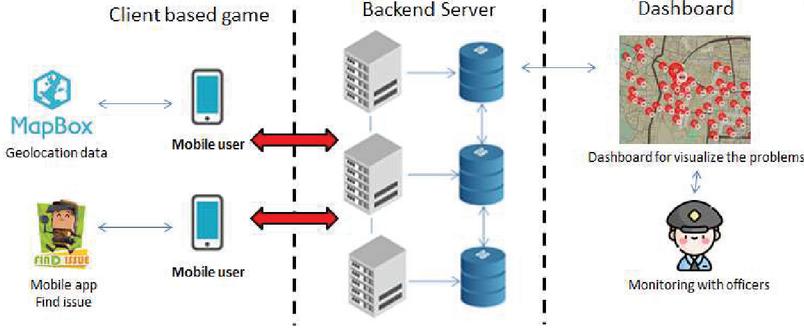
Figure 4 System architecture of gamified crowdsourcing.
3.3.1 The system of backend server
The backend of our approach crowdsourcing system’s objective is to assist and support government officer’s back office. With regards to the management system, a system-based design for corporate management has been developed so that it can collect and screen out negative public comments. Following that, data analytics can be completed once it is kept in a database. Hence, game element-based motives, a database, and filter demand and acceptance are three major systems [39]. We used cloud based system from amazon web services as the backend management system with the PHP and MySQL database.
3.3.2 Client based game
The client based game developed based on unity game engine (https://unity.com/) with released on the Apple App Store and Google Play in the title of “Find issue”. The geolocation data of the map using Mapbox API (www.mapbox.com) to generate the information around the map. The client based game were using JSON format in order to exchange the data between client and cloud based server.
3.3.3 Visualize the real-time dashboard
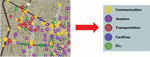
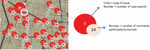
This dashboard display makes use of report information from the preceding hour from the backend server. It may be used by the government to observe the severity of issues on the Chiang Mai map. Several circles of varying shapes and shades are represented on the dashboard, along with the quantity of each circle indicating the number of tourists’ case reports. The shade of the spheres indicates the sort of issues we differentiated from the overall issue, and the shape of the sphere represents the list of similar issues impacted in that place [39] shown in Figure 5.
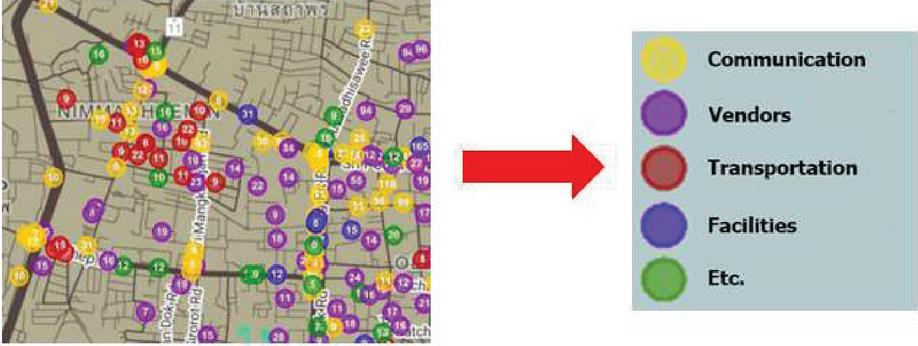
Figure 5 Web based real-time cloud-based dashboard.
However, it would be difficult for the government officers to sort prioritize of urban problems for tourists by itself. Thus, we employed the clustering algorithms to group the circle with the similar each other to visualizer more easily. To compute the cluster, the k-mean clustering algorithm was employed based on the implement [41]. To apply for visualize, each issue of problem were merged based on the similarity of features for group to cluster. In technically term, we calculated the distance defined as attribute value between each issue of problem using the Haversian formula to group into clusters of location that are not closer than 0.4 kilometer. Finally, we fixed the parameter k = 35 in the k-mean algorithms. The result shown in Figure 6 and the equation is shown below.
Subject to
Where
is the degree of the membership of th issue of problem in th cluster.
is the weight of th attribute to th cluster.
is the value of th attribute value of th issue of problem.
is the value of th attribute value of th cluster of problem.
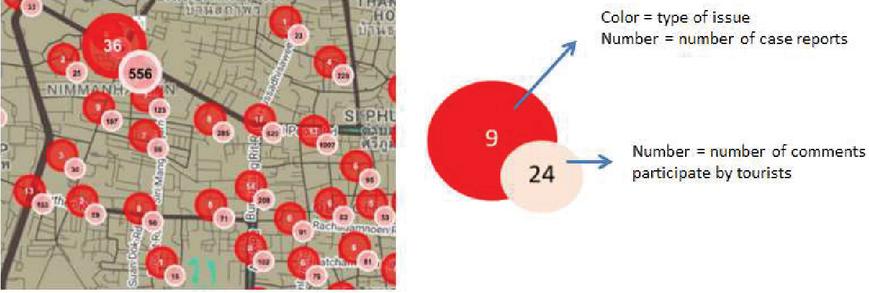
Figure 6 Visualize the urban problem with clustering algorithms.
4 Procedure and Experiment
4.1 Participants
The “Find Issue” app was developed and released on the Apple App Store and Google Play Store. From September to December 2021, there were 352 tourists, including 210 Thai tourists and 142 foreign tourists, who downloaded and used our application.
4.2 Experimental Procedure
Since Chiang Mai is one of Thailand’s most popular Northern provinces, with many international and domestic tourists visiting and coming for years, “Find Issue,” the mobile application, was developed to collect tourists’ complaints and then continue to address such problems as found in Chiang Mai. We tested the system and released the app on Google Play and the Apple App Store for 2 months so that tourists can download the “Find Issue” app and provide feedback or a complaint about a problem or inconvenience encountered while visiting Chiang Mai. In terms of promoting our application to be widely known by tourists, we organized a campaign to advertise it based on the social media Facebook and Instagram, on advertising boards near Chiang Mai University, and also in the Chiang Mai Center. Additionally, we promoted the application on the Chiang Mai Tourism Business Association Facebook page. Nonetheless, the application can be used in Chiang Mai city only (lock GPS).
5 Results
We obtained quantitative and qualitative data for our application’s results of gathering comments and complaints, “Find Issue,” which was downloaded and used by tourists for three months.
5.1 Quantitative Data
352 travelers, including 210 Thais and 142 foreigners, downloaded our mobile application and provided feedback on issues experienced in Chiang Mai. According to their complaints and responses, we found that there were 5 types of urban concerns that travelers encountered.
Table 2 Summary of all participants who report the issues in the system
| Problem | Percentage | Comment | Percentage | ||
| ID | Problems | Statistics | of Problem | Participates | of Comments |
| 1. | Communication | 42 | 31.34% | 321 | 43.67% |
| 2. | Vendors | 32 | 23.88% | 152 | 20.68% |
| 3. | Transportation | 21 | 15.67% | 72 | 9.79% |
| 4. | Facilities | 25 | 18.65% | 121 | 16.46% |
| 5. | Etc. | 14 | 10.44% | 69 | 9.38% |
According to Table 2, we showed the summary of our quantitative data of mobile gamified crowdsourcing. There were five types of urban problems for tourism found in the city of Chiang Mai by tourists: (1) communication (31.34%), (2) vendors (23.88%), (3) transportation (15.67%), (4) facilities (18.65%), and (5) other urban problems (10.44%). To compare the total number of urban problems and the comments of each type, it can be concluded that communication is the most concerning issue that travelers experienced while visiting Chiang Mai, accounting for 31.34 % of all total problems because nearly half of the total number of participants were foreigners who spoke other languages, and almost all vendors or officials might not be able to understand and speak their languages. Apart from communication, there were other issues experienced by tourists, including Vendors (23.88%), Facilities (18.65%), Transportation (15.67%), and other urban problems (10.44%), respectively.
5.2 Qualitative Data of Participants of Crowdsourcing
We collected qualitative data from crowdsourcing participants using the online survey form that was displayed on the user’s mobile phone screen after they provided a comment or feedback on our application. The overall number of participants was 352, with 22 responding to and providing feedback on an open response question asking “Do you have any comments for the Find Issue App?” We received both positive and negative comments, as well as recommendations for app improvement.
Regarding positive comments with the total of 7 responses, most of them remarked that “Thanks for developing this application.” I hope this app will bring an improvement in addressing the problems we found in Chiang Mai. “Also, some of them gave us feedback that “I really hope the developers will continue developing this app as we can immediately leave a comment once we find a problem” and “such a convenient and easy-to-use application.”
In terms of negative comments on using the “Find Issue” application, we found 8 responses concerning the application system. The majority of all responses complained about the hardware issue in both iOS and Android, which caused lag when they were trying to open the application by stating, “It takes a while to open the application. I have to close and reopen it again.” Others also stated that “while using the application, it lags and suddenly crashes.”
We received several complaints regarding the hardware issue, therefore the other 7 respondents left some app improvement suggestions as well. They mostly advised that the application be fixed so that it does not lag while used. Furthermore, one of them suggested that the developer redesign and improve the system so that it runs faster and smoother.
6 Discussion
In this section, we discussed on the two perspectives from the knowledge our study of design of the application gamified crowdsourcing for tourism participatory and the real experience of using application in the city of Chiang Mai. Regarding the design and development of the gamified mobile application, we developed a gamified crowdsourcing mobile application with the purpose of obtaining the results of travelers’ participation in urban issues identified in Chiang Mai. According to the findings of the study, it indicates that there is a correlation between gamification and tourism participation. These factors have the potential to enhance and motivate tourists to provide their information and feedback concerning the problems they encountered while visiting Chiang Mai. It can be concluded that our results support the theory of Sigala’s research [28] that gamification characteristics can encourage tourists to provide their responses or comments on a certain issue. Furthermore, the results corroborate with the claims of Morschheuser et al. [23] that gamification can promote a user’s incentive to participate in or join activity. In terms of suggestions for individuals who find the correlation between gamification and tourism participation that can be applied in other gamified mobile applications in order to obtain data and information from the user, this approach, based on our results, can effectively motivate and gain information from 352 tourists who responded and left their feedback within 2 months. Regarding application system, the application should be designed and developed to run smoothly and quickly, not having too much unnecessary system that causes the app to lag or crash when used by the user.
Following the use of our gamified mobile application to collect data from tourists in Chiang Mai city, it was revealed that there were several urban concerns in Chiang Mai, with communication being the most prevalent, accounting for 31.34%, followed by vendors, accounting for 23.88%. The third issue that tourists reported was a lack of facilities, which accounted for 18.65% of all complaints. Aside from the three major concerns stated above, transportation and other urban issues accounted for 15.67% and 10.44%, respectively. These information received from our application will be important information that can be contributed to and assist the officials in making decisions, finding strategies, or issuing regulations to address the issues encountered by tourists.
7 Conclusion and Future Works
The objective of this study is to acquire and collect comments or feedback from travelers on urban concerns in Chiang Mai by developing and designing a gamified mobile crowdsourcing application to improve the tourism experience among travelers. In terms of research proposals, this study presents three proposed studies: (1) the design and development of a gamified mobile application based on the concept of participatory crowdsourcing; (2) the system architecture for managing tourism participatory urban problems for smart city government officers; and (3) to encourage tourists to collaborate in providing comments and feedback on urban problems encountered in Chiang Mai, the largest city in northern Thailand. Based on the study proposals, we employ participatory sensing motivations theory to motivate the user to behave in accordance with our objective by including gamification, the MDA framework, and game features into our mobile application. After gathering data from tourists on our gamified mobile application, based on quantitative and qualitative data collected from participants of crowdsourcing, a lot of users collaborated to provide their feedback and complaints on our application as well as their positive and negative feedback concerning the usage experience of our application. According to their responses and complaints, communication issues were reported the most by tourists, accounting for 31.34% of all respondents, followed by vendors (23.88%), a lack of facilities (18.65%), transportation and other urban issues (15.67% and 10.44%, respectively). Afterwards, these data collected from tourist will be forwarded to government offices, who will find solutions or issue regulations to address such problems experienced by tourists. Nevertheless, since the period of this study was only three months and there were not a lot of tourists visiting Chiang Mai due to COVID-19, our results cannot verify that our backend of the crowdsourcing system will be able to handle collecting data or screening out negative feedback from a large number of tourists. That is because once the COVID-19 situation can be controlled, it is predicted that there will be more and more of them using our application.
Hence, future studies should take into account the ability and possibility of the application system and database to support a great number of data and responses from the user while testing and developing the system to run smoothly and quickly to provide convenience for the user.
Acknowledgements
This research was partially supported by Chiang Mai University and Faculty of Humanity Chiang Mai university.
References
[1] K. Seaborn and D. I. Fels, “Gamification in theory and action: A survey,” Int. J. Hum. Comput. Stud., vol. 74, pp. 14–31, 2015.
[2] M. Sigala, E. Christou, and U. Gretzel, Eds., Social media in travel, tourism and hospitality: Theory, practice and cases. London, England: Ashgate Publishing, 2012.
[3] World Tourism Organization (UNWTO), Tourism & Hospitality Centre of Expertise Leisure, NHTV Breda University of Applied Science, and NHL Stenden University of Applied Sciences, ‘overtourism’? – understanding and managing urban tourism growth beyond perceptions. World Tourism Organization (UNWTO), 2018.
[4] Y. Zheng, F. Liu, and H.-P. Hsieh, “U-Air: When urban air quality inference meets big data,” in Proceedings of the 19th ACM SIGKDD international conference on Knowledge discovery and data mining, 2013.
[5] S. Morishita et al., “SakuraSensor: Quasi-realtime cherry-lined roads detection through participatory video sensing by cars,” in Proceedings of the 2015 ACM International Joint Conference on Pervasive and Ubiquitous Computing – UbiComp ’15, 2015.
[6] A. Ghose, P. Biswas, C. Bhaumik, M. Sharma, A. Pal, and A. Jha, “Road condition monitoring and alert application: Using in-vehicle Smartphone as Internet-connected sensor,” in 2012 IEEE International Conference on Pervasive Computing and Communications Workshops, 2012.
[7] J. Takahashi, Y. Kobana, N. Isoyama, Y. Tobe, and G. Lopez, “YKOB: Participatory sensing-based road condition monitoring using smartphones worn by cyclist,” Electron. Commun. Jpn., vol. 101, no. 4, pp. 3–14, 2018.
[8] N. Cila, G. Jansen, M. Groen, W. Meys, L. den Broeder, and B. Kröse, “Look! A healthy neighborhood: Means to motivate participants in using an app for monitoring community health,” in Proceedings of the 2016 CHI Conference Extended Abstracts on Human Factors in Computing Systems, 2016.
[9] C. R. De Rolt, R. Montanari, M. L. Brocardo, L. Foschini, and J. da Silva Dias, “COLLEGA middleware for the management of participatory Mobile Health Communities,” in 2016 IEEE Symposium on Computers and Communication (ISCC), 2016.
[10] Y. Matsuda, Y. Arakawa, and K. Yasumoto, “Poster: Design and evaluation of participatory mobile sensing platform for diverse sensing and gamification scenarios,” in Proceedings of the 14th Annual International Conference on Mobile Systems, Applications, and Services Companion – MobiSys ’16 Companion, 2016.
[11] H. Tangmunarunkit et al., “Ohmage: A general and extensible end-to-end participatory sensing platform,” ACM Trans. Intell. Syst. Technol., vol. 6, no. 3, pp. 1–21, 2015.
[12] M.-R. Ra, B. Liu, T. F. La Porta, and R. Govindan, “Medusa: A programming framework for crowd-sensing applications,” in Proceedings of the 10th international conference on Mobile systems, applications, and services – MobiSys ’12, 2012.
[13] D. Ferreira, V. Kostakos, and A. K. Dey, “AWARE: Mobile context instrumentation framework,” Front. ICT, vol. 2, 2015.
[14] N. M. Khoi, L. E. Rodriguez-Pupo, and S. Casteleyn, “Citizense – A generic user-oriented participatory sensing framework,” in 2017 International Conference on Selected Topics in Mobile and Wireless Networking (MoWNeT), 2017.
[15] R. Ganti, F. Ye, and H. Lei, “Mobile crowdsensing: current state and future challenges,” IEEE Commun. Mag., vol. 49, no. 11, pp. 32–39, 2011.
[16] Y. Arakawa and Y. Matsuda, “Gamification mechanism for enhancing a participatory urban sensing: Survey and practical results,” J. Inf. Process., vol. 24, no. 1, pp. 31–38, 2016.
[17] F. Restuccia, S. K. Das, and J. Payton, “Incentive mechanisms for participatory sensing: Survey and research challenges,” ACM Trans. Sens. Netw., vol. 12, no. 2, pp. 1–40, 2016.
[18] L. G. Jaimes, I. J. Vergara-Laurens, and A. Raij, “A survey of incentive techniques for mobile crowd sensing,” IEEE Internet Things J., vol. 2, no. 5, pp. 370–380, 2015.
[19] J.-S. Lee and B. Hoh, “Dynamic pricing incentive for participatory sensing,” Pervasive Mob. Comput., vol. 6, no. 6, pp. 693–708, 2010.
[20] N. Khoi, S. Casteleyn, M. Moradi, and E. Pebesma, “Do monetary incentives influence users’ behavior in participatory sensing?,” Sensors (Basel), vol. 18, no. 5, p. 1426, 2018.
[21] R. Koster, Theory of fun for game design, 2nd ed. Createspace, 2013.
[22] S. Deterding, D. Dixon, R. Khaled, and L. Nacke, “From game design elements to gamefulness: Defining ‘gamification,”’ in Proceedings of the 15th International Academic MindTrek Conference on Envisioning Future Media Environments – MindTrek ’11, 2011.
[23] B. Morschheuser, J. Hamari, J. Koivisto, and A. Maedche, “Gamified crowdsourcing: Conceptualization, literature review, and future agenda,” Int. J. Hum. Comput. Stud., vol. 106, pp. 26–43, 2017.
[24] M. V. Palacin-Silva, A. Knutas, M. A. Ferrario, J. Porras, J. Ikonen, and C. Chea, “The role of gamification in participatory environmental sensing: A study in the wild,” in Proceedings of the 2018 CHI Conference on Human Factors in Computing Systems, 2018.
[25] B. C. Lee, “The effect of gamification on psychological and behavioral outcomes: Implications for cruise tourism destinations,” Sustainability, vol. 11, no. 11, p. 3002, 2019.
[26] S. Moro, P. Ramos, J. Esmerado, and S. M. J. Jalali, “Can we trace back hotel online reviews’ characteristics using gamification features?,” Int. J. Inf. Manage., vol. 44, pp. 88–95, 2019.
[27] L. Aguiar-Castillo, A. Clavijo-Rodriguez, P. De Saa-Perez, and R. Perez-Jimenez, “Gamification as an approach to promote tourist recycling behavior,” Sustainability, vol. 11, no. 8, p. 2201, 2019.
[28] M. Sigala, “The application and impact of gamification funware on trip planning and experiences: the case of TripAdvisor’s funware,” Electron. Mark., vol. 25, no. 3, pp. 189–209, 2015.
[29] F. Xu, D. Buhalis, and J. Weber, “Serious games and the gamification of tourism,” Tour. Manag., vol. 60, pp. 244–256, 2017.
[30] D. DiTommaso, “Beyond gamification: Architecting engagement through game design thin…,” Slideshare.net. [Online]. Available: https://www.slideshare.net/DiTommaso/beyond-gamification-architecting-engagement-through-game-design-thinking. [Accessed: 02-May-2022].
[31] Y.-K. Chou, “Octalysis: Complete Gamification Framework - Yu-kai Chou,” Yu-kai Chou: Gamification & Behavioral Design, 01-Dec-2021. [Online]. Available: https://yukaichou.com/gamification-examples/octalysis-complete-gamification-framework/. [Accessed: 02-May-2022].
[32] K. Werbach and D. Hunter, For the win: How game thinking can revolutionize your business. Philadelphia, PA: Wharton Digital Press, 2012.
[33] A. Mora, D. Riera, C. Gonzalez, and J. Arnedo-Moreno, “A literature review of gamification design frameworks,” in 2015 7th International Conference on Games and Virtual Worlds for Serious Applications (VS-Games), 2015.
[34] R. Hunicke, M. LeBlanc, and R. Zubek, “MDA: A Formal Approach to Game Design and Game Research,” in Proceedings of the AAAI Workshop on Challenges in Game AI, 2004, p. 1722.
[35] G. P. Kusuma, E. K. Wigati, Y. Utomo, and L. K. Putera Suryapranata, “Analysis of gamification models in education using MDA framework,” Procedia Comput. Sci., vol. 135, pp. 385–392, 2018.
[36] G. Zichermann and C. Cunningham, Gamification by design: Implementing game mechanics in web and mobile apps, 1st ed. Sebastopol, CA: O’Reilly Media, 2011.
[37] J. Harms, S. Biegler, C. Wimmer, K. Kappel, and T. Grechenig, “Gamification of online surveys: Design process, case study, and evaluation,” in Human-Computer Interaction – INTERACT 2015, Cham: Springer International Publishing, 2015, pp. 219–236.
[38] B. Kim, “Chapter 3. Game mechanics, dynamics, and aesthetics,” Libr. Technol. Rep., vol. 51, no. 2, pp. 17–19, 2015.
[39] K. Puritat, “A gamified mobile-based approach with web monitoring for a crowdsourcing framework designed for urban problems related smart government: A case study of Chiang Mai, Thailand,” Int. J. Interact. Mob. Technol., vol. 13, no. 12, p. 55, 2019.
[40] K. Werbach and D. Hunter, The gamification toolkit: Dynamics, mechanics, and components for the win. Gildan Media Corporation, 2021.
[41] L. Jing, M. K. Ng, and J. Z. Huang, “An entropy weighting k-means algorithm for subspace clustering of high-dimensional sparse data,” IEEE Trans. Knowl. Data Eng., vol. 19, no. 8, pp. 1026–1041, 2007.
[42] B. Leenaraj, W. Arayaphan, K. Intawong, and K. Puritat, “A gamified mobile application for first-year student orientation to promote library services,” J. Libr.. Inf. Sci., vol. 55, no. 1, pp. 137–150, 2023.
[43] S. Chernbumroong, W. Nadee, K. Jansukpum, K. Puritat, and P. Julrode, “The effects of gamified exhibition in a physical and online digital interactive exhibition promoting digital heritage and tourism,” TEM J., pp. 1520–1530, 2022.
[44] K. Puritat, P. Thongthip, K. Jansukpum, O. Sirasakamol, and W. Nadee, “Camt-run: Gamified Fun Run events for promoting physical activity,” Int. J. Interact. Mob. Technol., vol. 16, no. 18, pp. 94–113, 2022.
[45] D. Pradhan, G. Malik, and P. Vishwakarma, “Gamification in tourism research: A systematic review, current insights, and future research avenues,” J. Vacation Mark., 2023.
[46] G. N. Yama Adi Putra, K. Junus, and H. B. Santoso, “Gamification-based online collaborative learning feature design on SoloLearn application with mechanics-dynamics-aesthetics framework and user-centered design method,” in 2022 International Conference on Advanced Computer Science and Information Systems (ICACSIS), 2022.
[47] W. Pizło and A. Mazurkiewicz-Pizło, “Gamification-Use in Tourism Business Management,” Eur. Res. Stud. J., vol. 26, no. 2, pp. 390–409, 2023.
[48] M. Gheitasi, D. J. Timothy, and C. Clark, “Games and Tourism: An Evaluation of Gamification in the Iranian Tourism Industry,” J. Hosp. Tour. Stud., vol. 21, no. 1, pp. 1–30, May 2023.
[49] E. Roinioti, E. Pandia, M. Konstantakis, and Y. Skarpelos, “Gamification in tourism: A design framework for the TRIPMENTOR project,” Digital, vol. 2, no. 2, pp. 191–205, 2022.
[50] D. G. Turakhia, S. Mueller, and K. DesPortes, “Identifying game mechanics for integrating fabrication activities within existing digital games,” in CHI Conference on Human Factors in Computing Systems, 2022.
Biographies

Suepphong Chernbumroong is currently working as Lecturer in College of Arts, Media and Technology, Chiang Mai University. Ph.D. in Knowledge Management.

Phimphakan Thongthip holds a bachelor’s degree in humanities from Chiang Mai University, Thailand, with a major in English. Currently, she is pursuing her Master’s degree in Humanities within the Department of Library and Information Science at Chiang Mai University, Thailand. Furthermore, she actively contributes as a research assistant within the Department of Library and Information Science at Chiang Mai University.

Orasa Sirasakamol is currently working as Lecturer in Electronics Engineering and Automatic Control Systems, Rajamangala University of Technology Lanna. Ph.D. in Kunming University of Science and Technology, China.

Kanjana Jansukpum is currently working as Lecturer in Department of library and information science, Faculty of Humanities, Chiang Mai University. Ph.D. in Doctor of Management in Management Science and Engineering, Wuhan University, China.

Phichete Julrode is currently working as Assistant Professor in Department of library and information science, Faculty of Humanities, Chiang Mai University.

Kitti puritat is currently working as Assistant Professor in Department of library and information science, Faculty of Humanities, Chiang Mai University. Ph.D. in Knowledge management Chiang Mai University.
Journal of Mobile Multimedia, Vol. 19_6, 1371–1394.
doi: 10.13052/jmm1550-4646.1961
© 2023 River Publishers