High Simulation Scenario Simulation Teaching of Acute and Critical Care Based on Wise Information Technology of Med
Chunmei Wang
School of Medicine, Xi’an Siyuan University, Xi’an 710038, Shaanxi, China
E-mail: wangchunmei198211@163.com
Received 16 December 2022; Accepted 08 February 2023; Publication 13 October 2023
Abstract
Acute and critical care nursing is a subject with high requirements covering common emergency and critical care theories, common first aid, and clinical practice in various clinical departments. It involves theoretical knowledge of various specialties and a number of nursing operations. With the continuous updating of equipment and knowledge related to acute and critical care nursing, this discipline has also developed rapidly. However, due to the increasing shortage of medical teaching resources, it cannot effectively meet the teaching needs. In order to alleviate this clinical teaching pressure, this paper introduces the wise information technology of med, Sim Man 3G, a high-simulation simulator, into the teaching of acute and critical care nursing. Using Sim Man 3G can not only adjust the difficulty of treatment according to the needs of teaching, but also break through the clinical limitations, so the operation is very practical. The study found that the use of Sim Man 3G high simulation manikin in acute and critical care nursing could effectively improve the accuracy of case analysis and practical operation, which also improved the efficiency of teaching. In acute and critical care nursing, the highest teaching efficiency of Sim Man 3G was 96%, and the average teaching efficiency was 93.2%. The highest general teaching efficiency was 92%, and the average teaching efficiency was 88.6%. The teaching efficiency of the experimental group was 4.6% higher than that of the common group on average, and the overall quality was also improved. This showed that it is relatively successful to use Sim Man 3G high-fidelity simulator in acute and critical care nursing.
Keywords: Wise information technology of med, acute and critical care nursing, scenario simulation teaching, high simulation simulator.
1 Introduction
The condition of critically ill patients is changeable. The condition of critically ill patients is changeable, and sometimes there are various critical symptoms. Sudden hemorrhage, low blood pressure, irregular heartbeat, and respiratory problems are common manifestations. Individuals their admittance to the ICU was prearranged often need only a brief time of observation before even being discharged. Therefore, the nurses required to be trained in teaching must have agile and rapid response ability, comprehensive analysis and judgment ability, technical operation ability of various intensive care units, and application ability of various modern monitoring and treatment equipment. They must be able to be familiar with and master the treatment and care of common acute and critical illnesses. However, the teaching effect of the traditional teaching methods of acute and critical care nursing is not ideal, so the research on high-simulation situational simulation teaching of acute and critical care nursing based on wise information technology of med has become a top priority.
Scenario simulation teaching is very helpful for acute and critical care nursing, so many scholars have studied it. Ma D believed that the situational simulation teaching method can establish a certain realistic work situation or management system, so that learners can complete certain tasks or series of tasks according to certain job requirements [1]. Xia Y believed that the situational simulation teaching method can improve learners’ practical ability and analytical ability [2]. Fukumoto T reviewed the application status of situational simulation teaching method in various fields of nursing and nursing evaluation [3]. Based on the analysis of traditional emergency and intensive care practice teaching, Mei C H designed a situational simulation practice teaching scheme including self-made instruments, role-playing, full-function emergency model, and Sim Man 3G advanced simulation system [4]. Gao B believed that scenario simulation teaching can help students in acute and critical care nursing to quickly adapt to the modern nursing model and realize the transformation of the role of nurses [5]. Plummer V believed that the successful implementation of scenario simulation teaching has high requirements on the comprehensive teaching ability of teachers and the comprehensive quality of students [6]. Arulappan J believed that the new situational simulation teaching model can help improve team spirit and enhance professional identity [7]. Su Y’s study found that combining situational simulation teaching can improve the quality and effect of acute and critical care nursing teaching, which is conducive to the cultivation of team spirit and professional concepts among nursing students [8]. Raja G B believed that the skills and knowledge of the nursing process in the application of scenario teaching should include scenario design, teaching environment, teaching content, etc. [9]. Balushi A believed that situational simulation teaching can improve students’ enthusiasm for participation, and help to obtain better teaching effects, thus achieving teaching goals [10]. The above research showed that in the teaching of acute and critical care nursing, the use of scenario simulation teaching method is very useful. With the progress of the times, many treatments of wise information technology of med have appeared on the market.
Many scholars have studied the Sim Man 3G of wise information technology of med. Zhuo L believed that in the process of medical education, new innovative technologies are widely used in computer simulations, providing the reality of medical interventions and procedures [11]. Aaa B argued that practical training teaching using simulation can improve the efficiency of learning materials, but at the cost of creating imaginary professional activities and guiding materials to practical activities [12]. In the process of teaching reform, Wang L L reformed the teaching content and methods of acute and critical care nursing based on future teaching trends [13]. Sook C H set up the Sim Man 3G simulation experiment teaching based on animal experiments to cultivate and improve students’ clinical thinking and problem-solving ability [14]. Chen D believed that simulation-based medical education is an educational method that uses simulation technology to create realistic clinical situations [15]. Feng Y believed that the application of Sim Man 3G simulator in critical care medicine can lay a solid foundation for students to become qualified physicians in the future [16]. The above research shows that the Sim Man 3G high simulation manikin has been widely used in acute and critical care nursing.
In this paper, wise information technology of med is applied to the high-simulation scenario simulation teaching of acute and critical care nursing, and Sim Man 3G is used as a new high-simulation teaching model of acute and critical care nursing. Through the research, it is found that the introduction of the high-simulation Sim Man 3G teaching in the high-simulation scenario simulation teaching of acute and critical care nursing has strong guidance and operability. It is also the development trend of modern medical education to use high simulation simulator to carry out teaching.
2 Relevant Discussion Based on Wise Information Technology of Med
(1) Wise Information Technology of Med
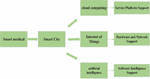
Wise information technology of med, abbreviated as WITMED in English, is a newly-emerged proper medical term. Smart healthcare is referred to as Wise Knowledge Technologies of Medication, or WITMED. Given the rise of numerous portable technologies in recent years, the idea of patient monitoring has progressively sparked new developments in healthcare equipment. By creating a regional medical information platform for health records, utilizing the most advanced Internet of Things (IoT) technology, with the medical cloud data center as the core, technologies such as the Internet of Things, data fusion transmission and exchange, and cloud computing are comprehensively applied to realize the interaction between patients and medical personnel, medical institutions, and medical equipment, which can gradually achieve informatization [17]. In order to examine and monitor how individuals and companies utilize energy, neural network can be employed in smart buildings. This information is then used to make judgements about where to use sustainable electricity resources [18]. Wise information technology of med is built on the basis of smart cities, which is a branch of artificial intelligence, specifically as shown in Figure 1.
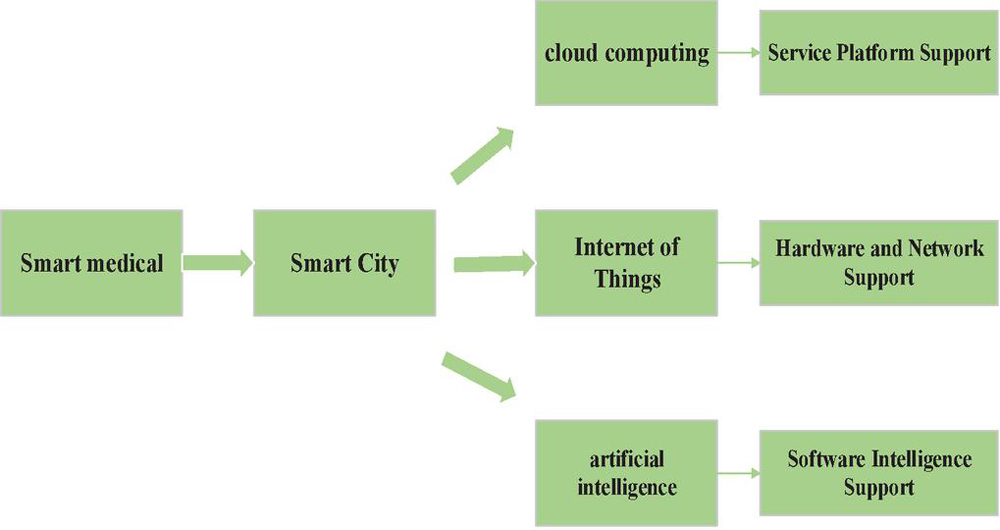
Figure 1 Related background of WITMED.
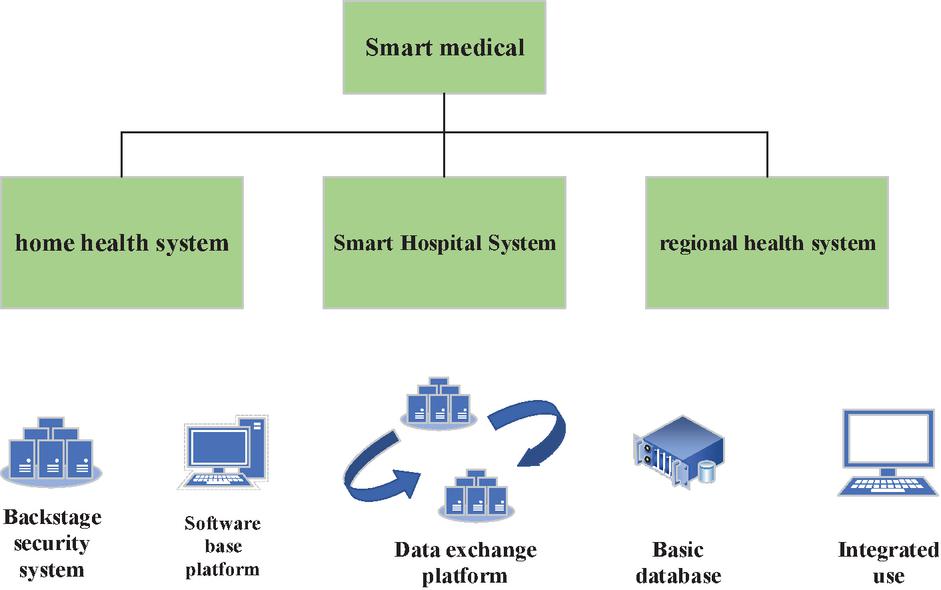
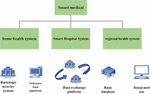
Figure 2 Conceptual framework of WITMED.
Generally speaking, WITMED consists of three parts, among which the family health system is the health protection system closest to people’s lives [19]. From a technical point of view, the conceptual framework of WITMED includes five aspects, namely background security system, comprehensive application, software basic platform, data exchange platform basic environment and basic database, specifically as shown in Figure 2. A safety system protects a property or structure from burglars through protecting its internal area and entrance openings, such as doorways & windows (particularly subterranean openings). A comprehensive application is a documentation that incorporates relevant information from previously submitted requests for licenses subject to this segment. A virtual machine that powers a gadget, including the computer or smartphone, is known as a software substrate. For instance, the infrastructure on which third-party programmers create applications that users can install on the smartphone is the linux distribution of the phone. The greatest cutting-edge setting for businesses to disseminate, acquire, interchange, discuss, or commercialize information as well as coordinate information environments as well as intelligent data alliances is a data transfer network. It may also be described as a group of connected information that is kept collectively to support a number of activities; the information is kept in a way that makes it autonomous of the programs that utilize it.
The application potential of WITMED in the medical field is huge, which can bring convenience to medical services. Innovative technologies have changed the paradigm of healthcare. Artificial intelligence (AI) as well as machine learning (ML) are significantly changing the medical industry. These healthcare techniques enable data processing, predictive analysis, and prediction, each of which has significant patient-related consequences. The improvement of telecommunication methods has also benefited hospital documents. Electronic health data are replacing paper ones in many facilities and independent practices. This has streamlined the filing procedure and making it simpler for consumers to change providers. A new high-tech WITMED era is accelerating, and smart medical can have a huge space for development. Among the most common types of applications utilized across institutions & offices is EHR technology, if not the more common software application overall. Upwards of 223,000 healthcare customers were polled by NRC Health’s Industry Analysis, and it was discovered that 51% of respondents cited comfort and availability to treatment as the most crucial considerations in their selection.
(2) Sim Man 3G High Simulation Man
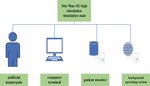
With the continuous progress of modern medicine, situational simulation teaching has been introduced into teaching [20]. Sim Man 3G high simulation man is a scientific instrument used in the field of clinical medicine. The Bleeding components are designed to impart quick detection and efficient hemorrhage process monitoring. It consists of a simulated human body model, a connection box, a background operating system, a patient monitor, a computer terminal and an air compressor. Distinguishable education, lecture-based education, technology-based education, team and individualized acquiring knowledge, inquiry-based learning, kinesthetic, game-based having to learn, or environmental teaching are some examples of distinct instructional strategies. The formation of Sim Man 3G high simulation man uses various high-end technologies. A cellular simulation called SimMan 3G, made by Laerdal Corporation, simulates an adolescent individual of size distribution. It is a high-fidelity manikin that can be used to instruct basic airways, respiratory, heart, and circulatory functions. Visual perception is the capacity of the mind to interpret whatever the eyeballs perceive. This isn’t the identical as image quality, that describes a people’s capacity for seeing properly (for instance, 20/20 vision). Even with perfect eyesight, a human can nevertheless experience difficulties interpreting sensory input. It not only has the same appearance as a real person, but also can more intuitively and vividly simulate the various disease reactions and changes of the patient’s disease process, which enable nursing students to make corresponding changes in the treatment process in time, providing nursing students with realistic practical simulation training, as shown in Figure 3.
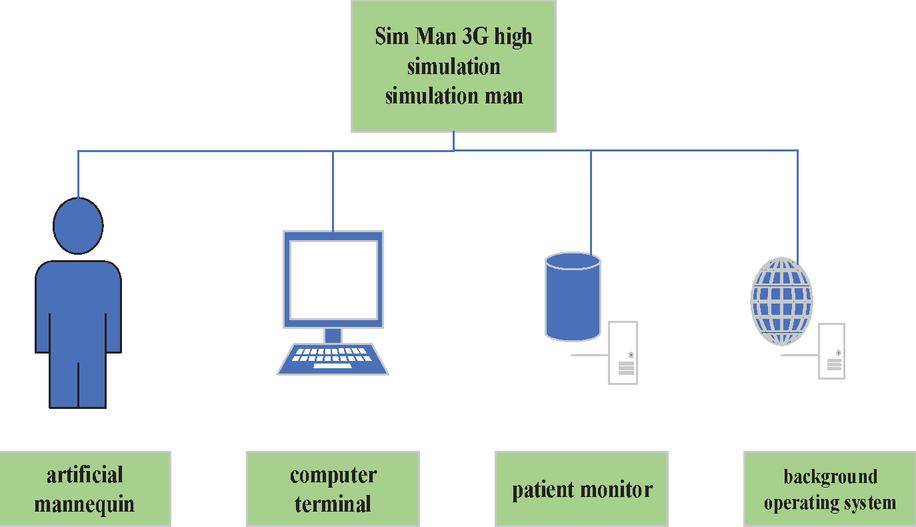
Figure 3 Sim Man 3G high simulation man operating system.
During the learning process, teachers can design or adapt the procedures of real clinical cases by themselves. In this way, students can actually feel the vital signs of the “patient”, such as breathing, pulse and other symptoms, and can also perform multiple operations at the same time, such as venipuncture, injection, intubation, and oxygen supply. They can judge changes in “patient” status and the appropriateness of care based on the patient’s monitor. Sim Man 3G high simulation man is equipped with a microphone radio on the head, which can provide students with high-level simulation and high-level human-computer interaction in clinical situations. Simulator-based education is an efficient and productive way to teach children critical qualities. In order to evaluate learners’ knowledge and expertise, instructional simulator is a training approach that places them in scenarios where they have to proactively fix complex. In addition, Sim Man 3G high simulation man is equipped with a high-definition video recording system that can record images, sounds, and data of all simulation courses as a monitor for recording and monitoring patients, which is beneficial to the improvement of nursing students’ professional skills. The different types of simulation used in healthcare management are simulator variants, hospital security NPSB, dual reality operative training, mixed reality medical simulating, and so on.
Sim Man 3G high simulation man is widely used in the teaching of many practical training courses such as maternal and infant nursing, emergency nursing, medical and surgical nursing [21]. The teaching of Sim Man 3G high simulation man is one of the effective measures for nursing teaching reform, and its advantages in nursing teaching have been recognized by many nursing students. In addition, the teaching of Sim Man 3G high simulation man has been increasingly used for formative assessment, vocational qualification examination and qualification certification. Additionally, it enables teachers to spot trouble areas and intervene right away. Prior to the graduation, schools offer real-world training in the field of their choice through professional instruction & development. In addition to being applied to nursing teaching and training, Sim Man 3G high simulation man also has a standardized evaluation function. The foundation of a standardized exam is uniformity: each test sample is supposed to respond to the identical issues, and each response is graded in accordance with a set criterion. Nursing educators generally use the Sim Man 3G high simulation man to assess students’ skills in basic nursing and acute and critical care. With the help of the system to record the whole process, the evaluation report can be printed and analyzed, thus making an objective and fair evaluation of the students’ operational skills. However, the operation cost of Sim Man 3G high simulation man is also relatively high, including equipment cost, site configuration, training of technicians, and equipment maintenance, which all require a lot of financial support. The application of Sim Man 3G high simulation man can only support a small number of students to participate at the same time, which is more suitable for small class teaching because its teaching coverage is relatively small.
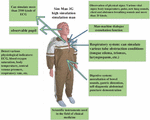
Sim Man 3G high simulation man can simulate more than 2,500 kinds of electrocardiograms, realizing the function of man-machine interrogation, which can conduct treatment research on various drug routes. Submucosal, parenteral, hypodermic, as well as transdermal needles are among the most frequently utilized parenteral methods of delivery. Parenteral Mode of Distribution Benefits the product’s quick uptake and beginning of effect. It produces different pharmacological changes for different drugs. SimMan, a computer-generated customer in a clinical knowledge lab, isn’t meant to and won’t ever be able to substitute for of the learning gained from dealing with actual sufferers in a medical context. In theory, it is easy to quantify the pharmacologic consequences of drugs on tissues, structures, & processes in both creatures and frequently too in individuals. Impacts on heart rate, circulating blood lipids, brain ability, and so on. are simple to assess. Sim Man 3G high simulation man can also observe the pupil, and simulate the blockage of various organs, the systemic arteries of which are similar to people, as shown in Figure 4. The different categories in pharmacological classification of drugs are restricted substances, drugstore medications, list of regular sales (GSL), prescribing medications, etc.
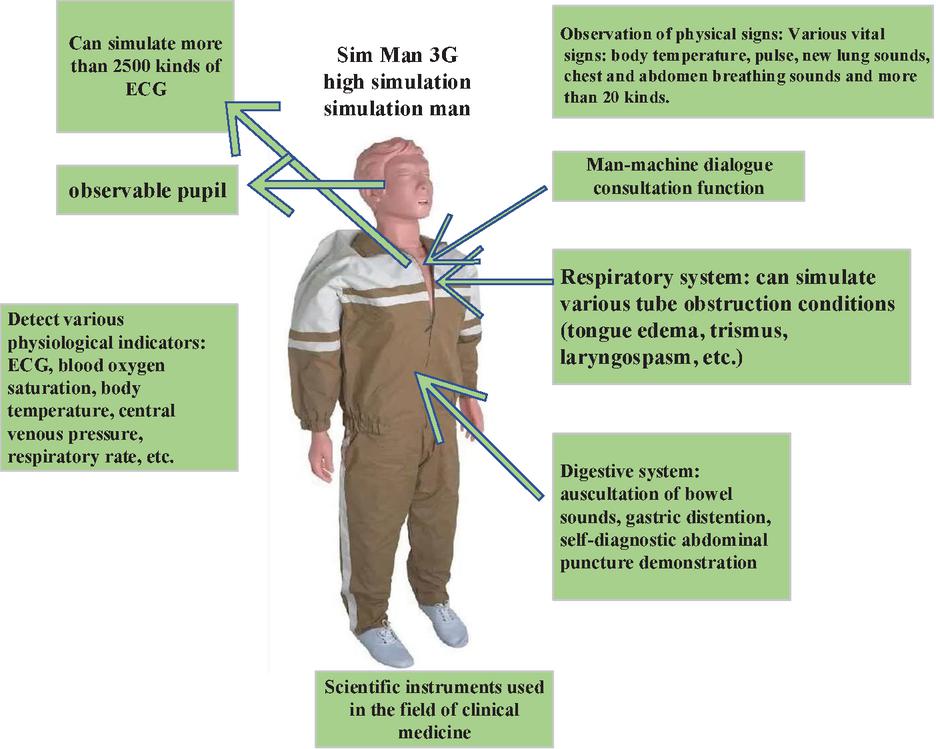
Figure 4 Widely used Sim Man 3G high simulation man.
3 Application of Artificial Neural Network Algorithm in WITMED
(1) Artificial Neural Network
The architecture of artificial neural network usually consists of input layer, hidden layer and output layer. Weights are an important element in neural networks, which can be used to represent the relative strength of relative data. To avoid level activating responses inflating or disappearing throughout a forward passage thru a deeper neural network, weighted loading is used. The average gain is divided by the median loss to determine the relative efficiency. Next, enter the information into the RSI calculation. The indication has to range from 0 to 100. The summation function computes a weighted sum representing each processing element. The full function multiplies each input value by its weight and evaluates the weighted sum. The calculation formula is as Formula (1):
| (1) |
For processing the -th neuron in the hidden layer, the calculation formula is as Formula (2):
| (2) |
The sum function calculates the internal stimulus. Based on this algorithm, the neuron can choose to produce or not to produce an output. Action potentials are regulated in several ways at the connections among the dendritic and axonal. Additionally, the feed-forward neural models this by dividing every data input by a number referred to as the weighting. Only if the sum of the incoming signal is greater than a predefined level does real neurons really fire a voltage output. This relationship is expressed by the nonlinear transfer function as Formula (3):
| (3) |
Then it is necessary to assume that there are e training samples, and the training set is , among which . is the input column vector of training samples. is the number of neurons in the hidden layer. The following algorithm as Formula (4) is commonly used to express:
| (4) |
After getting , the neural network passes the data from the hidden layer to the output layer. The predicted output can be formulated as Formula (5):
| (5) |
The prediction error value is then set to facilitate adjustment of the weights and thresholds. In contrast to the activation functions, which used the direction of the weighting factor to predict the outcome when the cut-off was lowered to 0, 1, or 1, the weighting are altered in accordance with the balanced total of the sources (the net). It differs from the typical activation functions for this reason. The greatest popular supervised learning technique is back-propagation. The idea behind this technique is to use an algorithm relies on the function approximation to update the parameters while reducing the difference among the ANN’s expected and reality production. The prediction error formula is as Formula (6):
| (6) |
The degree of impact a modification in the feed has on the outcome depends on mass. A little weight amount won’t affect the input, whereas a higher value obtained will drastically influence the outcome. The weights and thresholds are then updated based on the prediction error.
The weight value is updated to Formula (7):
| (7) |
The threshold is updated to Formula (8):
| (8) |
In Formula (8), is the replacement value for . is the artificial neural network data input value. If the output value is less than the threshold, the network of neurons cannot pass it to the next level of neural network. However, in practical applications, the update of the weight value and the threshold value needs to be continued for many times in order to meet the accuracy required by the algorithm.
(2) BP Neural Network Learning Algorithm
BP network neural algorithm is a typical traditional learning. If the output of each neuron is , the basic neuron algorithm is shown in Formulas (9) and (10):
| (9) | |
| (10) |
Among them, the initial value of the neuron link can be arbitrarily changed under certain constraints. Each network mode and input mode have certain errors, so the input error of a certain layer is as Formulas (11) and (12):
| (11) | |
| (12) |
In Formulas (11) and (12), L is the sum of the errors generated by all training modes in the training set. is the output expected value of the BP neuron (standard expected value). The essence of the algorithm of artificial neural network is to use the numerical gradient descent method, which is recorded as the weight correction amount. The major benefits of numerical gradient descent method are failure differential & resolution are more stable than with stochastic gradient descent, minimal is approached more directly, economical cognitively because changes are needed since an epoch runs, takes advantage of vectorization’s advantage and so on. An efficient algorithm called effects that result is frequently employed to build neural networks as well as machine learning algorithms. Such systems gain knowledge over time by using classification framework, or the functional form in stochastic gradient especially serves as a gauge by evaluating the precision of every repetition of different parameters. It is defined as Formula (13):
| (13) |
Because there is Formula (14),
| (14) |
the formula of the input layer of the network neuron is obtained as Formula (15):
| (15) |
When the proportion of BP neurons is constant, it can be calculated by inputting the error value found in the input layer of the neural network in reverse to the output layer. For input layer neurons, the formula is as Formula (16):
| (16) |
Formula (16) is simplified to Formula (17):
| (17) |
is used as a scale factor for the input error value, which dynamically affects the error correction amount according to the active value of the neuron. For the hidden layer neurons, the output error cannot be directly obtained. Thus Formula (18) can be derived:
| (18) |
Then Formula (19) can be obtained:
| (19) |
Although artificial neural networks have been widely used, there are still some shortcomings. Therefore, in view of the deficiencies, an adjustment and optimization formula is made as Formula (20):
| (20) |
4 Teaching Experiment Based on Sim Man 3G Scenario
Since acute and critical care is a practical course, students are required to have strong first aid awareness and on-the-spot adaptability. Instead of learning by apprenticeship, healthcare simulator enables the development of professional competence via purposeful practice. Real people are replaced with modeling equipment. Without worrying about hurting the patient, a student may make errors and learn from mistakes. Based on this, high simulation scenario simulation teaching has been introduced in the teaching of acute and critical care nursing, and Sim Man 3G has been introduced into the teaching classroom. Simulated standardizes instances, encourages analytical reasoning, permits patient outcomes oversight, offers instant notifications, and aids in learners’ assimilation of information and experiences. Making full use of multimedia technology and high-simulation physical demonstration can create a good practice environment for students, which can actively mobilize students’ enthusiasm for learning and cultivate self-learning awareness, improving teaching effects. The process of learning is varied and enhanced with multimedia information, which improves learning experience. Learners may have additional opportunity to interact with the material if there is instructional video available. In order to test the effect of Sim Man 3G scenario teaching mode on teaching rate, 50 nursing students from two classes were taken as the research object, and were randomly divided into common group and experimental group. A control subjects does not get the therapy which effects developments in the area to evaluate, but an intervention class, sometimes referred as a control treatment, is doing. In every other respect, they ought to be the same. The common group used ordinary simulators, and the experimental group used of Sim Man 3G high-simulation simulators, with 25 people per group. The two groups of nursing students were evenly distributed in gender, age and various aspects, which were comparable.
(1) Comparison of Instructiveness and Operability Between the Experimental Group and the Common Group
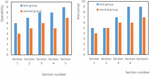
Simulators are common teaching aids in practical classes. A common simulator is a type of mold that is unconscious, without signs of life. Almost any serious accident or disease can make one unresponsive. Additionally, the consumption of alcohol and other drugs can contribute to it. Drowsiness can also occur from swallowing on anything. Sim Man 3G high simulation man can simulate a series of high-fidelity symptoms such as the sound of the patient’s pain, and even the flow of tears, which makes the case more vividly displayed in front of the nursing students so as to more accurately judge the condition. In order to have a clearer understanding of which kind of simulator has higher guidance and operability, the common group and the experimental group in the five acute and critical care nursing courses were investigated and analyzed. The specific situation is shown in Figure 5.
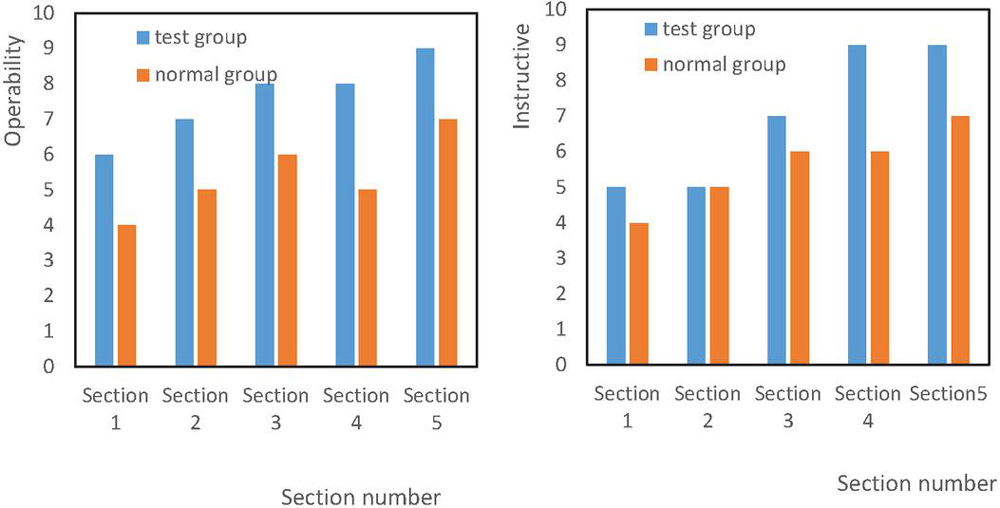
Figure 5 Comparison of instruction and operability of two different simulators.
It can be clearly known from Figure 5 that the manipulability and instructability of the experimental group were higher than those of the common group, and the operability and instructability of the experimental group were on the rise. The operability of the experimental group reached the highest level of 9 points. The lowest reached 6 points, and the guidance also reached the height of 9 points, which were higher than the normal group. High Fidelity Simulator is a type of clinical teaching that uses advanced photorealistic prosthetics (also known as mannequins) in actual patient settings. HFS facilitates collaboration, care coordination, educational effectiveness, and support for medical decision. It supports the growth of behavior, sensorimotor, and mental skills for successful teamwork. This showed that the Sim Man 3G high-fidelity simulator is useful in the teaching of acute and critical care.
(2) Comparison Between the Accuracy Rate of Case Analysis and the Accuracy Rate of Practical Operation
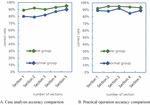
Because ordinary simulators cannot show signs of life, nursing students often ignore the observation of the disease and the development process of the disease. Therefore there may be no communication, no observation and no communication during the process, which is not good for analyzing the conditions. Sim Man 3G high-fidelity simulation man can show different symptoms and signs of different patients. In order to have a clearer understanding of which group had a higher rate of correctness in case analysis and practical operations, the five-course scores of the experimental group and the common group were compared, as shown in Figure 6.
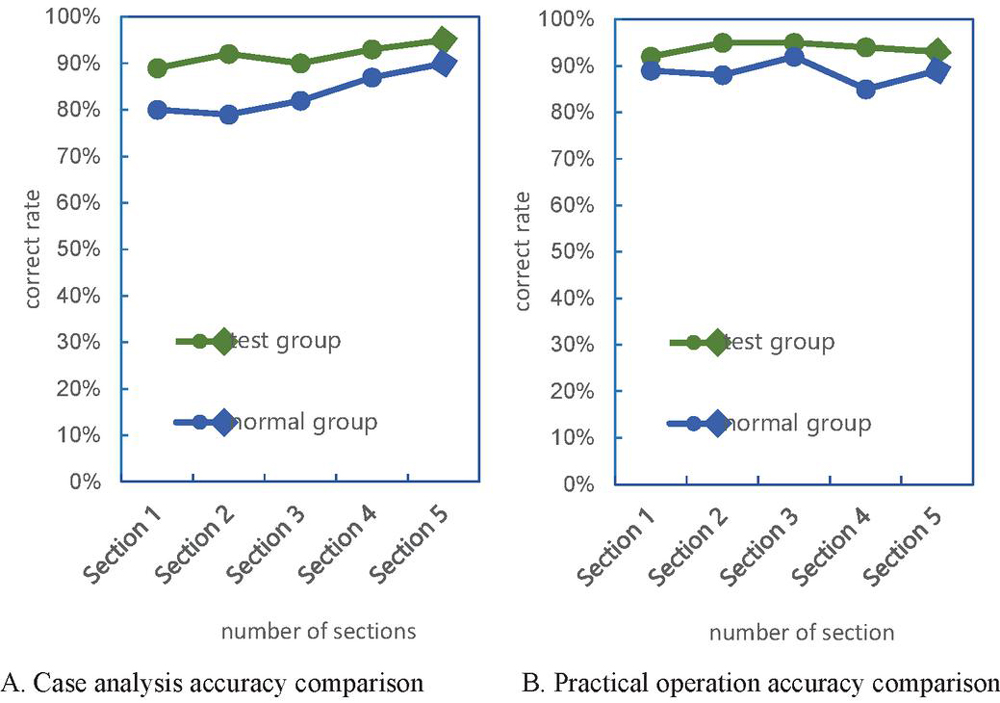
Figure 6 Comparison of the correct rate of case analysis and the correct rate of practical operation.
It can be clearly known from Figure 6 that whether it was case analysis or practical operation, the correct rate of the experimental group was higher than that of the ordinary group. The correct rate of case analysis in the experimental group has reached 95%, and the correct rate of practical operation has also reached 95%.
(3) Comparison of Theoretical Test Scores and Operational Skills Scores
In the teaching process of acute and critical care nursing, practical skills and theoretical content are equally important. Five nursing students were randomly selected from the experimental group and the common group, and their theoretical test scores and operational skills scores were compared. The six nursing students were numbered 1 to 5, and the survey results are shown in Tables 1 and 2.
Table 1 Comparison of theoretical scores between the experimental group and the common group
| Student Number | Experimental Group | Common Group |
| 1 | 100 | 95 |
| 2 | 96 | 92 |
| 3 | 98 | 94 |
| 4 | 97 | 90 |
| 5 | 99 | 92 |
Table 2 Comparison of operational skills scores between the experimental group and the common group
| Student Number | Experimental Group | Common Group |
| 1 | 99 | 95 |
| 2 | 98 | 98 |
| 3 | 100 | 94 |
| 4 | 97 | 92 |
| 5 | 99 | 90 |
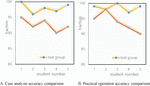
In order to compare the theoretical test scores and operational skills scores of the five nursing students more intuitively, the survey results were drawn in Figure 7.
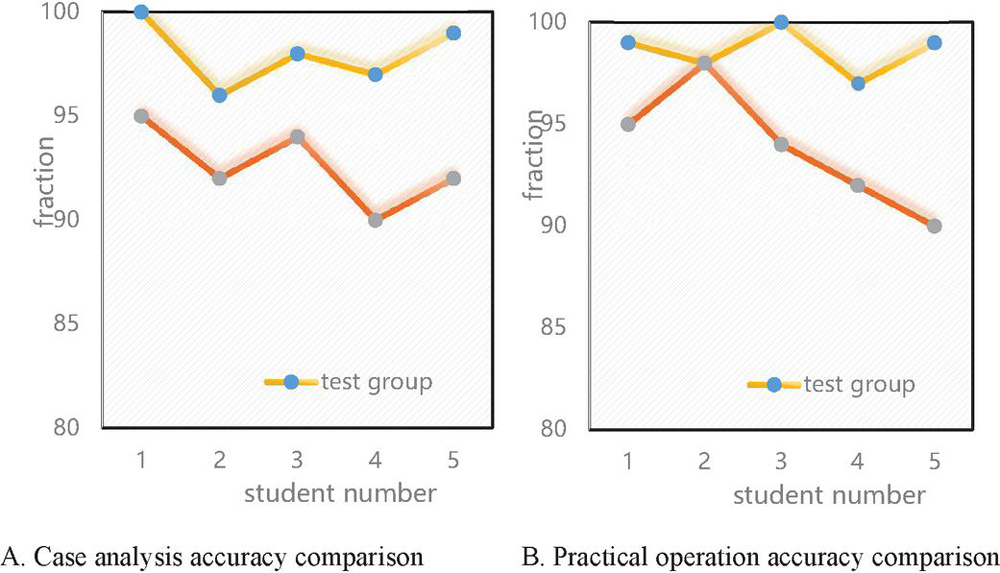
Figure 7 Comparison of theoretical test scores and operational skills scores.
The above results showed that the theoretical test scores and operational skills scores of nursing students in the experimental group were higher than those in the common group. In the theory test, the highest score of the nursing students in the experimental group reached 100 points and the lowest score was 96 points, while the highest score in the common group was only 95 points. In the operation skills test, the highest score of the nursing students in the experimental group reached 100 and the lowest score was 97, while the highest score in the ordinary group was 98 and the lowest score was 90. In general, the use of Sim Man 3G high-fidelity human scenario simulation teaching method in acute and critical care nursing can make up for the shortcomings of ordinary teaching methods. In this way, students can operate more intuitively and have a deeper understanding of theoretical knowledge, so as to continuously improve their professional quality.
(4) Comparison of Comprehensive Quality and Teaching Efficiency of Nursing Students
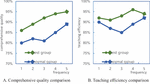
In the teaching of acute and critical care nursing in the general group, nursing students need to watch the teacher’s drill first, so that the nursing students can master the knowledge content. The classroom is relatively simple and does not have too many requirements. In the teaching of the Sim Man 3G high-simulation simulator used by the experimental group, it is necessary not only to master the theoretical knowledge of textbooks, but also to practice, in order to make nursing students integrate into classroom teaching. Thus they can experience the patient’s condition, which can cultivate their observation ability and improve their comprehensive quality. In order to better understand which group can improve the teaching efficiency and the comprehensive quality of nursing students, the results of the five assessments of the two groups of students were compared, as shown in Figure 8.
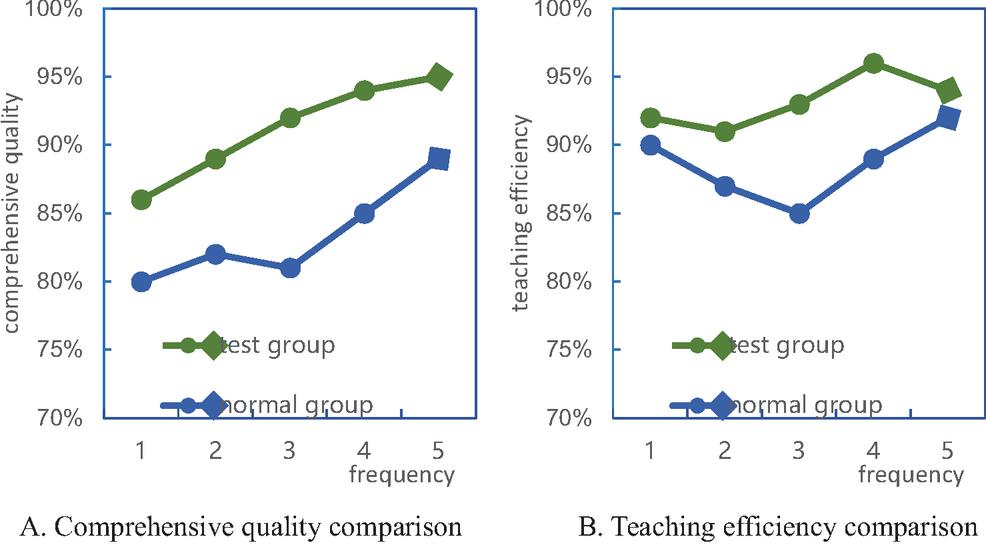
Figure 8 Comparison of comprehensive quality and teaching efficiency of nursing students.
It can be known from Figure 8 that the comprehensive quality and teaching efficiency of the experimental group were significantly higher than those of the ordinary group, and the comprehensive quality of the experimental group showed a steady upward trend. The comprehensive quality of the experimental group reached a maximum of 95%, and the comprehensive quality of the ordinary group reached a maximum of 89%. The teaching efficiency of the experimental group was the highest at 96% and the lowest at 91%, with an average teaching efficiency of 93.2%. The highest teaching efficiency of the general group was 92% and the lowest at 85%, with an average teaching efficiency of 88.6%. The teaching efficiency of the experimental group was 4.6% higher on average than that of the ordinary group, which showed that the Sim Man 3G high-simulation human scenario simulation is relatively successful in the teaching of acute and critical care nursing.
5 Conclusions
In order to ensure the teaching efficiency of emergency and critical care nursing, and help nursing students to learn relevant knowledge more clearly and comprehensively, as well as establish a better simulated real environment in simulation teaching to improve nursing students’ ability to adapt, the Sim Man 3G high simulation man has been applied to the teaching of emergency and critical care scenarios. The study found that the application of Sim Man 3G high simulation man to the teaching of acute and critical care nursing scenarios has been widely recognized, which has also stimulated the curiosity of nursing students and enhanced the ability to observe the disease. This allows nursing students to experience the real medical environment and master practical skills. The application of Sim Man 3G high simulation man has a role in promoting the teaching process of acute and critical care nursing.
Declarations
Funding
No funds, grants were received by any of the authors.
Conflict of Interest
There is no conflict of interest among the authors.
Data Availability
All data generated or analysed during this study are included in the manuscript.
Code Availability
Not applicable.
Author’s Contributions
Chunmei Wang. contributed to the design and methodology of this study, the assessment of the outcomes and the writing of the manuscript.
References
[1] Ma D. Does theme game-based teaching promote better learning about disaster nursing than scenario simulation: A randomized controlled trial[J]. Nurse Education Today, 2021, 10(13):104–125.
[2] Xia Y. Research on Human Resource Development and Training Design Based on ARCS Model[J]. Journal of Physics Conference Series, 2020, 15(33):022–061.
[3] Fukumoto T. The effect of weeding frequency and schedule on weeding operation time:a simulation study on a sugi plantation in Japan[J]. Journal of Forestry Research, 2020, 31(6):097–103.
[4] Mei C H. Efficacy of scenario simulation-based education in relieving parental anxiety about fever in children[J]. Journal of Pediatric Nursing, 2021, 61(1):102–108.
[5] Gao B. Multi-scenario simulation of ecosystem service value for optimization of land use in the Sichuan-Yunnan ecological barrier, China[J]. Ecological Indicators, 2021, 10(3):108–122.
[6] Plummer V. Nurse educator knowledge, attitude and skills towards using high-fidelity simulation: A study in the vocational education sector[J]. Nurse Education in Practice, 2021,2(13):103–148.
[7] Arulappan J. Effect of Repeated Simulation Experience on Perceived Self-efficacy among Undergraduate Nursing Students[J]. Nurse Education Today, 2021, 106(1):105–157.
[8] Su Y. Internet of Things Smart Medical System and Nursing Intervention of Glucocorticoid Drug Use[J]. Microprocessors and Microsystems, 2021, 83(3):104–108.
[9] Raja G B. Fingerprint-based smart medical emergency first aid kit using ScienceDirect[J]. Electronic Devices, Circuits, and Systems for Biomedical Applications, 2021,12(16):325–348.
[10] Balushi A. The Ethics and Legality of Using Personal Smartphones to take Medical Photographs[J]. Sultan Qaboos University medical journal, 2020,19(2):099–102.
[11] Zhuo L. A GPU-based residual network for medical image classification in smart medicine – ScienceDirect[J]. Information Sciences, 2020, 53(6):091–100.
[12] Aaa B. FBCC protocol for HBAN network for smart e-health application[J]. Smart Biosensors in Medical Care, 2020,16(4):125–138.
[13] Wang L L. New Year’s greeting and overview of World Journal of Critical Care Medicine in 2021[J]. World journal of Critical care medicine, 2021, 10(4):005–012.
[14] Sook C H. Respiratory review of 2013: critical care medicine[J]. Tuberculosis and respiratory diseases, 2020, 75(1):001–008.
[15] Chen D. Journal of Intensive Medicine: A leading forum for breakthroughs and progress in critical care medicine[J]. Critical Care Medicine, 2022, 2(1):006–056.
[16] Feng Y. Towards high sensitivity infrared detector using SimMan 3G thin film by SCAPS simulation[J]. Solar Energy, 2021, 225(7):375–381.
[17] Evans L M. Enhancement of a low-fidelity surgical simulator. Is it possible[J]. The Journal of Laryngology And Otology, 2021, 135(2): 179–181.
[18] Gu D, Sun D, Muthu B, & Hsu C H. Regional electromagnetic actuation simulation and monitoring for robotically aided surgical equipment with medical platform[J]. Measurement, 2021, 168, 108248.
[19] Lin C. Safety modeling and protection for lithium-ion batteries based on artificial neural networks method under mechanical abuse[J]. Science Technology, 2021, 64(11):016–056.
[20] Tayeh B A. Using artificial neural networks for predicting mechanical and radiation shielding properties of different nano-concretes exposed to elevated temperature[J]. Construction and Building Materials, 2022, 3(24):126–163.
[21] Wu F. ReLU artificial neural networks for the grid adaptation in finite element method[J]. Journal of Physics: Conference Series, 2021, 19(1):012–032.
Biography

Chunmei Wang was born in Lanzhou, Gansu, P.R. China, in 1982. She received the bachelor’s degree from Gansu University of Chinese Medicine, P.R. China. Now, she works in School of medicine, Xi’an Siyuan University. Her research interest includes Nursing education and geriatric nursing.
Journal of Mobile Multimedia, Vol. 19_6, 1531–1552.
doi: 10.13052/jmm1550-4646.1968
© 2023 River Publishers