Unveiling the Mediating Role of Environmental Awareness: A Study on Gamified Rewards
Miao Huang1, Mohamad Saifudin Mohamad Saleh2,*, Izzal Asnira Zolkepli2 and Tong Zhang1, 3
1School of Animation and Digital Arts, Communication University of China, Nanjing, Jiangning University City, Nanjing, China
2School of Communication, Universiti Sains Malaysia, Pulau Pinang 11800, Malaysia
3Nanjing Easyskill Technology Co., Ltd., China
E-mail: huangmia@cucn.edu.cn; saifudinsaleh@usm.my; izzalasnira@usm.my; zhangtong@easyskill.cn
*Corresponding Author
Received 01 February 2024; Accepted 15 December 2024
Abstract
Gamification is part of modern mobile applications that serves as a design element. The reward element in gamification has a positive role in stimulating the behavioural intentions of the users. Having said that, plenty of virtual and physical gamified rewards can be found in Ant Forest – a popular large-scale mobile pro-environmental application in China. In particular, Ant Forest promotes environmental awareness and motivation among its players attributable to its excellent application of gamified rewards to pro-environmental behaviour of afforestation. This study applied the Stimuli-Organism-Response (S-O-R) Model to construct a theoretical framework with the variables of gamified rewards, environmental awareness and motivation, and specifically focused on the mediating effect of environmental awareness. By using the stratified proportional sampling technique, 621 Ant Forest users from six cities in China were surveyed to determine the role of users’ environmental awareness using the Partial Least Square-Structural Equation Modelling (PLS-SEM) approach. The study outcomes disclosed that gamified rewards in Ant Forest had a positive and strong impact on the environmental awareness of the users, while environmental awareness displayed a positive and strong impact on the environmental motivation of the users. Nonetheless, gamified rewards did not directly influence environmental motivation. Given the key finding that environmental awareness exhibited a strong mediation effect, it emerged as a key element that linked gamified rewards with environmental motivation among users. Imminently, the application scope of the S-O-R Model is expanded in this study. In doing so, the significance of environmental awareness among users is highlighted for the relationship between gamified reward and environmental motivation. In addition, this study provides feasible suggestions for developers of environmental applications to design effective gamification strategies by reasonably stimulating users’ environmental awareness.
Keywords: Gamified reward, environmental awareness, environmental motivation, S-O-R model, ant forest.
1 Introduction
As defined by Deterding et al. [1], gamification refers to “the use of game design elements in non-game context”. This very concept of gamification was extended by Hamari et al. [2] through the incorporation of motivational affordances, as well as psychological and behavioural outcomes. The application of gamification elements beyond the entertainment context appears to be an effective solution that enhances both user experience and engagement, while simultaneously improving behavioural motivation and outcomes [3].
From the lens of the theoretical research approach, gamification elements are composed of two types: reward-based and meaningful [4]. Looking at specific applications, the most common forms of gamified rewards are external rewards (e.g., points, badges, & leader boards) [5]. The virtual rewards attainable in a game, which consist of badges and trophies, mark the achievements and progress of the players. Such rewards not only demonstrate both the outstanding performance and expertise of the players, but also gain recognition from other players of that game [6]. Given that points and badges function as positive ‘reinforcers’ in gamification, they are effective in generating enthusiasm among players that encourages them to further participate in the game [6, 7].
Gamified designs promote environmental education to increase participants’ knowledge, encourage their changes in attitudes and behaviours, and practice their sustainable lifestyles [8]. Technology-enhanced gamified learning enhances users’ learning experience, provides them with sufficient environmental knowledge, and ultimately raises their environmental awareness [9]. In addition, gamified interactions supported by visualization elements transform originally intangible and abstract environmental issues into more intuitive and tangible short-term goals to motivate the public to meet sustainability challenges [10]. What makes it more acceptable to young people is that virtual reward tokens issued by gamified digital activities gradually change their lifestyles and transfer their participation and efforts to improve the environment to adults [11]. Serious games, comprising of digital games that are meant to meet social goals (e.g., sustainable development), are largely untapped [4]. Notably, it has been proven that serious games can spread sustainable behavioural intentions and achieve behavioural change through effective gamification mechanisms [12]. Reward mechanisms implemented in games have been reported to promote behavioural motivation in both positive and negative ways, while concurrently influencing one’s behaviour through operant conditioning [13, 14]. As pointed out by Whittaker et al. [4], reward-based game mechanisms (i.e., badges and trophies) can influence one’s sustainability knowledge in an effective manner, which in turn, can affect the person’s behavioural value.
The reward element in gamification has the potential to drive the behaviour of players through extrinsic motivation, thus inspiring them to learn via execution [15]. Rewards, which serve as feedback in teamwork, generate behavioural expectations for users and motivate them to continue achieving higher goals and rewards [15]. Plenty of reward types have been proven to motivate users to continue playing and attaining their desired goals by adding the persuasiveness component to the game [16]. Upon analysing the feedback provided by gamification users, Van Dooren et al. [16] revealed that the more the users relied on material, the more likely they were motivated by rewards. They added that in comparison to virtual points and social rewards, the players displayed more willingness to accept monetary rewards.
Through the replication of the common game design element, gamification has been vastly applied to drive user behaviour motivation [17] but investigations on environmental motivation are in scarcity [10, 18]. Although gamified rewards have been embedded into pro-environmental applications, they do not necessarily function as a condition [19]. In terms of practicality, such rewards give a pleasant surprise to the users, improve their satisfaction with the application effectively, and exert a positive impact on motivating the users to participate in the behaviour incessantly [19].
When practicing pro-environmental behaviour; one’s behaviour level that often exceeds that of awareness is known as the “awareness-behaviour gap” [20]. As this awareness-behaviour gap is manifested in users, the impact of environmental awareness on pro-environmental behaviour can be weak [21]. Ling and Xu [22] revealed that when implementing environmental protection policies, financial incentives caused “motive exclusion” that gradually solidified over time. Hence, economic incentives that are typically used to induce pro-environmental behaviour may weaken environmental motivation [22]. The guidance provided by the government and stakeholders on sustainable consumption dictates the impact of consumer behaviour on the environment, thus widening the gap between developed and developing countries [23].
In recent years, mobile payment and sharing economy practised in China have taken advantage of the wave of Internet progress to substantially minimise carbon emissions from personal activities, enhance resource utilisation, and offer its citizens a greener and more efficient life [24]. Apparently, the mass media has actively reinforced awareness among the public regarding climate change [25]. Since the attention paid by users to life-related issues highlighted on online platforms can enhance their environmental risk perception [26], their environmental awareness becomes enhanced. Among the vast Internet platforms, Alipay mobile application launched a gamification module called ‘Ant Forest’ to meet the needs of its users [24].
Ant Forest refers to a pro-environmental mobile application [25]. This application of Ant Forest makes use of the convenience of mobile payment to encourage its users to practice pro-environmental behaviour in fragmented time, besides cultivating their ecological habits and awareness [26]. The users can exchange virtual rewards with daily low-carbon behaviour on the mobile platform. Upon reaching a certain amount, the accumulated virtual rewards can be exchanged for real rewards (real trees) via Ant Forest, in which the trees are planted by Ant Forest across desert areas on behalf of the users [26]. Ant Forest amalgamates green rewards, social media, and persuasion to yield an excellent gamification system. Persuasion and motivation are the two approaches deployed in Ant Forest to mobilise the users’ sense of accomplishment and perceived entertainment as extrinsic and intrinsic motivation, respectively [26]. One may say that Ant Forest connects environmental awareness and personal low-carbon behaviour through materialised gamification rewards in the most creative manner [27].
Although the popularisation of Internet technology has promoted the development of environmental protection applications and social environmental protection activities, the public knows very little about green behaviours on the Internet [28]. The incentive effect of the Ant Forest gamification platform on users has attracted the attention of researchers, but different types of incentives (economic, value and social) show different effects [29]. As a large-scale social application with more than 550 million users, research on how Ant Forest influences users’ values and thus their intention to participate in pro-environmental behaviours is still relatively limited [30]. Especially under the influence of Ant Forest, the relationship between environmental awareness and motivation and the reasons that trigger them deserve more attention from researchers [31]. While most studies have concentrated on the direct impact of gamification mechanisms, especially the reward system, on pro-environmental behaviour [19, 27, 32–34], only a handful of research work has looked into the role of users’ environmental awareness and environmental motivation in light of gamification. Hence, the research objectives of this study are:
• To detect the impact of gamified rewards on environmental awareness and environmental motivation;
• To clarify the process of gamified reward affecting environmental motivation;
• To analyse the role of environmental awareness in the process of gamified reward affecting environmental motivation.
To achieve the above research objectives, the researchers applied the Stimuli-Organism-Response (S-O-R) Model to construct a theoretical framework and obtained research conclusions by verifying the directly hypotheses among gamified reward, environmental awareness and motivation. In addition, the mediating effect of environmental awareness was also calculated and analysed through indirectly hypothesis.
2 Theoretical Foundation
The S-O-R Model has been commonly applied as the theoretical foundation in examining the effect of external stimuli on consumer motivation and behaviour [35, 36]. In fact, the S-O-R Model is not new in investigations revolving around gamification, consumer behaviour, and motivation [37]. Mehrabian and Russell [38] initiated the S-O-R Model based on environmental psychology via three variables: (1) Stimulus (S) as the predictor variable, (2) Organism (O) as the intervening variable, and (3) Response (R) as the outcome variable [36].
The S-O-R Model may be deployed to assess consumers’ purchase intention, whereby the live broadcast features include external stimuli (S), user perception (O), and purchase intention (R) [39]. For instance, Thomas and Baral [40] considered gamification as the external stimulus, flow experience as the feeling of organism, and learning participation as the response given by users. Also, by deploying the S-O-R Model to propose a similar model, Hwang and Choi [41] regarded the user’s attitude towards mobile applications as the feeling of organism while the operation intention of the application as the response provided by users.
Turning to this present study, gamified reward represents the Stimulus (S) variable from the S-O-R Model [42]. Many studies have proven that including reward elements in application design can excite and motivate users to perform the target behaviour [42–44]. Next, environmental awareness denotes the Organism (O) variable [45]. Environmental awareness refers to the ability of combining human activities, environmental status, and willingness to participate in the cause of environmental protection [46–48]. Environmental awareness also reflects the combination of one’s ability to detect environmental issues and engage in the target behaviour [49]. Lastly, environmental motivation signifies the Response (R) variable in this study [50]. Environmental motivation often derives from external stimuli of environmental degradation or acquired cognitive improvement [51]. Therefore, environmental motivation is the feedback of individuals to various internal and external factors [52, 53].
Referring to the theoretical basis of the S-O-R Model and the research variables retrieved from the literature review, the theoretical framework of this study is as portrayed in Figure 1.
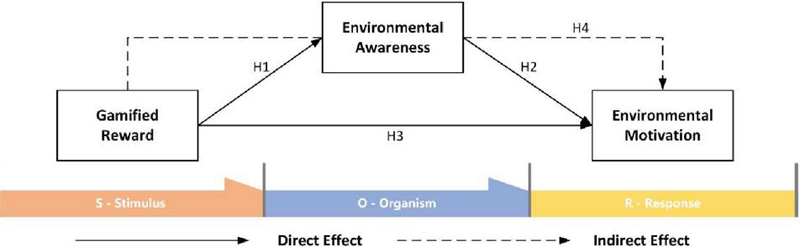
Figure 1 The theoretical framework of this study.
3 Hypotheses Development
Among the multiple gamification elements, the reward element has been proven to exert a stronger impact on enhancing environmental awareness stemming from its stronger persuasion strategy [54]. To better manage modern smart grids and electrical systems, many prominent electrical companies have converted their feedback data information into gamified rewards (i.e., points, grades, & badges) for their users, thus gradually enhancing the awareness of energy consumption management among the users [55]. Along that line, Wang and Yao [19] reported that 21 gamification elements embedded in Ant Forest could be divided into four functional modules; reward, task design, social interaction, and feedback, which jointly promoted the users’ environmental awareness. Hence, the following hypothesis is proposed:
H1. The gamified reward in Ant Forest positively affects the environmental awareness of users. Prior studies disclosed that individuals who demonstrated green commitment to engage in green behaviour (both mentally and physically) positively influenced low-carbon travel motivation [56]. In promoting sustainable behaviour, investing in emotional environmental factors is crucial so that the beneficiaries reckon the importance of the natural environment and acquire the necessary environmental knowledge to be enthusiastic and interested towards protecting natural resources [57]. In studies related to environment-friendly clothing behaviour, consumers’ awareness of the consequences of their clothing behaviour positively influenced their behavioural intentions [58]. Therefore, the following is hypothesised:
H2. The environmental awareness of Ant Forest users positively affects environ-mental motivation. Gamification elements have been widely applied in the fields of environment, finance, education, and management, to name a few. These elements offer the users recognition and rewards for completing tasks successfully, while influencing their behavioural motivation concurrently [59]. Upon assessing the energy-saving behaviour of corporate employees, Kotsopoulos et al. [60] found that recognition and rewards positively influenced the employees’ energy-saving motivation, including the motivation to plan their environmental protection behaviour that reflects three gamification motivations (i.e., self-actualisation, self-regulation, & affiliation needs). The green behaviour displayed by Ant Forest users generates green energy as the instant feedback point rewards, whereby those rewards can be converted into real vegetation and such action once again strengthens the rewards for users to reduce carbon footprints continually [31]. This effective reward mechanism stimulates users’ enthusiasm to overcome environmental issues and becomes their motivation to participate in environmental protection [31]. Therefore, the following hypothesis is proposed:
H3. The gamified reward in Ant Forest positively affects the environmental motivation of users. From the stance of neuroscience, the reward system generates a significant stimulus to activate one’s behavioural motivation, in which meditation after consciousness brings the feasibility and potential benefits of changes to that individual [61]. Similarly, Ludwig et al. [62] expressed that individual consciousness can leverage rewards at the neural level in driving behavioural changes. Serious games and gamification enhance energy-saving consumption awareness among the users by providing feedback (i.e., rewards), and finally, implementing the behavioural outcomes [63]. As such, the following is hypothesised:
H4. The environmental awareness of Ant Forest users mediates the relationship between the gamified reward in Ant Forest and the environmental motivation of users.
4 Methodology
4.1 Survey Design
The online survey method was deployed in this study to collect data more comprehensively in meeting the research objectives. Wenjuanxing, China’s largest online survey platform, was used as the tool to organise the online questionnaire. The developed questionnaire was disseminated across WeChat, QQ, and other common online communication applications in China [64]. Given that Ant Forest has more than 500 million users in China with uneven distribution across the various provinces in China [65], the following sampling formula was used to determine the sample size for a huge population: n z/e [66, 67].
The stated formula offers good accuracy and sampling efficiency for a massive sampling population with an unknown specific number [68, 69]. Given that n sample size, z standard normal variable at confidence level (1.96 for 95% significance level) [70], standard deviation of the population (to attain the greatest variance), and e acceptable error (0.15), n (1.96) (1.72)/(0.15) 505.11 505. As the number of samples in this study exceeded 505, the accuracy of the outcomes is ascertained.
To perform random sampling among the different classes of population in China, the stratified proportional sampling technique was adopted in this study [71]. Due to the massive population and cities in China, people from varying regions display inconsistent attitudes towards sustainable development. Therefore, China’s urban development level was applied as the stratification basis to execute stratified proportional sampling [72]. In total, six cities (i.e., Shanghai and Wuhan [extra-large], Harbin and Lanzhou [large], Shuozhou [small], and Beihai [medium]) were randomly selected as the sampling stratification based on the three-scale cities [73, 74]. Next, the sample population was divided proportionally based on the population ratio of each city to adhere to the rationality of the stratified proportional sampling technique [71].
Prior to the survey, the study plan was granted ethical approval by Universiti Sains Malaysia (USM) with the following approval number: USM/JEPeM/22090640. After the survey began, the researchers joined the Ant Forest online community in each city being surveyed and randomly distributed online questionnaires through instant messaging applications (WeChat and QQ). According to the sampling requirements, a corresponding number target was set for the distribution of questionnaires in each city, and the collection of questionnaires was stopped after the target was reached. During the entire process of distributing and collecting online questionnaires, participants remained anonymous to protect their personal privacy.
Table 1 Construct items and sources
| Construct | Code | Questionnaire Items | Source |
| Gamified Reward (GR) | GR1 | Ant Forest provides tangible rewards, such as planting real trees. | [77] |
| GR2 | Ant Forest provides tangible rewards according to task behaviour (e.g., pro-environmental behaviour and mobile payment). | ||
| GR3 | Tangible reward is a popular incentive mechanism to encourage users’ participation in Ant Forest. | ||
| GR4 | Ant Forest provides intangible rewards, such as “green energy”. | ||
| GR5 | Ant Forest can precisely evaluate my task behaviour and increase my “green energy”. | ||
| GR6 | “Green energy” is a critical measurement for my performance or engagement in Ant Forest. | ||
| Environmental Awareness (EA) | EA1 | I feel that climate change is happening around the place where I live. | [78] |
| EA2 | Global warming is climate change. | ||
| EA3 | The use of coal, oil and natural gas contributes to climate change. | ||
| EA4 | The use of solar energy contributes to global warming. | ||
| EA5 | Deforestation is a major contributor to global warming. | ||
| EA6 | Climate change may increase water shortage. | ||
| EA7 | Climate change is an important issue for the China government. | ||
| EA8 | Climate change is a cause of concern for me. | ||
| EA9 | I am willing to pay a tax to combat global warming. | ||
| Environmental Motivation (EM) | EM1 | I think I have a moral obligation to protect the environment. | [79] |
| EM2 | I think I should protect the environment in the local area. | ||
| EM3 | I think all of us should reduce the pollution of the environment in our daily life. | ||
| EM4 | Based on my personal values, I have the responsibility and obligation to protect the environment. |
4.2 Measurements
The study questionnaire was designed in accordance with the theoretical framework and prior related studies. The sections in the questionnaire were designed to gather the demographic data of the respondents and the three constructs corresponding to the three study variables. Upon adhering to the research ethics, both the research purpose and the rights of the respondents are stated in the initial part of the questionnaire and only modest personal information was collected from the respondents [75]. The 19-item questionnaire was developed based on past research work (see Table 1) and the respondents provided their responses by using the five-point Likert scale (1 Strongly Disagree and 5 Strongly Agree) [76]. Table 1 lists the items embedded in the questionnaire, which were optimised by the researchers based on the characteristics of Ant Forest. In determining validity and appropriateness, a panel of five professionals and university professors was invited to review the construct items. In addition, a pilot test was performed by involving 50 university students as the respondents prior to the actual study. The results obtained from the pilot test proved the reliability of the construct items to a certain extent (Cronbach’s alpha 0.7).
The respondents took their time to complete the survey at their convenience and were free to decide if they wished to share their personal information [80]. From the returned 709 online questionnaires, only 621 were found valid for further analysis after dismissing incomplete questionnaires and those irrelevant to Ant Forest. Table 2 presents the demographic profile of the respondents. The number of respondents from each selected city met the requirements of the plan for executing the stratified proportional sampling technique. In terms of age, young and middle-aged people (18–49 years old) were the main users of Ant Forest, accounting for 76.65% of the total respondents. As for gender, male respondents accounted for 51.53% while female respondents accounted for 48.47%, which is in line with the sex ratio of the population in China [81].
Referring to Table 2, 69.72% of the respondents received college education or above, far exceeding the average level in China (15.47% in 2020) [82]. Among the respondents, 53.79% were long-term users of Ant Forest (more than half a year), 74.88% were stable users of Ant Forest (used at least once a day), while 69.89% of the users had planted at least one tree and experienced gamified reward.
Table 2 Demographic profile of respondents
| Total N 621 | |||
| Frequency | % | ||
| City | Shanghai | 288 | 46.38 |
| Wuhan | 125 | 20.13 | |
| Herbin | 113 | 18.2 | |
| Lanzhou | 51 | 8.21 | |
| Shuozhou | 22 | 3.54 | |
| Beihai | 22 | 3.54 | |
| Age | 18-29 years | 185 | 29.79 |
| 30–39 years | 172 | 27.70 | |
| 40–49 years | 119 | 19.16 | |
| 50–59 years | 65 | 10.47 | |
| 60–69 years | 54 | 8.70 | |
| 70–79 years | 23 | 3.70 | |
| 80 years and above | 3 | 0.48 | |
| Gender | Male | 320 | 51.53 |
| Female | 301 | 48.47 | |
| Education | Below High School | 31 | 4.99 |
| High School | 157 | 25.28 | |
| Undergraduate | 361 | 58.13 | |
| Postgraduate | 72 | 11.59 | |
| Duration | Below one month | 98 | 15.78 |
| One – Five months | 189 | 30.43 | |
| Six months – One year | 211 | 33.98 | |
| Above one year | 123 | 19.81 | |
| Frequency | Never | 0 | 0.00 |
| Every few days | 156 | 25.12 | |
| Once a day | 248 | 39.94 | |
| Several times a day | 217 | 34.94 | |
| Achievement | Never collected green energy | 0 | 0.00 |
| Collected green energy but never planted | 187 | 30.11 | |
| Planted once | 317 | 51.05 | |
| Planted multiple times | 117 | 18.84 | |
5 Results
5.1 Measurement Model
This study applied the mainstream Partial Least Squares Structural Equation Modelling (PLS-SEM) as a multivariate data analysis method, and the Smart-PLS software is a common tool for this analysis method [83]. The Smart-PLS software helps researchers effectively analyse and judge the complex relationships between variables, especially the potential mediating and moderating effects, through an intuitive graphical interface and effective judgment indicators [83]. The Smart-PLS Version 4.0 software was deployed in this study to analyse the survey data based on the variance structural equation model. Table 3 tabulates the descriptive statistics of construct items, in which the average value of each item falls within a reasonable range and displays high reliability. Next, Table 4 presents the assessment outcomes derived from the measurement model.
Table 3 Descriptive statistics of the study items
| Construct | Item | M | Min | Max | SD | -value |
| Gamified Reward(GR) | GR1 | 3.776 | 1 | 5 | 0.938 | 0.000 |
| GR2 | 3.697 | 1 | 5 | 0.928 | 0.000 | |
| GR3 | 3.752 | 1 | 5 | 0.879 | 0.000 | |
| GR4 | 3.844 | 1 | 5 | 0.883 | 0.000 | |
| GR5 | 3.752 | 1 | 5 | 0.870 | 0.000 | |
| GR6 | 3.755 | 1 | 5 | 0.843 | 0.000 | |
| Environmental Awareness(EA) | EA1 | 3.884 | 1 | 5 | 0.849 | 0.000 |
| EA2 | 4.002 | 2 | 5 | 0.789 | 0.000 | |
| EA3 | 4.085 | 2 | 5 | 0.753 | 0.000 | |
| EA4 | 3.965 | 2 | 5 | 0.818 | 0.000 | |
| EA5 | 3.966 | 1 | 5 | 0.815 | 0.000 | |
| EA6 | 4.098 | 2 | 5 | 0.726 | 0.000 | |
| EA7 | 4.145 | 2 | 5 | 0.741 | 0.000 | |
| EA8 | 3.957 | 2 | 5 | 0.733 | 0.000 | |
| EA9 | 3.800 | 2 | 5 | 0.765 | 0.000 | |
| Environmental Motivation(EM) | EM1 | 4.251 | 2 | 5 | 0.739 | 0.000 |
| EM2 | 4.290 | 2 | 5 | 0.713 | 0.000 | |
| EM3 | 4.267 | 2 | 5 | 0.722 | 0.000 | |
| EM4 | 4.283 | 2 | 5 | 0.709 | 0.000 | |
| Note: M Mean, SD Standard Deviation. |
Table 4 The assessment results of the measurement model
| Construct (Code) | Item | Loading | Cronbach’s Alpha | CR | AVE |
| Gamified Reward (GR) | GR1 | 0.899 | 0.947 | 0.949 | 0.790 |
| GR2 | 0.889 | ||||
| GR3 | 0.889 | ||||
| GR4 | 0.903 | ||||
| GR5 | 0.879 | ||||
| GR6 | 0.874 | ||||
| Environmental Awareness (EA) | EA1 | 0.771 | 0.944 | 0.947 | 0.694 |
| EA2 | 0.867 | ||||
| EA3 | 0.903 | ||||
| EA4 | 0.831 | ||||
| EA5 | 0.796 | ||||
| EA6 | 0.900 | ||||
| EA7 | 0.859 | ||||
| EA8 | 0.810 | ||||
| EA9 | 0.749 | ||||
| Environmental Motivation (EM) | EM1 | 0.947 | 0.975 | 0.975 | 0.931 |
| EM2 | 0.970 | ||||
| EM3 | 0.966 | ||||
| EM4 | 0.976 | ||||
| Note: CR Composite Reliability, AVE Average Variance Extracted. | |||||
As presented in Table 4, the values of Cronbach’s alpha and composite reliability (CR) of each construct exceed 0.7. The values of average variance extracted (AVE) that exceed 0.5 (see Table 4) indicate that the measurement model has good internal consistency reliability [84]. The factor loadings of all items that exceed 0.7 (see Table 4) signify that they have high credibility [85]. The complete measurement model is graphically presented in Figure 2.
The two methods that can be applied to assess the discriminant validity of constructs are Fornell & Larcker criterion and Heterotrait-Monotrait criterion (HTMT) [86]. As shown in Table 5, the square root of AVE for each construct is greater than the correlations with other latent constructs in Fornell-Larcker criterion [87]. Next, Table 6 indicates that all scales have values below 0.9 for HTMT [88]. Hence, both Fornell-Larcker and HTMT ascertained the discriminant validity of the study data.
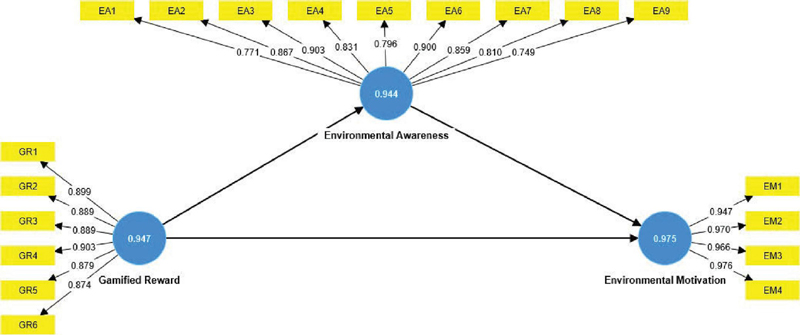
Figure 2 Measurement model with outer loading and Cronbach’s alpha.
Table 5 Discriminant validity (Fornell-Larcker Criterion)
| Gamified | Environmental | Environmental | |
| Reward | Awareness | Motivation | |
| Gamified Reward | 0.889 | ||
| Environmental Awareness | 0.570 | 0.833 | |
| Environmental Motivation | 0.454 | 0.764 | 0.965 |
Table 6 Discriminant validity (HTMT Criterion)
| Gamified | Environmental | Environmental | |
| Reward | Awareness | Motivation | |
| Gamified Reward | |||
| Environmental Awareness | 0.599 | ||
| Environmental Motivation | 0.470 | 0.792 |
5.2 Structural Model
The bootstrapping resampling function embedded in Smart-PLS Version 4.0 software was performed to test the hypotheses in the theoretical framework. The data analysis was run based on a set of 5000 re-samples and 95% bias-corrected to display the significance of path coefficient. The analysis achieved the purpose of accelerating (BCa) and the coefficient of determination (), which indicated valid outcomes from the hypotheses testing (see Table 7).
After validating the data, the direct effect of gamified reward on environmental awareness (H1, ) and the direct effect of environmental awareness on environmental motivation (H2, ) emerged as significantly positive (p-values 0.05). On the contrary, the direct effect of gamified reward on environmental motivation (H3, ) was insignificant (p-values 0.05) [84]. Turning to the indirect effect, the mediating effect of environmental awareness on the relationship between gamified reward and environmental motivation (H4, ) was significantly positive (p-values 0.05).
The p-values in path coefficients disclose the significance of effects among the variables, but disregard effect size. Hence, the effect size of the structural model analysis () was determined. In order to verify the effect size, both the f2 value and p-value must be calculated [84]. Effect size is commonly determined as small, medium, and large with values of 0.02, 0.15, and 0.35, respectively [89].
The reported findings revealed that the effect sizes () of gamified reward on environmental awareness (H1) and environmental awareness on environmental motivation (H2) are greater than 0.35, which denotes large. On the contrary, the effect size () of gamified reward on environmental motivation (H3) is less than 0.02, which signifies none. Figure 3 illustrates the measurement results of the structural model for this study.
Table 7 Results of the study hypotheses
| Hypothesis/ | ||||||||
| Variable | Std. | Std. | ||||||
| Relationship | Type | Beta () | Dev. | -value | -value | Result | Effect | |
| H1. Gamified Reward - Environmental Awareness | Direct | 0.570 | 0.041 | 13.794 | 0.000 | Accept | 0.480 | Large |
| H2. Environmental Awareness - Environmental Motivation | Direct | 0.749 | 0.031 | 23.957 | 0.000 | Accept | 0.910 | Large |
| H3. Gamified Reward - Environmental Motivation | Direct | 0.027 | 0.033 | 0.836 | 0.403 | Reject | 0.001 | None |
| H4. Gamified Reward - Environmental Awareness - Environmental Motivation | Indirect | 0.427 | 0.038 | 11.257 | 0.000 | Accept | —— | —— |
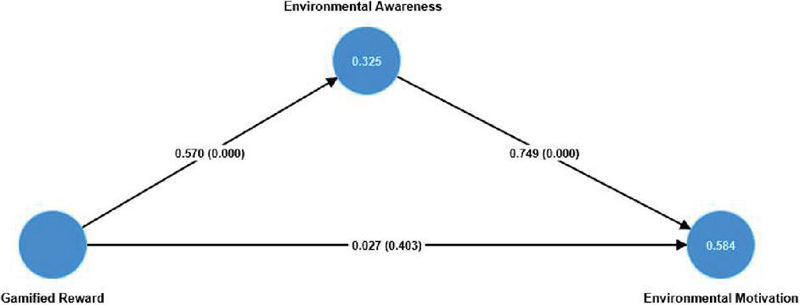
Figure 3 Structural model with path coefficients and .
Hair Jr et al. [90] prescribed the calculation of Variance Accounted For (VAF) as a criterion to study the mediating effect and to divide it into full mediation (VAF 80%), partial mediation (20% VAF 80%), and no mediation (VAF 20%). Table 8 presents the calculation formula and the calculation results of VAF. The outcome of 94.05% indicates full mediation (VAF 80%) [90].
Table 8 Variance accounted for (VAF) value
| Indirect Effect | 0.427 |
| Total Effect | 0.454 |
| VAF Indirect Effect/Total Effect | 94.05% |
6 Discussion
Referring to the outcomes retrieved from the survey data, the users of Ant Forest generally received a relatively high level of education. Higher education level has been associated with higher environmental awareness and environmental motivation, as depicted in past studies [92–94]. As Ant Forest has the ability to attract users to invest in the game stably for a long period, most of the users would eventually continue playing the game and complete their vegetation planting through gamified rewards. Evidently, Ant Forest has been recognised by a huge volume of users in terms of gamification experience [19, 27, 94–96].
Based on the measurement results, the gamified rewards awarded by Ant Forest displayed a positive and strong impact on the environmental awareness of the respondents. This outcome is in agreement with that reported by Antonache et al. [55], Wang and Yao [19], and Shih and Jheng [54]. Similarly, the environmental awareness of the Ant Forest users displayed a positive and strong effect on their environmental motivation, which is in agreement with the results obtained by Shie et al. [56], Raeisi et al. [57], and Taljaard et al. [58]. Nonetheless, the gamified reward did not directly affect the environmental motivation of the respondents, thus inconsistent with the findings reported by Chen et al. [31], Kotsopoulos et al. [60], and Zeng et al. [59]. This outcome is ascribed to the environmental awareness of the Ant Forest users that reflects long-term motivation, whereas environmental motivation that signifies short-term entertainment purposes [31] is contradictory with the current long-term game status of most Ant Forest users.
The environmental awareness of Ant Forest users exhibited a mediating role in the effect of gamified rewards on environmental motivation. The VAF value verified a full mediation effect. Similarly, Shafiei and Maleksaeidi [97] revealed that rewards indirectly influenced the pro-environmental behaviour of college students through their environmental attitudes. The study outcomes verify the assertion that awareness is indeed a prerequisite for motivation; simply put, individual motivation and behaviour can be influenced to a great extent by cognitive ability [98]. The awareness stage of individuals has a crucial role in the field of environmental protection before moving on to the motivation stage [99].
Reflecting on the study results, it is apparent that the reward stimulation in the game can be viewed as green extrinsic motivation. However, one should note that the role of this extrinsic motivation is greatly affected in the case of insufficient intrinsic motivation factors [100]. While researchers should not neglect the process of gamified rewards affecting the environmental motivation of the users, it is imminent to identify the internal cognition changes among the users [101].
The findings of this study intuitively demonstrate the process of how gamified rewards affect users’ environmental motivations in Ant Forest, which proves that the environmental motivations of users in pro-environmental applications are not simply influenced by rewards. The results of this study emphasise the importance of users’ environmental awareness, which is of great help in further understanding users’ pro-environmental behaviours.
7 Conclusions
7.1 Theoretical Significance
The S-O-R model was employed in this study to investigate the correlations among gamified rewards, user environmental awareness, and user environmental motivation in the Ant Forest. Undeniably, the S-O-R model has been applied in numerous fields of learning and consumer behaviour [102–105]. By deploying both environmental awareness and motivation, the S-O-R model is expanded in this study.
As evidenced in this study, the reward element in gamification as a stimulus exhibits good applicability to the S-O-R model [37]. An influence model from reward to awareness and to motivation constructed based on the entire process of gamified rewards in Ant Forest ultimately affecting environmental motivation was clarified in this study, which is largely unexplored in past studies. In addition, understanding the formation process of users’ environmental motivations in the context of modern mobile applications also has a positive role in promoting the development of environmental psychology.
7.2 Practical Significance
Besides being a profitable medium, gamification applications on modern mobile Internet are effective in enhancing both the environmental awareness and environmental behaviour of the users [106]. Ant Forest, as a novel gamified environmental application based on social media, displayed a positive influence on the motivation for environmental protection behaviour among the users [30]. Essentially, this study demonstrates the significant intermediary role of environmental awareness possessed by the Ant Forest users. This generates ideas to build more pro-environmental social applications that can be deployed to improve both the participation and loyalty of the users [30].
In addition, this study unveiled the mediation effect of the process of the reward elements in the game mechanism acting on user motivation, instead of a direct effect. This particular outcome calls researchers to re-examine the very idea that simple game mechanics have the ability to promote environmental motivation and behaviour among the public [8]. Furthermore, this study demonstrates that leveraging users’ environmental awareness to build reward-based gamification strategies is an effective option for mobile application developers.
7.3 Limitations and Future Directions
As both the theoretical model and survey data were limited to Ant Forest users, similar applicability to other applications is largely untapped. Given that this study neglected the pro-environmental behaviour that might arise from the environmental motivation of Ant Forest users; this may pave a fresh research path in the future.
Acknowledgement
This work is funded by Jiangsu Provincial Educational Science Planning Project Key Project (2022), issued by Jiangsu Provincial Education Science Planning Leading Group and Communication University of China, Nanjing. Project title: Innovative Research on Children’s Logic Teaching Practice in the context of Gamification (B/2022/04/42).
References
[1] S. Deterding, D. Dixon, R. Khaled, L. Nacke, ‘From game design elements to gamefulness: defining “gamification”’, In Proceedings of the 15th international academic MindTrek conference: Envisioning future media environments, (pp. 9–15), 2011.
[2] J. Hamari, J. Koivisto, H. Sarsa, ‘Does gamification work? A literature review of empirical studies on gamification’, In 2014 47th Hawaii international conference on system sciences, (pp. 3025–3034). IEEE, 2014.
[3] M. Garcia-Iruela, R. Hijón-Neira, C. Connolly, ‘Analysis of three methodological approaches in the use of gamification in vocational training’, Information, 12(8), 300, 2021.
[4] L. Whittaker, R. Russell-Bennett, R. Mulcahy, ‘Reward-based or meaningful gaming? A field study on game mechanics and serious games for sustainability’, Psychology & Marketing, 38(6), 981–1000, 2021.
[5] Á. Tóth, E. Lógó, ‘The effect of gamification in sport applications’, In 9th IEEE International Conference on Cognitive Infocommunications (CogInfoCom), (pp. 069–074), IEEE, 2018.
[6] A. Suh, C. Wagner, ‘How gamification of an enterprise collaboration system increases knowledge contribution: an affordance approach’, Journal of Knowledge Management, 21(2), 416–431, 2017.
[7] J. Hamari, ‘Do badges increase user activity? A field experiment on the effects of gamification’, Computers in human behavior, 71, 469–478, 2017.
[8] T. Ouariachi, C. Y. Li, W. J. Elving, ‘Gamification approaches for education and engagement on pro-environmental behaviors: Searching for best practices’, Sustainability, 12(11), 4565, 2020.
[9] C. Rodosthenous, E. Mavrotheris, W. Greller, B. Tabuenca, ‘Creating environmental awareness in education through IoT and gamification’ In International Conference on Interactive Collaborative Learning, (pp. 657–668), Cham: Springer International Publishing, 2022.
[10] K. Koroleva, J. Novak, ‘How to engage with sustainability issues we rarely experience? A gamification model for collective awareness platforms in water-related sustainability’, Sustainability, 12(2), 712, 2020.
[11] D. Thor, P. Karlsudd, ‘Teaching and fostering an active environmental awareness design, validation and planning for action-oriented environmental education’, Sustainability, 12(8), 3209, 2020.
[12] D. Böhm, B. Dorland, R. Herzog, R. B. Kap, T. S. Langendam, A. Popa, M. Bueno, R. Bidarra, ‘How can you save the world? Empowering sustainable diet change with a serious game’, In 2021 IEEE conference on games (CoG), (pp. 1–7). IEEE, 2021.
[13] S. Nicholson, ‘A recipe for meaningful gamification. In Gamification in education and business’, (pp. 1–20). Springer, Cham. Switzerland, 2015.
[14] K. Robson, K. Plangger, J. H. Kietzmann, I. McCarthy, L. Pitt, ‘Is it all a game? Understanding the principles of gamification’, Business horizons, 58(4), 411–420, 2015.
[15] D. Wemyss, F. Cellina, E. Lobsiger-Kägi, V. De Luca, R. Castri, ‘Does it last? Long-term impacts of an app-based behavior change intervention on household electricity savings in Switzerland’, Energy Research & Social Science, 47, 16–27, 2019.
[16] M. M. van Dooren, V. T. Visch, R. Spijkerman, ‘The Design and Application of Game Rewards in Youth Addiction Care’, Information, 10(4), 126, 2019.
[17] D. Liu, H. Du, F. Southworth, S. Ma, ‘The influence of social-psychological factors on the intention to choose low-carbon travel modes in Tianjin, China’, Transportation Research Part A: Policy and Practice, 105, 42–53, 2017.
[18] D. Oppong-Tawiah, J. Webster, S. Staples, A. F. Cameron, A. O. de Guinea, T. Y. Hung, ‘Developing a gamified mobile application to encourage sustainable energy use in the office’, Journal of Business Research, 106, 388–405, 2020.
[19] X. Wang, X. Yao, ‘Fueling pro-environmental behaviors with gamification design: identifying key elements in ant forest with the kano model’, Sustainability, 12(6), 2213, 2020.
[20] Y. Bai, Y. Liu, ‘An exploration of residents’ low-carbon awareness and behavior in Tianjin, China’, Energy Policy, 61, 1261–1270, 2013.
[21] H. Du, D. Liu, B. K. Sovacool, Y. Wang, S. Ma, R. Y. M. Li, ‘Who buys New Energy Vehicles in China? Assessing social-psychological predictors of purchasing awareness, intention, and policy’, Transportation Research Part F: Traffic Psychology and Behaviour, 58, 56–69, 2018.
[22] M. Ling, L. Xu, ‘How and when financial incentives crowd out pro-environmental motivation: A longitudinal quasi-experimental study’, Journal of Environmental Psychology, 78, 101715, 2021.
[23] S. Xu, C. Chu, Y. Zhang, D. Ye, Y. Wang, M. Ju, ‘Entangled stakeholder roles and perceptions of sustainable consumption: An evaluation of sustainable consumption practices in Tianjin, China’, Journal of environmental management, 223, 841–848, 2018.
[24] X. Gong, J. Zhang, H. Zhang, M. Cheng, F., Wang, N. Yu, ‘Internet use encourages pro-environmental behavior: Evidence from China’, Journal of Cleaner Production, 256, 120725, 2020.
[25] M. Ashfaq, Q. Zhang, A. U. Zafar, M. Malik, A. Waheed, ‘Understanding Ant Forest continuance: effects of user experience, personal attributes and motivational factors’, Industrial Management & Data Systems, 122(2), 471–498, 2021.
[26] Z. Yang, X. Kong, J. Sun, Y. Zhang, ‘Switching to green lifestyles: Behavior change of ant forest users’, International journal of environmental research and public health, 15(9), 1819, 2018.
[27] Y. Chen, D. Cai, ‘Ant Forest through the haze: a case study of gamified participatory pro-environmental communication in China’, Multidisciplinary Scientific Journal, 2(4), 30, 2019.
[28] L. Mi, T. Xu, Y. Sun, J. Zhao, T. Lv, X. Gan, K. Shang, L. Qiao, ‘Playing Ant Forest to promote online green behavior: A new perspective on uses and gratifications. Journal of environmental management’, 278, 111544, 2021.
[29] N. Xiong, P. Ren, B. Sun, S. He, L. Jiang, H. Cui, ‘Influence of incentive mechanism and fit degree on user’s environmental behavior – Taking Alipay “Ant Forest” in China as an example’, Frontiers in Psychology, 13, 1033553, 2022.
[30] B. Zhang, X. Hu, M. Gu, ‘Promote pro-environmental behaviour through social media: An empirical study based on Ant Forest’, Environmental Science & Policy, 137, 216–227, 2022.
[31] Chen, Y. Feng, J. Sun, J. Yan, ‘Motivation Analysis of Online Green Users: Evidence from Chinese “Ant Forest”’, Frontiers in Psychology, 11, 1335, 2020.
[32] B. D. Douglas, M. Brauer, ‘Gamification to prevent climate change: A review of games and apps for sustainability’, Current opinion in psychology, 42, 89–94, 2021.
[33] M. Troncota, ‘European Green Deal and the New Policy Goals in Transport and Mobility-How Gamification Can Influence Pro-Environmental Behaviour for Cutting Carbon Emissions in the EU’, Europolity-Continuity and Change in European Governance, 14(2), 89–130, 2020.
[34] L. Aguiar-Castillo, A. Clavijo-Rodriguez, P. De Saa-Perez, R. Perez-Jimenez, ‘Gamification as an approach to promote tourist recycling behavior’, Sustainability, 11(8), 2201, 2019.
[35] M. T. Goi, V. Kalidas, M. Zeeshan, ‘Comparison of stimulus-organism-response framework between international and local retailer’, Procedia-Social and Behavioral Sciences, 130, 461–468, 2014.
[36] V. A. Vieira, ‘Stimuli-organism-response framework: A meta-analytic review in the store environment’, Journal of Business research, 66(9), 1420–1426, 2013.
[37] R. Gatautis, E. Vitkauskaite, A. Gadeikiene, Z. Piligrimiene, ‘Gamification as a mean of driving online consumer behaviour: SOR model perspective’, Engineering Economics, 27(1), 90–97, 2016.
[38] A. Mehrabian, J. A. Russell, ‘An approach to environmental psychology’, (pp. 795–796), the MIT Press, USA, 1974.
[39] J. Guo, Y. Li, Y. Xu, K. Zeng, ‘How live streaming features impact consumers’ purchase intention in the context of cross-border E-commerce? A research based on SOR theory’, Frontiers in psychology, 12, 767876, 2021.
[40] N. J. Thomas, R. Baral, ‘Mechanism of gamification: Role of flow in the behavioral and emotional pathways of engagement in management education’, The International Journal of Management Education, 21(1), 100718, 2023.
[41] J. Hwang, L. Choi, ‘Having fun while receiving rewards? Exploration of gamification in loyalty programs for consumer loyalty’ Journal of Business Research, 106, 365–376, 2020.
[42] P. Tak, M. Gupta, ‘Examining travel mobile app attributes and its impact on consumer engagement: An application of SOR framework’, Journal of Internet Commerce, 20(3), 293–318, 2021.
[43] R. Alebaikan, H. Alajlan, A. Almassaad, N. Alshamri, Y. Bain, ‘Experiences of Middle School Programming in an Online Learning Environment’, Behavioral Sciences, 12, 466, 2022.
[44] V. J. Sotos-Martínez, J. Tortosa-Martínez, S. Baena-Morales, A. Ferriz-Valero, ‘Boosting Student’s Motivation through Gamification in Physical Education’, Behavioral Sciences, 13, 165, 2023.
[45] E. Haque, T. Sungsuwan, S. Sanglimsuwan, ‘Can social media be a tool for increasing tourists’ environmentally responsible behavior?’ Geo Journal of Tourism and Geosites, 38(4), 1211–1222, 2021.
[46] Y. Du, X. Wang, D. Brombal, A. Moriggi, A. Sharpley, S. Pang, ‘Changes in environmental awareness and its connection to local environmental management in water conservation zones: the case of Beijing, China’, Sustainability, 10(6), 2087, 2018.
[47] N. S. Mei, C. W. Wai, R. Ahamad, ‘Environmental awareness and behaviour index for Malaysia’, Procedia-Social and Behavioral Sciences, 222, 668–675, 2016.
[48] M. L. Umuhire, Q. Fang, ‘Method and application of ocean environmental awareness measurement: Lessons learnt from university students of China’, Marine pollution bulletin, 102(2), 289–294, 2016.
[49] W. Handayani, R. R. Ariescy, F. A. Cahya, S. I. Yusnindi, D. A. Sulistyo, ‘Literature Review: Environmental Awareness and Pro-Environmental Behavior’, In 5th International Seminar of Research Month 2020, (pp. 170–173), NST Proceedings, 2021.
[50] W. Wang, W. Wu, J. Luo, J. Lu, ‘Information technology usage, motivation, and intention: a case of Chinese urban senior outbound travelers in the Yangtze River Delta region’, Asia Pacific Journal of Tourism Research, 22(1), 99–115, 2017.
[51] J. Geng, R. Long, H. Chen, T. Yue, W. Li, Q. Li, ‘Exploring multiple motivations on urban residents’ travel mode choices: An empirical study from Jiangsu province in China’, Sustainability, 9(1), 136, 2017.
[52] Z. Li, J. Xue, R. Li, H. Chen, T. Wang, ‘Environmentally specific transformational leadership and employee’s pro-environmental behavior: the mediating roles of environmental passion and autonomous motivation’, Frontiers in psychology, 11, 1408, 2020.
[53] J. Steinhorst, C. A. Klöckner, ‘Effects of monetary versus environmental information framing: Implications for long-term pro-environmental behavior and intrinsic motivation’, Environment and Behavior, 50(9), 997–1031, 2018.
[54] L. H. Shih, Y. C. Jheng, ‘Selecting persuasive strategies and game design elements for encouraging energy saving behavior’, Sustainability, 9(7), 1281, 2017.
[55] Antonache, A.L.; Rosner, D.; Cociorba, A. A Gamification Based Approach for Users’ Behavior Change towards Power Consumption Reduction. eLearning & Software for Education. 2020, 1, 19–25, 2020.
[56] A. J. Shie, Y. Y. Dai, M. X. Shen, L. Tian, M. Yang, W. W. Luo, Y. J. Wu, Z. H. Su, ‘Diamond model of green commitment and low-carbon travel motivation, constraint, and intention’, International journal of environmental research and public health, 19(14), 8454, 2022.
[57] Raeisi, M. Bijani, M. Chizari, ‘The mediating role of environmental emotions in transition from knowledge to sustainable use of groundwater resources in Iran’s agriculture’, International Soil and Water Conservation Research, 6(2), 143–152, 2018.
[58] H. Taljaard, N. C. Sonnenberg, B. M. Jacobs, ‘Factors motivating male consumers’ eco-friendly apparel acquisition in the South African emerging market’, International journal of consumer studies, 42(5), 461–468, 2018.
[59] Zeng, Z.; Tang, J.; Wang, T. Motivation mechanism of gamification in crowdsourcing projects. International Journal of Crowd Science, 1(1), 71–82, 2017.
[60] D. Kotsopoulos, C. Bardaki, P. G. Thanasis, S. Lounis, K. Pramatari, ‘Gamification at Work: Employee Motivations to Participate and Preference for Energy Conservation’, In Proceedings of the 12th Mediterranean Conference on Information Systems (MCIS), Corfu, Greece. 2018, 19, 2018.
[61] M. M. Michaelsen, T. Esch, ‘Motivation and reward mechanisms in health behavior change processes’, Brain research, 1757, 147309, 2021.
[62] V. U. Ludwig, K. W. Brown, J. A. Brewer, ‘Self-regulation without force: Can awareness leverage reward to drive behavior change?’ Perspectives on Psychological Science, 15(6), 1382–1399, 2020.
[63] L. Morganti, F. Pallavicini, E. Cadel, A. Candelieri, F. Archetti, F. Mantovani, ‘Gaming for Earth: Serious games and gamification to engage consumers in pro-environmental behaviours for energy efficiency’, Energy Research & Social Science, 29, 95–102, 2017.
[64] Y. Zhang, S. Xiao, G. Zhou, ‘User continuance of a green behavior mobile application in China: An empirical study of Ant Forest’, Journal of Cleaner Production, 242, 118497, 2020.
[65] N. Wang, W. Hou, X. Zhang, Z. Wang, L. Yang, ‘Quantifying the effects of the ‘Internet plus Ecology’ framework on carbon sink in the digital age: a representative study of Ant Forest in China’, Environmental Research Letters, 17(12), 124005, 2022.
[66] V. Benny, ‘The Impact of Behavioral Factors Influences on Individual Investors in Stock Market Investment’, International Journal of Research and Analytical Reviews, 5(4), 119–126, 2018.
[67] P. Leavy, ‘Research design: Quantitative, qualitative, mixed methods, arts-based, and community-based participatory research approaches’, Guilford Publications, New York, USA, 2022.
[68] U. Joshi, S. Poudyal, S. Hekka, N. Lawaju, M. Pradhan, ‘Maximum mouth opening of children in Newari population of Bhaktapur’, Journal of Chitwan Medical College, 11(2), 88–91, 2021.
[69] L. Xiao, L. Hou, ‘Effect of glucosamine capsule on cartilage metabolism-related genes in peripheral blood mononuclear cells of patients with knee osteoarthritis’, Chinese Journal of Tissue Engineering Research, 24(31), 5007, 2020.
[70] P. Leavy, (Ed.), Handbook of arts-based research, Guilford Publications, 2017.
[71] U. Sekaran, R. Bougie, ‘Research methods for business: A skill building approach’, John Wiley & Sons, Wiley, USA, 2017.
[72] T. Guan, K. Meng, W. Liu, L. Xue, ‘Public attitudes toward sustainable development goals: Evidence from five Chinese cities’, Sustainability, 11(20), 5793, 2019.
[73] Government Data. List of Chinese cities. Retrieved from http://data.acmr.com.cn/member/city/city\_md.asp, 2022.
[74] State Council. Circular of the State Council on Adjusting the Criteria for the Classification of City Sizes. Retrieved from https://www.ndrc.gov.cn/xwdt/ztzl/xxczhjs/ghzc/201605/t20160509\_971910.html?code=\&state=123, 2014.
[75] S. E. Brown, L. Scobbie, L. Worrall, M. C. Brady, ‘A multinational online survey of the goal setting practice of rehabilitation staff with stroke survivors with aphasia’, Aphasiology, 1–25, 2022.
[76] A. Phakiti, ‘Likert-type Scale Construction’, In the Routledge handbook of second language acquisition and language testing, (pp. 102–114), Routledge, 2020.
[77] L. Zhang, Z. Shao, X. Li, Y. Feng, ‘Gamification and online impulse buying: The moderating effect of gender and age’, Inter-national Journal of Information Management, 61, 102267, 2021.
[78] P. R. Lima, A. A. M. Pereira, G. D. L. D. Chaves, A. P. Meneguelo, ‘Environmental awareness and public perception on carbon capture and storage (CCS) in Brazil’, International Journal of Greenhouse Gas Control, 111, 103467, 2021.
[79] X. Liu, Y. He, H. Fu, B. Chen, M. Wang, Z. Wang, ‘How environmental protection motivation influences on residents’ recycled water reuse behaviors: a case study in Xi’an city’, Water, 10(9), 1282, 2018.
[80] M. V. Paulin, S. M. Caney, K. L. Cosford, ‘Online survey to determine client perceptions of feline chronic lower airway disease management: response to therapy, side effects and challenges encountered’, Journal of Feline Medicine and Surgery, 0(0), 1098612X211070988, 2022.
[81] Z. F. Su, Y. Z. Fu, M. Y. Chen, ‘Impacts of a Gender Ratio Change on China’s Wage Income Distributions’, Emerging Markets Finance and Trade, 58(7), 2066–2078, 2022.
[82] W. J. Tu, X. Zeng, Q. Liu, ‘Aging tsunami coming: the main finding from China’s seventh national population census’, Aging clinical and experimental research, 34, 1159–1163, 2021.
[83] J. H. Cheah, F. Magno, F. Cassia, ‘Reviewing the SmartPLS 4 software: the latest features and enhancements’, Journal of Marketing Analytics, 12, 97–107, 2024.
[84] J. F. Hair, J. J. Risher, M. Sarstedt, C. M. Ringle, ‘When to use and how to report the results of PLS-SEM’, European business review, 31(1), 2–24, 2019.
[85] M. I. Nasution, M. Fahmi, M. A. Prayogi, ‘The Quality of Small and Medium Enterprises Performance Using the Structural Equation Model-Part Least Square (SEM-PLS)’, In Journal of Physics: Conference Series, (Vol. 1477, No. 5, p. 052052), IOP Publishing, 2020.
[86] A. Afthanorhan, P. L. Ghazali, N. Rashid, ‘Discriminant validity: a comparison of CBSEM and consistent PLS using Fornell & Larcker and HTMT approaches’, In Journal of Physics: Conference Series, (Vol. 1874, No. 1, p. 012085), IOP Publishing, 2021.
[87] J. F. Hair Jr, G. T. M. Hult, C. M. Ringle, M. Sarstedt, N. P. Danks, S. Ray, ‘Partial least squares structural equation odelling (PLS-SEM) using R: A workbook’, (pp. 78–80). Springer Nature, 2021.
[88] M. Sarstedt, C. M. Ringle, J. F. Hair, ‘Partial least squares structural equation odelling’, In Handbook of market research, (pp. 587-632), Cham: Springer International Publishing, 2021.
[89] J. Cohen, ‘Statistical power analysis for the behavioral sciences, 2 Edition’, Routledge, New York, 2013.
[90] J. F. Hair Jr, M. Sarstedt, C. M. Ringle, S. P. Gudergan, ‘Advanced issues in partial least squares structural equation modelling’, SAGE Publications, London, UK, 2017.
[91] L. Varela-Candamio, I. Novo-Corti, M. T. García-Álvarez, ‘The importance of environmental education in the determinants of green behavior: A meta-analysis approach’, Journal of cleaner production, 170, 1565–1578, 2018.
[92] E. Yafi, S. Tehseen, S. A. Haider, ‘Impact of green training on environmental performance through mediating role of competencies and motivation’, Sustainability, 13(10), 5624, 2021.
[93] M. Karpudewan, N. S. Mohd Ali Khan, ‘Experiential-based climate change education: Fostering students’ knowledge and motivation towards the environment’, International Research in Geographical and Environmental Education, 26(3), 207–222, 2017.
[94] Y. Sun, J. Xing, ‘The Impact of Gamification Motivation on Green Consumption Behavior – An Empirical Study Based on Ant Forest’, Sustainability, 15(1), 512, 2023.
[95] M. Ashfaq, Q. Zhang, A. U. Zafar, M. Malik, A. Waheed, ‘Understanding Ant Forest continuance: effects of user experience, personal attributes and motivational factors’, Industrial Management & Data Systems, 122(2), 471–498, 2021.
[96] S. Wang, M. H. Li, M. Ibrahiem, ‘Motivations Influencing Alipay Users to Participate in the Ant Forest Campaign: An Empirical Study’, International Journal of Environmental Research and Public Health, 19(24), 17034, 2022.
[97] A. Shafiei, H. Maleksaeidi, ‘Pro-environmental behavior of university students: Application of protection motivation theory’, Global Ecology and Conservation, 22, e00908, 2020.
[98] X. Chen, L. Chen, D. Wu, ‘Factors that influence employees’ security policy compliance: an awareness-motivation-capability perspective’, Journal of Computer Information Systems, 58(4), 312–324, 2018.
[99] S. Kasten, L. van Osch, M. Candel, H. de Vries, ‘The influence of pre-motivational factors on behavior via motivational factors: a test of the I-Change model’, BMC psychology, 7, 1–12, 2019.
[100] W. Li, T. A. Bhutto, W. Xuhui, Q. Maitlo, A. U. Zafar, N. A. Bhutto, ‘Unlocking employees’ green creativity: The effects of green transformational leadership, green intrinsic, and extrinsic motivation’, Journal of Cleaner Production, 255, 120229, 2020.
[101] M. Yee, T. S. Braver, ‘Interactions of motivation and cognitive control’, Current opinion in behavioral sciences, 19, 83–90, 2018.
[102] B. Zhu, S. Kowatthanakul, P. Satanasavapak, ‘Generation Y consumer online repurchase intention in Bangkok: Based on Stimulus-Organism-Response (SOR) model’, International Journal of Retail & Distribution Management, 48(1), 53–69, 2020.
[103] J. Yang, M. Y. P. Peng, S. Wong, W. Chong, ‘How E-learning environmental stimuli influence determinates of learning engagement in the context of COVID-19? SOR model perspective’, Frontiers in psychology, 12, 584976, 2021.
[104] P. Sultan, H. Y. Wong, M. S. Azam, ‘How perceived communication source and food value stimulate purchase intention of organic food: An examination of the stimulus-organism-response (SOR) model’, Journal of Cleaner Production, 312, 127807, 2021.
[105] T. Hewei, L. Youngsook, ‘Factors affecting continuous purchase intention of fashion products on social E-commerce: SOR model and the mediating effect’, Entertainment Computing, 41, 100474, 2022.
[106] M. S. Mohamad Saleh, ‘Media and environmental non-governmental organizations (ENGOS) roles in environmental sustainability communication in Malaysia’, Discourse and Communication for Sustainable Education, 8(1), 90–101, 2017.
Biographies

Miao Huang is working as an associate professor at School of Animation and Digital Arts, Communication University of China, Nanjing. He is a Ph.D student at the School of Communication, Universiti Sains Malaysia under the supervision of Dr. Mohamad Saifudin Mohamad Saleh and Dr. Izzal Asnira Zolkepli. His main research areas are social media and game development.

Mohamad Saifudin Mohamad Saleh holds a Ph.D Degree in Environmental Communication from the Faculty of Sustainability, Leuphana University of Lüneburg, Germany. After receiving his Ph.D in September 2016, he started his career as a Senior Lecturer at the School of Communication, Universiti Sains Malaysia (USM). His areas of specialisation are environmental communication and sustainability communication. He recently completed his research grants on Islamic environmental communication in Malaysia and another grant on sustainable university branding. He is currently leading national research on sustainable lifestyle in Malaysia.

lzzal Asnira Zolkepli is an associate professor in persuasive communication at the School of Communication, Universiti Sains Malaysia. She earned her PhD in Business Studies from the University of Malaya, Malaysia. Izzal’s research is cross-disciplinary at the intersection of digital marketing communication, digital consumer behaviour, and communication technology management. The focus of her research involves the convergence and adoption of communication technologies and proliferation of social media, mobile apps communication, and digital networked media, examining consumer engagement and technology acceptance. Owing to her active involvement in research and publication, she has recently had conferred on her the prestigious high-impact journal publication award known as Malaysia’s Research Star Award by SCOPUS, in recognition of her outstanding performance and contribution to the research field in Malaysia.

Tong Zhang is working as a deputy manager for Nanjing Easyskill Technology Co. Ltd., China. She is also a lecturer at the School of Animation and Digital Arts, Communication University of China, Nanjing. Her main fields of interest are social media and digital marketing research.
Journal of Mobile Multimedia, Vol. 21_1, 27–56.
doi: 10.13052/jmm1550-4646.2112
© 2025 River Publishers