Cultural Heritage Monitoring and Predictive Maintenance using Internet of Things: Assessment and Future Aspects
Um-e-Habiba1, Faisal Karim Shaikh2,* and Bhawani Shankar Chowdhry3
1Department of Computer Science, Shaheed Zulfikar Ali Bhutto Institute of Science and Technology, Hyderabad, Pakistan
2Telecommunication Engineering Department, Mehran University of Engineering & Technology, Jamshoro, Pakistan
3Faculty of Electrical, Electronics and Computer Engineering, Mehran University of Engineering & Technology, Jamshoro, Pakistan
E-mail: faisal.shaikh@faculty.muet.edu.pk
*Corresponding Author
Received 02 June 2024; Accepted 02 December 2024
Abstract
This study presents a detailed survey on the use of the Internet of Things (IoT) for predictive maintenance and monitoring of cultural heritage, focusing on museums and exhibitions. The integration of IoT in these fields offers significant potential for optimizing maintenance and supervision of heritage resources while also enhancing maintenance strategies. This review examines the application of IoT devices, data analysis, and predictive algorithms in monitoring the state of heritage resources to improve tourist experiences and conserve cultural resources. Key enabling technologies can enable adaptive interactions and engagement with enhanced navigation. Visualization technologies are also common, offering hands-on displays. The study also emphasizes the value of accessibility and interactivity, providing personalization and content sharing features. Several initiatives prioritize the delivery of digital content through mobile applications, internet browsers, and downloadable resources.This study examines how IoT-enabled predictive maintenance systems can recognize potential hazards, like resource decay or environmental dangers, enabling immediate action. This survey also highlights trends, challenges, and future research in IoT and cultural heritage monitoring.
Keywords: IoTs, heritage monitoring, predictive maintenance, trends.
1 Introduction
Hazards for heritage buildings includes potential losses related to fears and ecological susceptibility. These threats can be minimized by decreasing susceptibility or by optimizing environmental circumstances. Operative risk managing strategies are vital for heritage buildings in order to decrease experiencing threats and reduce penalties. Current researches in precautionary preservation have concentrated on evaluating and discussing these threats in order to shelter heritage resources [1].
Predictive maintenance (PM) and monitoring in CH involve the practical usage of technology in order to predict and report possible problems before they increase. This technique guarantees the conservation of valuable objects, shrines, and places for future generations. This method is substantial because it permits the timely recognition and minimization of dangers to CH, avoiding permanent loss. By implementing innovative technologies, researchers can promise the sustainable conservation of CH, protecting these precious resources for up-coming generations [2].
At present, the preservation and supervision of CH deal with several challenges in Pakistan. Previous approaches depended upon reactive methods, in which maintenance was conducted once degradation turned out to be visible. This method can result in great damage, particularly to delicate historical objects. In addition, insufficient grant worsens the challenges related to preserving and monitoring CH [3, 4].
Innovative technological solutions are demanded in order to overcome these challenges. PM proposes a practical substitute for outdated approaches by using sensors, data evaluation, and predictive algorithms to monitor the state of CH instantly. PM can sense initial indications of damage by collecting and examining data constantly [4].
In our integrated global community, the conservation of cultural heritage (CH) is a supreme responsibility that requires careful monitoring as well as maintenance [5]. But conventional strategies for heritage management (HM) usually meet noteworthy challenges, which comprise limited resources, ineffective monitoring strategies, and complications in timely action [6, 7]. These challenges present a risk to enduring sustainability as well as the preservation of valuable heritage resources [5].
In order to tackle these challenges in Pakistan, the Internet of Things (IoT) technology can propose several advantages in the area of HM as well as predictive maintenance (PM) [8]. IoT integrates objects in order to deliver continuous communication along with related information to anybody, at any instant and anywhere [8]. By integrating IoT devices and sensors along with data analytics, heritage sites in Pakistan can be constantly monitored in real-time, facilitating the initial discovery of damage as well as the application of timely initiatives so as to lessen possible damage [8, 9]. This pioneering method not only contributes to the development of durable and robust cultural landscapes in Pakistan but additionally improves the efficiency of heritage conservation initiatives. Wireless Sensor Networks (WSNs) play a vital part in IoT network for the preservation of CH. WSNs comprise of sensors installed all over the heritage spots to monitor ecological conditions, physical strength, along with possible dangers continuously [9]. Also, the addition of supporting technologies for instance Building Information Modeling (BIM) optimizes the abilities of IoT in the management heritage resources. BIM is beneficial in imagining, integrating, and investigating the physical and functional features of buildings throughout their lifespan [10, 11, 12, 13, 14, 15, 16]. It combines multidisciplinary data and helps in resourceful collaboration along with informed decision-making [17]. The implementation of BIM in cultural buildings has demonstrated to be effective. Reconstructing 3D models is the foremost task to integrate culturally historical buildings into a BIM atmosphere. Numerous researchers have concentrated on this prerequisite, whereas several other researchers have discovered different characteristics of BIM. For an instance, the study [18] employed an organized method to heritage preservation, comprising of different studies. The study employed remote sensing methods, 3D modeling in a BIM environment, along with conceptual framework applied to Heritage BIM (HBIM) in order to produce an inclusive Digital Twin for the management of architectural objects. Figure 1 a) shows vertical connectors via longitudinal injections, whereas Figure 1 b) horizontal injections. Similarly, in order to develop a Digital Twin health monitoring system for buildings, the study [19] integrated BIM with 3D model registering spatial locations and sensor-based data for the Nanjing Museum Old Hall as a case study.
A lot of work has been put forward for optimal management of heritage buildings. For an instance, the study [20] employed digitization processes, 3D modeling as well as simulation to optimize management of heritage buildings. In addition to that, the study also presented intervention policies and highlighted the combination of BIM and HBIM tools for efficient preservation of heritage buildings. Similarly, the study [21] developed a HBIM framework in order to solve the issues in management of historic buildings, utilizing BIM for optimal project management, documentation, as well as data incorporation amongst shareholders.
These studies shows how BIM methodology contributes to the preservation of heritage buildings and proves the capability to integrate supporting technologies. This integrated method makes best use of BIM, introducing innovative boulevards for continuous development in heritage preservation. It represents BIM’s enormous potential to revolutionize in management and maintaining historical buildings.
The importance of heritage monitoring and predictive maintenance is examined in this study, along with exploring the challenges met by conventional methods. It is also analyzed how IoT can transform the area, leading to enhanced as well as effective conservation approaches. In previous years, the researchers have mainly focused on IoT-based smart environments for CH, concentrating on information presentation, visitor excitement [8] as well as application development, with limited focus on monitoring cultural heritage and predictive maintenance, especially in Pakistan.
The aim of this article is to conduct an inclusive survey on the application of the IoT for predictive maintenance and the monitoring of CH, concentrating mainly on museums and exhibitions globally, with an explicit focus on Pakistan. The article also discovers the incorporation of IoT technologies in heritage conservation, hence emphasizing their advantages and challenges. This paper provides valuable insights for Pakistani scholars and policymakers in the fields of heritage preservation and predictive maintenance. The rest of the paper is as follows:
• Section 2 discusses smart cultural heritage and how it evolves. Whereas, the IoT based application for cultural heritage predictive maintenance and monitoring are discussed in Section 3.
• In Section 4, IoT enabled cultural heritage case studies are investigated
• Section 5 discusses evolving trends, obstacles, and future research directions in cultural heritage monitoring, predictive maintenance and IoT.
• Conclusions is discussed in Section 6.
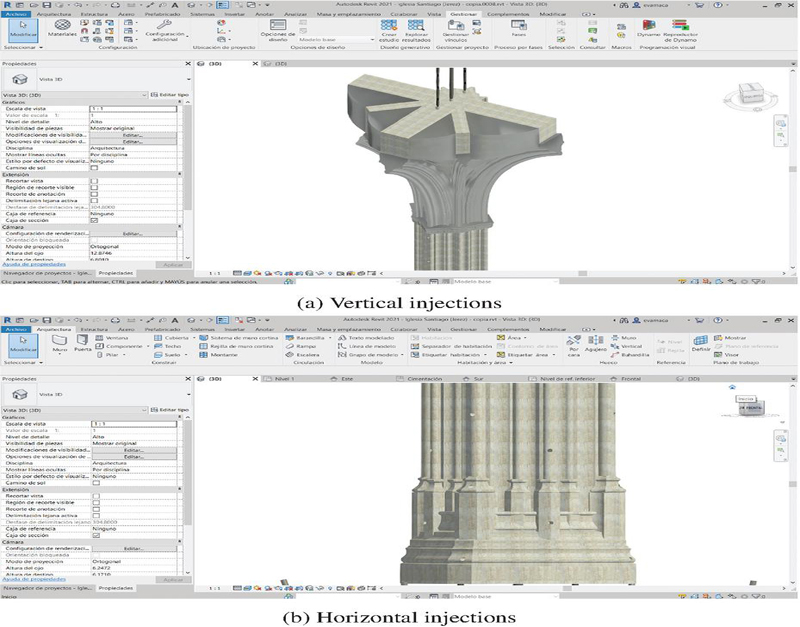
Figure 1 3D-construction model [18].
2 Smart Cultural Heritage – How it evolves
The technologies vital for monitoring CH and predictive maintenance are discussed in this section. Also an illustrative example for IoT in cultural heritage monitoring is shown in Figure 2.
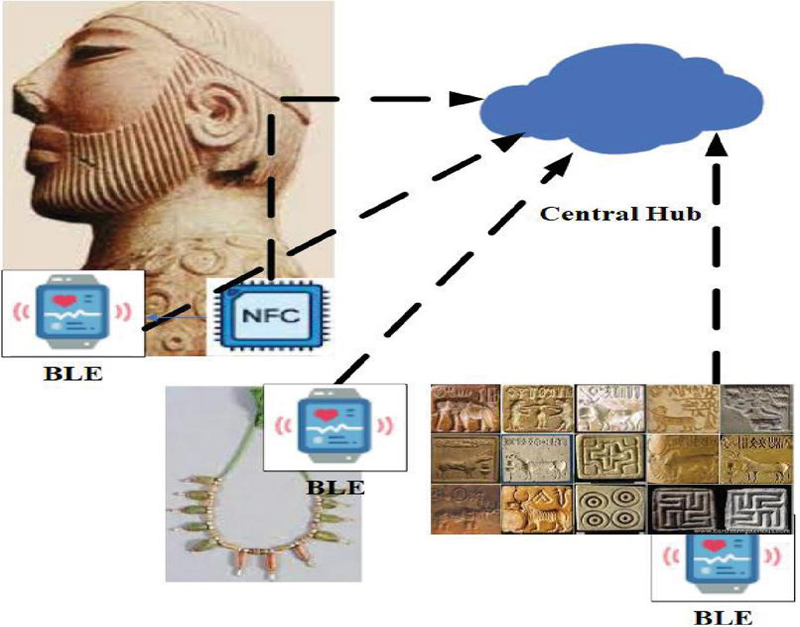
Figure 2 Mohenjo-daro: An IoT-enhanced cultural heritage site for smart preservation.
2.1 Enabling Technologies
In this section. the key enabling technologies are discussed which include Wireless Sensor Networks (WSN), Bluetooth Low Energy (BLE) beacons, mobile broadband, and Near Field Communication (NFC). These technologies enable adaptive interactions and engagement with enhanced navigation. Visualization technologies such as geo-visualization, augmented reality (AR), and 3D visualization are also prevalent, offering hands-on displays.
2.1.1 Wireless sensor network
WSN consists of independent sensors that gather necessary data and cooperatively transmit the gathered information to the Base station (BS) in a wireless fashion [22]. The dynamic supervision of heritage buildings by means of WSN are still directed in a standardized manner. Also, the researches prove that WSN can be utilized in heritage buildings deprived of causing any disturbance, impairment, or permanent variations [23, 24, 25]. Actually, the implementation of these procedures in the field of heritage buildings finds problems related with:
• Selecting the accurate sensor arrangement and system design for monitoring cultural resources and heritage buildings,
• Management of information from enduring monitoring systems, and
• How environmental features and damages can impact physical properties?
For an instance, a wireless supervising system is designed in [23] with numerous categories of sensors for example accelerometers and environmental sensors. Where, every single sensor has explicit requirements for information collection as well as broadcast. The data synchronization is the key for examination, also sensors are made to sense minor readings too. The system shields against interference also appears to be visually attractive on heritage buildings. The system architecture is shown in Figure 3 that represents a message queue telemetry transport (MQTT) broker which is utilized to achieve communication amongst sensors and receivers which ensures sensor diversity along with distant structure control.
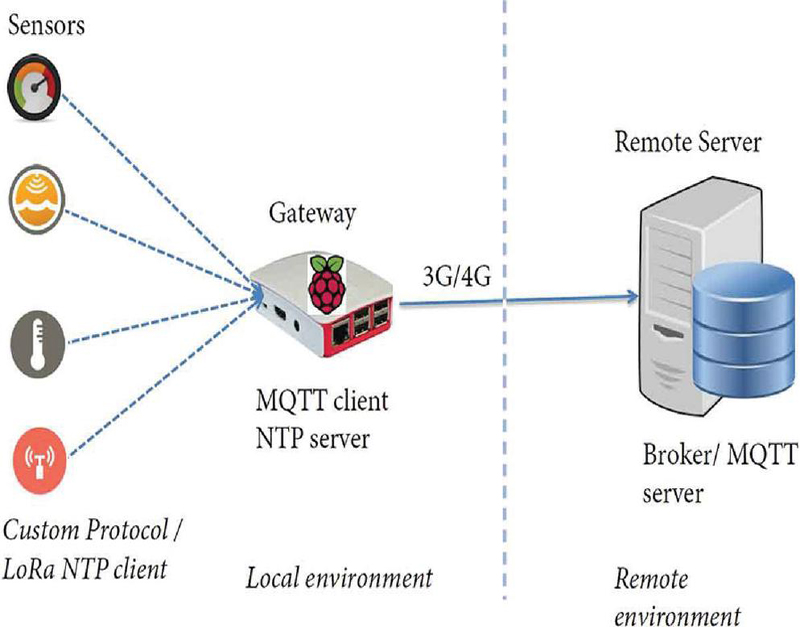
Figure 3 Wireless Monitoring system [23].
2.1.2 Internet of Things
A network of physical nodes (objects) implanted with sensors that empower them to interconnect and exchange information with each other by means of an internet is termed as internet of things. These device can range from everyday items like home appliances, historical buildings, cultural objects, vehicles, etc [26, 6]. Figure 4 portrays how IoT empowers diverse applications to communicate by means of Internet [27]. It displays equipment can interconnect internationally hence permitting employers to access numerous facilities globally. Such as, a police department car can regulate and control road traffic lights in the time of tragedies [27]. IoT model empowers connectivity extension of Structural Health Monitoring (SHM) tools which permits the transmission and processing of information by means of Internet. This invention outspreads Structural Health Monitoring to building structures hence supervising cultural resources to avoid ruins and notice impairment. Structural Health Monitoring integrates smart objects with abilities related to identification and communication [28]. SHM-IoT structures decrease expenses and improve sensitivity. The architecture for SHM-IoT is presented in Figure 5.
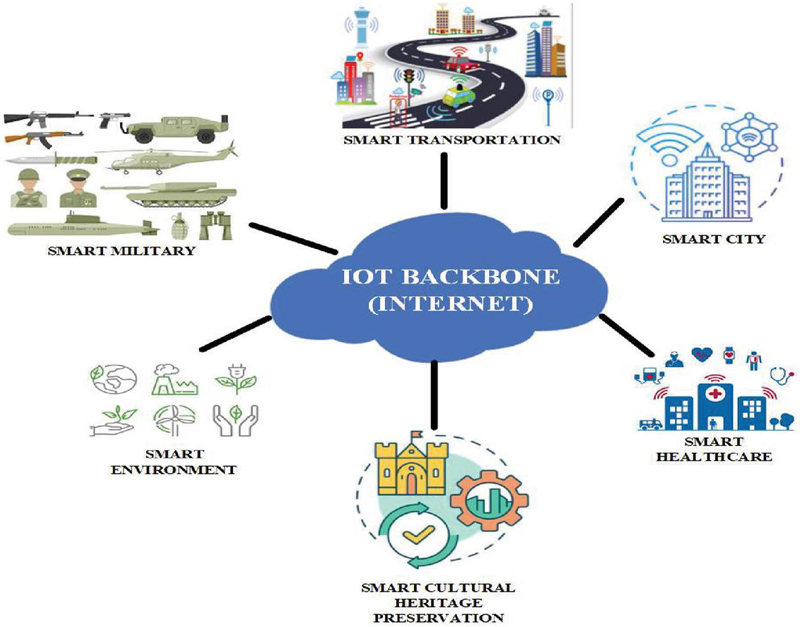
Figure 4 General Representation of IoTs (Adapted from [27]).
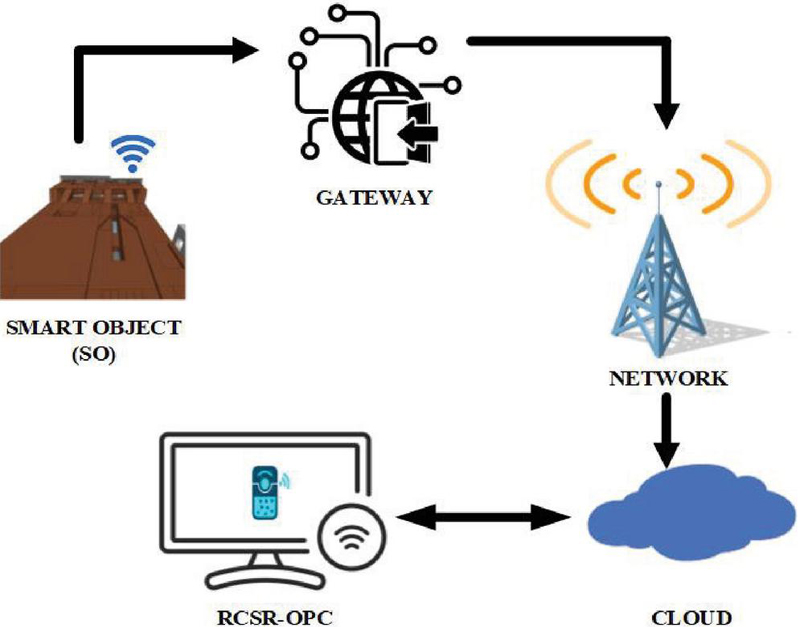
Figure 5 IoT based Structural Health Monitoring system (Adapted from [28]).
2.1.3 Short-range wireless technologies
Short-range wireless technologies comprise of the technologies such as Bluetooth, Near-Field Communication (NFC), Wi-Fi, Zigbee, and Zensys Wave (Z-Wave). Bluetooth is basically used for short-range communication, whereas WiFi is used for data transfer over longer distances with high data rates. Zigbee and Z-Wave are designed for applications that consume low-power along with low-data-rate, for an instance in home-based automation as well as IoT [29]. Table 1 presents the comparison of these technologies. All these technologies supporting instantaneous transmission of information from sensors to main servers This information transmission enables constant monitoring of ecological conditions as well as structural integrity, thus assisting in the conservation and preservation of CH resources [29]. Various constraints of Bluetooth and WiFi are computed in [29]. The effectiveness is then computed by means of the wait age factor. Figure 6 represents the prioritization of Bluetooth and WiFi by blue and red line respectively. Whereas numerous standards of wireless networks is represented in Figure 7 graphically [29].
Combining Near-Field Communication (NFC) technology with Bluetooth Low Energy (BLE) enables the wireless exchange of information among devices over short distances. These abilities are mainly important for location-sensitive environments [30].
Table 1 Comparison of Short-Range Wireless technologies [31]
| FEATURE | Bluetooth | WiFi | Zigbee | Z-Wave |
| Time for network communication | 10 sec | 3 sec | 30 ms | 100 ms |
| Transmission rate | 1 Mbps | Up to 54 Mbps | 250 kbps | 100 kbps |
| Number of nodes | 7 | 20–250 | 65,000 | 232 |
| Latency | 200 ms | 150 ms | 30 ms | 100 ms |
| Range | Low (10 m) | High (100 m) | Medium (10-100 m) | Medium (up to 100 m) |
| TX power | 0–10 dBm | 15–20 dBm | -25 to 0 dBm | -20 to 0 dBm |
| Bit rate | 2.1 Mbps | 600 Mbps | 250 kbps | 100 kbps |
| Channel BW | 1 MHz | 20–25 MHz | 2 MHz | 9.6 kHz |
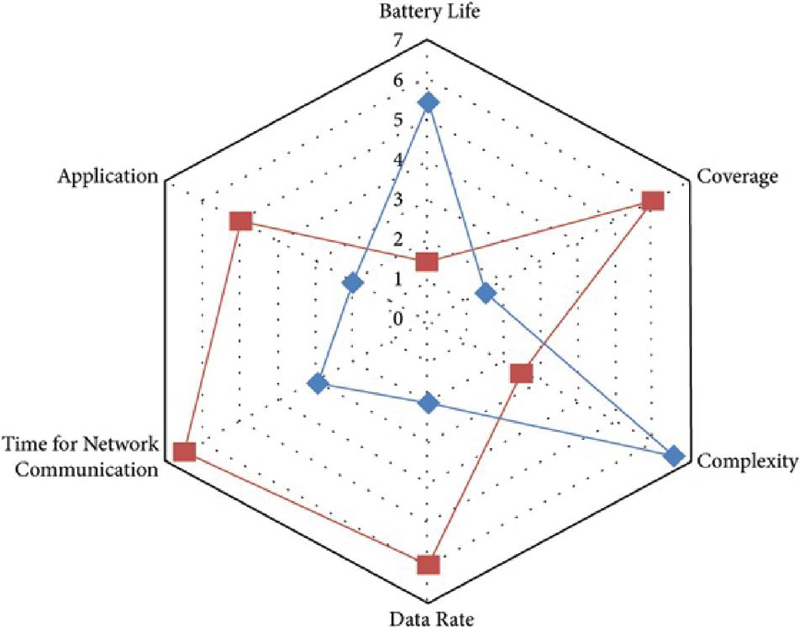
Figure 6 Prioritization of standards of Bluetooth and WiFi [29].
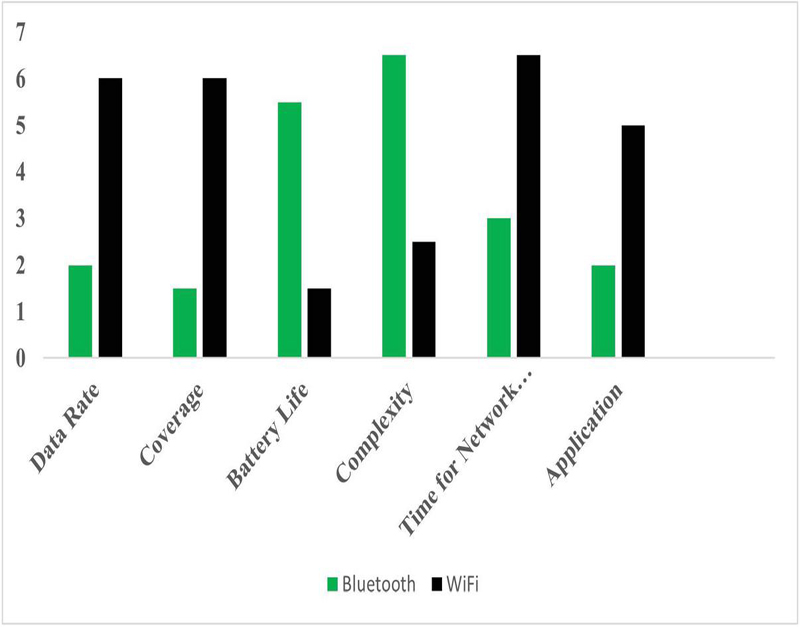
Figure 7 Bluetooth and WiFi standards (Adapted from [29]).
2.1.4 Cloud computing and mobile broadband
Cloud computing refers to a virtualized technology network where computation can effectively reach 10 trillion times per second [32, 33]. This constantly developing platform includes a network of informational devices, employing tools and technologies in order to improve the quality of life. Simultaneously, mobile broadband has appeared as a foundation, empowering wireless Internet access over mobile gadgets. This shift highlights the requirement for mobile-friendly algorithms, focusing on the vital part of connectivity in recent technological environments [34].
2.2 Visualization Technologies
Visualization is necessary for shaping smart CH progress in addition to connecting individuals with primary technologies. It improves information access along with representation in CH understanding. The visualization allows the representation of varied information sources and permits individuals to discover huge datasets at the same time. Visualization technologies such as info-graphics, Augmented Reality (AR), Geo-visualization, and 3D visualization are being used in a number of smart CH initiatives. Research in the field of visualization of CH has improved progressively with a distinguished rise from 2010 to onwards [35], as represented in Figure 8. The surge in CH statistics has stimulated the implementation of information visualization technologies which helps in data explanation [35].
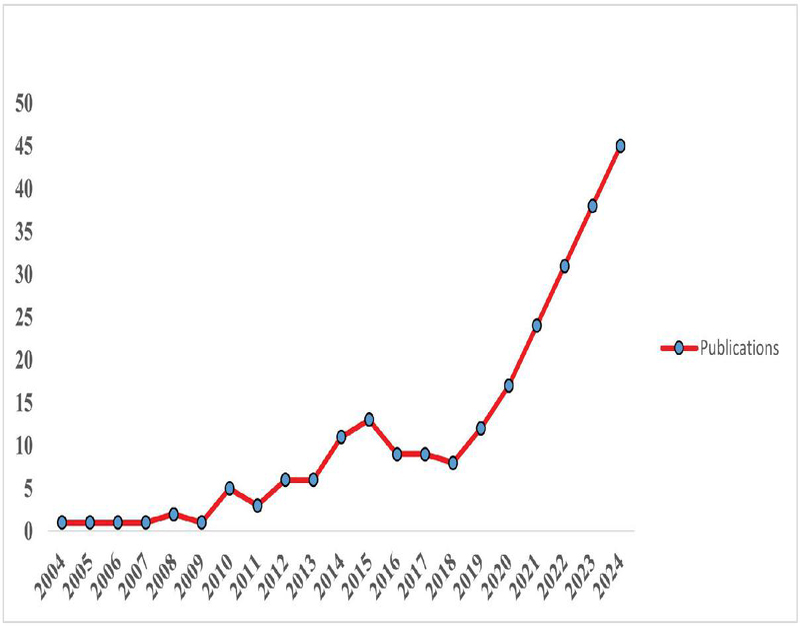
Figure 8 The development of CH information visualization publications.
2.2.1 Info-graphics
Info-graphics are visual aids that effectively convey complex data and information. Info-graphics are crucial for conveying facts and knowledge about cultural heritage in an understandable manner. Optimizing comprehension and interaction with legacy narratives requires striking a balance between text and images, particularly in circular forms [36].
2.2.2 Augmented reality (AR)
AR is a developing idea influencing several areas, for example, business, promotion, travel, gaming, human-computer interaction (HCI), and several industrial applications [37]. AR technology integrates real-time 3D virtual objects with a real environment. AR shapes on virtual reality technology; however, it utilises the real world as a background instead of looking for an alternative for it [38].
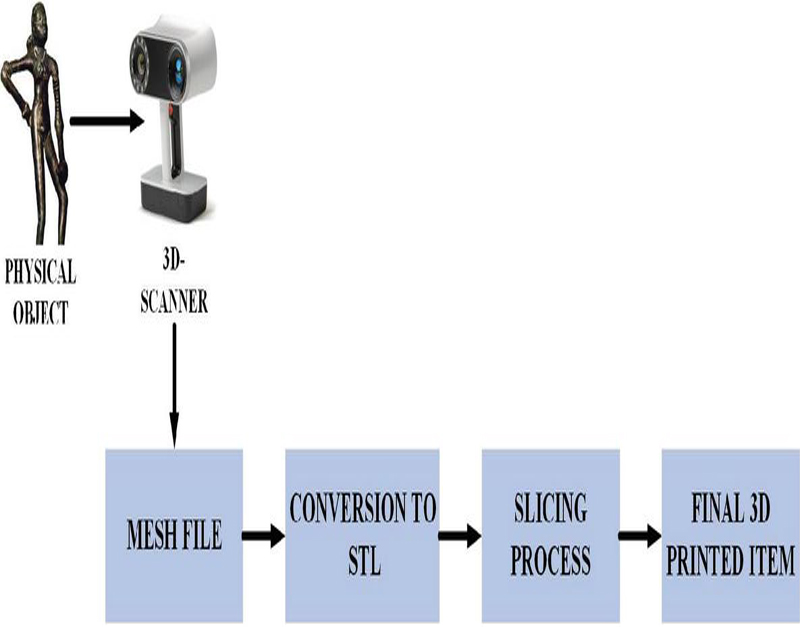
Figure 9 An integration of 3D scanning and 3D printing procedures (Adapted from [40]).
2.2.3 Geo-visualization
Using tools and methods to evaluate geographic data using interactive maps is known as geo-spatial visualization. Geo-visualization allows you to superimpose additional information on top of maps by using GIS or map coordinates. This allows you to add to or modify the appearance of a map and explore different areas of a map at different scales [39].
2.2.4 Three-dimensional (3D) visualization
3D scanning is a method used to capture digital information regarding the shape and appearance of a real-life object [40]. This information can then be utilized to in order to produce an extremely precise and complete digital duplicate of the original object. This replica is also called 3D model. 3D scanning is used in variety of applications, for an instance manufacturing, health care, entertainment, product design and cultural heritage (CH) [40]. Figure 9 represents an illustration of integration of 3D scanning and 3D printing procedures leading to the end result. Whereas, the use of portable 3D Scanner in scanning a glass artifact is represented in Figure 10.
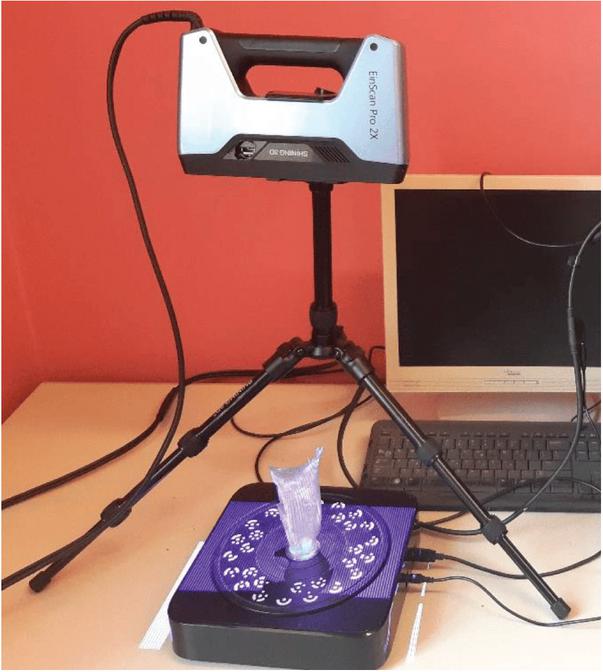
Figure 10 The scanning of a glass artifact utilizing a portable 3D scanner [40].
3D scanning is capable of rapidly capturing the geometry of real-world objects, hence producing digital replicas. In addition, 3D scanning optimizes efficiency by automating quality control procedures, empowering fast and detailed examination as well as measurement of chunks hence minimizing the requirement for manual examination. On the other hand, 3D scanning is applied in the entertaining sector in order to generate digital resources for movies, AR experiences, hence optimizing the efficacy of the manufacturing process for the purpose of making it more rapidly as well as inexpensive [41, 42]. Nevertheless, 3D scanning has some downsides as well which comprises the price and complexity of the equipment and software program. The precision of 3D scans can also be impacted by many factors such as type of object, illumination, as well as atmosphere. Confidentiality concerns arise when scanning persons. In spite of these disadvantages, 3D scanning plays a vital part in the preservation of CH [43].
There are numerous kinds of scanners, for instance structured light scanners, photogrammetry as well as laser scanners. The photogrammetry utilizes pictures captured from different angles of an artifact in order to produce a 3D model as shown in Figure 11. This procedure is named as structure-from-motion (SfM). Photogrammetry is sensitive to illumination and shadows, although it is beneficial for greater structures as well as outdoor environments [42, 43].
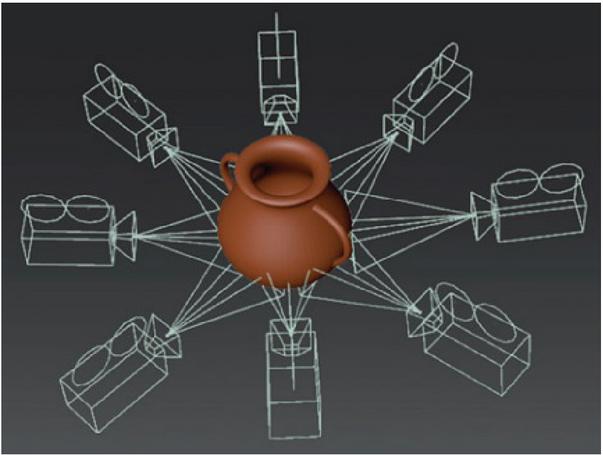
Figure 11 Overlapping images of an artifact from different angles for photogrammetry [42].
3 IoT Application for Predictive Maintenance and Monitoring of Cultural Heritage
Early fault detection and monitoring of CH items or places can make use of IoT technologies to forecast and lessen possible dangers, hence guaranteeing the enduring conservation of valuable resources. IoT-based systems activate instant responses as soon as they recognize a risk. For instance, computerized signals to maintenance staff or adjustments to ecological controls. Immediate actions lessen the influence of recognized risks, avoiding additional damage to cultural resources. By addressing issues quickly, IoT-based predictive preservation policies ensure complete conservation of heritage resources. It helps in minimizing restoration expenses as well as conserving historical integrity. There are various IoT applications involved in cultural heritage building, for instance, water utilization, day-lighting, citizen preference, security problems, inside and outside quality of heritage, water efficiency, as well as preservation and monitoring of heritage resources. These procedures utilize a momentous amount of money, time, and effort, consequently improving the conservation method and saving costs.
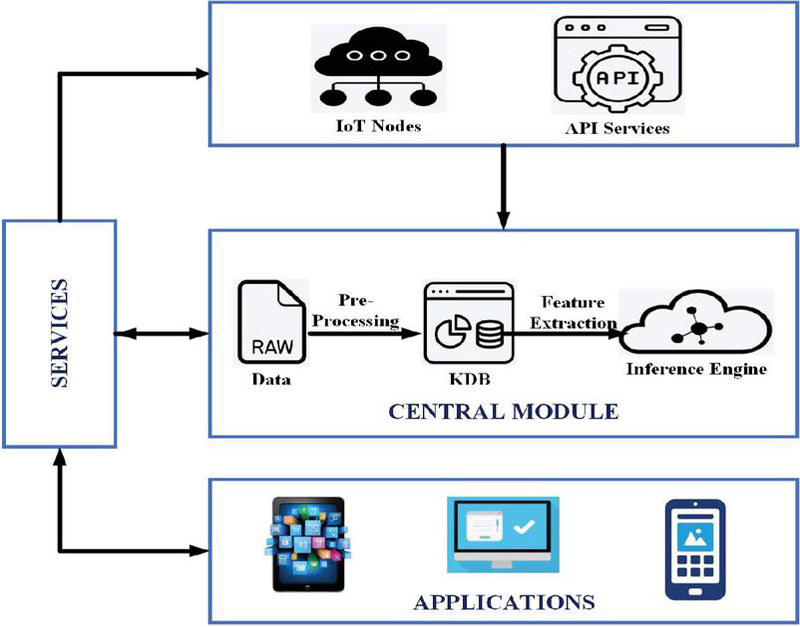
Figure 12 System architecture (Adapted from [46]).
Several groups are needed for preserving and protecting historical sites in societies that value heritage. These groups are also involved in using IoT for this purpose [44]. For an instance, study [45] discussed the problem of natural degradation of heritage objects as well as buildings by implementing an IoT-based system. The study was conducted in Italy. The IoT-based system combines predictive maintenance, decision-making as well as monitoring in order to preserve heritage assets. By deploying affordable technology as well as interconnected sensors, this IoT-based system produces a coherent computer-generated virtual environment for monitoring as well as initial discovery of possible damage. The system was verified in an experimental operation and it showed promising outcomes, presenting the system’s capability to optimize the competence and effectiveness of necessary strategies for the conservation of cultural heritage resources.
Similarly, the study [46] recommended an IoT-based system prototype for CH preservation as represented in Figure 12. The study also highlights the requirement for effective monitoring and preservation approaches. By implementing IoT and affordable sensors, the projected method purposes to monitor CH sites from distance, for example the Archaeological Park of Pompeii. The study verified promising results in successfully handling and conserving cultural heritage places by means of testing model with professional users.
Similarly, an innovative method to conserving CH buildings using IoT is proposed in [47]. The study highlights the significance of availability of these buildings to forthcoming generations. By means of affordable sensors and IoT based devices, the study proposes that recent technology can gather as well as handle data in order to develop Digital Twin of surrounding environment. This Digital Twin enables supervision, managing, and defensive actions. The study also familiarizes the idea of Heritage Building Information Modeling (HBIM) and present a case study on Archeological Park of Pompeii. In this case study, the information is gathered, managed, and shared by means of a web-based cloud-IoT platform. The information gathered experience investigation using a Generative Adversarial Network (GAN) in order to answer upcoming problems associated to CH buildings.
4 IoT Enabled Cultural Heritage Case Studies in Pakistan and Across the World: Investigating Mutual Attributes and Opportunities
For this study, a variety of case studies have been gathered in order to discover the similarities and differences in smart CH plans, accompanied by gaps and future directions. The case studies have been chosen depending on multiple factors like technology integration, existing data, adoption within organizations, applications based on locations, as well as visualization methods. The examples have been included concentrating on archaeological sites, museums, university buildings and galleries. We have included case studies from 2021 and onwards. The case studies are characterized into one of three foremost purposes however these groupings are not fixed because several examples might fit into multiple purposes:
1. Conservation and Renovation: Includes preserving and renovating CH.
2. Digital documentation of artifacts: It delivers a virtual tour practice permitting tourists to discover numerous exhibitions.
3. Exhibition Tour: Emphases on subject-based displays in selected spaces.
The case studies are discussed below:
4.1 Chakdara Museum, KPK Pakistan
The study in [8] represents the application as well as the assessment of a Smart Navigation and Information System (SNIS) installed in Chakdara Museum in Khyber-Pakhtunkhwa, Pakistan. The 3-D View of Chakdara Museum is represented in Figure 13. The SNIS uses a smart IoT-enabled environment as well as smartphone technology in order to retrieve data. The SNIS architecture as represented in Figure 14 comprises sensor modules, a network layer, and an application layer for various facilities, for instance, pre-visit, during-, as well as after-visit guidance, the description of events, in addition to user interfaces. The authors have used BLE in their model because of its low cost in addition to its easy deployment. The device is directly attached to historical items and establishes the setting and premise for each object. As soon as a tourist with a smartphone comes nearby, the heritage object senses the smartphone and delivers its position and other related information.
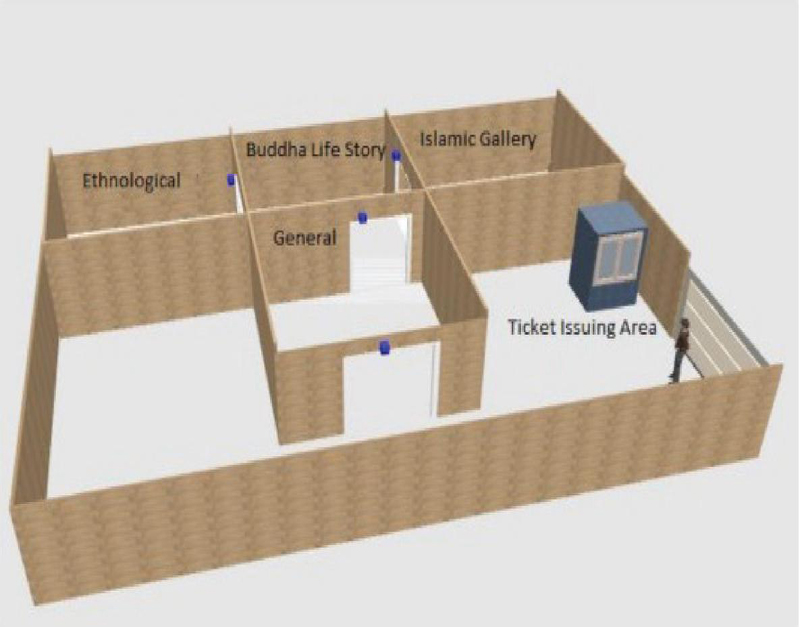
Figure 13 3-D View of Chakdara Museum, KPK [8].
The authors also developed a smartphone application, MuApps, that provides customized information based on visitors’s user profiles. RSSI-based location tracking is used to guarantee accuracy in spite of WiFi-BLE interference. The visitors validate upon museum entrance, choose profiles, and select from area-specific histories for navigation guidance. User communication as well as content delivery are delivered by MuServer, whereas object-based proximity detection is permitted using MuSens. The system also encompasses navigation to neighboring historical spots, with distance as well as direction guidance. The visitors mostly specified positive feedback for the helpfulness and approval of the system that was collected via feedback forms. However, experimental investigation discovered that SNIS performed effectively with a smaller number of visitors but nevertheless presented reduced performance with a larger number of visitors. Hence, the system can be enhanced with new hardware, expanded support for larger museums to ease traffic, and visitor instruction on SNIS usage. In Figure 15, the system-level representation of SNIS is represented.
The smart navigation and information system (SNIS), tested at Chakdara Museum, received positive feedback from 381 users, highlighting its potential for smart cultural heritage. Leveraging IoT technology, it offers an interactive and immersive visitor experience, transforming static exhibits into dynamic elements through storytelling-based information delivery. Future improvements may focus on accommodating larger visitor volumes and optimizing system performance. This work also needs to optimize scalability problems.
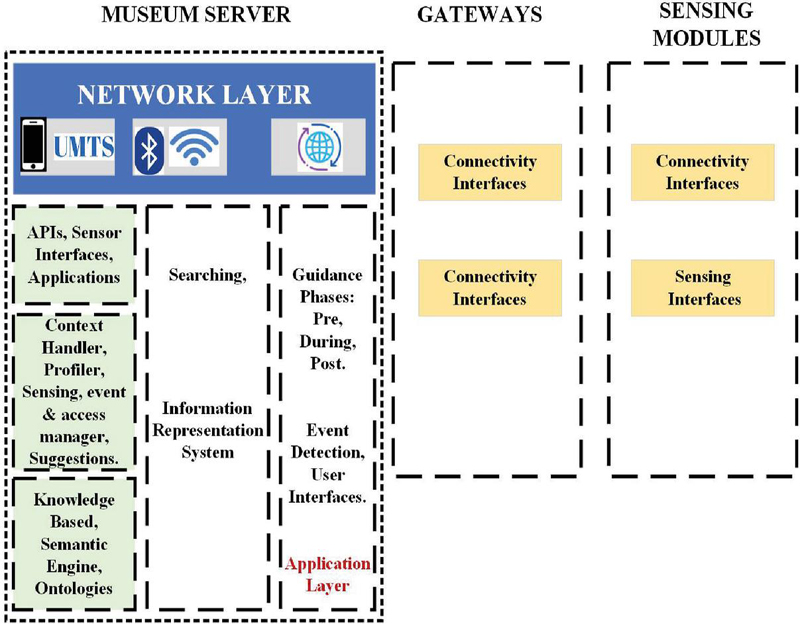
Figure 14 SNIS Architecture (Adapted From [8]).
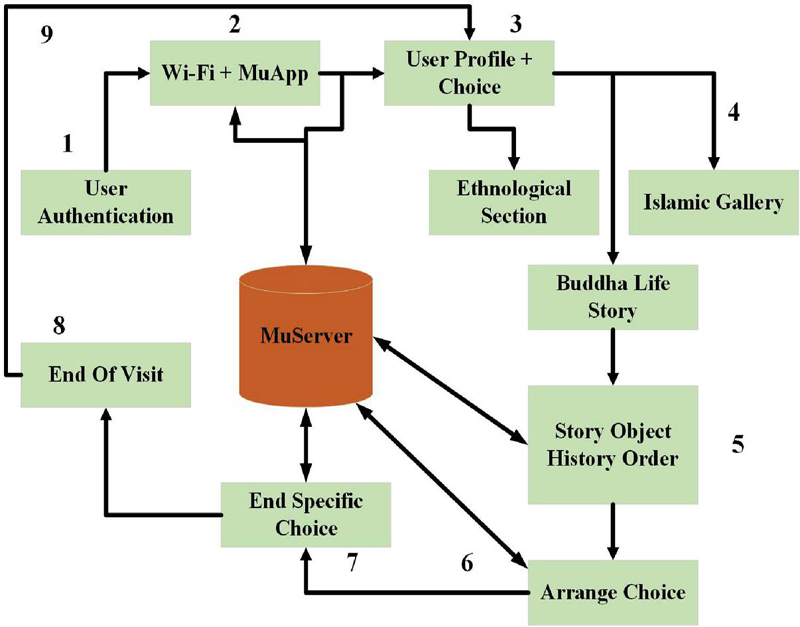
Figure 15 SNIS system-level Representation (Adapted From [8]).
4.2 NED UET campus in Karachi, Pakistan
The article [48] represented an implementation of the Heritage Building Information Modelling (HBIM) technology framework in the supervision and renovation of heritage buildings. Figure 16 represents the procedure of developing an HBIM model. As a case study, the authors used the NED campus in Karachi. Five steps are utilised in this study in order to develop and apply the conceptual framework as depicted in Figure 17. The BMI framework encompasses four layers, which include the information gathering and processing layer, the integration layer, the BIM mode layer, and the application layer. BIM tools were employed in order to generate an inclusive 3D model incorporating facility management information in addition to digital information. The efficiency of the model was proven in handling scheduled maintenance as well as restoration efforts. The Integrated HBIM Framework for heritage buildings has multiple drawbacks, such as a narrow scope, a small sample size, subjectivity in the assessment process, technical complexity, resource requirements, time limits, and vulnerability to outside factors.
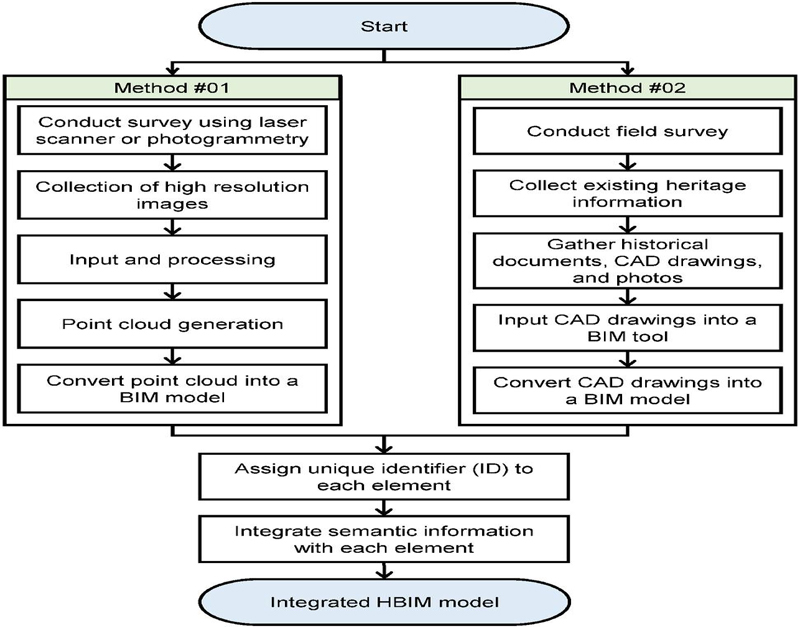
Figure 16 The procedure of developing an HBIM model [48].
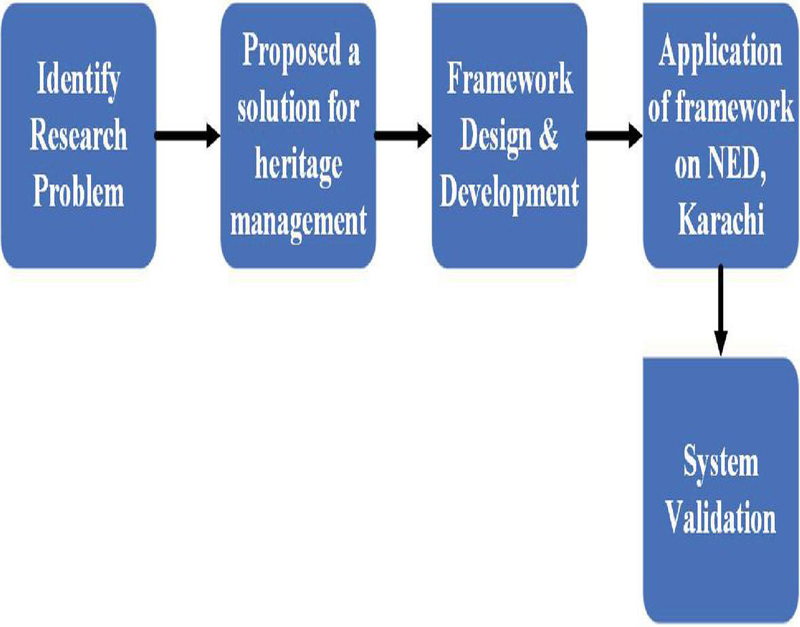
Figure 17 Research Methodology by [48].
4.3 Conserving Colonial Heritage in Saddar Bazaar Quarter, Karachi, Sindh, Pakistan
With a focus on Saddar Bazaar Quarter, [49] investigates the preservation of Karachi’s colonial legacy. Difficulties include legal gaps, financial strains, and deteriorating buildings. In order to effectively preserve in the face of urban expansion, community engagement and adaptive reuse are emphasized. The main purpose was only awareness-building, decline factor analysis, and conservation strategy advocacy. In addition to using AutoCAD for documentation, the study made use of mapping, fieldwork, and archive research.Even though IoT was not used, the researchers could use sensor networks to track environmental factors affecting preservation, monitor the structural integrity of historic buildings, or implement smart management systems for adaptive reuse to improve the article using IoT. These approaches would ensure sustainable conservation efforts and improved decision-making processes. The focus of the study seems to be on traditional research methods such as literature review, fieldwork involving mapping, drawing, archival research, interviews, and photographic surveys.
4.4 Wadhumal Odharam (Jail) Quarter in Karachi, Sindh, Pakistan
The authors in [50] conducted a study on built heritage inventory in Karachi Pakistan by means of comprehensive documentation and investigation framework (CDIF) technique to evaluate the Jail Quarter. The results exposed ownership nepotism affecting preservation efforts. Also, shortage of financial inducements for private owners was noted. The study also highlighted the necessity for balanced conservation methods and emphasized the developing state of culturally historic quarters. In spite of several issues like information inadequacy and availability, the investigation proposes valuable insights for upcoming preservation efforts as well as policy-making. Figure 18 shows the statistics from the inventory process specifies that only 6 constructions are well-preserved. These buildings are state-owned and have reliable exteriors, and have reserved their original frontages for the reason that they obtain fundings from government for preservation and renovation. Overall, 88% historic buildings are partially preserved.
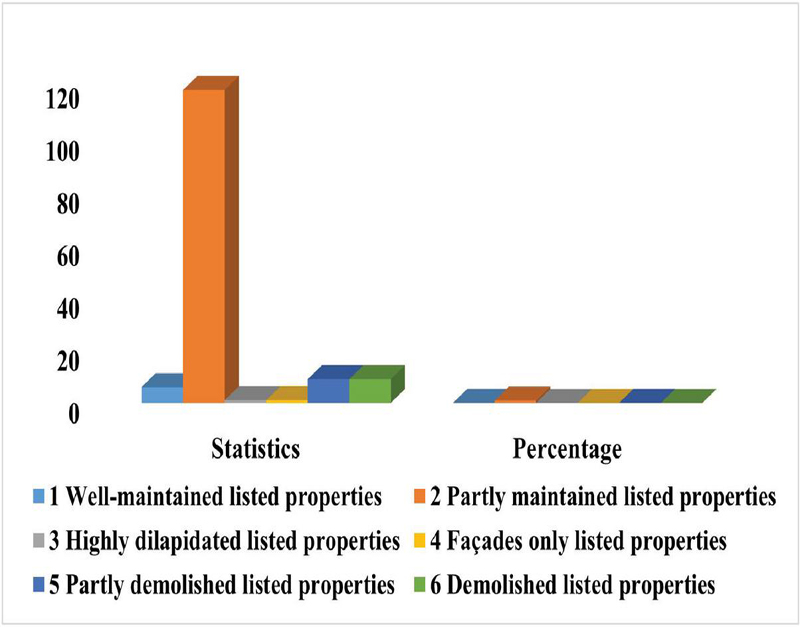
Figure 18 Statistics of Wadhumal Odharam (Jail) Quarter (Adapted from [50]).
4.5 Using XML, RDF, and LiDAR to Manage Heritage Sites: Gorkhatri, Peshawar, Pakistan
An approach for combining architectural and archeological data is shown in the case study of Gorkhatri, Pakistan [51]. Various data sources were obtained and transformed into Resource Description Framework (RDF) triples and Extensible Markup Language (XML) format using Light Detection and Ranging (LiDAR) scanning and legacy database collecting. Architectural data was represented through BIM in a comprehensive data model that included both tangible and intangible historical components. This made using RDF graphs more interoperable. By showing how unified data models may efficiently address preservation needs, the study’s complete approach intends to support the protection, restoration, and management of constructed heritage sites such as Gorkhatri. The study has presented a methodology for designing of data model in order to combine structural as well as historical components of built heritage which includes information acquisition, preprocessing, classification, alignment with standards like International Committee for Documentation of Cultural Heritage – Conceptual Reference Model (CIDOC-CRM) and building information modeling (BIM), in addition to demonstration in RDF stands for Resource Description Framework (RDF) triples. The procedure is demonstrated in Figure 19.
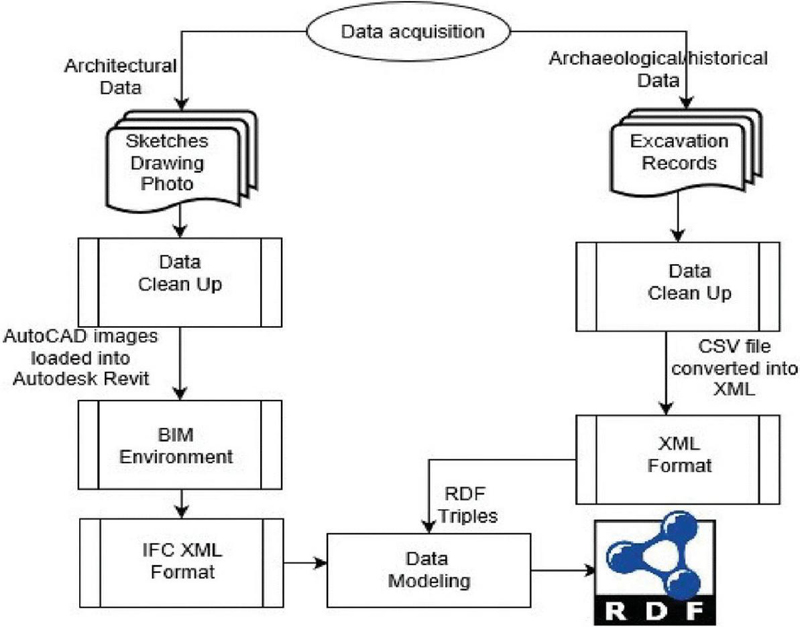
Figure 19 Modelling of built heritage information by means of BIM and semantic web technologies [51].
4.6 Integrating AI and Satellite Remote Sensing for Heritage Preservation: Pakistan, Syria and Cyprus
The study [52] is largely focused on using satellite remote sensing and Artificial Intelligence (AI) technology rather than IoT for mapping and protecting archaeological sites. With examples from Syria, Pakistan, and Cyprus, it highlights the importance AI plays in identifying and safeguarding cultural assets through the analysis of large data sets. The study emphasizes the value of digital technology in the preservation of historical places and the potential of Copernicus data in conjunction with AI to enable effective global heritage management.
The study’s scope would be expanded by using IoT technology, which would allow for thorough cultural heritage site management, monitoring, and preservation. Using IoT sensors to integrate real-time environmental and structural monitoring of archaeological sites, for example, can optimize preservation efforts. Alternatively, deploying security technologies to protect historical sites and using IoT-enabled drones for effective aerial surveys and 3D mapping.
4.7 Improving the Tourist Experience by using AR at Taxila Museum, Pakistan
The authors in [53] developed an assessment model using the Museum Experience Scale (MES) along with the Interaction Triptych Model to evaluate the influence of introducing AR technology at Taxila Museum, Pakistan. The study presented a user-centric survey in addition to investigation concerning treatment and control groups. Statistical analysis was also achieved in order to determine substantial differences among groups. The study also employed IoT technology, an AR Museum Android application, in order to improve the experience at Taxila Museum by providing multimedia content related to objects by means of smartphones.
4.8 Buddhist landmarks in KPK, Pakistan
The study [54] digitally conserved Buddhist landmarks in KPK, Pakistan, such as Julian Monastery and Takht-i-Bahi, using Terrestrial 3D Laser Scanning. This project improves global access to cultural artifacts through intricate 3D models in spite of security concerns.
There are several other case studies across the world. For an instance, using GIS and 3D computer models, the University of Cape Town and its partners mapped the cultural sites and landscapes of Africa [55]. The initiative produced a data repository with geo-visualizations and model reconstructions that subscribed institutions can now access. Nevertheless, there’s no indication that this project makes use of IoT technologies.
The study [56] looks at how conflict affects cultural heritage and how architectural conservation helps to maintain identity. By utilizing the Palestinian situation as an example, they draw attention to the initiatives taken by institutions such as Riwaq to preserve architectural legacy while under occupation. The study promotes universal adherence to cultural heritage preservation in order to preserve local identity and historical authenticity.
The uses of wireless IoT technology in the monitoring or surveillance of civil engineering architecture have been studied in [57], with a special emphasis on damage assessment and structural health monitoring (SHM). The paper explains how innovations in technology have transformed SHM by replacing conventional wire-based techniques with, for instance, real-time wireless sensors based on the IoT. The study lists a number of uses for IoT sensors, including estimating the rate of deterioration in buildings, estimating the strength of concrete, identifying cracks, and evaluating seismic risk. The preservation of cultural heritage can benefit from this study. Real-time data monitoring ensures the long-term preservation of heritage structures by assessing and protecting them using IoT-based sensors.
The study [58] utilized digital twins for simulation and monitoring of wooden artifact. The digital twins were integrated with sensor for distant monitoring, risk forecast, as well as taking an immediate action. This process permitted initial risk discovery, action analysis, as well as response hence guaranteeing operative and enduring preservation approaches for mobile wooden artifacts.
The corrosion sensors on substrates were developed in [59] to sense Volatile Organic Compounds (VOCs) that damage museum artifacts. Sensors were initially tested with three significant VOCs (acetic acid (CH3COOH), formic acid (HCOOH), and formaldehyde (CH2O)), which represented high sensitivity and selectivity among CH3COOH and CH2O in a IoT system.
Conserving CH from human as well as natural hazards demands immediate resource management policies. Regardless of the potential of advanced procedures like Building Information Modelling (BIM) in addition to laser scanning, their implementation experiences several challenges, like limited information, reluctance to embrace change, and inexperienced teams. In order to avoid these challenges, [60] proposed an IoT system that integrated BIM, chatbots, and blockchain. The system enhanced information security and maintenance procedures. This framework facilitated easy access to BIM statistics by means of chatbot communication, whereas blockchain guaranteed information integrity. The model validated its effectiveness in heritage conservation using Omar Toson Palace as a case study in Cairo, Egypt.
The article [61] observed monitoring policies for a UNESCO-protected cultural location in Matera, Italy, expecting terrorizations and empowering taking actions immediately to preserve its honor. By means of several IoT sensors, a crowd behaviour dynamic with Markovian agent models was designed, notifying the design of advanced monitoring systems.
The study [62] suggests an indoor area design that improves visitor engagement in community exhibitions. It depends on wearable devices, which deliver customised content information by means of image recognition as well as localization. This system improves user engagement by providing individual content as well as information about ecological status, which enables communication over devices.
The article [63] incorporated IoT technology, using a sensor network connected all over the museum. The network gathered statistics based on specific visits and supervising tourist behavior. Furthermore, statistical evaluations were directed at understanding the information, revealing patterns in room selection as well as time consumed. The application focused on non-intrusive and varied IoT-driven connections to improve museum experiences strongly personalised to tourists.
This study [64] conducted a survey on digital preservation of architectural heritage in emergencies. The results exposed that leading contributors were Italy, US and China, concentrating on Historic building information modelling (HBIM) modeling along with earthquake threats. They proposed different policies comprising of defensive maintenance, corrective and sustainable repair. Information Technology (IT) supports in capturing, conservation, decreasing expenses as well as avoiding damage.
The authors in [65] presented a review on combining IoT and AI with Unmanned Aerial Vehicles (UAVs) for examination of construction site. The computer vision, Convolutional Neural Networks (CNNs), as well as image processing for fault detection, dealing issues similar to safety were also analyzed in this work. The projected solutions comprised of hybrid algorithms in addition to innovative sensors. The study also highlighted increasing safety and efficiency for online and offline construction sites by means of an integration of AI and IoT.
The study [66] talks about the “5 cities in 5G” project’s smart monitoring system for Matera, Italy’s St. Domenico Church. It collects data and is in operation. They intend to extend to additional structures and make predictions using machine learning. Managing historic sites in a changing world is their goal. IoT technology now makes it possible to save historic buildings in a more comprehensive way.
The study [55] has implemented a digital trail guide (O-device) at the Museum of New and Old Art (MoNA) in Hobart, Tasmania, Australia. O-device employs an internal positioning system in order to supervise tourists inside MoNA’s exhibition places. It delivers customized or selected content, which comprise of videos, textual descriptions, in addition to audio regarding neighboring exhibition places or artworks. Visitors can customize and save content for future access by means of an Internet browser. The O-app is downloadable to only iPhones by means of using MoNA O-device, Wi-Fi or can be used remotely.
4.9 Developing Pakistani Communities: Techniques for Inclusive Participation and Cultural Preservation Without the Internet of Things
In order to preserve the Kalash community’s legacy, the author in [67] addresses issues such as culture eroding, poverty, and environmental hazards. To address these issues, the author promotes government assistance, community involvement, and education. Without utilizing IoT technology, programs like museum development and educational outreach seek to empower the Kalash and protect their identity.
The State Bank of Pakistan Museum & Art Gallery’s accessibility initiatives and community involvement are examined in [68]. In order to engage various groups, it places a strong emphasis on inclusive design, participatory activities, and economic stimulus programs. The museum seeks to empower people and preserve history through educational initiatives, partnerships with special schools, and accessible exhibitions.
The China-Pakistan Economic Corridor (CPEC) is analyzed in [69] with particular attention to the region’s potential for tourism growth and prosperity. A comparative analysis is conducted across the globe, highlighting the significance of regional collaboration, conservation of cultural heritage, and efficient governance in ensuring the triumph of economic corridor initiatives [69].
Using a comparative analytical approach, the study [70] investigates the transformational potential of cultural resources in Shahi Guzargah, Lahore. The study emphasizes the value of cultural heritage preservation for socioeconomic growth and tourism enhancement, demonstrating its positive effects on the community through interviews with stakeholders and officials.
Without using IoT technology, the article [71] suggests using social media data and CNN to predict harm to cultural assets caused by disasters. It seeks to lessen the amount of manual labor required to find pertinent photos for analysis.
Table 2 The integration of Technologies used in CH and PM across Pakistan
| Conservation & Restoration | Wireless | Short | 3D | |||
| Broadband | WSN | Range | AR | GeoVis | Vis | |
| 3-8 NED UET campus in Karachi [48] | ||||||
| Digital documentation of Artifacts | ||||||
| Wireless | Short | 3D | ||||
| Broadband | WSN | Range | AR | GeoVis | Vis | |
| 3-8 Buddhist landmarks in KPK [54] | ||||||
| Saddar Bazaar Quarter, Karachi [49] | ||||||
| Museums and Exhibitions | ||||||
| Wireless | Short | 3D | ||||
| Broadband | WSN | Range | AR | GeoVis | Vis | |
| 3-8 Chakdara Museum, KPK [8] | ||||||
| Taxila Museum [53] |
Table 3 The integration of Technologies used in CH and PM across the world
| Conservation & Restoration | Wireless | Short | 3D | |||
| WSN | Broadband | Range | Vis | GeoVis | AR | |
| 3-8 Preservation of wooden artifact [58] | ||||||
| Landscapes of Africa [55] | ||||||
| Omar Toson Palace [60] | ||||||
| Matera, Italy [61] | ||||||
| St. Domenico Church, Italy [66] | ||||||
| Museums and Exhibitions | ||||||
| Wireless | Short | 3D | ||||
| WSN | Broadband | Range | Vis | GeoVis | AR | |
| 3-8 [59] | ||||||
| [62] | ||||||
| [63] |
5 Evolving Trends, Obstacles, and Upcoming Directions in IoT for the Preservation of CH
The area of preserving CH is observing momentous developments and opposing prominent challenges in the implementation of IoT. Existing trends specify a rising implementation of IoT technology for increasing predictive maintenance systems in CH conservation initiatives. However, this implementation still continues to face complications. One of the evolving trends is the growing integration of IoT devices and sensors in CH locations in order to simplify predictive maintenance, sense possible threats, and monitor ecological conditions. These IoT-based systems offer real-time information and understanding of the condition of heritage resources, which allows for preventive measures in order to lessen risks and guarantee enduring conservation. In spite of the possible advantages, employing IoT-based PM systems in CH encounters numerous challenges, which comprise issues associated with information security, compatibility of IoT devices and platforms, and the high preliminary price of implementation and maintenance. Furthermore, CH site managers and sponsors might feel resistant to modifying their current practices or implementing novel technologies; therefore, it’s imperative to have good policies in order to help them understand as well as adapt. Numerous solutions as well as recommendations are considered in order to answer these challenges and create a path for future research inventions. These comprise protocol development for the execution of IoT in CH conservation, forming partnerships between heritage institutions and tech companies, as well as offering funding for IoT projects in the CH sector. Hence, there are abundant opportunities for investigation in the area of IoT for CH conservation. Forthcoming research guidelines may comprise examining innovative sensing technologies, for instance, AI and machine learning (ML), for precise predictive analytics as well as risk management. In addition, there is room for discovering the utilisation of IoT in the CH tourism sector, immersive experiences, and digital storytelling to improve tourist knowledge and engagement. Prospective developments in IoT technology, such as more affordable and energy-efficient sensors, better data analytics techniques, and decentralised IoT designs, could be helpful in tackling the particular difficulties associated with historic preservation. These developments have consequences not only for researchers and professionals but also for policymakers in Pakistan and other countries. Researchers, policymakers, and politicians in Pakistan can play a significant role in promoting and preserving the nation’s rich cultural legacy for future generations by utilising IoT technologies.
6 Conclusions
The importance of IoT-based solutions in forecasting maintenance demands for CH is increasing in Pakistan, offering advanced solutions to maintenance and preservation challenges. This study represents the role of IoT in the preservation of CH, emphasizing its potential to improve maintenance practices, visitor experiences at museums, as well as guaranteeing the enduring conservation of cultural resources. The upcoming era of IoT in CH conservation in Pakistan holds potential, providing groundbreaking solutions for sustainable preservation initiatives. By implementing IoT technologies, the researchers and policymakers can optimize monitoring, preservation approaches and management while guaranteeing the preservation of Pakistan’s rich CH for upcoming generations.
References
[1] M Moreno, AJ Prieto, R Ortiz, Daniel Cagigas-Muñiz, J Becerra, María de los Angeles Garrido-Vizuete, D Segura, Juan Manuel Macías-Bernal, MJ Chávez, and P Ortiz. Preventive conservation and restoration monitoring of heritage buildings based on fuzzy logic. International Journal of Architectural Heritage, 17(7):1153–1170, 2023.
[2] Efstathios Adamopoulos and Fulvio Rinaudo. Close-range sensing and data fusion for built heritage inspection and monitoring—a review. Remote Sensing, 13(19):3936, 2021.
[3] Habtamu Mekonnen, Zemenu Bires, and Kassegn Berhanu. Practices and challenges of cultural heritage conservation in historical and religious heritage sites: evidence from north shoa zone, amhara region, ethiopia. Heritage Science, 10(1):172, 2022.
[4] Nadia Pintossi, Deniz Ikiz Kaya, and Ana Pereira Roders. Assessing cultural heritage adaptive reuse practices: Multi-scale challenges and solutions in rijeka. Sustainability, 13(7):3603, 2021.
[5] Angel Perles, Eva Pérez-Marín, Ricardo Mercado, J Damian Segrelles, Ignacio Blanquer, Manuel Zarzo, and Fernando J Garcia-Diego. An energy-efficient internet of things (iot) architecture for preventive conservation of cultural heritage. Future Generation Computer Systems, 81:566–581, 2018.
[6] Mohamed Nassereddine and Alex Khang. Applications of internet of things (iot) in smart cities. In Advanced IoT Technologies and Applications in the Industry 4.0 Digital Economy, pages 109–136. CRC Press, 2024.
[7] Dimitrios Stamopoulos, Petros Dimas, Georgios Siokas, and Evangelos Siokas. Getting smart or going green? quantifying the smart city industry’s economic impact and potential for sustainable growth. Cities, 144:104612, 2024.
[8] Muhammad Nawaz Khan, Haseeb Ur Rahman, Mohammad Faisal, Faheem Khan, and Shabir Ahmad. An iot-enabled information system for smart navigation in museums. Sensors, 22(1):312, 2021.
[9] Sadia Shaikh. Internet of things: Designing digital eco-systems for competitive tourism related micro and small enterprises in pakistan. In Technology Application in Tourism in Asia: Innovations, Theories and Practices, pages 349–365. Springer, 2022.
[10] Ijaz Ahmed, Muhammad Asif, Hassan Haes Alhelou, Muhammad Khalid, et al. A review on enhancing energy efficiency and adaptability through system integration for smart buildings. Journal of Building Engineering, page 109354, 2024.
[11] Muhammad Khalid, Ijaz Ahmed, Mohammad AlMuhaini, and Andrey V Savkin. A novel computational paradigm for scheduling of hybrid energy networks considering renewable uncertainty limitations. Energy Reports, 11:1959–1978, 2024.
[12] Abdul Basit, Muhammad Tufail, Muhammad Rehan, Waqas Ahmed, Ayman Radwan, and Ijaz Ahmed. Event-based secure filtering under two-channel stochastic attacks and switching topologies over wireless sensor networks. IEEE Transactions on Network Science and Engineering, 2024.
[13] Um-E-Habiba Alvi, Waqas Ahmed, Muhammad Rehan, Rizwan Ahmad, and Ayman Radwan. A novel consensus-oriented distributed optimization scheme with convergence analysis for economic dispatch over directed communication graphs. Soft Computing, 27(20):14721–14733, 2023.
[14] Um-E-Habiba Alvi, Waqas Ahmed, Muhammad Rehan, Shakeel Ahmed, Rizwan Ahmad, and Ijaz Ahmed. A novel incremental cost consensus approach for distributed economic dispatch over directed communication topologies in a smart grid. Soft Computing, 26(14):6685–6700, 2022.
[15] Um-E-Habiba Alvi, Waqas Ahmed, Keum-Shik Hong, Muhammad Rehan, and Shakeel Ahmed. Optimality condition and distributed optimization for economic dispatch using a novel weighted incremental cost consensus approach. Frontiers in Energy Research, 10:722256, 2022.
[16] Um-E-Habiba Alvi, Faheem Khuhawar, and Babar Ashfaq. Green campus: Measurements and modeling. In 2017 International Multi-topic Conference (INMIC), pages 1–6, 2017.
[17] Yue Pan and Limao Zhang. Integrating bim and ai for smart construction management: Current status and future directions. Archives of Computational Methods in Engineering, 30(2):1081–1110, 2023.
[18] Juan Moyano, Eva Carreño, Juan E. Nieto-Julián, Ignacio Gil-Arizón, and Silvana Bruno. Systematic approach to generate historical building information modelling (hbim) in architectural restoration project. Automation in Construction, 143:104551, 2022.
[19] Jinghai Xu, Xin Shu, Peng Qiao, Shanshan Li, and Jigang Xu. Developing a digital twin model for monitoring building structural health by combining a building information model and a real-scene 3d model. Measurement, 217:112955, 2023.
[20] Nikolla Vesho, Merita Guri, and Arjola Sava. The use of numerical models within the bim environment, for the issue of cultural heritage restoration. buildings designed until 1940 in albania. Architecture, Structures and Construction, 4(1):37–53, 2024.
[21] May Baloush and Arch Hala Asslan. The importance of using bim in documenting historical buildings in syria after the earthquake–case study (department of immigration-old city of aleppo).
[22] Syed Muhammad Salman Bukhari, Muhammad Hamza Zafar, Mohamad Abou Houran, Syed Kumayl Raza Moosavi, Majad Mansoor, Muhammad Muaaz, and Filippo Sanfilippo. Secure and privacy-preserving intrusion detection in wireless sensor networks: Federated learning with scnn-bi-lstm for enhanced reliability. Ad Hoc Networks, page 103407, 2024.
[23] Paolo Barsocchi, Gianni Bartoli, Michele Betti, Maria Girardi, Stefano Mammolito, Daniele Pellegrini, and Giacomo Zini. Wireless sensor networks for continuous structural health monitoring of historic masonry towers. International Journal of Architectural Heritage, 15(1):22–44, 2021.
[24] Dionisis Kandris, Christos Nakas, Dimitrios Vomvas, and Grigorios Koulouras. Applications of wireless sensor networks: an up-to-date survey. Applied system innovation, 3(1):14, 2020.
[25] Mamoona Majid, Shaista Habib, Abdul Rehman Javed, Muhammad Rizwan, Gautam Srivastava, Thippa Reddy Gadekallu, and Jerry Chun-Wei Lin. Applications of wireless sensor networks and internet of things frameworks in the industry revolution 4.0: A systematic literature review. Sensors, 22(6):2087, 2022.
[26] Shabnam Kumari and Micheal Olaolu Arowolo. Internet of things (iot): Concepts, protocols, and applications. In Emerging Technologies and Security in Cloud Computing, pages 19–52. IGI Global, 2024.
[27] Karim Lounis and Mohammad Zulkernine. Attacks and defenses in short-range wireless technologies for iot. IEEE Access, 8:88892–88932, 2020.
[28] C Scuro, F Lamonaca, S Porzio, G Milani, and RS Olivito. Internet of things (iot) for masonry structural health monitoring (shm): Overview and examples of innovative systems. Construction and Building Materials, 290:123092, 2021.
[29] Mudita Uppal, Deepali Gupta, Nitin Goyal, Agbotiname Lucky Imoize, Arun Kumar, Stephen Ojo, Subhendu Kumar Pani, Yongsung Kim, Jaeun Choi, et al. A real-time data monitoring framework for predictive maintenance based on the internet of things. Complexity, 2023, 2023.
[30] Akhil Nair, Varad Patil, Rohan Nair, Adithi Shetty, and Mimi Cherian. A review on recent driver safety systems and its emerging solutions. International Journal of Computers and Applications, pages 1–15, 2024.
[31] B Shilpa, R Radha, and Pavani Movva. Comparative analysis of wireless communication technologies for iot applications. In Artificial Intelligence and Technologies: Select Proceedings of ICRTAC-AIT 2020, pages 383–394. Springer, 2021.
[32] Weiwu Ye and Shihong Li. Digital protection analysis of national traditional sports health cultural heritage based on big data in the era of data cloud. Multimedia Tools and Applications, pages 1–20, 2024.
[33] Shen Mengqi. Application of cloud computing image system based on optical communication in museum vr design. Optical and Quantum Electronics, 56(4):610, 2024.
[34] Alex Khang, Vugar Abdullayev, Vladimir Hahanov, and Vrushank Shah. Advanced IoT Technologies and Applications in the Industry 4.0 Digital Economy. CRC Press, 2024.
[35] Florian Windhager, Paolo Federico, Günther Schreder, Katrin Glinka, Marian Dörk, Silvia Miksch, and Eva Mayr. Visualization of cultural heritage collection data: State of the art and future challenges. IEEE Transactions on Visualization and Computer Graphics, 25(6):2311–2330, 2019.
[36] Shuqi He, Yuqing Chen, Yuxin Xia, Yichun Li, Hai-Ning Liang, and Lingyun Yu. Visual harmony: Text-visual interplay in circular infographics. arXiv preprint arXiv:2402.05798, 2024.
[37] Philipp A Rauschnabel, Reto Felix, Jonas Heller, and Chris Hinsch. The 4c framework: Towards a holistic understanding of consumer engagement with augmented reality. Computers in Human Behavior, 154:108105, 2024.
[38] Lea M Daling and Sabine J Schlittmeier. Effects of augmented reality-, virtual reality-, and mixed reality–based training on objective performance measures and subjective evaluations in manual assembly tasks: a scoping review. Human factors, 66(2):589–626, 2024.
[39] Lilu Zhu, Yang Wang, Yunbo Kong, Yanfeng Hu, and Kai Huang. A containerized service-based integration framework for heterogeneous-geospatial-analysis models. ISPRS International Journal of Geo-Information, 13(1):28, 2024.
[40] Antreas Kantaros, Theodore Ganetsos, and Florian Ion Tiberiu Petrescu. Three-dimensional printing and 3d scanning: Emerging technologies exhibiting high potential in the field of cultural heritage. Applied Sciences, 13(8):4777, 2023.
[41] Xin Zhang, Kang Yi, Jian-Guo Xu, Wen-Xin Wang, Cheng-Fei Liu, Xiao-Long He, Fan-Ning Wang, Guo-Lei Zhou, and Tao You. Application of three-dimensional printing in cardiovascular diseases: a bibliometric analysis. International Journal of Surgery, 110(2):1068–1078, 2024.
[42] Vlasios Kasapakis, Damianos Gavalas, and Elena Dzardanova. 3d modelling through photogrammetry in cultural heritage. In Encyclopedia of Computer Graphics and Games, pages 23–26. Springer, 2024.
[43] Kristin Kruse and Esther Schönenberger. Archiving the third dimension: Production, maintenance and use of 3d models in cultural heritage management. In The 3 Dimensions of Digitalised Archaeology: State-of-the-Art, Data Management and Current Challenges in Archaeological 3D-Documentation, pages 205–219. Springer International Publishing Cham, 2024.
[44] Nouran Mohamed El Abd. Smart monitoring solution through internet of things utilization to achieve resilient preservation. Ain Shams Engineering Journal, 14(6):102176, 2023. Smart cites: Challenges, Opportunities, and Potential.
[45] Francesco Colace, Cristina Elia, Caterina Gabriella Guida, Angelo Lorusso, Francesco Marongiu, and Domenico Santaniello. An iot-based framework to protect cultural heritage buildings. In 2021 IEEE International Conference on Smart Computing (SMARTCOMP), pages 377–382, 2021.
[46] Mario Casillo, Massimo De Santo, Marco Lombardi, Rosalba Mosca, Domenico Santaniello, and Carmine Valentino. An iot architecture to enhance monitoring and predictive maintenance for cultural heritage buildings. In Proceedings of Seventh International Congress on Information and Communication Technology: ICICT 2022, London, Volume 1, pages 461–469. Springer, 2022.
[47] Mario Casillo, Francesco Colace, Brij B. Gupta, Angelo Lorusso, Francesco Marongiu, and Domenico Santaniello. A deep learning approach to protecting cultural heritage buildings through iot-based systems. In 2022 IEEE International Conference on Smart Computing (SMARTCOMP), pages 252–256, 2022.
[48] Muhammad Shoaib Khan, Muhammad Khan, Mushk Bughio, Bushra Danish Talpur, In Sup Kim, and Jongwon Seo. An integrated hbim framework for the management of heritage buildings. Buildings, 12(7):964, 2022.
[49] Syed Hamid Akbar, Naveed Iqbal, and Koenraad Van Cleempoel. Saddar bazar quarter in karachi: A case of british-era protected heritage based on the literature review and fieldwork. Heritage, 6(3):3183–3210, 2023.
[50] Tania Ali Soomro. Reflections on the importance of built heritage inventory as a tool for preservation in karachi–a case study of wadhumal odharam (jail) quarter in karachi, sindh, pakistan. Built Heritage, 8(1):1–17, 2024.
[51] Salma Noor, Lubna Shah, Mohammad Adil, Neelam Gohar, Gul E Saman, Sehrish Jamil, and Fawad Qayum. Modeling and representation of built cultural heritage data using semantic web technologies and building information model. Computational and Mathematical Organization Theory, 25:247–270, 2019.
[52] Janaina Cardoso de Mello. Copernicus program: Artificial intelligence in cultural heritage. Journal of Bioengineering, Technologies and Health, 6(1):45–51, 2023.
[53] Mudassar Ali Khan, Sabahat Israr, Abeer S Almogren, Ikram Ud Din, Ahmad Almogren, and Joel JPC Rodrigues. Using augmented reality and deep learning to enhance taxila museum experience. Journal of Real-Time Image Processing, 18:321–332, 2021.
[54] Numan Anwar and Rizwan Nadeem. Buddhist heritage digital preservation in khyber pakhtunkhwa, pakistan.
[55] Ann Borda and Jonathan Bowen. Smart cities and cultural heritage-a review of developments and future opportunities. In EVA. BCS, 2017.
[56] Sahera Bleibleh and Jihad Awad. Preserving cultural heritage: Shifting paradigms in the face of war, occupation, and identity. Journal of Cultural Heritage, 44:196–203, 2020.
[57] Mayank Mishra, Paulo B Lourenço, and Gunturi Venkata Ramana. Structural health monitoring of civil engineering structures by using the internet of things: A review. Journal of Building Engineering, 48:103954, 2022.
[58] Puxiang Wang, Xueyi Ma, Lihua Fei, Hongye Zhang, Dong Zhao, and Jian Zhao. When the digital twin meets the preventive conservation of movable wooden artifacts. Heritage Science, 11(1):1–20, 2023.
[59] Valerio Serpente, Marco Girolami, Matteo Mastellone, Gianfranco Sabbatella, Aniello Vitulano, Maria Paola Staccioli, Cristina Riccucci, Gabriella Di Carlo, and Daniele Maria Trucchi. Selective flexible sensor for monitoring volatile organic compounds in museum display cases. Journal of Cultural Heritage, 66:1–9, 2024.
[60] Mohamed Marzouk, Nouran Labib, and Mahmoud Metawie. Blockchain technology applications in maintaining heritage buildings. Journal of Cultural Heritage, 67:62–72, 2024.
[61] Marco Gribaudo, Mauro Iacono, and Alexander H Levis. An iot-based monitoring approach for cultural heritage sites: The matera case. Concurrency and Computation: Practice and Experience, 29(11):e4153, 2017.
[62] VD Ambeth Kumar, G Saranya, D Elangovan, V Rahul Chiranjeevi, and VD Ashok Kumar. Iot-based smart museum using wearable device. In International Conference on Innovative Computing and Communications: Proceedings of ICICC 2018, Volume 1, pages 33–42. Springer, 2019.
[63] Roberto Pierdicca, Manuel Marques-Pita, Marina Paolanti, and Eva Savina Malinverni. Iot and engagement in the ubiquitous museum. Sensors, 19(6):1387, 2019.
[64] Yuan Li, Yanan Du, Mengsheng Yang, Jiaqi Liang, Huanxia Bai, Rui Li, and Andrew Law. A review of the tools and techniques used in the digital preservation of architectural heritage within disaster cycles. Heritage Science, 11(1):199, 2023.
[65] Ambar Israr, Ghulam E Mustafa Abro, M Sadiq Ali Khan, Muhammad Farhan, and Saif ul Azrin Bin Mohd Zulkifli. Internet of things (iot)-enabled unmanned aerial vehicles for the inspection of construction sites: a vision and future directions. Mathematical Problems in Engineering, 2021:1–15, 2021.
[66] Antonella Lerario and Antonietta Varasano. An iot smart infrastructure for s. domenico church in matera’s “sassi”: A multiscale perspective to built heritage conservation. Sustainability, 12(16), 2020.
[67] Sayed Gul Kalash. Indigenous archaeology and heritage in pakistan: Supporting kalash cultural preservation through education and awareness. Journal of Community Archaeology & Heritage, 9(1):33–43, 2022.
[68] Asma Ibrahim. The role of museums, design accessibility and community concerns: A case study of the state bank of pakistan museum & art gallery. Journal of Community Archaeology & Heritage, 9(1):57–67, 2022.
[69] Kausar Khan, Amjad Khan, Sohrab Ahmed Marri, Shumaila Hashim, and Sher Zaman Khan. China-pakistan economic corridor (cpec): Tourism development and cultural heritage. PalArch’s Journal of Archaeology of Egypt/Egyptology, 20(1):207–216, 2023.
[70] Menaahyl Seraj. Significance of preservation of cultural resources on development of a micro-destination: a case of shahi guzargah walled city of lahore. Master’s thesis, Sosyal Bilimler Enstitüsü, 2019.
[71] Pakhee Kumar, Ferda Ofli, Muhammad Imran, and Carlos Castillo. Detection of disaster-affected cultural heritage sites from social media images using deep learning techniques. Journal on Computing and Cultural Heritage (JOCCH), 13(3):1–31, 2020.
Biographies

Um-e-Habiba is a distinguished Telecommunication Engineer with research interests in Distributed Optimization, IoT, Net-metering, Net-zero buildings and renewable energy systems. She did Bachelors in Telecommunications Engineering and Masters in Communication Systems & Networks from Mehran UET, Jamshoro in 2015 and 2018, respectively. With a Ph.D. from PIEAS in Electrical Engineering, she has made noteworthy contributions through significant journal publications in distributed resource optimization and energy efficiency. At present, Um-e-Habiba is working as an Assistant Professor at SZABIST University Hyderabad Campus, she outshines in teaching, mentoring students of AI, Computer Science and Software Engineering, as well as curriculum development.

Faisal Karim Shaikh is working as an Associate Professor at Department of Telecommunication Engineering, Mehran University of Engineering and Technology, Jamshoro. He received Ph.D. in Computer Science from the Technische Universität Darmstadt, Germany under supervision of Prof. Dr. Neeraj Suri (DEEDS Group). Prof. Dr. Faisal K. Shaikh is investigating energy efficient communication protocols in wireless sensor networks (WSN) for mobile, ubiquitous, and pervasive applications. He is interested in environmental monitoring, vehicular adhoc networks, smart homes, telehealth (body area networks), and internet of things. He has published more than 30 refereed journal, conference, and workshop papers. His research is financially supported by several grants and contracts, such as MUETRnD, ICTRnD and PSF. He is a member of PEC, IEEE, ACM.

Bhawani Shankar Chowdhry is a former dean and professor emeritus at MUET, Jamshoro, Pakistan. He has an experience of over 30 years. He has supervised 15 PhDs, 100+ publications in journals and conferences. He has received numerous awards comprising of the HEC Best Teacher Award and Presidential Izaz-e-Fazeelat. His contribution to electronics, ICT and telecommunications has played a significant part in several worldwide academic as well as expert bodies.
Journal of Mobile Multimedia, Vol. 20_6, 1211–1250.
doi: 10.13052/jmm1550-4646.2063
© 2025 River Publishers