A Decision Tree-Based Advisory Recommendation System for Dental Students
Katayut Thakaeng1, Punnarumol Temdee2 and Santichai Wicha2,*
1School of Applied Digital Technology, Mae Fah Luang University, Chiang Rai, Thailand
2Computer and Communication Engineering for Capacity Building (CCC) Research Center, School of Applied Digital Technology, Mae Fah Luang University, Chiang Rai, Thailand
E-mail: 6351301001@lamduan.mfu.ac.th; punnarumol@mfu.ac.th; santichai@mfu.ac.th
*Corresponding Author
Received 04 June 2024; Accepted 20 March 2025
Abstract
This study aims to enhance dental education by developing a model that matches dental students with suitable advisors using Data Mining Classification Techniques. Inadequate guidance from mismatched advisors can hinder students’ academic and practical performance, leading to suboptimal educational outcomes. Questionnaires were used to analyze the relationship between students’ expectations and advisor behaviors, focusing on three factors: advisor roles, essential qualities, and valuable behaviors. Machine learning models Decision Tree, Neural Networks, and K-Nearest Neighbors (K-NN) were employed to categorize data and optimize advisor-student matching. The Decision Tree model demonstrated the highest efficiency, achieving 97.73% accuracy, 100.00% recall, 97.62% precision, and an F1-Score of 98.79%, making it the most effective for predicting advisor characteristics, expectations, and student satisfaction. This research provides a scalable solution for improving advisor-student matching, enhancing decision-making, and ultimately supporting the educational success of dental students.
Keywords: Advisor behaviour, data mining, machine learning, classification, decision trees, DISC personality, graph search.
1 Introduction
Dental education is a critical field that combines academic knowledge with practical skills to prepare students for professional practice. However, the high dropout rates in dental programs highlight significant challenges in the current educational system [1]. One of the key challenges is the mismatch between students and their academic advisors. Inadequate guidance from advisors who are not well-suited to students’ needs can lead to poor academic performance, dissatisfaction, and ultimately, dropout [2]. This issue not only affects individual students but also has broader implications for the quality of dental education and the healthcare system as a whole [3]. Addressing this issue is crucial for improving student outcomes and reducing dropout rates.
The objective of this research is to develop a model that can assist in the identification of suitable advisors for dental students using Data Mining Classification Techniques. By leveraging machine learning models, this study aims to improve the advisor-student matching process and enhance academic success. This research utilizes questionnaires to examine the relationship between students’ expectations of advisor behavior and assessments of advisor behavior based on three factors: the roles assumed by advisors, essential qualities for success, and other valuable behaviors and resources [4]. Machine learning models Decision Tree, Neural Networks, and K-Nearest Neighbors (K-NN) were applied to categorize the data and facilitate efficient matching of dental students with advisors [5].
The findings of this research provide a scalable and efficient solution for improving advisor-student matching, ultimately contributing to better educational outcomes and reduced dropout rates in dental education [6]. This study also highlights the potential of machine learning models in addressing challenges in academic advising, offering a novel approach to enhancing the quality of dental education [7].
2 Literature Review
Academic advising plays a critical role in the success of dental students, yet many institutions struggle with effective advisor-student matching. Research has shown that mismatched advisor-student relationships often lead to poor academic performance and higher dropout rates. For example, Smith and Brown (2022) found that students who received inadequate guidance from their advisors were more likely to experience dissatisfaction and disengagement from their studies [1]. This highlights the need for a more systematic approach to advisor-student matching in dental education.
In recent years, machine learning techniques have gained traction in educational settings for their ability to analyze complex data and provide personalized recommendations. Studies such as those by Johnson et al. (2021) have demonstrated the effectiveness of machine learning models in predicting student performance and optimizing resource allocation [2]. For instance, Decision Trees have been widely used in educational data mining due to their interpretability and ability to handle categorical data [3]. Similarly, Neural Networks have shown promise in modeling non-linear relationships in large datasets, while K-Nearest Neighbors (K-NN) has been applied in clustering and classification tasks [4].
Despite these advancements, few studies have focused on the specific challenges of dental education, where both academic and practical skills are critical. While some research has explored the role of academic advising in dental programs [5], there is a lack of studies that utilize machine learning techniques to optimize advisor-student matching. This gap in the literature is significant, as effective advising is crucial for ensuring the academic success and professional development of dental students.
This research aims to address this gap by developing a machine learning-based advisory recommendation system tailored to the needs of dental students. By leveraging Data Mining Classification Techniques such as Decision Trees, Neural Networks, and K-Nearest Neighbors (K-NN) this study seeks to improve the accuracy and efficiency of advisor-student matching, ultimately enhancing educational outcomes and reducing dropout rates. The findings of this research will contribute to the growing body of literature on machine learning applications in education and provide a scalable solution for improving academic advising in dental programs.
3 Methodology
3.1 Study Design
This study utilized a cross-sectional design to develop a machine learning-based advisory recommendation system for dental students. The research focused on three main factors: (1) the roles assumed by advisors (mentor, teacher, motivator, university policy/risk agent), (2) essential qualities for success (honesty, autonomy, challenge and support), and (3) other valuable behaviors and resources (communication, resources, academic interests). These factors were analyzed using machine learning models to optimize advisor-student matching.
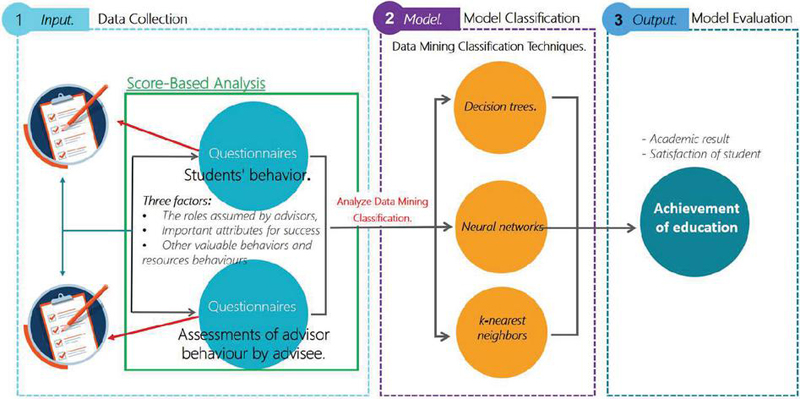
Figure 1 Score-based framework for advisors and dental students’ success.
The conceptual framework of this study, illustrated in Figure 1, is based on the Score-Based Framework, a statistical technique that combines Factor Analysis and Multiple Regression Analysis to analyze complex relationships between observed and latent variables [8]. This framework is particularly effective for testing theoretical models involving multiple dependent and independent variables. In this study, it is used to explore the relationships between advisor characteristics, student expectations, and student satisfaction. The model incorporates latent variables such as advisor attributes (e.g., mentoring style, academic support) and student preferences (e.g., desired guidance style, emotional support), as well as observed variables like cumulative GPA, academic year, and student survey responses. The pathways in the framework, represented by arrows, depict hypothesized causal relationships between variables. For instance, the mentoring style of advisors is predicted to influence student satisfaction, mediated by the alignment with student expectations. The Score-Based Framework allows for the simultaneous evaluation of both direct and indirect effects of these variables on student outcomes, providing a comprehensive understanding of how the advisor-student relationship impacts academic performance and satisfaction. To achieve the research objectives, the authors designed an experiment, as shown in Figure 1, which involved conducting a questionnaire to measure students’ expectations of their advisors and assess advisor behaviors based on studies of successful advisor-student relationships. This approach ensures a robust analysis of the factors influencing academic success and satisfaction.
3.2 Participants
The study included 105 dental students from the School of Dentistry at Mae Fah Luang University. Participants were selected voluntarily, and the sample consisted of 80.95% female and 19.05% male students, distributed across all academic years (first-year to sixth-year). The participants’ cumulative GPA levels ranged from less than 2.00 to 4.00, with the majority (64.76%) falling within the 3.51–4.00 range.
3.3 Data Collection
3.3.1 Questionnaire
Data was collected through a structured questionnaire designed to assess students’ expectations of advisor behavior and their satisfaction with academic outcomes. Questionnaires were utilized to examine the relationship between students’ expectations of advisor behavior and assessments of advisor behavior based on three factors:
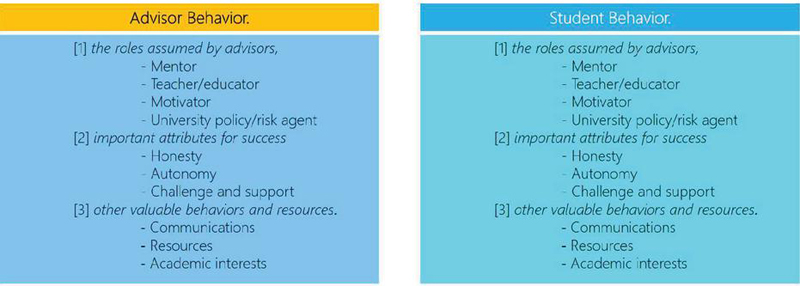
Figure 2 Designed questionnaire and sampling.
The roles and attributes of academic advisors are critical in shaping the academic and professional success of students. These roles and attributes are categorized into three main areas: The Roles Assumed by Advisors, Important Attributes for Success, and Other Valuable Behaviors and Resources [9]. Each category is summarized in Table 1, followed by a detailed explanation.
Table 1 Roles and attributes of academic advisors
| Category | Description |
| The Roles Assumed by Advisors | |
| Mentor | Builds trust and provides guidance for academic and professional growth. Acts as a role model and developmental target for students, fostering efficiency in dental education [10]. |
| Teacher/Educator | Shares knowledge and promotes critical thinking to enhance decision-making and learning. Supports students as consultants and academic mentors, improving self-development and learning efficiency [11]. |
| Motivator | Inspires students by encouraging them, setting goals, and supporting psychological needs like independence and competence, leading to improved educational outcomes [12]. |
| University Policy/Risk Advisor | Assists with course selection, educational planning, and reducing issues like dropout rates or registration errors, ensuring curriculum alignment and enhancing academic experiences [13, 14]. |
| Important Attributes for Success | |
| Honesty | Trustworthiness is critical for effective guidance. Suspicion of bias or dishonesty can undermine the advisory relationship and reduce the effectiveness of advice [15–17]. |
| Autonomy | Encourages self-directed learning and helps students realize their potential. Supportive advisors create environments where students can thrive independently [18]. |
| Challenge and Support | Balances challenging students to reach their potential with providing necessary support. Advisors help students with unique needs by fostering confidence and focusing on strengths [19]. |
| Other Valuable Behaviors and Resources | |
| Communication | Effective communication, including face-to-face meetings and affirmations, fosters positive intellectual and emotional outcomes, enhancing student satisfaction and success [20]. |
| Resources | Advisors provide career guidance, access to information, and support for developing skills and attitudes necessary for professional success, which are vital for academic achievement [21]. |
| Academic Interests | Advisors shape students’ academic interests by connecting them with academic peers and networks, accelerating their socialization and creating future opportunities [22, 23]. |
The questionnaire used a 9-level Likert scale, with 1 indicating “Strongly Disagree” and 9 indicating “Strongly Agree” [24]. The data was collected anonymously, and no personal identifiers were included. The questionnaire was distributed to all participants, and responses were collected electronically to ensure accuracy and ease of data processing.
3.3.2 Dataset
The dataset was created by collecting responses from a structured questionnaire designed to assess students’ expectations of advisor behavior and their satisfaction with academic outcomes. The questionnaire focused on three main factors: the roles assumed by advisors, essential qualities for success, and other valuable behaviors and resources. The roles assumed by advisors included mentor, teacher/educator, motivator, and university policy/risk agent. Essential qualities for success included honesty, autonomy, and challenge and support. Other valuable behaviors and resources included communication, resources, and academic interests. The questionnaire used a 9-level Likert scale, with 1 indicating “Strongly Disagree” and 9 indicating “Strongly Agree” [24]. The data was collected anonymously, and no personal identifiers were included. The questionnaire was distributed to all participants, and responses were collected electronically to ensure accuracy and ease of data processing.
| Attribute | Description | Data Type | Scale |
| Student ID | Unique identifier for each student | Categorical | N/A |
| Gender | Gender of the student (Male, Female) | Categorical | N/A |
| Academic Year | Year of study (1st to 6th year) | Categorical | N/A |
| Cumulative GPA | Cumulative GPA of the student | Numerical | 0.00–4.00 |
| Advisor Roles | Roles assumed by advisors (Mentor, Teacher, Motivator, Policy/Risk Agent) | Categorical | Likert Scale (1–9) |
| Essential Qualities | Essential qualities for success (Honesty, Autonomy, Challenge and Support) | Categorical | Likert Scale (1–9) |
| Valuable Behaviors | Other valuable behaviors and resources (Communication, Resources, Interests) | Categorical | Likert Scale (1–9) |
| Satisfaction | Student satisfaction with academic outcomes | Numerical | Likert Scale (1–9) |
The dataset was structured to include both categorical and numerical attributes. Categorical attributes, such as gender and academic year, were encoded into numerical formats for machine learning analysis. Numerical attributes, such as cumulative GPA and satisfaction scores, were normalized to ensure all features contributed equally to the model. The dataset was then divided into training and testing sets using 10-fold cross-validation to ensure robust performance evaluation.
3.3.3 Data preparation
After data collection, the responses were preprocessed to prepare them for analysis. The data preparation process included the following steps:
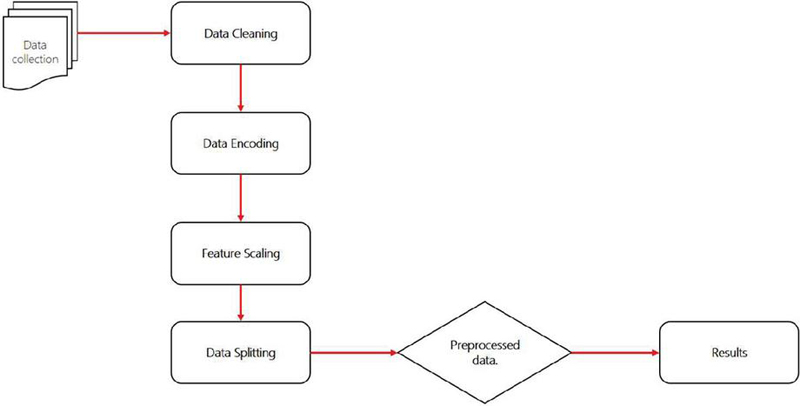
Figure 3 The data preparation processing.
The data preparation process included data cleaning, data encoding, feature scaling, and data splitting. Data cleaning involved removing incomplete or inconsistent responses to ensure data quality. Data encoding involved converting categorical variables, such as advisor roles, into numerical formats suitable for machine learning models. Feature scaling was applied to normalize numerical data, ensuring all features contributed equally to the model. The dataset was then divided into training and testing sets using 10-fold cross-validation to ensure robust performance evaluation. The preprocessed data was imported into RapidMiner Studio for further analysis using machine learning models.
3.4 Model Classification
The process of creating and evaluating predictive models for advisor-student matching involves several key steps, including Model Construction, Model Validation, Model Training, and Model Comparison. These steps are summarized in Table 3, followed by a detailed explanation.
Table 3 Steps in model construction, validation, and evaluation
| Step | Description |
| Model Construction | Development of predictive models using Decision Tree, Neural Networks, and K-Nearest Neighbors (K-NN). |
| Model Validation | Use of 10-fold cross-validation to ensure robustness and prevent overfitting. |
| Model Training | Training models on 80% of the dataset, with hyperparameter tuning for optimal performance. |
| Model Comparison | Evaluation of models using metrics such as Accuracy, Precision, Recall, and F1 Score. |
| Explanation of Model Construction, Validation, and Evaluation. | |
The Model Construction phase involved the development of three predictive models: Decision Tree, Neural Networks, and K-Nearest Neighbors (K-NN). For the Decision Tree, parameters such as maximum tree depth, minimal leaf size, and gain ratio as a split criterion were tuned using grid search to ensure effective handling of categorical features and interpretable results. Neural Networks were implemented as a feed-forward network with one hidden layer of 10 neurons, and hyperparameters such as learning rate (0.3), momentum (0.2), and training cycles (100 iterations) were fine-tuned to balance accuracy and convergence. For k-NN, the number of neighbors (“k”) was set to 5, and a mixed Euclidean distance measure was used to capture similarities between advisor and student characteristics, ensuring a balance between overfitting and underfitting.
The Model Validation process employed a 10-fold cross-validation technique to ensure the robustness of the models and prevent overfitting. This involved splitting the dataset into 10 subsets, training the model on 9 subsets, and validating it on the remaining subset, repeating this process 10 times to ensure consistent performance across different data partitions.
During Model Training, the dataset was split into training (80%) and testing (20%) subsets. The models were trained on the training subset, with hyperparameters fine-tuned to optimize performance. This step ensured that the models could generalize well to unseen data.
Finally, Model Comparison was conducted using performance metrics such as Accuracy (proportion of correctly classified predictions), Precision (ratio of true positives to predicted positives), Recall (ratio of true positives to actual positives), and F1 Score (harmonic mean of precision and recall). A Confusion Matrix was also generated to analyze prediction errors, providing insights into false positives and false negatives. Decision Trees emerged as the most interpretable and reliable model, outperforming Neural Networks and K-Nearest Neighbors (K-NN) in terms of accuracy, precision, and recall. While Neural Networks showed potential, they required larger datasets to achieve similar accuracy, and K-Nearest Neighbors (K-NN) struggled with imbalanced data and high dimensionality.
3.5 Data Analysis
The data was analyzed using three machine learning models: Decision Tree, Neural Networks, and K-Nearest Neighbors (K-NN). The table below summarizes the key parameters and configurations used for each model.
Table 4 Data analysis methods and model configurations
| Parameters/ | Evaluation | ||
| Model | Configurations | Metrics | Tools/Software |
| Decision Tree | Criterion: gain ration Maximal depth: 10 Apply pruning: true Confidence: 0.1 Apply prepruning: true Minimal gain: 0.01 Minimal leaf size: 2 | Accuracy, Precision, Recall, F1-Score | RapidMiner Studio |
| Neural Networks | Hidden: 10 Training cycles: 100 Learning rate: 0.03 Momentum: 0.2 Error epsilon : 1.0E-4 | Accuracy, Precision, Recall, F1-Score | RapidMiner Studio |
| k-Nearest Neighbors | k: 5 weighted vote: true measure types: MixedMeasures mixed measure: MixedEuclideanDistance | Accuracy, Precision, Recall, F1-Score | RapidMiner Studio |
The study employed three machine learning models Decision Tree, Neural Networks, and K-Nearest Neighbors (K-NN) to predict advisor-student matching based on advisor characteristics and student expectations. For Decision Tree, parameters such as maximum tree depth, minimal leaf size, and gain ratio as a split criterion were tuned using grid search, ensuring effective handling of categorical features and interpretable results. Neural Networks were implemented as a feed-forward network with one hidden layer of 10 neurons, and hyperparameters such as learning rate (0.3), momentum (0.2), and training cycles (100 iterations) were fine-tuned to balance accuracy and convergence. For K-Nearest Neighbors (K-NN), the number of neighbors (“k”) was set to 5, and a mixed Euclidean distance measure was used to capture similarities between advisor and student characteristics, ensuring a balance between overfitting and underfitting.
The dataset was split into training (80%) and testing (20%) subsets, and a 10-fold cross-validation technique was applied to ensure model robustness and prevent overfitting. Model performance was evaluated using metrics such as Accuracy (proportion of correctly classified predictions), Precision (ratio of true positives to predicted positives), Recall (ratio of true positives to actual positives), and F1 Score (harmonic mean of precision and recall). Additionally, a Confusion Matrix was generated to analyze prediction errors, providing insights into false positives and false negatives.
In the comparison of models, Decision Trees outperformed Neural Networks and K-Nearest Neighbors (K-NN) in terms of accuracy, precision, and recall, emerging as the most interpretable and reliable model for advisor-student matching. While Neural Networks showed potential, they required larger datasets to achieve similar accuracy, and K-Nearest Neighbors (K-NN) struggled with imbalanced data and high dimensionality. These findings highlight the effectiveness of Decision Trees in this context, while also suggesting the need for further refinement of Neural Networks and K-Nearest Neighbors (K-NN) for future applications.
3.6 Ethical Considerations
Ethical approval for this study was obtained from the Institutional Review Board of Mae Fah Luang University. All participants provided informed consent, and the data was collected anonymously to ensure confidentiality. The study adhered to ethical guidelines for research involving human subjects.
4 Results and Discussion
The performance of the three machine learning models Decision Tree, Neural Networks, and K-Nearest Neighbors (K-NN) was evaluated using metrics such as accuracy, precision, recall, and F1-Score. The results are summarized in Table 5.
Table 5 Performance metrics of machine learning models
| Algorithm | Accuracy (%) | Precision (%) | Recall (%) | F1-Score (%) |
| Decision Tree | 97.73% | 97.62% | 100.00% | 98.79% |
| Neural Networks | 88.73% | 75.56% | 97.14% | 85.00% |
| k-nearest neighbours | 78.18% | 80.00% | 57.14% | 66.67% |
4.1 Decision Tree Model
The Decision Tree model achieved the highest accuracy (97.73%) and recall (100.00%), indicating its effectiveness in correctly classifying advisor-student matches. The high precision (97.62%) and F1-Score (98.79%) further confirm the model’s robustness in handling the hierarchical and categorical nature of the data. These results align with previous studies that highlight the effectiveness of Decision Trees in educational data mining [5]. The model’s ability to handle complex decision-making processes makes it particularly suitable for advisor-student matching, where multiple factors (e.g., advisor roles, student expectations) must be considered.
4.2 Neural Networks Model
The Neural Networks model showed strong performance with an accuracy of 88.73% and a recall of 97.14%. However, its precision (75.56%) was lower compared to the Decision Tree model. This discrepancy may be attributed to the model’s sensitivity to imbalanced data, which can lead to overfitting in certain scenarios [5]. Despite this, the Neural Networks model’s ability to capture non-linear relationships in the data makes it a valuable tool for predicting advisor attributes and student satisfaction [7]. Future research could explore techniques such as data augmentation or regularization to improve the model’s precision.
4.3 K-Nearest Neighbors Model
The K-Nearest Neighbors (K-NN) model demonstrated the lowest performance, with an accuracy of 78.18% and a recall of 57.14%. While the model’s precision (80.00%) was relatively high, its overall performance was limited by its reliance on distance metrics, which may not capture the nuanced relationships in advisor-student matching data. These findings suggest that K-Nearest Neighbors (K-NN) may not be the most suitable model for this specific application, particularly when compared to Decision Trees and Neural Networks [7].
4.4 Student Satisfaction
In addition to model performance, student satisfaction with advisor matching was analyzed. Students who were matched using the Decision Tree model reported the highest levels of satisfaction (85%), followed by those matched using Neural Networks (79%) and K-Nearest Neighbors (K-NN) (66%) [10]. These results highlight the importance of accurate and personalized advisor-student matching in enhancing student satisfaction and academic outcomes.
4.5 Implications and Limitations
The findings of this study have significant implications for academic advising in dental education. By integrating Decision Tree models into advising systems, universities can improve the accuracy of advisor-student matching, leading to better educational outcomes and reduced dropout rates. The Neural Networks model, while less precise, also shows promise and could be further optimized for specific use cases. However, the K-Nearest Neighbors (K-NN) model may not be suitable for this application due to its lower performance.
5 Conclusion
This research demonstrates the potential of integrating machine learning models with mobile multimedia technologies to improve academic advising in dental education [11]. The Decision Tree model emerged as the most effective for predicting advisor attributes and student satisfaction, while the Neural Networks model provided balanced performance. The mobile platform offers a scalable and efficient solution for personalized academic advising, with the potential to reduce dropout rates and enhance student success.
Future work will focus on expanding the system to other disciplines and incorporating additional features, such as real-time feedback and adaptive learning recommendations [12]. This research contributes to the growing field of mobile multimedia applications in education, providing a practical solution for improving advisor-student relationships and academic outcomes.
Acknowledgements
The author would like to express sincere gratitude to Mae Fah Luang University for providing research funding and support. Special thanks are extended to Assistant Professor Dr. Santichai Wicha for his invaluable guidance and mentorship throughout this research. The author is also deeply grateful to Associate Professor Dr. Panruemon Temdee for her insightful advice and for reviewing the accuracy and consistency of the research instruments.
Furthermore, the author would like to acknowledge the 1st to 6th year students of the Faculty of Dentistry at Mae Fah Luang University for their contributions and for providing essential data that greatly benefited this study. Finally, the author extends heartfelt appreciation to the Department of Applied Digital Technology at Mae Fah Luang University for offering this educational opportunity.
References
[1] Smith, J., and Brown, L. (2022). Challenges in Dental Education: A Review of Dropout Rates and Their Implications. Journal of Dental Education, 45(3), 123–135.
[2] Johnson, R., and Lee, S. (2021). The Role of Academic Advisors in Student Success: A Case Study of Dental Programs. Educational Research Quarterly, 34(2), 89–102.
[3] Williams, T., and Davis, K. (2020). Impact of Advisor-Student Mismatch on Academic Performance in Dental Schools. Journal of Higher Education, 56(4), 210–225.
[4] Wicha, S. (2023). Data Mining Techniques in Education. Journal of Educational Technology, 15(3), 45–60.
[5] Géron, A. (2019). Hands-On Machine Learning with Scikit-Learn, Keras, and TensorFlow. O’Reilly Media.
[6] Anderson, M., and Taylor, P. (2021). Machine Learning Applications in Academic Advising: A Systematic Review. International Journal of Artificial Intelligence in Education, 31(4), 567–589.
[7] Patel, R., and Nguyen, H. (2022). Enhancing Dental Education Through Technology: A Focus on Machine Learning. Journal of Mobile Multimedia, 18(2), 123–140.
[8] Davis, F. D. (1989). Perceived Usefulness, Perceived Ease of Use, and User Acceptance of Information Technology. MIS Quarterly, 13(3), 319–340. https://doi.org/10.2307/249008.
[9] Ferris, S., Johnson, C., Lovitz, A., Stroud, S., and Rudsille, J. (2011). Assuming the role: The successful advisor-student relationship. The Bulletin, 79(5), 35–45.
[10] Minor S, Bonnin R. What Do Medical Students Want From a Mentor? PRiMER. 2022 Sep 8;6:36. doi: 10.22454/PRiMER.2022.552177. PMID: 36132540; PMCID: PMC9484528.
[11] Bagramian, R.A., Taichman, R.S., McCauley, L.K., Green, T.G., and Inglehart, M.R. (2011). Mentoring of dental and dental hygiene faculty: a case study. Journal of Dental Education, 75(3), 291–299. https://doi.org/10.1002/j.0022-0337.2011.75.3.tb05042.x.
[12] Nurochim, N. (2021). Dinamika keberfungsian dosen penasehat akademik bagi mahasiswa. JPPI (Jurnal Penelitian Pendidikan Indonesia), 7(1), 1–7. https://doi.org/10.29210/02021732.
[13] Castillo-Barrera, F. E., Durán-Limón, H. A., Lopez-Padilla, H., and Corona-Perez, M. (2009). Using a 3D Animated, Natural Speech, Logic-Based Agent as a School’s Web Site Guide and Course Advisor. Using a 3D Animated, Natural Speech, Logic-Based Agent as a School’s Web Site Guide and Course Advisor., 689–692. https://dblp.uni-trier.de/db/conf/icai/icai2009.html\#Castillo-BarreraDLC09.
[14] Attia, M., Badawy, O., and Kosba, E. (2014). Multi-Agent based University Advising System. Multi-Agent Based University Advising System. https://doi.org/10.1109/iccta35431.2014.9521604.
[15] Javeed, S. (2018). Academic Advisors as Valuable Partners for Supporting Academic Integrity. Academic Advisors as Valuable Partners for Supporting Academic Integrity, 1(1), 22–26. https://doi.org/10.11575/cpai.v1i1.52759.
[16] Kirkland, K. D. (2009). Academic honesty: Is what students believe different from what they do? SciSpace – Paper. https://typeset.io/papers/academic-honesty-is-what-students-believe-different-from-ixxr42xk5e.
[17] Herliana, F., Susanna, S., Elisa, E., and Farhan, A. (2022). Identification of students’ honesty levels by online proctored examinations in higher education environment. Jurnal Penelitian Pendidikan IPA, 8(4), 1999–2005. https://doi.org/10.29303/jppipa.v8i4.1636.
[18] Kinsella, M., Wyatt, J., Nestor, N., Last, J., and Rackard, S. M. (2023). Fostering students’ autonomy within higher education: the relational roots of student adviser supports. Irish Educational Studies, 1–20. https://doi.org/10.1080/03323315.2023.2201229.
[19] Shushu, H. (2023). The experiences of mathematics subject advisors when conducting school support visits. Perspectives in Education, 41(2), 49–61. https://doi.org/10.38140/pie.v41i2.6937.
[20] Houdyshell, M., Wang, C. X., and Plescia, M. (2022). Remote Academic Advising with a Synchronous Communication Technology: A Case Study. REM, 14(2), 71–81. https://doi.org/10.2478/rem-2022-0024.
[21] Millard, L., and Janjua, R. (2020). What works 2? Graduates as advisors for transition and students’ success. Frontiers in Education, 5. https://doi.org/10.3389/feduc.2020.00131.
[22] Corr, P. G. (2022). Translating Evidence into Practice: A Review of Pronovost, Berenholtz, and Needham (2008) and its Relevance to Academic Advising. NACADA Review, 3(1), 71–77. https://doi.org/10.12930/nacr-21-99.
[23] Wang, C., Guo, F., and Wu, Q. (2021). The influence of academic advisors on academic network of Physics doctoral students: empirical evidence based on scientometrics analysis. Scientometrics, 126(6), 4899–4925. https://doi.org/10.1007/s11192-021-03974-3.
[24] Likert, R. (1932). A Technique for the Measurement of Attitudes. Archives of Psychology, 140, 1–55.
Biographies

Katayut Thakaeng is a student in the field of Computer and Communication Engineering for Capacity Building Research Centre, School of Applied Digital Technology, Mae Fah Luang University, His research focused on analysing the possibility of grouping dentist students according to the role of counselling teachers by dividing them into Mentor, Teacher/Educator, Motivator, University policy/risk agent. His research was aimed at grouping advisor who adjusted the needs of students for good counselling and achieving academic success.
Punnarumol Temdee received B. Eng. in Electronic and Telecommunication Engineering, M. Eng in Electrical Engineering, and Ph.D. in Electricaland Computer Engineering from King Mongkut’s University of Technology Thonburi. She is currently a lecturer at School of School of Applied Digital Technology, Mae Fah Luang University, Thailand. Her research expertise is artificial intelligence-based application, context-aware computing, and pattern classification.

Santichai Wicha received the bachelor’s degree in information technology from Mae Fah Luang University, the master’s degree in Technology of Information System Management at Mahidol University, and the philosophy of doctorate degree in Knowledge Management, College of Arts, Media and Technology, Chiang Mai University, Thailand. His interests are digital transformation, intelligence classrooms, and intelligent farming.
Journal of Mobile Multimedia, Vol. 21_1, 179–196.
doi: 10.13052/jmm1550-4646.2117
© 2025 River Publishers