Shaping the Future of Narrative Architecture in the Era of 6G and AI
Vivek Ahuja1,*, Vandana Rohokale2, Neeli R. Prasad3 and Ramjee Prasad4
1Narrative Principal Architect and EPC Consultant, Design Essentials OPC Pvt Ltd, Delhi, India
2Sinhgad Institute of Technology and Science Narhe Pune, India
3CEO & Co-Founder of SmartAvatar B.V., Netherlands
4Founder President, CTIF GLOBAL CAPSULE, Aalborg, Denmark
E-mail: vivek@designessentials.in; vmr.301075@gmail.com; neeli.prasad@smartavatar.nl; prasad.ramjee@ctifglobalcapsule.org
*Corresponding Author
Received 08 January 2025; Accepted 01 May 2025
Abstract
The integration of 6G technology and Artificial Intelligence (AI) signifies the emergence of a new paradigm in architectural narrative, wherein physical environments are transformed into adaptive, interactive systems. This study explores the intersection of technological advancements and storytelling, with particular emphasis on how sensory stimuli influence human behaviour and interactions within architectural contexts. As architects navigate this evolving landscape, it is imperative to consider ethical implications and adopt interdisciplinary strategies to design spaces that resonate with collective human values and aspirations. Professionals from diverse fields, including Law, Architecture, Medicine, Healthcare, Engineering, Education, Science, Information Technology, Arts, Entertainment, Business, Social Sciences, Construction, Agriculture, Sustainability, Public Safety, Security, Finance, Hospitality, and Tourism, play critical roles in advancing collaborative, sustainable architectural narratives in the context of secure 6G and AI integration. This multidisciplinary approach is essential for fostering innovation and addressing the multifaceted challenges of contemporary architectural design, emphasizing the necessity of cross-sector collaboration in shaping the future trajectory of the built environment.
Keywords: 6G, artificial intelligence, narrative architecture, sensory experiences, ethical considerations, collaborative innovation, dynamic content, personalized environments, digital-physical synergy.
1 Introduction
In this paper, authors aim to put forth the foundation for a paradigm shift in the field of architecture, focusing on the emerging intersection of 6G networks, Artificial Intelligence (AI) [1], and narrative architecture [2]. Historically, architecture has been perceived as a static discipline, constrained by the limitations of physical space and material composition. However, the convergence of advanced technologies such as Artificial Intelligence (AI) and 6G is reshaping this perspective, enabling architecture to evolve into a dynamic, interactive medium capable of responding in real-time to human needs. This paper argues that narrative architecture, augmented by technological advancements, is poised to redefine the function of built environments in shaping human experiences. By incorporating AI, architects can design adaptive spaces that evolve based on sensory inputs, user preferences, and contextual data, facilitating a more personalized and enriched interaction with the physical environment.
The primary objective of this paper is not only critical to the future of architecture but also to the broader societal implications it may have. As we transition into an era driven by 6G and AI technologies, the interaction between individuals and their surroundings will undergo a fundamental transformation, impacting various aspects of life, including work, education, and social engagement. The integration of AI within architectural design opens unprecedented opportunities to create immersive environments that extend beyond functional considerations, focusing instead on enhancing the human experience. This paper emphasizes the necessity for architects to adopt emerging technologies to develop spaces that dynamically adjust to human interactions, thereby transforming architecture into a medium for storytelling and emotional connection. In doing so, it advocates for the ethical and responsible deployment of these innovations to benefit society.
The field of narrative architecture remains in its nascent stages, with growing interest in the role of technology in transforming built environments. Traditional architectural practice has predominantly emphasized the physical form and spatial relationships of structures. However, the advent of technologies such as AI, 6G, and immersive extended reality (XR) introduces new dimensions to the discipline. Research indicates that the incorporation of sensory experiences – such as sound, light, and tactile stimuli – into architectural design can significantly influence individual perceptions and interactions with space. Nevertheless, much of the existing research focuses on isolated technological applications rather than a comprehensive approach that integrates AI and 6G with narrative elements. This paper seeks to address this gap by examining how these technologies can converge to create architectural experiences that are not only functional but also meaningful, engaging, and emotionally resonant.
This paper specifically investigates how 6G and AI technologies can enhance narrative architecture by shaping sensory experiences and enabling dynamic, responsive environments. The central thesis explores the concept of transforming static structures into active participants in human storytelling. Through the integration of AI-driven data analytics, real-time environmental adjustments, and immersive XR experiences, architects have the potential to design spaces that continuously adapt to the evolving needs and preferences of their occupants. This paper also delves into the role of ethical considerations and interdisciplinary collaboration in ensuring that these technological advancements are utilized responsibly to create inclusive, human-centered environments.
In presenting a comprehensive overview of the convergence between 6G and AI, the paper highlights the vast potential these technologies offer for transforming architecture across various sectors. It underscores the importance of collaboration between architects and professionals from diverse fields – including engineering, information technology, healthcare, and the arts – to design environments that transcend conventional buildings, becoming immersive spaces that communicate, adapt, and engage. Additionally, the paper explores emerging business models and opportunities for narrative architects, as AI and 6G technologies facilitate the creation of value-driven, sensory-rich experiences that enhance both the functional and emotional impact of architectural designs. By addressing technological innovations and ethical considerations, this paper provides a holistic perspective on how narrative architecture can shape the future of the built environment in a secure, inclusive, and sustainable manner.
Transforming Architecture: The Power of Sensory Experiences in the Era of 6G and AI
Sensory experiences provide critical data that facilitate the interpretation and navigation of environments, enhancing the way individuals interact with their surroundings. The integration of multiple sensory inputs – sight, sound, touch, smell, and taste – enhances the effectiveness of narrative construction by creating immersive environments that engage users on a multi-sensory level. By activating a range of senses, storytellers can strengthen emotional engagement, fostering a deeper connection to the narrative and improving its resonance with the audience. Multi-sensory stimuli also play a pivotal role in memory consolidation, ensuring the longevity and recall of the narrative beyond its immediate presentation. Additionally, this approach serves as a catalyst for creative innovation, enabling the generation of distinctive and novel narrative experiences. Ultimately, the integration of sensory elements enhances storytelling, transforming it into a medium capable of profound emotional and cognitive engagement.
The advent of 6G and AI technologies presents new opportunities to leverage sensory experiences in the transformation of architectural spaces. These environments will evolve beyond static structures to become dynamic, adaptive systems that respond to user preferences in real-time. The convergence of advanced technologies and architectural design prioritizes the optimization of human experiences, transforming spatial environments into interactive narratives that are tailored to individual needs and preferences [3].
2 Collaborative Innovation: The Evolving Role of Architects in Designing Narrative, Human-Centric Spaces in the Era of 6G and AI
In the evolutionary era of 6G and Artificial Intelligence (AI), the role of architects is expanding beyond traditional design practices. They are evolving from creators of static physical environments to dynamic storytellers, collaborating with AI specialists, engineers, urban planners, and professionals from diverse fields such as healthcare, sustainability, law, and education. This interdisciplinary collaboration enables the development of human-centered spaces that engage occupants on both emotional and sensory dimensions, transcending functional considerations. Through the integration of AI and advanced technologies, architects can design adaptive environments that respond to individual needs and preferences in real-time. These dynamic, narrative-driven spaces not only enhance the human experience but also influence how individuals interact with and perceive their surroundings. By leveraging collaborative innovation, architects are now crafting responsive, personalized spaces that contribute to improved well-being, facilitate social connection, and foster deeper, more meaningful interactions for those who occupy them [4].
3 Digital-Physical Synergy: 6G+AI Unlocking New Business Models and Opportunities for Narrative Architects
The convergence of Artificial Intelligence (AI) and 6G technology is poised to significantly transform the architectural field, unlocking novel business models and opportunities for narrative architects. By leveraging these technological advancements, architects are empowered to innovate and experiment with immersive, dynamic environments that not only enhance user experience but also optimize financial value. AI facilitates the creation of adaptive spaces that respond to real-time data, while 6G provides seamless connectivity, enabling highly responsive environments. Sensory storytelling techniques, along with augmented reality (AR) and virtual reality (VR), are pivotal in this transformation, enabling architects to design spaces that engage multiple senses and convey compelling narratives. In this evolving paradigm, architects must address ethical considerations, ensuring that the deployment of these technologies enhances human well-being and promotes inclusivity. The fusion of digital and physical spaces presents a rich opportunity for narrative architects to explore, influencing the future trajectory of architectural design and redefining the built environment [5].
4 The Role, Implications, and Potential of Dynamic Content and Real Data in Narrative Architecture
4.1 The Role of AI and 6G
The emergence of Artificial Intelligence (AI) and 6G technology is fundamentally transforming narrative architecture, providing unparalleled opportunities for the design of dynamic and responsive environments. Real-time data and AI algorithms enable the creation of adaptive architectural spaces that continuously adjust to user needs, emotions, and interactions. This capability facilitates the development of immersive, personalized environments that engage multiple senses, significantly enhancing the user experience. For instance, a museum or public space could dynamically alter its narrative based on a visitor’s interests and emotional responses, fostering a deeper, more meaningful interaction with the space and its content [6].
4.2 Implications: Ethical and Privacy Considerations in Real-Time Data Integration
The integration of real-time data within architectural design presents substantial ethical and privacy challenges. As spaces evolve to become more intelligent and responsive, the management of personal data must be governed by stringent principles of transparency, secure data handling, and explicit user consent. This paradigm shift requires architects to reevaluate conventional design methodologies, incorporating privacy-first strategies at every phase of the design process. The ethical and privacy implications of real-time data integration highlight the essential responsibility to develop systems that safeguard sensitive information while maintaining public trust. By emphasizing robust ethical frameworks, architects can effectively leverage real-time data to create adaptive, user-centric environments that uphold privacy and align with societal values [7].
4.3 Unlocking Potential: AI and 6G Transforming Architectural Possibilities
Despite the challenges, the potential of AI and 6G in architecture is immense. These technologies pave the way for innovative business models, including immersive brand experiences, smart cities, and adaptive learning environments. By integrating real-time analytics and sensory storytelling, architects can design spaces that are not only functional but also dynamic and emotionally engaging, pushing the limits of traditional architectural design. This evolution signifies a future in which architecture is closely integrated with both human experience and technological advancements, fostering environments that respond to and enhance the ways people interact with their surroundings [8].
5 Personalized Environments in Narrative Architecture
Custom-made situations in narrative architecture leverage AI and 6G technologies to create adaptive spaces that respond to individual preferences. AI algorithms analyse user behaviour in real time, enabling dynamic adjustments to environmental parameters such as lighting, temperature, and sound, thereby enhancing comfort and overall experience. In healthcare settings like hospitals, these personalized environments can be tailored to the specific needs of each patient, with smart elements such as responsive lighting and adjustable furniture contributing to more interactive and supportive spaces. Real-time data from sensors and Internet of Things (IoT) devices further optimize the environment, ensuring it continuously adapts to the user’s requirements. This approach has the potential to revolutionize sectors such as education, healthcare, and retail, providing customized experiences that increase user engagement and satisfaction.
6 Proposing a New Collaborative and Functional Approach for Implementation and Growth: Three Pillars for Crafting a Business Model for Narrative Architecture in the AI-6G Era
In this AI-6G converged era, developing a successful business model for Narrative Architecture necessitates a focus on key pillars that drive innovation and growth. These foundational pillars are critical to the creation of dynamic, user-centric spaces. We advocate for a collaborative approach to shape the future of Narrative Architecture, highlighting three essential pillars that ensure sustainable development and advancement in the field. For an overview, refer to Figure 1.
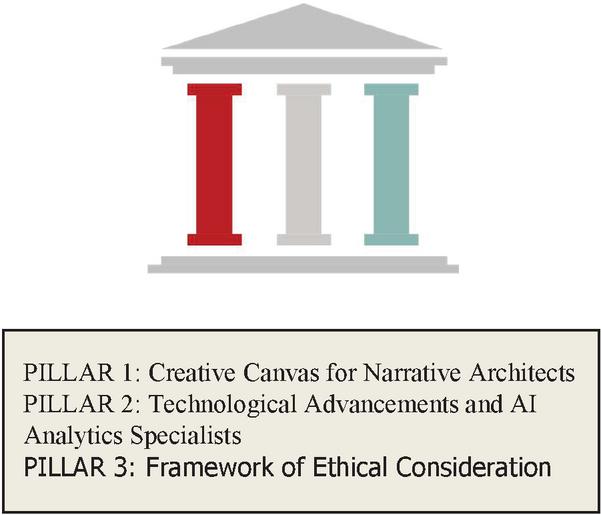
Figure 1 Three Pillars to be prioritized in creating a Business Model for Narrative Architecture in this era of AI empowered by 6G.
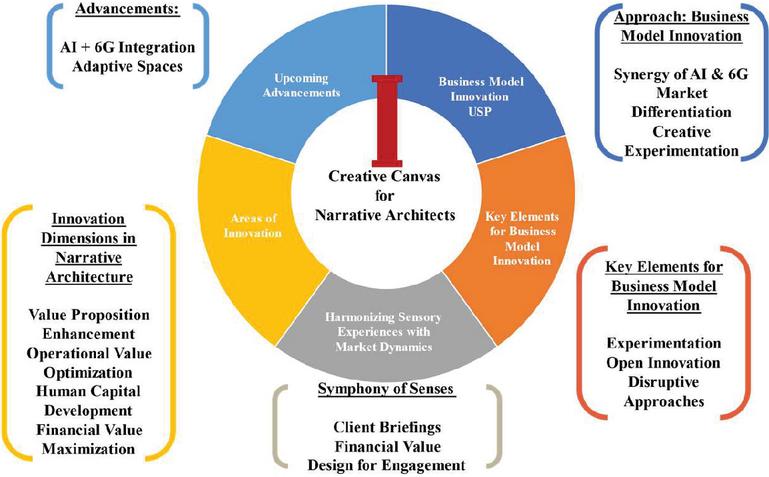
Figure 2 Building blocks of a creative canvas.
6.1 Pillar 1: Creative Canvas for Narrative Architects
Creativity stands as the guiding force, with AI and 6G forming the foundational building blocks that shape an innovative business landscape. Together, they empower architects to craft visionary environments that captivate users and redefine market possibilities. See Figure 2 for insights:
• Upcoming Advancements: Revolutionizing Architectural Environments
The convergence of Artificial Intelligence (AI) and 6G networks is poised to significantly transform architecture by introducing real-time dynamism into built environments. This integration facilitates the creation of adaptive spaces capable of seamless evolution, providing users with immersive and responsive experiences previously unattainable.
• Approaching Business Model Innovation: Architecture Firms Leading the Way
Architectural firms are at the forefront of embracing innovation within their business models. The synergy between AI and 6G presents substantial opportunities for Narrative Building Architects to engage in creative experimentation. Each firm has the potential to carve out a distinctive position in the market by leveraging the capabilities derived from the fusion of these technologies.
• Key Elements for Business Model Innovation
Experimentation, open innovation, and disruptive methodologies are fundamental to business model innovation in Narrative Architecture driven by AI and 6G. This technological convergence enables the creation of dynamic, live architectural environments, incorporating sensory storytelling techniques, augmented reality (AR), virtual reality (VR), and ethical considerations into the design process.
• Innovation Dimensions in Narrative Architecture
Innovation in narrative architecture generates value across several critical domains.
Value Proposition Enhancement focuses on developing engaging narratives that resonate with users on a deeper level.
Operational Optimization streamlines workflows and enhances efficiency in design and execution.
Human Capital Development ensures that architects acquire the necessary skills in AI and 6G technologies.
Financial Maximization identifies avenues for revenue generation through the application of creative, technology-driven solutions.
• Symphony of Senses
Client briefings present an opportunity to explore the intricate relationship between sensory experiences and market communication within architectural design. The financial viability of a project establishes the equilibrium between physical and experiential dynamism, guiding architects in the creation of environments that engage all the senses, fostering a profound connection with users.
6.2 Pillar 2: Technological Advancements and AI Analytics Specialists Integration
In total, AI analytics experts team play a key role in controlling dynamism within defined limits by leveraging data-driven insights, real-time monitoring, feedback loops, and collaboration with architects, all while considering ethical considerations. For an overview of these building blocks, see Figure 3.
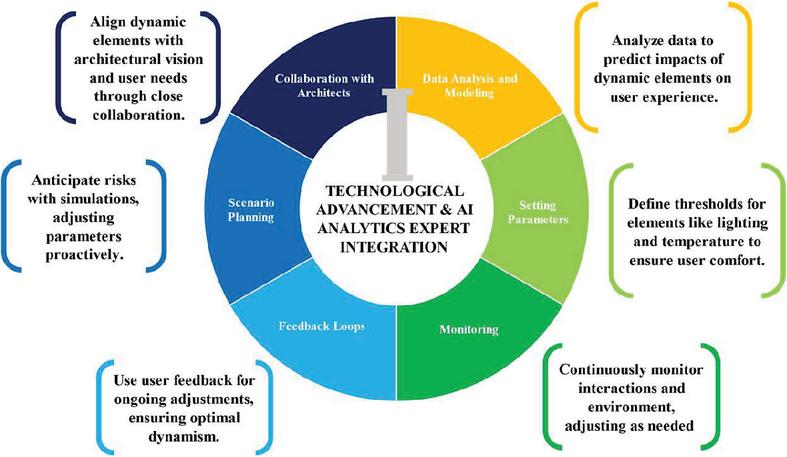
Figure 3 Building blocks of a technological advancements and AI analytics specialists integration.
For a more comprehensive understanding, let us explore these fundamental building blocks:
1. Data Analysis and Modelling
AI analytics experts examine large datasets to identify patterns, trends, and user behaviors within architectural spaces. By applying advanced data modeling techniques, they can forecast the effects of various dynamic elements (e.g., lighting, temperature, and ambiance) on user experience, enabling more precise and informed design decisions.
2. Setting Parameters
Based on the analysis of user data, AI analytics experts establish operational parameters and thresholds for dynamic elements. These parameters define the range within which elements such as lighting, temperature, and environmental ambiance can vary, ensuring that changes remain functional and do not overwhelm or disorient users.
3. Real-Time Monitoring
AI algorithms perform continuous monitoring of user interactions and environmental conditions in real-time. This process allows analytics experts to detect any deviations from predefined parameters and make immediate adjustments to maintain optimal dynamism, ensuring the environment consistently aligns with user needs.
4. Feedback Loops
Incorporating feedback loops into the system allows AI analytics experts to adjust dynamic elements based on real-time user feedback and preferences. This iterative feedback mechanism ensures that environmental changes remain within acceptable limits while enhancing user satisfaction and engagement.
5. Scenario Planning
AI analytics experts conduct scenario planning to identify and mitigate potential risks associated with dynamic elements in architectural spaces. By simulating different scenarios, they can preemptively adjust parameters to reduce uncertainties, ensuring the environment remains responsive and adaptive under varying conditions.
6. Collaboration with Architects
Effective collaboration between AI analytics experts and architects is essential to ensuring that dynamic elements align with both architectural intent and user experience goals. Architects offer insights into the desired spatial experience, while AI experts provide the technical expertise needed to seamlessly integrate dynamic, adaptive features into the design, thereby optimizing the user environment.
6.3 Pillar 3: Framework of Ethical Consideration
In the implementation of Narrative Architecture within the context of 6G and AI, establishing a collaborative ethical framework is essential. This framework brings together a consortium of stakeholders, including designers, technologists, policymakers, and users, who are collectively responsible for the approval, monitoring, and accountability of the design and deployment processes. By integrating diverse perspectives, values, and areas of expertise, the framework ensures that AI systems powered by 6G adhere to established ethical standards. This approach prioritizes human well-being, encourages inclusivity, and supports responsible practices that positively impact society. Additionally, it emphasizes transparency and accountability, ensuring that all processes remain ethically sound and aligned with societal values throughout their lifecycle. For the key details, refer to Figure 4.
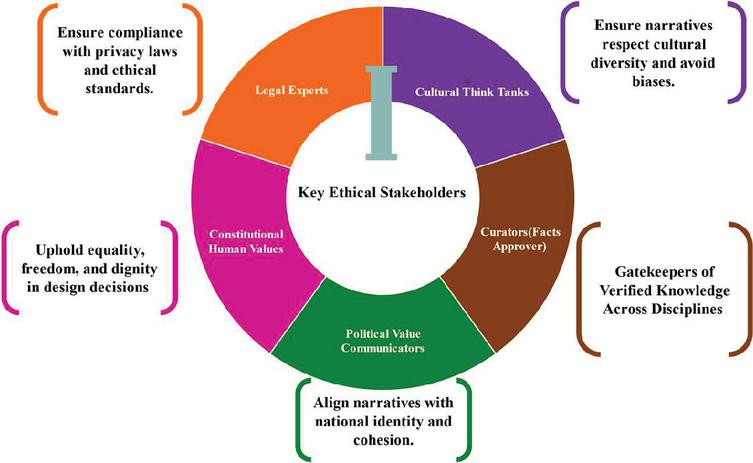
Figure 4 Building blocks of a technological advancements and AI analytics specialists integration.
The building blocks of the ethical framework for Narrative Architecture in the era of AI and 6G include the following components:
1. Cultural Think Tanks: These institutions offer valuable insights into societal norms, values, and cultural sensitivities. Their role is to ensure that AI-driven narratives respect cultural diversity and mitigate biases, fostering inclusivity and cultural awareness within architectural designs.
2. Curators – Gatekeepers of Verified Knowledge Across Disciplines: Curators act as pivotal figures in maintaining the accuracy and relevance of information across diverse domains. In fields such as art and history, curators authenticate artifacts and shape exhibitions to preserve cultural narratives. In journalism, they verify facts to ensure the integrity of news. Within the scientific realm, they oversee the validation of research data and publications, while in digital media, they curate content to maintain reliability and audience engagement. Across all these contexts, curators uphold standards of trust and ensure that facts and interpretations are credible, accurate, and impactful.
3. Country Political Value Communicators: Political communicators serve as messengers of national values, aspirations, and priorities. By aligning architectural narratives with a country’s political message, architects contribute to national identity, cohesion, and the expression of collective societal goals.
4. Human Values as per the Constitution: Human values enshrined in national constitutions, such as equality, freedom, and dignity, serve as fundamental guiding principles for ethical decision-making. These values ensure that architectural narratives promote the well-being of all individuals, fostering a society that is just, inclusive, and equitable.
5. Legal Aspects: Legal experts offer essential guidance on regulatory frameworks, privacy laws, and ethical standards, ensuring that architectural designs, especially those enhanced by AI and 6G technologies, comply with legal requirements and protect individual rights while adhering to industry norms.
7 Extended Horizon
The three pillars of the narrative architecture system – immersive storytelling, adaptive functionality, and human-centric design – offer transformative potential across various domains, revolutionizing interactions with built environments. These principles can be applied to the design of:
• Narrative Hospitals: Healthcare environments that dynamically adapt to the needs of patients and staff, offering personalized care experiences. Powered by 6G-enabled communication and AI-driven diagnostics, these spaces provide real-time updates and tailored services, enhancing both patient well-being and operational efficiency.
• Public Spaces: Interactive urban areas that respond to community activities, supported by secure 6G networks for real-time engagement. AI-enhanced analytics facilitate improved resource management, ensuring that these spaces evolve in real-time to meet the needs of the public and foster greater social interaction.
• Educational Institutions: Cutting-edge campuses that support innovative learning through AI-driven adaptive environments. Ultra-low-latency 6G technology enables seamless, augmented educational tools, enhancing both the teaching and learning experience by providing personalized and immersive educational environments.
• Commercial Hubs: Retail and business complexes that leverage predictive AI systems to analyze customer behavior and preferences. 6G connectivity optimizes logistics, operational efficiency, and personalized marketing strategies, ensuring a more responsive and targeted retail experience.
• Residential Complexes: Smart living environments that integrate AI to enhance safety, comfort, and energy efficiency. Supported by ultra-fast, secure 6G connectivity, these spaces ensure real-time updates and responsive adjustments to resident needs, fostering a more comfortable and sustainable living experience.
8 Conclusions
The integration of 6G and AI represents a pivotal moment in the evolution of narrative architecture, heralding a new era of dynamic, responsive, and ethically-informed built environments. Through the convergence of advanced technology and storytelling, architects are empowered to design spaces that deeply resonate with human experiences, engaging occupants on both physical and emotional levels. By emphasizing sensory experiences, fostering collaborative innovation, and adhering to ethical principles, narrative architects navigate this transformative landscape with deliberate intent and forward-thinking vision. The authors venture into this realm of exploration and creative possibilities, the future of architecture offers limitless opportunities to craft narratives that inspire, connect, and enhance the well-being of individuals and communities globally.
References
[1] K. B. Letaief, Y. Shi, J. Lu and J. Lu, “Edge Artificial Intelligence for 6G: Vision, Enabling Technologies, and Applications,” in IEEE Journal on Selected Areas in Communications, vol. 40, no. 1, pp. 5–36, Jan. 2022, doi: 10.1109/JSAC.2021.3126076.
[2] N. M. Tom Duncan, “A Narrative Journey-Creating Storytelling Environments with Architecture and Digital Media,” in Museum Making, 2012, p. 10.
[3] C. Spence, “Senses of place: architectural design for the multisensory mind,” Cognitive Research: Principles and Implications, vol. 5, 2020.
[4] Shahzadi S., Iqbal, M. and Riaz Chaudhry N., “6G Vision: Toward Future Collaborative Cognitive Communication (3C) Systems,” IEEE Communications Standards Magazine, vol. 5, pp. 60–67, 2021.
[5] Xia, Dan, Shi, Jianhua, Wan, Ke, Wan, Jiafu, Martínez-García, Miguel and Guan, Xin. (2023). Digital Twin and Artificial Intelligence for Intelligent Planning and Energy-Efficient Deployment of 6G Networks in Smart Factories. IEEE Wireless Communications. 30. 171–179. doi: 10.1109/MWC.017.2200495.
[6] Dhruv Grewal, Dennis Herhausen, Stephan Ludwig, Francisco Villarroel Ordenes, “The Future of Digital Communication Research: Considering Dynamics and Multimodality,” Journal of Retailing, vol. 98, no. 0022–4359, pp. 224–240, 2022.
[7] V.-L. Nguyen, P.-C. Lin, B.-C. Cheng, R.-H. Hwang and Y.-D. Lin, “Security and Privacy for 6G: A Survey on Prospective Technologies and Challenges,” in IEEE Communications Surveys & Tutorials, vol. 23, no. 4, pp. 2384–2428, Fourthquarter 2021, doi: 10.1109/COMST.2021.3108618.
[8] Prabhat R Singh, Aanchal Singh, Rahul Yadav, Sachchida Nand Chaurasia,“6G networks for artificial intelligence-enabled smart cities applications: A scoping review,” Telematics and Informatics Reports, vol. 9, p. 100044, 2023.
Biographies

Vivek Ahuja is a Narrative Architect and Strategic Advisor with over 26 years of experience across architecture, immersive technologies, and client-centric innovation. He brings a multidisciplinary approach to solving complex challenges in modern urban infrastructure, emphasizing the integration of Digital Twins, AI, ML, and automation into future-ready environments.
As AGM-Engineering at Tata Projects Ltd, Vivek successfully led the Galleries Package for the prestigious and time-sensitive National Maritime Heritage Complex (NMHC) in Lothal. He managed the entire lifecycle of the narrative museum galleries-coordinating with consultants, vendors, and contractors-while navigating complex tendering processes and aligning with client expectations.
An alumnus of Birla Institute of Technology (Architecture) and Indian Institute of Foreign Trade (MBA), Vivek also brings deep entrepreneurial experience in brand development, events, and trade show strategy. His skills span project management, marketing, business development, retail design, and the creation of immersive client experiences.
He continues to contribute to academia and thought leadership, delivering talks on the future of architecture, technology convergence, and narrative space design in the era of 6G, AI, and Digital Twins.

Vandana Rohokale received her B.E. degree in Electronics Engineering in 1997 from Pune University, Maharashtra, India. She received her Master’s degree in Electronics in 2007 from Shivaji University, Kolhapur, Maharashtra, India. She has received her PhD degree in Wireless Communication in 2013 from CTIF, Aalborg University, Denmark. She has completed her post doctorate from ARHUS University under the guidance of Prof. Ramjee Prasad in 2023.
She is presently working as Professor, Head and Vice Principal in Sinhgad Institute of Technology and Science, Pune, Maharashtra, India. Her teaching experience is around 28 years. She has published four books of international publication. She has published around 60 plus papers in various international journals and conferences. Her research interests include Cooperative Wireless Communications, AdHoc and Cognitive Networks, Physical Layer Security, Digital Signal Processing, Information Theoretic security and its Applications, Cyber Security, Artificial Intelligence and Machine Learning, Quantum Computing, etc.

Neeli R. Prasad is a global authority in vehicular technologies, wireless communication, cybersecurity, AI, and digital privacy, with over two decades of leadership across academia, industry, and startups. She is CEO & Co-Founder of SmartAvatar B.V. (Netherlands and USA), championing secure and human-centric mobility ecosystems. She previously served as a Professor at Aarhus University (Denmark) and founded the “Living Lab” at Aalborg University, a pioneering testbed for IoT-driven smart systems. Her work has shaped cybersecurity standards and as Principal Investigator of several projects in collaboration with multinationals such as Aptiv, Cisco and Huawei, and impacted governmental policy on digital infrastructure globally.
A committed IEEE member and volunteer since 1991, Dr. Prasad currently serves as Vehicular Technology Society (VTS) Vice President, Membership Development; Chair, Volunteer Engagement; and an Elected VTS Board of Governor member and IEEE Women in Engineering (WIE) Treasurer. She has led diverse IEEE initiatives fostering global outreach, diversity, and industry-academic collaboration. She has chaired or co-chaired over 40 global IEEE conferences, including IEEE GLOBECOM and WPMC.
Holding a Ph.D. in secure wireless communications, Dr. Prasad’s accolades include authored books, chapters, 200+ peer-reviewed publications, and leadership roles in EU and U.S. research initiatives. Her career is defined by a relentless focus on secure, sustainable, and socially responsible solutions, principles she continues to advance through her entrepreneurial ventures and global partnerships.

Ramjee Prasad, Fellow IEEE, IET, IETE, and WWRF, is a former Professor Emeritus of Future Technologies for Business Ecosystem Innovation (FT4BI) in the Department of Business Development and Technology, Aarhus University, Herning, Denmark. He is the Founder President of the CTIF Global Capsule (CGC). He is also the Founder Chairman of the Global ICT Standardization Forum for India, established in 2009. He has been honoured by the University of Rome “Tor Vergata,” Italy as a Distinguished Professor of the Department of Clinical Sciences and Translational Medicine on March 15, 2016.
He is an Honorary Professor at the University of Cape Town, South Africa, and the University of KwaZulu-Natal, South Africa, and also an Adjunct Professor at Birsa Institute of Technology, Sindri, Jharkhand, India. He has received Pravasi Bhartiya Samman Puraskaar (Emigrant Indian Honor Award by the Indian President) on January 10, 2023 in Indore. He has received the Ridderkorset of Dannebrogordenen (Knight of the Dannebrog) in 2010 from the Danish Queen for the internationalization of top-class telecommunication research and education. He has received several international awards such as the IEEE Communications Society Wireless Communications Technical Committee Recognition Award in 2003 for making a contribution in the field of “Personal, Wireless and Mobile Systems and Networks,” Telenor’s Research Award in 2005 for impressive merits, both academic and organizational within the field of wireless and personal communication, 2014 IEEE AESS Outstanding Organizational Leadership Award for: “Organizational Leadership in developing and globalizing the CTIF (Center for TeleInFrastruktur) Research Network,” and so on. He has been the Project Coordinator of several EC projects, namely, MAGNET, MAGNET Beyond, eWALL. He has published more than 50 books, 1000 plus journal and conference publications, more than 15 patents, over 150 Ph.D. Graduates and a larger number of Masters (over 250). Several of his students are today’s worldwide telecommunication leaders themselves.
Journal of Mobile Multimedia, Vol. 21_3&4, 749–766.
doi: 10.13052/jmm1550-4646.213423
© 2025 River Publishers