Developing Game-Based Character Education on Unity in Diversity for Elementary School Students
Chairul Amriyah1, Hadi Sutopo2,*, Dimas Yudi Witjaksono1 and Sigit Yudi Prasetyo3
1Universitas Islam Negeri Raden Intan Lampung, Indonesia
2Institute of Electrical and Electronics Engineers, USA
3Institut Informatika dan Bisnis Darmajaya, Indonesia
E-mail: chairulamriyah@radenintan.ac.id; hadi.sutopo@ieee.org; mdimasyudiwitjaksono@radenintan.ac.id; sigit_yudi_prasetyo@darmajaya.ac.id
*Corresponding Author
Received 06 November 2025; Accepted 28 March 2026
Abstract
Learning about Unity in Diversity can be challenging to implement effectively, as many students become disengaged with conventional lecture-based methods. This study aims to develop and evaluate a game-based learning model for character education that promotes the values of Unity in Diversity among elementary school students in Indonesia. In today’s increasingly diverse world, fostering understanding of different cultures and perspectives is essential. The research employs two public schools in Indonesia. Quantitative data were collected through structured questionnaires, while qualitative data were obtained from classroom observations and student feedback a mixed-methods design integrated with the Game Development Life Cycle (GDLC), encompassing six stages: initiation, pre-production, production, testing, beta, and release. The study involved a sample of elementary school students from two public schools in Indonesia. Quantitative data were collected through structured questionnaires, while qualitative data were obtained from classroom observations and student feedback. The developed game integrates core values such as tolerance, respect, cooperation, and empathy within an interactive digital learning environment. Findings reveal that the game-based learning model enhances student engagement and supports the development of diversity-related values, with mobile-based platforms identified as the most feasible and effective medium for implementation. These results suggest that integrating game-based strategies provides a more engaging, accessible, and meaningful learning experience for young learners.
Keywords: Unity in Diversity, character education, game-based learning, multicultural awareness, technology in education.
1 Introduction
In the 21st-century learning environment, education is no longer limited to the transmission of academic knowledge but also plays a pivotal role in shaping students’ character and social values [1]. Among these values, Unity in Diversity – the ability to respect, accept, and collaborate with others regardless of cultural, religious, or ethnic differences – is becoming increasingly essential in fostering inclusive and peaceful societies. Character education that emphasizes tolerance, empathy, and mutual respect must be intentionally embedded in learning experiences, particularly at the elementary level when core values and social behaviors are most actively being formed [2].
Despite its recognized importance, existing approaches to teaching Unity in Diversity in elementary education remain predominantly theoretical and teacher-centered, often resulting in low student engagement and limited behavioral impact. Recent studies (post-2020) indicate that conventional pedagogical approaches are insufficient to meet the learning needs of digitally native students, who increasingly require interactive, experiential, and participatory learning environments. However, there remains a lack of empirically validated models that effectively integrate character education with engaging digital learning strategies, particularly in the context of multicultural societies such as Indonesia.
Behavior and learning are acts of communication through which human beings intentionally make their presence known to each other, demonstrate attention, and suggest a type of relationship (usually cordial) or indicate social status, whether formal or informal between individuals or groups of people encountering each other [3]. In digital contexts, these interactions increasingly occur through mediated platforms, shaping how students construct social meaning and cultural understanding. On a global scale, individuals now engage extensively with digital media, social networks, and online discussion forums [4]. While such environments provide opportunities for exposure to diversity, they also pose risks, including misinformation, reduced empathy, and problematic internet use that may negatively affect social behavior [5]. This paradox underscores the urgent need for structured educational interventions that harness digital media for positive character development.
Research on Learning Through Play highlights that play fosters questioning, problem-solving, exploration, and cognitive and social development – supporting agency and capabilities in diverse environments [6]. Game-based learning can significantly enhance student motivation, engagement, and the internalization of values when it is aligned with clearly defined pedagogical objectives. Prior studies tend to focus on cognitive outcomes or general engagement, with limited attention to the systematic integration of moral and multicultural values such as Unity in Diversity within game mechanics. The concept of quality in education is complex and multidimensional, influenced by diverse stakeholder perspectives [7]. Consequently, innovation in instructional design must not only improve engagement but also ensure meaningful learning outcomes aligned with character formation goals.
To address these gaps, this study proposes an integrated approach that combines character education and game-based learning through the development of a Unity in Diversity educational game grounded in the Game Development Life Cycle (GDLC). This approach offers a structured yet flexible framework for embedding moral values into interactive gameplay, while also enabling iterative evaluation and continuous refinement. The novelty of this study lies in its combined focus on (1) value-driven game design, (2) empirical evaluation through a mixed-methods approach, and (3) contextual relevance within Indonesia’s multicultural educational setting.
This research aims to develop a game-based learning prototype that promotes character education centered on the value of Unity in Diversity for elementary school students. The prototype is designed to be user-friendly, accessible, and easy to install, making it well-suited for classroom integration. Furthermore, this study not only develops the prototype but also systematically evaluates its effectiveness, usability, and pedagogical relevance through empirical data collection. Recognizing the growing importance of digital learning tools, the study also considers the challenges and opportunities involved in implementation of game-based learning in elementary education. To guide the development and evaluation process, this study is framed by the following research questions:
1. What feedback do elementary school students provide regarding the design and content of the game-based character education prototype?
2. What types of educational game applications are incorporated into the learning process, and how do they differ in terms of function, interface, and level of engagement? This research question is addressed by examining the different instructional components embedded within the single game prototype, such as quiz-based, simulation-based, and narrative elements, which represent distinct types of educational game applications.
3. How do students and teachers perceive the effectiveness, usability, and relevance of the game-based learning prototype in promoting Unity in Diversity, and what factors influence these perceptions?
In addition to its pedagogical contributions, this study also contributes to the field of mobile multimedia systems by proposing a structured multimedia interaction framework for character education on mobile platforms, aligned with prior work demonstrating the effectiveness of interactive mobile multimedia technologies such as augmented reality in enhancing user engagement and learning experiences [8]. The novelty of this study lies in its integration of diverse multimedia elements – such as animations, interactive touch-based interfaces, narrative content, and game mechanics – into a cohesive and adaptive learning environment. Unlike conventional educational games, this application incorporates culturally contextualized design and modular interaction patterns (e.g., quizzes, simulations, storytelling) to enhance user engagement and support internalization of value. Furthermore, the study demonstrates the application of mobile-first design principles, including usability optimization, accessibility enhancement, and real-time interaction within an Android-based system, thereby offering a scalable and extensible model for future mobile multimedia learning applications.
1.1 Unity in Diversity
Pancasila is the official foundational philosophical ideology of Indonesia [9]. Pancasila is derived from Sanskrit and means “Five Principles.” These five principles, as outlined in the preamble of the Indonesian Constitution, are:
1. “Belief” in one supreme God: This principle emphasizes the belief in a single, all-powerful God, while allowing for diverse religious interpretations.
2. Just and civilized humanity: This principle promotes the values of justice, human dignity, and civility in Indonesian society.
3. Unity of Indonesia: This principle emphasizes the importance of national unity and the territorial integrity of the Indonesian state.
4. Democracy guided by the inner wisdom of deliberations among representatives: This principle supports a democratic system in which decisions are made collectively through deliberations and the guidance of wisdom.
5. Social justice for all Indonesian people: This principle underscores the commitment to social justice and equitable distribution of resources for all Indonesians.
Pancasila serves as the philosophical foundation for Indonesia’s national ideology, guiding principles, and governance. It was formulated to promote unity, tolerance, and social justice in a diverse, multi-ethnic nation [10].
1.2 Learning Unity in Diversity
Unity in Diversity (Bhinneka Tunggal Ika) continues to be a vital value in Indonesian education, particularly in shaping the moral and social attitudes of elementary school students. Given Indonesia’s vast cultural, ethnic, and religious diversity, early education plays a key role in nurturing tolerance, respect, and national unity [11]. The 2013 Curriculum emphasizes the development of dispositions and character values through scientific and integrated learning models, aiming to cultivate students’ respect, responsibility, and tolerance [12]. The Merdeka Curriculum (2022) further promotes flexible, project-based learning to foster Pancasila student profile values: literacy, numeracy, and character [13].
Students may find abstract values such as unity, empathy, and cooperation difficult to grasp when delivered through textbook-based instruction alone. As a result, more innovative and experiential learning methods, such as game-based learning, are being explored [14].
1.3 Game-Based Learning
Game-based learning allows students to engage with simulated social experiences, encouraging them to practice cooperation and problem-solving [15]. It underscores the potential of online games in developing social skills, collaboration, and cross-cultural awareness [16]. By combining technology with character education, such models not only promote Unity in Diversity in an age-appropriate manner but also align with students’ natural engagement patterns and learning preferences in the digital era [17].
2 Literature Review
Recent empirical studies conducted between 2020 and 2024 demonstrate a growing interest in integrating character education with game-based learning methodologies. Manullang et al. [18] utilized digital storytelling games to promote character traits such as tolerance and honesty among Indonesian high school students, with results showing increased student engagement and heightened moral awareness. Similarly, Ahmad et al. [19] developed a mobile game focused on Islamic character education, which led to notable improvements in students’ trustworthiness, discipline, and social responsibility. Shofyana et al. [16] explored the use of games in English Language Teaching (ELT) classrooms to convey local wisdom and cultural values; their study revealed that interactive and culturally contextualized games effectively enhanced students’ understanding of values and civic responsibility. Zheng et al. [20] examined the impact of a multiplayer game-based curriculum on empathy and anti-bullying attitudes among middle school students, finding that cooperative gameplay significantly fostered perspective-taking and group cohesion. Additionally, a synthesis by Al Saud et al. [21] highlighted that game-based methods, particularly when aligned with clearly defined value outcomes, greatly support social-emotional and character development in early childhood education. Collectively, these studies underscore the potential of game-based learning as a powerful medium for cultivating moral and civic virtues in diverse educational settings.
Despite the promising findings presented in recent empirical studies, several limitations should be acknowledged. First, many of the studies rely on context-specific implementations, such as cultural or religious character education frameworks (e.g., Islamic values), which may limit the generalizability of results across diverse educational settings. Second, most of the interventions were conducted within over short timeframes, raising questions about the long-term impact and sustainability of character development outcomes. In addition, some studies, such as those by Ahmad et al. [19] and Shofyana et al. [16], did not consistently report detailed methodological frameworks, including control group comparisons or standardized assessment tools, which may affect the validity and reliability of their findings. Furthermore, while engagement and attitudinal shifts were frequently measured, behavioral changes and the real-life applications of character values were less commonly evaluated. Lastly, there is a noticeable lack of cross-cultural or multi-site studies, which limits our understanding of how game-based character education performs in varied sociocultural contexts. These limitations highlight the need for more rigorous, longitudinal, and diversified research to deepen and validate the observed benefits of game-based character education.
3 Materials and Methods
3.1 Research Location
The research was conducted in Bandar Lampung, Indonesia, beginning in November 2023 and ending in July 2024. This extended period enabled longitudinal observation of students’ engagement and character development across multiple instructional cycles, thereby providing a more robust evaluation of the intervention’s impact.
3.2 Research Participants
This study involved three key participant groups: elementary school students, teachers, and parents, all located in Bandar Lampung, Indonesia. A purposive sampling strategy was employed to select participants based on their relevance to the study objectives, while random sampling was applied in the selection of parents to minimize selection bias. This combined approach ensured both depth and representativeness of the perspectives obtained.
1. Students
A total of 55 students from Grade 4 across two public elementary schools participated in the study. Participants were selected based on specific inclusion criteria, including basic digital literacy, regular school attendance, and a willingness to participate in the study. These students were chosen due to their developmental readiness to engage with digital games and their cognitive capacity to reflect on character values such as tolerance, empathy, cooperation, and respect for diversity. The students interacted directly with the game prototype during classroom activities, providing feedback on its usability, content relevance, and learning impact.
2. Teachers
Four teachers were involved in facilitating the game-based sessions and evaluating its integration into their lesson plans. Teachers were selected based on their teaching experience, familiarity with character education curricula, and willingness to integrate digital tools into classroom practice. Their insights were essential for evaluating the game’s instructional effectiveness, age appropriateness, and cultural relevance.
3. Parents
A group of 15 parents (selected randomly from the participating students’ families) were invited to provide perspectives on children’s behavioral changes at home and their engagement with the game-based learning activities. Random sampling was applied to minimize bias and ensure variability in socio-cultural backgrounds among participants. Parents also commented on the game’s usability, educational value, and its alignment with family values regarding diversity and character development.
3.3 Research Design
This study uses GDLC [22, 23], a structured methodology consisting of six systematic stages for building a digital game. In addition, this study adopts an embedded mixed-methods research design, in which qualitative data are used to complement and explain quantitative findings throughout the GDLC phases. Although GDLC is a commonly used framework, the novelty of this study lies in its integration of Unity in Diversity character values into a mobile game through culturally contextualized content and interactive learning approaches. Unlike prior educational games that mainly focus on cognitive outcomes or engagement, this study systematically embeds moral and multicultural values within game mechanics and narrative structures. In addition, it employs a mixed-methods evaluation involving multiple stakeholders to assess usability, engagement, and perceived character development, thereby offering a more comprehensive and holistic approach to game-based character education [24].
GDLC consists of six phases, including: (1) Initiation. The developer determines the type of game to be made; (2) Pre-Production. Before a game is produced, several key elements are prepared: (a) Game Design Document. The document covers all aspects that are close to reality, aspects of the game as close to reality as possible; (b) First prototype. At this stage a prototype is created that helps shape the implementation method which fully implements the ideas; (c) Bug fixing and balancing. Identify bugs and overcome them in programming; (3) Production. In this stage, game assets and source code are developed. The results of this stage are games that can be played in the form of: (a) Formal Details prototype – a game that can be played with win-lose rules, the relationship between views, and works well; (b) Refinement prototypes – most mature prototypes only require beautifying work and are almost perfect to market; (4) Testing. Thorough evaluation of the game in seeing its suitability in appearance, values, concepts, and design. Testing is done to determine whether the game can run well, after programming. The result of this stage is that all bugs must be removed, or changes made in the programming; (5) Beta. Beta testing is done by several stakeholders for general use. Many developers do this testing by distributing their products widely through online, so that more input is obtained. The result of this stage is the readiness of the game to be marketed; (6) Release. In this stage several things are done namely bug fixes, promotional events or premieres, marketing campaigns, and community engagement to support the game’s rollout and growth.
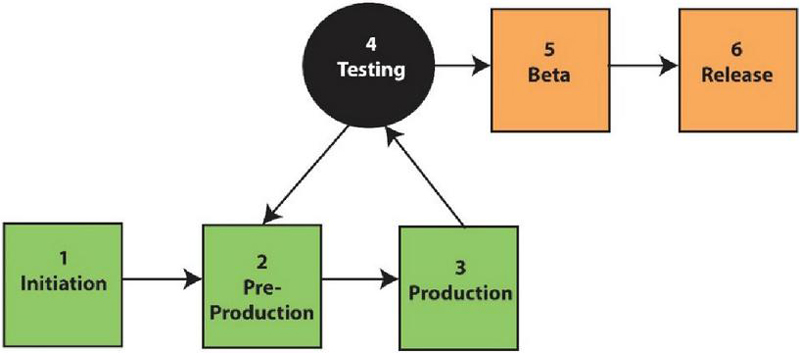
Figure 1 Game development life cycle [23].
3.4 Data Collection Procedure
The data collection process was conducted from November 2023 to July 2024 in selected elementary schools in Bandar Lampung, Indonesia. A mixed-methods approach [25] was employed. Data were collected using multiple instruments, including structured questionnaires, observation checklists, semi-structured interview guides, and game usage analytics, to ensure comprehensive coverage of cognitive, affective, and behavioral dimensions.
3.4.1 Preliminary survey
In the Initiation phase, a preliminary survey was conducted to gather insights into perceptions, expectations, and needs related to game-based learning in character education. The questionnaire instrument was developed based on previously validated scales in educational technology and character education studies and was adapted to the local context. Content validity was established through expert review involving three specialists in educational technology, computer science, and social science, while construct validity was assessed through pilot testing procedures. Reliability was assessed using Cronbach’s alpha, with a threshold of indicating acceptable internal consistency [26].
Quantitative data were obtained through structured Likert-scale questionnaires measuring attitudes, readiness, and preferences. Qualitative data were collected through open-ended responses and brief interviews. This phase provided baseline data that informed the design specifications of the game prototype.
3.4.2 Prototype testing
In the Beta phase, prototype testing was conducted to evaluate feasibility, usability, and educational value. Respondents included students, teachers, and external experts. Observation instruments were designed using standardized engagement indicators (e.g., attention, interaction, participation), while interview protocols were developed to ensure consistency across respondents. Data collection involved classroom observation and feedback sessions. Inter-rater reliability for observational data was ensured by involving two independent observers and calculating levels of agreement between them.
3.4.3 Data triangulation
To ensure validity and reliability, data from surveys, observations, interviews, and game analytics were triangulated. Methodological triangulation (across methods), data source triangulation (across participants), and investigator triangulation (across researchers) were systematically applied to enhance the credibility and trustworthiness of the findings [27].
3.5 Data Analysis Procedure
Data analysis followed a mixed-methods approach integrating quantitative and qualitative techniques. An explanatory integration strategy was employed; whereby quantitative results were analyzed first and subsequently elaborated through qualitative findings to provide a deeper and more nuanced interpretation.
Quantitative data from questionnaires were analyzed using descriptive statistics (means, frequencies, percentages). Additionally, where applicable, comparative analyses (e.g., pre-test and post-test comparisons) were conducted to identify changes in students’ perceptions and character-related outcomes [28]. Qualitative data from interviews and observations were analyzed thematically. The researchers transcribed and coded the data to identify recurring themes related to unity, tolerance, empathy, and cooperation [29]. To ensure analytical rigor, coding was conducted in multiple stages (open, axial, selective), and intercoder agreement was checked to maintain consistency.
By triangulating findings from multiple sources, the researchers ensured a high level of credibility and reliability. The integration of quantitative trends and qualitative insights enabled a more comprehensive and holistic evaluation of the prototype’s effectiveness, usability, and educational value in promoting Unity in Diversity among elementary school students.
4 Results and Discussion
4.1 Initiation
A survey was conducted among two elementary school classes using a questionnaire designed to measure five key criteria related to character education taught by teachers: enjoyment, cooperation, tolerance, patience, and learning. The survey, titled Student Perceptions of Character Values through Classroom Learning, aimed to explore how Grade 4 students perceive the development of these character values when engaging in educational activities. The participants consisted of two classes from an elementary school, with a total of 55 students – 25 students from Class A and 30 students from Class B – aged between 9 and 10 years old. The method involved administering a structured questionnaire after a two-week period during which students engaged in character education integrated into their regular classroom lessons. The survey was designed to capture students’ experiences and reflections on how classroom-based character education influenced their attitudes and behaviors related to the five targeted values the five targeted values. Figure 2 presents the results of students’ responses to the questionnaire.
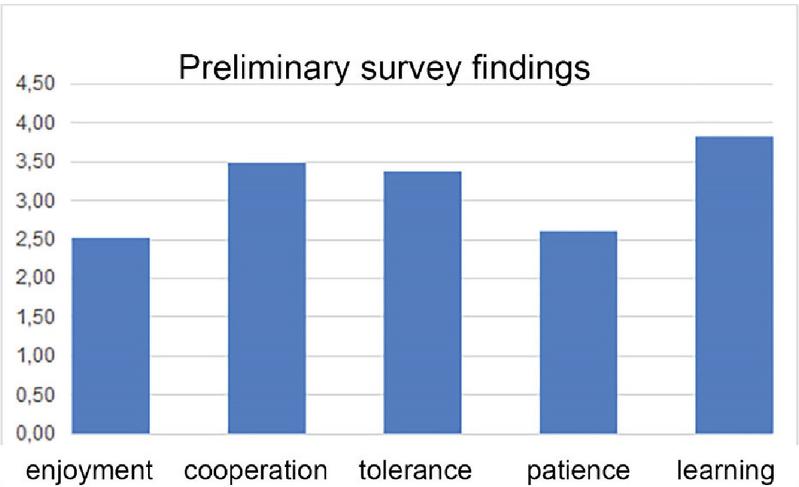
Figure 2 Results of students’ responses to the questionnaire.
Game-based learning played an important role in supporting character education, as reflected in the findings from the students’ survey responses. The results indicated that students not only enjoyed learning through games (mean score: 2.52) but also recognized the positive impact of educational games on values such as cooperation (3.49), tolerance (3.38), and patience (2.60). Most notably, the highest mean score was observed in the learning aspect (3.82), suggesting that students had perceived game-based activities as both effective and engaging educational tools.
These findings highlighted that, when thoughtfully designed, educational games could serve as powerful tools to foster essential character values. By creating interactive and immersive experiences, games helped students internalize values like teamwork, respect for differences, and perseverance in a more meaningful and lasting way. This supported the idea that integrating game-based learning into the classroom was not only beneficial for academic engagement but also crucial for holistic character.
The survey also included four teachers and 15 parents. Interviews with them revealed a strong consensus that game-based learning was an effective approach to supporting students’ character education. Both groups agreed that games could serve as effective tools for teaching important values in ways that were engaging and meaningful for children. The analysis of their responses revealed several dominant words – games, character, education, learning, help – which reflected the main ideas conveyed during the interviews, as shown in Figure 3. These keywords indicated that participants viewed games not merely as entertainment, but as meaningful educational resources that could aid in shaping students’ character. The repeated emphasis on these terms highlighted a shared belief that integrating games into the classroom could enhance students’ understanding of key values such as cooperation, respect, and responsibility, thereby supporting their overall moral and personal development.
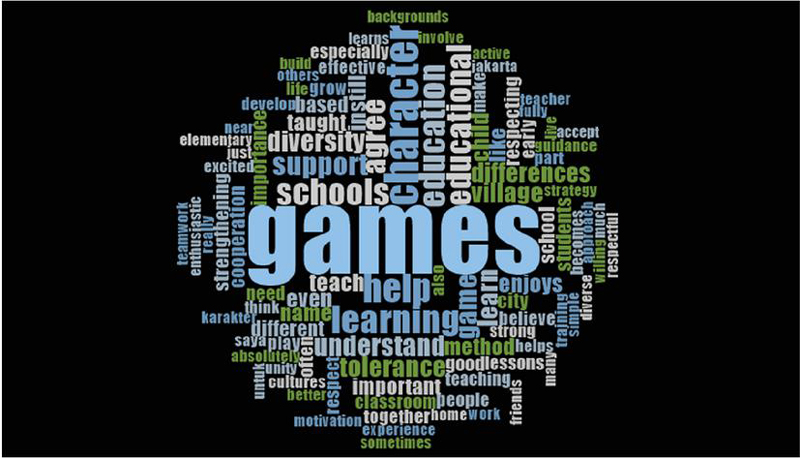
Figure 3 Word cloud of interviews with teachers and parents.
The preliminary survey findings indicated that game-based learning was viewed as an essential approach that should be further developed, particularly in the context of character education. Responses from both students and stakeholders suggested that educational games not only enhanced engagement but also provided meaningful opportunities to internalize important values such as cooperation, respect, and perseverance. The data highlighted a growing recognition of the potential of interactive learning tools to foster moral and personal development in ways that traditional methods might not have fully achieved. These results emphasized the importance of investing in the thoughtful design and integration of game-based strategies within the school curriculum.
4.2 Pre-Production
During the second phase of the pre-production phase, the research focused on the critical tasks of conceptualizing the applications to be developed and creating a detailed storyboard design. This stage laid the foundation for the development process, guiding the direction in which the applications would be built. Conceptualization involved identifying the core ideas, objectives, and functionalities that the applications should encompass, aligning them with the overarching theme of promoting Unity in Diversity.
Storyboard design focused on the visual and structural representation of how these applications would function. It outlined the sequence of interactions, the flow of content, and the integration of various elements, such as images, text, animations, and interactive features. The storyboard served as a visual roadmap that offered a clear and coherent plan for the development phase, ensuring that the applications aligned with the research objectives and effectively conveyed the intended learning outcomes related to Unity in Diversity.
4.2.1 Game design documents
Based on the research findings and discussions of the researchers and clients, the learning model was structured as described in Table 1.
Table 1 The concept of digital learning application
| Object | Description |
| User | Children, youth |
| Topics | – Pancasila as the Foundation: |
| – Cultural Pluralism: | |
| – Religious Harmony: | |
| – Language Diversity: | |
| – Traditional Practices: | |
| – Cultural Heritage: | |
| Application | Mobile game |
| – The mobile game will be available for download from the Play Store | |
| Multimedia object | Images, animations, text |
| Interactivity | Games, involving buttons and touchscreen interactions |
| Character style | Designed based on traditional Indonesian aesthetics |
Table 2 Storyboards
| Scene | Elements | Objective |
 |
Start: Pancasila as the Foundation Button: Start and Exit Description: Players click Start button to start playing. |
Explore the principles of Pancasila and how they promote the idea of Unity in Diversity. Discuss how these principles form the basis for Indonesia’s national identity. |
|
Cultural Pluralism Image: Indonesian culture Button: Check button Description: Players should identify the numbered symbol corresponding to the culture. |
Investigate the rich cultural diversity of Indonesia, including traditional arts, music, dance, clothing, and cuisine. Highlight how this cultural pluralism contributes to the nation’s uniqueness. |
|
Religious Harmony Image: Religious environment Button: Check button Description: Players should identify the numbered symbol corresponding to the religion. |
Discuss the coexistence of multiple religions in Indonesia, such as Islam, Christianity, Hinduism, Buddhism, and indigenous beliefs. Examine how religious tolerance is a core aspect of Pancasila. |
|
Language Diversity Image: People with different languages Button: Check button Description: Players should identify the numbered symbol corresponding to the language. |
Indonesia is home to hundreds of languages and dialects. Explore how Bahasa Indonesia became the official language, unifying the nation’s linguistic diversity. |
|
Traditional Practices: Image: People in traditional environment Button: Check button Description: Players should identify the numbered symbol corresponding to the environment. |
Delve into traditional customs and practices of different ethnic groups across Indonesia, from wedding ceremonies to festivals and rituals. |
|
Cultural Heritage Image: Cultural heritage Button: Check button Description: Players should identify the numbered symbol corresponding to the cultural heritage. |
Discuss the preservation and promotion of cultural heritage sites, museums, and historical landmarks in Indonesia. |
From a technical perspective, the contribution of this study lies in the integration of value-based character education into a structured mobile game architecture that combines multiple interactive learning modes within a single platform. The application incorporates a modular interaction design that blends quiz-based mechanics, scenario-driven simulations, and narrative storytelling, supported by multimedia elements such as animations, text, and culturally contextualized visual assets. Unlike standard educational games, this prototype emphasizes culturally responsive interface design grounded in Indonesian aesthetics, as well as adaptive interaction flows that guide users through progressive learning experiences aligned with character development objectives. In addition, the system is designed for accessibility and scalability on mobile devices, enabling seamless deployment via the Play Store while supporting real-time user interaction and feedback collection for iterative improvement.
4.2.2 First prototype
Storyboards were used to illustrate the complete narrative and interaction flow of the application. An example of a storyboard is presented in Table 2.
4.3 Production
The third phase, Production was the stage in which the preliminary game was developed. GameMaker Studio 2 was used to produce the game, and the displays can be seen in Figures 3, 4, and 5 [30]. It provides a comprehensive set of tools from concept to finished game. With no barriers to entry and powerful functionality, GameMaker Studio 2 is a leading 2D game development environment [31, 32].
Figure 4, as referenced in the description, displayed the content of the first scene, featuring an image of the Indonesian flag and a title. The image of the Indonesian flag is a powerful symbol of the nation’s identity and unity. The first scene evoked feelings of patriotism and pride among the audience, which was an essential aspect of fostering national identity. The inclusion of the flag in the first scene underscored the importance of visual communication. Visual elements such as the flag’s design and colors contributed to conveying the concept of unity, a fundamental aspect of the Indonesian national spirit.

Figure 4 First display of the game.
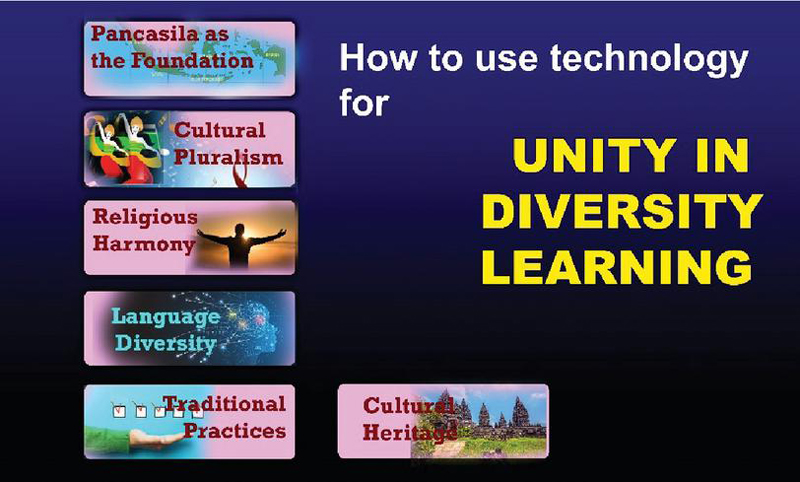
Figure 5 Table of contents.
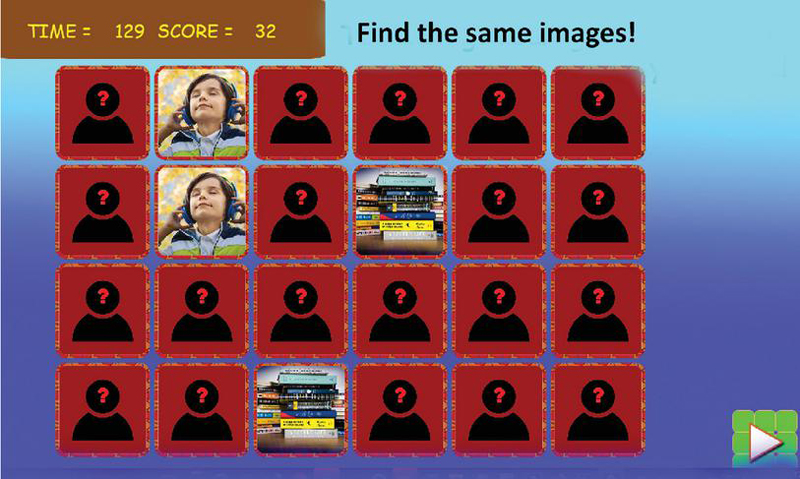
Figure 6 Display of the matching games.
Figure 5, table of contents of the game, provided insight into the themes and topics addressed, aligning with the principles of Pancasila. The table of contents reflects a structured approach to understanding the diverse facets of Indonesian society and culture through the lens of Pancasila. Each section likely presented educational content, interactive features, or storytelling related to the topic. By exploring these sections, the game aimed to engage players in a comprehensive examination of Pancasila’s principles and their real-world manifestations in Indonesia’s cultural, religious, and linguistic diversity.
Figure 6 depicts one of the games within the broader context of the virtual environment dedicated to exploring Pancasila’s principles and Indonesia’s cultural diversity. Specifically, the game shown is a matching game, where players were likely presented with a set of images or concepts and were required to match them with their corresponding pairs. Matching games are typically designed to challenge players’ memory, concentration, and problem-solving skills while reinforcing educational content. In the context of this virtual environment, the matching game serves as an interactive and engaging method to reinforce the understanding of Pancasila’s principles or other cultural aspects covered in the game’s content. Players might have been tasked with matching concepts related to Pancasila with their descriptions or matching images of cultural practices with the appropriate terms.
Matching games [33] are a popular format in educational game design because they promote active learning and provide immediate feedback to players. As players successfully matched pairs, they reinforced their understanding of the subject matter. This approach is an effective way to make learning both enjoyable and interactive. By incorporating a matching game into the virtual environment, the developers aimed to enhance players’ comprehension of Pancasila and Indonesia’s cultural diversity, providing an engaging and enjoyable educational experience.
4.4 Beta
4.4.1 Student evaluation
The fourth phase, Beta, was the stage that the preliminary game was tested by students. In addition, the evaluation of the preliminary product was conducted by subject matter experts in educational technology, computer science, and social science. Table 3 shows the questions that should be used by students to evaluate the application, presenting their respective mean scores and standard deviations as follows:
Table 3 Summary of student evaluation of the game-based learning application
| Statement | Mean | SD | Description |
| 1. I learned something new about being a good person. | 3.66 | 0.564 | Good |
| 2. The game helped me understand values like honesty, kindness, or respect. | 4.03 | 0.539 | Good |
| 3. I saw how to make good choices in the game. | 3.45 | 0.593 | Good |
| 4. I can use what I learned in real life. | 2.97 | 0.825 | Average |
| 5. I liked learning through a game more than from a book. | 3.96 | 0.636 | Good |
| Total mean | 3.61 | Good | |
| Note: 1.00 to 1.80 – Poor; 1.81 to 2.60 – Fair; 2.61 to 3.40 – Average; 3.41 to 4.20 – Good; 4.21 to 5.00 – Very good. | |||
Based on the results in Table 3, students generally gave positive evaluations of the game-based Character Education learning experience. The highest mean score (4.03) was for the statement, The game helped me understand values like honesty, kindness, or respect, indicating that the game was effective in conveying core character values. This suggests that the students not only enjoyed the game but also internalized the intended moral lessons. The statement, I liked learning through a game more than from a book also received a high mean score (3.96), reflecting students’ strong preference for game-based learning over traditional methods, and confirming the engaging nature of the approach.
The statement, I learned something new about being a good person received a mean score of 3.66, showing that the game contributed positively to students’ understanding of character education. Similarly, the statement I saw how to make good choices in the game had a mean score of 3.45, indicating that the game supported moral decision-making, although somewhat less strongly than the others.
However, the lowest mean score (2.97) was associated with the statement, I can use what I learned in real life. This suggests that while students recognized the value of the lessons within the game, they were less confident about applying them outside the game context. This indicates a potential area for improvement – ensuring that the learning activities within the game are more clearly connected to real-life situations. Overall, with a total mean score of 3.61, the students’ responses can be categorized as “good,” indicating the game-based learning prototype was positively received and generally effective in achieving its educational goals.
Interpretation of the prototype as effective in promoting character education is primarily based on perception-based data, including student questionnaire responses, as well as feedback from teachers, parents, and experts. These findings reflect participants’ positive evaluations of the game’s usability, engagement, and perceived contribution to the understanding of character values. However, it is important to note that this study does not directly measure behavioral change or learning outcomes through objective assessments. Therefore, the results should be interpreted as evidence of perceived effectiveness rather than a confirmed impact.
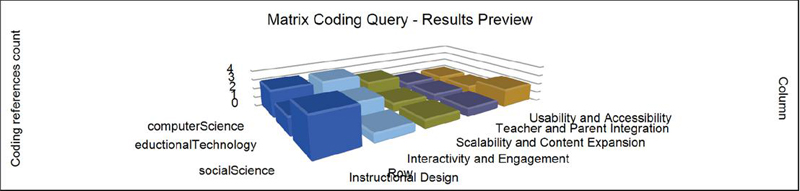
Figure 7 Matrix coding query presents evaluation on instructional design by experts in educational technology, computer science, and social science.
4.4.2 Expert evaluation
The expert evaluation process involved a group of specialists from educational technology, computer science, and social science to ensure multidisciplinary perspectives. Experts were selected based on criteria such as academic qualifications, professional experience in education or technology, and familiarity with game-based learning or character education. The evaluation data were analyzed using NVivo [34], with a thematic approach, beginning with open coding to identify meaningful units in expert responses, followed by categorization into key themes. These themes were organized into codes, including instructional design, interactivity and engagement, usability and accessibility, teacher and parent integration, and scalability and content expansion. A matrix coding query was conducted, as shown in Figure 7. The complete text of evaluation by a computer science expert is shown in Figure 8. Based on this structured coding process, targeted recommendations were developed to guide the refinement and improvement of the game-based learning prototype.
In summary, the matrix coding query illustrated that experts viewed the game-based prototype as an interactive, student-focused educational tool that supported character development through engaging and pedagogically sound design, as reflected in the recommendation as shown in Table 4.
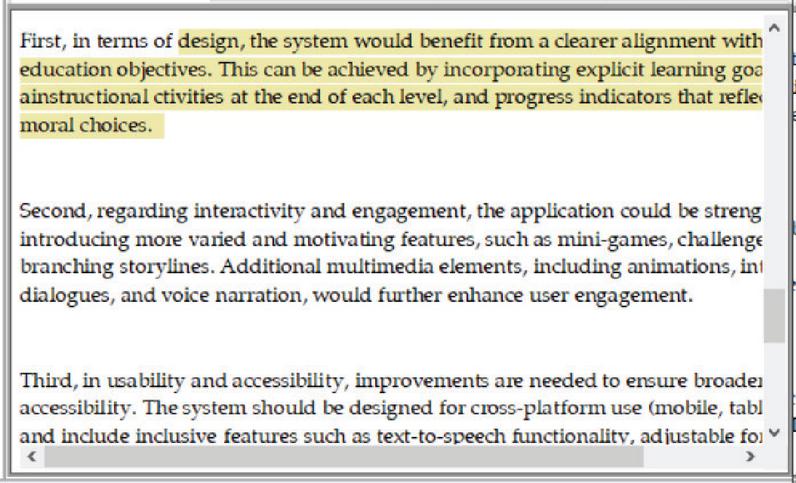
Figure 8 Evaluation by computer science.
Table 4 Summary of recommendation by experts in educational technology, computer science, and social science
| Area of | Expert | |
| Improvement | Recommendation | Required Changes |
| Instructional Design | Strengthen alignment with character education objectives | Add clear learning goals and reflection activities at the end of each level to ensure that students understand the intended character education objectives and can connect their in-game experiences with real-life values. Use progress indicators that reflect moral choices to help track students’ development in understanding values such as tolerance, respect, and cooperation, thereby supporting deeper and more meaningful learning. |
| Interactivity and Engagement | Increase variety and motivation through engaging features | The application could be strengthened by diversifying learning activities through more varied and motivating features, such as mini-games, interactive challenges, scenario-based tasks, and narrative-driven or branching storylines. The inclusion of richer multimedia elements – such as animations, interactive dialogues, audio narration, and feedback – would further enhance user engagement and help sustain students’ attention and motivation. |
| Usability and Accessibility | Improve technical accessibility across platforms | Improvements are needed to ensure broader technical accessibility by designing the application for cross-platform use (mobile, tablet, PC), making it inclusive and easy to use across different devices. Enhancing readability and simplifying navigation, along with incorporating accessibility features such as text-to-speech functionality, adjustable font sizes, high-contrast visuals, and audio support, would improve the overall user experience. |
| Teacher and Parent Integration | Involve adults in the learning process | The application should support greater involvement from adults by providing tools such as teacher dashboards or monitoring systems to track student progress. The inclusion of guidance materials for parents would help reinforce learning outcomes and character values beyond the classroom setting, strengthening the overall learning process. |
| Scalability and Content Expansion | Prepare for long-term use and future content updates | The application would benefit from a flexible and modular system design that enables ongoing content updates and future expansion. Integrating progress tracking, including cloud-based systems, would support continuous learning, long-term user engagement, and overall educational impact. |
5 Limitation of Research
This study has several limitations. Quantitative analysis relies primarily on descriptive statistics derived from questionnaire responses, focusing on participants’ perceptions of usability, engagement, and perceived character development. The study does not employ a pre-test/post-test design or include a control group for comparison with conventional teaching approaches. As a result, the findings do not provide causal evidence of learning improvement or behavioral change. Future research should incorporate experimental or quasi-experimental designs with pre-test/post-test measures and control groups to more rigorously evaluate the effectiveness of the proposed game-based learning model [35].
As this study does not include a control group or comparison condition, the positive responses observed cannot be attributed solely to the game-based approach, as novelty effects may have influenced student engagement. The findings are therefore limited to participants’ perceptions of usability and perceived educational value rather than causal evidence of learning or character development outcomes. Future research should employ experimental or quasi-experimental designs to more rigorously evaluate the effectiveness of the proposed model [35].
Additionally, this study is limited by its sample, which was drawn from two elementary schools in Bandar Lampung. As a result, the findings may not be fully generalizable to other regions or educational contexts with different cultural, socio-economic, or institutional characteristics. Future research should involve a larger and more diverse sample across multiple locations to enhance the generalizability of the results [24].
6 Conclusion
Expert evaluations of the game-based Character Education learning prototype indicated that the model held strong potential as an engaging and effective tool for elementary students. Experts across the fields of educational technology, computer science, and social science recognized its strengths in promoting student engagement, moral development, and interactive learning. However, they also identified several areas for improvement, including the need for clearer instructional design, enhanced usability, better integration with adult guidance, scalability, and data privacy safeguards. Díaz-Ramírez et al. [36] support these findings.
The expert recommendations summarized in Table 4 highlight key areas for enhancing the educational game prototype to ensure its effectiveness and sustainability. Experts from educational technology, computer science, and social science emphasized the importance of aligning instructional design more closely with character education goals by incorporating clear learning objectives, moral progress indicators, and reflective elements. To boost engagement, they suggested adding mini-games, interactive dialogues, and dynamic features like animations and narration. Usability improvements were recommended to ensure accessibility across platforms and user needs, including features such as text-to-speech and high-contrast visuals. Additionally, integrating teachers and parents through dashboards and guides was seen as vital to reinforcing learning outside the game. Finally, the experts advised adopting a modular and scalable design to accommodate future content expansion and support continuous, cloud-based learning. These insights provide a strategic roadmap for refining the prototype into a robust, inclusive, and impactful educational. These enhancements would help ensure that the game not only entertains but also successfully instills core character values in young learners, ultimately supporting broader goals of holistic education in the digital age, as supported by Swanson et al. [37].
Future research includes: (1) incorporate experimental or quasi-experimental designs with pre-test/post-test measures and control groups to more rigorously evaluate the effectiveness of the proposed game-based learning model; (2) employ experimental or quasi-experimental designs to more rigorously evaluate the effectiveness of the proposed model; and (3) involve a larger and more diverse sample across multiple locations to enhance the generalizability of the results.
Conflict of Interest
The authors declare that the research was conducted in the absence of any commercial or financial relationships that could be construed as a potential conflict of interest.
References
[1] A. S. Kamaruddin, “Character Education and Students Social Behavior,” J. Educ. Learn., vol. 6, no. 4, p. 223, 2012, doi: 10.11591/edulearn.v6i4.166.
[2] M. Y. Efendi and H. N. Lien, “Implementation of Multicultural Education Cooperative Learning to Develop Character, Nationalism and Religious,” J. Teach. Learn. Elem. Educ., vol. 4, no. 1, p. 20, 2021, doi: 10.33578/jtlee.v4i1.7817.
[3] J. Shu, Q. Hu, and M. Zhi, “Research on the learning Behavior of University Students in Blended Teaching,” Int. J. Inf. Educ. Technol., vol. 9, no. 2, pp. 92–98, 2019, doi: 10.18178/ijiet.2019.9.2.1180.
[4] S. G. Abbas, F. Shaheen, and A. Mahjabeen, “Investigating the Impact of Digital vs. Traditional reading habits on Comprehension and Engagement among Middle School Students,” Educ. Adm. Theory Pract., vol. 30, no. 6, pp. 4664–4672, 2024, doi: 10.53555/kuey.v30i6.7835.
[5] M. Sanders and A. George, “Viewing the Changing World of Educational Technology from a Different Perspective: Present Realities, Past Lessons, and Future Possibilities,” Educ. Inf. Technol., vol. 22, no. 6, pp. 2915–2933, 2017, doi: 10.1007/s10639-017-9604-3.
[6] J. L. Frost, “Learning Through Play: A Vital Pathway to Development,” Am. J. Play, vol. 12, no. 1, pp. 14–33, 2020, doi: 10.53721/ajp.v12i1.182.
[7] P. Batra, P. Pillai, and P. Kaim, “Quality Education from Teachers’ Perspective,” Int. J. Multidiscip., vol. 8, no. 6, pp. 44–52, 2024, doi: 10.31305/rrijm.2023.v08.n06.007.
[8] M. Paat, Z. W. M. Warouw, and Y. B. Mokalu, “Developing an Augmented Reality-Based Learning Tool for Gedi Plant Cultivation,” J. Mob. Multimed., vol. 21, no. 2, pp. 221–244, 2025, doi: 10.13052/jmm1550-4646.2122.
[9] D. Butler, “Peace and Harmony in the World Based on Pancasila and Bhinneka Tunggal Ika (Unity in Diversity ),” J. Multikultural Multireligi, vol. 15, no. 2, pp. 33–40, 2016.
[10] V. Setyawan, “Pancasila as a Philosophical basis of Law Formation in Indonesia,” Nusant. J. Law Stud., vol. 2, no. 1, pp. 1–8, 2023, https://juna.nusantarajournal.com/index.php/juna/article/view/29.
[11] D. P. Sari and S. Handayani, “Integration of Unity in Diversity Values in Elementary School Curriculum,” Indones. J. Educ. Stud., vol. 24, no. 2, pp. 103–112, 2021, doi: 10.12973/ijem.7.1.97.
[12] Kementerian Pendidikan dan Kebudayaan, Peraturan Menteri Pendidikan Dan Kebudayaan Nomor 67 Tahun 2013 Tentang Kerangka Dasar Dan Struktur Kurikulum Sekolah Dasar/Madrasah Ibtidaiyah. Jakarta: Kementerian Pendidikan dan Kebudayaan, 2014.
[13] Kemendikbudristek, “Kurikulum Merdeka: Buku panduan penyusunan kurikulum [Merdeka Curriculum: Curriculum preparation guide].” Kementerian Pendidikan, Kebudayaan, Riset, dan Teknologi Republik Indonesia, 2022.
[14] Suyadi and K. Selvi, “Digital Character Education for Generation Z: Game-Based Learning for Children in the 21st Century,” Int. J. Educ. Methodol., vol. 7, no. 1, pp. 97–100, 2021, doi: 10.12973/ijem.7.1.97.
[15] D. C. B. de Oliveira and R. L. de S. da Silva, “Moving Object Tracking for SLAM-based Augmented Reality,” J. Mob. Multimed., vol. 17, no. 2, pp. 577–602, 2021, doi: 10.13052/jmm1550-4646.1745.
[16] M. H. Shofyana, Y. I. Santoso, M. G. Aditama, E. H. Yulianti, and M. A. Wibisana, “Bridging Cultures: Integrating Game-based Learning based on Local Wisdom in ELT,” Teaching English Lang. Lit. J., vol. 12, no. 2, pp. 73–89, 2024.
[17] R. Ramadhani, R. Umam, A. Abdurrahman, and M. Syazali, “Game-Based Learning and Students’ Character Development in the Digital Age,” Int. J. Interact. Mob. Technol., vol. 15, no. 3, pp. 4–15, 2021, doi: 10.3991/ijim.v15i03.19035.
[18] D. Manullang, H. Banjarnahor, and L. Simanjuntak, “Developing Digital Story Telling and Educational Games to Improve Early Childhood Cognitive Ability,” Proc. 6th Annu. Int. Semin. Transform. Educ. Educ. Leadersh. (AISTEEL 2021), vol. 591, pp. 710–718, 2022, doi: 10.2991/assehr.k.211110.168.
[19] K. A. Ahmad et al., “Mobile Learning of Islamic Studies: A Comprehensive Review,” J. Adv. Res. Appl. Sci. Eng. Technol., vol. 48, no. 2, pp. 211–224, 2025, doi: 10.37934/araset.48.2.211224.
[20] Y. Zheng et al., “Effects of Digital Game-based Learning on Students’ Digital Etiquette Literacy, Learning Motivations, and Engagement,” Heliyon, vol. 10, no. 1, p. e23490, 2024, doi: 10.1016/j.heliyon.2023.e23490.
[21] A. Saud et al., “Systematic Review and Meta-analysis on Game-based Learning in Early Childhood Education,” Front. Psychol., vol. 15, p. 1307881, 2024.
[22] L. Pieva and M. Bernardino, “Trends and Research in Digital Game Project Management: A Systematic Literature Review,” J. Interact. Syst., vol. 15, no. 3, p. 3196, 2023, doi: 10.5753/jis.2023.3196.
[23] S. Aleem, L. F. Capretz, and F. Ahmed, “Game Development Software Engineering Process Life Cycle: A Systematic Review,” J. Softw. Eng. Res. Dev., vol. 4, no. 8, pp. 1–30, 2016, doi: 10.1186/s40411-016-0032-7.
[24] M. S. Alotaibi, “Game-based Learning in Early Childhood Education: A Systematic Review and Meta-analysis,” Front. Psychol., vol. 15, p. 1307881, 2024, doi: 10.3389/fpubh.2020.00149.
[25] R. Vebrianto, M. Thahir, Z. Putriani, I. Mahartika, A. Ilhami, and D. Diniya, “Mixed Methods Research: Trends and Issues in Research Methodology,” Bedelau J. Educ. Learn., vol. 1, no. 2, pp. 63–73, 2020, doi: 10.55748/bjel.v1i2.35.
[26] S. Yang et al., “Psychological Capital Mediates the Association between Perceived Organizational Support and Work Engagement among Chinese Doctors,” Front. Public Heal., vol. 8, p. 149, 2020, doi: 10.3389/fpubh.2020.00149.
[27] D. Byrne, “A Worked Example of Braun and Clarke’s Approach to Reflexive Thematic Analysis,” Qual. Quant., no. 0123456789, 2021, doi: 10.1007/s11135-021-01182-y.
[28] J. Hamari, L. Hassan, and A. Dias, “Gamification, Quantified-self or Social Networking? Matching Users’ Goals with Motivational Technology,” Inf. Technol. People, vol. 35, no. 2, pp. 701–722, 2022, doi: 10.1108/ITP-07-2020-0538.
[29] M.-T. Cheng, S.-J. Lou, and S.-H. Kuo, “Gamification in Education: A Systematic Review and Synthesis of Qualitative Literature,” Educ. Inf. Technol., vol. 27, no. 3, pp. 3447–3471, 2022, doi: 10.1007/s10639-021-10732-0.
[30] YOYOGAMES, “Let’s Make a Game,” YOYOGAMES. https://www.yoyogames.com/en/gamemaker (accessed Nov. 12, 2022).
[31] B. Gardiner, GameMaker Cookbook. Birmingham: Packt Publishing Ltd, 2015.
[32] M. Delucas, GameMaker Game Programming with GML. Birmingham: Packt Publishing Ltd, 2014.
[33] J. Habgood, N. Nielsen, K. Crossley, and M. Rijks, Game Development: The Game Maker’s Companion. New York, NY: Apress, 2010.
[34] J. Elliott, “The Craft of Using NVivo12 to Analyze Open-Ended Questions: An Approach to Mixed Methods Analysis,” Qual. Rep., vol. 27, no. 6, pp. 1673–1687, 2022.
[35] C. M. Hung, I. Huang, and G. J. Hwang, “Effects of Digital Game-based Learning on Students’ Mathematics Achievement,” Interact. Learn. Environ., vol. 22, no. 4, pp. 452–470, 2014.
[36] I. Díaz-Ramírez, J. Högberg, and P. Zaharias, “Integrating Gamification and Instructional Design to Enhance Usability of Online Learning,” Educ. Inf. Technol., vol. 27, no. 7, pp. 10147–10168, 2022, doi: 10.1007/s10639-022-11267-6.
[37] L. Swanson, D. Gagnon, and J. Scianna, “A Pilot Study on Teacher-facing Real-time Classroom Game Dashboards,” Proceedings of the 2022 CHI Play Conference on Designing, Developing, and Deploying Playful Computing, pp. 1–12, 2022, doi: 10.1145/3554636.3554645.
Biographies

Chairul Amriyah is a lecturer at the Fakultas Tarbiyah dan Keguruan, Universitas Islam Negeri Raden Intan Lampung, Indonesia. She obtained her Doctoral degree in Educational Technology from Jakarta State University. Currently, Dr. Chairul Amriyah serves as the Head of the Master’s Program (S2) in Islamic Religious Education, and previously served as the Head of the Madrasah Ibtidaiyah Teacher Education Study Program for two terms. Her research interests include Primary Education, Learning Models, and Moral Education. She is also a member of the Association of Madrasah Ibtidaiyah Teacher Education Lecturers (PGMI) and the Gurusiana professional community, and has served as the organizing committee chair for the PGMI Lecturers Association meeting held in Lampung, Indonesia.

Hadi Sutopo is a researcher at the Edu Digital Education Foundation, Indonesia. He earned his Doctorate in Educational Technology from Universitas Negeri Jakarta. He has authored numerous books on multimedia, information technology, educational technology, and qualitative research methods. Many of his articles on these topics have been published in international journals and conference proceedings. He has also reviewed numerous papers for international journals and conferences, covering a wide range of emerging topics in his research area, particularly multimedia. His current research focuses on multimedia, computer graphics, and various aspects of educational technology. Sutopo is a Senior Member of the Institute of Electrical and Electronics Engineers (IEEE). He is also a Senior Member of the International Association of Computer Science and Information Technology (IACSIT). He has served as Conference Chair for many international conferences and has organized numerous international academic events.

Dimas Yudi Witjaksono is a lecturer at the Faculty of Tarbiyah and Teacher Training, Universitas Islam Negeri Raden Intan Lampung, Indonesia. He holds a doctoral degree in Art Education from Universitas Pendidikan Indonesia. His research interests include graffiti as a form of social language, urban art, public art, visual culture, and community engagement. He is an active member of the Lampung Street Art community in Bandar Lampung and is involved in community-based urban art initiatives, including curatorial practices and collaborative art projects.

Sigit Yudi Prasetyo is an academic and practitioner in the field of Visual Communication Design. He holds both a bachelor’s and a master’s degree in Design, with a specialization in visual media, which have provided him with a strong academic foundation in concept-driven, research-based, and contemporary design practices. His research interests include typography, visual culture, semiotics, culture-based visual identity, and user interface/user experience (UI/UX) design. His primary focus is on exploring how local cultural elements – particularly Lampung scripts and symbols – can be transformed into contemporary visual communication design. He is also engaged in research on digital media and digital heritage, emphasizing the role of technology in cultural education through design. Professionally, Sigit is active as a lecturer and researcher, participating in academic activities such as seminars, scholarly publications, and research-based design development. He contributes to the advancement of visual communication design through a research-driven approach that integrates cultural theory, visual analysis, and creative practice. Through his work, he aims to promote design that is not only visually innovative but also culturally meaningful and intellectually grounded.
Journal of Mobile Multimedia, Vol. 22_2, 197–226.
doi: 10.13052/jmm1550-4646.2222
© 2026 River Publishers