Interactive Virtual Reality Learning Platform for Rice Milling Process: An Empirical Study of Rice Cooperative in Vientiane, Lao PDR
Chithtisack Khansulivong1, Pradorn Sureephong2, Punnarumol Temdee1 and Santichai Wicha1,*
1Computer and Communication Engineering for Capacity Building Research Center (CCC), School of Applied Digital Technology, Mae Fah Luang University, Chiang Rai, Thailand
2College of Arts, Media and Technology, Chiang Mai University, Chiang Mai, Thailand
E-mail: santichai@mfu.ac.th
*Corresponding Author
Received 05 December 2025; Accepted 13 May 2026
Abstract
Rice production plays a vital role in the economies of Southeast Asia; however, the increasing adoption of automated and digitally integrated rice milling systems has posed significant challenges for workforce training, particularly for inexperienced operators. To address this gap, this study proposes an Interactive Virtual Reality Learning Platform (IVRLP) designed to support immersive, experiential training for rice milling operations. The study adopts a mixed-methods approach, integrating quantitative pre- and post-training assessments with qualitative user feedback to evaluate the platform’s effectiveness. A total of 31 participants from rice milling cooperatives in Vientiane, Lao PDR, engaged with the IVRLP, which simulates key operational processes such as cleaning, separation, and polishing. Statistical analysis using a paired-samples t-test revealed significant improvements in learning outcomes. Specifically, process familiarity increased from M 3.12 (SD 0.84) to M 4.08 (SD 0.63), with a paired-samples t-test result of t 6.85, df 30, p 0.001, while operational confidence improved from M 3.05 (SD 0.91) to M 4.15 (SD 0.58), t 7.42, df 30, p 0.001. In addition, descriptive findings indicate high levels of user satisfaction, with 80.9% of participants reporting enhanced understanding and 78.5% expressing willingness to recommend the system.
Keywords: Virtual Reality, agricultural training, knowledge transfer, rice milling process, immersive learning, IVRLP.
1 Introduction
Rice production is a fundamental component of agriculture in the Association of Southeast Asian Nations (ASEAN). As both a staple food and a key economic commodity, rice plays a critical role in sustaining livelihoods and supporting national economies across the region. According to a 2021 report by the Overseas Trade Promotion Office in Manila and the Foreign Trade Promotion Office in Singapore [21], ASEAN remains one of the world’s leading rice-producing regions, generating over 120 million tons annually. Of this total, approximately 105 million tons are consumed domestically, while around 15 million tons are exported to regional and global markets. Despite this substantial production capacity, significant disparities in productivity and efficiency persist among ASEAN member states. Countries such as Thailand, Vietnam, Myanmar, Cambodia, and Lao PDR are recognized as major producers and exporters, whereas nations including Brunei and Singapore rely heavily on rice imports. Meanwhile, other member states, such as the Philippines, Indonesia, and Malaysia, continue to face challenges related to insufficient domestic production.
To increase domestic and international demand, rice mills have transitioned to smart factory models that integrate automation and advanced digital technologies. Contemporary rice milling systems, such as the Satake models developed in Japan [22], incorporate multiple functionalities, including paddy cleaning, automated material handling, digital weighing, and AI-based color sorting, thereby enhancing both processing efficiency and product quality. These technological advancements have transformed traditional rice mills into semi-automated production environments with reduced reliance on manual operations. However, this transition has also introduced new challenges related to workforce capability, occupational safety, and effective knowledge transfer. The growing complexity of machinery and system integration requires operators to possess higher levels of technical competence, a level that conventional training approaches may not adequately support.
Many operators and newly recruited workers in rice cooperatives struggle to manage the complex functions of modern milling systems. Insufficient technical training frequently results in operational inefficiencies, reduced productivity, and an increased likelihood of safety incidents. Common hazards in rice milling facilities include machinery-related injuries, electrical faults, excessive noise exposure, and respiratory issues associated with rice dust. These challenges are further intensified by inadequate training frameworks and the absence of effective, technology-enhanced learning tools. To address these challenges, innovative training approaches are required to bridge the gap between advanced technological systems and workers with limited experience.
Virtual Reality (VR) has been offering a promising solution by enabling immersive, interactive, and risk-free learning environments in many application domains [23]. With this context, this study proposes an Interactive Virtual Reality Learning Platform (IVRLP) that leverages spatial applications and immersive devices, such as head-mounted display (HMD) (e.g., Microsoft HoloLens), to support training in rice milling operations. The platform is designed to enhance workers’ understanding of process workflows, improve safety awareness, and facilitate efficient knowledge transfer within rural cooperative settings. Through realistic simulations of rice milling operations, trainees can safely acquire procedural knowledge and develop technical confidence prior to engaging with physical equipment.
This study focuses on rice processing systems within local cooperatives in Vientiane, Lao PDR, where semi-automated and fully automated machinery are increasingly adopted. These systems, which integrate automated material transport, AI-based quality inspection, and digital weighing, have significantly enhanced operational efficiency. However, they also require skilled human supervision to monitor machine performance, regulate environmental conditions such as temperature and humidity, troubleshoot system malfunctions, and manage emergency shutdown procedures. Without adequate training, workers are at risk of operational errors, productivity losses, and workplace accidents. Conventional training approaches, including observation-based learning and verbal instruction, are often insufficient for conveying complex mechanical processes and system interactions. To address this limitation, this study adopts a low-code/no-code spatial development platform IVRLP to design an accessible, interactive, and cost-effective training system. By simulating real rice milling environments, the platform enables workers to gain hands-on experience in a safe, controlled virtual setting before applying their knowledge in actual production settings. The proposed IVRLP enables trainees to visualize, manipulate, and interact with each stage of the rice milling process within a virtual environment, thereby enhancing comprehension, operational confidence, and procedural accuracy.
The remainder of this paper is structured as follows. The next section presents the theoretical framework and related literature, followed by research methodology and empirical findings. Finally, the study discusses the impact of the IVRLP on knowledge transfer, skill acquisition, and performance improvement within rice milling cooperatives.
2 Literature Review
Smallholder farmers and rural cooperatives have long faced systemic marginalization in both national and international agricultural production systems, despite their indispensable role in global food security [4]. This marginalization is particularly evident in South Asian contexts, where research priorities often overlook the specific constraints of smallholders [5]. In Southeast Asia, specifically Indonesia and the Philippines, social science research highlights a persistent gap in addressing the socio-technical needs of these farmers over the past two decades [6]. Addressing such knowledge gaps and training deficiencies is essential for enhancing productivity and ensuring long-term sustainability through modern platform-based information processing [7].
Historical precedents, such as the Green Revolution, underscore that the successful transfer of technology remains a decisive factor in agricultural modernization, provided that emerging technologies are integrated effectively [8]. The paradigm of smart farming has introduced transformative technologies, including big data analytics, to optimize complex agricultural production systems [9]. Furthermore, the integration of the Internet of Things (IoT) has become a cornerstone of modern smart farming infrastructure [10]. While these IoT-enabled sensors facilitate real-time environmental monitoring, there is a growing need for affordable solutions that integrate IoT with machine learning to broaden accessibility [11].
The successful adoption of these sophisticated systems by rural operators necessitates innovative pedagogical frameworks, particularly through machine-learning-based optimization of production processes [12]. Machine learning also plays a critical role in production planning and control within the era of Industry 4.0 [13]. To bridge the digital divide, Extended Reality (XR) technologies, including VR, have emerged as powerful instruments for vocational and industrial training [14]. The application of VR technology, specifically in the agricultural sector, has shown significant potential to modernize traditional practices [15]. Moreover, these immersive tools have a profound influence on the cultivation of technical skills among agricultural students [16].
In the rice milling industry, specialized operator training is paramount to maintaining product quality and optimizing milling parameters to achieve higher yields [17]. Research has also emphasized the importance of energy efficiency in rice milling machines to reduce operational costs [18]. Additionally, the use of rice milling byproducts offers an opportunity to create value-added products within the industry [19]. To minimize operational downtime, predictive maintenance using machine learning techniques has become essential [20]. Advanced modeling and data mining further enable analysis of complex rice mill production systems to enhance efficiency [21].
Recent systematic reviews confirm that VR in agricultural training provides a high-fidelity, risk-free learning environment [22]. Immersive VR has proven to be as effective as traditional methods in developing industrial and farming skills [23]. Finally, in resource-constrained settings such as smallholder farms, immersive VR training serves as a strategic catalyst for development, especially when aligned with regional food security policies and trade frameworks in the ASEAN economies [24].
2.1 Technologies for IVRLP
IVRLP is built on an XR ecosystem that integrates VR, Augmented Reality (AR), and Mixed Reality (MR) to deliver a multisensory, risk-free training environment. This immersive framework enables users to engage in realistic simulations of rice milling operations, thereby supporting experiential learning and enhancing skill acquisition in industrial contexts.
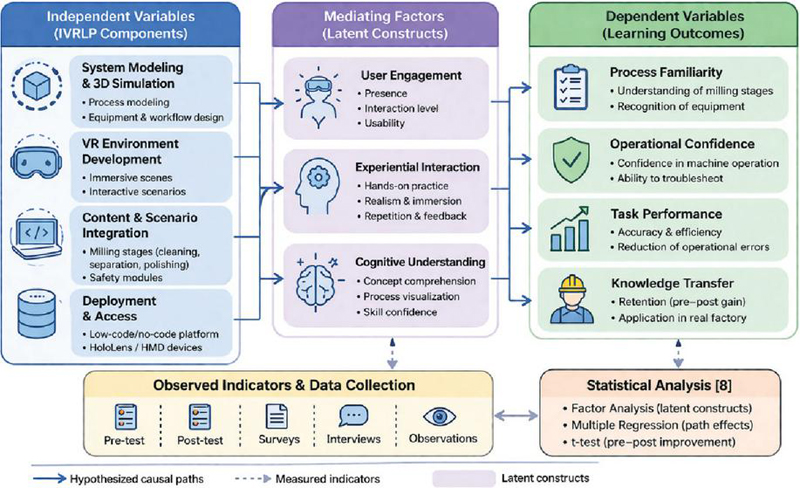
Figure 1 Technologies framework for IVRLP.
Figure 1 illustrates the technologies framework of the IVRLP, presenting the relationships between system components, mediating learning mechanisms, and training outcomes within a mixed-methods evaluation structure. The framework is organized into three primary components. First, the independent variables represent the core IVRLP system components, including system modeling and 3D simulation, virtual environment development, content and scenario integration, and system deployment through low-code/no-code platforms and HMD devices. These components collectively define the technological and instructional design of the immersive training system.
Second, the mediating factors are latent constructs that explain how learning occurs in the virtual environment. These include user engagement (e.g., presence, interaction level, and usability), experiential interaction (e.g., hands-on practice, realism, and repetition), and cognitive understanding (e.g., concept comprehension and process visualization). These mediators play a critical role in transforming system interaction into meaningful learning experiences.
Third, the dependent variables represent the learning outcomes achieved through the IVRLP. These include process familiarity, operational confidence, task performance, and knowledge transfer. These outcomes reflect improvements in users’ understanding of rice milling processes, their confidence in operating machinery, and their ability to apply acquired knowledge in real-world settings.
The framework also incorporates observed indicators and data collection methods, including pre- and post-training assessments, questionnaires, interviews, and field observations, which provide measurable evidence of learning improvement. These data are analyzed using statistical techniques based on the Score-Based Framework [11], including factor analysis, multiple regression analysis, and paired-samples t-tests, enabling the evaluation of both direct and indirect relationships among variables.
Overall, the framework demonstrates that the IVRLP system components influence learning outcomes through mediating experiential and cognitive processes, providing a comprehensive model for assessing the effectiveness of immersive training in agricultural vocational contexts.
3 Methodology
This section provides a more detailed explanation of the research rationale and context, along with an overview of the study’s methodology.
3.1 Research Justification and Context
Figure 2 presents the overall research justification and context, illustrating the application of a convergent parallel mixed-methods design within a rice milling cooperative in Vientiane, Lao PDR. IVRLP serves as the central intervention, enabling immersive, experiential learning in a simulated environment.
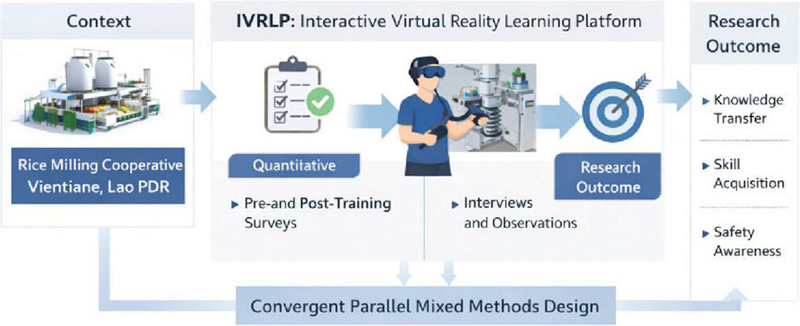
Figure 2 Research justification and context.
From Figure 2, quantitative data were collected through pre- and post-training surveys to assess changes in knowledge and operational confidence, while qualitative data were obtained from interviews and observations to capture user experience and system usability. The integration of both data streams provides a comprehensive evaluation of learning outcomes, including knowledge transfer, skill acquisition, and safety awareness, thereby strengthening the study’s validity and practical relevance.
3.2 Research Methodology for IVRLP Development
Figure 3 illustrates the research methodology for IVRLP development, structured into four sequential phases: data collection, platform design and development, testing and evaluation, and ethical considerations. The process begins with comprehensive data collection, including site surveys, field observations, and baseline questionnaires conducted within rice milling cooperatives in Vientiane, Lao PDR. This phase aims to capture real-world operational workflows, machine interactions, and users’ initial levels of knowledge and confidence, ensuring that the virtual simulation accurately reflects practical conditions.
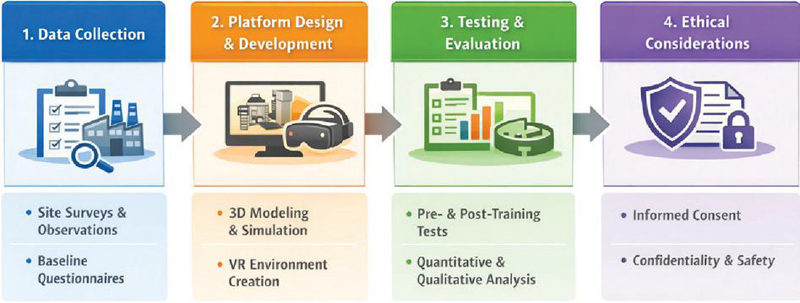
Figure 3 Research methodology for IVRLP development.
Based on these inputs, the platform design and development phase focuses on translating real-world data into an immersive learning environment. This involves creating 3D models of rice milling machinery and workflows, as well as developing interactive scenarios that replicate key operational processes such as cleaning, separation, and polishing. Low-code/no-code development platforms are utilized to ensure system accessibility, scalability, and efficient deployment, while maintaining a balance between visual realism and system performance.
The testing and evaluation phase assesses the IVRLP’s effectiveness in enhancing learning outcomes. Participants engage with the virtual environment by performing simulated tasks, thereby enabling experiential, hands-on learning. A pre- and post-training assessment design is employed to measure improvements in process familiarity, operational confidence, and task performance. Quantitative data are analyzed using statistical techniques, while qualitative data from interviews and observations provide deeper insights into user experience, engagement, and system usability.
Finally, ethical considerations are integrated throughout the research process. All participants provide informed consent prior to participation, and confidentiality is strictly maintained. The use of a virtual training environment minimizes the physical risks associated with real machinery, ensuring a safe and controlled learning environment. This structured methodology ensures the validity, reliability, and practical applicability of the research outcomes.
3.3 Experiential Learning and User Perception
Figure 4 illustrates the experiential learning process facilitated by the IVRLP within a real rice milling environment.
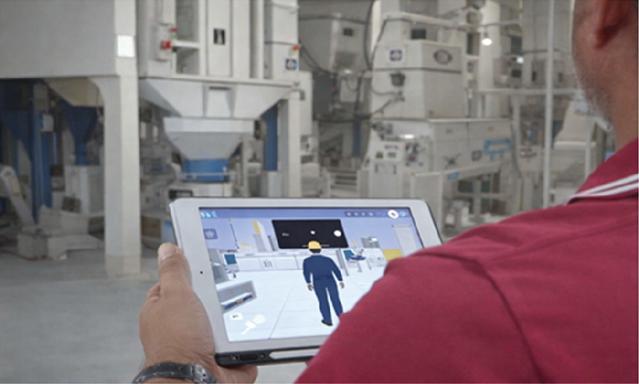
Figure 4 Implementation of the IVRLP in a real rice milling environment.
As shown, participants interact with a tablet-based virtual simulation that mirrors actual machinery and workflows, enabling them to engage with operational tasks in a contextualized and immersive manner. This approach supports experiential learning by allowing users to visualize processes, practice procedures, and develop familiarity with equipment prior to real-world operation. From a phenomenological perspective, this interaction provides insight into how users perceive and internalize the learning experience, capturing their cognitive engagement, confidence development, and readiness to perform tasks. The integration of virtual simulation with the physical environment thus enhances both knowledge acquisition and user perception, reinforcing the effectiveness of IVRLP as a training tool.
Table 1 Participant demographics and survey results (n 31 participants)
| Question | Responses |
| Age Distribution | 7.2% (18 and lower) |
| 35.7% (18–25), | |
| 33.3% (25–35) | |
| 23.8% (35+), | |
| Gender | 73.3% Female, 26.7% Male |
| Experience in the Rice Milling Industry | 45.3% (1 year) |
| 23.8% (1–3 years) | |
| 11.9% (3–5 years), | |
| 19% (5 years) | |
| Familiarity with Cleaning Process (Level 4 & 5) | 42.9% |
| Familiarity with Separation Process (Level 4 & 5) | 33.3% |
| Familiarity with Polishing Process (Level 4 & 5) | 42.9% |
| Confidence After Using IVRLP (Level 4 & 5) | 64.3% |
| Recommendation of IVRLP (Level 4 & 5) | 78.5% |
| Belief that System Enhances Understanding (Level 4 & 5) | 80.9% |
4 Participant Demographics and Survey
From Table 1, the demographic profile indicates that the majority of participants were between 18 and 35 years old (69.0%), with 35.7% aged 18–25 and 33.3% aged 25–35. Participants aged 35 and above accounted for 23.8%, while 7.2% were below 18 years old. In terms of gender distribution, 73.3% of respondents were female and 26.7% were male. Regarding professional experience in the rice milling industry, 45.3% of participants had less than one year of experience, indicating that the sample predominantly consisted of novice users. Participants with 1–3 years, 3–5 years, and more than 5 years of experience accounted for 23.8%, 11.9%, and 19.0%, respectively. These demographic findings suggest that the study sample largely comprises early-stage or inexperienced workers, which is appropriate for evaluating the IVRLP’s effectiveness as a training tool for skill development and knowledge acquisition.
5 Results and Discussion
5.1 Participant Demographics and Survey Results
The demographic characteristics of the participants, including age, gender, and professional experience, were detailed in Section 4 (and summarized in Table 1). This diverse sample, comprising both novice and experienced cooperative members, provides a comprehensive basis for analysing the subsequent survey results regarding the platform’s effectiveness.
Following the implementation of the IVRLP, participants demonstrated notable improvements in familiarity with key rice milling processes. High-level familiarity (Levels 4–5) was reported by 42.9% of participants for both the cleaning and polishing processes, while 33.3% achieved similar proficiency in the separation process, suggesting that this stage is relatively more complex. These findings are supported by statistical analysis, which revealed significant improvements across all processes , with mean familiarity scores increasing substantially from pre-training to post-training assessments.
In addition to improved technical understanding, participants reported positive perceptions of the system, with 78.5% indicating willingness to recommend the IVRLP for training. Overall, the results suggest that the platform is effective in enhancing both knowledge acquisition and user confidence, particularly among participants with limited prior experience.
5.2 Paired-Samples t-test Results
To evaluate the effectiveness of the IVRLP, a paired-samples t-test was conducted to compare participants’ performance before and after the training intervention (n 31). The analysis focused on two key outcome variables: process familiarity and operational confidence. As shown in Table 2, the results indicate statistically significant improvements in both variables after using the IVRLP . Specifically, participants demonstrated increased mean scores in process familiarity and operational confidence, suggesting that the immersive training environment effectively enhanced both technical understanding and user readiness for real-world operations.
Table 2 Paired-samples t-test results of process familiarity and operational confidence
| Variable | Pre-test Mean (SD) | Post-test Mean (SD) | t-value | p-value |
| Process Familiarity | 3.12 (0.84) | 4.08 (0.63) | 6.85 | 0.001 |
| Operational Confidence | 3.05 (0.91) | 4.15 (0.58) | 7.42 | 0.001 |
5.2.1 Process familiarity
Results of the paired-samples t-test indicate a significant improvement in participants’ process familiarity after using the IVRLP. The mean score increased from M 3.12 (SD 0.84) in the pre-test to M 4.08 (SD 0.63) in the post-test. This difference was statistically significant, t(30) 6.85, p 0.001.
This finding suggests that the IVRLP effectively enhances users’ understanding of rice milling processes, including cleaning, separation, and polishing stages. The immersive and interactive nature of the platform allows participants to visualize workflows and engage in simulated operations, thereby improving cognitive comprehension and process recognition. The substantial increase in post-test scores demonstrates the platform’s ability to bridge the gap between theoretical knowledge and practical application, particularly for users with limited prior experience.
5.2.2 Operational confidence
Similarly, a significant improvement in participants’ operational confidence was observed following use of the IVRLP. The mean score increased from M 3.05 (SD 0.91) on the pre-test to M 4.15 (SD 0.58) on the post-test, with the difference statistically significant, , . This result indicates that the IVRLP not only improves knowledge but also strengthens users’ confidence in performing machine operations and handling real-world tasks. The ability to practice in a safe, virtual environment reduces anxiety associated with complex machinery and allows users to become familiar through repeated interaction. As a result, participants reported greater confidence in executing operational procedures and troubleshooting potential issues.
5.3 Experimental Results and Discussion
The experimental results demonstrate that the IVRLP significantly improves both cognitive understanding and practical confidence in rice milling operations. The paired-samples t-test revealed statistically significant increases in process familiarity (, ) and operational confidence (, ), confirming the platform’s effectiveness in enhancing learning outcomes. These quantitative findings are consistent with the survey results, which indicate high levels of perceived usefulness, user satisfaction, and willingness to adopt the system (78.5%). Notably, the improvements were most evident among participants with limited prior experience, suggesting that the IVRLP is particularly effective in supporting novice learners by bridging the gap between theoretical knowledge and hands-on practice. The platform’s immersive, interactive nature enables users to engage in realistic simulations, reinforcing experiential learning and facilitating knowledge retention. Furthermore, variations in familiarity across different milling stages, particularly the relatively lower performance in the separation process, highlight the need for adaptive or more intensive simulation design for complex tasks. Overall, the integration of immersive technology with a structured training approach provides a scalable and effective solution for vocational skill development in agricultural contexts. This study confirms the effectiveness of the IVRLP as a transformative training tool for rice milling operations in Vientiane, Lao PDR. Results from paired-samples t-tests and user feedback demonstrate that the IVRLP’s immersive, risk-free environment significantly enhances process familiarity and operational confidence, particularly for inexperienced workers, while achieving high levels of user satisfaction. By bridging the gap between theoretical knowledge and practical skill acquisition, the platform offers a scalable and safe solution for vocational training in technology-intensive agricultural sectors. Although the study is limited by a small, geographically specific sample size, the findings underscore the potential of experiential VR learning to modernize workforce development. Future research should expand to larger, more diverse cohorts and refined simulation scenarios to further assess long-term skill retention. Ultimately, the IVRLP serves as a strategic catalyst for improving productivity, safety, and technological adaptation in emerging economies.
6 Conclusion
This study demonstrates that the Interactive Virtual Reality Learning Platform (IVRLP) is an effective and scalable solution for enhancing vocational training in rice milling cooperatives within developing contexts. By integrating immersive simulation with a mixed-methods evaluation framework, the platform successfully bridges the gap between complex industrial technologies and operators with limited experience. The empirical findings confirm that IVRLP significantly improves participants’ process familiarity, operational confidence, and overall learning engagement, while also addressing critical limitations associated with conventional training approaches. Beyond its immediate application, the IVRLP represents a transformative approach to agricultural education, enabling safe, repeatable, and experiential learning in environments where access to hands-on training is often constrained. The platform’s low-code development strategy further supports accessibility and adaptability, making it suitable for deployment across diverse rural and resource-limited settings. However, several limitations remain. Challenges related to user interface usability and initial system navigation highlight the need for more intuitive design and guided instructional support. Future research should focus on integrating adaptive learning mechanisms, real-time performance analytics, and mobile-compatible solutions to further enhance system effectiveness and scalability. Additionally, comparative studies across different agricultural sectors and training modalities would provide deeper insights into the broader applicability of immersive learning technologies. In conclusion, the IVRLP offers a robust foundation for advancing digital transformation in agricultural training. By facilitating effective knowledge transfer and skill development, the platform contributes to workforce readiness, operational safety, and sustainable capacity building in emerging economies.
Acknowledgments
This research was supported by the Computer and Communication Engineering for Capacity Building Research Center (CCC), School of Applied Digital Technology, Mae Fah Luang University, in collaboration with the PAK-Thai Research Group. The authors gratefully acknowledge the contributions and institutional support from the School of Applied Digital Technology, Mae Fah Luang University, Chiang Rai, Thailand; the College of Arts, Media, and Technology, Chiang Mai University, Thailand; and the National University of Sciences and Technology (NUST), Pakistan.
References
[1] Ministry of Industry and Commerce. “Strategic plan for digital transformation in agricultural cooperatives” [in Lao]. Vientiane, Lao PDR: Ministry of Industry and Commerce, 2023.
[2] FAO. “Digitalization in agriculture: Driving efficiency and sustainability in Southeast Asia” (FAO Agricultural Development Report No. 12). Food and Agriculture Organization of the United Nations, 2021. https://www.fao.org/publications.
[3] NNT. “Smart agriculture initiatives: Scaling up digital solutions for smallholder farmers.” National News Bureau of Thailand, 2022. https://thainews.prd.go.th.
[4] A. John and M. Fielding, “Rice production constraints and ‘new’ challenges for South Asian smallholders: Insights into de facto research priorities,” J. Agric. Sci. Technol., vol. 12, no. 4, pp. 233–245, 2021.
[5] P. Cuaton and L. L. Delina, “Two decades of rice research in Indonesia and the Philippines: A systematic review and research agenda for the social sciences,” Asian J. Agric. Develop., vol. 18, no. 1, pp. 45–63, 2022.
[6] M. Amiri-Zarandi, M. H. Fard, S. Yousefinaghani, M. Kaviani, and R. Dara, “A platform approach to smart farm information processing,” Comput. Electron. Agric., vol. 194, Art. no. 107678, 2022.
[7] V. Moysiadis, P. Sarigiannidis, V. Vitsas, and A. Khelifi, “Smart farming in Europe: An overview of emerging technologies,” Comput. Electron. Agric., vol. 196, Art. no. 106891, 2022.
[8] S. Wolfert, L. Ge, C. Verdouw, and M. J. Bogaardt, “Big data in smart farming: A review,” Agric. Syst., vol. 153, pp. 69–80, 2017.
[9] R. Dagar, S. Som, and S. K. Khatri, “Smart farming - IoT in agriculture,” Int. J. Comput. Appl., vol. 180, no. 44, pp. 19–23, 2018.
[10] R. Varghese and S. Sharma, “Affordable smart farming using IoT and machine learning,” J. Appl. Comput. Inf. Technol., vol. 28, no. 2, pp. 111–123, 2020.
[11] D. Weichert, P. Link, A. Stoll, S. Rüping, S. Ihlenfeldt, and S. Wrobel, “A review of machine learning for the optimization of production processes,” Int. J. Adv. Manuf. Technol., vol. 104, no. 9, pp. 3185–3200, 2019.
[12] J. P. U. Cadavid, S. Lamouri, B. Grabot, R. Pellerin, and A. Fortin, “Machine learning applied in production planning and control: A state-of-the-art in the era of Industry 4.0,” J. Intell. Manuf., vol. 31, pp. 1531–1558, 2020.
[13] A. D. Kaplan, J. Cruit, and P. A. Hancock, “The effects of virtual reality, augmented reality, and mixed reality as training enhancement methods: A meta-analysis,” Hum. Factors, vol. 63, no. 4, pp. 706–718, 2021.
[14] H. Li, “Analysis of virtual reality technology applications in agriculture,” IEEE Access, vol. 9, pp. 12547–12560, 2021.
[15] Y. Wang, “The influence of virtual reality technology on the cultivation of agricultural students,” J. Agric. Educ. Ext., vol. 28, no. 3, pp. 377–391, 2022.
[16] A. K. Singh, B. K. Singh, and S. K. Singh, “Optimization of rice milling parameters for improved head rice yield and quality,” J. Food Sci. Technol., vol. 49, no. 6, pp. 787–792, 2012.
[17] M. A. Rahman, M. A. Islam, and M. A. Rahman, “Energy efficiency of rice milling machines: A review,” Int. J. Agric. Eng., vol. 6, no. 2, pp. 97–104, 2013.
[18] M. A. Rahman, M. A. Islam, and M. A. Rahman, “Rice milling byproducts: Potential for value-added products,” Proc. Int. Conf. Food Sci. Technol., pp. 234–239, 2015.
[19] Kumar, A., and Singh, R. Predictive maintenance in rice milling using machine learning techniques: A review. International Journal of Engineering Research & Technology (IJERT), vol. 9, no. 7, pp. 123–128, 2020.
[20] Smith, J., and Jones, M. (2021). Modelling and analysis of a rice mill production system using a combination of dynamic simulation and data mining. Computers and Electronics in Agriculture, 180, Art. no. 105859.
[21] J. Smith and K. Lee, “Virtual reality in agricultural training: A systematic review,” Comput. Electron. Agric., vol. 210, Art. no. 107976, 2023.
[22] Y. Chen, L. Zhao, P. Liu, and M. Lin, “Immersive VR for industrial and farming skills development: Comparative effectiveness study,” J. Agric. Educ., vol. 63, no. 4, pp. 341–355, 2022.
[23] R. Johnson, T. Pham, and S. Nguyen, “Effectiveness of immersive VR training in resource-constrained settings: A case study of smallholder farms,” Int. J. Agric. Educ. Ext., vol. 27, no. 2, pp. 89–104, 2021.
[24] S. Getahun, H. Kefale, and Y. Gelaye, “Application of precision agriculture technologies for sustainable crop production and environmental sustainability: A systematic review,” The Scientific World Journal, Art. no. 2126734, 2024.
Biographies

Chithtisack Khansulivong is a student in the field of Computer and Communication Engineering for the Capacity Building Research Center, School of Information Technology, Mae Fah Luang University, Thailand. His research focuses on the New Technology Learning Platform (IVRLP) for the Agriculture section.

Pradorn Sureephong received his double degree in Informatique from Universite Lumiere Lyon 2, France, and in Knowledge Management from Chiang Mai University, Thailand. He is the associate director in innovation and joint ventures and head of the master’s degree program in Digital Technology Management at the College of Arts, Media and Technology. He is also the president of the Electrical, Electronics, Computer, and Telecommunications Engineering Association (ECTI – North Section).

Punnarumol Temdee received a B.Eng. in Electronic and Telecommunication Engineering, M.Eng. in Electrical Engineering, and Ph.D. in Electrical and Computer Engineering from King Mongkut’s University of Technology Thonburi, Thailand. She is currently a lecturer at the School of Applied Digital Technology, Mae Fah Luang University. Her research expertise is artificial intelligence-based applications, context-aware computing, and pattern classification.

Santichai Wicha received the bachelor’s degree in information technology from Mae Fah Luang University, the master’s degree in Technology of Information System Management at Mahidol University, and the philosophy of doctorate degree in Knowledge Management, College of Arts, Media and Technology, Chiang Mai University, Thailand. His interests are digital transformation, intelligent classrooms, and intelligent farming.
Journal of Mobile Multimedia, Vol. 22_3, 275–292
doi: 10.13052/jmm1550-4646.2231
© 2026 River Publishers