Creating a Virtual Environment with Cybersickness Mitigation Techniques Based on Researchers’ Recommendations: An Exploratory Study
Mauricio Vásquez-Carbonell1,* and Juan C. Torres2
1Universidad Simón Bolívar, Facultad de Ingenierías, Barranquilla, Colombia
2Department of Software Engineering, University of Granada, Granada, Spain
E-mail: mauricio.vasquez@unisimon.edu.co; jctorres@ugr.es
∗Corresponding Author
Received 29 December 2025; Accepted 07 July 2026
Abstract
This study investigated the incidence of cybersickness in engineering students exposed to a custom-designed virtual reality (VR) environment developed by applying mitigation techniques recommended in the prior literature. Conducted at Simón Bolívar University in Barranquilla, Colombia, the study involved 76 participants using a Lenovo ThinkStation with a Lenovo ThinkReality VRX headset to interact with a Unity-based game focused on stacking cubes. Preventive techniques were implemented, including the use of cool color schemes, movement restriction, high resolution and frame rates, and a maximum exposure time of 15 minutes. Participants completed the simulator sickness questionnaire (SSQ), and qualitative feedback was collected through interviews. Results showed that 25% of participants reported cybersickness, a rate consistent with prior studies (20–40%). Significant associations were found with visual and cognitive symptoms such as blurred vision, head pressure, and difficulty focusing, while eye strain and sweating were not significant. Contrary to expectations, age, gender, prior VR experience, and videogame total playtime did not predict cybersickness. However, videogame session frequency was strongly associated, suggesting exposure distribution is more influential than total duration.
Keywords: Virtual reality, virtual environment, user experience, cybersickness, simulator sickness questionnaire.
1 Introduction
The benefits of using virtual reality (VR) in education are undeniable. This technology, which enables users to explore computer-generated artificial worlds, has proven to be both educational and an excellent training tool across various fields. Its strength lies in the ability to simulate scenarios that would be hard to experience in real life, whether due to their complexity or the potential danger they pose to the user [1, 2]. By guaranteeing the repeatability of an action or procedure under professional supervision and relieving users from the responsibility of causing harm, students can focus more on the task at hand. This is particularly beneficial in fields like medicine, where activities can be practiced without the fear of harming a patient [3, 4], or in nuclear energy [5, 6], where a wrong decision does not carry dangerous consequences. The primary benefit of this tool is the motivation it creates for engaging in various activities [7, 8]. Furthermore, the use of VR in education can enhance student engagement to the extent that it may serve as a complement to traditional teaching methods. However, it is crucial to emphasize that VR’s true strength lies in supporting teachers, especially those who understand the tool’s advantages and their educational methods, rather than replacing conventional educational approaches [9–11].
While VR provides significant benefits in the educational sector, one major drawback is the risk of cybersickness. This condition, which can cause symptoms ranging from mild dizziness to vomiting, affects a substantial portion of users (almost 50% in some studies) who engage with virtual environments, particularly when using specialized VR devices [12]. To ensure a positive user experience, it is crucial to incorporate the latest techniques, device configurations, and experts’ advice when designing virtual worlds. This paper documents the incidence of cybersickness in a VR scenario developed by applying these guidelines and contextualizes this incidence against previously reported rates.
2 Cybersickness
One of the most common negative conditions that affects the user experience in virtual environments is cybersickness, also known as motion sickness or simulation sickness. Since the late 1980s, this condition has been known and its wide range of effects on certain users, ranging from mild headaches to nausea and vomiting, and the severity of symptoms often escalates the longer a user remains in a virtual environment [13, 14]. It is estimated that 25% to 40% of the population may experience some form of cybersickness, potentially hindering its widespread acceptance and adoption [12]. Furthermore, some studies have raised this estimate to a 45% and 49% occurrence rate [14, 15]. Additionally, it has been observed that women are more likely to experience this condition [16].
However, reducing the occurrence of this condition to factors like gender or age is misleading. In reality, multiple factors can contribute to cybersickness. For instance, some individuals may experience it while interacting with something as simple as a television or playing videogames. Certain conditions, such as engaging with highly realistic virtual environments like a roller coaster simulation, can exacerbate its onset. This suggests that the type of content consumed is directly related to the likelihood of experiencing cybersickness. Additionally, the use of electronic devices for viewing three-dimensional (3D) content has an impact, as head-mounted devices like VR goggles play a significant role in triggering this condition [17].
One possible cause of this condition is the conflict between vergence, the movement of the eyes inward or outward to focus on an object, and accommodation, the adjustment of the eye’s lens focal length to maintain a clear image of the target [18].
However, the most commonly attributed cause of this condition is the conflict that arises between eye movements and head movements. This occurs when the eyes perceive simulated movement in a virtual environment, while the vestibular system, responsible for sensing spatial orientation and movement, does not detect any actual motion. This mismatch generates conflicting signals, leading to symptoms such as dizziness and nausea, among many others. These effects are often more pronounced when a user interacts with devices known as head-mounted displays (HMDs) [19]. This occurs because HMDs fully obstruct the user’s view of reality, eliminating any point of reference or orientation, a situation that does not arise with non-mounted displays like televisions and monitors.
Another possible cause is vection. Although it seems reasonable to link vection (the illusion of movement while being physically stationary, often experienced in virtual reality) with cybersickness, research has shown that vection is not always the underlying cause of this condition [20]. In reality, multiple factors can influence the onset of this condition, including elements such as the speed of perceived motion [21], the size [22] of the visual stimuli, exposure interval [20], and acceleration [23].
There are numerous factors that can contribute to a user experiencing cybersickness, making it challenging to pinpoint just one or a few causes. The effect varies from person to person, with some individuals being more sensitive to certain characteristics than others.
3 Related Work
The literature review revealed a wealth of information on methods to reduce the occurrence of this condition. Joshi et al. [24] utilized virtual reality to raise awareness about marine debris, aiming to create a positive impact on both the environment and the economy. The developer used Unity to build the software and chose Oculus Quest 2 (now Meta Quest 2) as the device for accessing the virtual environment. Researchers administered a simulation sickness questionnaire (SSQ) to assess the discomfort levels of various symptoms. The results showed that the levels were nearing the discomfort zone threshold, with 18% of users reporting symptoms related to nausea. Based on these findings, the authors recommend measures such as incorporating low light levels and neutral/cool colors into the virtual environment. In their work on a Unity-based serious game for teaching users about counterterrorism, Lovreglio et al. [25] opted to use the teleportation technique for character movement. This method involves selecting a destination, and the user is instantly teleported to that location. Although more limiting compared to free locomotion, this technique minimizes the perception of movement, reducing self-motion to mere milliseconds, which helps prevent discomfort. Masullo et al. [15] utilized 3D Studio Max and Unreal Engine to develop a crane simulator aimed at replicating an industrial environment, allowing users to practice load handling while understanding the impact of a crane on workers, all while monitoring their physiological signals. The authors mentioned that to minimize the risk of cybersickness, they maintained a high frame rate, with the recommended standard being 90 FPS. While Wang et al. [26] recognized the importance of maintaining high frame rates, the authors found that a minimum frame rate of 50 FPS provides an appropriate balance between system performance and user experience in virtual reality. Additionally, the 3D elements were optimized in terms of vertex count to ensure smooth visual refresh rates for an optimal user experience. In the work by Harknett et al. [27] on teaching fieldwork skills in complex structural terrains, the authors discuss the use of VR personalization and self-regulating movement and rotation as techniques to reduce cybersickness in users interacting with virtual environments. Their virtual world was developed using Oculus Rift as the hardware, along with Agisoft Photoscan and Unity as the software.
The authors’ most frequent recommendation was to limit the duration of using this tool. The recommended duration varies depending on the work of each researcher. In their project on the use of VR for exposure therapy, Zainal et al. [28] utilized 360∘ videos and a HMD to create immersive scenarios that simulate social situations, allowing patients to practice their social skills and manage their social anxiety. Time limits were set for each session, with a maximum duration of 25 to 30 minutes. In his research on the use of VR in intensive care units, Jawed et al. [29] limited the duration of virtual environment exposure to 15 minutes, with the option to extend it by an additional 15 minutes if requested by the user. This limitation was implemented to manage the onset of the condition in question. The decision was supported by studies previously published by other researchers. The Samsung Gear VR was employed to access the virtual environment and a 360∘ video. Likewise, Lee and Jin [30], utilizing the Oculus Quest, a stationary bike, sensors, and the VZFit program (a third-party 360∘ video), measured the outcomes of exercising in a VR game. This study focused on children aged 7 to 12, and the researchers included periodic breaks of 2 to 3 minutes after 8 minutes of video exposure.
4 Methodology
4.1 Participants
This study was conducted with engineering students at Simón Bolívar University in Barranquilla, Colombia, between February 26, 2025, and May 9, 2025. Participants were required to be enrolled in an engineering program at the university, regardless of age and semester. Participation in the study required participants to review and provide informed consent through a form developed in accordance with the guidelines and regulations established by Colombian authorities. This included aspects such as an explanation of the study’s scope and procedures, data use authorization, the voluntary nature of participation and the right to withdraw at any time, and potential risks, among others. Data collection, storage, and use were carried out in compliance with Colombian data protection regulations, specifically the constitutional right to habeas data (Article 15 of the Colombian Constitution) and Law 1581 of 2012 (Statutory Law on Personal Data Protection), and all participant data were anonymized prior to analysis. In accordance with Article 11 of Resolution 8430 of 1993 of the Colombian Ministry of Health, this study involves human participants and is classified as a no-risk study, since the intervention is limited to exposure to virtual environments using virtual reality headsets, without any invasive procedures. For this reason, this study was not submitted for ethical review by Simón Bolívar University. However, the Faculty of Engineering was informed of the process in advance and granted approval to the authors, which is available for review upon request.
4.2 Materials
On the hardware side, the setup included a Lenovo ThinkStation computer with dual monitors, an Nvidia GeForce RTX 3060 graphics card with 12 GB VRAM, an Intel Core i7 11,700 processor, and 16 GB of DDR4 RAM. The HMD used was a Lenovo ThinkReality VRX, featuring Pancake lenses with a resolution of up to pixels per eye (with a 95∘ field of view and a 90 Hz refresh rate), a Snapdragon XR2+Gen 1 processor, 12 GB of memory, and 128 GB of storage, accompanied by two joysticks.
On the software side, Blender was utilized to create highly detailed virtual models of computer components such as the keyboard and monitor. Additionally, Unity was chosen to create the virtual environment for its user-friendly interface and large support community, making it an excellent choice for new developers.
During data collection, the achieved frame rate was measured and remained stable at approximately 88 FPS throughout the sessions, consistent with the high-frame-rate mitigation technique reported in Table 1. Motion-to-photon latency was not systematically measured in this study and is acknowledged as a gap in the technical characterization of the system (see Section 8).
4.3 Procedure
To initiate this project, the authors began by compiling the methods used by researchers to prevent or mitigate cybersickness. As a reference, this study drew on the investigation of [31], which presents a systematic literature review that identifies various techniques aimed at addressing this condition. These techniques were subsequently applied to the greatest extent feasible. Development efforts focused on the use of cool color schemes and the restriction of user movement. Table 1 presents the specific techniques implemented in this study.
Table 1 Used techniques in the development of the software
| Used Techniques |
| Lightness reduction |
| Use of cold colors |
| Movement limitation |
| Exposure time capped at 15 min |
| High frames |
| High resolution |
During the development process, prototyping was employed. This approach involves testing the product with relevant stakeholders to evaluate key aspects such as usability and functionality. Based on the feedback received, iterative cycles may be initiated, allowing for modifications and improvements. Once positive outcomes are consistently achieved, the process is considered completed and the product is finalized [11, 32].
The software developed consisted of a game in which users were required to stack cubes as high as possible. Sessions took place in an enclosed physical space of approximately meters (Figure 1), within which participants could remain stationary and freely rotate their head 360∘. Locomotion was implemented through a combination of teleportation and joystick-based camera movement: participants began at a fixed starting point and used teleportation to move into a room containing shelves stocked with virtual cubes, which they collected and stacked using the handheld controllers. Each session lasted a fixed duration of 15 minutes per participant, consistent with the exposure-time mitigation technique described in Table 1; individual session durations were logged and did not vary beyond this fixed limit. Participants who used corrective lenses were permitted to wear them inside the HMD; however, this was not systematically logged for all participants and is noted as a limitation.
Prior to participating, users provided informed consent regarding the purpose of the experiment and agreed to the processing of their data. Upon completion of the sessions, students were administered the SSQ to document the incidence of cybersickness following the VR session. Furthermore, brief semi-structured interviews were conducted with five participants (a subset of the same 76-participant sample) immediately after their VR session, to gather exploratory qualitative feedback on their experience. Given the small subsample and exploratory purpose, responses were examined through an informal thematic summary rather than a formal qualitative coding procedure (e.g., no independent coders or codebook were used); these findings should therefore be interpreted as illustrative rather than as a rigorously validated qualitative analysis. Figure 1 illustrates students engaging with the virtual environment, whereas Figure 2 presents the virtual environment itself as experienced by the students.
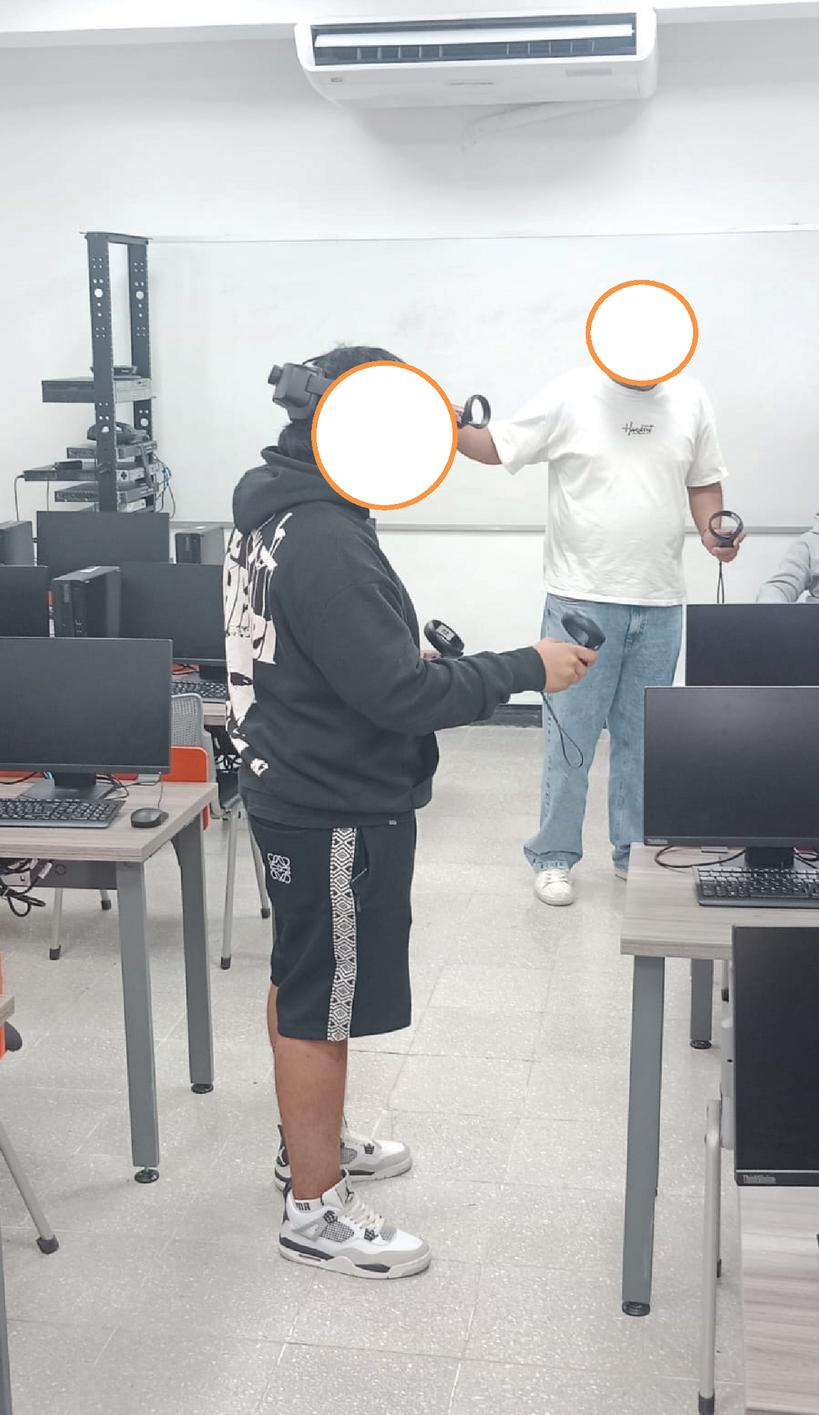
Figure 1 Students interacting with the virtual environment.
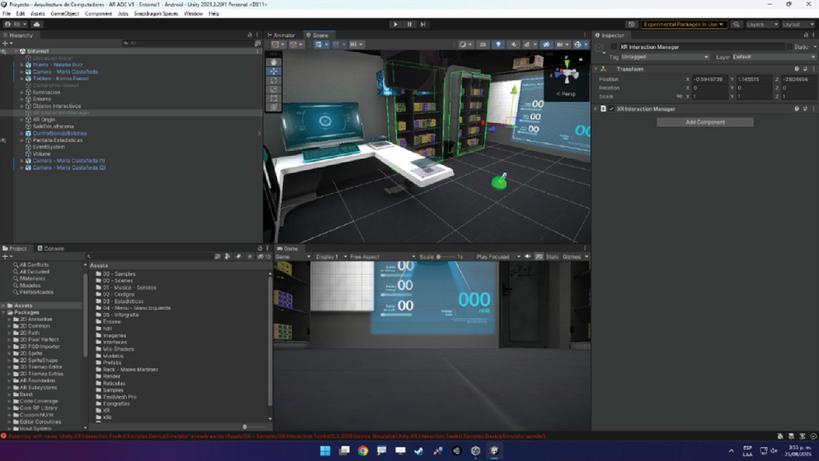
Figure 2 Virtual environment in Unity.
Following the recommendations outlined in the study by [31], Table 2 presents the key information related to this project.
Table 2 Project information
| Information | Description |
| Project | Techniques against motion sickness |
| Hardware | Lenovo ThinkStation |
| Lenovo ThinkReality VRX | |
| Joysticks | |
| Software | Unity |
| Blender | |
| Development methodology | Prototyping |
| Assessment method | Questionnaire – SSQ |
| interview | |
| Testers | 76 engineering students |
| Area | Engineering |
4.4 Outcome Definition and Variables
The primary outcome of this study was a single binary self-report item from the SSQ header (“Are you motion sick now?”, Yes/No), consistent with the 25% incidence reported in the results. The 16 Likert-type symptom items of the SSQ (rated “none” to “severe”) were treated as explanatory variables and tested individually for association with this binary outcome via Chi-squared tests; response categories were retained at their original four levels and were not collapsed. A composite SSQ severity score and an associated categorical classification were also computed during data processing but were not included in the present analysis, which focuses on item-level associations rather than overall symptom severity; this composite measure may be explored in future work. In addition to the standardized SSQ items, three supplementary researcher-designed questions were administered to characterize videogame exposure patterns not covered by the SSQ instrument: weekly frequency of videogame use, weekly hours of use (grouped into ranges), and weekly number of gaming sessions. These variables, together with demographic and vision-related items (age, gender, prior VR experience, use and type of corrective lenses), constitute the second set of explanatory variables analyzed.
It is important to note that the 16 SSQ symptom items (X2–X17) and the binary outcome (Y) were collected concurrently from the same instrument administered at the same timepoint. Consequently, associations between individual symptoms and the binary outcome should be interpreted as a symptom co-occurrence profile (describing which specific symptoms are most salient among participants who self-identify as experiencing cybersickness) rather than as independent explanatory or predictive relationships, since both measures partly capture the same underlying subjective experience. In contrast, the videogame-habit, demographic, and vision-related variables (X20–X27) were collected independently of the SSQ symptom checklist and are treated as candidate antecedent factors, for which an explanatory interpretation is more appropriate.
4.5 Qualitative Interview Findings (Exploratory)
Following the intervention, semi-structured interviews were conducted with five randomly selected participants. All interviewees reported a positive experience with the VR application, describing it as substantially different from their previous experiences with similar technologies. Furthermore, they expressed interest in using the application more frequently in future learning activities. Regarding cybersickness, only one participant reported a strong sensation of dizziness following the session, severe enough to require sitting down momentarily; notably, this participant was also among the 19 individuals who reported cybersickness on the SSQ binary item, offering a point of convergence between the qualitative and quantitative data. Regarding the game itself, participants described it as highly entertaining and reported that perceived session duration felt normal, while also expressing interest in a greater variety of game content. With respect to technical performance, no participant reported noticing changes in frame rate, describing the experience as fluid throughout.
These findings are exploratory and derived from a small, non-representative subsample; they are intended to complement, rather than substitute for, the quantitative incidence analysis, and should not be interpreted as the output of a formal qualitative study.
5 Results and Analysis
The first question presented to the participants asked whether they were currently experiencing motion sickness. In response, 19 individuals reported suffering from either motion sickness or cybersickness. In contrast, 57 participants indicated that they were not experiencing any symptoms of cybersickness by the end of the test. Figure 3 illustrates the proportion of participants who experienced cybersickness versus those who did not.
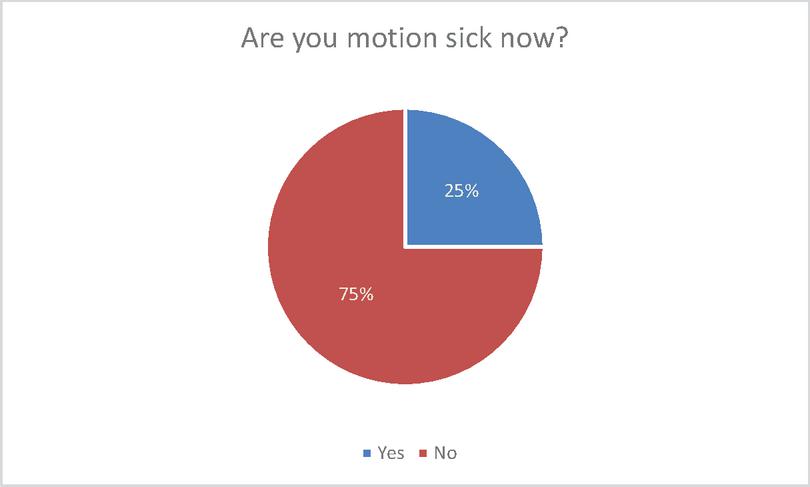
Figure 3 Motion sickness question.
A Chi-squared test of independence was conducted to evaluate the association between each explanatory variable and the binary cybersickness outcome (Yes/No). This non-parametric test is well-suited for the study’s categorical data [33]. Results can be found in Table 3, and each variable code can be seen in Appendix A.
Table 3 Chi-squared tests
| Symptom Co-occurrence with Self-reported Cybersickness (X2–X17) | ||||
| Variable | Chi-Square | Degrees of | ||
| Code | Statistic | P-value | Freedom | Hypothesis Testing |
| X2 | 14.15770609 | *** | 2 | Null hypothesis is rejected |
| X3 | 6.133333333 | ** | 2 | Null hypothesis is rejected |
| X4 | 10.22969188 | ** | 3 | Null hypothesis is rejected |
| X5 | 6.68013468 | * | 3 | Null hypothesis IS NOT rejected |
| X6 | 15.88571429 | *** | 3 | Null hypothesis is rejected |
| X7 | 0.1156773212 | — | 1 | Null hypothesis IS NOT rejected |
| X8 | 6.211981567 | — | 3 | Null hypothesis IS NOT rejected |
| X9 | 8 | ** | 3 | Null hypothesis is rejected |
| X10 | 13.71940299 | *** | 3 | Null hypothesis is rejected |
| X11 | 15.67676768 | *** | 3 | Null hypothesis is rejected |
| X12 | 11.62167488 | *** | 3 | Null hypothesis is rejected |
| X13 | 10.03076923 | ** | 3 | Null hypothesis is rejected |
| X14 | 4.577114428 | — | 3 | Null hypothesis IS NOT rejected |
| X15 | 8.083333333 | ** | 3 | Null hypothesis is rejected |
| X16 | 6.991304348 | ** | 2 | Null hypothesis is rejected |
| X17 | 0 | — | 0 | Null hypothesis IS NOT rejected |
| Candidate Antecedent Factors Associated with Self-reported Cybersickness (X20–X27) | ||||
| Variable | Chi-Square | Degrees of | ||
| Code | Statistic | P-value | Freedom | Hypothesis Testing |
| X20 | 8.805860806 | — | 7 | Null hypothesis IS NOT rejected |
| X21 | 7.399897593 | — | 7 | Null hypothesis IS NOT rejected |
| X22 | 16.22592593 | ** | 6 | Null hypothesis is rejected |
| X23 | 5.078341014 | — | 8 | Null hypothesis IS NOT rejected |
| X24 | 0.07037037037 | — | 1 | Null hypothesis IS NOT rejected |
| X25 | 0.3117948718 | — | 1 | Null hypothesis IS NOT rejected |
| X26 | 4.49122807 | ** | 1 | Null hypothesis is rejected |
| X27 | 9.761836442 | *** | 2 | Null hypothesis is rejected |
| Notes: —, p-value 0.1; *, p-value 0.1; **, p-value 0.05; ***, p-value 0.01. Y primary outcome (binary self-report item, “Are you motion sick now?”). X2–X17 correspond to the 16 individual SSQ symptom items (X2 general discomfort, X3 fatigue, X4 headache, X5 eye strain, X6 difficulty focusing, X7 increased salivation, X8 sweating, X9 nausea, X10 difficulty concentrating, X11 fullness of head/head pressure, X12 blurred vision, X13 dizziness [eyes open], X14 dizziness [eyes closed], X15 vertigo, X16 stomach awareness, X17 burping), each rated on a 0–3 severity scale. X20–X27 correspond to videogame-habit and demographic/vision variables collected via supplementary researcher-designed items (X20 weekly frequency of use, X21 weekly hours of use, X22 weekly number of sessions, X23 age, X24 prior VR experience, X25 gender, X26 use of corrective lenses, X27 type of corrective lenses). A composite SSQ score (X18–X19) was computed but not analyzed in the present study. | ||||
5.1 Symptom Co-occurrence Profile
Because the SSQ symptom items and the binary self-reported cybersickness outcome were collected concurrently from the same instrument, associations between them are interpreted here as a symptom co-occurrence profile rather than as independent predictive relationships. Within this profile, eye strain (X5), increased salivation (X7), sweating (X8), and dizziness with closed eyes (X14) showed no significant co-occurrence with the overall cybersickness label; no participants reported burping (X17). In contrast, general discomfort (X2), difficulty focusing (X6), difficulty concentrating (X10), head pressure (X11), and blurred vision (X12) showed the strongest co-occurrence with self-reported cybersickness, indicating that these symptoms are central components of the same subjective experience captured by the binary item, rather than independent indicators explaining it.
5.2 Candidate Antecedent Factors
Unlike the SSQ symptom items, the videogame-habit, demographic, and vision-related variables were collected independently of the symptom checklist and are therefore treated as candidate antecedent factors. A significant association was found between corrective lens use and self-reported cybersickness, suggesting that pre-existing vision difficulties may be a relevant factor to consider; the specific type and degree of visual impairment could moderate this relationship and warrants further exploration. No significant association was found between cybersickness and total time spent playing videogames, age, prior virtual reality experience, or gender, suggesting that, in this cohort, self-reported cybersickness is independent of these common sociodemographic factors. Notably, while session length and cumulative weekly playtime were not associated with cybersickness, session frequency was. As shown in the stacked bar plots (Figures 4–6), the proportion of respondents reporting cybersickness tends to increase with the number of weekly gaming sessions, suggesting that the distribution of playtime across sessions may be more relevant than total duration.
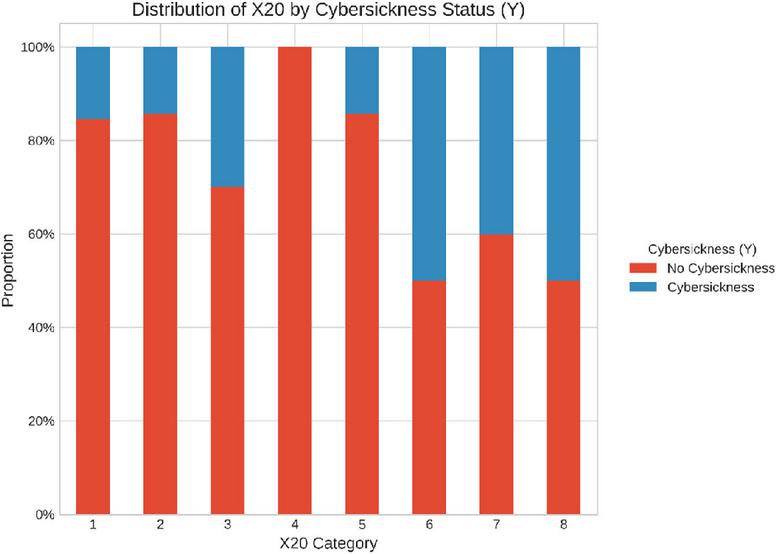
Figure 4 Distribution of weekly videogame use frequency (X20) by cybersickness response.
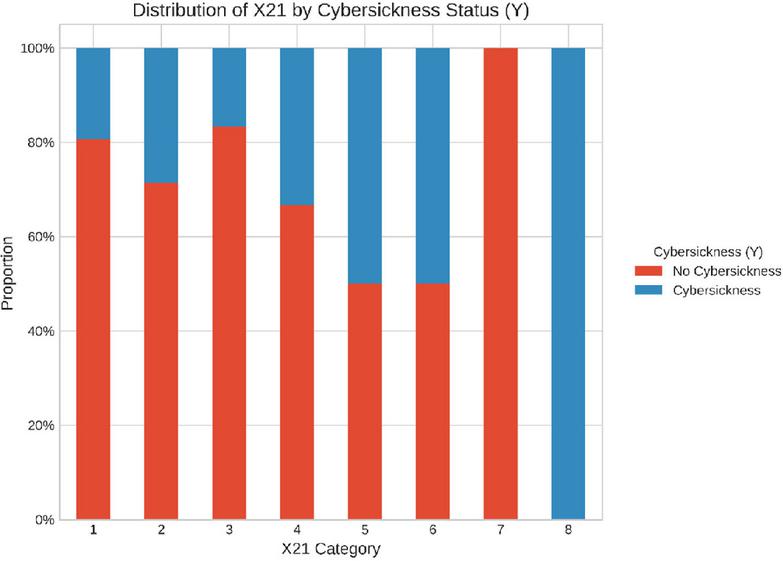
Figure 5 Distribution of weekly videogame hours (X21) by cybersickness response.
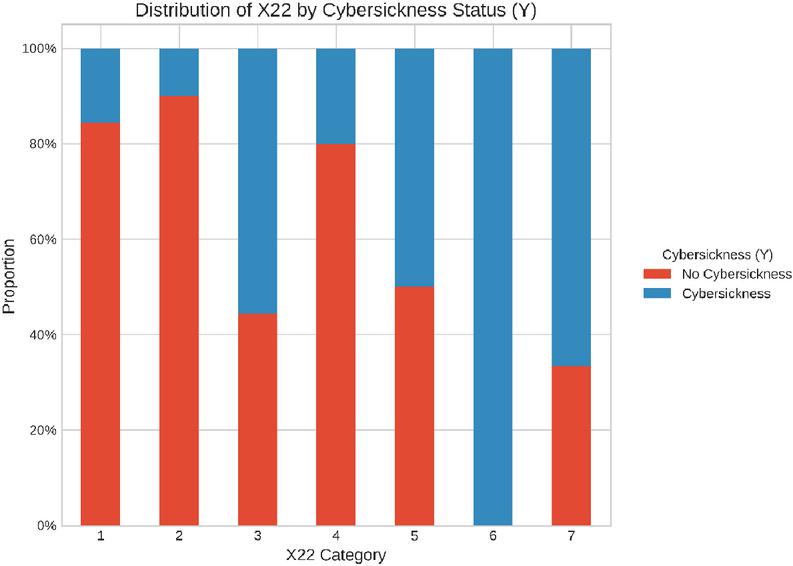
Figure 6 Distribution of weekly videogame sessions (X22) by cybersickness response.
One possible interpretation of these results is an adaptation-sensitization phenomenon, whereby frequent but short exposures to videogames might provide insufficient recovery time, potentially contributing to increased susceptibility to cybersickness; however, as no direct measure of adaptation or neural sensitization was collected, this interpretation remains speculative and is discussed further below.
6 Discussion
The present study examined the occurrence of cybersickness in participants exposed to a VR environment and its association with various symptoms and user characteristics, as assessed through the SSQ. One quarter of the participants (25%) reported cybersickness symptoms, a prevalence consistent with previous studies that have identified rates ranging from 20% to 40% depending on the VR context and exposure duration [34].
A key finding is that not all symptoms traditionally linked to motion sickness co-occurred with self-reported cybersickness to the same degree. Variables such as general discomfort, difficulty focusing, head pressure, blurred vision, and difficulty concentrating showed the strongest co-occurrence with cybersickness within this symptom profile. These symptoms are central to the sensory conflict theory, which posits that discrepancies between visual, vestibular, and proprioceptive cues lead to perceptual disturbances and subsequent sickness. In contrast, eye strain, salivation, sweating, and dizziness with closed eyes were not significantly associated, suggesting that these may represent secondary or non-specific symptoms within the cybersickness profile.
Another notable result is the association between lens usage and cybersickness, supporting the notion that pre-existing visual impairment may be a relevant vulnerability factor. The prior literature indicates that poor binocular vision, uncorrected refractive errors, and ocular dominance imbalances can exacerbate the sensory conflict that underlies cybersickness [35]. This finding highlights the importance of considering individual visual characteristics when designing VR experiences or screening participants.
Contrary to expectations, age, gender, prior VR experience, and total playtime were not significantly related to cybersickness. This result aligns with recent evidence suggesting that demographic variables play a limited role in predicting cybersickness, and that physiological and perceptual mechanisms are more relevant determinants [36]. The lack of association with prior gaming or VR experience also raises questions about the hypothesized adaptation effect, in which repeated exposure reduces susceptibility.
However, session frequency did show a significant relationship: participants engaging in more frequent but shorter gaming sessions reported higher rates of cybersickness. One possible interpretation is a sensitization rather than habituation effect; however, given the cross-sectional, descriptive nature of this study, this explanation remains speculative and would require a longitudinal or experimental design to confirm. While prolonged exposure within a single session may allow gradual adaptation, frequent interruptions could prevent the consolidation of such adaptation, resulting in cumulative sensitization of the sensory system. This phenomenon is consistent with neural plasticity mechanisms observed in vestibular research, where repeated but incomplete adaptation cycles can enhance discomfort [37].
The exploratory interview data offer a preliminary point of triangulation with the quantitative findings: the one participant who reported severe dizziness in the interview was also among those who reported cybersickness on the SSQ, lending some convergent support to the self-reported outcome measure. However, given the exploratory nature of the interviews and the very small subsample involved, this observation is illustrative rather than confirmatory.
Taken together, these results underscore the multifactorial nature of cybersickness. Both symptom clusters (e.g., visual and cognitive disturbances) and user-specific factors (e.g., visual impairments, exposure patterns) are associated with individual susceptibility. Importantly, sociodemographic variables appear to play a minimal role, which suggests that preventive strategies should focus more on visual ergonomics, display calibration, and exposure protocols rather than on user profiles.
7 Conclusions
Although the main objective of this study was to describe the incidence of cybersickness among participants exposed to a VR environment developed by applying mitigation techniques drawn from the prior literature, several additional findings emerged that warrant broader dissemination. The main conclusions derived from the analysis of the results are as follows:
• In the present study, multiple techniques were applied in the design of the VR environment intended to mitigate cybersickness. The results showed that 25% of participants reported experiencing some symptoms associated with this condition. The observed incidence does not differ meaningfully from rates reported in studies without these specific mitigation techniques, which is consistent with the descriptive (non-comparative) nature of this study’s design.
• It was observed that students who use glasses exhibited a greater predisposition to experiencing cybersickness symptoms. This finding supports the notion that visual impairments may increase susceptibility to the discomforts associated with this condition.
• The results indicate that demographic variables such as age and gender, as well as prior VR experience and total playtime, were not significantly associated with the occurrence of cybersickness. Instead, a key finding is that while session length and cumulative playtime were not related to cybersickness, session frequency was. The proportion of respondents reporting cybersickness increased with the number of weekly gaming sessions. This suggests that the distribution of playtime across sessions is more relevant than the total duration of exposure.
8 Limitations
The present study has several limitations. First, the relatively modest sample size may limit the generalizability of findings. Second, the reliance on self-report measures introduces potential biases related to symptom underreporting or misattribution. Third, this study relied exclusively on bivariate Chi-squared tests, which, while appropriate for an initial, exploratory screening of categorical associations, do not report effect sizes and cannot account for interactions or confounding between variables. A multivariable approach, such as logistic regression, would provide a more rigorous estimate of which participant characteristics are independently associated with the binary outcome while controlling for confounds; this was beyond the scope of the present exploratory analysis but is identified as a priority for future work using this dataset. Similarly, effect sizes (e.g., Cramér’s V) were not computed for the reported associations and should accompany future analyses of these data to complement the significance testing presented here. Critically, this study did not include a comparison condition (e.g., a non-mitigated environment, an alternative locomotion, or visual design), which precludes causal attribution of the observed incidence to the specific techniques applied. The design supports descriptive incidence estimation but not effectiveness testing.
Additionally, this study analyzed SSQ symptoms at the individual item level rather than using a composite or subscale severity score; while a composite score was computed during data processing, it was not included in the present analysis, which prioritized symptom-specific associations. Future work could examine whether composite severity measures yield consistent or complementary findings relative to the item-level associations reported here. Relatedly, the analysis of individual SSQ symptom items against the binary self-reported outcome is subject to a degree of circularity, as both measures originate from the same instrument administered concurrently; this analysis is therefore better understood as a descriptive symptom co-occurrence profile rather than as identification of independent explanatory variables. Only the videogame-habit, demographic, and vision-related variables, which were collected independently of the SSQ symptom checklist, support a genuinely explanatory interpretation.
The qualitative component of this study was similarly limited in scope, relying on an informal thematic summary of five interviews rather than a formal qualitative coding procedure; these findings should be interpreted as illustrative rather than generalizable.
A technical limitation is the lack of certain computational information; while the achieved frame rate (approximately 88 FPS) was measured, motion-to-photon latency was not systematically recorded, and the use of corrective lenses inside the HMD was not logged for all participants; both represent gaps in the technical and procedural documentation of this study that future work should address.
Future research could benefit from multivariate models (e.g., logistic regression) to better predict cybersickness risk profiles. Future studies should also explore the role of visual correction types (e.g., glasses versus contact lenses), latency and frame rate of VR systems, and physiological markers such as heart rate variability or postural sway. A deeper understanding of the adaptation–sensitization dynamic is particularly relevant, as it could inform guidelines for safe VR exposure, especially in educational or training contexts where repeated sessions are common.
Finally, the analysis was conducted exclusively within a virtual environment and limited to engineering students. Consequently, the results may differ when applied to students from disciplines with less direct affinity to technology, such as medicine or law.
Funding
The research did not receive funding from any sources.
Acknowledgments
This work is part of the doctoral studies of the researcher Mauricio Vásquez-Carbonell. This study is part of a larger initiative titled “VR in USB Education”, from which two projects derive. The present work aims to document the incidence of cybersickness in users exposed to a VR environment developed applying mitigation techniques identified in the prior literature. It is important to declare that artificial intelligence-based tools were employed to enhance the grammar and spelling of this document, specifically the free version of ChatGPT (v5) and the free version of Claude (Sonnet 5).
Declaration of Competing Interest
The authors declare that they have no known competing financial interests or personal relationships that could have appeared to influence the work reported in this paper.
Author Contributions
M.V-C.: conceptualization, writing, review, methodology, and virtual environment creation. J.C.T.: conceptualization, writing, corrections, and virtual environment creation and revision.
Data Availability
The datasets generated and/or analyzed during the current study are not publicly available due to institutional data protection regulations but are available from the corresponding author on reasonable request. Similarly, the informed consent form used to authorize data processing, outlining participants’ rights, benefits, and potential risks, is available upon request to the authors.
Appendix A. Codification of Variables
| Coded Variable | Meaning |
| Y | Do you have CYBERSICKNESS or MOTION SICKNESS right now? |
| X2 | Select how much you are being affected by one or more of the following symptoms:0: None1: Slight2: Moderate3: Severe [General discomfort] |
| X3 | Select how much you are being affected by one or more of the following symptoms:0: None1: Slight2: Moderate3: Severe [Fatigue] |
| X4 | Select how much you are being affected by one or more of the following symptoms:0: None1: Slight2: Moderate3: Severe [Headache] |
| X5 | Select how much you are being affected by one or more of the following symptoms:0: None1: Slight2: Moderate3: Severe [Eye strain] |
| X6 | Select how much you are being affected by one or more of the following symptoms:0: None1: Slight2: Moderate3: Severe [Difficulty focusing] |
| X7 | Select how much you are being affected by one or more of the following symptoms:0: None1: Slight2: Moderate3: Severe [Increased salivation] |
| X8 | Select how much you are being affected by one or more of the following symptoms:0: None1: Slight2: Moderate3: Severe [Sweating] |
| X9 | Select how much you are being affected by one or more of the following symptoms:0: None1: Slight2: Moderate3: Severe [Nausea] |
| X10 | Select how much you are being affected by one or more of the following symptoms:0: None1: Slight2: Moderate3: Severe [Difficulty concentrating] |
| X11 | Select how much you are being affected by one or more of the following symptoms:0: None1: Slight2: Moderate3: Severe [Fullness of head or head pressure] |
| X12 | Select how much you are being affected by one or more of the following symptoms:0: None1: Slight2: Moderate3: Severe [Blurred vision] |
| X13 | Select how much you are being affected by one or more of the following symptoms:0: None1: Slight2: Moderate3: Severe [Dizziness with eyes open] |
| X14 | Select how much you are being affected by one or more of the following symptoms:0: None1: Slight2: Moderate3: Severe [Dizziness with eyes closed] |
| X15 | Select how much you are being affected by one or more of the following symptoms:0: None1: Slight2: Moderate3: Severe [Vertigo] |
| X16 | Select how much you are being affected by one or more of the following symptoms:0: None1: Slight2: Moderate3: Severe [Stomach awareness] |
| X17 | Select how much you are being affected by one or more of the following symptoms:0: None1: Slight2: Moderate3: Severe [Burping] |
| X18 | CAT 1 – TOTAL |
| X19 | CAT 2 |
| X20 | 1. How much time do you dedicate to playing video games per week? (How many times a week do you use video games?) |
| X21 | 2. How many hours a week do you play video games? |
| X22 | 3. How many video game sessions do you have per day? (sessions per week) A video game session refers to the period of time in which a person or a group of people plays a video game, either casually or competitively. |
| X23 | Enter your age (only the number, e.g., 17, 24, etc.) |
| X24 | Have you used Virtual Reality before? |
| X25 | Gender |
| X26 | Do you need to wear corrective lenses? |
| X27 | If you wear corrective lenses, are they glasses or contacts? (Glasses are defined as lenses with a frame) |
References
[1] M. Vásquez-Carbonell, “A systematic literature review of virtual reality in engineering education,” Int. J. Virtual Personal Learning Environ., vol. 12, no. 1, pp. 1–18, Jan. 2022, doi: 10.4018/IJVPLE.307021.
[2] B. Nobaew, “Realism and credibility in mobile virtual environments: user engagement with VR and 360∘ video in a virtual coffee shop,” J. Mob. Multimed., Dec. 2025, doi: 10.13052/jmm1550-4646.2164.
[3] D. J. Robertson, Z. T. Abramson, A. M. Davidoff, and M. T. Bramlet, “Virtual reality applications in pediatric surgery,” Semin. Pediatr. Surg., vol. 33, no. 1, Feb. 2024, doi: 10.1016/j.sempedsurg.2024.151387.
[4] M. M. Zaki et al., “Virtual reality–enabled resident education of lateral-access spine surgery,” World Neurosurg., vol. 183, pp. e401–e407, Mar. 2024, doi: 10.1016/j.wneu.2023.12.108.
[5] N. Chao et al., “A sampling-based method with virtual reality technology to provide minimum dose path navigation for occupational workers in nuclear facilities,” Prog. Nucl. Energy, vol. 100, pp. 22–32, Sep. 2017, doi: 10.1016/j.pnucene.2017.05.024.
[6] K. Hagita, Y. Kodama, and M. Takada, “Simplified virtual reality training system for radiation shielding and measurement in nuclear engineering,” Prog. Nucl. Energy, vol. 118, Jan. 2020, doi: 10.1016/j.pnucene.2019.103127.
[7] L. Shahmoradi et al., “Virtual reality games for rehabilitation of upper extremities in stroke patients,” J. Bodyw. Mov. Ther., vol. 26, pp. 113–122, Apr. 2021, doi: 10.1016/j.jbmt.2020.10.006.
[8] A. Kalron, A. Achiron, M. Pau, and E. Cocco, “The effect of a telerehabilitation virtual reality intervention on functional upper limb activities in people with multiple sclerosis: a study protocol for the TEAMS pilot randomized controlled trial,” Trials, vol. 21, no. 1, Aug. 2020, doi: 10.1186/s13063-020-04650-2.
[9] R. Mayne and H. Green, “Virtual reality for teaching and learning in crime scene investigation,” Sci. Justice, vol. 60, no. 5, pp. 466–472, Sep. 2020, doi: 10.1016/j.scijus.2020.07.006.
[10] P. Korzeniowski, S. Plotka, R. Brawura-Biskupski-Samaha, and A. Sitek, “Virtual reality simulator for fetoscopic spina bifida repair surgery,” in IEEE International Conference on Intelligent Robots and Systems, Institute of Electrical and Electronics Engineers Inc., 2022, pp. 401–406. doi: 10.1109/IROS47612.2022.9981920.
[11] M. Vásquez-Carbonell, J. A. Patiño-Saucedo, and H. Paez-Logreira, “Prototyping approach to test and evaluate a 3D brain model for psychology teachers and students,” Virtual Creat., vol. 13, no. 1, pp. 69–86, Apr. 2023, doi: 10.1386/vcr_00075_1.
[12] J. M. Fulvio, M. Ji, and B. Rokers, “Variations in visual sensitivity predict motion sickness in virtual reality,” Entertain. Comput., vol. 38, May 2021, doi: 10.1016/j.entcom.2021.100423.
[13] K. Stanney, “Realizing the full potential of virtual reality: human factors issues that could stand in the way,” in Proceedings of the Virtual Reality Annual International Symposium (VRAIS ‘95), Research Triangle Park, North Carolina, pp. 28–34. 1995, doi: 10.1109/VRAIS.1995.512476.
[14] L. Simón-Vicente, S. Rodríguez-Cano, V. Delgado-Benito, V. Ausín-Villaverde, and E. Cubo Delgado, “Cybersickness. A systematic literature review of adverse effects related to virtual reality,” 2022, Spanish Society of Neurology. doi: 10.1016/j.nrl.2022.04.009.
[15] M. Masullo, A. Pascale, R. A. Toma, G. Ruggiero, L. Maffei, and A. Pascale, “Virtual reality overhead crane simulator,” in Procedia Computer Science, Elsevier B.V., 2022, pp. 205–215. doi: 10.1016/j.procs.2022.01.219.
[16] J. Munafo, M. Diedrick, and T. A. Stoffregen, “The virtual reality head-mounted display Oculus Rift induces motion sickness and is sexist in its effects,” Exp. Brain Res., vol. 235, no. 3, pp. 889–901, Mar. 2017, doi: 10.1007/s00221-016-4846-7.
[17] J. Guna et al., “Virtual reality sickness and challenges behind different technology and content settings,” Mob. Netw. Appl., vol. 25, no. 4, pp. 1436–1445, Aug. 2020, doi: 10.1007/s11036-019-01373-w.
[18] T. Bando, A. Iijima, and S. Yano, “Visual fatigue caused by stereoscopic images and the search for the requirement to prevent them: a review,” Displays, vol. 33, no. 2, pp. 76–83. Apr. 2012. doi: 10.1016/j.displa.2011.09.001.
[19] J. Kim, D. Kane, and M. S. Banks, “The rate of change of vergence-accommodation conflict affects visual discomfort,” Vision Res., vol. 105, pp. 159–165, Dec. 2014, doi: 10.1016/j.visres.2014.10.021.
[20] K. M. T. Pöhlmann, J. Föcker, P. Dickinson, A. Parke, and L. O’Hare, “The relationship between vection, cybersickness and head movements elicited by illusory motion in virtual reality,” Displays, vol. 71, no. September 2021, 2022, doi: 10.1016/j.displa.2021.102111.
[21] J. Li, M. Barkowsky, and P. Le Callet, “The influence of relative disparity and planar motion velocity on visual discomfort of stereoscopic videos,” in 2011 Third International Workshop on Quality of Multimedia Experience, IEEE, Sep. 2011, pp. 155–160. doi: 10.1109/QoMEX.2011.6065695.
[22] H. B.-L. Duh, J. W. Lin, R. V. Kenyon, D. E. Parker, and T. A. Furness, “Effects of field of view on balance in an immersive environment,” in Proceedings IEEE Virtual Reality 2001, IEEE Comput. Soc, 2001, pp. 235–240. doi: 10.1109/VR.2001.913791.
[23] D. M. Kenney, S. O’Malley, H. M. Song, B. Townsend, M. von Mohrenschildt, and J. M. Shedden, “Velocity influences the relative contributions of visual and vestibular cues to self-acceleration,” Exp. Brain Res., vol. 238, no. 6, pp. 1423–1432, Jun. 2020, doi: 10.1007/s00221-020-05824-9.
[24] S. Joshi, Y. Wang, E. Sparks, M. Marufuzzaman, M. Sartain, and J. Ma, “Marine debris awareness improvement using immersive virtual reality,” Mar. Pollut. Bull., vol. 186, Jan. 2023, doi: 10.1016/j.marpolbul.2022.114406.
[25] R. Lovreglio, N. Daphney-Chloe, A. Rahouti, D. Paes, Z. Feng, and A. Shipman, “Prototyping and testing a virtual reality counterterrorism serious game for active shooting,” Int. J. Disaster Risk Reduct., vol. 82, Nov. 2022, doi: 10.1016/j.ijdrr.2022.103283.
[26] Z. Wang, K. Foo, S. Yan, V. A. Gonzalez, and N. Giacaman, “Refresh rate and graphical benchmarks for mobile VR application development,” J. Mob. Multimed., vol. 18, no. 6, pp. 1561–1598, 2022, doi: 10.13052/jmm1550-4646.1865.
[27] J. Harknett et al., “The use of immersive virtual reality for teaching fieldwork skills in complex structural terrains,” J. Struct. Geol., vol. 163, Oct. 2022, doi: 10.1016/j.jsg.2022.104681.
[28] N. H. Zainal, W. W. Chan, A. P. Saxena, C. B. Taylor, and M. G. Newman, “Pilot randomized trial of self-guided virtual reality exposure therapy for social anxiety disorder,” Behav. Res. Ther., vol. 147, Dec. 2021, doi: 10.1016/j.brat.2021.103984.
[29] Y. T. Jawed et al., “Feasibility of a virtual reality intervention in the intensive care unit,” Heart Lung, vol. 50, no. 6, pp. 748–753, Nov. 2021, doi: 10.1016/j.hrtlng.2021.05.007.
[30] H. K. Lee and J. Jin, “The effect of a virtual reality exergame on motor skills and physical activity levels of children with a developmental disability,” Res. Dev. Disabil., vol. 132, Jan. 2023, doi: 10.1016/j.ridd.2022.104386.
[31] M. Vásquez-Carbonell and J. C. Torres, “How are researchers evaluating the effectiveness of educational VR applications and what outcomes are they obtaining? A systematic literature review,” Comput. Animat. Virtual Worlds, vol. 36, no. 1, Jan. 2025, doi: 10.1002/cav.70012.
[32] A. Seth, J. M. Vance, and J. H. Oliver, “Virtual reality for assembly methods prototyping: a review,” Virtual Real., vol. 15, no. 1, pp. 5–20, 2011, doi: 10.1007/s10055-009-0153-y.
[33] D. T. Holmes, “Statistical methods in laboratory medicine,” Contemp. Practice Clin. Chem., pp. 15–35, Jan. 2020, doi: 10.1016/B978-0-12-815499-1.00002-8.
[34] K. Stanney, C. Fidopiastis, and L. Foster, “Virtual reality is sexist: but it does not have to be,” Front. Robot. AI, vol. 7, Jan. 2020, doi: 10.3389/frobt.2020.00004.
[35] M. Lambooij, M. Fortuin, I. Heynderickx, and W. IJsselsteijn, “Visual discomfort and visual fatigue of stereoscopic displays: a review,” J. Imag. Sci. Technol., vol. 53, no. 3, pp. 30201-1-30201–14, May 2009, doi: 10.2352/j.imagingsci.technol.2009.53.3.030201.
[36] L. Rebenitsch and C. Owen, “Review on cybersickness in applications and visual displays,” Virtual Real., vol. 20, no. 2, pp. 101–125, Jun. 2016, doi: 10.1007/s10055-016-0285-9.
[37] J. F. Golding, “Motion sickness susceptibility,” Auton. Neurosci., vol. 129, no. 1–2, pp. 67–76, Oct. 2006, doi: 10.1016/j.autneu.2006.07.019.
Biographies

Mauricio Vásquez-Carbonell is a full-time professor at the Universidad Simón Bolívar in Barranquilla, Colombia. He holds a degree in electronic engineering and has earned a master’s degree in engineering. Currently, he is pursuing a doctorate in information and communication technologies (ICT), focusing on software development and technology applied to education, including virtual reality (VR), augmented reality (AR), mobile apps, and artificial intelligence.

Juan Carlos Torres is a full professor of computer graphics at the University of Granada (Spain). He received an MA in Physics in 1982 and a Ph.D. in 1992. He is responsible for the Computer Graphics Group in the Software Engineering Department. His current research interests include volume and solid modeling, progressive transmission, and geometric algorithms. He has been a member of Eurographics since 1988 and has served as chairman of the Eurographic’s Spanish Chapter from 1995 to 2002. Torres has been the Chairman of the EG Spanish Conference in 1993, the EG DSVIS ’97 workshop, short paper co-chair at EG’2000 and co-chair of EUROGRAPHICS 2003 conference, held at Granada. At present he is setting up a Virtual Reality Laboratory for the University of Granada.
Journal of Mobile Multimedia, Vol. 22_4, 497–522
doi: 10.13052/jmm1550-4646.2244
© 2026 River Publishers