Design and Development of an Android App Based on Firebase in the Study of Unsportsmanlike Behaviors in Grassroots Tennis Competitions
V. De Lera1, D. Lacambra2, F. Gimeno3, Álvaro Alesanco1 and José García1,*
1Aragón Institute of Engineering Research (I3A), University of Zaragoza, Zaragoza 50018, Spain
2Aragón Tennis Federation (Federación Aragonesa de Tenis, FAT), Zaragoza 50009, Spain
3Department of Psychology and Sociology, University of Zaragoza, Huesca 22001, Spain
E-mail: jogarmo@unizar.es
*Corresponding Author
Received 29 September 2020; Accepted 12 January 2021; Publication 18 June 2021
Abstract
This paper presents the design, development and evaluation of an android application based on the Google Firebase platform aimed to facilitate the creation of questionnaires and collection of data for the management of sports and unsportsmanlike behaviors in grassroots tennis competitions. Although sportsmanship among players is the most common situation, in low categories sometimes aggressive or violent situations may occur and not always with the presence of referees. In recent years, the use of conventional questionnaires has been the most widespread tool to obtain information on sports and unsportsmanlike behaviors in sports competitions. The developed system allows tennis tournament organizers to easily create forms linked to the players in order to evaluate different psychological aspects during the competition. Players are notified and they answer the proposed questions on their mobile devices at the end of the matches. By using the application it is easy to collect the responses of the competitors and process and evaluate them. The developed system is based on a client-server architecture where the Firebase platform acts as system server and the application is the client that communicates with it. The application was validated by a tournament administrator showing a high level of usability. Afterwards it has been tested in a real tournament with 20 players (in a total of 34 matches) answering a form consisting of 13 questions to evaluate sports and unsportsmanlike behaviors. The results in this pilot tournament showed the perception of sportsmanship of the players as very good, but also showed that parents or companions interfere in children’s matches and two potential cases of unsportsmanlike conduct were detected. This system may become a versatile and useful tool for improvement of players’ psychological wellbeing during grassroots tennis competitions.
Keywords: App, cloud, evaluation, Firebase, forms, management, psychology, tennis, web.
1 Introduction
In professional tennis, as a general rule, sportsmanship among players usually prevails. There is rivalry, of course, but also very good relationships. In the different tennis schools the technical, tactical and even physical and psychological improvement of the player is prioritized, but there is little attention to other types of psychological concepts about how players are to behave on a tennis court in the different situations that may occur in a tennis match. Tennis is mainly an individual sport (except for doubles modality) of opposition without physical contact and hence it confers some specific psychological connotations. In this sense, tennis is a sport predominantly mental in which the players need to have the ability to handle different psychological factors such as attention, concentration, motivation, trust, control of anger or stress, to name a few of them, what determines players behaviors and influences the development of a match. According to Weinberg [1] a tennis player must make between 800 and 1200 decisions during a match. Taking into account that this demand for mental processing may have a negative influence on other relevant psychological variables in the player’s performance (eg, concentration, self-confidence, stress control, …) the possibility of unsportsmanlike behavior or lacking fair-play increases considerably when activating the alert or defense mechanisms in the player. Likewise, people who have better management of their anger management skills cause a lower frequency of violent episodes during competition [2].
Worldwide, the competition is regulated by the International Tennis Federation (ITF). This organization is the world governing body for tennis, responsible for the rules of tennis, organizing competitions and running a wide range of programs aimed at promoting and developing the game of tennis internationally. Due to the large number of competitions that are played in low categories (10&Under, 12&Under, 14&Under, 16&Under and 18&Under) the institutions responsible for directing them have to face a great responsibility, since it is very common to witness cases of bad behavior and frustrations, which if not correctly oriented may lead to aggressive and/or violent situations. One of the fundamental characteristics that defines the development of the competitions in these categories is that most of the matches are played without a chair umpire. Instead, in each competition, a referee is appointed as responsible for ensuring a good organization and operation. Taking as a reference the Territorial Competition School of the Aragonese Tennis Federation, players aged between eleven and fourteen train an average of between six and eight hours a week. Wolfenden and Holt [3] consider that in this sport the psychological maturation process of young people is advanced with respect to other sports. Hence, although it is not the same to evaluate a child of the youngest category than a player in the junior category, the structure of the competition in these categories is quite similar.
The term sportsmanship, due to the particular characteristics of each sport, can present different variants between them at the behavioral level. McIntosh [4] defined the concept of fair-play from two different meanings: (1) refer to respect for the rules decided and set for a given game or sport; (2) designate generous behavior, which is not mandatory and is not part of the set rules. In all sports and especially in tennis, it is necessary to differentiate between illegal behaviors and aggressive behaviors based on the reinforcement that maintains them, as stated by Tenembaum et al. [5]. For these authors there have been two main attempts to investigate this concept with young athletes through two instruments: (1) Judgment about Moral Behavior in Youth Sport Questionnaire (JAMBYSQ) [6], which analyzed attitudes towards three types of behaviors: deceiving or cheating, aggression and lying to the referees or judges; (2) Attitudes to Moral decision-making in Youth Sport Questionnaire (AMDYSQ-1) [7], in which deception is not enough and added the development of the concept of sports cunning, a series of actions that while not infringing the rules of the specific sport do affect the spirit of the game. The ITF in its Code of Conduct [8] does not refer to the term violence, but it does define unsportsmanlike conduct as “that behavior by a player that is abusive or detrimental to sport”. Furthermore, unsportsmanlike conduct will also include “those actions that impair the proper development of the tournament”. In grassroots tennis, both the behavior that the player has during the match and that of his/her closest environment, has to be marked by a spirit of chivalry beyond what is established by the regulations, maintaining a posture oriented to fight against the possible traps and deceptions that one may receive, as well as those that one may be tempted to perform.
A literature search and review of the methods and instruments for evaluating sportsmanship, aggressiveness and violence in tennis was carried out through three databases: Psicodoc, SportDiscus and Dialnet in [9]. Although 793 documents were found in the review, once all of them had been analyzed, few evaluation instruments were found specifically designed to measure the degree of sportsmanship and aggressiveness-violence that can occur in a tennis match. The predominant evaluation tool is the questionnaire, although observation records, interviews or reports are also instruments used by researchers, which can allow evaluating psychological variables related to sportsmanship, non-sportsmanship or both. Most of the instruments focus on the exclusive evaluation of athletes and specifically the sport of football, with few being those that exclusively allow the evaluation of sport at school age. Instruments that only evaluate sportsmanship are for example: Multidimensional Sportpersonship Orientations (MSOS) [10] or the Sports Values Questionnaire (SVQ) [11]. On the other hand, an example of evaluation instruments that only measures unsportsmanlike behaviors is the Continuum of Injurius Acts (CIA) [12]. Finally, some examples of instruments specifically intended for athletes, which measure together sportsmanship and non-sportsmanship are: Prosocial and Antisocial Behavior in Sport Scale [13], Horroks Prosocial Play Behavior Inventory (HPPBI) [14], Measure of Moral Judgment Reason and Intention [15] o Judgments About Moral Behavior in Short Questionnaire (JAMBYSQ) [6]. On the other hand, the assessment instruments that focus on evaluating sportsmanship and non-sportsmanship by coaches are: Sportsmanship Coaching Behaviors Scale (SCBS) [16] and Codes of Conduct for Coaches [17].
The following works can be mentioned as specific tennis studies found in the literature review [9] related to behaviors of players, parents and coaches: Hurtel in [18] validated the Parental Involvement in Sports Questionnaire (PISQ) [19] for the sport of tennis. Knight et al. [20] analysed parental behaviors during competitions and the identification by players of how they can help by using discussion groups and semi-structured interviews. Harwood and Knight [21] analysed the responses given by parents about the most stressful factors for them in relation to the tennis practiced by their children by using a questionnaire. Gould et al. [22] presented an analysis of the coaches about the roles of parents in junior tennis success using also discussion groups. Bolgar [23] measured and analyzed the reactions of players to potentially stressful situations on a tennis court through the Adolescent Anger Rating Scale (AARS) proposed by Burney [24], the Causal Dimension Scale (CDS) [25], and the Coping Function Questionnaire (CFQ) by Kowalski and Crocker [26]. Fry and Newton [27] addressed questions about hypothetical issues that occur in a tennis match and that can cause conflict. Finally, the United States Tennis Federation (USTA) introduced a series of self-assessment items to parents through the questionnaire “Parenting My Champion: Getting Started” [28]. As it is shown from this comprehensive review in [9] the predominant evaluation instrument used in recent years has been based on filling in a questionnaire. However, to the best of author’s knowledge there are no automatic and adaptive measuring instruments that permit to easily create questionnaires in order to detect unsportsmanlike behaviours in tennis competitions.
Recently, in the region of Aragón the incidence of sports and non-sports behaviours in grassroots tennis was analysed by elaborating an evaluation record of sportsmanship in tennis competitions (Registro de Evaluación de la Deportividad en los Partidos de Tenis, REDPT) [9]. In that study several methods and instruments of evaluation (mainly based on interviews and tests) were proposed to detect sportsmanship, aggressiveness and violence in players, parents and coaches in grassroots tennis competitions. A summary of the tennis players attitudes and behaviors that were found in the study associated with fair play and with non-sports or violent behaviours are shown in Tables 1 and 2, respectively. These items are the basis for the REDPT questionnaire [9]. From this perspective, the importance of developing an evaluation tool such as REDPT that can allow knowing what perception the players have had about their match in relation to both their own sporting behaviors and those of their opponent, constitutes a novel and relevant contribution in understanding of the quality of sportsmanship during the games of the young players.
Table 1 Attitudes and behaviors associated with fair play
| Attitudes and Behaviors | |
| 1 | I have “called” the balls correctly. |
| 2 | The opposing player has “called” the balls correctly. |
| 3 | I have applauded the opponent’s good points. |
| 4 | The opposing player applauded me for good points. |
| 5 | I have given as good a ball that I have not seen clearly. |
| 6 | The opposing player has given as good a ball that he has not seen clearly. |
| 7 | Faced with a doubtful ball, we have repeated the point. |
| 8 | I have apologized for being lucky on a ball. |
| 9 | The opposing player has apologized to me for being lucky on a ball. |
| 10 | We shook hands at the end of the game. |
| 11 | My parents or my companions congratulated the opposing player at the end of the match. |
| 12 | The parents of the opposing player or his companions congratulated me at the end of the match. |
Table 2 Attitudes associated with non-sports or violent behaviors
| Attitudes and Behaviors | |
| 1 | I have intentionally “called” the balls wrong. |
| 2 | The opposing player has intentionally “called” the balls wrong. |
| 3 | I have thrown the racket during the game. |
| 4 | The opposing player has thrown the racket during the match. |
| 5 | I have spoken loudly or yelled a lot during the match. |
| 6 | The opposing player has spoken loudly or yelled a lot during the match. |
| 7 | I have argued with the opposing player during the match. |
| 8 | I have argued with the opposing player after the match. |
| 9 | The opposing player has argued with my parents or companions during or after the game. |
| 10 | The parents or companions of the two players have argued during or after the game. |
| 11 | I have argued with my parents or companions during the game. |
| 12 | I have used illegal techniques to “get” the opponent out of the game. |
| 13 | The opposing player has used illegal techniques to “get” me out of the game. |
| 14 | My parents or companions have encouraged me to protest balls to the opposing player. |
| 15 | The parents or companions of the opposing player have encouraged him to protest balls to me. |
| 16 | My parents or companions have given me advice during the match. |
| 17 | The opposing player’s parents or companions have given him advice during the match. |
As regards the strategies to promote sportsmanship in tennis, the most outstanding works are those that have been carried out from the ITF [29] and from the USTA [28]. For instance, the ITF training guide “Being a Better Tennis Parent” [29] provides with guidelines to help the parents of young tennis players. Within it, recommendations are offered about what to do and what not to do in relation to this sport. In our local environment, the multi-component program “Let’s play clean…in grassroots sports” promoted by the department of Psychology and Sociology of the University of Zaragoza, integrates the programs “Training parents” [30] and “Prevention of violence in soccer base” [31] contributing positively to the promotion of sportsmanship and the prevention of aggressiveness and violence through independent and integrated actions.
Since the predominant evaluation tool to evaluate sports and unsportsmanlike behaviors is based on filling in a questionnaire, the objective of the work presented in this work was to design, to develop and to evaluate an android app to be used by tournament organizers and players in the Aragón Tennis Federation (Federación Aragonesa de Tenis, FAT), which would permit to automatize the creation of questionnaires for the evaluation of sports and unsportsmanlike behaviors in grassroots tennis competitions. The new questionnaires created can be based in the experience of the development of the REDPT and can also include other relevant questions related to matches performance, competition organization, etc. Afterwards the Technical Directorate of the FAT will be able to analyse the collected data to define the training and prevention actions in grassroots tennis competitions.
In order to create automated forms there are several generic tools (especially in web environments) which usually save the answers in spreadsheets. However none of them has the possibility to create a competition and associate the forms to the participants. The best known of these tools are Google Forms [32] and Microsoft Forms [33], which are web oriented, and others such as JotForm and Formstack (available in web and app versions), much more customizable [34]. In addition, there are plenty of survey apps which allow to customize questions (multiple choice, short answer, or a rating scale), include survey templates, etc. [34]. However, for the required solution the application should be able to create tournaments with registered players and permit adding different forms to the tournaments so that the participants may answer questions along the different rounds and games played. On the other hand, there are very powerful tools oriented to the organizers for the creation and management of sports tournaments such as e.g. Xporty [35], Leverade [36] or DoLeague [37], which permit the creation of leagues and tournaments of all kinds of sports and are available in both web and mobile application versions. These applications have different functionalities although to the best of our knowledge none grants the possibility of associating evaluation questionnaires to the participants regarding the matches played. In other different scenarios based on the Internet of Things (IoT) approach it has been very common to collect biomedical data related to behavior assessment through innovative information and communications technologies (ICTs) such e.g. those described in [38–40] but this area departs from the proposed system in which the objective is to get the impressions of the players immediately after the match.
The proposal presented in this work to create automated forms is based on the use of Firebase, a mobile and web application development platform acquired by Google in 2014. Firebase is located in the cloud, integrated with Google Cloud Platform, which uses a set of tools for the creation and synchronization of projects. As suggested by [41] using this mobile back-end as a service (mBaaS) can often be a good choice for persisting data in new applications, with the ability to handle all user authentication processes without the need for implementing any server-side code. Some of the advantages when using this platform are: easy synchronization of project data without having to manage connections or write complex synchronization logic, use of a multiplatform toolset (web platforms and mobile applications), use of Google’s infrastructure and automatically scale for any type of application, and possibility to create projects without a server since the tools are included in the software development kits (SDK) for mobile and web devices, and therefore it is not necessary to create a server for the project. Firebase has been previously used to develop mobile and web applications in very different scenarios such as e.g. eHealth systems [42, 43], users and information management [44-46], applications security [47], etc. In this work we propose the use of Firebase as development platform for the automatized implementation of questionnaires in sports psychology and to evaluate their use in real tennis scenarios.
The remainder of the paper is structured as follows. Section 2 provides a description of the proposed architecture including both the application and server sides, Section 3 describes the performance and validation of the system, and Section 4 presents how it has been evaluated. Finally, the conclusions and future work are shown in Section 5.
2 System Architecture
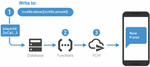
The developed system allows the organizers of tennis tournaments to create forms and the players to answer the questions raised on their mobile devices. The proposed architecture for the system is a typical client-server model where the client is the app in the mobile phone whereas the server is the Firebase platform (where the project to store data, manage users and send notifications is located). The client communicates with the server using the different APIs of the platform. The application implemented in this project allows user registration, startup and closing session by using Firebase API authentication. There are two user roles: Administrators, who can create and manage Tournaments by assigning players, create and manage Forms to be completed and manage Users, and Players, who can only answer Forms. Forms can be created using the menus in the app or in an easier way by importing an Excel file into Cloud Storage where a function developed in Cloud Functions parses this file and creates the corresponding form. When a new Tournament is created the platform sends notifications to the corresponding players using the Cloud Messaging API to notify them that they have a pending questionnaire to answer. Once the players answer the Forms, the answers are sent and saved in Cloud Firestore activating another function in Cloud Functions that creates an Excel file with the player responses and uploads it to Cloud Storage, in a folder-based structure organized by tournaments.
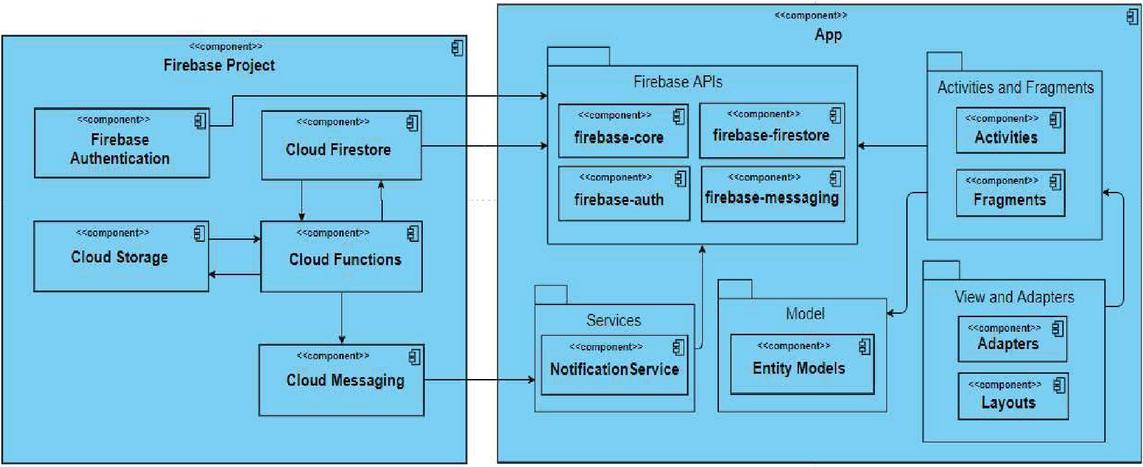
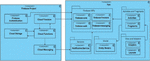
Figure 1 Client-server model and architecture components.
The main components in this architecture are shown in Figure 1 including those in the Firebase project and those in the app which will be further described below. In order to use Firebase, firstly it is necessary to create a project on the platform and to make an initial configuration in the application to be able to communicate with the platform.
2.1 Firebase Server
Now the architecture of the project database created on the Firebase development platform is described presenting its main components shown in Figure 1.
Firebase Authentication
The application needs to identify users and using this Firebase component, users’ data is stored securely in the cloud allowing users to switch devices without losing their user account. The user authentication method chosen for the development of the application is via email and password. To use this method every user needs to activate it in the development platform and import the dependency into the build.gradle file of the application.
Cloud Firestore
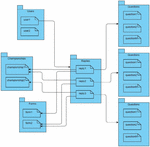
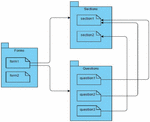
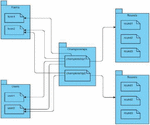
This is the component that provides the database. Unlike traditional databases, there are no tables or records in Firebase since it is a NoSQL database. Therefore the class diagram used in the application differs with the structure of the database hosted on the Firebase development platform. Cloud Firestore stores the data generated by the application in documents organized in collections (see examples in Figures 2–4). Documents contain sets of key-value pairs and may have subcollections and nested objects. The names of the documents in a collection are unique and are used as identifiers. In order to develop the proposed application, three main collections (Users, Forms and Championships) were defined to store the data generated by the application. In addition there is another collection, Notifications, used to trigger the events that send the notifications to the players. The administrator can create N different championships (tournaments) with any number of forms (questionnaires) associated, consisting any of them of different questions (any number of questions), etc. what makes the application very versatile.
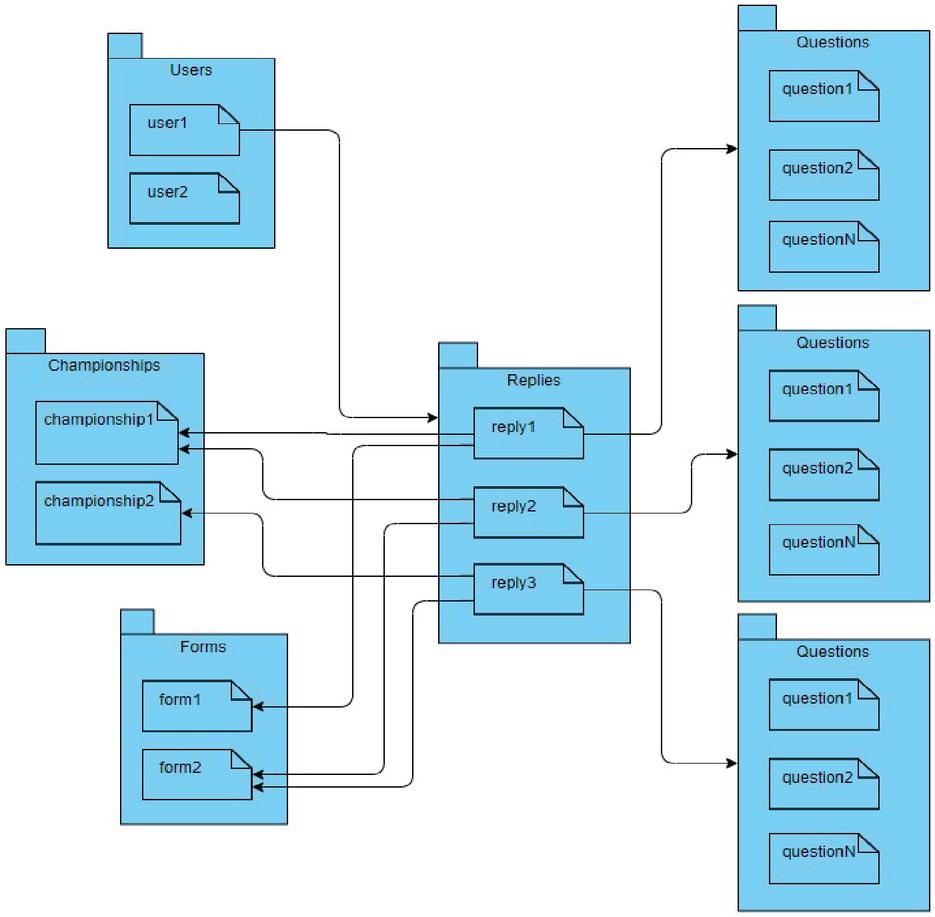
Figure 2 Model and relationships of the collection Users.
– Collection Users: documents are stored in this collection with the information that represents a user in the application (see Figure 2 where the Users collection model and its relationships with other collections and subcollections are shown). Documents are created with the identifier generated by Firebase Authentication component when a user is registered in the application. These documents that identify users have a replies subcollection to store all the answers provided by the players. The documents of this subcollection save all the information related to the response, such as the identifiers of the documents that represent the tournament, the form answered and the round in which the form is being answered. Replies documents also have the questions subcollection whose documents store the questions of the form and the answers provided by the player. Every time a document is created in the replies subcollection of any document in the Users collection an event is triggered to execute a Cloud Functions function which stores the player’s response in the corresponding Excel file in Cloud Storage.
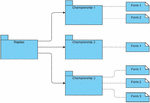
– Collection Forms: this collection stores the documents with the information of the forms generated both by the application and by the function developed in Cloud Functions to create forms. The documents in this collection have two subcollections (sections and questions) with documents to store, respectively, the sections and the form questions. The documents of these subcollections are created with their own identifiers used as indexes to be represented in the appropriate order. The Forms collection and the relationships between the subcollections and documents are presented in Figure 3.
– Collection Championships: this collection stores the documents of the tournaments created by the administrators of the application. These documents save the information of which forms and which players are part of a tournament by storing the document identifiers of the Forms and Users collections into two lists. In addition, these documents have a subcollection called rounds whose documents are created with identifiers that represent the round number. These rounds documents store information in the form of a map used to manage which players continue in each round of a tournament and to limit each player a single response per form and round. The Championships collection and the relationships between the subcollections and documents are shown in Figure 4.
Cloud Storage
It is the component that provides cloud storage to save player responses in the corresponding Excel files. It does not communicate directly with the application but it is used by the developed Cloud Functions stored on the platform. A folder is created within the cloud storage system to save the players’ answers organized into tournament folders following the structure shown in Figure 5.
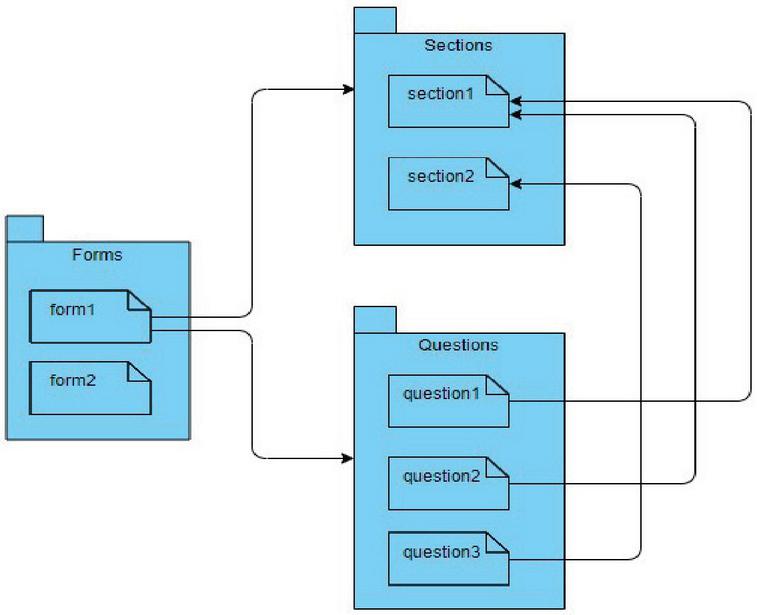
Figure 3 Model and relationships of the collection Forms.
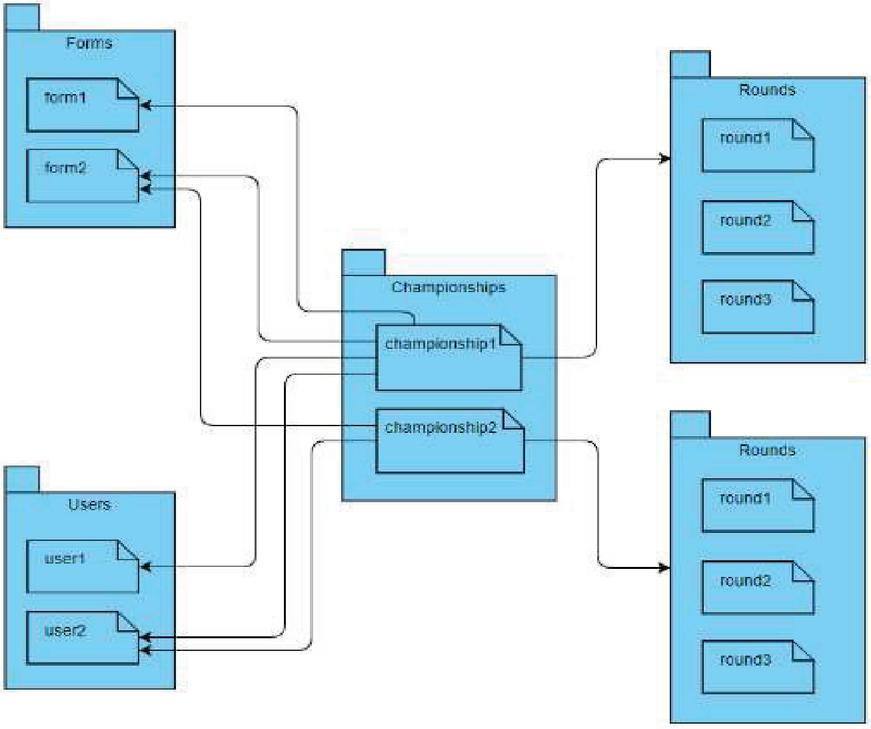
Figure 4 Model and relationships of the collection Championships.
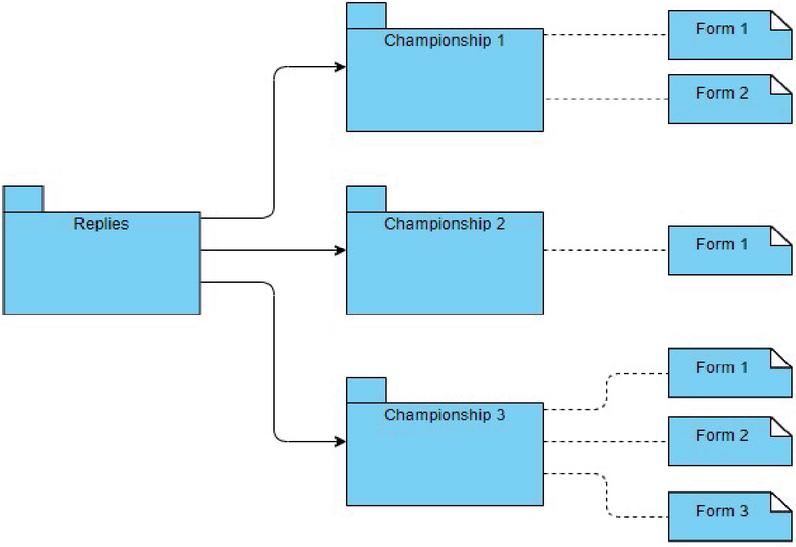
Figure 5 Repository scheme storage of responses.
Cloud Messaging
It is the component which permits to send notifications to each player indicating that he/she has a new form available to be answered. In order to use this module Google Analytics must be activated in the Firebase project. Mass notifications can also be sent to all users from the platform. The way it is used from the Cloud Functions is explained below.
Cloud Functions
This component allows the creation of functions for the system backend logic. The functions code is stored in the cloud and runs in a Google-managed environment. It is not necessary to manage or scale any server, this process is completely handled by the platform, being this a key feature of the proposed system considering the final scenario of use. The functions respond to events generated by any other Firebase components. To develop these functions it is necessary to install Node.js and npm in order to download Firebase CLI that allows to deploy the functions developed on the platform. Three main functions have been developed in javascript that enhance the application from the development platform. These functions are activated with different events that occur on the platform such as the creation of data in the database or the upload of files to the Firebase Cloud Storage. For the creation and reading of Excel files, the SheetJS and ExcelJS libraries have been used. The concurrence of these functions is managed by the development platform.
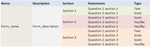
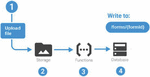
– Function createForm: it allows to easily create new forms from the platform instead of using the application in the mobile client. A folder has been created in Cloud Storage so that an administrator can create in an automatized way a new form by uploading the corresponding Excel file to this folder with a predefined format (see Figure 6). The Excel file includes information of how the form will be organized into different sections with one or several questions of different types (text, scale, yes/no, etc.). This createForm function is activated when the event of uploading a file occurs, then it reads the first two columns which contain the form information (name and description) and hence creates the corresponding document in the Forms collection hosted in Cloud Firestore. By using javascript Firebase libraries the function finishes reading the Excel file sections, questions statements and type of questions thus creating the required subcollections of the Form collection (see Figure 7).
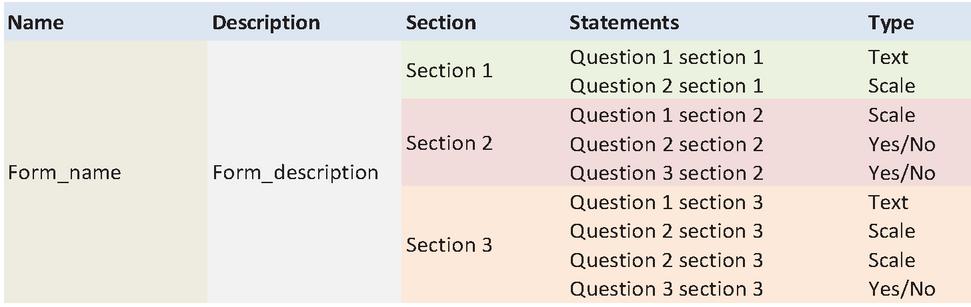
Figure 6 Excel file format for automatized creation of forms.
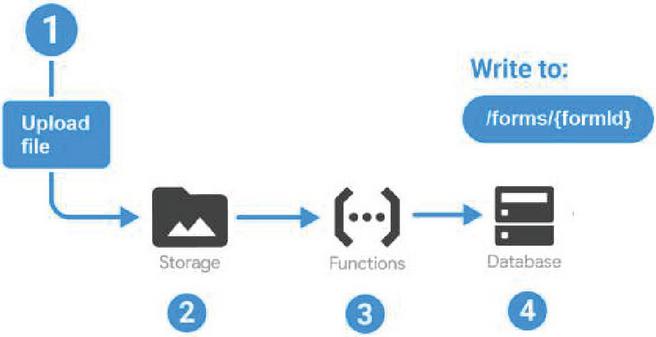
Figure 7 Procedure of createForm function.
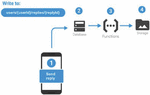
– Function saveReply: it collects the responses of the players and saves them in Excel files that are stored in Cloud Storage (see Figure 8). When a player submits the answers of a tournament form they are saved in the replies subcollection of the Users collection documents. This action triggers the event that executes this function. The form responses are iterated to be placed in the corresponding columns. In order to identify within the Excel file which answer corresponds to each player, the first column corresponds to the name of the player who answered the form and the second column corresponds to the tournament round. The rest of the columns in the Excel file correspond to the answers to each of the questions.
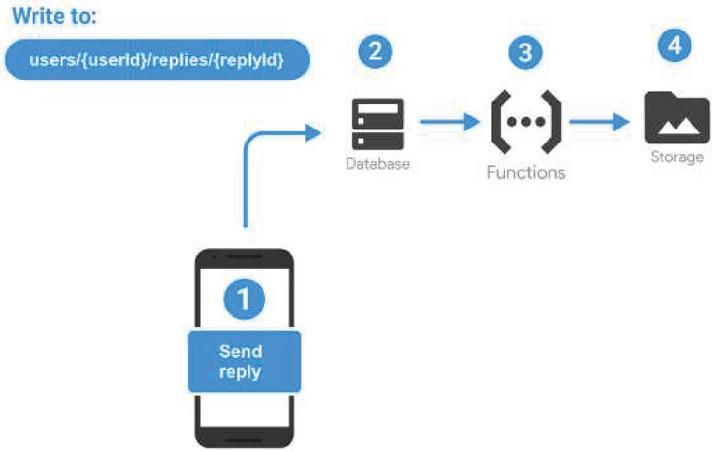
Figure 8 Procedure of the saveReply function.
– Function sendNotification: it sends notifications to players indicating that they have an available form to be answered. When the administrator manages a tournament and indicates the winner of a match in a round two documents are created from the application in the Notifications collection, one for each player of the match. These documents contain the player’s identifier, the name of the tournament and the round number, information needed to build the notification message. The event that triggers this function is the writing of any document in the Notifications collection. The function reads the data from the document and with the user identifier it consults in the Users collection the registration token obtained when he/she logged into the application. Through the user token and using the Firebase Messaging API the sendNotification function sends notifications to the corresponding mobile devices (see Figure 9).
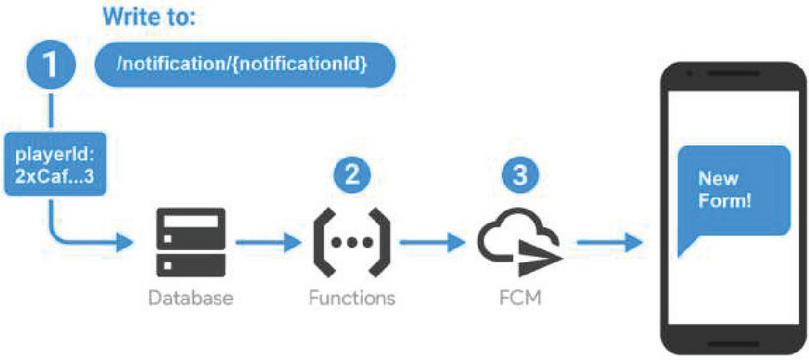
Figure 9 Procedure of the sendNotification function.
2.2 Android App
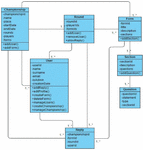
The application has been developed following the model–view–controller (MVC) design pattern separating the elements that build the application. The controller receives the events generated by the users from the view or by the Cloud Functions functions (activities, fragments and services) to send the corresponding action to the model that updates the data in the view (android layouts represented in XLM files). The data model represents the application data stored in the non-relational Firebase database (classes, attributes and methods are shown in Figure 10). Main classes correspond to the collections, subcollections and documents already described.
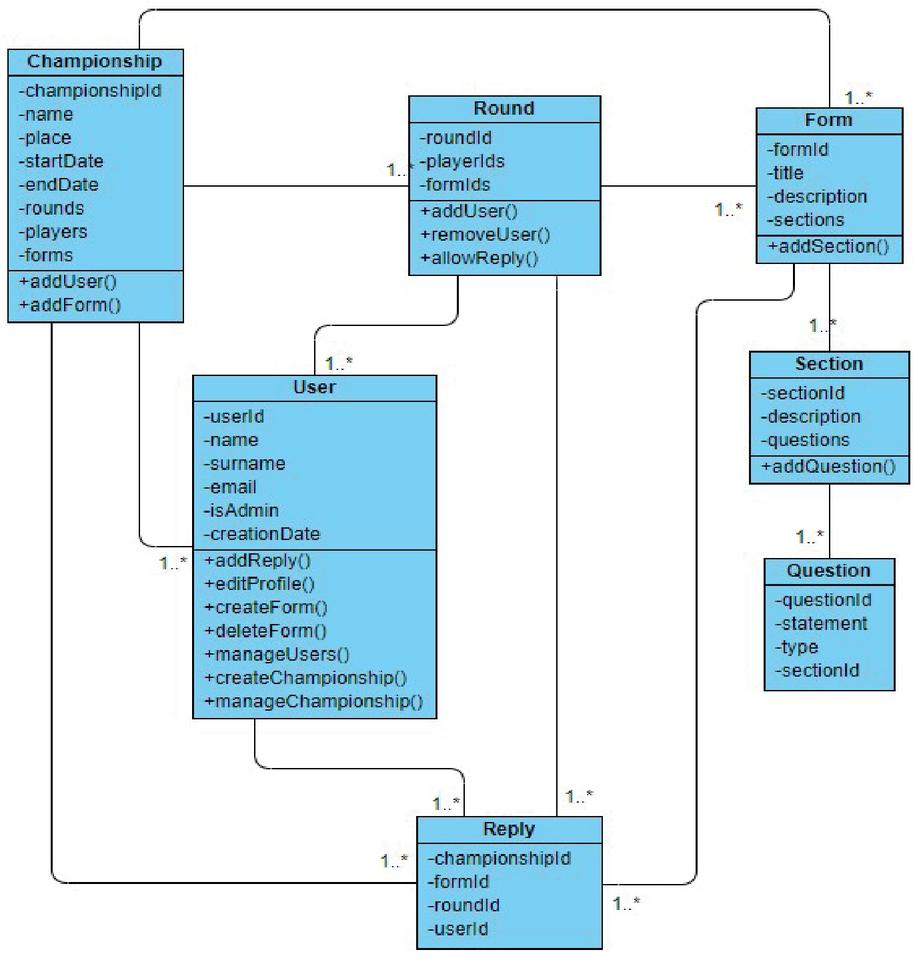
Figure 10 Class diagram in the application.
Table 3 Activities and fragments (methods in parenthesis) for different user roles (C: common, A: Administrator, P: Player)
| Activities/Fragments (Methods) | Functionality | |
| C | SignUpActivity.java (registerUser) | to register new users in the application |
| C | LoginActivity.java (userLogin, updateToken) | to log in to the application |
| C | MainActivity.java (placeNavigationHeader, thereAreFormsToReply, showAdminButtons, onNavigationItemSelected) | main activity of the application, it implements the android NavigationView class |
| C | EditUserProfileFragment.java (editProfile, modifyPassword, showErrorUpdatingPassword, onDeleteClick, deleteAccount) | to change the account password and to allow deletion of the account |
| A | CreateFormFragment.java (addSectionToLayout, addQuestionToSection, addFormToFirebase) | to create forms that will be added to tournaments |
| A | ListManageFormsFragment.java (loadFormList) | to show the list of created forms |
| A | ManageFormFragment.java (loadSectionsData, loadQuestionsData, placeQuestionsInSection, deleteForm) | to show the data of a selected form allowing the admin to preview or delete it |
| A | CreateChampionshipFragment.java (showDatePickerDialog, nextStepCreateChampionship) | to start the creation of a tournament |
| A | AddPlayersToChampionshipFragment.java (loadUserList, checkSelectedPlayersAndContinue) | to show players in a list |
| A | AddFormsToChampionshipFragment.java (loadFormList, createChampionship) | to show the available forms |
| A | ManageChampionshipsFragment.java (loadChampionshipList) | to manage ongoing tournaments in a list |
| A | ManageChampionshipRoundsFragment.java (loadRounds) | to load a list with the rounds of the selected tournament |
| A | ManageChampionshipPlayersFragment.java (loadUserList, checkSelectedPlayersAndContinue) | to load the list of players playing a round |
| A | SelectWinnerFragment.java (addWinnerToNextRound) | to designate the winner of a match |
| A | ListManageUsersFragment.java (loadUserList) | to see the users of the application |
| A | ManageUserFragment.java (changeUserRole) | to give and remove admin permissions |
| P | ListChampionshipsFragment.java (loadChampionships) | to show tournaments in progress |
| P | ListFormFragment.java (loadRounds, loadAllForms, loadFormsCanReplyFromRounds) | to show tournament forms not answered by a player |
| P | ReplyFormFragment.java (loadFormData, loadSectionsData, loadQuestionsData, placeQuestionsInSection, retrieveResponses, addReplyToFirebase, userCanNoReplyThisFormAnymore) | to show the questions of a selected form to players and allow to answer the questions |
Activities, fragments and services were programmed for the application to work correctly (see Table 3 for a brief description of their main functionalities). As an example, an activity manages user registration and another activity permits to log in. These activities make use of the Firebase Authentication API that by instantiating an object of the FirebaseAuth class allows users to register in the Firebase project and log in. The main activity is implemented with a side menu design using the Android Navigation Drawer. This activity manages the different fragments that control each of the application screens. Some fragments show tournaments, rounds, forms or users in their layouts. In order to visualize these lists, several adapters were developed extending from the ArrayAdapter class of android for the Championships, Rounds, Forms and Users models, which adapt the visualization of the data obtained from Firebase. When the application is firstly started the Cloud Messaging SDK generates a registration token for the application instance. When a user enters his/her credentials and signs in, the token is stored in the database in order to send notifications to the correct device. If the user logs off, then the token is removed from the database and this user will not receive notifications until he/she logs in the same or another device and the token used in the database is stored again.
3 System Evaluation
3.1 System Validation
The activities, fragments and methods programmed provide the application with the functionalities described in Table 3. The system considers users of two different roles: administrators and players. Administrators can create forms either from the app or by uploading the corresponding Excel file and manage them, can create and manage tournaments and users. Different questionnaires consist of different questions and every questionnaire can be stored and used in any championship as defined by the administrators. On the other hand, players can only answer forms.
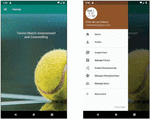
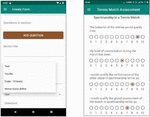
Some examples of the application screens are shown in Figures 11 (home and administrator screens) and 12 (administrator screen to create a new form from the app in the left, and player screen to answer a form in the right). The system usage was firstly evaluated by one administrator who was in charge of defining and creating a new form and a tournament from the app. The administrator was asked for answering a System Usability Scale (SUS) to get a measure of the system usability [45] answering 10 questions. The selected statements in this scale actually cover a wide variety of aspects of a system usability, such as the need for support, training, and complexity, and thus have a high level of face validity for measuring the usability of a system in a very simple manner. The only three questions that did not reach the top assessment in the SUS completed by the administrator were related to the need of some support of a technical person to be able to start using the system, the simplicity of functions integrated in the system, and the need to learn things before the administrator could get going with the system. All in all the proposed system was evaluated with a 92.5 score (in a scale ranging from 0 to 100) showing a high level of usability. Regarding the storage of the data, the responses of the players were immediately available, so that the evaluation of the information and the feedback that the system provides can also be as fast as one needs.
Several tests were planned to technically validate the appropriate performance of the system prior to use it in a real scenario. To test the application a simple simulation of a tournament with 8 players (the equivalent of 3 rounds) was carried out and a new questionnaire was created to be answered by players included in this tournament. Nine Android mobile devices of different models and brands were used, 8 of them to play the role of tournament players and one to be used by the administrator. These mobiles presented medium level technical specifications such as e.g. a Qualcomm Snapdragon 625/Octa-Core 2GHz processor with 4GB RAM to avoid biasing the results in favor due to the use of higher model devices. During the performed tests mobile devices received notifications only seconds after the administrator managed the tournament rounds. Although the concurrence in the functions of Cloud Functions is managed by Firebase, the possibility of answering several forms simultaneously was also tested. In all cases all the responses were correctly saved in the corresponding Excel file without losing any response or overwriting an existing one.
Regarding Firebase data protection the platform provides support for application of General Data Protection Regulation (GDPR) and California Consumer Privacy Act (CCPA). The GDPR imposes obligations on data controllers (in this case Firebase customers) and data processors (in this case Google) and data is under the customer’s control who are responsible for obligations like fulfilling an individual’s rights with respect to their personal data or information processed in the system. In order to accomplish with this prior to be registered in the system it is mandatory to mark the checkbox to accept the privacy policy. Moreover, Firebase is also certified under major ISO and SOC privacy and security standards. Firebase services encrypt data in transit using HTTPS and Firebase services also encrypt their data at rest.
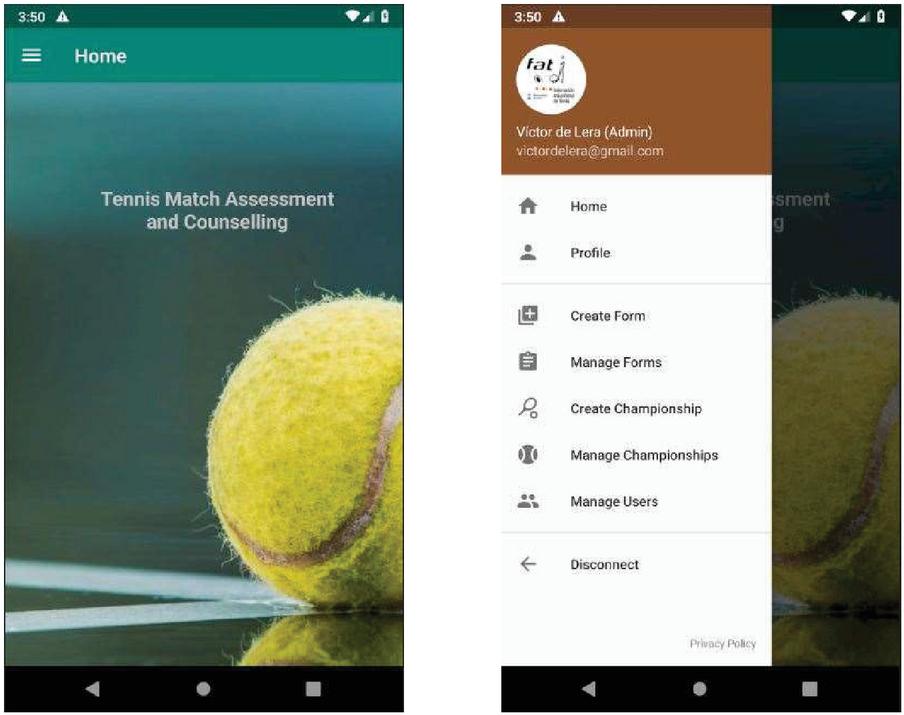
Figure 11 Home and administrator screens.
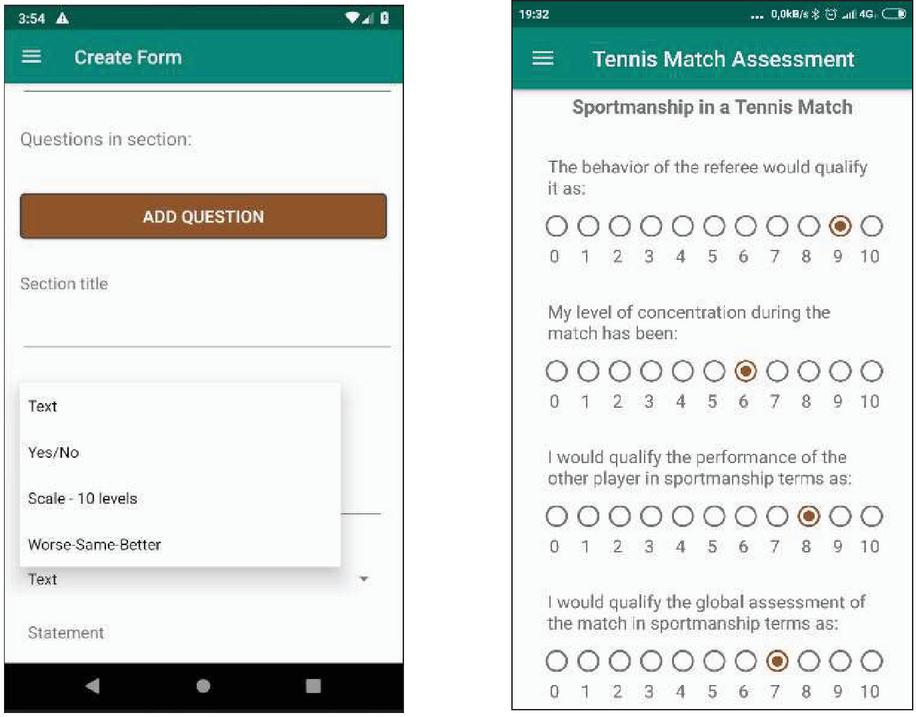
Figure 12 Screens to create a new form (administrator) and to answer it (player).
3.2 Evaluation in a Real Scenario
The system has been tested to collect data in a real tournament celebrated in the Aragón Tennis Federation (FAT) along first weeks of 2020. The application was used by 20 players (14 male and 6 female) in 34 matches in total distributed in 5 different categories: 4 players (10&Under), 7 players (12&Under), 4 players (14&Under), 4 players (16&Under) and 1 player (18&Under). This simple new form created by the tournament administrator consisted of 13 questions (see Table 4) based on the REDPT and other relevant questions related to different categories (match expectations, tournament organization, tactical and psychological evaluation, etc.) to evaluate sports and unsportsmanlike behaviors.
From a technical perspective, during the tournament the application worked without any incidence and players were very interested in using it. They answered immediately at the end of their match. Although this form contained 13 questions (the first three parameters in Table 4 are automaticalley completed by the app) it was completed in less than five minutes. This aspect is important since even without familiarization with the application the time dedicated was relatively short. Furthermore, the vast majority of the players filled in all the fields, including the open-response fields (see last column in Table 4). This data is additionally relevant considering that some groups of players are very young (10&Under and 12&Under categories), confirming that even they easily understood and were able to use the application. Regarding the parents of the players, who were required to give permission in the system use, they also showed surprise and great interest in the application and its content.
Table 4 Form for unsportsmanlike behaviors evaluation (questions, options for answering the questions and frequency/percentage of responses for that question)
| Q | Question | Options | Frequency/% |
| 1 | Category | x | |
| 2 | Round | n | |
| 3 | Result | win/defeat | 34/100 |
| 4 | The result obtained in relation to the expected has been | worse/better/same | 34/100 |
| 5 | I have made a warm up before the party that allowed me to better the party better | yes/no | 34/100 |
| 6 | The behavior of the referee would qualify it as | 0–10 | 25/74 |
| 7 | The best or most outstanding of today’s match for me, has been | free text | 32/94 |
| 8 | The worst or less highlight of today’s match for me, has been | free text | 31/91 |
| 9 | My level of concentration during the match has been | 0–10 | 34/100 |
| 10 | I have always trusted in my possibilities during the match | yes/no | 34/100 |
| 11 | Regarding my performance at the tactical level during the match I would qualify it as | 0–10 | 34/100 |
| 12 | I would qualify the behavior of the other player in sportsmanship terms as | 0–10 | 34/100 |
| 13 | I would qualify the global behavior of the match in sportsmanship terms as | 0–10 | 34/100 |
| 14 | My parents and/or companions have given me advice during the match | yes/no | 34/100 |
| 15 | The parents and/or companions of the other player have given him/her advice during the match | yes/no | 32/94 |
| 16 | I would qualify the relation to players and/or companions during the competition as | worse/better/same | 33/97 |
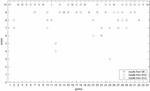
Some of the results obtained during this pilot tournament are shown in figures Figures 13 and 14. The main results regarding the evaluation of the global perception of sportsmanship in tennis matches are shown in Figure 13 where the answers to questions 6, 12 and 13 from the questionnaire in Table 4 are presented. Through analysis of the questions regarding the global perception of the players (their own and that of their adversary) during the games it can be concluded that in general terms the assessment of the quality of the tennis competition was quite good. The results obtained regarding the behavior of the referee (question 6) yielded a mean of 9.5 (sd 0.88), regarding the behavior of the other player in sportsmanship terms (question 12) a score of 8.79 (sd 1.79), and regarding the global behavior of the match in sportsmanship terms (question 13) a value of 8.94 (sd 1.28). However, the answers evaluated in the tournament detected 2 potential cases of unsportsmanlike behavior (question number 12 was scored with less than 4 by two players as can be seen in Figure 13) corresponding to categories 12&Under and 16&Under, respectively.
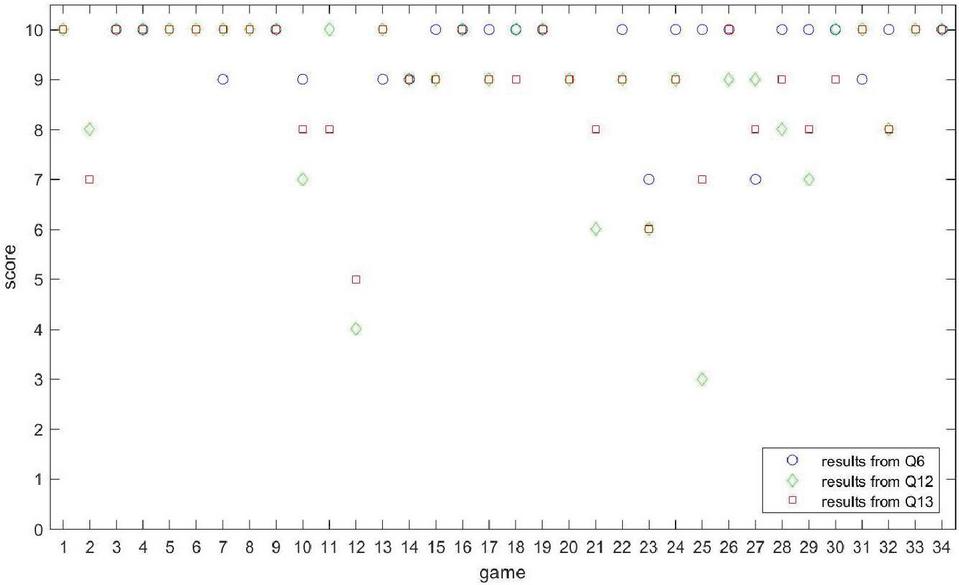
Figure 13 Results of global perception of sportsmanship.
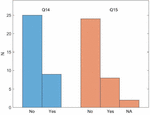
The results with respect to parents (or companions) behavior during the match are shown in Figure 14. Question 14 (My parents and/or companions have given me advice during the match) was answered with 25 “no” (73.5%) and 9 “yes” (26.5%), whereas question 15 (The parents and/or companions of the other player have given him/her advice during the match) was answered with 24 “no” (70.6%), 8 “yes” (23.5%) and 2 players (5.9%) did not answer. This result evidences that more times than expected parents or companions interfere in children’s matches. The perception that players have regarding parents’ behavior during the game is that one of the offenses that most often occurs during a tennis match in these categories is the technical advice from coaches, parents or other people close to the tennis players.
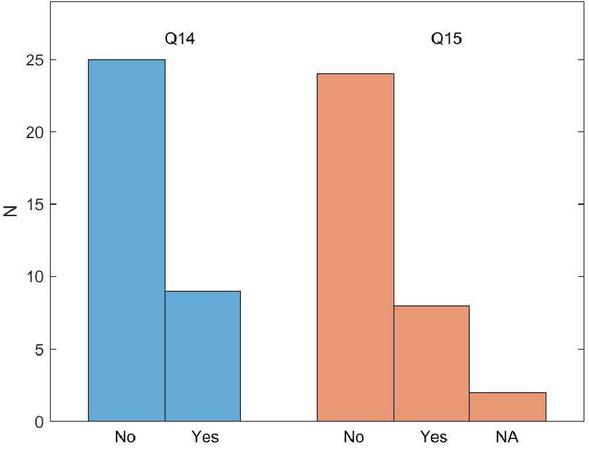
Figure 14 Results of parents (or companions) behavior during the match.
From a psychological point of view the use of this type of questionnaires allows to collect in an easy manner not only the sports or unsportsmanlike attitudes and behaviors that occur in a tennis match by the players, but also those of other agents, especially those of parents or companions, having the connection that in a specific match they have had to the sportiness of it. While most of the sportsmanship promotion strategies implemented so far in grassroots tennis are focused on parents, new strategies can be also an important teaching tool for tennis coaches. This instrument allows a detailed knowledge of the positive and negative behaviors and attitudes that both players and their parents or companions develop in tennis competitions, especially when the match is not directly refereed by a chair umpire. Therefore it can help to deepen the relationship that sports or non-sports behavior of players and parents has in the match situations themselves with respect to many of the prevention strategies used in sport in general and specifically in tennis. Using questionnaires such as e.g. the REDPT can be a useful instrument since the detailed information provided can be a relevant reference point for evaluating the quality of grassroots tennis and for the design of prevention strategies. In the Competition School of the Aragonese Tennis Federation (FAT) some training actions for the primary prevention of non-sports behaviors in base competition tennis have already been designed and implemented through the development of didactic material such as the informative and didactic brochure “Play clean …in Aragonese tennis”, aimed especially at players and parents who are beginning to compete in this sport.
The app helps to know, through data analysis, the frequency of sports and non-sports behaviors that have a greater incidence in grassroots tennis competition, observing the relationship between perceived sportsmanship and other relevant variables in the explanation of this construct such as the type of category, gender, the expectation of performance during the match and the final score. The Sports Management of the FAT analyzes the global results of each competition to know the opinion of the participants in relation to the organizational, psychological, performance and sportsmanship aspects related to the competition. With these results, it is determined whether it is convenient to intervene in the improvement of some of these aspects specifically in future competitions. At the same time, the fact that not only players, but also the referee, parents or organizers are evaluated, is a tool that helps to intervene in some way in improving sportsmanship in grassroots tennis and in understanding the rules and idiosyncrasies of this sport. In the event that it is detected that the tendency of a player, a parent, a coach or a referee is considered to be a repeat offender and is not in accordance with the sportsmanship parameters established by the ITF, the RFET and the FAT, the actors will be notified by the Competition Committee of the FAT. This notification will be made through an information letter first and later through a proposal for intervention through secondary prevention actions in the event that the player and/or their environment are repeat offenders in this type of behavior.
A self-evaluation by the player in relation to how the match has developed in terms of sportsmanship through this app, can have an awareness effect that will surely bring benefits to the players and the development of a competition in values according to the idiosyncrasy of this sport. In this way, the app performs an important primary prevention function, since it allows monitoring of players with a “conflicting” profile or tendency during tennis matches, even though the percentage of problematic matches has been very low. Simply the fact of detecting some cases with this aforementioned trend, supposes a substancial fact of awareness, as well as motivating, for an organization like the FAT in terms of improving the quality of competition in this sport in relation to the phenomenon of sportsmanship. Likewise, these primary prevention actions can be transformed into secondary and even tertiary prevention actions, in the event that players with this “conflictive” tendency agree to participate in subsequent individualized actions dedicated to improving their behaviors.
On the other hand, the FAT wants to influence the training of coaches in order for them to direct the “triangle” formed by the players, coaches and parents in the best possible way, providing them with tools that help guide the player and their closest environment towards an approach to this sport as healthy as possible, especially at the youngest ages of the players. Thus, this app is a potentially motivating tool, both for players and their coaches, when incorporating strategies that assess the behaviors at a psychological level that occur during a tennis match and the influence of external factors on their development (parent, companions, coaches, referees, etc.). At the same time, with the results obtained through the app, those in charge of the FAT and those of the competition organization, it would be advisable from a psychological point of view that at the end of the competition the athlete should be congratulated with positive evaluations for part of his opponents in the disputed matches. Surely, this fact would produce an increase in their self-concept and self-esteem, probably allowing a transfer of these aspects to their personal life.
4 Conclusions
The use of conventional questionnaires has been the most widespread instrument to obtain information related to sports and unsportsmanlike behaviors in sports competitions. The developed system has shown as a powerful and versatile tool to create new forms linked to the tournaments and players in order to collect data for the evaluation of psychological aspects during the competition in the way tennis organizers demand. Therefore it may facilitate the detection and evaluation of sports and unsportsmanlike behaviors in grassroots tennis competitions. First, the system has permitted to automatize the evaluation record of sportsmanship in tennis competitions (REDPT) previously used in paper format in the Aragón Tennis Federation (FAT). In addition the system allows the tennis tournaments organizers to easily create new forms either using the app or by means of an Excel file with a predefined format uploaded into Cloud Storage. By using the application it is therefore very easy to collect the answers of the players and further evaluate them. The system has been evaluated in a real tournament proving its capacity to show that the perception of the players (their own and that of their adversary) of sportsmanship was very good (around 9 on a scale of 10 for the global behavior of the match in sportsmanship terms). On the other hand, the application showed two potential cases of unsportsmanlike behavior in the matches and also evidenced that parents or companions interfere in children’s matches in around 25% of cases. In addition to the definition of the questionnaires, some prevention and sportsmanship promotion strategies were proposed by the Competition School of the Aragonese Tennis Federation (FAT) consisting on the development of didactic material for players and parents who are beginning to compete in grassroots tennis. The application is planned to be used at large scale in the FAT in future competitions but due to the COVID-19 pandemic situation, which has cancelled most sports competitions it is not possible right now to collect more data. Future research is also planned to analyze collected data by means of different machine learning methods. Finally, this type of applications could be also used almost without changes in other individual sports with similar competition scheme simply by adapting the required questionnaires to the specific nature of those sports.
Acknowledgements
This research was funded by Ministerio de Economía, Industria y Competitividad from Gobierno de España and European Regional Development Fund (TIN2016-76770-R and Gobierno de Aragón (Reference Group T31_20R) and FEDER 2014-2020 “Construyendo Europa desde Aragón”.
References
[1] Weinberg, R. (2002). Tennis, winning the mental game, Miami University, Oxford, Ohio. ISBN-10: 0972094008.
[2] Abrahams, M. (2010). Anger management in sport: understanding and controlling violence in athletes. Leeds, United Kingdom: Human Kinetics.
[3] Wolfenden, LE; Holt, NL. (2005). Tennis development in elite junior tennis: Perceptions of players, parents and coaches. Journal of Applied Sport Psychology, 17, 108–126.
[4] McIntosh, P. (1979). Fair-play: ethics in sport and education. Londres: Heinemann.
[5] Tenenbaum, G; Stewart, E; Singer, R; Duda, J. (1997). Aggression and Violence in Sport: An ISSP Position Stand. The Sport Psychologist, 11, 1–7.
[6] Stephens, DA; Bredemeier, BJ; Shields, DL. (1997). Construction of a measure designed to assess players’ descriptions for moral behavior in youth sport soccer. International Journal of Sport and Exercise Psychology, 28, 370–390.
[7] Lee, MJ; Whitehead, J; Ntoumanis, N. (2007). Attitudes to Moral decisión-making in Youth Sport Questionnaire (AMDYSQ-1).
[8] Code of Conduct. International Tennis Federation. (Last visited: 12/2020) https://www.itftennis.com/en/about-us/governance/rules-and-regulations/
[9] Lacambra D. (2015). Evaluación y prevención de comportamientos deportivos y no deportivos en el tenis de base de competición. PhD. Disertation. ISSN 2254-7606.
[10] Vallerand, RJ; Brière, NM; Blanchard, C; Provencher, P. (1997). Development and validation of the multidimensional sportspersonship orientations scale. Journal of Sport and Exercise Psychology, 19, 197–206.
[11] Lee, M. (1996). Young people, Sport and ethics: an examination of fairplay in youth sport. Technical Report to the Research Unit of the Sports Council: Londres.
[12] Bredemeier, B. (1985). Moral reasoning and the perceived legitimacy of intentionally injurius sport acts. Journal of Sport Psychology, 7, 110–124.
[13] Kavussanu, M., & Boardley, I. D. (2009). The Prosocial and Antisocial Behavior in Sport Scale. Journal of Sport and Exercise Psychology, 31, 97–117.
[14] Horrocks, R. (1979). The relationship of selected prosocial play behaviors in children to moral reasoning, youth sports participation, and perception of sportsmanship. Tesis Doctoral. University of North Carolina at Greensboro.
[15] Gibbons, S; Ebbeck, V; Weiss, M. (1995). Fair play for kinds: effects on the moral functioning of children in physical education. Research Quarterly for Exercise and Sport, 66, 247–255.
[16] Bolter, N; Weiss, M. (2012). Coaching for Character: Development of the Sportsmanship Coaching Behaviors Scale (SCBS). Sport, Exercise, and Performance Psychology, 1(2), 73–90.
[17] Greenwell, T; Geist, A; Mahony, D; Jordan, J; Pastore, D. (2001). Characteristics of NCAA conference codes of ethics. International Journal of Sport Management, 2, 108–124.
[18] Hurtel, V. (2010). Involvement in Sports Questionnaire. ITF Coaching and Sport Science Review, 52(18), 23–24.
[19] Lee, MJ; Mac Lean, S. (1997). Sources of parental pressure among age group swimmers. European Journal of Physical Education, 2, 167–177.
[20] Knight, CJ; Boden, CM; Holt, NL. (2010). Junior tennis players’ preferences for parental behaviors. Journal of Applied Sport Psychology, 22, 377–391.
[21] Harwood, C; Knight, C. (2009). Understanding parental stressors: An investigation of British tennis parents. Journal of Sports Sciences, 27, 339–351.
[22] Gould, D; Lauer, L; Rolo, C; Jannes, C; Pennisi, N. (2006). Understanding the role parents play in junior tennis success: A national survey of junior tennis coaches. British Journal of Sports Medicine, 40, 632–636.
[23] Bolgar, M. (2005). Contextual and personal predictors of coping with anger in junior tennis players. University of Florida.
[24] Burney, DA. (2001). Adolescent Anger Rating Scale: Profesional Manual. Lutz, FL.: Psychological Assesment Resources.
[25] Dugdale, JR; Eklund, RC; Gordon, S. (2002). Expected and unexpected stressors in major international competition: Appraisal, coping, and performance. The Sport Psychologist, 16, 20–33.
[26] Kowalski, KC; Crocker, PRE. (2001). Development and validation of the Coping Function Questionnaire for adolescent in sport. Journal of Sport and Exercise Psychology, 36, 257–272.
[27] Fry, MD; Newton, M. (2003). Application of achievement goal theory in an urban youth tennis setting. Journal of Applied Sport Psychology, 15(1), 50–66.
[28] United States Tennis Federation (USTA) (2001). USA Tennis Parent’s Guide.
[29] International Tennis Federation (1995). Being a Better Tennis Parent, guidelines to help the parents of young tennis Players.
[30] Gimeno, F. (2003). Training parents: Keys to effective management of the relationship with parents of young athletes – social skills guide for the coach. (2nd edn.). Mira Editores: Zaragoza, Gobierno de Aragón. In spanish.
[31] Gimeno, F; Sáenz, A; Ariño, V; Aznar, M. (2007). Sportsmanship and violence in grassroots football: An evaluation and prevention program for risky matches. Revista de Psicología del Deporte, 16(1), 103–118. In Spanish.
[32] Google Forms. https://www.google.com/intl/en-GB/forms/about/ (Last visited: 12/2020).
[33] Microsoft Forms. https://www.microsoft.com/en-us/microsoft-365/online-surveys-polls-quizzes (Last visited: 12/2020).
[34] The Ultimate Guide to Forms and Surveys. (2015). Zapier Inc. https://zapier.com/learn/forms-surveys/ (Last visited: 12/2020).
[35] Xporty. https://www.xporty.com/ (Last visited: 12/2020).
[36] Leverade. https://leverade.com/ (Last visited: 12/2020).
[37] DoLeague. https://www.doleague.com/ (Last visited: 12/2020).
[38] Mora, N; Grossi, F; Russo, D; Barsocchi, P; Hu, R; Brunschwiler, T; Michel, B; Cocchi, F; Montanari, E; Nunziata, S; Matrella, G; Ciampolini, P. (2019). IoT-Based Home Monitoring: Supporting Practitioners’ Assessment by Behavioral Analysis. Sensors. 19.
[39] Alfeo, A; Barsocchi, P; Cimino, M; La Rosa, D; Palumbo, F; Vaglini, G. (2017) Sleep behavior assessment via smartwatch and stigmergic receptive fields. Personal and Ubiquitous Computing, 22(2), 227–243.
[40] Aloulou, H; Mokhtari, M; Abdulrazak, B. (2019). Deployment of an IoT Solution for Early Behavior Change Detection. In: Pagán, J; Mokhtari, M; Aloulou, H; Abdulrazak, B; Cabrera, M. (eds.) How AI Impacts Urban Living and Public Health. ICOST 2019. Lecture Notes in Computer Science, vol 11862. Springer, Cham.
[41] Where does Firebase fit in your app? (2013). Firebase Blog. [Online]. Available: https://firebase.googleblog.com (Last visited: 12/2020)
[42] Pepita AG; Juhana, T. (2018). User Interface, Creation and Retrieval of User Health Information with Google Firebase, and Delivery of Automatic Emergency SMS for Ambient Assisted Living System: Monitoring of Elderly Condition Using Smart Devices. 4th International Conference on Wireless and Telematics (ICWT), Nusa Dua, pp. 1–4.
[43] Sharma AK; Saini, LM. (2019). IoT based Diagnosing Myocardial Infarction through Firebase Web Application. 3rd International conference on Electronics, Communication and Aerospace Technology (ICECA), Coimbatore, India, pp. 190–195.
[44] Ward, D; Peoples, C. (2019). An iOS Application with Firebase for Gym Membership Management. IEEE Potentials, vol. 38, no. 3, pp. 27–34.
[45] Dhiman, R; Basral, A; Jaswanti. (2019). A New Android Application (Breeze) for College Management System. 3rd International Conference on Computing Methodologies and Communication (ICCMC), Erode, India, pp. 1–3.
[46] Jain, S; Garg, R; Bhosle, V; Sah, L. (2017). Smart university-student information management system. International Conference on Smart Technologies for Smart Nation (SmartTechCon), Bangalore, pp. 1183–1188.
[47] Kanwal, M; Thakur, S; Lashkari, R. (2017). An app based on static analysis for android ransomware. 8th International Conference on Computing, Communication and Networking Technologies (ICCCNT), Delhi, pp. 1–6.
[48] SUS – A quick and dirty usability scale. John Brooke.
Biographies

V. De Lera is a graduated in Telecommunications Technology and Services Engineering at the University of Zaragoza since the winter of 2019. He has worked in important companies dedicated to software engineering since 2015 where he has acquired a solid experience in the development of web applications. He is currently working in projects dedicated to innovation related to low-code development platforms at Everis (NTT Data Company).

D. Lacambra is a qualified professional with more than 20 years of experience in the field of formal education and sports. He received his PhD in Educational Psychology from University of Zaragoza, (Spain) in 2015. He also obtained a Bachelor Degree in Pedagogy and Psychology, in Sport Education Teaching and in Early Childhood Teaching, all of them from University of Zaragoza. His career is divided between formal education as a teacher at the San Vicente de Paul School (Zaragoza, Spain) and as a tennis coach (ITF, level 2) of the competition and high-competition groups of the Aragonesa Tennis Federation for more than 15 years. Currently, his interests are involved in the Sports Psychology, obtained the Master in Sports Psychology from UNED (Madrid, Spain) in 2020.

F. Gimeno is a Ph.D. Psychology. He carried out his PhD thesis assessing psychological variables related to sports performance and their implications for injury prevention, continuity in competitive sports and sports performance. In 2002, he joined the Zaragoza University as an Associated Professor, and since 2012, he is professor for sport psychology at the Faculty for Health and Sport Sciences at Zaragoza University. He has published more than 95 scientific articles.

Álvaro Alesanco was born in Ezcaray (La Rioja) in March 1977. In 2001 he received the degree in Telecommunications Engineer from the University of Zaragoza (UZ) and in 2007 the title of Doctor (“Cum Laude”) within the program of PhD in Communications Technology and Telematics. He has extensive experience in the cybersecurity and data security, with special emphasis on healthcare environments, in addition to the development and implementation of interoperability standards for medical devices and clinical information systems, in telemonitoring architectures and in general, in the design, optimization and evaluation of e-Health applications and services.

José García was born in Zaragoza, Spain, in 1971. He received the M.S. degree in physics and the Ph.D. degree (European doctorate and Honors Doctorate) from the University of Zaragoza in 1994 and 1998, respectively. He is a Full Professor in the Department of Electronics Engineering and Communications in the University of Zaragoza, where he was the Head of the department from 2009 to 2013. He is a member of the Aragón Institute of Engineering Research (I3A) and his professional research interests focus on issues related to biomedical engineering (in the field of e-Health) and communication networks (encoding, transmission, management, security and quality of service). He has performed research stays in the US, Sweden and Austria. He has published over 50 papers in international journals and more than 160 in national and international conference proceedings. He has coordinated and/or participated in over 50 research projects for both public and private funding.
Journal of Mobile Multimedia, Vol. 17_4, 603–636.
doi: 10.13052/jmm1550-4646.1746
© 2021 River Publishers