Impact of Covid-19 on Teaching-Learning Perception of Faculties and Students of Higher Education in Indian Purview
Manish Dadhich1,*, Kamal Kant Hiran2, Shalendra Singh Rao3 and Renu Sharma4
1School of Management, Sir Padampat Singhania University, Udaipur, Rajasthan, India
2School of Engineering, Sir Padampat Singhania University, Udaipur, Rajasthan, India
3Department of BBE, MLS University, Udaipur, Rajasthan, India
4Department of Business Administration, MLS University, Udaipur, Rajasthan, India
E-mail: manish.dadhich@spsu.ac.in; kamal.hiran@spsu.ac.in; drssrao@mlsu.ac.in; drrenusharma@mlsu.ac.in
*Corresponding Author
Received 14 May 2021; Accepted 18 December 2021; Publication 28 February 2022
Abstract
The education system has been brought to a halt due to pandemics around the globe. This study outlines the effect of Covid-19 on the teaching-learning perception of faculties and students of higher education in India. The recent pandemic has provided an impetus for the improvements in teaching and implementation of virtual education. Given the lack of information about how long the pandemic will go on, the demand for the current crisis is a steady move to e-education. The authority has introduced several e-platforms with online shops, e-contents, and other online material. Combining conventional technology (radio, TV, landline phone) with mobile/web technologies would improve connectivity and versatility with all tools. The paper employed a quantitative method to examine the perceptions of teachers and students’ perceptions of e-teaching and e-learning methods. It underlined the application practice of online teaching-learning modes by considering 500 respondents. This study aims to give a holistic view of the ongoing online teaching-learning activities during the pandemic lockdown. The study also found no considerable difference between teacher/learner satisfaction during this academic disruption. Soil recommendations, managerial implications, future scope and conclusion can also be helpful for policymakers, academics, and content analytics to draw a plan of action for e-learning.
Keywords: E-learning, higher education (HE), remote centres, virtual platform, pandemic.
1 Introduction
As the higher education system develops and diversifies, society is progressively concerned about the quality of programs, public reviews, and the international ranking of higher education institutions [1]. During the pandemic time, it was very tough to deliver the content and maintain the quality of teaching. Similarly, it is easy to connect with several users at a time but difficult to identify the impact of the contents amongst users [2, 3]. India has always been a land of scholars and apprentices. At the time of independence, there were limited universities in India, with around 2,230,000 students enrolled in 500 colleges [5]. In the word of [4], India has made significant progress in terms of HE statistics. This number has expanded to 762 universities and 33,223 institutions by January 2018–19 and a total enrolment ratio of 26.20% for the age group of 20–25 years in HE.
The Covid-19 pandemic contributed to a global disruption in higher education that involved online work [7]. Imperative response to the present state called for an upsurge in online education recognition among online educators [8]. Several research studies [9–12] have established the usefulness of emerging technologies for lifelong e-learning and ongoing professional growth. E-learning has been developed globally due to the scarcity of trained educationalists and the necessity to move to a virtual platform. The e-learning market will augment 1970 million by 2022 in India [13].
Since social distance is the safest way to thwart the spread of Covid-19, educational institutions face an unparalleled task to ensure that everyone is working from a distance [10]. Therefore, business people in India have chosen online working options, but educational institutions have opted for different ways to facilitate their students’ learning [4, 8]. Once again, questions have been raised about rural learners, the education system in rural areas, and their development. Various colleges in Pune, especially engineering and design colleges, have been working to educate students through video conferencing through applications like Zoom [13]. Regardless of the safety measures posed to such cinematic conferencing appliances, these modes are commonly used and beneficial and with many benefits. A clear concept makes it valuable for both the lecturer and the scholar to provide knowledge and learning.
In the word of [14, 15], a clear, easy-to-follow, step-by-step guide means that anyone can watch the training session multiple times, making it a highly representative practice available while practising in the software. The best and easiest way to learn e-learning is a technology [16]. Many researchers reveal that tutors play a distinct role from traditional classroom instructors when they teach online courses and residential courses with the rise of the web [17]. The same phenomenon [18, 19] articulated that online instructors need training and support for new roles. A study of some aspects of faculty development programs indicates that the transfer of instructors from such programs must be read face-to-face, leading to face-to-face online settings [20].
[18, 24] conducted a hybrid experimental study to investigate teacher and learner perceptions of the effectiveness of current content delivery modes in various HEIs of India. The authors analyzed the current statistics of the Ministry of HRD and found that India’s higher education institutions have grown significantly (see Table 1). There are total 1043 universities in India, and most universities are privately managed and are located in rural areas where ICT is not adequately available. The majority of colleges in the country (78.7%) are privately operated; 65.2% are private unaided, 13.5% are private aided, and 21.4% are government colleges. The number of private colleges varies significantly between states. Enrollment at all levels has increased over time. The CAGR has been 1.9% for the last five years.
Table 1 HEIs in the country
| Type of University | Numbers of Universities | Number of Response* |
| Central University | 48 | 46 |
| Central Open University | 1 | 1 |
| Institution of National Importance | 135 | 133 |
| State Public University | 386 | 379 |
| Institution Under State Legislature Act | 5 | 5 |
| State Open University | 14 | 14 |
| State Private University | 327 | 315 |
| State Private Open University | 1 | 1 |
| Deemed University – Government | 36 | 36 |
| Deemed University – Government Aided | 10 | 9 |
| Deemed University – Private | 80 | 80 |
| Grand Total | 1043 | 1019 |
| Source: aishe.gov.in [54]. |
By considering the extensive literature review, the researchers consensed that there is a necessity to integrate the perception of students and faculties regarding online teaching-learning and comparison with conventional teaching. This process helps the researcher to frame the following research questions:
RQ.1 To analyze the comprehensive view of teacher-learner towards virtual platforms during the pandemic situation.
The paper is concatenated as follows: After the overview of education during covid-19, the study reviewed the existing studies relevant to both ends, i.e., e-learning and higher education. Next, the authors elucidated the research questions and research design. Then the paper analyzed the experimental outcomes of various tools to test the soil hypotheses, validate the research frame, and results are elucidated in the data analysis section. The last section discusses implications, future scope, discussion, recommendation, and conclusion.
2 Review of Literature
[21] outlined how lockdown affected the network of Torino campus, and he suggested some solutions for virtual teaching. In this study, the researcher analyzed the pattern of e-learning during the lockdown. He explored the problem of networking issues during the lockdown period. The researcher found that students from different regions suffered from connecting problems in this study. The university advised them to use remote devices to work from home. [10] opined on the securitization during the learning not only on Covid-19 but also after the Covid-19 crisis passes. This study was built on a survey of American universities. The present study suggested that every university comply with the e-learning protocols and suggested some policies be made about offline teaching.
[22] highlighted the challenges of education methods during the phase of the pandemic. The study focused on how flexible ways can be generated to repair the damage to students’ learning. [23] proposed some opinions about distance learning and suggested a few necessary digital tools to facilitate learning from a distance. The researcher advised the universities to adopt remote operations and make it a part of a standard curriculum. [24] analyzed mobile learning as a learning strategy at the time of pandemic Covid-19. This article focused on mobile learning as an inevitable substitute during this crisis. This study described benefits of the mobile learning because mobile learning provides anytime and anywhere learning.
[3] studied autoethnography of the students at the Beijing Normal University during the pandemic period. This study included 15 auto ethnographical texts detailing student experiences. This study answered the students how to connect virtually but without physical presence. The study also focused on the problem of social life with online learning. In this study, researchers showed the students’ experience during Covid-19. [25] disclosed the future of education after Covid-19. This study was based on the situation in which most educational institutions temporarily closed and were uncertain. The study provided an innovation of the education that is ‘disrupted classes, undisrupted learning’. [26] were firm believers that the requirement of the future education system is online learning.
[4] highlighted alternative sources of education and described some strategies for online teaching. This study clarified how online learning could become an opportunity at the time of the Covid-19. Few previous studies [28–30] suggested distance learning as an option during the Covid-19 pandemic and for the future. At the end of the discussion, this study proposed improving the same quality in distance learning. [31] discussed some challenges of online learning in entrepreneurship education. The researchers focused on the solutions to the challenges in entrepreneurship education during the period of the Covid-19. They suggested that universities make some protocol about education policy during this period. [32] confirmed some scholarships and assistance to the students to face the present pandemic challenges. [33] explored five styles of engagement in MOOC: Viewers, Solvers, All-rounders, Collectors, and Bystanders. The results are based on quantitative investigations of more than 3,00,000 students’ behaviour in several large Stanford. The study found the same importance of offline learning and suggested MOOC providers make the content accessible. This study also found that the traditional system will survive and not substitute for virtual learning.
2.1 Reviews on E-learning and Higher Education
[7] examined the reasons for choosing online classes and highlighted some economic factors that affect online classes’ promotion followed by advantages and disadvantages. The result concluded that most students preferred offline classes to virtual study. [2] explored E-learning, expectations, feedback, and problems encountered in e-learning of the students. The study analyzed the perception of students from public and private institutions.
[34] explained the importance of virtual learning and how virtual learning changed the way of teaching. This study surveyed 200 students and defined how virtual learning can make it easy to understand all the subjects. After the analysis, it was found that virtual learning environments are the best way to make life more straightforward and effortless for students. The researcher also highlighted some drawbacks of virtual learning, like maintenance and budget problems.
[26, 35] explored the need for online learning in distance education mode in Ghana. This study is based on the opinion of the 360 first-year students who enrolled in the University of Cape Coast in distance mode. This study defined how students can use technology to improve their learning skills through online content. [36] converged the education policy to implementation of online learning. It was concluded that universities must take the essential step to readiness for online learning for distance education. [16, 28, 51] focused on the technological aspect of e-learning readiness. The previous one is based on a survey of 374 academicians who use e-learning platforms and highlighted the performance of e-learning and asked how to improve the performance of the e-learning process. The second one examined the efficacy level of the students about online learning. This paper reviewed 30 research papers to check the efficiency of e-learning.
[12] outlined the role of institutions in providing the best infrastructures for e-learning. This study concluded that institutions should develop a workforce for distributing responsibility of the e-learning programs and maintaining the students’ enrollment. [38] contributed to the role of e-learning in higher education and clarified the contemporary role of e-learning. This study highlighted the tools of e-learning by which e-learning can be used easily. [11] suggested that education and learning have the same importance. Today education without learning is just a formality. The study focused on combining traditional and modern methodologies, and each method of learning is essential for a sound education system.
In the word of [29], learning is a combination of skills development and emotional touch, E-learning can improve skills, and traditional learning can give a vibrant touch to the learning. [39] found that blended learning can be predictive and has immense opportunities to explore. [9, 34] defined the students’ perceptions about e-learning and articulated how technology can play a significant role in the education system and how the challenges of virtual learning can be resolved to facilitate a better learning environment for the scholars. They further outlined the problems related to implementing the e-learning portal viz. lack of internet, lack of ICT, server, non-availability of cloud, hardware, software etc. [36] investigated the attitudes of the male and female students regarding traditional and online learning and concluded that there should be a valuable source of motivation to use more and more e-learning.
[11] investigated the importance and issues related to e-learning in HE. This study mainly focused on the advantages and effectiveness of virtual content. In the word of [17], “technology is playing a significant role in the development of every country”, so it is essential for every nation adopting technology even in the education field. [31] discussed a theory that defines the perception of students and faculty about online learning by considering socio-culture factors. [33, 50] articulated the changing learning pattern in a digital scenario that is conducive to teachers and learners.
[27] contributed some outcomes about the possibilities and limits of e-learning, suggested how to use modern technology in the learning process, and proposed a model to be adopted for undergraduate studies. [28] presented some policies on making the easy way to learn mathematics with the help of the electronic modes of the study. This study focused on using online libraries and internet sources to consolidate the knowledge of mathematics. He found that the students got higher marks in mathematics by using the e-mode of learning.
[6] attempted to distinguish the efficiency of the students enrolled in online and offline courses. The efficiency concerning the students was explored in the context of learning ability. In this study, researchers used the DEA approach and observed that the online course format is more efficient than offline. This research can be helpful in business schools to make a better decision regarding course format. [35] observed that virtual learning held many positions in the education and learning system. The outcome of this research asserted that satisfaction is the primary factor for a succession of e-learning models.
In the word of [40, 41], “satisfaction plays the main role in the E-learning system because satisfaction relates to the social facets”. [32] defined the contentment level of students towards e-education. The author disclosed the principles of e-learning and how students can adopt e-learning to satisfy themselves and enhance life skills. [42, 43] showed in their studies that e-learning through social media had gained much attention in the recent past. Similarly, [15] suggested that the physical study material should be similar and aligned to e-content. [48] also explored the need for professional learning through the virtual platform for the economical and capital growth of the nation. [45] explored the factors which influenced the environment of e-learning and examined the perception of teachers about e-learning. This study revealed many unique models for e-learning as a replacement for teachers. [48] highlighted the students’ perceptions about the online tutorials and engrossed in the opportunities in online synchronous tutorials. [20] recommend the use of e-learning for faculty development in medical education. This study extolled the e-learning by which education can make a practical and straightforward approach. Recent studies [26, 40, 49] focused on developing the infrastructure to support e-learning with culture and value systems to improve the digitalization of learning systems.
2.2 Novelty and Gap
A substantial body of literature links e-learning to the pandemic situation. Thus, most previous studies explored teaching-learning perception with students, teachers, or both. Still, the same has not been investigated during the pandemic where life has completed stuck, and the emerging way of digital learning is gaining much attention in the recent past. Despite the extensive effort to comprehend the level of student-teacher perception, the previous studies did not quantify the teaching-learning statistics of the higher education system. In the pandemic situation, there is a need of exploring the teaching-learning perception of faculties and students of higher education. There are still challenges in gauging the users’ perception of e-learning, delivering the content online, assessing, monitoring, and evaluating. Due to this lack of complete understanding, the study quantifies the impact of the pandemic on users’ viewpoint to e-learning with particular reference to HEIs of India. Therefore, the current research assumes a great significance of learning virtually in the Indian context.
3 Research Design and Methodology
To fulfil the specified research objective, an exploratory study was employed. The analysis used sources of primary as well as secondary data. A quantitative methodology to research was employed for data collection using a pre-tested standardized sample survey method [4, 15]. The secondary statistics was collected through websites and reviews in various magazines, newspapers, and related articles. India’s public, private, and deemed universities have been chosen for the survey. There were 150 universities and 28 colleges. The data was collected from 550 respondents. Out of the 550, only 50 respondents had a disability from non-response to some questions. So, 500 responses were found valid for all purposes to measure. The Google form was used to collect the relevant data from the academicians and students (hosted online from 15 February and 15 November 2020). Contact information of actors was obtained from the websites of selected universities. Where the communication details of the appropriate respondents were not accessible, the university’s registrar and the administrative officer were approached with the authorization to share the necessary information with the proper authority. Information on research goals and requests for inclusion in the study was given to all respondents. Further, this digital data of the participants has been compiled and processed in word press [49]. The following is a flow chart to conduct the research.
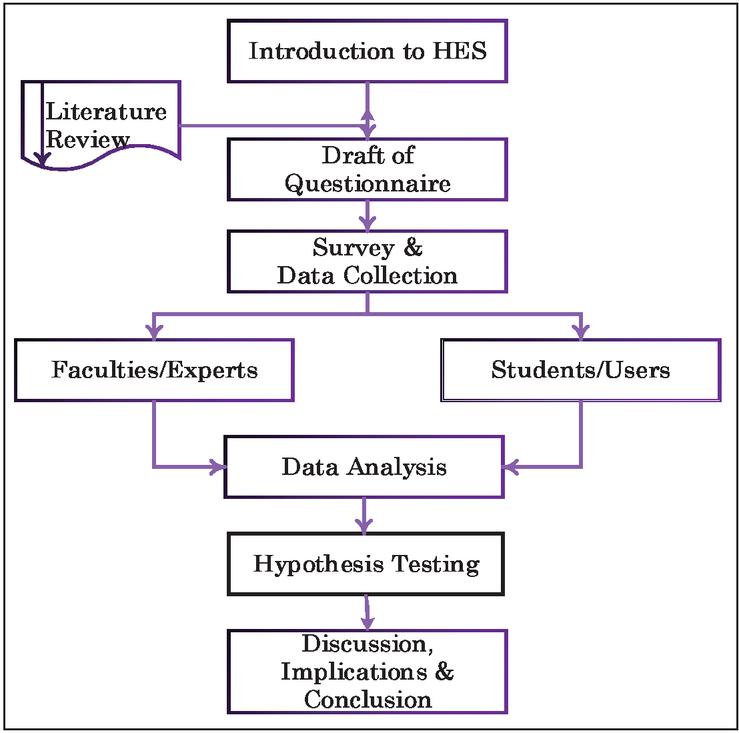
Figure 1 Research framework of the study.
The questionnaire consists of predictive, interpretive, descriptive, comparative questions. The scale statements were selected based on the previous studies in the context of teaching-learning perception of teacher-students [7]. In the ultimate questionnaire, various segments related to teaching-learning intention were incorporated from different actors of the education fraternity. Hence, the proposed hypotheses are as follows:
H: There is no change in the learning perception of faculties and students during the Covid-19 lockdown. H: There is no considerable difference between teaching-learning satisfaction of faculties and students for e-classes.
4 Data Analysis and Interpretation
The identity and confidentiality of the respondents were removed from the study to obtain a clear understanding of teaching-learning awareness of e-learning. The demographic overview of the respondents is depicted below.
Table 2 Demographic profile of faculty
| Particular | Variables | Freq. | % |
| Academic rank | Lecturer | 66 | 28.60 |
| Assistant Prof. | 95 | 41.10 | |
| Asso. Prof. | 45 | 19.50 | |
| Professor | 15 | 06.50 | |
| Instructor | 10 | 04.30 | |
| 231 | 100 | ||
| Gender | Male | 125 | 54.10 |
| Female | 106 | 45.90 | |
| 231 | 100 | ||
| Domain | Social Sciences | 72 | 31.10 |
| Specialization | Engineering | 63 | 27.30 |
| Education | 64 | 27.70 | |
| Health Sciences | 32 | 13.90 | |
| 231 | 100 |
The above table exhibits the faculties’ general profile, including their rank viz. 28.60% were lecturers, most of the respondents were assistant professors, 41.10%, 19.50% were associate professors and 4.30% referred to educational instructors. 54.10% of actors were male, and the share of female respondents was 45.90%. This comprehensive study comprises different domain profiles of the actors, 31.10% faculties from social sciences, 27.30% were engineering, educational respondents 27.70% followed by health sciences 13.90%.
Table 3 Demographic profile of students
| Particular | Variables | Freq. | % |
| Gender | Male | 138 | 51.30 |
| Female | 131 | 48.70 | |
| 269 | 100 | ||
| Subject | Social Sciences | 92 | 34.20 |
| Specialization | Engineering | 74 | 27.50 |
| Education | 66 | 24.50 | |
| Health Sciences | 37 | 13.80 | |
| 269 | 100 | ||
| Age | 18 years | 105 | 39.10 |
| 18–25 | 108 | 40.10 | |
| 26–30 | 41 | 15.20 | |
| 30 years | 15 | 05.60 | |
| 269 | 100 |
The students’ profile is also pertinent to discuss because they are ultimate users of e-learning platforms, so the above table depicts that 51.30% share of male and 48.70% was female students. Their subject specialization was also different viz. 34.20% were from social sciences, 27.50% were from technical studies, 24.50% were from educational backgrounds, and 13.80% were from health sciences. Most respondents were under the age of 25 years, 39.10% were less than 18 years, 40.10% between 18–25, 15.20% between 26–30, followed by 5.60% who were more than 30 years.
Table 4 Online aspect during covid-19
| Statements | Yes | % | No | % |
| Use online tools before Covid-19 lockdown | 269 | 58.80 | 231 | 46.20 |
| Using tools & training to start online classes post lockdown | 427 | 85.40 | 73 | 14.60 |
Table 4 represents the usage of online tools before lockdown; most respondents (N 269, percentage 53.80) said yes, followed by no opinion with respondents (N 231, percentage 46.2). It can be clasped from the table that the highest number of actors (N 427, percentage 85.4) said yes about using online tools and training post lockdown while only (N 73, percentage 14.60) denied any training. This finding is in accordance with that of [19], who claimed that actors learned a lot about e-education during the lockdown period.
Table 5 Methods use in online teaching-learning
| Yes | No | |||
| Methods | N | % | N | % |
| Multimedia presentations | 349 | 69.80 | 151 | 30.20 |
| Computer-based assignment | 224 | 44.80 | 276 | 55.20 |
| Subject notes | 230 | 46.00 | 270 | 54.00 |
| SlideShare/ PPTs | 295 | 59.00 | 205 | 41.00 |
| YouTube videos | 378 | 75.60 | 122 | 24.40 |
| Online live classes | 286 | 57.20 | 214 | 42.80 |
| 109 | 21.80 | 391 | 78.20 | |
When asked about the methods were being used while teaching online, most respondents responded to YouTube videos (N 378, percentage 75.6), multimedia presentations (N 349, percentage 69.8), Slide share/ PPTs (N 295, percentage 59), online live classes (N 286, percentage 57.2), subject notes (N 230, percentage 46), WhatsApp (N 109, percentage 21.8). Thus, it can be inferred that users utilized and learned various instruments/methods of teaching-learning during the lockdown, and this finding agrees with previous work [49] of e-learning studies.
Table 6 Using portal while e-learning
| Portal | N | % |
| Cisco Webex | 23 | 04.60 |
| Microsoft team | 50 | 10.00 |
| Zoom | 172 | 34.60 |
| Google Classroom | 170 | 34.00 |
| Any other | 85 | 17.00 |
| Total | 500 | 100.00 |
Equal figures (N 172, percentage 34.40) of the respondents believed in Zoom and Google classroom. Out of remaining (N 85, percentage 17.00) were using others platform while (N 50, percentage 10.00) accomplished the task through Microsoft team and a negligible percentage for Cisco Webex.
Table 7 View towards teaching-learning experience
| Variables | SA | A | N | D | SD | Total |
| e-teaching is time consuming than traditional teaching | 70 (14%) | 13 (02.60%) | 110 (22.00%) | 147 (29.40%) | 160 (32.00%) | 500 100% |
| Technology friendly after Covid-19 | 139 (27.80%) | 196 (39.20) | 112 (22.40%) | 06 (1.20%) | 47 (9.40%) | 500 100% |
| Qualities of lectures improved during online teaching | 85 (17.00%) | 170 (34.00%) | 172 (34.40) | 50 (10%) | 23 (4.60%) | 500 100% |
| Work efficiency increased after online teaching | 118 (23.60%) | 195 (39.00%) | 132 (26.40%) | 42 (8.40%) | 13 (2.60%) | 500 100% |
| Knowledge increased after this Covid-19 | 81 (16.20%) | 170 (34.00%) | 137 (27.40%) | 76 (15.20%) | 36 (7.20%) | 500 100% |
| Skill increased after Covid | 197 (39.40%) | 173 (34.60%) | 91 (18.20%) | 31 (6.20%) | 8 (1.60%) | 500 100% |
| Attitude changed towards e-learning | 154 (30.80%) | 212 (42.40%) | 71 (14.20%) | 54 (10.80%) | 9 (1.80%) | 500 100% |
| Changed teaching perception | 81 (16.20%) | 170 (34.00%) | 137 (27.40%) | 76 (15.20%) | 36 (7.20%) | 500 100% |
The above table exhibits that most respondents strongly disagreed that online teaching is more time-consuming than traditional classroom teaching. Similarly, when the respondents were asked about their view regarding the techno-friendly mode of online learning tools, (N 196, percentage 39.20) agreed with the statement, and the respondents (N 139, percentage 27.80) showed strong agreement with this statement. (N 112, percentage 22.40) were unclear about it while the defendants (N 47, percentage 09.40) were passionately arguing, and respondents (N 6, percentage 1.20) disagreed with the assertion. The users were more technology-friendly after the lockdown. This result is consistent with those of [25, 35] who verified that technology drives education.
Further, equal numbers (N 172, percentage 34.40) of the actors had an impartial opinion about the quality of lectures. Out of the remaining (N 85, percentage 17.00) agreed, while 10% of adherents (N 50) disagreed with this argument. Most of the respondents (N 118, percentage 23.60) strongly agree that work efficiency has increased after having online teaching, whereas (N 13, percentage 02.60) disagreed with that statement. The majority of respondents (N 170, percentage 34.00) agreed with the statement that domain knowledge has increased after this lockdown, and 16.20% of defendants (N 81) have exhibited a strong deal towards e-learning. Most respondents indicated that skill has increased after this Covid-19, averages score of 4.048 projects that skill has increased after this Covid-19 lockdown. Most of the respondents (N 154, percentage 30.80) agreed with the statement that attitude towards online teaching has improved after this lockdown. Moreover, most respondents opined that teaching perception about traditional to online education has changed after the Covid situation.
Table 8 Problem faced during online teaching-learning
| Yes | No | |||
| Problem | N | % | N | % |
| Technology issue | 295 | 59.00 | 205 | 41.00 |
| Computer literacy | 381 | 76.20 | 119 | 23.80 |
| Network issue | 256 | 51.20 | 244 | 48.80 |
| Time management | 195 | 39.00 | 305 | 61.00 |
| Two Way communication | 346 | 69.20 | 154 | 30.80 |
| Lack of human interface | 303 | 60.60 | 197 | 39.40 |
| Any other | 156 | 31.20 | 344 | 68.80 |
When asked about the problem faced during online teaching, majority of the respondents respond to computer literacy (N 381, percentage 76.2), two-way communication (N 346, percentage 69.2), lack of human interface (N 303, percentage 60.60), technology issue (N 295, percentage 59), network issue (N 256, percentage 51.20), time management (N 195, percentage 39) and others (N 156, percentage 31.20). The same has been addressed by previous studies [23, 52, 53], who found that the availability of networks and computer literacy were the major impediments.
Table 9 Group statistics of overall satisfaction with online teaching
| Particular | S/F | N | X | St. Err. | |
| Overall satisfaction with online teaching | Students | 269 | 3.4833 | 1.2565 | 0.07662 |
| Faculties | 231 | 3.3853 | 1.2797 | 0.08420 |
Table 9 outlines group statistics, i.e., mean, () and standard error mean of the overall satisfaction of the faculty and the students.
Table 10 Independent t-test of overall satisfaction with e-teaching
| Levene’s Test | t-test for EoV | |||||||||
| Sig. | Mean | St. Er. | 95% CoD | |||||||
| Particular | F | Sig | t | d-f | (2-tail) | Dif. | Dif. | Low | Up. | |
| Satisfaction with online | Eq.- var.- assumed | 0.731 | 0.393 | 0.86 | 498 | 0.38 | 0.09 | 0.11 | 0.12 | 0.32 |
| teaching | Eq.-var.- not assumed | 0.86 | 498 | 0.39 | 0.09 | 0.11 | 0.12 | 0.32 | ||
Table 10 articulates F-value 0.731 and significant level 0.393 for Levene’s test for EoV, so it can be concluded that both variants are indifferent. Furthermore, the t-test that uses unequal variances assumed shown (Sig. 2-tailed) figure is 0.390, which is more than 0.05. Thus, H is accepted, and it can be inferred that there is no considerable difference in the overall satisfaction level of teacher-learner. While holding the analytical lens at the core of the study, it offers a range of perspectives on the issues facing online learning today [36, 43].
5 Implication and Future Scope
This pandemic situation necessitated a study to investigate students-teachers satisfaction with the emergency education processes in place at that time. Using online virtual classrooms as a substitute for traditional face-to-face teaching presented some difficulties. The limitations of student-student and student-teacher interactions were the most significant. To address this issue, the author suggests implementing various outcome-based teaching strategies that encourage proactive learning. Alternative assessment methods were used during the lockdown to alert teachers to the importance of using them. Nonetheless, because students have less experience with alternative evaluation methods, they must be accompanied by a student-friendly guide to understanding the required actions and the evaluation procedure. The paper is preliminary descriptive research on students’ perceptions of online learning during the first phase of Covid-19. Still, other depth methods such as focus groups and unstructured interviews may be used in future studies to describe student-teacher perceptions of this urgent issue. Study with more sample units and education sections can also refine the outcomes of this work. The perspectives of various educational administrators and teaching assistants should be studied in the future investigation of urgent remote learning. Thus, a cross-sectional study of primary, middle, and higher education will be a future scope of this paper.
6 Discussion and Recommendations
To the authors’ knowledge, this is the first study to assess the students’ acceptance and perceptions of e-learning in India during the first phase of Covid-19 closure period. Full-time virtual e-learning may be considered a newly adopted learning modality among higher education students. New perspectives were noticed by understanding the views of teachers and students about the novel learning technology (e-learning), and this finding agrees with earlier results of e-learning lessons [31, 46]. The education ministry has unveiled many simulated platforms with online stores, free e-content, and teaching software. [26, 30] suggested using ICT for modern and traditional technology (radio, TV, landline phone) with mobile/web technologies enhance access and flexibility for the learners. This also includes modernizing the assistance policy to meet the required number of students’ educational needs. Backward groups also need to mobilize all service providers to implement ample access to the educational cloud. There is considerable literature [12, 40] that showed that virtual education had become a preferred choice during an outbreak of Covid-19. Online/virtual education may be a widely accepted tool during Post-covid, but the relevance of traditional classroom teaching and learning cannot be substituted. The study discussed various aspects of virtual learning by considering 500 respondents from various universities and colleges of India. Most students and faculty agreed that learning is more critical because there is no physical watch or a valid feedback assessment process. Scholarly reviews [21, 46] were firm believers in the need for interactive educators, content developers, and feasible cloud services to facilitate e-learning in the present scenario.
The study also found no considerable difference between teacher-learner satisfaction while using these virtual platforms for education. These results are consistent and relevant with the findings of previous studies [5, 43]. Moreover, there was a change in the learning perception of faculties and students during Covid-19; most of the respondents preferred the virtual platforms of gaining knowledge but perceived that these platforms could not be a perfect substitute for traditional classrooms. The current study recommends that e-learning resources, LMS, ICT be monitored at higher education institutions. Several webinars and workshops suggested improving the faculty development programme to raise student and staff awareness of online teaching and assessment. Moreover, the use of complete and partially online courses and a complete shift from physical attendance to online ones is encouraged in the future.
7 Conclusion
This study describes the impact of Covid-19 on the teaching-learning perception of faculties and students of HE in India. Online education is a learning or teaching tool that depends on electronic equipment and technology instead of paper and the classroom. The recent pandemic has formed an opportunity for notable changes in education and introduced virtual teaching at every level of learning. The mixed-methods research explored the views of teachers and students at various Indian universities. The data in this study about users’ perceptions of emergency remote teaching show that students are very concerned in learning how to use this new system to perform well academically. An appropriate educational environment and system that enable academic achievement must be prepared to aid student learning and achievement. Since teachers and students are unfamiliar with this educational method, it is vital to get an understandable and practical manual for accessible e-learning. There is a need to advance the class models, enhance the reach, reinforce the existing advantages of ICT, all of which are mentioned in this study for a more successful e-teaching environment. Eventually, the study concluded that e-learning could improve learning effectiveness and help facilitate learners’ life skills.
Acknowledgements
I am grateful to Prof. P. K. Singh for statistical assistance and Prof. Mukesh Mathur, who pointedly framed and improved the manuscript.
References
[1] Alqudah NM, Jammal HM, Saleh O, Khader Y, Obeidat N, Alqudah J. Perception, and experience of academic Jordanian ophthalmologists with E-Learning for undergraduate course during the COVID-19 pandemic. Ann Med Surg [Internet]. 2020;59(September):44–7. Available from: https://doi.org/10.1016/j.amsu.2020.09.014
[2] Peters MA, Wang H, Ogunniran MO, Huang Y, Green B, Chunga JO, et al. China’s Internationalized Higher Education During Covid-19: Collective Student Autoethnography. Post digital Sci Educ. 2020;2(3): 968–88.
[3] Balasopoulou A, Kokkinos P, Pagoulatos D, Plotas P, Makri OE, Georgakopoulos CD, et al. Symposium Recent advances and challenges in the management of retinoblastoma Globe – saving Treatments. BMC Ophthalmol. 2017;17(1):1.
[4] N Kumar MD. An Analysis of Factors Affecting to Entrepreneur Development in Rajasthan. Int J Manag IT Eng. 2015;5(12):41–8.
[5] Singh S, Rylander DH, Mims TC. Efficiency of Online vs. Offline Learning: A Comparison of Inputs and Outcomes. Int J Business, Humanit Technol [Internet]. 2012;2(1):93–8.
[6] Smith C, Hoderi M, Mcdermott W. A Preliminary Study of Students Perception and Learning from Different Delivery Methods. Acad Educ Leadersh J. 2019;23(2):1C.
[7] Ruiz JG, Mintzer MJ, Leipzig RM. The impact of e-learning in medical education. Acad Med. 2006;81(3):207–12.
[8] Dadhich M, Hiran KK, Rao SS. Teaching–Learning Perception Toward Blended E-learning Portals During Pandemic Lockdown BT – Soft Computing: Theories and Applications. In: Sharma TK, Ahn CW, Verma OP, Panigrahi BK, editors.Springer Singapore; 2021. p. 119–29.
[9] Murphy MPA. COVID-19 and emergency eLearning: Consequences of the securitization of higher education for post-pandemic pedagogy. Contemp Secur Policy. 2020;41(3):492–505.
[10] Arkorful V, Abaidoo N. The role of e-learning, advantages, and disadvantages of its adoption in higher education. Int J Instr Technol Distance Learn. 2015;12(1):29–42.
[11] Castro MDB, Tumibay GM. A literature review: efficacy of online learning courses for higher education institution using meta-analysis. Educ Inf Technol. 2019.
[12] Dadhich M, Rao SS, Sethy S, Sharma R. Determining the Factors Influencing Cloud Computing Implementation in Library Management System (LMS): A High Order PLS-ANN Approach. Libr Philos Pract. 2021;6281.
[13] Samsudeen SN, Mohamed R. University students’ intention to use e-learning systems: A study of higher educational institutions in Sri Lanka. Interact Technol Smart Educ. 2019;16(3):219–38.
[14] González-Gómez D, Jeong JS, Airado Rodríguez D, Cañada-Cañada F. Performance and Perception in the Flipped Learning Model: An Initial Approach to Evaluate the Effectiveness of a New Teaching Methodology in a General Science Classroom. J Sci Educ Technol. 2016;25(3):450–9.
[15] Soni NK, Patel TP. Quality Teaching & Higher Education System in India. Int J Sci Res Publ [Internet]. 2014;4(1):2250–3153. Available from: www.ijsrp.org
[16] Otter RR, Seipel S, Graeff T, Alexander B, Boraiko C, Gray J, et al. Comparing student and faculty perceptions of online and traditional courses. Internet High Educ [Internet]. 2013; 19:27–35. Available from: http://dx.doi.org/10.1016/j.iheduc.2013.08.001
[17] Naciri A, Baba MA, Achbani A, Kharbach A. Mobile Learning in Higher Education: Unavoidable Alternative during COVID-19. Aquademia. 2020;4(1): ep20016.
[18] Favale T, Soro F, Trevisan M, Drago I, Mellia M. Campus traffic and e-Learning during COVID-19 pandemic. Comput Networks. 2020;176(4l).
[19] Daniels MM, Sarte E, Cruz J Dela. Students’ perception on e-learning: A basis for the development of e-learning framework in higher education institutions. IOP Conf Ser Mater Sci Eng. 2019;482(1):2–8.
[20] Tuma F, Nassar AK, Kamel MK, Knowlton LM. Students and faculty perception of distance medical education outcomes in resource-constrained system during COVID-19 pandemic. A cross-sectional study. Ann Med Surg [Internet]. 2021;62(December 2020):377–82. Available from: https://doi.org/10.1016/j.amsu.2021.01.073
[21] Belhadi A, Kamble SS, Zkik K, Cherrafi A, Touriki FE. The integrated effect of Big Data Analytics, Lean Six Sigma and Green Manufacturing on the environmental performance of manufacturing companies: The case of North Africa. J Clean Prod. 2020;252(10):1–14.
[22] Zhu X, Liu J. Education in and After Covid-19: Immediate Responses and Long-Term Visions. Postdigital Sci Educ. 2020;2(3):695–9.
[23] Forson IK, Vuopala E. Online learning readiness: perspective of students enrolled in distance education in Ghana. Online J Distance Educ e-Learning [internet]. 2019;7(4):277–94. Available from: www.tojdel.net
[24] Klement M, Dostál J. Students, and e-learning: A Longitudinal Research Study into University Students’ Opinions on e-learning. Procedia – Soc Behav Sci. 2014; 128:175–80.
[25] Costicã L. The Contribution of the New Technologies to Learning Mathematics. Procedia – Soc Behav Sci. 2014; 128:240–5.
[26] Atiyah JM, El Sherbiny MM, Guirguis SK. Evaluation of E-Learning Program versus Traditional Education Instruction for Undergraduate. Int J Adv Res Sci Eng Technol [Internet]. 2015;2(7):776–86. Available from: http://www.ijarset.com/upload/2015/july/9\_IJARSET\_jasim.pdf
[27] Rakesh Kumar Birda and Manish Dadhich. Study of ICT and E-Governance Facilities in Tribal District of Rajasthan. ZENITH Int J Multidiscip Res. 2019;9(7):39–49.
[28] Liguori E, Winkler C. From Offline to Online: Challenges and Opportunities for Entrepreneurship Education Following the COVID-19 Pandemic. Entrep Educ Pedagog. 2020;3(4):346–51.
[29] Zuvic-Butorac M, Roncevic N, Nemcanin D, Radojicic Z. Blended E-Learning in Higher Education: Research on Students’ Perspective. Issues Informing Sci Inf Technol. 2011;8(1):409–29.
[30] Rai L, Sun N, Cao M, Liu F. Comparison of Online and Offline Impact on MOOC Learning. 2016.
[31] Popovici A, Mironov C. Students’ Perception on Using eLearning Technologies. Procedia – Soc Behav Sci [Internet]. 2015;180(November 2014):1514–9. Available from: http://dx.doi.org/10.1016/j.sbspro.2015.02.300
[32] Yengin I, Karahoca A, Karahoca D. E-learning success model for instructors’ satisfactions in perspective of interaction and usability outcomes. Procedia Comput Sci [Internet]. 2011; 3:1396–403. Available from: http://dx.doi.org/10.1016/j.procs.2011.01.021
[33] Wong L, Fong M. Student attitudes to traditional and online methods of delivery. J Inf Technol Educ. 2014;13(1):1–3.
[34] Al-Azzam N, Elsalem L, Gombedza F. A cross-sectional study to determine factors affecting dental and medical students’ preference for virtual learning during the COVID-19 outbreak. Heliyon [Internet]. 2020;6(12): e05704. Available from: https://doi.org/10.1016/j.heliyon.2020.e05704
[35] Sharma N, Dadhich M. Predictive Business Analytics: The Way Ahead. J Commer Manag Thought. 2014;5(4):652.
[36] Elzainy A, El Sadik A, Al Abdulmonem W. Experience of e-learning and online assessment during the COVID-19 pandemic at the College of Medicine, Qassim University. J Taibah Univ Med Sci [Internet]. 2020;15(6):456–62. Available from: http://dx.doi.org/10.1016/j.jtumed.2020.09.005
[37] Shim TE, Lee SY. College students’ experience of emergency remote teaching due to COVID-19. Child Youth Serv Rev [Internet]. 2020;119(July):105578. Available from: https://doi.org/10.1016/j.childyouth.2020.105578
[38] Muthuprasad T, Aiswarya S, Aditya KS, Jha GK. Students’ perception and preference for online education in India during Covid -19 pandemic. Soc Sci Humanit Open. 2021;3(1):100101
[39] Mishra L, Gupta T, Shree A. Online teaching-learning in higher education during lockdown period of COVID-19 pandemic. Int J Educ Res Open [Internet]. 2020;1(September):100012. Available from: https://doi.org/10.1016/j.ijedro.2020.100012
[40] Dadhich M, Pahwa MS, Rao SS. Factor Influencing to Users Acceptance of Digital Payment System. Int J Comput Sci Eng. 2018;06(09):46–50.
[41] Mahdizadeh H, Biemans H, Mulder M. Determining factors of the use of e-learning environments by university teachers. Comput Educ. 2008;51(1):142–54.
[42] Daumiller M, Rinas R, Hein J, Janke S, Dickhäuser O, Dresel M. Shifting from Face-to-Face to Online Teaching During COVID-19: The Role of University Faculty Achievement Goals for Attitudes Towards This Sudden Change, and Their Relevance for Burnout/Engagement and Student Evaluations of Teaching Quality. Computers in Human Behavior. Elsevier Ltd; 2021. 106677 p. Available from: https://doi.org/10.1016/j.chb.2020.106677
[43] Kumar Naresh, Dadhich Manish RSS. Determinant of Customers’ Perception towards RTGS and NEFT Services. Asian J Res Bank Financ. 2014;4(9):253–60.
[44] Bernard RM, Borokhovski E, Schmid RF, Tamim RM, Abrami PC. A meta-analysis of blended learning and technology use in higher education: From the general to the applied. J Comput High Educ. 2014;26(1):87–122.
[45] Ripoll V, Godino-Ojer M, Calzada J. Teaching chemical engineering to biotechnology students in the time of COVID-19: Assessment of the adaptation to digitalization. Educ Chem Eng [Internet]. 2021; 34:21–32. Available from: https://doi.org/10.1016/j.ece.2020.11.001
[46] Dadhich M. An Analysis of Volatility of Macro Economic Variables on Gold Price. 2017;9(12):21–5.
[47] Kkese E. McGurk effect and audio-visual speech perception in students with learning disabilities exposed to online teaching during the COVID-19 pandemic. Med Hypotheses [Internet]. 2020; 144:110233. Available from: https://doi.org/10.1016/j.mehy.2020.110233.
[48] Dong C, Cao S, Li H. Young children’s online learning during COVID-19 pandemic: Chinese parents’ beliefs and attitudes. Child Youth Serv Rev [Internet]. 2020;118(September):105440. Available from: https://doi.org/10.1016/j.childyouth.2020.105440.
[49] Ibrahim NK, Al Raddadi R, AlDarmasi M, Al Ghamdi A, Gaddoury M, AlBar HM, et al. Medical students’ acceptance and perceptions of e-learning during the Covid-19 closure time in King Abdulaziz University, Jeddah. J Infect Public Health [Internet]. 2021;14(1):17–23. Available from: https://doi.org/10.1016/j.jiph.2020.11.007
[50] Dadhich M. Impact of Demonetization on Indian Economy. Int J Res Soc Sci. 2017;7(8):208–15.
[51] Moser KM, Wei T, Brenner D. Remote teaching during COVID-19: Implications from a national survey of language educators. System [Internet]. 2021; 97:102431.
[52] Wong L, Fong M. Student attitudes to traditional and online methods of delivery. J Inf Technol Educ. 2014;13(1):1–3.
[53] Ruiz JG, Mintzer MJ, Leipzig RM. The impact of e-learning in medical education. Acad Med. 2006;81(3):207–12.
[54] https://aishe.gov.in
Biographies

Manish Dadhich is PhD in Finance from University of Rajasthan, M. Com, UGC-NET (Commerce); MBA-FM, UGC-NET (Management), RPSC-SET (Management). He has 14 years of teaching experience in various colleges, universities, and corporate sectors, a rare blend of academia, industry, corporate consultancy, and research. He is presently working as Assistant Professor in School of Management, Sir Padampat Singhania University, Udaipur. He has published more than 45 research papers in reputed international & national journals and presented more than 50 research papers in national and international conferences. He was awarded two gold medals in National Seminar for best research paper. He is a regular invitee for FDP, research workshops, orientation, and refresher course lectures in research. He is also awarded one Australian patent. Further, his main research work focuses on Finance, AI-ML, Economics, and Statistics.

Kamal Kant Hiran works as an Assistant Professor, School of Engineering at the Sir Padampat Singhania University (SPSU), Udaipur, Rajasthan, India, and a Research Fellow at the Aalborg University, Copenhagen, Denmark. He has over 16 years of experience as an academician and researcher in Asia, Africa, and Europe. He worked in various positions as an Associate Professor, Head, Academics, Head of Department, Senior Lecturer, Assistant Professor and Visiting Faculty in India and abroad. He has several awards to his credit, such as the international travel grant for attending the 114th IEEE Region 8 Committee meeting in Warsaw, Poland; International travel grant for Germany from ITS Europe, Passau, Germany; Best Research Paper Award at the University of Gondar, Ethiopia and SKIT, Jaipur, India; IEEE Liberia Subsection Founder Award; Gold Medal Award in M. Tech (Hons.); IEEE Ghana Section Award – Technical and Professional Activity Chair; IEEE Senior Member Recognition, IEEE Student Branch Award, Elsevier Reviewer Recognition Award. He has published 35 scientific research papers in SCI/Scopus/Web of Science and IEEE Transactions Journal, Conferences, 2 Indian Patents, 1 Australian patent grant and 9 books with internationally renowned publishers. He is a reviewer and editorial board member of various reputed international journals in Elsevier, Springer, IEEE Transactions, IET, Bentham Science, and IGI Global. He is an active member in organizing many international seminars, workshops, and conferences. He has made several international visits to Denmark, Sweden, Germany, Poland, Norway, Ghana, Liberia, Ethiopia, Russia, Dubai, and Jordan for research exposures. His research interests focus on Cloud Computing, Machine Learning and Intelligent IoT.

Shalendra Singh Rao completed his PhD from University of Rajasthan, Jaipur and currently working as Assistant Professor at Mohanlal Sukhadia University, Udaipur. He has published more than 15 research papers in reputed international & national journals. He presented more than 20 research papers in national and international conferences and authored one edited book. His main research work focuses on Education, Finance, Banking, Economics. He has four years of teaching and research experience.

Rinu Sharma completed her PhD from Mohanlal Sukhadia University, Udaipur, and currently working as Assistant Professor at MLSU, Udaipur. She has published more than 10 research papers in reputed international & national journals and presented more than 15 research papers in national and international conferences. Her main research work focuses on Business Law, Management, HRM. She has four years of teaching and research experience.
Journal of Mobile Multimedia, Vol. 18_4, 957–980.
doi: 10.13052/jmm1550-4646.1841
© 2022 River Publishers