Job Polarization Revisited: Occupational Change, Structural Adjustment, and Sustainability in Greece 2000–2025
Eleni Drakaki1, Foteini Tatsi2 and Kostas Karamanis2
1Department of Business Administration and Tourism, Hellenic Mediterranean University, Greece
E-mail: elenidrakaki@hmu.gr
2Department of Accounting and Finance, University of Ioannina, Greece
E-mail: f.tatsi@uoi.gr, kkaraman@uoi.gr
Corresponding Author: Eleni Drakaki; E-mail address: elenidrakaki@hmu.gr
Received 11 March 2026, Accepted 18 May 2026; Published Online: 22 July 2026.
Abstract
This paper examines the structural transformation of the Greek labor market over the period 2000–2025, situating occupational change within the broader framework of international and European political economy and sustainable development. Against the backdrop of prolonged economic crisis, fiscal adjustment, globalization, and accelerating technological change, the study investigates whether Greece exhibits employment restructuring patterns consistent with the job polarization hypothesis observed in other advanced industrial and developed economies. Drawing on the task-based approach, the analysis uses harmonized ILOSTAT data on employment by occupation (ISCO-08, one-digit level) and adopts a comparative perspective including the EU, the G7, and the G20. The study assesses long-term shifts in occupational composition and skill distribution before, during, and after the sovereign debt crisis, with particular attention to structural resilience and productive transformation. The findings indicate that the Greek labor market does not display a clear polarization trajectory. Although the share of professional occupations has increased, managerial and advanced technical roles remain structurally limited, while employment continues to concentrate in service and elementary activities. Rather than reflecting a transition toward a knowledge-intensive and innovation-driven growth model, occupational restructuring appears constrained by persistent production structures, weak technological upgrading, and institutional rigidities. The Greek case highlights a broader challenge of the Mediterranean countries and regions that are highly dependent on tourism: sustainable economic transformation requires not only macroeconomic stabilization but also productive and institutional reconfiguration for creating jobs in higher-value-added sectors and knowledge-intensive industries.
Keywords: Job polarization, Greece, skills and occupations, labor market, technology transformations, social and economic sustainability..
1 Introduction
The global financial crisis of 2008–2009 and the subsequent sovereign debt crisis in Greece triggered profound structural adjustments in the domestic labor market. The prolonged recession that followed led to sharp increases in unemployment, extensive deregulation, and the flexibilization of employment relations, fundamentally reshaping the institutional and sectoral organization of work (Theodoropoulou, 2016). Concurrently, labor markets worldwide have been exposed to transformative pressures driven by digitalization, robotics, artificial intelligence, and platform-based production models (Brynjolfsson and McAfee, 2016). These technological advancements intersect with demographic ageing, intensified migration flows, climate transition policies, geopolitical fragmentation, and supply-chain disruptions—developments particularly visible during and after the COVID-19 pandemic. Together, these trends have altered production structures and employment patterns across sectors and regions, generating uneven distributions of income, shifts in skill demand, and changes in occupational composition both between and within countries.
Within this rapidly transformative environment, the issue of skills has moved to the forefront of the global public policy agenda. In the aftermath of the financial crisis, the World Economic Forum (2014) identified the acquisition, retention, and continuous upgrading of relevant skills as one of the most critical challenges facing firms in an increasingly competitive and technologically dynamic global economy. This emphasis is rooted in human capital theory (Becker, 1964), which conceptualizes education and skills as productive investments that enhance individual earnings and aggregate productivity. However, more recent approaches emphasize that the relationship between education and labor market outcomes is mediated by structural demand conditions and technological transformations. The literature on skill-biased technological change argues that digitalization and automation disproportionately increase demand for high-skilled labor while reducing the relative demand for routine middle-skilled occupations (Autor et al., 2003; Acemoglu and Autor, 2011).
At the same time, the task-based approach suggests that educational attainment alone is not sufficient to explain labor market outcomes; what matters is the content of tasks performed within occupations and their susceptibility to automation (Autor, 2015). Consequently, skills are increasingly understood not merely as formal qualifications but as dynamic capabilities requiring continuous upgrading through lifelong learning and institutional adaptation (OECD, 2019a). Education and training policies thus become central instruments for aligning labor supply with evolving occupational demand, mitigating structural mismatches, and supporting competitiveness in knowledge-intensive and digitally integrated economies.
Skills mismatch remains a persistent structural concern in European labor markets, particularly in economies undergoing rapid technological and sectoral restructuring. It refers to imbalances between the skills supplied by the workforce and those demanded by employers, including overqualification, underqualification, and skill shortages (McGuinness et al., 2018). Recent evidence suggests that mismatch reflects not only educational shortcomings but also structural characteristics of national production systems, sectoral specialization, and firm organization (Cedefop, 2022; OECD, 2023). In economies with limited technological upgrading or a predominance of low value-added services, the capacity to absorb advanced managerial, cognitive and special technical skills remains constrained, leading to persistent underutilization of human capital. The interaction between digitalization, green transition, and post-pandemic economic change further reinforces the need to examine occupational dynamics beyond aggregate employment indicators (ILO, 2022).
The capacity of the economy to generate skill- and knowledge-intensive, high-productivity jobs is central for sustainable development. In particular, the Strategic Agenda of the United Nations call for “Decent Work and Economic Growth” (SDG 8) emphasizing the need for productive employment and viability and inclusiveness of economic growth. In parallel, SDG 9 “Industry, Innovation and Infrastructure” calls for technological upgrading and industrial transformation while SDG 10 “Reduced Inequalities” addresses disparities in income and opportunity.
In the European Union, following the 2008–2009 crisis, skill policies have become important for successful transition toward a green and digital economy. The Skills Agenda for Europe (European Commission, 2016) highlights how new forms of work organization, including platform models, non-standard employment, and frequent job transitions, reshape skill requirements across occupations. While low-skilled jobs are not expected to disappear (ILO, 2020), employment growth is increasingly concentrated in knowledge-intensive activities requiring higher or continuously upgraded competences (ILO, 2022; OECD, 2023). Strengthening human capital and improving the alignment between labor skills supply and demand have thus been considered essential conditions for Europe’s recovery and competitiveness (European Commission, 2009, 2016). More recent initiatives, including the European Skills Agenda (European Commission, 2020), place reskilling and upskilling at the core of digital and climate transition strategies, underscoring that skills policy is intrinsically linked to broader processes of structural transformation.
Despite the prominence of these debates, country-specific analyses remain comparatively limited, particularly for economies that experienced deep and prolonged recessions or for economies that are less industrialized such as in the European South. In Greece, which was severely affected by the sovereign debt crisis, the interaction between digital transformation and the structural features of the domestic production has not been extensively examined. Only a limited number of studies address these challenges (e.g., Lambrianidis, 2020; Vaitsos, 2020). As Lambrianidis (2020) argues, a transition toward a new development model is necessary to avoid the “middle-income trap” and confront the risks of technological unemployment. Recent assessments further suggest that peripheral European economies face structural constraints in upgrading toward high value-added activities (OECD, 2023).
Against this background, the present study investigates occupational and skill dynamics in Greece within the broader framework of European integration and globalization. By focusing on changes in occupational structure and testing the job polarization hypothesis (Autor, 2015; Goos et al., 2010), and by comparing Greece with the EU, the G7, and the G20, the paper assesses whether the Greek labor market follows the polarization patterns observed in advanced economies or instead reflects a distinct and structurally constrained adjustment path. In doing so, the analysis contributes to the broader debate on labor market transformation as it conditions the prospects toward a more sustainable, innovation-driven, and socially inclusive model of growth.
2 Methodological Note
This study examines labor market developments in Greece within a comparative international perspective, focusing on structural changes in employment by occupation and skill level in the context of technological change and globalization. Occupations are classified using the International Standard Classification of Occupations (ISCO-08) developed by the International Labour Organization (ILO), which provides an internationally comparable framework for grouping occupations according to skill level and task characteristics (Table 1).
Table 1. Classification of occupations at skill levels
| Skill Level | Occupation (Analysis in Primary Codes) | |
| Skill level 3 and 4 (high) | 1. | Managers |
| 2. | Professionals | |
| 3. | Technicians and Associate Professionals | |
| Skill level 2 (medium) | 4. | Clerical Support Workers |
| 5. | Service and Sales Workers | |
| 6. | Skilled Agricultural, Forestry and Fishery Workers | |
| 7. | Craft and Related Trades Workers | |
| 8. | Plant and Machine Operators, and Assemblers | |
| Skill level 1 (low) | 9. | Elementary Occupations |
| Armed forces | 0. | Armed Forces Occupations |
| Not ranked elsewhere | X. | Not ranked elsewhere |
Source: ILO, 2012.
More specifically, the job polarization hypothesis in Greece over the period 2000–2025 is examined, covering the pre-crisis years, the sovereign debt crisis, and the post-pandemic period. The empirical analysis draws on ILOSTAT harmonized annual data on employment by occupation at the one-digit ISCO-08 level, accessed in January 2026. The use of one-digit ISCO classifications reflects a trade-off between analytical detail and cross-country comparability over a long-time horizon. While more disaggregated classifications would allow for a finer analysis of task content and routinization, such data are not consistently available across countries and years in harmonized form.
Following OECD (2018) and Cedefop (2015), occupations are grouped into three broad skill categories. High-skill occupations include managers, professionals and technicians, and associate professionals. Medium-skill occupations include clerical support workers, service and sales workers, skilled agricultural workers, craft workers, and plant and machine operators and assemblers. Low-skill occupations correspond to elementary occupations.
The methodological approach associates each ISCO-08 occupation with a level of task complexity and skill specialization. While the ILO originally distinguished four skill levels (1–4) for analytical purposes (ILO, 2012), Cedefop (2012) aggregates them into three broader categories (high, medium, low) based mainly on formal educational requirements.
It should be stressed though that this classification is intended primarily for macro-level analysis and for monitoring broad labor market skill trends. It is not thus suitable for analyzing skill mismatches or the use of skills within specific occupations, as considerable heterogeneity exists within each occupational group in terms of specialization, educational attainment, and task complexity. Accordingly, occupations are not hierarchically ranked but standardized for analytical comparability across labor markets.
3 The Political-Economic Context
3.1 The “Right Skills” as Part of a New Agenda for Inclusive and Sustainable Growth
The changing demand for occupations and skills is closely linked to technological and social megatrends reshaping production systems, labor markets, and education policies. Within the European integration framework, skills have become central to recent growth strategies aimed at sustainability, resilience, and social cohesion, particularly in the aftermath of the COVID-19 pandemic. While the 2008–2009 financial crisis revealed structural vulnerabilities in several EU member states, the post-2020 period has intensified transformation pressures through digital acceleration, artificial intelligence diffusion, climate transition policies, and supply-chain disruptions.
The pandemic caused unprecedented labor market disturbances. According to ILO (2020), 5.4% of global working hours were lost in the first quarter of 2020 alone, equivalent to 155 million full-time jobs. Beyond the immediate shock, however, COVID-19 accelerated structural change, reinforcing remote work, digital platforms, and automation. Subsequent assessments indicate that recovery trajectories have differed across sectors and skill levels, with knowledge-intensive and digitally intensive occupations appearing more resilient (ILO, 2022; OECD, 2023; World Economic Forum, 2023). The European Commission (2020) responded by introducing a renewed Skills Agenda for sustainable competitiveness, social fairness, and resilience, integrating skills development into broader recovery and transition strategies.
In this context, strengthening human capital remains a core element of Europe’s economic strategy (European Commission, 2009, 2016). The emphasis on reskilling and upskilling reflects the priorities of digital and green transitions, as embedded in the European Green Deal and the Recovery and Resilience Facility (Cedefop, 2022; European Commission, 2020). At the global level, concerns about unemployment, inequality, and political instability following the pandemic were already anticipated by ILO (2020), which advocated for a human-centered recovery consistent with its “Declaration on the Future of Work” (ILO, 2019). Recent analyses further suggest that the rapid expansion of artificial intelligence may reshape not only routine manual tasks but also non-routine cognitive work, potentially altering established job polarization patterns (Acemoglu and Johnson, 2023; IMF, 2023).
Skills development is therefore framed within a broader redefinition of growth. International organizations and policy-oriented institutions advocate for an inclusive economy in which productivity gains from technological progress are more evenly distributed (Naidu et al., 2019; Schwab, 2019; UNCTAD, 2016). Such strategic aims emphasize active state intervention, institutional reforms, and strengthened labor market governance, including collective bargaining and wage policies, in order to mitigate inequalities and ensure sustainable development (Acemoglu, 2019; Korinek, 2019; Naidu, 2019). More recent contributions underline that digital and green transformations require coordinated industrial and skills policies to avoid widening regional and social disparities within the EU (European Commission, 2023; OECD, 2022).
Within the European Employment Strategy, digitalization, global value chain expansion, migration flows, and demographic ageing have reinforced the need for coordinated action to improve labor mobility, education and training systems, and skill matching mechanisms (Cedefop, 2016). Long-term projections continue to anticipate employment growth in services and highly skilled occupations, alongside contraction in primary and routine-intensive sectors (Cedefop, 2016, 2022). Nevertheless, the extent to which these trends materialize varies significantly across member states, depending on their production structures and technological readiness. This heterogeneity makes country-level analyses particularly important for understanding how broader European strategies translate into distinct national labor market outcomes.
3.2 The Labor Market in Crisis and Post-Crisis Greece
The Greek crisis had severe socio-economic consequences. The Memoranda of Understanding agreed with international institutions reshaped employment institutions, wage-setting mechanisms, and fiscal governance. A broad mapping of crisis-related labor market reforms in the EU and individual country case studies is discussed extensively elsewhere (Clauwaert and Schömann, 2012; Clauwaert et al., 2017; Theodoropoulou, 2016). In Greece, reforms largely framed as “internal devaluation” aimed to restore cost competitiveness through wage compression and the deregulation of labor relations (Myant et al., 2016), with limited results. Macroeconomic adjustment was further constrained by structural characteristics of the Greek economy, such as a weak export-oriented industrial base (Theodoropoulou, 2016).
In the period 2020–2025, a new wave of labor market flexibilization was driven by the pandemic shock, accelerated digitalization, and a policy toward recovery involved the promotion of green-digital transition investments. In the early phase of the pandemic, global working-hour losses were substantial (ILO, 2020), while the EU policy response placed skills, and labor market resilience at the center of the post-pandemic recovery strategy (European Commission, 2020). In Greece, recent data indicate improvement in key labor market indicators: the seasonally adjusted unemployment rate declined to 8.2% in November 2025 from 9.7% a year earlier, while total employment reached 4,406,148 persons (ELSTAT, 2026). The European Commission (2025) similarly notes that unemployment reached 8.2% in October 2025, the lowest level since 2009. Although these trends confirm a gradual recovery since the crisis peak, Greece still performs worse than the EU average in several labor market indicators.
At the same time, structural constraints remain significant. According to Eurostat data, Greece’s unemployment rate (age ) stood at 11.1% in 2023, remaining among the highest in the EU (Eurostat, 2025). Employment has increased, yet convergence remains incomplete: the employment rate for ages 20–64 reached 69.3% in 2024, still among the lowest in the EU (Eurostat, 2025). Policy responses have therefore increasingly combined active labor market policies, upskilling programs, and institutional reforms. Greece’s Recovery and Resilience Plan emphasizes skills development and skills restructuring (European Commission, 2023), while EU audit evidence suggests that the effectiveness of labor market reforms embedded in national recovery plans ultimately depends on implementation capacity and underlying structural conditions (European Court of Auditors, 2025).
Wage dynamics represent another key dimension of this skills-based adjustment. The crisis period was characterized by wage compression and the proliferation of low-quality job matches (OECD, 2019b), whereas the post-2020 period has been shaped by rising living costs and renewed concerns about wage adequacy. In this context, minimum wage policy has been used as a stabilizing instrument: as of 24 July 2025, the statutory minimum wage is set at € 880 per month (Government of Greece, 2025). While this supports incomes at the lower end of the distribution, the broader challenge remains aligning wage growth with productivity and job quality in a labor market characterized by a high share of service-sector employment and persistent skill mismatches (OECD, 2018).
Overall, the evolution of the Greek labor market over 2000–2025 should be interpreted as a sequence of shocks and structural reconfigurations rather than a linear “crisis-to-recovery” trajectory. Internal devaluation and institutional reforms (Myant et al., 2016; Theodoropoulou, 2016) were followed by a policy framework centered on resilience, skills, and transition-related investment (European Commission, 2020, 2023). The coexistence of improving headline indicators—such as declining unemployment in 2024–2025—with slower structural convergence, particularly the persistent employment-rate gap relative to the EU average, provides the necessary context for interpreting the occupational restructuring patterns analyzed in the empirical section.
4 The Job Polarization Hypothesis
4.1 Digitalization Effects on Work Organization and Labor Demand
Multiple theoretical approaches have been employed to analyze labor market transformations under technological change. A dominant perspective emphasizes that digitalization, automation, and artificial intelligence reshape the task content of occupations and alter the structure of labor demand within the broader context of globalization (Acemoglu and Restrepo, 2019; Autor, 2013; Lapatsioras et al., 2020). Technological change affects not occupations as homogeneous entities, but the tasks embedded within labor, thereby generating differentiated impacts across skill groups.
A widely used analytical framework classifies tasks according to two dimensions: routine versus non-routine, and manual versus cognitive (Autor, 2015; Dahlin, 2019). Routine tasks follow explicit, codifiable procedures and are more susceptible to automation, whereas non-routine tasks require adaptability, creativity and problem-solving. Manual tasks involve physical effort, while cognitive tasks require abstract reasoning and intellectual capabilities. Based on this matrix, occupations can be grouped into high-skilled non-routine cognitive (e.g. managers, professionals, engineers), medium-skilled routine cognitive (e.g. clerical and administrative workers), medium-skilled routine manual (e.g. industrial and construction workers), and low-skilled non-routine manual occupations (e.g. personal services and care work).
Within labor economics, the impact of automation and computerization is typically evaluated in terms of employment levels, productivity, and wage dynamics (Acemoglu and Restrepo, 2019; Autor, 2013). The resulting equilibrium determines the extent of technological unemployment, income distribution, and sectoral reallocation. Earlier research on “computerization” and robotics suggested that routine middle-skilled occupations face the highest risk of displacement (Arntz et al., 2016; Autor, 2015; Frey and Osborne, 2017), while non-routine cognitive tasks tend to be complemented by technology.
Recent developments, however, have introduced new complexities. The diffusion of generative artificial intelligence has expanded the range of automatable tasks to include certain non-routine cognitive activities, challenging earlier assumptions about clear skill boundaries (IMF, 2023; World Economic Forum, 2023). Acemoglu and Johnson (2023) argue that the direction of technological change depends on institutional incentives and firm-level strategies, implying that labor market outcomes are not technologically predetermined. Thus, digital transformation may reinforce polarization patterns, through the expansion of high-skilled and low-skilled jobs at the expense of middle-skilled occupations or produce alternative adjustment trajectories depending on national economic structures.
In Table 2, tasks are associated with occupations and the necessary level (high, medium, low skills). Indicative examples of occupations in each category are:
• Highly skilled occupations: doctors, management executives, specialists in financial and business operations, other scientific professions such as researchers, engineers, lawyers.
• Medium-skilled occupations with an emphasis on intellectual work: sales and administrative support workers and office assistants.
• Medium-skilled occupations with an emphasis on manual work: industrial workers, workers in construction, industrial production, repairs and maintenance.
• Low-skilled occupations: cooks and waiters, commercial employees, social services and personal care workers, guards.
Table 2. Tasks, occupations, and levels of skills
| Non-routine | Routine | |
| Mental | High-level skills | Medium-level qualifications |
| Manual | Low-level skills | Medium-level skills |
Source: Dahlin (2019).
The theoretical debate has traditionally contrasted optimistic and pessimistic scenarios (Dahlin, 2019; Gentili et al., 2020; Gomes and Pereira, 2018). The pessimistic view anticipates large-scale labor substitution and wage compression, particularly for lower-skilled workers. The optimistic perspective emphasizes productivity gains and complementarity between human labor and machines, predicting long-term employment growth and task upgrading (Autor, 2015; Brynjolfsson and McAfee, 2016). Empirical evidence from the US and Europe has generally supported the complementarity thesis, though with significant distributional effects and rising inequality (Arntz et al., 2016; Autor, 2013).
More recent critical perspectives underline that technological change interacts with institutional settings, social structures, and national production models (Korinek, 2019; Morgan, 2019). The outcomes of the so-called Fourth Industrial Revolution therefore depend not only on technological capabilities but also on labor market institutions, education systems, and industrial policy choices. This insight is particularly relevant for peripheral or service-oriented economies, where the capacity to absorb and complement advanced technologies may be structurally constrained.
In this context, the job polarization hypothesis emerges as a central empirical proposition: technological change tends to reduce employment in routine middle-skilled occupations while expanding high-skilled cognitive and low-skilled service jobs. Whether this pattern holds in all national contexts remains an open empirical question. The following analysis examines the extent to which the Greek labor market, over the period 2000–2025, conforms to or deviates from the polarization dynamics observed in advanced economies. While the task-based approach provides an essential conceptual framework for understanding labor market transformations, the present analysis does not attempt a direct task-level measurement. Instead, occupational categories are used as broad proxies for underlying task structures, allowing for a macro-level interpretation of labor market change.
4.2 Empirical Facts
The job polarization phenomenon has been widely documented in developed economies and is typically associated with technological change, institutional restructuring, and the internationalization of production. The term describes the simultaneous expansion of high-skilled and low-skilled occupations and the contraction of middle-skilled jobs. Early empirical evidence from the USA and Western Europe identified this pattern as early as the 1980s, particularly in the labor markets of the USA, the UK, and Germany (Goos and Manning, 2007; Goos et al., 2010). Similarly, Autor, Katz, and Kearney (2006) documented the hollowing-out of routine middleskilled occupations in the US, while subsequent research confirmed comparable dynamics across advanced economies (Goos et al., 2010; McIntosh, 2013).
The dominant explanatory framework links polarization to task routinization. According to Autor et al. (2003), occupations intensive in routine cognitive and manual tasks are more susceptible to computerization, whereas non-routine cognitive tasks requiring problem-solving, creativity, and complex communication tend to be complemented by technology. This asymmetry generates declining demand for routine middle-skilled jobs while supporting growth in high-skilled professional occupations and certain low-skilled service jobs that are difficult to automate (Autor, 2015). In this sense, technological transformation does not uniformly reduce labor demand but redistributes it across the occupational spectrum.
An alternative yet complementary perspective emphasizes the role of globalization and offshoring. Dao et al. (2017) argue that international fragmentation of production, declining transport and communication costs, and the relocation of routine-intensive activities to lower-cost economies have reinforced middle-skill contraction in advanced countries. This process interacts with digitalization, amplifying labor reallocation away from manufacturing and clerical occupations toward services and knowledge-intensive activities.
More recent evidence suggests that polarization patterns are neither uniform nor permanent. OECD (2022, 2023) and Cedefop (2022) document continuing occupational upgrading in European economies, with employment growth concentrated in high-skilled services, although the extent of middle-skill decline varies significantly across countries. Specifically, European economies, characterized by service-dominated structures and weaker industrial bases, display more heterogeneous adjustment paths compared to core manufacturing-oriented economies. This heterogeneity indicates that technological change interacts with domestic production and institutional settings rather than operating as a deterministic force.
The diffusion of artificial intelligence since 2022 has reopened the debate on the future of work. The IMF (2023) estimates that a substantial share of jobs in advanced economies are exposed to AI-related task automation, including non-routine cognitive activities previously considered relatively protected. Similarly, the World Economic Forum (2023) highlights that generative AI may reshape professional, managerial and creative occupations. Acemoglu and Johnson (2023) argue that labor market outcomes will depend on how AI is deployed, whether as labor-replacing or labor-augmenting technology, underscoring the significance of institutional incentives, regulation and policy.
Overall, empirical research supports the existence of polarization tendencies in advanced economies, but also reveals variation in magnitude, timing, and structural context. The interaction between technological change, globalization, institutional reforms, and sectoral composition produces differentiated national outcomes. Whether economies converge toward a common polarization pattern or follow distinct trajectories is still under-explored, in literature, as already cited. Against this backdrop, examining the Greek case over the period 2000–2025 allows for an assessment of whether a peripheral, service-oriented economy subjected to prolonged crisis and subsequent recovery exhibits the classical polarization pattern or a structurally distinct form of occupational adjustment.
4.3 Testing the Hypothesis in the Case of Greece (2000–2025)
The job polarization hypothesis in Greece was previously examined by Filinis (2019), who analyzed employment shares across three skill categories for the period 2008–2017. Using a polarization index defined as the combined share of high- and low-skilled occupations relative to total employment, the study found evidence of polarization in the EU as a whole, where the share of high-skilled employment increased and that of middle-skilled occupations declined. In contrast, the Greek case did not follow this pattern. During 2008–2017, employment in high-skilled occupations declined by 4.2 percentage points, while middle-skilled occupations increased and low-skilled employment remained broadly stable. The author therefore concluded that job polarization was not confirmed for Greece during the crisis decade.
However, this evidence refers exclusively to the crisis period and does not capture either pre-crisis dynamics or post-2017 adjustments. The extension of the analysis to 2000–2025 allows for a reassessment of the hypothesis under different macroeconomic conditions, including the recovery phase and the post-pandemic restructuring of the labor market.
The re-structuring of employment across the main occupational groups in Greece and the EU in 2025 is examined in this section, based on ILO data. For the purposes of international comparison, the averages for the G7 and G20 countries are also included. Based on the index measuring the share of each occupational group in total employment, Greece in 2025 shows partial convergence with the EU and the G7 in selected medium- and high-skill categories but also marked structural divergences.
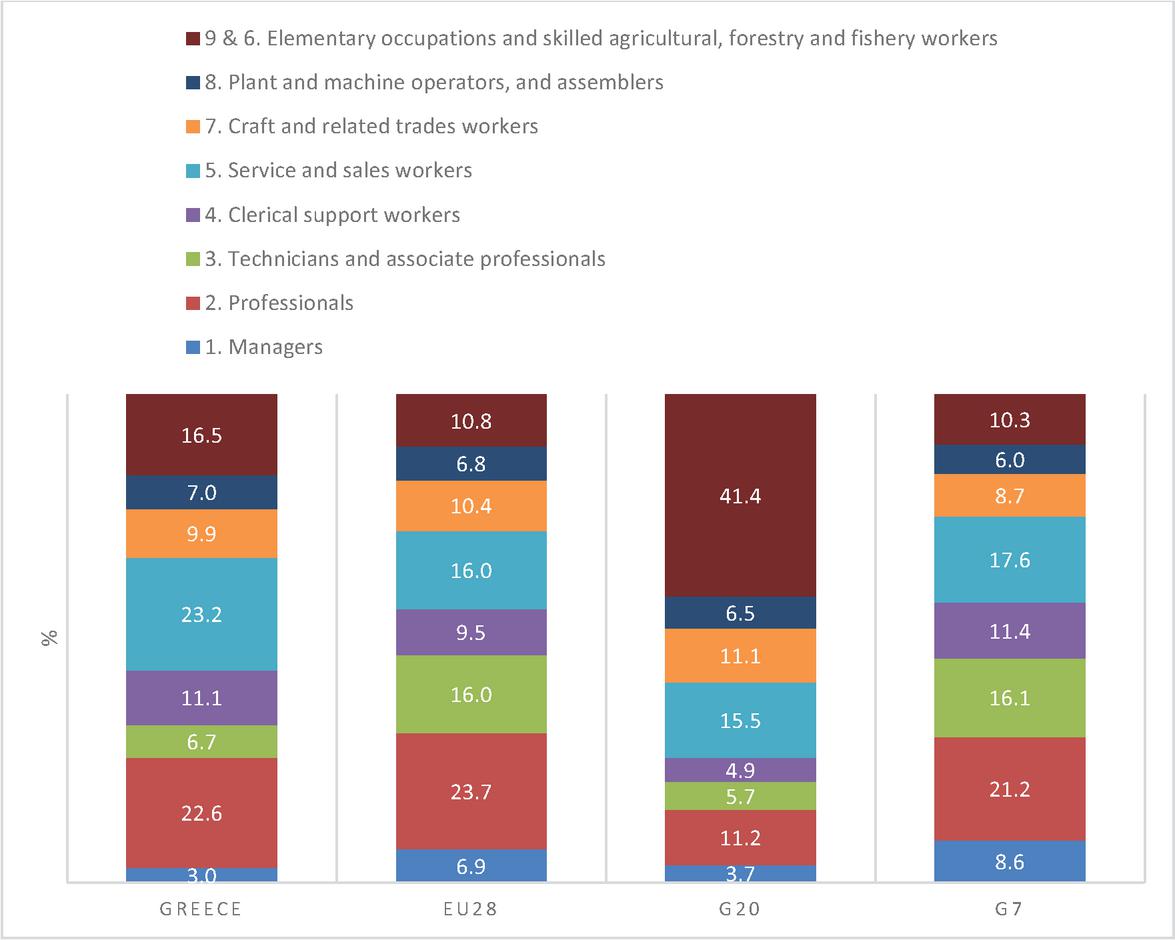
Figure 1 Participation (%) of the main groups of occupations in total employment (2025).
Source: Own editing, ILO data.
More specifically, in Group 2 (Professionals), Greece records a participation rate of 22.6%, very close to the EU average (23.7%) and slightly above the G7 (21.2%), indicating substantial alignment in high-skilled professional employment. Similarly, in Group 7 (Craft and Related Trades Workers), the Greek share (9.9%) is close to the EU average (10.4%) and comparable to the G7 (8.7%). By contrast, Greece displays a significantly lower participation rate in the highly qualified occupational group of Managers (Group 1), where the employment share amounts to 3.0%, compared to 6.9% in the EU and 8.6% in the G7.
At the same time, Greece exhibits comparatively higher concentrations in middle- and lower-skill service-oriented occupations. In Group 5 (Service and Sales Workers), the share reaches 23.2%, clearly exceeding the EU (16.0%) and the G7 (17.6%). Likewise, in the combined Groups 6 and 9 (Skilled Agricultural, Forestry and Fishery Workers, and Elementary Occupations), Greece records 16.5%, substantially above the EU (10.8%) and the G7 (10.3%), though far below the structurally high level observed in the G20 (41.4%). Overall, the 2025 distribution highlights a labor market structure characterized by strong representation in professional and service activities, but a persistent underrepresentation in top managerial positions and an above-average presence of elementary and primary-sector occupations (Figure 1).
The participation of Managers (Group 1) in total employment in Greece over the period 2000–2025 reveals a structurally lower presence of high-level managerial positions compared to the EU, the G7, and the G20 economies. Throughout the pre-crisis years (2000–2008), the Greek share fluctuated between 3.9% and 4.5%, remaining consistently below the EU average (approximately 6–7%) and markedly lower than the G7 (around 7.4–7.6%). Following the onset of the economic crisis, a temporary peak is recorded in 2013(5.2%), which is likely associated with the contraction of total employment rather than a genuine expansion of managerial posts. Thereafter, a pronounced decline occurs, with participation falling to 2.7% in 2016 and 2.5% in 2017, before stabilizing at around 2.8–2.9% in 2019 and 2020.
During the subsequent years (2021–2025), the Greek share remains relatively stable, fluctuating between 2.9% and 3.1%, reaching 3% in 2025. However, the comparative gap remains substantial. In 2025, Greece records a managerial employment share of 3%, compared to 7% in the EU, 3.65% in the G20, and 8.6% in the G7. While the G7 countries display a steady upward trend in managerial participation over time, Greece exhibits a long-term downward adjustment relative to its early-2000s levels. This persistent divergence may reflect structural constraints in the expansion of high-skilled managerial employment, with potential implications for productivity performance, firm scale, and overall economic competitiveness (Figure 2).
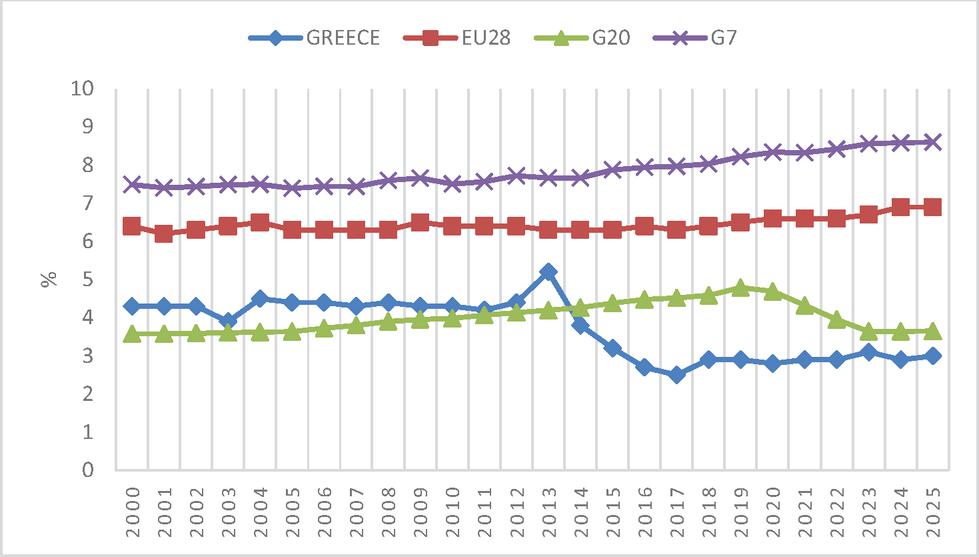
Figure 2 Participation (%) in total employment 1. Managers 2000–2025.
Source: Own editing, ILO data.
The share of Professionals (Group 2) in total employment in Greece over the period 2000–2025 demonstrates a markedly different pattern compared to managers, reflecting a gradual upgrading of the skill composition of the labor force. In the early 2000s, Greece recorded a participation rate of approximately 13.7–14.5%, slightly below the EU average (around 15–16%) but broadly comparable to the G7 (14.7–15.3%), and significantly higher than the G20 (around 7%). From 2004 onwards, a steady upward trend is observed. The share rises to 17.3% in 2010 and accelerates further during the crisis years, reaching 19% in 2012 and peaking at 20% in 2013. Unlike the previous pattern observed (Managers), this increase does not reverse after the peak of the recession.
During the period 2014–2025, the proportion of professionals in Greece continues to expand, moving from approximately 19.3% in 2014 to 22.6% in 2024 and 22.55% in 2025. Although Greece remains slightly below the EU average (23.7% in 2025), the gap narrows considerably over time. Moreover, the country consistently records substantially higher shares than the G20 and progressively converges towards G7 levels (21.2% in 2025). Overall, the data indicate a structural shift of the Greek labor market toward higher-skilled professional occupations, particularly after 2010, suggesting a relative strengthening of knowledge-intensive employment despite the broader economic turbulence of the past decade (Figure 3).
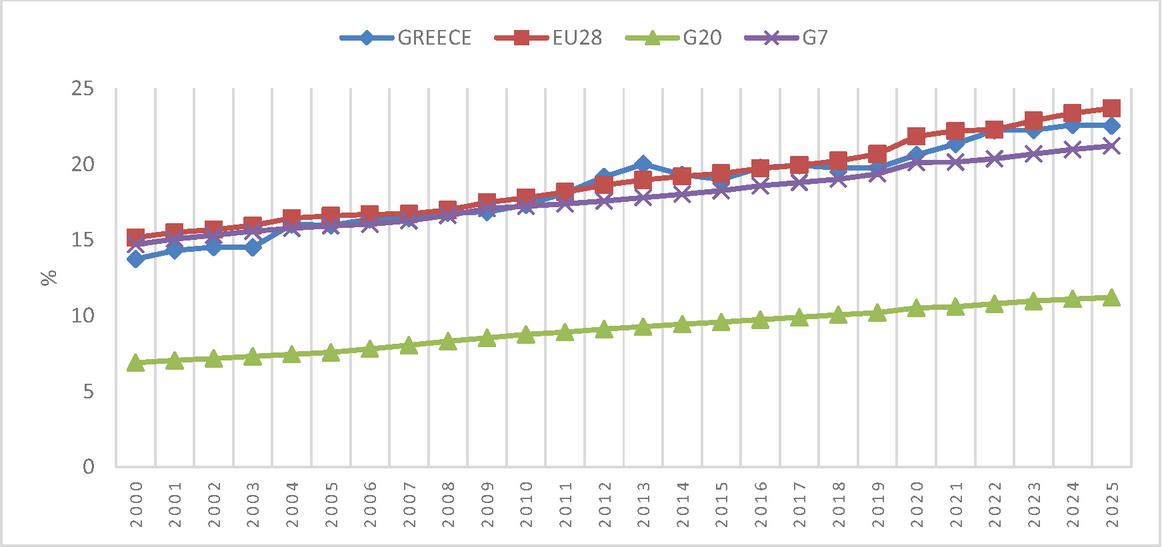
Figure 3 Participation (%) in total employment 2. Professionals 2000–2025.
Source: Own editing, ILO data.
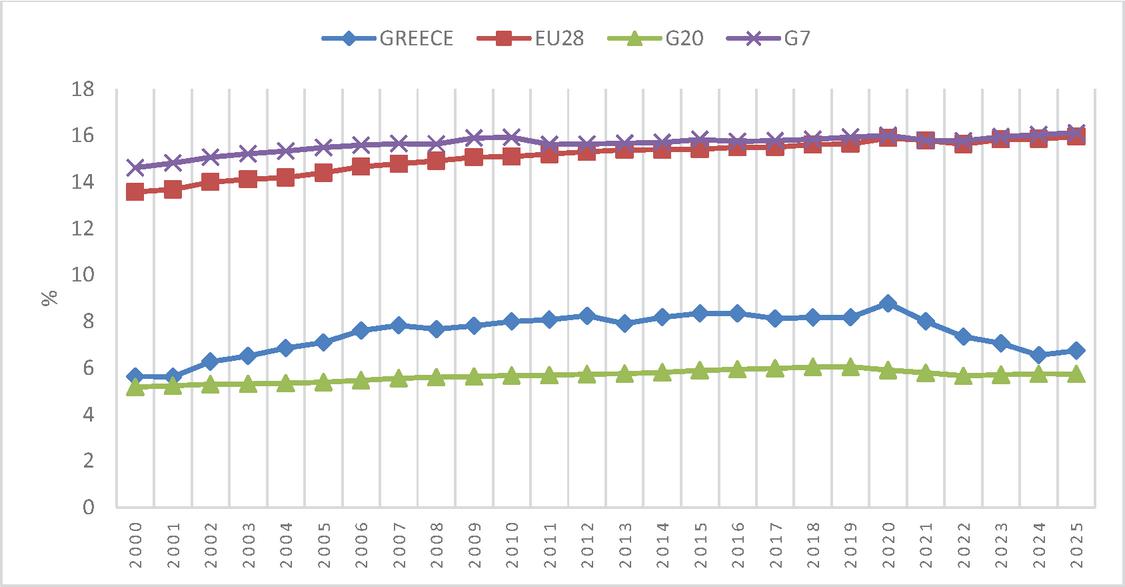
Figure 4 Participation (%) in total employment 3. Technicians and Associate Professionals 2000–2025.
Source: Own editing, ILO data.
The share of Technicians and Associate Professionals (Group 3) in total employment in Greece over the period 2000–2025 remains structurally lower than the corresponding shares in the EU and the G7, while being only moderately above or close to the G20 average. In 2000, Greece recorded a participation rate of 5.6%, compared to 13.6% in the EU and 14.6% in the G7, indicating a substantial gap in mid-level technical and associate professional occupations. During the 2000s, a gradual upward trend is observed, with the Greek share increasing to approximately 8% by 2009–2011 and peaking at 8.35% in 2015–2016. Despite this improvement, the divergence from the EU and G7 remained pronounced, as their respective shares consistently exceeded 15% throughout the period.
From 2017 onwards, a downward adjustment becomes evident in Greece. After a temporary increase in 2020 (8.78%), the share declines steadily to 6.55% in 2024 and slightly recovers to 6.74% in 2025. In contrast, the EU and G7 exhibit remarkable stability, maintaining levels close to 16% in 2025, while the G20 remains around 5.7%. Overall, the evidence suggests that although Greece experienced some expansion in technical and associate professional occupations during the crisis decade, this shift was not sustained in the long run. The persistent gap relative to advanced economies is consistent with structural constraints in the development of intermediate-level technical skills, which are typically associated with innovation capacity, industrial upgrading, and productivity growth (Figure 4).
The share of Clerical Support Workers (Group 4) in total employment in Greece over the period 2000–2025 presents a relatively stable but structurally distinct pattern compared to the EU, the G7, and the G20. In 2000, the country recorded a participation rate of 11.3%, very close to the EU average (11.5%), though below the G7 (13.6%) and well above the G20 (4.8%). During the 2000s, the Greek share fluctuated around 11–12%, showing moderate volatility but no pronounced structural shift. Following the onset of the economic crisis, a gradual decline is evident, as the share falls to 10.0% in 2013 and 9.9% in 2014, reflecting the broader contraction and restructuring of administrative and office-based employment.
From 2015 onwards, however, the Greek share stabilizes and even recovers, reaching 11.7% in 2019 and peaking at 11.9% in 2020. In the most recent years (2021–2025), the participation rate remains slightly above , standing at 11.06% in 2025. In contrast, the EU average follows a gradual downward trend, declining to 9.48% in 2025, while the G7 also records a moderate decrease (11.4% in 2025). As a result, Greece shifts from near convergence with the EU in the early 2000s to a clearly higher relative concentration in clerical occupations in the 2020s. This pattern may indicate a persistent orientation of the Greek labor market toward administrative and support functions, potentially reflecting firm size distribution, sectoral composition, and the slower diffusion of digitalization compared to more advanced economies (Figure 5).
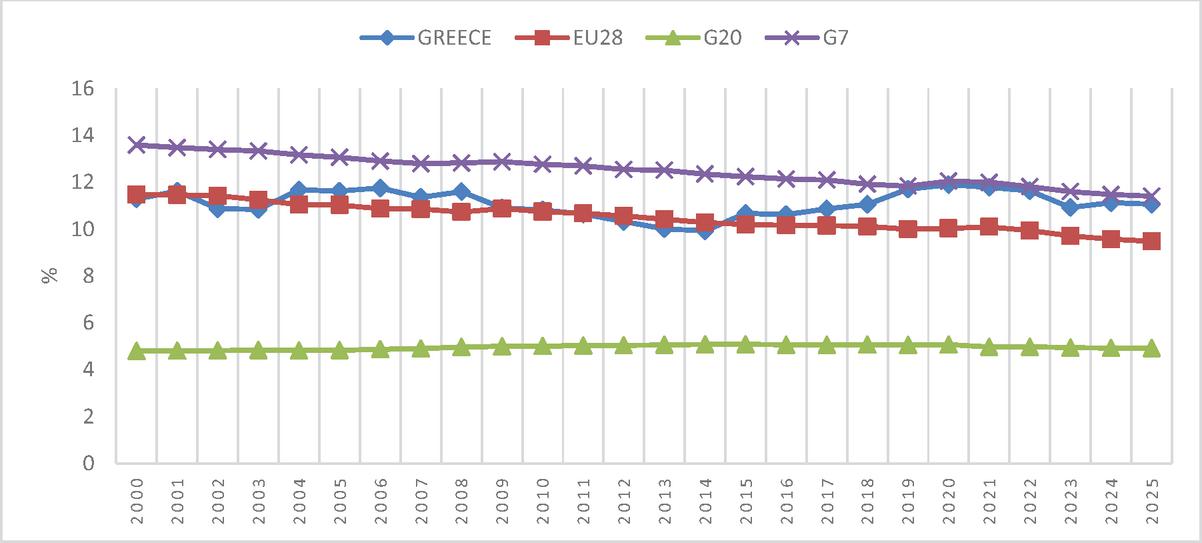
Figure 5 Participation (%) in total employment 4. Clerical Support Workers 2000–2025.
Source: Own editing, ILO data.
The share of Service and Sales Workers (Group 5) in total employment in Greece over the period 2000–2025 is consistently and significantly higher than the corresponding shares in the EU, the G7, and the G20, highlighting the strong service-oriented structure of the Greek economy. In 2000, Greece already recorded a participation rate of 20.1%, compared to 15.2% in the EU and 17.8% in the G7. Throughout the 2000s, the country’s share remained above , peaking at 22.1% in 2009. Unlike many other occupational groups, the crisis period did not lead to a contraction in this category. On the contrary, from 2014 onwards the share rises to 24.1% in 2015 and reaches 24.3% in 2016, significantly exceeding both the EU (around 17%) and the G7 (around 18.6%) averages.
Although a moderate correction occurs after 2019, falling to 22.5% in 2021, the share stabilizes again above 23% in 2024 and 2025 (23.17%). In contrast, the EU average remains close to 16%, the G7 declines to 17.6%, and the G20 gradually increases but remains substantially lower (15.5% in 2025). Overall, the data point to a structurally high concentration of employment in service and sales occupations in Greece, reflecting the dominant role of tourism, retail trade, and personal services. This persistent overrepresentation, particularly in the post-crisis decade, suggests a labor market adjustment pattern that favors service-sector absorption rather than a transition toward higher value-added or technologically intensive activities (Figure 6).
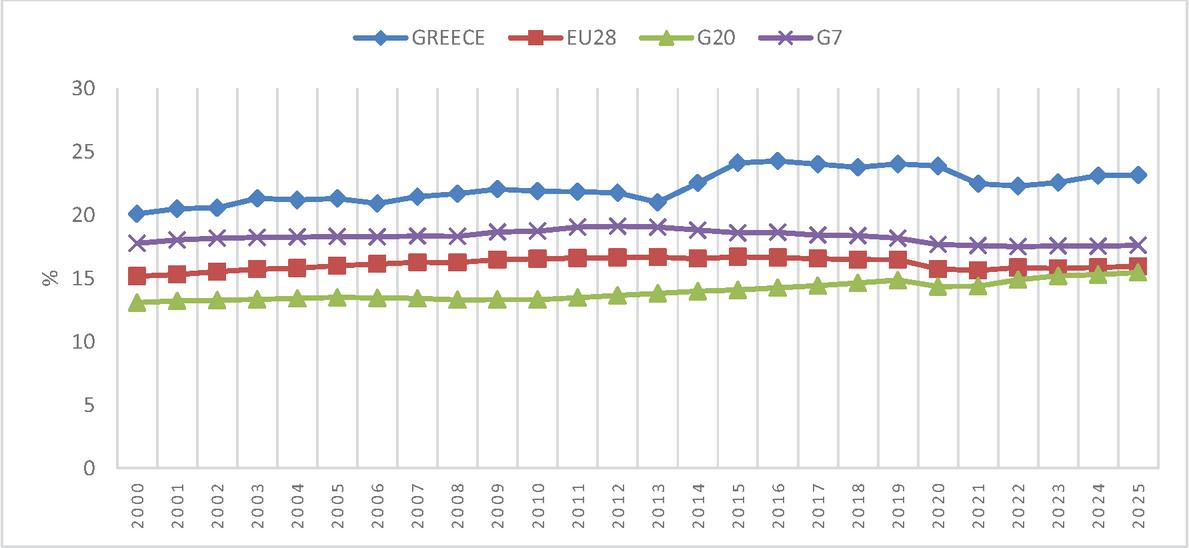
Figure 6 Participation (%) in total employment 5. Service and Sales Workers 2000–2025.
Source: Own editing, ILO data.
The share of Craft and Related Trades Workers (Group 7) in total employment in Greece over the period 2000–2025 exhibits a pronounced downward trend, reflecting the structural transformation of the Greek economy, particularly after the economic crisis. In 2000, Greece recorded a relatively high participation rate of 16.2%, exceeding both the EU average (15.1%) and the G7 (12.2%), and standing well above the G20 (11.9%). During the early 2000s, the Greek share remained consistently above 15%, indicating the strong presence of construction, manufacturing, and small-scale technical activities within the domestic production structure. However, following 2008, the decline is sharp and continuous. The share falls from 14.4% in 2008 to 11.1% in 2012 and further to 9.8% in 2015, reflecting the severe contraction of construction and related trades during the recession.
In the subsequent period (2016–2025), the Greek share stabilizes at significantly lower levels, fluctuating between 8.9% and 9.9%, reaching 9.87% in 2025. By contrast, although the EU and G7 also display gradual declines over time, their reductions are more moderate. In 2025, Greece (9.87%) remains below the EU average (10.42%) and above the G7 (8.75%), while converging toward the G20 (11.06%). Overall, the data suggest a substantial erosion of craft and trade-based employment in Greece since the crisis period, pointing to long-lasting structural adjustments in sectors traditionally associated with domestic demand, construction activity and small-scale production (Figure 7).
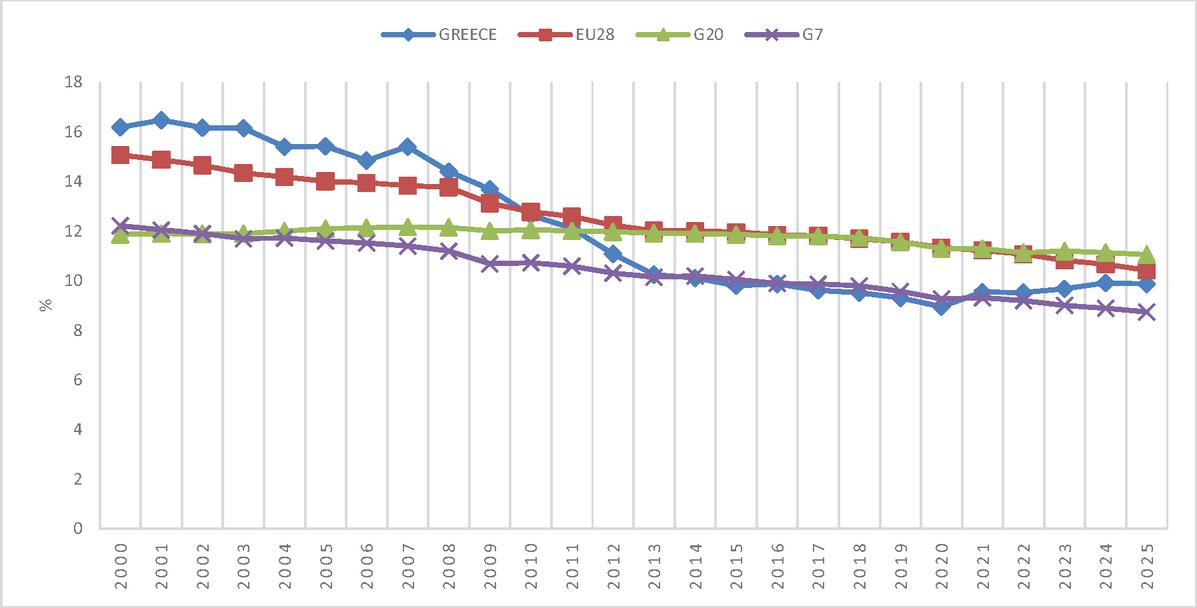
Figure 7 Participation (%) in total employment 7. Craft and Related Trades Workers 2000–2025.
Source: Own editing, ILO data.
The share of Plant and Machine Operators and Assemblers (Group 8) in total employment in Greece over the period 2000–2025 follows a relatively stable but mildly declining trajectory, broadly in line with trends observed in advanced economies. In 2000, Greece recorded a participation rate of 7.08%, below the EU average (8.45%) but close to the G7 (7.68%) and above the G20 (6.11%). During the 2000s, the Greek share fluctuated within a narrow range (approximately 6.7–7.1%), indicating a stable presence of machine-based and production-related occupations. After the onset of the economic crisis, a gradual decline becomes evident, with the share falling to 6.33% in 2012 and reaching a low of 5.89% in 2015, reflecting the contraction of manufacturing and construction-related industrial activity.
From 2016 onwards, the data show a moderate recovery. The share increases again, reaching 6.84% in 2018 and stabilizing around 6.6–7.0% in the early 2020s. By 2025, Greece records 7.02%, slightly above the EU average (6.84%) and clearly above the G7 (5.98%), which exhibits a continuous downward trend over the entire period. The G20, in contrast, shows a gradual increase, reaching 6.54% in 2025. Overall, the data suggest that while Greece experienced a temporary contraction in machine- and plant-related occupations during the crisis, the long-term pattern reflects relative stability and partial convergence toward international averages, particularly in comparison with the declining industrial employment shares in the G7 economies (Figure 8).
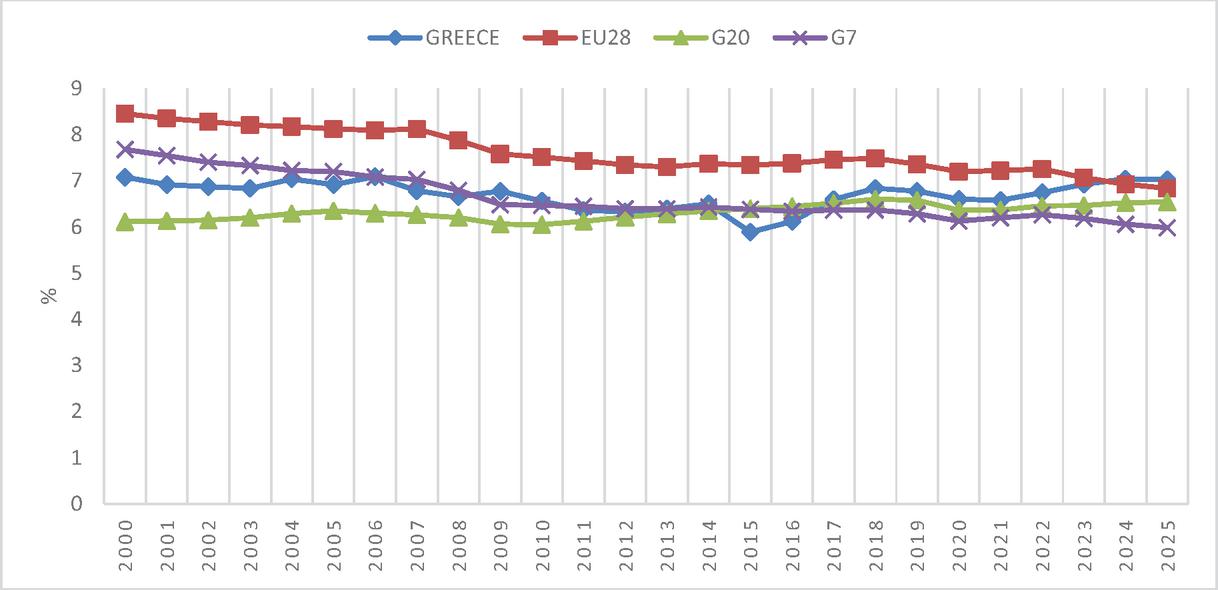
Figure 8 Participation (%) in total employment 8. Plant and Machine Operators, and Assemblers 2000–2025.
Source: Own editing, ILO data.
The combined category of Elementary Occupations and Skilled Agricultural, Forestry, and Fishery Workers (Groups 6 and 9) accounts for a substantial share of total employment in Greece over the period 2000–2025, consistently exceeding the corresponding EU and G7 averages. In 2000, Greece recorded a participation rate of 21.9%, compared to 14.7% in the EU and 11.9% in the G7, while remaining significantly below the G20, where the share exceeded 41%. During the early 2000s in Greece, the share falls to approximately 16.6% by 2007–2008. However, following the onset of the economic crisis, the proportion increases again, reaching 19.6% in 2014 and remaining above 18% until 2018. This countercyclical rise is interpreted as reflecting labor market reallocation toward lower-skilled and primary-sector activities during the period of severe economic contraction.
From 2019 onwards, a renewed downward adjustment becomes evident. The Greek share declines from 17.3% in 2019 to 16.1% in 2020 and stabilizes around 16.5% in 2025. Despite this moderation, Greece continues to display a markedly higher concentration in elementary and primary-sector occupations than the EU (10.75% in 2025) and the G7 (10.31%), though it remains far below the structurally high levels observed in the G20 (48.47%). Overall, the data indicate that low-skilled and primary-sector employment retains a comparatively strong presence in Greece, suggesting distinct and persistent structural features linked to agriculture, small-scale services and labor-intensive activities within the broader production model (Figure 9).
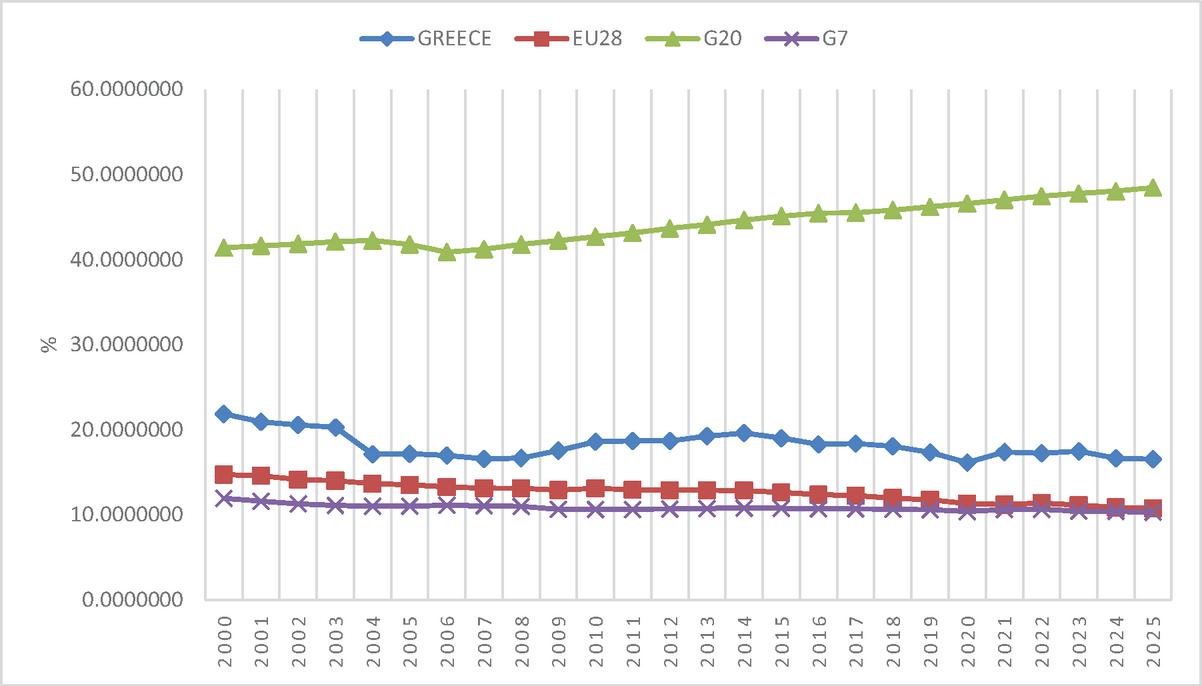
Figure 9 Participation (%) in total employment 6 & 9. Elementary Occupations and Skilled Agricultural, Forestry, and Fishery Workers 2000–2025.
Source: Own editing, ILO data.
5 Discussion of Findings
The 2025 occupational structure of employment in Greece reflects the characteristics and constraints of the country’s production structure and its position within the international division of labor. The observed divergences between Greece, the EU, and the G7 should not be interpreted merely as quantitative gaps in employment shares, but rather as qualitative structural differences rooted in sectoral specialization, firm size distribution, and productivity patterns.
The strong representation of Service and Sales Workers (23.2%) and the relatively high concentration in Elementary and Primary-Sector Occupations (16.5%) confirm the persistent dominance of tourism, retail trade, small-scale services, and agricultural activities in the Greek economy. At the same time, Greece displays a very low participation rate in managerial occupations (3.0%), significantly below the EU (6.9%) and the G7 (8.6%). This underrepresentation of top-level managerial positions is consistent with the prevalence of micro and very small enterprises, limited corporate scale, and a comparatively weak industrial base. In such a production structure, demand for senior management and complex organizational hierarchies remains structurally constrained.
By contrast, Greece shows substantial convergence with the EU and the G7 in the category of Professionals (22.6%), suggesting a strengthening of high-skilled human capital over time. However, this positive development is not equally reflected in mid-to-high technical occupations (Group 3), where Greece (6.7%) remains far below the EU and G7 averages (around 16%). This indicates that while the country generates a considerable stock of highly educated professionals, the absorption of specialized technical and associate professional roles remains limited, likely due to weaker industrial upgrading and lower technology intensity.
Regarding middle-skill occupations, a differentiated pattern emerges. Clerical support workers (11.1%) and service workers (23.2%) are relatively overrepresented compared to EU averages, while craft and related trades workers (9.9%) and plant and machine operators (7.0%) show either convergence or modest divergence. The contraction observed in traditional craft occupations over the past decade reflects the long-term decline of construction and manufacturing during and after the crisis, whereas service-oriented middle-skill employment remains structurally robust.
Overall, the Greek occupational structure in 2025 does not fully align with the job polarization pattern often observed in advanced EU and G7 economies, where employment expands simultaneously at the high and low ends of the skill distribution while contracting in the middle. Instead, Greece exhibits a hybrid structure: strong growth and consolidation in professional occupations, persistent overconcentration in services and elementary work, and structural weakness in managerial and advanced technical roles.
These findings suggest that the Greek labor market appears to reflect the country’s sectoral specialization and production constraints rather than a transition toward a technology-driven, innovation-intensive growth model. Digitalization, demographic change, and the evolving international division of labor are likely to reshape occupational demand further. Future research could explore whether recent investment dynamics, green transition policies, and digital transformation strategies are capable of altering this structural configuration and reducing the persistent gap in high-level managerial and advanced technical employment relative to core EU economies.
It should be noted that the interpretation of these findings is not intended to establish causal relationships in a strict econometric sense. Rather, the analysis provides a structural reading of labor market developments, linking observed patterns to broader characteristics of the Greek economy as documented in the literature. At the same time, additional factors—such as migration flows, education-employment mismatch, and public sector employment dynamics—may also influence occupational restructuring. A systematic examination of these dimensions would require a different analytical framework and is therefore left for future research.
6 Conclusion
This paper examines the evolution of occupational structure and skill composition in Greece over the period 2000–2025 within a comparative international perspective. Drawing on the job polarization hypothesis and the task-based approach, it assessed whether the Greek labor market has followed the restructuring patterns documented in advanced European as well as in G7 and G20 economies.
The results do not support the existence of a classical polarization trajectory. Although the share of professional occupations has increased steadily, managerial and advanced technical roles remain structurally limited. Employment continues to be concentrated in service and elementary occupations, indicating selective upgrading rather than the symmetrical expansion of high- and low-skilled employment typically associated with polarization and the erosion of middle-skilled jobs. These developments are closely related to the structural features of the Greek production model, including the predominance of small-scale enterprises, limited industrial upgrading, and a service and tourism-oriented growth pattern.
The crisis decade reinforced these characteristics through internal devaluation and institutional reforms, while the post-2020 period, characterized by accelerated digitalization, green transition initiatives, and recovery and resilience investments, has improved aggregate labor market indicators without yet producing a substantial reconfiguration of the occupational hierarchy.
More broadly, the Greek case underscores that technological transformation does not influence labor market outcomes uniformly across countries. Occupational restructuring is mediated by sectoral specialization, institutional settings, and a country’s position within the European and global division of labor. From a sustainability perspective, progress toward productive, innovation-driven, and inclusive growth, consistent with SDGs 8, 9, and 10, depends on whether digital and green transitions are accompanied by sustained investment in technological upgrading, organizational transformation, and effective skill formation systems. Whether such a shift will materialize in Greece remains contingent on the depth and continuity of these structural reforms.
Acknowledgment
Part of this research (investigation of the Greek financial crisis period) was conducted by authors E. Drakaki and K. Karamanis from December 2019 to February 2021 in the context of the project entitled “International developments on occupations and skills and the case of Greece” coordinated by the Institute of Labour (INE GSEE).
The manuscript reflects the views solely of the three authors and not of any institution or organization.
References
Acemoglu, D. (2019). It’s good jobs, stupid. Research Brief. June. Economists for Inclusive Prosperity.
Acemoglu, D., & Autor, D. (2011). Skills, Tasks and Technologies: Implications for Employment and Earnings. In Handbook of Labor Economics (Vol. 4, pp. 1043–1171). Elsevier.
Acemoglu, D. and Johnson, S. (2023). Power and Progress: Our Thousand-Year Struggle Over Technology and Prosperity. New York: PublicAffairs.
Acemoglu, D. and Restrepo, P. (2019). Automation and new tasks: How technology displaces and reinstates labor. Journal of Economic Perspectives, 33(2), Spring.
Arntz, M., Gregory, T., and Zierahn, U. (2016). The risk of automation for jobs in OECD countries: A comparative analysis. OECD Social, Employment and Migration Working Papers 189. Paris: ΟECD Publishing.
Autor, D. (2013). The “task approach” to labor markets: An overview. NBER Working Paper 18711. Cambridge, MA: National Bureau of Economic Research.
Autor, D. (2015). Why are there still so many jobs? The history and future of workplace automation. Journal of Economic Perspectives, 29(3), 3–30.
Autor, D., Katz, L., and Kearney, M. (2006). The polarization of the US labor market. The American Economic Review, 96(2), 189–194.
Autor, D., Levy, F., and Murnane, R. (2003). The skill content of recent technological change: An empirical exploration. The Quarterly Journal of Economics, 118(4), 1279–1333.
Becker, G. (1964). Human Capital: A Theoretical and Empirical Analysis, with Special Reference to Education. Chicago: University of Chicago Press.
Brynjolfsson, E. and McAfee, A. (2016). The Second Machine Age: Work, Progress, and Prosperity in a Time of Brilliant Technologies. New York: W.W. Norton & Company.
Cedefop (2012). Future skills supply and demand in Europe: Forecast methodology. Luxembourg: Publications Office of the European Union.
Cedefop (2015). Skills, qualifications and jobs in the EU: The making of a perfect match? : evidence from Cedefop’s European skills and jobs survey. Publications Office of the European Union.
Cedefop (2016). Future skill needs in Europe: Critical labour force trends. Luxembourg: Publications Office of the European Union.
Cedefop (2022). Skills Forecast 2022: Trends and Challenges to 2035. European Centre for the Development of Vocational Training. Luxembourg: Publications Office of the European Union.
Clauwaert, S. and Schömann, I. (2012). The Crisis And National Labour Law Reforms: A Mapping Exercise. Brussels: European Trade Union Institute.
Clauwaert, S., Rasnača, Z., and Liakopoulou, M. E. (2017). The Crisis And National Labour Law Reforms: A Mapping Exercise, Country Report: Greece. Brussels: European Trade Union Institute.
Dahlin, E. (2019). Are robots stealing our jobs? Socius: Sociological Research for a Dynamic World, 5, 1–14.
Dao, M., Das, M., Koczan, Z., and Lian, W. (2017). Why is labor receiving a smaller share of global income? Theory and empirical evidence. IMF Working Paper, 17, 169.
ELSTAT (2026). Labour Force Survey November 2025. Athens: Hellenic Statistical Authority.
European Commission (2009). New Skills For New Jobs: Anticipating And Matching Labour Market And Skills Needs. Brussels: European Commission.
European Commission (2016). A New Skills Agenda For Europe: Working Together To Strengthen Human Capital, Employability And Competitiveness. Brussels: European Commission.
European Commission (2020). European Skills Agenda for Sustainable Competitiveness, Social Fairness and Resilience. Brussels: European Commission. https://eur-lex.europa.eu/legal-content/EN/TXT/PDF/?uri=CELEX:52020DC0274
European Commission (2023). Employment and Social Developments in Europe 2023. Directorate-General for Employment, Social Affairs and Inclusion. Brussels: European Commission.
European Commission (2025). European Economic Forecast: Autumn 2025. Brussels: European Commission.
European Court of Auditors (2025). Labour Market Reforms in National Recovery and Resilience Plans. Special Report. Luxembourg: European Court of Auditors.
Eurostat (2025). Employment and Unemployment Statistics. Eurostat Database. Luxembourg: European Commission.
Filinis, K. (2019). The polarization of work in Greece: A sectoral analysis. Education, Lifelong Learning, Research and Technological Development, Innovation and Economy, 2, 656–665. [in Greek]
Frey, C. and Osborne, M. (2017). The future of employment: How susceptible are jobs to computerisation? Technological Forecasting and Social Change, 114(C), 254–280.
Gentili, A., Compagnucci, F., Gallegati, M., and Valentini, E. (2020). Are machines stealing our jobs? Cambridge Journal of Regions, Economy and Society, 13(1), 153–173.
Gomes, O. and Pereira, S. (2018). On the economic consequences of automation and robotics. Journal of Economic and Administrative Sciences, 36(2), 134–153.
Goos, M. and Manning, A. (2007). Lousy and lovely jobs: The rising polarization of work in Britain. The Review of Economics and Statistics, 89(1), 118–133.
Goos, M., Manning, A., and Salomons, A. (2010). Explaining Job Polarization in Europe: The Roles of Technology, Globalization and Institutions. CEP Discussion Paper. No 1026. London: Centre for Economic Performance-London School of Economics.
Government of Greece (2025). Ministerial Decision No. 8233/27.3.2025 (Β’ 1476): Determination of the statutory minimum wage and minimum daily wage, effective 1 April 2025. Athens: Ministry of Labour and Social Affairs.
ILO (2012). International Standard Classification of Occupations: ISCO-08 – Structure, group definitions and correspondence tables. Geneva: ILO.
ILO (2019). Centenary Declaration for the Future of Work adopted by the Conference at its one hundred and eighth session. Geneva: ILO.
ILO (2020). ILO Monitor: Covid-19 and the world of work. 5th ed. Updated estimates and analysis. 30 June.
ILO (2022). World Employment and Social Outlook: Trends 2022. Geneva: International Labour Organization.
IMF (2023). Gen-AI: Artificial Intelligence and the Future of Work. IMF Staff Discussion Note. Washington, DC: International Monetary Fund.
Korinek, A. (2019). Labor in the age of automation and artificial intelligence. Research Brief. January. Economists for Inclusive Prosperity.
Lambrianidis, L. (2020). The path to the 4th industrial revolution as a “window of opportunity” for Greece. Synchrona Themata, no. 147–148, October–April. [in Greek]
Lapatsioras, S., Milios, G., and Michaelides, P. (2020). The Impact of Digitalization on the Labour Market. Studies 46. Athens: INE-GSEE. [in Greek]
McGuinness, S., Pouliakas, K., and Redmond, P. (2018). Skills mismatch: Concepts, measurement and policy approaches. Journal of Economic Surveys, 32(4), 985–1015.
McIntosh, S. (2013). Hollowing out and the future of the labour market. BIS research paper. No. 134. London: Department for Business, Innovation and Skills.
Morgan, J. (2019). Will we work in twenty-first century capitalism? A critique of the fourth industrial revolution literature. Economy and Society, 48(3), 371–398.
Myant, Μ., Theodoropoulou, S., and Piasna, A. eds (2016). Unemployment, Internal Devaluation And Labour Market Deregulation In Europe. Brussels: European Trade Union Institute.
Naidu, S. (2019). Worker collective action in the 21st century labor market. Research Brief. January. Economists for Inclusive Prosperity.
Naidu, S., Rodrik, D., and Zucman, G. (2019). Economics for inclusive prosperity: An introduction. Research Brief. January. Economists for Inclusive Prosperity.
OECD (2018). Skills for Jobs. OECD Social, Employment and Migration Working Papers. No. 197. Paris: OECD Publishing. http://dx.doi.org/10.1787/06804863-en.
OECD (2019a). OECD Employment Outlook 2019: The Future of Work. Paris: OECD Publishing.
OECD (2019b). OECD Skills Outlook 2019: Thriving in a Digital World. Paris: OECD Publishing.
OECD (2022). OECD Employment Outlook 2022: Building Back More Inclusive Labour Markets. Paris: OECD Publishing.
OECD (2023). OECD Employment Outlook 2023: Artificial Intelligence and the Labour Market. Paris: OECD Publishing.
Schwab, K. ed. 2019: The Global Competitiveness Report 2019. Insight Report. World Economic Forum.
Theodoropoulou, S. (2016). Severe pain, very little gain: Internal devaluation and rising unemployment in Greece. In M. Myant, S. Theodoropoulou and A. Piasna (Eds.), Unemployment, Internal Devaluation And Labour Market Deregulation In Europe. Brussels: ETUI.
UNCTAD (2016). Development and globalization: Facts and Figures. https://stats.unctad.org/Dgff2016/DGFF2016.pdf
Vaitsos, K. (2020). Strategic features of the 4th cognitive and productive revolution, European integration and development challenges for Greece. Synchrona Themata, 147–148, October–April [in Greek]
World Economic Forum (2014). Matching skills and labour market needs: Building social partnerships for better skills and better jobs. https://ifcsia.org/publications/matching-skills-and-labour-market-needs-building-social-partnerships-for-better-skills-and-better-jobs/ http://www3.weforum.org/docs/GAC/2014/WEF_GAC_Employment_MatchingSkillsLabourMarket_Report_2014.pdf.
World Economic Forum (2023). The Future of Jobs Report 2023. Geneva: World Economic Forum.
Sustainability Research in the Mediterranean, 1(2), 89–106
DOI: 10.13052/srm2795-0514.007
© 2026 River Publishers