Environmental Impact Assessment in Coastal and Island Tourism as a Tool for Sustainable Development
Erasmia Angelaki1, Stavros Garefalakis2 and Ioannis Samaras3
1Department of Business Administration and Tourism, Hellenic Mediterranean University, 714 10 Iraklio, Greece
E-mail: eangelaki@hmu.gr
2Department of Economics and Business, Neapolis University Pafos, Pafos 8042, Cyprus
E-mail: s.garefalakis@nup.ac.cy
3Department of Organization Management, Marketing, and Tourism; International Hellenic University, Greece, GR141 Thessaloniki, Greece
E-mail: gsamaras@ihu.gr
Corresponding Author: Erasmia Angelaki; E-mail address: eangelaki@hmu.gr
Received 21 March 2025, Accepted 15 May 2025; Published Online: 22 July 2026.
Abstract
Environmental Impact Assessment (EIA) is an important tool for integrating environmental concerns into development planning, particularly in island and coastal regions where ecosystems are highly sensitive and tourism pressures are intense. This paper examines its role in promoting sustainable tourism development in such vulnerable areas. Drawing on a qualitative review of the relevant literature, the study explores the conceptual foundations of EIA, its application in tourism planning, and the factors that influence its effectiveness. The analysis indicates that, although the instrument has strong potential to support environmentally responsible decision making, its implementation is often constrained by weak institutional capacity, insufficient baseline data, limited stakeholder participation, and inadequate enforcement. In many cases, it functions more as a procedural requirement than as a strategic planning tool. The paper argues that, in island and coastal tourism contexts, EIA should move beyond compliance and contribute more directly to environmental protection, community inclusion, and long-term resilience within sustainable development planning.
Keywords: Environmental Impact Assessment (EIA), sustainable tourism, Environmental, Social, and Governance (ESG), coastal development, island ecosystems, environmental planning, tourism impacts..
1 Introduction
Environmental Impact Assessment (EIA) has become a central instrument in environmental planning, designed to evaluate the potential consequences of development before implementation and to guide decision making toward more sustainable outcomes. Its relevance is particularly pronounced in island and coastal tourism contexts, where ecosystems are inherently fragile, spatially constrained, and highly sensitive to external pressures. These environments often support high levels of biodiversity while simultaneously facing growing demand for tourism infrastructure, creating a complex tension between economic development and environmental protection (Bhatt, 2023; Jay et al., 2007).
Over recent decades, tourism has expanded rapidly across coastal and island regions, contributing substantially to local and national economies. This growth, however, has frequently been accompanied by environmental degradation, including habitat loss, shoreline erosion, water scarcity, and the disruption of marine ecosystems (Imbrenda et al., 2025; Vardopoulos, Ioannides, et al., 2023). Although EIA is widely recognized as a mechanism for anticipating and mitigating such impacts, its application in tourism development has often remained uneven and, in some cases, largely procedural. Existing research has tended to emphasize the technical aspects of impact prediction and mitigation, while giving comparatively less attention to the broader governance challenges, implementation gaps, and socioenvironmental complexities that shape EIA outcomes in these highly vulnerable regions.
This paper argues that EIA in island and coastal tourism should not be understood merely as a regulatory requirement or technical assessment tool, but as a strategic framework for integrating environmental protection, community participation, and long-term resilience into tourism planning. In practice, however, its effectiveness is frequently constrained by limited institutional capacity, insufficient baseline data, weak enforcement mechanisms, and the marginalization of local stakeholders. These limitations reduce its potential to function as a genuinely transformative instrument for sustainable development.
Against this backdrop, the present study explores the role of EIA in managing tourism development in island and coastal settings, with particular emphasis on its conceptual foundations, procedural stages, and practical challenges. It seeks to critically examine how EIA operates within these contexts, to identify the main limitations in its current application, and to highlight opportunities for strengthening its contribution to sustainable tourism. By situating EIA within the broader dynamics of environmental governance and tourism planning, the paper aims to demonstrate how it can move beyond compliance-based practice toward a more integrated and forward-looking approach.
2 Literature Review
2.1 EIA and Tourism Development
EIA has become a cornerstone of contemporary environmental governance, providing a structured framework through which the potential consequences of development activities can be examined prior to implementation. Initially introduced as a regulatory response to growing environmental concerns, it has gradually evolved into a more comprehensive planning instrument that supports informed decision making and promotes the integration of environmental considerations into development strategies. Rather than functioning solely as a technical exercise, it operates at the intersection of science, policy, and planning, facilitating a more balanced relationship between economic objectives and ecological integrity (Thanh Tuong, 2025).
At its core, the process seeks to anticipate environmental change, evaluate the significance of potential impacts, and identify appropriate measures to avoid, reduce, or compensate for adverse effects. This forward-looking orientation reflects a broader shift from reactive to preventive environmental management, in which the emphasis is placed on minimizing harm before it occurs rather than addressing damage after the fact. In doing so, it also encourages the exploration of alternative development pathways, including modifications in project design, scale, or location, thereby contributing to more sustainable planning outcomes (Konstantopoulos et al., 2026; Petelos et al., 2025; Silsilah and Gandhimathi, 2023; Vardopoulos, 2019). The principal stages through which the process unfolds are summarized in Figure 1, which presents EIA as an iterative sequence rather than a single, linear step.
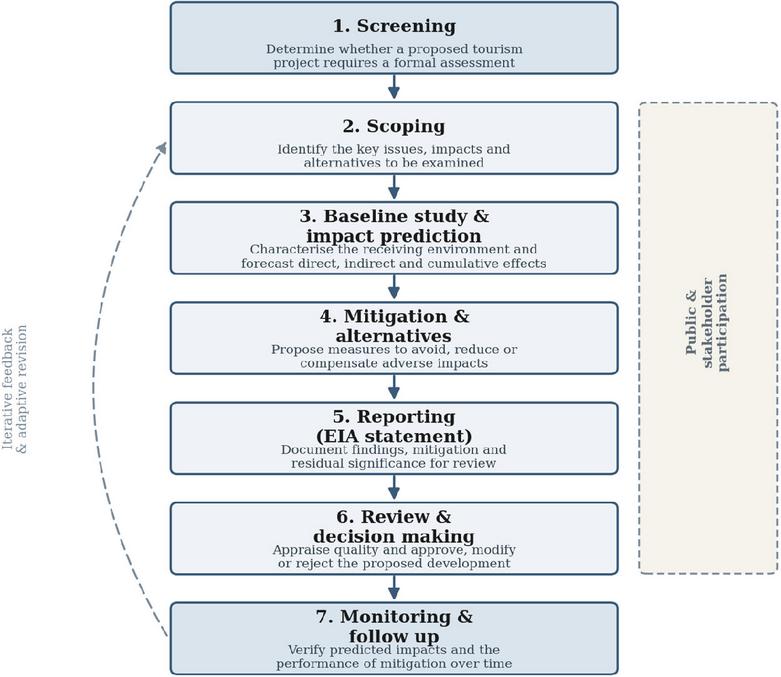
Figure 1 Principal stages of the EIA process.
The relevance of this approach becomes particularly evident in the context of tourism development. Tourism is inherently dependent on environmental quality, drawing its value from natural landscapes, coastal zones, biodiversity, and cultural heritage. At the same time, it is one of the most dynamic and rapidly expanding sectors globally, frequently driving intensive land use change and infrastructure development. This dual character, being both dependent on and disruptive to the environment, places tourism in a uniquely complex position within environmental planning. Development associated with tourism often increases pressure on natural resources, including freshwater systems, coastal ecosystems, and terrestrial habitats, while also generating waste, pollution, and landscape transformation (Matias et al., 2022; Pace et al., 2025; Vardopoulos, Giannopoulos, et al., 2024; Vardopoulos, Papoui-Evangelou, et al., 2023).
In many cases, tourism related projects are not isolated interventions but part of broader development patterns that produce cumulative and long-term environmental effects. The construction of accommodation facilities, transport networks, and recreational infrastructure can gradually alter ecological systems, sometimes in ways that are not immediately visible but become significant over time. These cumulative impacts present a particular challenge, as they are often underestimated or insufficiently addressed within conventional assessment frameworks. As a result, the role of environmental assessment in tourism extends beyond the evaluation of individual projects and requires a more integrated perspective that considers wider spatial and temporal dimensions (Kopsidas et al., 2026).
Another important characteristic of tourism development is its variability and seasonality. Fluctuations in visitor numbers can produce periods of intense environmental pressure, particularly in peak seasons, followed by relative inactivity. This uneven distribution of impacts complicates both assessment and management, as environmental systems must absorb short-term surges in demand that may exceed their carrying capacity. Furthermore, tourism development typically involves a diverse set of stakeholders, including private investors, public authorities, local communities, and international actors, each with different priorities and levels of influence. This multiplicity of interests adds a governance dimension to the assessment process, in which decision making is shaped not only by scientific evidence but also by economic and political considerations (Angelaki, 2025; Alshuqaiqi and Irwana Omar, 2019).
Within this context, the application of environmental assessment to tourism has been widely recognized as essential for promoting more sustainable forms of development. It provides a mechanism through which potential impacts can be systematically identified and evaluated, while also offering an opportunity to incorporate mitigation measures and environmental safeguards into project planning, including at the level of individual tourism facilities (Vardopoulos, 2021; Vardopoulos, Dimitriou, et al., 2024; Vardopoulos, Giannopoulos, et al., 2023; Vardopoulos and Theodoropoulou, 2019). The effectiveness of this process is not uniform, however. A growing body of research suggests that, in practice, it is often applied in a procedural manner that focuses on formal compliance rather than substantive environmental outcomes. This can result in assessments that meet regulatory requirements without fully addressing the complexity of tourism related impacts, particularly with respect to cumulative effects, ecosystem dynamics, and socioenvironmental interactions (Wang and Chen, 2025).
For this reason, there is increasing recognition that environmental assessment in tourism must move beyond a narrow technical focus and adopt a more strategic and integrated approach. This involves not only improving the quality of impact prediction and mitigation, but also strengthening the links between assessment, planning, and governance. In doing so, it can play a more active role in shaping development trajectories, supporting sustainable tourism models, and ensuring that environmental considerations are embedded within broader decision-making processes. These challenges and opportunities become even more pronounced in specific geographical contexts characterized by heightened environmental sensitivity and development pressure, such as island and coastal regions (Angelaki et al., 2025; Petelos et al., 2025).
2.2 Vulnerability of Island and Coastal Tourism Systems
Island and coastal regions represent some of the most environmentally sensitive and geographically constrained areas in which tourism development takes place. These environments are characterized by high ecological value, frequently supporting unique biodiversity, complex marine and terrestrial ecosystems, and a strong interdependence between natural resources and local livelihoods. At the same time, they are defined by physical limitations, including restricted land availability, limited freshwater resources, and fragile ecological balances, all of which reduce their capacity to absorb external pressures. This combination of ecological richness and environmental vulnerability makes them particularly susceptible to the impacts of tourism development (Baltranaitė et al., 2025).
Tourism in these regions depends largely on the very features that are most at risk, such as pristine coastlines, marine habitats, and distinctive landscapes. As a result, even relatively small-scale interventions can produce disproportionately large environmental effects. The construction of tourism infrastructure, including accommodation facilities, transport networks, and recreational amenities, often leads to habitat fragmentation, coastal modification, and increased pressure on already scarce resources. In many cases, these impacts are intensified by the cumulative nature of development, where multiple projects, each considered manageable in isolation, collectively exceed the ecological limits of the area (Astara et al., 2026; Dong, 2025; Vardopoulos, Georgiou, et al., 2024).
A key concept in understanding this vulnerability is carrying capacity, which refers to the maximum level of use that an environment can sustain without experiencing irreversible degradation. In island and coastal contexts, carrying capacity is often low and highly sensitive to fluctuations, particularly those associated with seasonal tourism. Periods of peak demand can place significant strain on water supply systems, waste management infrastructure, and local ecosystems, leading to pollution, resource depletion, and environmental degradation. These pressures are frequently exacerbated by inadequate planning and insufficient monitoring, which limit the ability of authorities to manage tourism growth effectively (Kofidou et al., 2024; Loizia et al., 2021).
In addition to environmental constraints, island and coastal regions often face socioeconomic challenges that further complicate tourism development. Local communities are frequently tied to natural resources through traditional livelihoods such as fishing, agriculture, and small-scale commerce. Rapid tourism expansion can disrupt these relationships, altering land use patterns, increasing the cost of living, and creating tensions between economic development and social equity. In many instances, the benefits of tourism are unevenly distributed, while the environmental and social costs are borne disproportionately by local populations, which in turn shapes residents’ attitudes toward further development (Karytsas et al., 2019; Mony et al., 2023; Panagiotopoulos, 2026; Vardopoulos, Muolo, et al., 2025).
Climate change introduces an additional layer of vulnerability that is particularly pronounced in coastal and island settings. Rising sea levels, the increased frequency and intensity of extreme weather events, coastal erosion, and saltwater intrusion all pose significant threats to both natural systems and tourism infrastructure. These processes not only affect environmental quality but also undermine the long-term viability of tourism as an economic activity in these regions. The dynamic and uncertain nature of climate related impacts further complicates planning and assessment, as it requires consideration of future conditions that may differ substantially from present day baselines (Trimedianto et al., 2024; Vardopoulos and Karytsas, 2019).
Given these characteristics, tourism development in island and coastal regions cannot be approached through conventional planning frameworks alone. The environmental, social, and climatic sensitivities of these areas demand more careful and context specific assessment processes capable of capturing both immediate and long-term impacts. In this sense, environmental assessment becomes particularly critical, as it provides a mechanism for evaluating whether proposed developments are compatible with the limited resilience and carrying capacity of these environments. At the same time, the complexity of these settings exposes the limitations of existing approaches, raising important questions about how effectively such tools are applied in practice.
2.3 Effectiveness and Limitations of EIA in Coastal and Island Contexts
The application of EIA in coastal and island tourism has been widely promoted as a means of ensuring that development proceeds in a manner consistent with environmental sustainability. In principle, it provides a systematic process for identifying potential impacts, informing decision making, and integrating mitigation measures into project design. When implemented effectively, it can contribute to more responsible planning practices, enhance transparency, and support the long-term protection of sensitive ecosystems. A substantial body of literature suggests, however, that its effectiveness in practice remains uneven, particularly in contexts characterized by high development pressure and limited institutional capacity (Payet, 2011).
One of the most frequently identified limitations concerns the gap between formal procedures and actual outcomes. In many cases, EIA is conducted as a regulatory requirement rather than as a substantive planning tool, producing processes that prioritize compliance over environmental protection. This procedural approach often yields assessments that fulfil legal obligations without adequately addressing the complexity or scale of potential impacts. In tourism development, where projects may appear relatively small in isolation but contribute to significant cumulative effects, this limitation becomes especially pronounced. The failure to account for cumulative and long-term impacts undermines the ability of the assessment process to capture the full extent of environmental change.
Another critical challenge relates to the availability and quality of baseline data. Coastal and island ecosystems are often insufficiently studied, particularly in more remote or less developed regions, making it difficult to establish accurate environmental baselines against which impacts can be measured. This lack of data introduces uncertainty into impact prediction and reduces the reliability of proposed mitigation measures. In addition, environmental systems in these areas are dynamic and subject to rapid change, further complicating efforts to generate stable and meaningful assessments (Allen et al., 2021).
Institutional and governance factors also play a significant role in shaping the effectiveness of EIA. In many island and coastal regions, administrative capacity is limited, and regulatory frameworks may be weak or inconsistently enforced. Decision making can be influenced by economic priorities, particularly where tourism is a key source of revenue, generating pressure to approve projects despite identified environmental risks. This tension between development objectives and environmental protection can lead to compromises that reduce the effectiveness of the assessment process. Moreover, the fragmentation of responsibilities across different agencies can hinder coordination and weaken oversight (Chen et al., 2026; Doukas et al., 2023; Vortelinos et al., 2026).
Public participation, although formally recognized as a key component of EIA, often remains limited in practice. While consultation may be included as part of the procedure, it is not always designed to ensure meaningful engagement or to incorporate local knowledge into decision making. In coastal and island contexts, where communities are closely connected to natural resources and directly affected by tourism development, the marginalization of local perspectives represents a significant limitation. Without genuine participation, the assessment process risks overlooking important social and cultural dimensions of environmental change (Guild et al., 2024; Moustairas et al., 2022).
At the same time, it is important to recognize that EIA continues to offer significant potential as a tool for improving tourism planning. When applied with greater rigor and supported by adequate data, institutional capacity, and stakeholder engagement, it can facilitate more informed decisions and promote more sustainable development outcomes. Recent contributions to the literature have emphasized the need to strengthen the integration of environmental assessment with broader planning processes, to incorporate climate related risks, and to enhance monitoring and follow up mechanisms. Such developments point toward a more adaptive and forward-looking approach, in which EIA functions not merely as a regulatory checkpoint but as an integral component of sustainable tourism governance (Pegler et al., 2025; Ribeiro Hoffmann et al., 2024; Vardopoulos and Passas, 2025).
Despite these opportunities, the persistent challenges associated with implementation underline the need for a more critical understanding of how EIA operates in practice. In particular, there is a need to move beyond formal compliance and to address the underlying institutional, environmental, and social and political factors that influence its effectiveness. This is especially relevant in island and coastal tourism contexts, where environmental sensitivity and development pressures intersect in ways that demand more robust and context specific approaches to assessment and planning (Chams-Anturi et al., 2025).
Taken together, the literature reveals a persistent gap between the theoretical potential of EIA and its practical effectiveness, particularly in island and coastal contexts. While previous studies have highlighted its role in promoting sustainable development, less attention has been given to how institutional constraints, environmental uncertainty, and governance dynamics shape its implementation in these highly sensitive regions. Moreover, the cumulative and long-term impacts of tourism development, together with the integration of climate related risks and local stakeholder perspectives, remain insufficiently addressed within conventional assessment practice.
In response to these limitations, the present study critically examines the role of EIA in coastal and island tourism, focusing not only on its formal procedures but also on the conditions that influence its effectiveness in practice. By bringing together insights from environmental governance, tourism development, and vulnerability research, the paper aims to provide a more integrated understanding of how EIA can function as a strategic tool for sustainable tourism planning. The study is guided by the following two research questions.
RQ1. How effective is EIA as a tool for promoting sustainable tourism development in island and coastal regions?
RQ2. What factors influence the effectiveness of EIA in managing tourism development in island and coastal areas?
3 Methodology
This study adopts a qualitative research approach based on a critical review of the existing literature. Rather than relying on primary data collection, the analysis draws on academic sources concerned with EIA, tourism development, and environmental management in island and coastal contexts. The aim is to synthesize current knowledge, identify key themes, and examine the factors that influence the effectiveness of EIA in practice (Bais et al., 2024; Santos et al., 2021).
The literature was selected on the basis of its relevance to three main areas. These were the theoretical foundations of EIA, its application within tourism development, and the specific challenges associated with island and coastal environments. Priority was given to recent peer reviewed journal articles, together with foundational studies that have shaped the development of the field. This strategy allows for a comprehensive understanding of both established concepts and emerging issues (Ciaschini and Imbrenda, 2025; D’Agata et al., 2024; Naciti et al., 2022; Salvati, 2025; Sateriano et al., 2024).
The analysis follows a thematic approach, in which key patterns and recurring issues are identified across the literature. As summarized in Table 1, four analytical themes structure the review. These themes are governance and institutional capacity, environmental vulnerability and carrying capacity, cumulative and long-term impacts, and stakeholder participation. Organizing the discussion around these themes provides a structured and critical interpretation of how EIA operates within tourism contexts.
Table 1. Analytical themes guiding the qualitative review
| Analytical Theme | Focus of Analysis | Representative Sources |
| Governance and institutional capacity | Administrative structures, regulatory frameworks, enforcement, and interagency coordination shaping EIA implementation | Chen et al. (2026); Doukas et al. (2023); Payet (2011) |
| Environmental vulnerability and carrying capacity | Ecological sensitivity, spatial constraints, and the limited absorptive capacity of island and coastal systems | Baltranaitė et al. (2025); Kofidou et al. (2024); Loizia et al. (2021) |
| Cumulative and long-term impacts | Incremental, indirect, and climate-related effects of tourism development across space and time | Dong (2025); Matias et al. (2022); Vardopoulos, Georgiou, et al. (2024) |
| Stakeholder participation | Inclusion of local knowledge and community perspectives in assessment and decision making | Guild et al. (2024); Karytsas et al. (2019); Moustairas et al. (2022) |
Although this approach does not involve empirical data, it enables a critical examination of the strengths and limitations of existing practices and contributes to a deeper understanding of the role of EIA in sustainable tourism planning.
4 Results
The analysis of the literature reveals that EIA plays a significant but uneven role in shaping tourism development in island and coastal regions. While it is widely recognized as an essential tool for integrating environmental considerations into planning processes, its effectiveness is strongly influenced by a range of contextual factors (Christensen et al., 2021).
One of the most consistent findings across the literature is the gap between formal procedures and actual outcomes. Although EIA frameworks are often well established in regulatory terms, their implementation frequently remains limited in practice. In many cases, the process is treated as a procedural requirement rather than a substantive planning tool, producing assessments that prioritize compliance over environmental protection. This tendency reduces the capacity of EIA to address the complex and cumulative impacts associated with tourism development.
A second key finding concerns the importance of institutional and governance conditions. The effectiveness of EIA is closely linked to the availability of technical expertise, the quality of baseline data, and the strength of regulatory enforcement. In island and coastal regions, these factors are often constrained, which limits the reliability of impact predictions and the implementation of mitigation measures. At the same time, economic dependence on tourism can create pressure to approve development projects, further weakening the role of environmental assessment in decision making (Elhoushy et al., 2026; Paeffgen, 2023).
The analysis also highlights the significance of environmental and spatial characteristics. The limited carrying capacity of island and coastal ecosystems, combined with high levels of tourism demand, increases the risk of environmental degradation. In such contexts, even small-scale developments can contribute to significant cumulative impacts that are not always adequately captured within conventional assessment frameworks. This underscores the need for more integrated and long-term approaches to impact evaluation.
Finally, stakeholder participation emerges as a critical factor. Although public consultation is formally included in EIA processes, it is frequently limited in scope and effectiveness. The insufficient inclusion of local knowledge and community perspectives reduces the capacity of the process to address the social and cultural dimensions of tourism development. Strengthening participation mechanisms could therefore enhance both the legitimacy and the effectiveness of EIA (Rojas-Sánchez et al., 2023).
These findings are synthesized in Table 2, which links each thematic dimension to its principal limitation in practice and to a corresponding strategy for strengthening the assessment process. Taken together, the results suggest that, while EIA has significant potential as a tool for sustainable tourism planning, its effectiveness depends on how it is implemented within specific institutional, environmental, and socioeconomic contexts. Addressing these limitations is essential for moving beyond procedural compliance toward more meaningful and integrated approaches to environmental management.
Table 2. Principal limitations of EIA and corresponding strategies for strengthening practice
| Dimension | Key Limitation in Practice | Strategy for Strengthening EIA |
| Procedure vs. substance | Compliance oriented application that prioritizes formal completion over substantive environmental outcomes | Reframe EIA as a strategic planning instrument linked to spatial and tourism planning |
| Data and monitoring | Scarce or outdated baseline data and weak follow up, especially in remote settings | Strengthen baseline datasets, indicators, and post decision monitoring |
| Governance and enforcement | Limited administrative capacity and inconsistent enforcement under strong development pressure | Build institutional capacity and ensure consistent, transparent enforcement |
| Cumulative and climate effects | A focus on individual projects that underestimates cumulative and climate related change | Adopt cumulative, precautionary, and climate adaptive assessment approaches |
| Participation | Consultation that grants local communities limited influence over final decisions | Embed meaningful, early, and inclusive stakeholder engagement |
The relationships emerging from this synthesis are represented in Figure 2, which positions the contextual conditions, the mode of EIA application, and the resulting sustainable tourism outcomes within a single conceptual framework. Figure 2 illustrates how the same contextual conditions can support either a procedural or a strategic mode of assessment, and how only the latter is consistently associated with stronger environmental, social, and resilience outcomes.
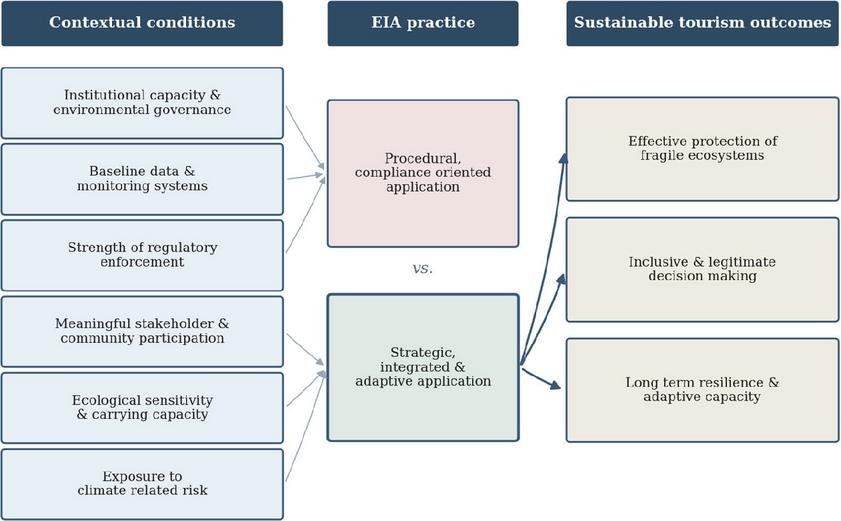
Figure 2 Conceptual framework linking contextual conditions, modes of EIA application, and sustainable tourism outcomes.
5 Discussion
The findings of this study reinforce the view that EIA occupies a central yet contested role in tourism planning within island and coastal regions. While it is widely framed as a key instrument for promoting sustainable development, its practical application reveals a number of structural and contextual limitations that constrain its effectiveness. These limitations are not merely technical. They are closely linked to broader issues of governance, institutional capacity, and competing development priorities (Alherimi et al., 2025; Elhoushy et al., 2026).
A critical issue emerging from the analysis is the persistent gap between the theoretical potential of EIA and its implementation in practice. Although the process is designed to anticipate and mitigate environmental impacts, it often operates within a compliance-oriented framework that prioritizes procedural completion over substantive environmental outcomes. This disconnect is particularly problematic in tourism development, where cumulative impacts, long-term ecological change, and indirect effects are difficult to capture within standard assessment models. As a result, the process may underestimate the scale and complexity of environmental pressures in island and coastal systems.
The discussion also highlights the importance of contextual factors in shaping the effectiveness of EIA. Where institutional capacity is limited, reliable environmental data are scarce, and regulatory enforcement is weak, the ability of the process to function as an effective planning tool is significantly reduced. At the same time, the economic importance of tourism can create strong incentives for rapid development, potentially leading to compromises in environmental standards. These dynamics illustrate that the effectiveness of EIA cannot be understood in isolation from the governance environments in which it operates.
Furthermore, the environmental characteristics of island and coastal regions introduce additional complexity. The limited carrying capacity of these systems, combined with their exposure to climate related risks, calls for assessment approaches that are both precautionary and adaptive. Conventional practice, however, often focuses on short-term and project specific impacts without fully incorporating long-term environmental change or cumulative pressures. This limitation reduces the capacity of EIA to support resilience-oriented planning in the face of ongoing environmental uncertainty (Jay et al., 2007; Kempton et al., 2022; Vardopoulos et al., 2026).
The role of stakeholder participation likewise emerges as a significant factor. Although participatory processes are formally embedded within EIA frameworks, their effectiveness varies considerably. In many cases, local communities are included in consultation but exert limited influence over final decisions. This raises important questions about the inclusiveness and legitimacy of the process, particularly in regions where communities depend directly on natural resources and are disproportionately affected by tourism development (Eliades et al., 2022; Silsilah and Gandhimathi, 2023).
Taken together, these findings suggest that enhancing the effectiveness of EIA requires a shift from a narrow, procedural approach toward a more integrated and context sensitive framework. This includes strengthening institutional capacity, improving data availability, incorporating cumulative and climate related impacts, and ensuring more meaningful stakeholder engagement. Such changes would enable EIA to function not only as a regulatory requirement but as a strategic tool capable of guiding sustainable tourism development in environmentally sensitive regions.
6 Conclusion
This study has examined the role of EIA in tourism development within island and coastal regions, with particular emphasis on its effectiveness as a tool for promoting sustainability. The analysis demonstrates that, although EIA is widely recognized as a fundamental component of environmental planning, its capacity to deliver meaningful outcomes depends heavily on the conditions under which it is implemented.
The findings indicate that EIA has significant potential to support more informed and responsible tourism development by identifying potential impacts, encouraging mitigation measures, and integrating environmental considerations into decision making. This potential is often undermined, however, by a range of challenges, including limited institutional capacity, insufficient baseline data, weak enforcement mechanisms, and the prioritization of short-term economic objectives. Together, these factors create a gap between the intended function of EIA and its actual performance in practice.
In island and coastal regions, these limitations are particularly critical because of the heightened environmental sensitivity and vulnerability of these areas. The combination of ecological fragility, spatial constraints, and exposure to climate change amplifies the risks associated with tourism development and increases the importance of effective assessment processes. At the same time, the complexity of these environments underscores the need for more integrated and adaptive approaches that move beyond project level analysis to incorporate broader spatial and temporal considerations.
The study also emphasizes the importance of governance and participation in shaping the outcomes of EIA. Strengthening institutional frameworks, enhancing regulatory enforcement, and promoting meaningful stakeholder engagement are essential steps toward improving the effectiveness of the process. In particular, the greater inclusion of local knowledge and community perspectives can contribute to more context sensitive and socially equitable planning outcomes.
Overall, the paper argues that EIA should be understood not merely as a procedural requirement but as a strategic instrument for sustainable tourism development. Realizing this potential requires a shift toward more rigorous, transparent, and participatory practices capable of addressing the complex and evolving challenges of island and coastal environments. Future research could further explore how these improvements can be implemented across different regional contexts, as well as the role of emerging approaches in enhancing the effectiveness of environmental assessment in tourism planning.
References
Alherimi, N., Abdulmaksoud, S., Ahmed, V., and Bahroun, Z. (2025). A systematic literature review of artificial intelligence advancements in green human resource management. Sustainability, 17(22), 10283. https://doi.org/10.3390/su172210283
Allen, T., Behr, J., Bukvic, A., Calder, R. S. D., Caruson, K., Connor, C., D’Elia, C., Dismukes, D., Ersing, R., Franklin, R., Goldstein, J., Goodall, J., Hemmerling, S., Irish, J., Lazarus, S., Loftis, D., Luther, M., McCallister, L., McGlathery, K., … Zinnert, J. C. (2021). Anticipating and adapting to the future impacts of climate change on the health, security and welfare of low elevation coastal zone (LECZ) communities in southeastern USA. Journal of Marine Science and Engineering, 9(11), 1196. https://doi.org/10.3390/jmse9111196
Alshuqaiqi, A. and Irwana O. S. (2019). Causes and implication of seasonality in tourism. Journal of Advanced Research in Dynamical and Control Systems, 11(4), 1480–1486.
Angelaki, E., Garefalakis, A., Kourgiantakis, M., Ioannis S., and Passas, I. (2025). ESG integration and green computing: A 20-year bibliometric analysis. Sustainability, 17(7), 3266. https://doi.org/10.3390/su17073266
Astara, O.-E., Tsirmpinis, Z., Kopsidas, O., and Vardopoulos, I. (2026). Tourism as a catalyst for economic stability and environmental sustainability in Mediterranean landscapes. In Sustainable landscapes across the Mediterranean (pp. 235–246). Springer. https://doi.org/10.1007/978-3-032-07255-9_29
Bais, B., Nassimbeni, G., and Orzes, G. (2024). Global Reporting Initiative: Literature review and research directions. Journal of Cleaner Production, 471, 143428. https://doi.org/10.1016/j.jclepro.2024.143428
Baltranaitė, E., Inácio, M., Valença Pinto, L., Bogdziewicz, K., Rocha, J., Gomes, E., and Pereira, P. (2025). Tourism impacts on marine and coastal ecosystem services: A systematic review. Geography and Sustainability, 6(2), 100277. https://doi.org/10.1016/j.geosus.2025.100277
Bhatt, R. P. (2023). Environmental impact assessment system and process in developing countries. Open Journal of Ecology, 13(12), 977–1009. https://doi.org/10.4236/oje.2023.1312059
Chams-Anturi, O., Paipa-Sanabria, E., and Escorcia-Caballero, J. P. (2025). Methodology for the identification and evaluation of the tourism potential of the natural and cultural heritage inventory. Sustainability, 17(24), 11311. https://doi.org/10.3390/su172411311
Chen, H., Ma, Y., Li, L., Ye, L., Sheng, Y., Wang, Z., Cheng, L., and Zhang, K. (2026). Human impacts versus environmental drivers of seagrass loss in the Nansha Islands: Evidence from domain-adaptive deep learning. International Journal of Applied Earth Observation and Geoinformation, 146, 105006. https://doi.org/10.1016/j.jag.2025.105006
Christensen, H. B., Hail, L., and Leuz, C. (2021). Mandatory CSR and sustainability reporting: Economic analysis and literature review. Review of Accounting Studies, 26(3), 1176–1248. https://doi.org/10.1007/s11142-021-09609-5
Ciaschini, C. and Imbrenda, V. (Eds.). (2025). Local Development and Socio-Environmental Systems. Experiences And Practices toward Sustainability in Mediterranean Europe. River Publishers. https://doi.org/10.1201/9788770047616
D’Agata, A., Vardopoulos, I., and Sateriano, A. (2024). Interdisciplinary insights into sustainable development and socio-environmental change in Mediterranean landscapes. In Socio-Environmental Change: The Path Toward Sustainability (pp. 1–18). Nova Science Publishers.
Dong, Y. (2025). The impact of tourists on the marine environment: A review and managerial implications. Regional Environmental Change, 25(2). https://doi.org/10.1007/s10113-025-02385-x
Doukas, Y. E., Salvati, L., and Vardopoulos, I. (2023). Unraveling the European agricultural policy sustainable development trajectory. Land, 12(9), 1749. https://doi.org/10.3390/land12091749
Eliades, F., Doula, M. K., Papamichael, I., Vardopoulos, I., Voukkali, I., and Zorpas, A. A. (2022). Carving out a niche in the sustainability confluence for environmental education centers in Cyprus and Greece. Sustainability, 14(14), 8368. https://doi.org/10.3390/su14148368
Elhoushy, S., Elzek, Y., and Font, X. (2026). Sustainable tourism certification: A systematic literature review and suggested ways forward. Journal of Sustainable Tourism, 34(2), 355–381. https://doi.org/10.1080/09669582.2025.2487674
Guild, R., Wang, X., and Quijón, P. A. (2024). Climate change impacts on coastal ecosystems. Environmental Research: Climate, 3(4). https://doi.org/10.1088/2752-5295/ad9f90
Imbrenda, V., Rontos, K., Salvati, L., Maialetti, M., Vardopoulos, I., Alhussen, A., and Ciaschini, C. (2025). Traditional landscapes in Mediterranean areas: Environmental protection vs economic growth. In Local Development and Socio-Environmental Systems. Experiences and Practices toward Sustainability in Mediterranean Europe (pp. 19–38). River Publishers. https://doi.org/10.1201/9788770047616-2
Jay, S., Jones, C., Slinn, P., and Wood, C. (2007). Environmental impact assessment: Retrospect and prospect. Environmental Impact Assessment Review, 27(4), 287–300. https://doi.org/10.1016/j.eiar.2006.12.001
Karytsas, S., Vardopoulos, I., and Theodoropoulou, E. (2019). Factors affecting residents’ attitude toward sustainable tourism development. Tourismos, 14(1), 1–40. https://doi.org/10.26215/tourismos.v14i1.558
Kempton, Y., Salvati, L., and Vardopoulos, I. (2022). Long-term planning and development for urban and regional inclusion, safety, resilience, and sustainability: Insights from Singapore. Region and Periphery, 14(10), 58–78. https://doi.org/10.12681/rp.32607
Kofidou, M., Kopsidas, O., and Gemitzi, A. (2024). A novel approach to assessing carrying capacity for development by combining socio-economic and environmental indicators: A case study in Greece. Land, 13(7), 987. https://doi.org/10.3390/land13070987
Konstantopoulos, G., Giannarakis, G., Xenaki, M., Thanasas, G., and Garefalakis, A. (2026). Operational labor shortages and authentic hospitality: Evidence from Greek hotels. Tour. Hosp. 7(6), 180. https://doi.org/10.3390/tourhosp7060180
Kopsidas, O., Panagiotopoulos, P., Passas, I., Doukas, Y. E., Salvati, L., and Vardopoulos, I. (2026). Integrating externalities into economic systems for long-term environmental sustainability. In Spatial Analysis for Complex Territorial Systems (pp. 201–213). Elsevier. https://doi.org/10.1016/B978-0-443-44133-2.00018-1
Loizia, P., Voukkali, I., Zorpas, A. A., Navarro Pedreño, J., Chatziparaskeva, G., Inglezakis, V. J., Vardopoulos, I., and Doula, M. (2021). Measuring the level of environmental performance in insular areas, through key performed indicators, in the framework of waste strategy development. Science of the Total Environment, 753, 141974. https://doi.org/10.1016/j.scitotenv.2020.141974
Matias, T. P., Leonel, J., and Imperador, A. M. (2022). A systemic environmental impact assessment on tourism in island and coastal ecosystems. Environmental Development, 44, 100765. https://doi.org/10.1016/j.envdev.2022.100765
Mony, F., Husein Azuz, F., Zakaria, S., Marasabessy, A. Z., and Kaisupy, T. D. (2023). The Impact Of Community-Based Tourism Development on the Socio-Economic Dimensions of Local Communities in The Coastal Area of Ambon Island. Technium Science. https://www.techniumscience.com
Moustairas, I., Vardopoulos, I., Kavouras, S., Salvati, L., and Zorpas, A. A. (2022). Exploring factors that affect public acceptance of establishing an urban environmental education and recycling center. Sustainable Chemistry and Pharmacy, 25, 100605. https://doi.org/10.1016/j.scp.2022.100605
Naciti, V., Cesaroni, F., and Pulejo, L. (2022). Corporate governance and sustainability: A review of the existing literature. Journal of Management and Governance, 26(1), 55–74. https://doi.org/10.1007/s10997-020-09554-6
Pace, L., Galella, M., Ciaschini, C., Sateriano, A., Cudlin, P., Vardopoulos, I., Rontos, K., and Salvati, L. (2025). Environmental-economic dimensions of land-use transformations: Exploring the Mediterranean rural sustainable development. In Environmental Sustainability and Global Change (pp. 81–93). Elsevier. https://doi.org/10.1016/B978-0-443-31596-1.00007-6
Paeffgen, T. (2023). Organisational resilience during COVID-19 times: A bibliometric literature review. Sustainability, 15(1), 367. https://doi.org/10.3390/su15010367
Panagiotopoulos, P. (2026). Regional sustainability through sports: The contribution of sport to the increase in tourist expenditure. In New Economics for Sustainability (pp. 503–521). Elsevier. https://doi.org/10.1016/B978-0-443-27396-4.00019-1
Payet, R. A. (2011). A Review of Environmental Impact Assessment and Sustainable Development In Small Island States. https://thecommonwealth.org/publications/tools-mainstreaming-sustainable-development-small-states/review-environmental-impact-assessment-and-sustainable-development-small-island-states
Pegler, G. F., de Lemos, C. C., and Ranieri, V. E. L. (2025). Exploring the application of environmental impact assessment to tourism and recreation in protected areas: A systematic literature review. Environment, Development and Sustainability, 27(7), 15053–15075. https://doi.org/10.1007/s10668-024-04532-6
Petelos, E., Antonaki, D., Angelaki, E., Lemonakis, C., and Garefalakis, A. (2025). Enhancing public health and SDG 3 through sustainable agriculture and tourism. Sustainability, 17(14), 6253. https://doi.org/10.3390/su17146253
Petelos, E., Antonaki, D., Angelaki, E., Samara, A., and Garefalakis, A. (2025). Enhancing public health and SDG 3 through sustainable agriculture and tourism initiatives. Sustainability, 17(14), 6253. https://doi.org/10.3390/su17146253
Ribeiro Hoffmann, A., Sandrin, P., and Doukas, Y. E. (Eds.). (2024). Climate Change in Regional Perspective. European Union and Latin American Initiatives, Challenges, and Solutions. Springer Nature. https://doi.org/10.1007/978-3-031-49329-4
Rojas-Sánchez, M. A., Palos-Sánchez, P. R., and Folgado-Fernández, J. A. (2023). Systematic literature review and bibliometric analysis on virtual reality and education. Education and Information Technologies, 28(1), 155–192. https://doi.org/10.1007/s10639-022-11167-5
Salvati, L. (Ed.). (2025). Environmental Sustainability and Global Change. Elsevier. https://doi.org/10.1016/C2023-0-52570-4
Santos, V., Sousa, M. J., Costa, C., and Au-Yong-Oliveira, M. (2021). Tourism towards sustainability and innovation: A systematic literature review. Sustainability, 13(20), 11440. https://doi.org/10.3390/su132011440
Sateriano, A., D’Agata, A., and Vardopoulos, I. (Eds.). (2024). Socio-Environmental Change: The Path Toward Sustainability. Nova Science Publishers. https://doi.org/10.52305/NZKT5653
Silsilah, U. P. and Gandhimathi, A. (2023). Environmental impact assessment (EIA) and prediction method: Case study. Journal of Technical Education and Science, 74, 65–74. https://doi.org/10.54644/jte.74.2023.1337
Thanh Tuong, N. (2025). Tourism project screening approach in environmental impact assessment in Vietnam. Eco-Tourism and Sustainable Development, 1(2), 97–118. https://doi.org/10.63385/etsd.v1i2.235
Trimedianto, A., Marsudi, D., Lusiani P. F., and Panjaitan, M. B. (2024). Climate change impacts on coastal vulnerability and adaptation readiness: Maritime perspective. Golden Ratio of Data in Summary, 4(2), 302–311. https://doi.org/10.52970/grdis.v4i2.520
Vardopoulos, I. (2019). Environmental impact assessment scoping report. Residential complex in Rafina — Pikermi city, Greece. Sustainable Development, Culture, Traditions Journal, 1(A), 63–79. https://doi.org/10.26341/issn.2241-4002-2019-1a-5
Vardopoulos, I. (2021). Instagram users survey research and data analysis anent adaptive reuse tourism potential. In Restarting Tourism, Travel and Hospitality: The Day After (pp. 228–230). International Hellenic University.
Vardopoulos, I., Dimitriou, K., and Astara, O.-E. (2024). Tourist accommodation facilities sustainability assessment practices: Implications for real estate. In Recent Advancements in Tourism Business, Technology and Social Sciences (pp. 767–788). Springer. https://doi.org/10.1007/978-3-031-54338-8_45
Vardopoulos, I., Egidi, G., and Salvati, L. (2026). Socioenvironmental resilience and applied economics: From theory to indicators. In Spatial Analysis for Complex Territorial Systems (pp. 189–200). Elsevier. https://doi.org/10.1016/B978-0-443-44133-2.00008-9
Vardopoulos, I., Georgiou, C., Voukkali, I., Vassiliades, C., and Salvati, L. (2024). Case-based exploration of the nexus between transformative urban megadevelopments and sustainability. Theoretical and Empirical Researches in Urban Management, 19(3), 5–30. https://www.jstor.org/stable/27321372
Vardopoulos, I., Giannopoulos, K., Kalli, S., and Salvati, L. (2024). From tech-centric to human-centric smart tourist destinations: Innovations in real estate, urban planning, and sustainability. In Socio-Environmental Change: The Path Toward Sustainability (pp. 65–96). Nova Science Publishers.
Vardopoulos, I., Giannopoulos, K., Papaefthymiou, E., Temponera, E., Chatzithanasis, G., Goussia-Rizou, M., Karymbalis, E., Michalakelis, C., Tsartas, P., and Sdrali, D. (2023). Urban buildings sustainable adaptive reuse into tourism accommodation establishments: A SOAR analysis. Discover Sustainability, 4(1), 50. https://doi.org/10.1007/s43621-023-00166-2
Vardopoulos, I., Ioannides, S., Georgiou, M., Voukkali, I., Salvati, L., and Doukas, Y. E. (2023). Shaping sustainable cities: A long-term GIS-emanated spatial analysis of settlement growth and planning in a coastal Mediterranean European city. Sustainability, 15(14), 11202. https://doi.org/10.3390/su151411202
Vardopoulos, I. and Karytsas, S. (2019). An exploratory path analysis of climate change effects on tourism. Sustainable Development, Culture, Traditions Journal, Special Volume in Honor of Professor George I. Theodoropoulos, 132–152. https://doi.org/10.26341/issn.2241-4002-2019-sv-13
Vardopoulos, I., Muolo, A., Konaxis, I., and Salvati, L. (2025). Dwelling size as a socio-spatial proxy. Planning-deficient urbanism, tourism-led gentrification, and macro-driven commodification in Athens. Habitat International, 166, 103614. https://doi.org/10.1016/j.habitatint.2025.103614
Vardopoulos, I., Papoui-Evangelou, M., Nosova, B., and Salvati, L. (2023). Smart “tourist cities” revisited: Culture-led urban sustainability and the global real estate market. Sustainability, 15(5), 4313. https://doi.org/10.3390/su15054313
Vardopoulos, I. and Passas, I. (Eds.). (2025). Futureproofed Sustainability amidst Climate Change Polycrisis: Advancing SDGs and ESG for the Cities of Tomorrow. IGI Global Scientific Publishing. https://doi.org/10.4018/979-8-3373-2327-5
Vardopoulos, I. and Theodoropoulou, E. (2019). Theoretical considerations and pilot findings on the adaptive reuse potential for tourism and sustainable urban development. In Tourism, Travel and Hospitality at Crossroads: The Way Ahead (pp. 374–376). International Hellenic University.
Vortelinos, D. I., Yiannoulis, Y., and Bourantas, N. S. (2026). Sustainability and environmental governance in listed companies: Comparative insights into climate and resource management. Sustainability Research in the Mediterranean, 1(1), 17–30. https://doi.org/10.13052/srm2795-0514.002
Wang, J. and Chen, X. (2025). Balancing tourism seasonality: The role of tourism destination image (TDI) and spatial levels (SLs). Sustainability, 17(6), 2569. https://doi.org/10.3390/su17062569
Sustainability Research in the Mediterranean, 1(2), 107–118
DOI: 10.13052/srm2795-0514.008
© 2026 River Publishers