Web Project Development: Emergency Management
Solomiia Fedushko1, 2,*, Olha Trach1, Yuriy Syerov1, Natalia Kryvinska2 and Jennifer R. Calhoun3
1Social Communication and Information Activity Department, Lviv Polytechnic National University, Ukraine
2Faculty of Management, Comenius University in Bratislava, Bratislava, Slovakia
3Wall College of Business Administration, Coastal Carolina University, Conway, SC, USA
E-mail: solomiia.s.fedushko@lpnu.ua; olha.r.trach@lpnu.ua; yurii.o.sierov@lpnu.ua; natalia.kryvinska@uniba.sk; jcalhoun@coastal.edu
*Corresponding Author
Received 10 June 2022; Accepted 11 January 2023; Publication 13 March 2023
Abstract
Web projects are crucial to a company’s online presence and significantly impact its success. Risk management is a component of web project management to identify, assess and potentially control threats to the success of projects. The research methodology includes systematic and analytical analyses of the members’ management of risks associated with web project users. The results and implications reveal that assessing the intensity of risk management measures for the sustainability of web projects regarding risks is imperative. The capacity for emergency management in web projects is essential for identifying, assessing, and controlling potential threats, reducing the probability of project delays or failure. Emergency management offers several critical benefits to web projects, including improved data protection, increased continuity of operations, reduced downtime, enhanced reputation, and increased efficiency. Effective emergency management throughout the web project life cycle organization ensures that the project is completed on time, within budget, and to stakeholders’ satisfaction while being prepared for potential emergencies. This research develops best practices and standards for future projects, increasing project success rates.
Keywords: Web project, project management, member, social network, emergency management, web, data manipulation, data analysis.
1 Introduction
Web projects are a crucial aspect of modern businesses and organizations. These projects aim to create and maintain websites that serve as a digital representation of the company. A well-designed and functional website enables a business to establish its online presence, reach a wider audience, and improve its overall reputation. Creating a web project involves several stages, including the planning, design, development, testing, and launch phases. The goals, target audience, and project budget are determined during the planning stage. The design phase focuses on creating a visually appealing, user-friendly layout representing the brand.
Web development involves writing code to bring the design to life and make the website functional [1]. The testing phase involves checking the website for bugs or issues and making necessary improvements before the official launch. Successful web projects [2] require a combination of technical skills and creative vision. Professional web developers and designers use various tools and technologies to create websites that are fast, responsive, and accessible to all users.
Web projects play a crucial role in establishing a company’s online presence and significantly impact its success. Whether for a small business or a large corporation, a well-designed and functional website is essential for reaching and engaging with customers, improving brand recognition, and driving growth.
The aims of web projects vary depending on the specific goals and objectives of the project. However, some common goals of web projects include the following [3]:
• Establishing an online presence: To establish a recognizable online presence for the company or organization.
• Reaching a wider audience: To reach and engage with a larger audience, including potential customers and partners.
• Improving user experience: To create a user-friendly and visually appealing website that enhances the overall experience for visitors.
• Enhancing brand recognition: To improve brand recognition and reputation by creating a website that effectively represents the company’s image and values.
• Driving growth: To drive growth and increase revenue by providing customers easy access to information, products, or services.
• Improving communication: To improve communication and information sharing with customers, employees, and partners.
• Streamlining operations: To streamline internal operations and improve efficiency by integrating various systems and processes into the website.
The specific goals and aims of a web project will depend on the unique needs and objectives of the company or organization.
2 Literature Review
The Covid-19 pandemic started large-scale digitization and the transition of business online. Web projects have become relevant and prevail over the offline form when forming branding or running a business. Considering the unstable situation with the offline market and the transition to the social environment of the Internet, the research and use of emergency management have become relevant and necessary, including for web projects. The war in Ukraine has also given significant impetus to managing emergency situations and introducing new methods and means.
Web project management has been exposed to new risks due to unstable situations and mobile communication problems [4, 5]. Therefore, research on managing emergencies in web project management is urgent.
Today, risk management studies in projects are common: time, financial, and resource [6–9]. In their studies [10, 11], the authors highlight the importance of risk management and the possibilities of its implementation in traditional and flexible approaches to project management [11].
The approach proposed by the authors of [12] for starting the global PRM process uses the principles of flexible project management. This approach offers the ability to make project emergency management decisions more regularly and with more distributed authority, with more material about expected events and consequences of actions. Some studies claim positive opportunities for risks in projects [13]. By focusing on negative and positive risks, the project manager offsets adverse outcomes with positive risks. The perception of value by stakeholders is in creating value through project risk management [14].
Research [15] aims to explore perspectives on the alignment of risk management, project management, and organizational project success to improve decision-making in terms of balancing threats and opportunities. Harmful user-generated content on social media can negatively impact an organization’s reputation if a crisis occurs. The study’s authors [16] determine the effectiveness of implementing methods and means of exiting the crisis and increasing organizational interaction during the crisis to improve the management results in a crisis. Also, there are studies on how social networks help implement projects. Thus, the authors in [17] defined social media tools that are the most common for project management activities, research areas of project management that bring the most benefit from social networks, and described factors and obstacles to implementing social networks in project management.
The authors of [18] presented risk recommendations for new projects based on the analysis of the similarity of contextual stories. This research uses the findings of contextual stories in project design and planning and focuses on risk recommendations.
In [19], the authors examine the implementation patterns of project risk management practices and provide empirical evidence on the importance of an organization’s risk management maturity for using risk-related practices and project performance.
3 Methodology
Risk management is critical to any web project as it identifies and mitigates potential threats that may negatively impact the project’s success. In order to increase the probability of the project delivery on time, within budget, and to the required quality standards, project managers conduct a thorough risk assessment and develop contingency plans to minimize their impact.
New risks emerge at any time in the fast-paced and constantly evolving world of web development, making it essential to monitor and assess potential cyber risks continually [20, 21]. This issue allows project managers to be proactive and take appropriate measures to reduce the impact of risks before they become significant issues [10, 22, 23].
The research into risk management methods identifies new and innovative approaches to managing risks in web projects to develop best practices and standards applied to future projects, increasing project success rates.
Investigating emergency management in web projects typically involves systematically assessing the project’s current emergency preparedness and response capabilities.
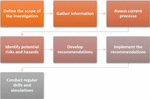
The scheme of investigation methodology is represented in Figure 1.
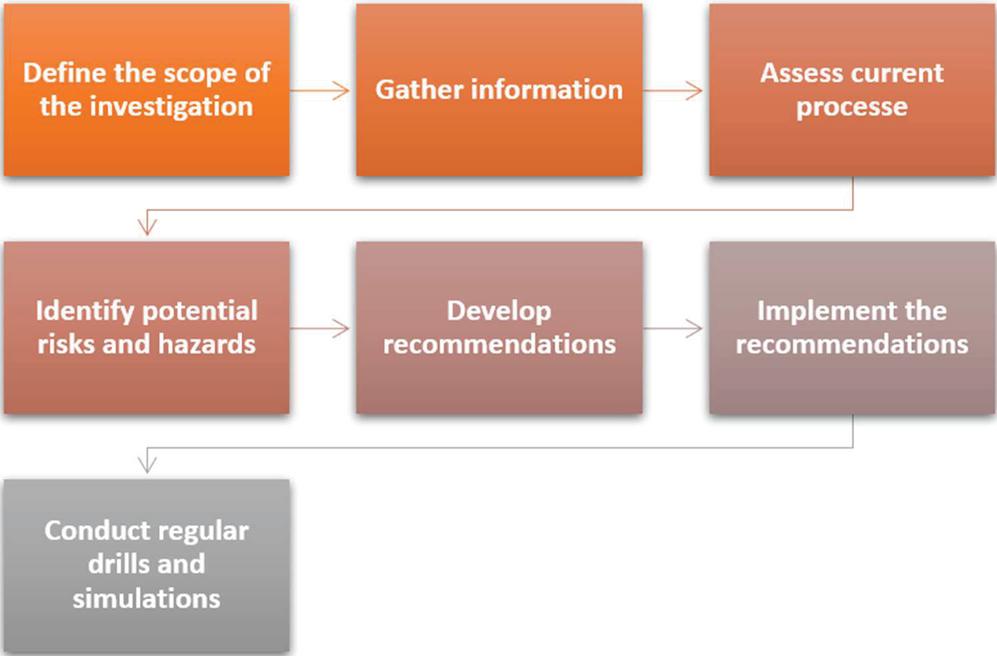
Figure 1 The scheme of investigation methodology.
The following steps are taken to carry out an effective investigation:
• Define the scope of the investigation: Clearly define the scope of the investigation. All relevant areas are covered.
• Gather information: Collect data and information relevant to the emergency management of the project, including reviewing project documentation, interviewing stakeholders, and conducting site visits.
• Assess current processes: Evaluate the current emergency management processes and procedures to identify gaps or areas of improvement.
• Identify potential risks and hazards: Determine the risks and hazards associated with the project and assess their impact on the emergency management plan.
• Develop recommendations: Develop recommendations for improving the project’s emergency management processes and procedures based on the investigation findings.
• Implement the recommendations: Implement the recommended changes to the emergency management plan and regularly review and update the plan as needed.
• Conduct regular drills and simulations: Regularly conduct drills and simulations to test the effectiveness of the emergency management plan and identify improvement areas.
The methodology of emergency management investigation in web projects prepares it to respond to and manage potential emergencies effectively. Researching emergency management methods in web projects is essential for ensuring the success of these projects. By staying informed and up-to-date on best practices and innovative approaches, project managers are better equipped to identify and manage potential risks, leading to more successful outcomes.
4 Discussion
Crises cause significant risks in web projects and have the potential to disrupt normal operations, cause financial losses, and harm the reputation of the company. Some common crises that impact web projects include:
• Cyber-attacks [20, 23] result in the theft or loss of sensitive data, website downtime, and damage to the company’s reputation.
• Natural disasters such as hurricanes, earthquakes, or floods disrupt normal operations and cause physical damage to servers and other equipment.
• Server failures result in website downtime, lost data, and difficulty accessing information.
• Human error results in misconfigured servers, lost data, or incorrect updates to the website.
• Economic downturns result in budget cuts, reduced resources, and difficulty maintaining the website.
• Regulatory changes impact how the website operates and may require significant changes to the website’s content or design.
Comprehensive emergency management plans in place mitigate these risks, including backup and recovery procedures, regular security audits, and contingency plans for various crisis types. Regular testing and training of these procedures increase the web project’s overall resilience and minimize the impact of crises when they occur. Crises pose significant risks to web projects and have far-reaching consequences for the company. By being proactive and implementing effective risk management strategies [24, 25], organizations reduce the impact of these events and provide the continuity of operations in the face of adversity. Emergency management is a critical aspect of web projects that handle sensitive information or are mission-critical for the company. That involves planning for and responding to unexpected events that could disrupt the website’s normal functioning, such as natural disasters, cyber-attacks, or server failures.
Effective emergency management in web projects contains implementing extensive security and backup measures to protect data and safeguard the continuity of the operation, including regularly backing up data, implementing secure authentication protocols, and having contingency plans for various emergency scenarios. A well-defined emergency response plan minimizes damage and ensures a rapid recovery. This plan should clearly outline the roles and responsibilities of different team members and the steps needed to restore normal operations as quickly as possible.
Regular training and testing of emergency procedures should be established so that all team members are prepared and able to respond effectively in an emergency to build confidence and increase the overall resilience of the web project.
Emergency management is a critical component of web projects and is essential for protecting the company’s digital assets, preserving the integrity of sensitive information, and ensuring the continuity of operations in the face of unexpected events.
Capacity for emergency management in web projects refers to the ability of a company or organization to respond effectively to unexpected events that could disrupt the normal functioning of its website. This consists of the resources, infrastructure, and processes in place to minimize the impact of a crisis, restore normal operations, and secure business continuity. The capacity for emergency management in a web project is influenced by several factors, including:
• Resources: Adequate resources, including personnel, equipment, and funding, are essential for effective emergency management.
• Infrastructure: A robust infrastructure, including backup servers, secure data storage, and reliable communication systems to maintain operations during a crisis.
• Procedures: Well-defined emergency response procedures, including backup and recovery processes, are essential for an effective emergency management strategy.
• Training: Regular training and testing of emergency procedures build personnel’s capacity and increase their confidence in responding to crises.
• Collaboration: Effective collaboration between different departments and stakeholders is essential for coordinating a response during a crisis.
To increase the capacity for emergency management in web projects, organizations should regularly assess their emergency management plans and processes, identify areas for improvement, and invest in the necessary resources to ensure the readiness and resilience of their systems. The capacity for emergency management in web projects is a critical component of risk management [26]. It has a significant impact on the ability of a company or organization to respond effectively to unexpected events and maintain the continuity of operations. The use of emergency management in web projects offers several key benefits, including:
• Protects sensitive data: By implementing robust security measures and backup procedures, organizations protect sensitive data and minimize the risk of data loss or theft in the event of a crisis.
• Ensures continuity of operations: Having contingency plans in place and regularly testing emergency procedures ensure the continuity of operations and minimize the impact of unexpected events on the website and business operations.
• Reduces downtime: Effective emergency management minimizes downtime and the rapid recovery of normal operations during a crisis.
• Builds confidence: Regular training and testing of emergency procedures build the confidence of personnel and increase their ability to respond effectively in a crisis.
• Enhances reputation: Effective emergency management protects the company’s reputation and demonstrates its commitment to security and resilience.
• Increases efficiency: By implementing effective emergency management processes, organizations streamline their response to crises and minimize the impact on business operations.
Emergency management offers several critical benefits to web projects, including improved data protection, increased continuity of operations, reduced downtime, enhanced reputation, and increased efficiency. Implementing comprehensive emergency management plans and procedures confirms the resilience and readiness of web projects in the face of unexpected events. Society needs to be aware of these forms of online harassment, protect themselves and their personal information, and report any cyberbullying, cybermobbing, or cyberstalking to the appropriate authorities.
Web design errors, the risk of labour loss, time risks, and administration and moderation errors in managing the community are typical risks [27, 28] in project management during the life cycle of web projects to identify emerging risks in web projects caused by pandemics, war, and other global disasters.
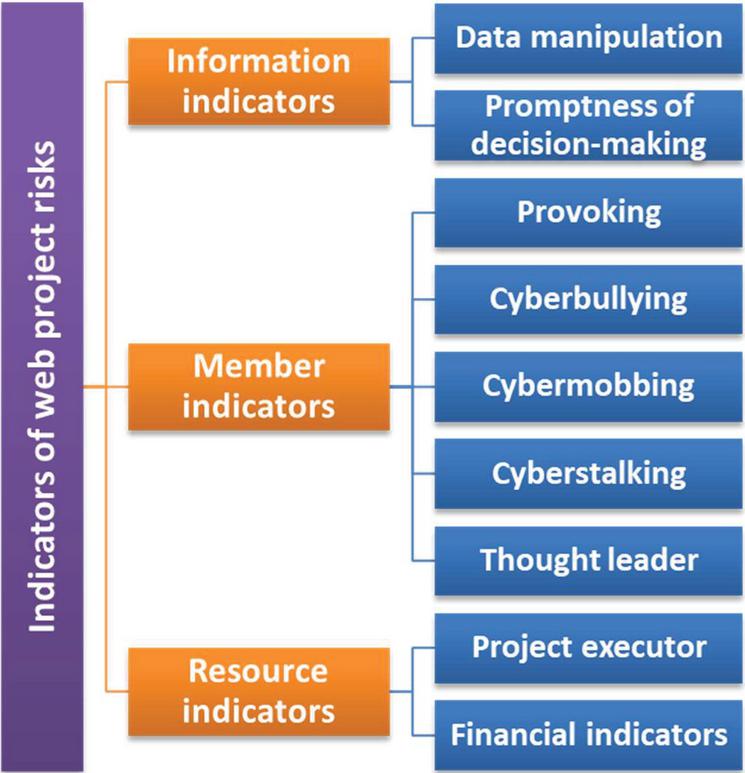
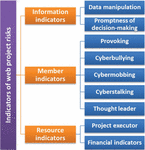
Figure 2 The scheme of indicators of web project risks.
In general, emergence risks are divided into three categories that affect the web project members’ physical, physiological, psychological, social, and economic conditions, as depicted in Figure 2: informational indicators, member indicators, and resource indicators.
The model of risk indicator in managing web projects is described by Equation (1):
| (1) |
where Info Ind (Web Project) is information indication of risks, Member Ind (Web Project) is member indication of risks, and Resource Ind (Web Project) is a resource indication of risk.
Cyberbullying, cybermobbing, and cyberstalking are all forms of online harassment that use technology to harm, threaten, or intimidate individuals.
Cyberbullying [29, 30] uses technology, such as social media, text messaging, or email, to harass, humiliate, or threaten someone. This type of bullying is usually practiced by individuals or groups and has severe consequences for the victim, including depression, anxiety, and even suicide.
Cybermobbing [31] is similar to cyberbullying but involves a group working together to harass or bully an individual. This type of online harassment is damaging because multiple individuals attack the victim simultaneously.
Cyberstalking [32] uses technology, such as social media, email, or GPS tracking, to stalk or harass someone. This behaviour type might be frightening and cause the victim to feel unsafe or vulnerable.
Provocateurs and thought leaders are two distinct types of individuals that play important roles in the web community.
Provocateurs [33] use their online presence to stir up controversy and generate attention by posting provocative comments, creating controversial videos, or engaging in other types of online behaviour designed to generate a strong response from others. Provocateurs often look for attention and may not necessarily have a specific agenda or point of view they are trying to promote.
Thought leaders [34] are recognized as experts or influencers in a particular field or topic. They use an online presence to share ideas, insights, and perspectives and to engage with others in meaningful discussions. Thought leaders’ knowledge and expertise in shaping the discourse and setting the agenda in their areas of expertise are helpful in web project management.
Both provocateurs and thought leaders influence the opinions and beliefs of others and shape the online discourse in central ways. Provocateurs do not have the same credibility or expertise as thought leaders. Administrators of web projects consider the motivations and credibility of the members are interacting with to make more informed decisions about the consumed and shared information. Risks of the member indicators of the web projects management are calculated by Equation (4):
| Member Ind (Web Project) | (2) |
where Provoc (Web Project) is an indicator of provoking; CBull (Web Project) is an indicator of cyberbullying; CMob (Web Project) is an indicator of cybermobbing; CStalk (Web Project) is an indicator of cyberstalking; TLead (Web Project) is an indicator of a thought leader.
The information direction includes the following risks: data manipulation and promptness of decision-making.
Data manipulation [34] is the process of altering or systematically modifying data for a specific purpose (including presenting a particular perspective, supporting a particular argument, or deceiving others). Data manipulation takes many forms, including selectively choosing data to include or exclude, altering data to make it appear different from what it is, or creating fake data. The following type of manipulation occurred intentionally or unintentionally and had serious consequences, particularly in science, medicine, and politics, where the accuracy and reliability of data are crucial.
Data manipulation is harmful in the digital age, where large amounts of data are straightforwardly altered or fabricated, which leads to the spreading of false information and the creation of false narratives, which have far-reaching and potentially damaging consequences for individuals and society.
In combatting data manipulation, it is essential to be vigilant and critical when evaluating information and seeking reliable and trustworthy sources. Organizations and institutions need strong data security and integrity policies to prevent data manipulation and hold those who engage in it accountable for their actions.
The decision-making promptness [35] by web project administrators significantly impacts the success of a web project. Quick and decisive decision-making keeps a project moving forward, addresses problems as they arise, and responds to changing circumstances promptly and effectively.
However, web project administrators need to strike a balance between making decisions quickly and taking the time to consider all relevant factors. Rushing into a decision without fully considering the potential consequences lead to poor outcomes and negatively impact the project’s success.
Effective web project administrators use experience, research, and collaboration to make informed decisions on time. They weigh the pros and cons of different options and make decisions based on the best available information. They quickly adapt their approach as new information becomes available, allowing them to make decisions responsive to changing circumstances.
The promptness of decision-making by web project administrators plays a crucial role in the success of a web project. Effective decision-making requires a balance between speed and deliberation and the ability to make informed decisions that consider all relevant factors.
The risks of information indicators in the management of web projects are calculated by Equation (3):
| (3) |
Where DataManipul (Web Project) is data manipulation, DM Prom (Web Project) is promptness of decision-making by web project administrators.
The resource area includes the following risks: indicators of project executors and financial indicators. Project executors play a crucial role in the success of web projects within the web community. They confirm that projects are delivered on time, within budget, and to the required quality standards.
The primary responsibilities of project executors in the web community include:
• Planning: Developing detailed project plans, including schedules, budgets, and resource requirements guarantees the delivered projects effectively.
• Coordination: Coordinating the activities of different teams and stakeholders involved in the project to guarantee that work is completed on time and to the required standard.
• Risk management: Identifying and managing project risks to minimize their impact on the project timeline and budget.
• Communication: Communicate regularly with stakeholders to keep them informed of project progress, address issues, and seek feedback on project outcomes.
• Quality assurance: Ensuring that project deliverables meet the required quality standards and that any necessary quality control checks are supported.
• Budget management: Managing project budgets and ensuring that projects are delivered within budget.
Project executors must have various skills and expertise, including project management, budget management, risk management, and communication. They should also understand web development processes and technologies to guarantee that projects are delivered effectively. Project executors play a critical role in the web community, ensuring that web projects are delivered on time, within budget, and to the required quality standards. By working closely with teams and stakeholders, they confirm the success of web projects and contribute to the overall growth and development of the web community.
Risks of the resource indicators in web projects management are described by Equation (4):
| (4) |
where Execut (Web Project) is an indicator of the project executor, Finance (Web Project) is a financial indicator.
Calculating the risk resistance indicator of web projects is based on the analysis and calculation by Equations (4) and (6).
| Risk (Web Project) | ||
| (6) |
where is a weight of security characteristics of the -th risks indicator of the web project. Experts establish this risks indicator, , ; is the number of risks of the web project jth indicator; is a number of indicators of risk; is a weighting factor of the risk indicator, ; is an ith risk assessment, .
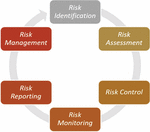
The risk resistance indicator of web projects is considered to solve threats increasing the quality management of web projects. Risk management is an essential component of web project management [36], as it helps to identify, assess, and control potential threats to the project’s success. A risk management model typically consists of several stages and levels (Figure 3). Figure 3 presents a scheme of the model of web projects’ risk management [36], including five stages.
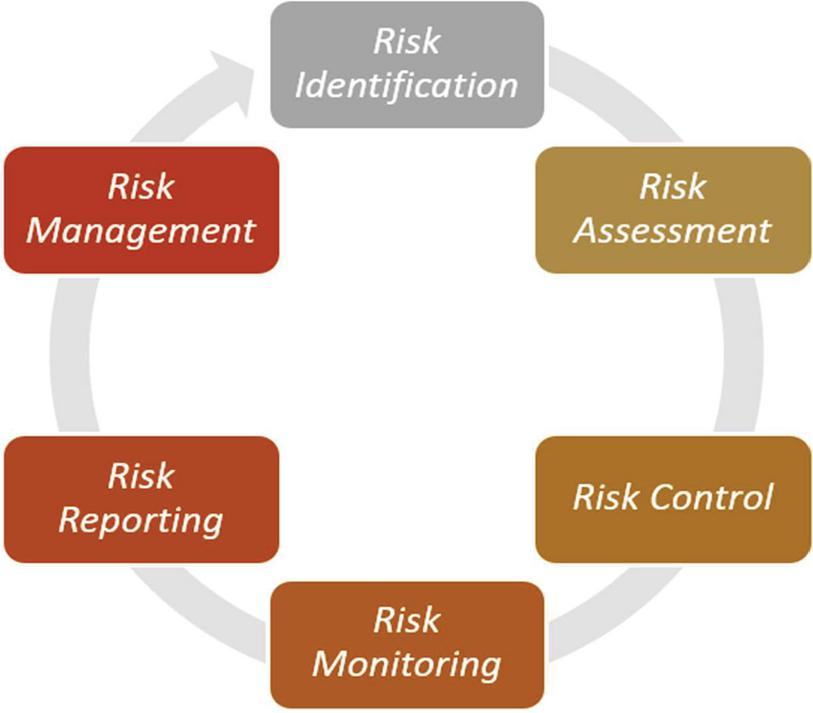
Figure 3 Scheme of the model of web projects’ risk management.
Risk identification is the first stage of risk management, where potential risks are identified and documented. This stage typically involves stakeholders and subject matter experts familiar with the project and its risks.
In the risk assessment stage, the risks identified in the previous stage are analysed to determine their likelihood and potential impact on the project. This information is then used to prioritize risks and determine the level of attention they require.
In stage 3, risk control, appropriate risk control measures are selected and implemented to mitigate the impact of risks on the project, including strategies such as risk avoidance, risk transfer, risk reduction, or risk acceptance.
Stage 4, risk monitoring, involves ongoing monitoring and reviewing risks to ensure that they remain under control and that any changes in their likelihood or impact are detected and addressed.
The risk reporting stage involves regular reporting on risk management activities, including risk identification, assessment, control, and monitoring. This reporting aims to guarantee that stakeholders are informed about the status of risks and that risk management processes are transparent and accountable.
The levels of risk management in web projects typically include organizational, project, and operational levels. At the organizational level, risk management processes are established and implemented as part of the company’s overall risk management framework. At the project level, risk management processes are tailored to the specific needs of the web project. At the operational level, risk management processes are implemented daily to manage risks and confirm the project’s success.
The risk management model in web projects consists of several stages and levels, including risk identification, assessment, control, monitoring, and reporting. By following a structured and systematic approach to risk management, organizations guarantee the success of web projects and minimize the impact of risks on their outcomes.
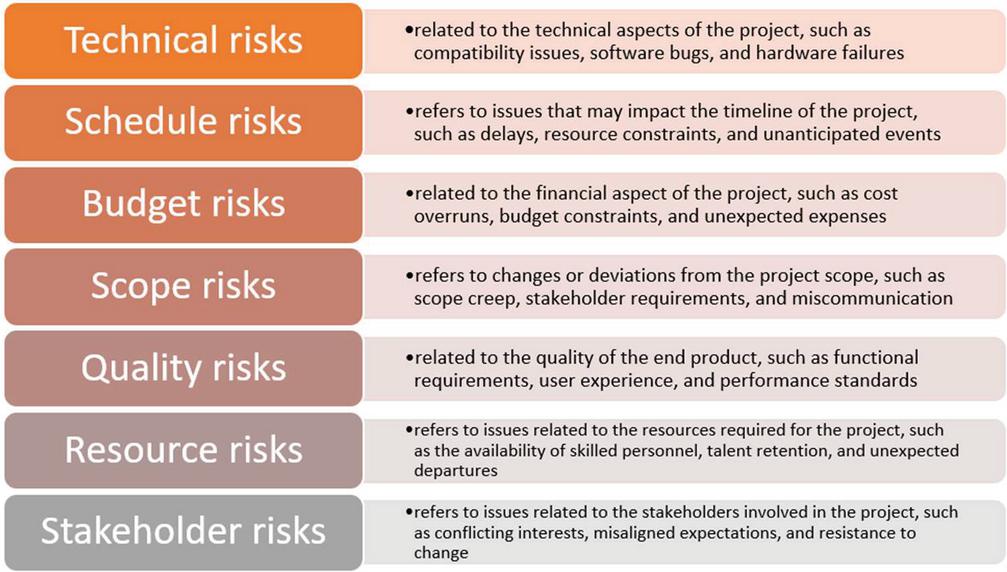
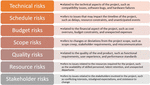
Figure 4 Scheme of classification of the web project risks.
4.1 The Assessment of the Intensity of Counteraction Measures of the Web Project Risk
Assessing the intensity of countermeasures for web project risks is a crucial aspect of project management. This process involves identifying potential risks associated with the project and determining the severity of these risks. Based on this information, countermeasures can be implemented to mitigate or prevent the risks from occurring. The intensity of these countermeasures should be proportional to the severity of the risk. For example, a high-severity risk may require a more intensive countermeasure than a low-severity risk. The assessment should also consider the resources available for the countermeasures, such as time, budget, and human resources. The countermeasures’ success should also be observed and evaluated for their effectiveness. By properly assessing and implementing countermeasures, the risks associated with the web project are effectively managed, reducing the likelihood of project delays or failure.
The scheme of classification of the web project risks is depicted in Figure 4.
Risks in managing a web project are classified into the following categories:
• Technical risks relate to the project’s technical aspects, such as compatibility issues, software bugs, and hardware failures.
• Schedule risks refer to issues that may impact the project’s timeline, such as delays, resource constraints, and unanticipated events.
• Budget risks relate to the project’s financial aspect, such as cost overruns, budget constraints, and unexpected expenses.
• Scope risks are a type of risk that refers to changes or deviations from the project scope, such as scope creep, stakeholder requirements, and miscommunication.
• Quality risks are related to the quality of the end product, such as functional requirements, user experience, and performance standards.
• Resource risks refer to issues related to the resources required for the project, such as the availability of skilled personnel, talent retention, and unexpected departures.
• Stakeholder risks refer to issues related to the stakeholders involved in the project, such as conflicting interests, misaligned expectations, and resistance to change.
By classifying the risks, project managers better understand the potential threats to the project and take appropriate measures to mitigate or prevent them.
The nature of the risk impact determines the following risk categories:
• acceptable risk
• justified risk
• unacceptable risk.
Acceptable risks in project management are considered manageable or tolerable, given the constraints and goals of the project. Acceptable risks do not pose a significant threat to the project objectives, such as cost, timeline, quality, and scope. The determination of acceptable risk levels is a subjective decision made by the project team in conjunction with stakeholders. Factors such as the risk impact, the likelihood of it occurring, and the resources available to mitigate the risk are considered when determining the acceptability of a risk. For example, if a project has a tight deadline and limited resources, the team may accept a higher risk level to complete the project on time.
On the other hand, if the project has a high budget and a long timeline, the team may implement more extensive risk mitigation measures to minimize potential threats. It is important to note that acceptable risks should be regularly reassessed and updated as the project progresses and new information becomes available. By doing so, project teams ensure that the risks posed to the project are always within acceptable levels, helping to increase the chances of project success.
Justified risks in project management refer to the risks taken deliberately to benefit the project. These risks are occupied after carefully considering and analysing the potential outcomes, benefits, and consequences. Justified risks are often engaged to achieve a competitive advantage, exploit a new opportunity, or achieve a significant project objective that cannot be achieved through more conventional means. For example, a project manager may choose to implement new technology in an untested project with high uncertainty. While this may pose a risk to the project, the potential benefits, such as increased efficiency, may outweigh the risks. When taking justified risks, it is essential to have a well-defined risk management plan in place. This plan should include contingencies for managing the risks, monitoring the project’s progress, and assessing the results. The risk management plan should also include strategies for mitigating the risks, such as reducing the project scope or implementing additional resources. Justified risks support project managers in achieving their project goals and delivering more excellent value to their stakeholders. However, weighing the potential benefits and consequences before taking any risks, they need to be justified and aligned with the project objectives.
Unacceptable risks in project management pose a significant threat to the project’s success and cannot be tolerated. These risks potentially cause significant disruptions, delays, cost overruns, or even project failure. Unacceptable risks are usually related to critical project elements, such as budget, timeline, quality, and scope. Examples of unacceptable risks in project management include:
• Health and safety risks threaten the health and safety of project personnel, stakeholders, or the public.
• Compliance risks is associated with non-compliance with regulations, laws, or standards.
• Reputation risks could harm the reputation of the organization or project, such as negative publicity or loss of trust.
• Business critical risks significantly impact the organization’s operations, competitiveness, or viability.
Unacceptable risks should be mitigated or prevented through risk management strategies such as reducing the project scope, increasing the budget, or allocating additional resources to mitigate the risk. In some cases, unacceptable risks may result in the termination of the project. By identifying and managing unacceptable risks, project managers minimize the likelihood of project failure and increase the chances of delivering a successful outcome. This protects stakeholders’ interests, maintains the organization’s reputation, and meets with the project objective.
5 Modeling the Software Complex for Organizing the Web Projects Life Cycle Under Emergency Management
The life cycle of a web project under emergency management involves a slightly different approach than a web project’s standard life cycle. The following is a general outline of the life cycle of a web project under emergency management:
• Preparation stage: This stage involves identifying potential emergencies that could impact the project, developing an emergency response plan, and preparing necessary resources such as emergency supplies and evacuation plans.
• Concept development stage: This stage contains identifying the purpose and goals of the project, defining the target audience, and determining the project’s scope, taking into account any potential emergency situations.
• Planning stage: This stage involves creating a project plan, including a detailed timeline, budget, and resource allocation, and incorporating the emergency response plan. It also involves determining the technologies to be used and selecting a development team.
• Design stage: This stage includes creating visual designs and prototypes to communicate the look and feel of the website. This stage also involves determining the site structure and navigation, considering any potential emergency situations.
• Development stage: This stage involves the actual development of the website, including coding, testing, and integrating any necessary third-party systems or components. This stage should also involve testing the emergency response plan to confirm its effectiveness.
• Deployment stage: This stage contains launching the website and making it accessible to the public. This may involve hosting and DNS, configuring email and security settings, and creating necessary databases. This stage should also include regular monitoring of the website for potential emergencies.
• Maintenance stage: This stage involves ongoing support and updates to the website to ensure its continued functionality, security, and performance and to address any emergencies that may arise. This stage should also include regular testing and updating the emergency response plan.
The life cycle of a web project under emergency management is iterative and may involve revisiting earlier stages to make adjustments or improvements. Effective emergency management throughout the life cycle of a web project makes sure that the project is completed on time, within budget, and to the satisfaction of stakeholders while also being prepared for potential emergencies. The five stages of emergency management in project management are the following:
• Preparation involves identifying potential emergency situations that could impact the project, developing an emergency response plan, and preparing necessary resources such as emergency supplies and evacuation plans.
• Detection includes monitoring the project environment for potential emergencies and taking steps to identify and assess the situation quickly.
• Response involves activating the emergency response plan and taking immediate actions to mitigate the impact of the emergency, such as evacuation, first aid, and securing critical project equipment and facilities.
• Recovery contains restoring normal operations as soon as possible, repairing damage, and returning to business. This may involve re-planning the project, resuming work, and reviewing the emergency response plan to identify areas for improvement.
• Review contains evaluating the effectiveness of the emergency response plan and the response to the emergency to identify areas for improvement and prepare for future emergencies.
The success of each phase depends on effective planning, coordination, and communication among all relevant stakeholders, including government agencies, non-profit organizations, and the private sector. Effective emergency management requires ongoing efforts to identify, assess, and prepare for potential emergencies and a swift and effective response in the event of an emergency. It is important to note that emergency management in project management is a continuous process, and each stage should be regularly reviewed and updated. The project is always prepared for potential emergencies. Effective emergency management minimizes the impact of emergencies and increases the chances of project success.
5.1 The Architecture of the System for Determining Indicators of the Entry of a Web Project into Crisis Zones
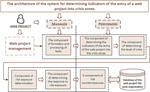
The methods and cases of the entry of the web project into the crisis zones studied in previous works are the basis of the system’s architecture (Figure 5) for determining the indicators of the entry of the web project into the crisis zones.
The primary purpose of the system’s architecture for determining the indicators of the entry of a web project into crisis zones is the automation of the web project management process, especially during the crisis period for web projects.
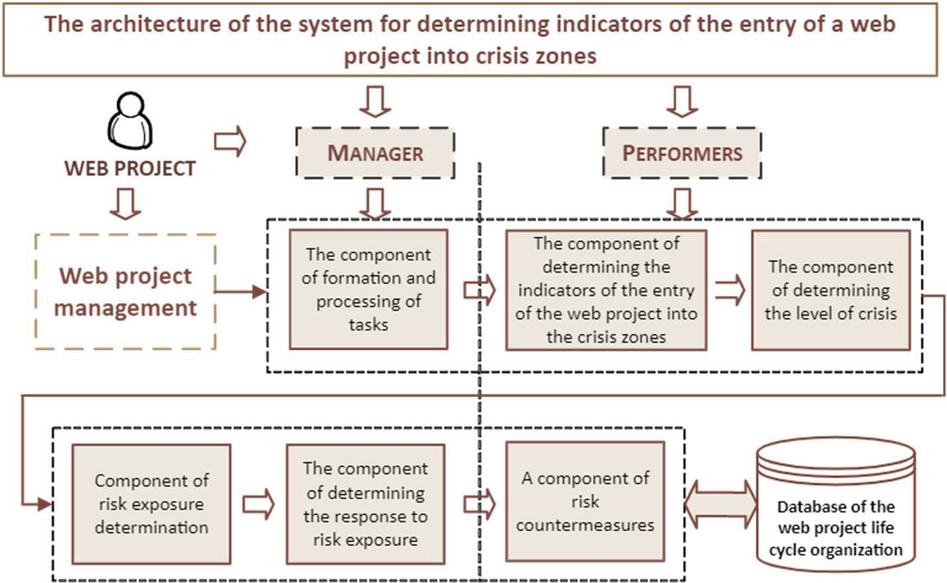
Figure 5 The system’s architecture for determining indicators of the entry of a web project into crisis zones.
The tasks of the architecture of the system for determining indicators of the entry of a web project into crisis zones are:
• Increase the level of cyber security of web project users.
• Reduce financial and time costs for web project owners.
• Reduce the level of psychological, social, and economic influences on the web personality [26].
• Quickly and efficiently adapt to crisis situations for their owners.
The results of the architecture of the system for determining indicators of the entry of a web project into crisis zones will be helpful for the following persons:
• Owners and administration of web projects.
• Owners and developers of technical means of organizing web projects.
• Representatives of law enforcement agencies and representatives of special services that monitor and detect malicious actions in the information space in conditions of intense information wars.
Performers divided into workplaces are responsible for implementing the system for determining the indicators of the web project’s entry into the crisis zone.
Workplace “Manager.” The “Manager” workplace creates and manages a web project. The main functions of the “Manager” workplace are the formation and distribution of tasks for executors, documentation of all processes, recording all information in the database, and decision-making in the organization of the life cycle of a web project.
Team “Performers.” The Performers team is a team of executors of the web project life cycle organization. “Performers” jobs correspond to the necessary executors of the web project life cycle organization. The web project manager determines the performers and their tasks.
The “Database of the web project life cycle organization” stores all information about the performers, information about the creation and management of the web project, reports on the performance of assigned tasks, risk indicators and cases, and methods of measures to counter risks and exit from a crisis.
The system’s architecture for determining the indicators of the entry of a web project into the crisis zone includes the following components:
• Component of formation and processing of tasks: The manager forms and distributes tasks for executors to endorse the successful web project life cycle organization. The component includes prioritization of tasks for executors and processing reports on the execution of assigned tasks.
• The component of determining the indicators of the entry of the web project into the crisis zones: The component detects factors affecting risk and forms their indicator. The component allows users to determine the direction of risk, taking into account the factors affecting the formation of risk when managing a web project in crisis. The component also determines the web project’s resistance to risk.
• The component of determining the level of crisis: The indicator-based component determines the level of exposure to risks: non-critical, minor, permissible, significant, and critical.
• Risk impact determination component: The component determines the risk category in crisis web projects: satisfactory, justified, and unsatisfactory risk.
• The component of determining the reaction to the impact of risk: The component defines reactions to the impact of risk in web projects: acceptance, reduction of impact, and elimination. The component is essential for understanding the successful functioning of the web project.
• Risk countermeasures component: The component includes developed methods and cases for applying measures to counter risks and the exit of web projects from a crisis situation, particularly: social, psychological, and economic crises.
6 Implementation of Research Results
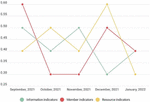
Implementing the developed methods of defining the risk resistance indicator of web projects of the student scientific “IntelliGo Science Cluster.” The IntelliGo Science Cluster web projects were applied on Facebook and Instagram from September 2021 to January 2022. The estimation of the level of risk resistance indicator in the web project management of the student scientific “IntelliGo Science Cluster” is represented in Figure 6.
Several methods are used to define the risk resistance indicator of web projects, and the best method will depend on the specific needs of the project and the organization. A combination of these methods is often recommended to provide a comprehensive understanding of the potential risks and to develop a robust risk management strategy. For this investigation, we used expert opinion and risk assessment methods.
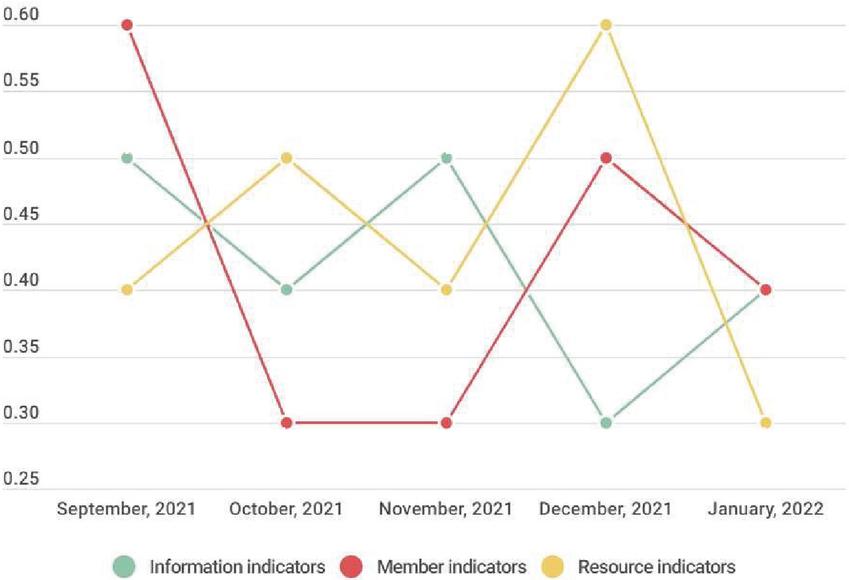
Figure 6 Statistics of IntelliGo Science Cluster web project in the period September 2021 to January 2022.
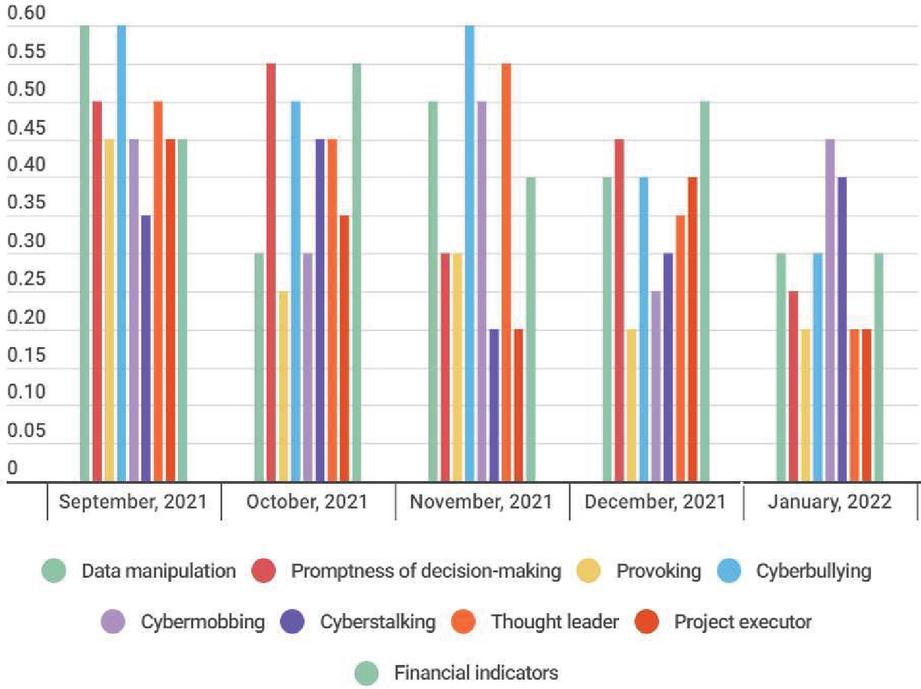
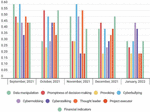
Figure 7 Statistics of IntelliGo Science Cluster web project on Facebook in the period September 2021 to January 2022.
The expert opinion method involves seeking experts’ opinions in web development and risk management. Experts can provide valuable insights into the potential risk factors associated with a web project and help to define the risk resistance indicator. Risk assessment involves a systematic and structured approach to identifying and evaluating the risks associated with a web project. The process typically involves identifying the potential risks, assessing the impact of each risk, and developing strategies to mitigate or manage those risks.
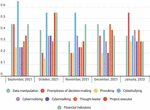
The statistics of the IntelliGo Science Cluster web project in September 2021 to January 2022 shown on Facebook (see Figure 7) and Instagram (see Figure 8) represent an assessment of all risks.
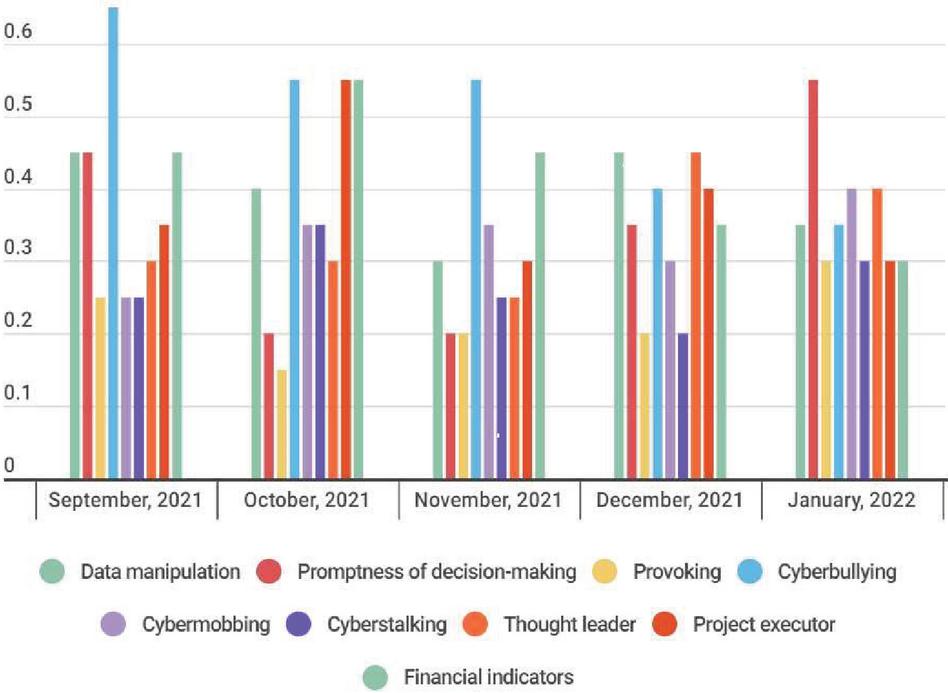
Figure 8 Statistics of IntelliGo Science Cluster web project on Instagram in the period September 2021 to January 2022.
The statistics of usage indicators of provoking, cyberbullying, cybermobbing, cyberstalking, and thought leader of members of the IntelliGo Science Cluster web project are calculated. According to our investigation, data manipulation, promptness of decision-making, cyberbullying, project executor, financial indicators are more common and relevant risks in web project management in the IntelliGo Science Cluster web project on Instagram and Facebook in the period September 2021 to January 2022.
7 Conclusions
Risk and emergency management is a critical aspect of web project development that should not be overlooked and involves identifying potential risks, assessing their likelihood and impact, and developing strategies to mitigate or eliminate them. Developing a robust risk and emergency management plan assures the success of a web project by minimizing the potential for disruptions and ensuring that the project stays on track. The use of technology and data analysis play a key role in effectively managing risks and responding to emergencies in a timely and efficient manner. By incorporating a well-designed risk and emergency management plan into the web project development process, organizations minimize their exposure to potential risks and maximize their chances of success.
References
[1] C. White, L. Plotnick, J. Kushma, S. R. Hiltz, M. Turoff, “An online social network for emergency management.” International Journal of Emergency Management, vol. 6, no. 3–4, pp. 369–382, 2009. DOI: 10.1504/IJEM.2009.031572.
[2] R. Dandage, S. Mantha, S. Rane, “Modelling human resource dimension of international project risk management.” Journal of Global Operations and Strategic Sourcing, vol. 14, no. 2, pp. 261–290, 2021. DOI: 10.1108/JGOSS-11-2019-0065.
[3] A. Barone, “Learn about our editorial policies digital marketing overview: Types, challenges, and required skills.” (Accessed June 2022). https://www.investopedia.com/terms/d/digital-marketing.asp.
[4] P. Ferreira de Araújo Lima, M. Crema, C. Verbano, “Risk management in SMEs: A systematic literature review and future directions.” European Management Journal, vol. 38, no. 1, pp. 78–94, 2020. DOI: 10.1016/j.emj.2019.06.005.
[5] B.-C. Kim, “Dependence modeling for large-scale project cost and time risk assessment: Additive risk factor approaches.” IEEE Transactions on Engineering Management, vol. 70, no. 2, pp. 417–436, 2021. DOI: 10.1109/TEM.2020.3046542.
[6] B. Kim, “Multi-factor association dependence modelling for project risk analysis.” MethodsX, vol. 8, p. 101443, 2021. DOI: 10.1016/j.mex.2021.101443.
[7] M. Asadabadi, O. Zwikael, “Integrating risk into estimations of project activities’ time and cost: A stratified approach.” European Journal of Operational Research, vol. 291, no. 2, pp. 482–490, 2021. DOI: 10.1016/j.ejor.2019.11.018.
[8] J. Alves, E. Ferreira, J. de Nadae, “Crisis and risks in engineering project management: A review.” Brazilian Journal of Operations & Production Management, vol. 18, no. 4, pp. 1–17, 2021. DOI: 10.14488/BJOPM.2021.026.
[9] S. Alirezaei, H. Taghaddos, K. Ghorab, A. Tak, S. Alirezaei, “BIM-augmented reality integrated approach to risk management.” Automation in Construction, vol. 141, p. 104458, 2022. DOI: 10.1016/j.autcon.2022.104458.
[10] K. Buganova, J. Simickova, “Risk management in traditional and agile project management.” Transportation Research Procedia, vol. 40, pp. 986–993, 2019. DOI: 10.1016/j.trpro.2019.07.138.
[11] T. Raharjo, B. Purwandari, “Agile project management challenges and mapping solutions: A systematic literature review.” International Conference on Software Engineering and Information Management, Association for Computing Machinery, pp. 123–129, 2020. DOI: 10.1145/3378936.3378949.
[12] F. Marle, “An assistance to project risk management based on complex systems theory and agile project management. Complexity”, Article ID 3739129, 2020. DOI: 10.1155/2020/3739129.
[13] V. P. Denney, “Exploring the upside of risk in project management: A phenomenological inquiry.” Journal of Modern Project Management, vol. 8, no. 23, pp. 278–299, 2020. DOI: 10.19255/JMPM02312.
[14] P. Willumsen, J. Oehmen, V. Stingl, J. Geraldi, “Value creation through project risk management.” International Journal of Project Management, vol. 37, no. 5, pp. 731–749, 2019. DOI: 10.1016/j.ijproman.2019.01.007.
[15] M. Papadaki, N. Bakas, E. Ochieng, I. Karamitsos, R. Kirkham, “big data from social media and scientific literature databases reveals relationships among risk management.” Project Management and Project Success, pp. 1–18, 2019. http://dx.doi.org/10.2139/ssrn.3459936.
[16] P. Diddi, L. Wei, “Crisis management on social media: Effect of pre-crisis inoculation strategy and midst-crisis organizational interactivity.” Public Relations Review, vol. 48, no. 5, p. 102206, 2022. DOI: 10.1016/j.pubrev.2022.102206.
[17] M. Kanagarajoo, R. Fulford, C. Standing, “The contribution of social media to project management.” International Journal of Productivity and Performance Management, vol. 69, no. 4, pp. 834–872, 2020. DOI: 10.1108/IJPPM-09-2018-0316.
[18] S. Filippetto, R. Lima, J. Barbosa, “A risk prediction model for software project management based on similarity analysis of context histories.” Information and Software Technology, vol. 131, p. 106497, 2021. DOI: 10.1016/j.infsof.2020.106497.
[19] Z. Hu, R. Odarchenko, S. Gnatyuk, M. Zaliskyi, A. Chaplits, S. Bondar, V. Borovik, “Statistical techniques for detecting cyberattacks on computer networks based on an analysis of abnormal traffic behavior.” International Journal of Computer Network and Information Security, vol. 12, no. 6, pp. 1–13, 2020. DOI: 10.5815/ijcnis.2020.06.01.
[20] J. Ojeniyi, E. Edward, S. Abdulhamid, “Security risk analysis in online banking transactions: Using Diamond Bank as a case study.” International Journal of Education and Management Engineering, vol. 9, no. 2, pp. 1–14, 2019. DOI: 10.5815/ijeme.2019.02.01.
[21] J. Crispim, L. Silva, N. Rego, “Project risk management practices: the organizational maturity influence.” International Journal of Managing Projects in Business, vol. 12, no. 1, pp. 187–210, 2019. DOI: 10.1108/IJMPB-10-2017-0122.
[22] M. Abdulrahaman, J. Alhassan, J. Ojeniyi, S. Abdulhamid, “Security Risk Analysis and Management in mobile wallet transaction: A Case study of Pagatech Nigeria Limited.” International Journal of Computer Network and Information Security, vol. 10, no. 12, pp. 21–33, 2018. DOI: 10.5815/ijcnis.2018.12.03.
[23] Z. Hu, Yu. Khokhlachova, V. Sydorenko, I. Opirskyy, “Method for optimization of information security systems behavior under conditions of influences.” International Journal of Intelligent Systems and Applications, vol. 9, no. 12, pp. 46–58, 2017. DOI: 10.5815/ijisa.2017.12.05.
[24] N. Dotsenko, D. Chumachenko, I. Chumachenko, “Modeling of the process of critical competencies management in the multi-project environment.” IEEE International Conference on Computer Sciences and Information Technologies, Lviv, Ukraine, pp. 89–93, 2019. DOI: 10.1109/STC-CSIT.2019.8929765.
[25] S. Fedushko, O. Mastykash, Y. Syerov, A. Shilinh, “Model of search and analysis of heterogeneous user data to improve the web projects functioning.” Lecture Notes on Data Engineering and Communications Technologies, vol. 83, pp. 56–74, 2021. DOI: 10.1007/978-3-030-80472-5\_6.
[26] J. Song, A. Martens, M. Vanhoucke, “Using schedule risk analysis with resource constraints for project control.” European Journal of Operational Research, vol. 288, no. 3, pp. 736–752, 2021. DOI: 10.1016/j.ejor.2020.06.015.
[27] A. Arman, “A risk-aware application scheduling model in cloud computing scenarios.” International Journal of Intelligent Systems and Applications, vol. 8, no. 10, pp. 11–20, 2016. DOI: 10.5815/ijisa.2016.10.02.
[28] C. Myers, H. Cowie, “Cyberbullying across the lifespan of education: issues and interventions from school to university.” International Journal of Environmental Research and Public Health, vol. 16, no. 7, p. 1217, 2019. DOI: 10.3390/ijerph16071217.
[29] G. Giumetti, R. Kowalski, “Cyberbullying via social media and well-being.” Current Opinion in Psychology, p. 101314, 2022. DOI: 10.1016/j.copsyc.2022.101314.
[30] L. Schenk, “Was ist Cybermobbing? Mobbing an Schulen: Maßnahmen zur Prävention.” Intervention und Nachsorge, pp. 273–301, 2020. DOI: 10.1007/978-3-658-26456-7\_15.
[31] H. Dreßing, U. Klein, J. Bailer, P. Gass, C. Gallas, “Cyberstalking.” Der Nervenarzt, vol. 80, pp. 833–836, 2009. DOI: 10.1007/s00115-009-2732-2.
[32] A. Nai, F. Martínez i Coma, “The personality of populists: provocateurs, charismatic leaders, or drunken dinner guests?” West European Politics, vol. 42, no. 7, pp. 1337–1367, 2019. DOI: 10.1080/01402382.2019.1599570.
[33] J. Barry, J. T. Gironda, “Operationalizing thought leadership for online B2B marketing.” Industrial Marketing Management, vol. 70, pp. 5–12, 2019. DOI: 10.1016/j.indmarman.2017.11.005.
[34] X. Wang, D. Shi, J. Wang, Z. Yu, Z. Wang, “Online identification and data recovery for PMU data manipulation attack.” IEEE Transactions on Smart Grid, vol. 10, no. 6, pp. 5889–5898, 2019. DOI: 10.1109/TSG.2019.2892423.
[35] S. B. Rodrigues, D. J. Hickson, “Success in decision making: different organizations, differing reasons for success.” Journal of Management Studies, vol. 32, no. 5, pp. 655–678, 1995. DOI: 10.1111/j.1467-6486.1995.tb00793.x.
[36] E. Istomin, V. Abramov, O. Lepeshkin, E. Baikov, S. Bidenko, “Web-based tools for natural risk management while large environmental projects.” International Multidisciplinary Scientific GeoConference: SGEM, vol. 19, no. 5.3, pp. 953–959, 2019. DOI: 10.5593/sgem2019/5.3/S21.120.
Biographies
Solomiia Fedushko received a Bachelor’s degree in 2008, a Master’s degree in 2010, and a Ph.D. degree in mechanics in 2015, from Lviv Polytechnic National University, Ukraine. She is currently an Associate Professor at the Lviv Polytechnic National University, Ukraine. Her current research interests include information systems, mathematical modelling, Big Data, and applied linguistics.
Olha Trach received a B.Sc. degree in 2012, an M.Sc. degree in intelligent decision-making systems in 2013, and a Ph.D. degree in mathematical methods and computer systems software in 2018 from the Lviv Polytechnic National University, Ukraine. She is currently an associate professor at the Lviv Polytechnic National University. Her current research interests include information systems, web project management, virtual communities, and social communications.
Yuriy Syerov received a B.Sc. degree in 2002, an M.Sc. degree in intelligent decision-making systems in 2003, and a Ph.D. degree in mathematical methods and computer systems software in 2010 from the Lviv Polytechnic National University, Ukraine. He is currently an associate professor at the Lviv Polytechnic National University. His research interests include business intelligence and computer science.
Natalia Kryvinska received a Ph.D. degree in electrical and IT engineering from the Vienna University of Technology, Austria, and a Habilitation (Docent Title) degree in management information systems from Comenius University in Bratislava, Bratislava, Slovakia. She got her Professor title and was appointed for the professorship by the President of the Slovak Republic. She is currently a Full Professor and the Head of the Department of Information Systems, Faculty of Management, Comenius University in Bratislava. Previously, she has served as a University Lecturer and a Senior Researcher at the Department of e-Business, School of Business Economics and Statistics, University of Vienna. Her research interests include complex service systems engineering, service analytics, and applied mathematics.
Jennifer R. Calhoun currently works at the Wall College of Business, Department of Marketing and Resort Tourism, Coastal Carolina University. Jennifer does research in Quantitative Social Research and Qualitative Social Research. Their most recent publication is “An Examination of Second Language Education Provision among U.S. and European Hospitality and Tourism Management Schools”. Her current research interests include employee engagement in the service organization, learning organization and sustainability, effects of human resources initiatives on hospitality and tourism workers’ overall success, cultural issues in hospitality and tourism research, the value of professional development certifications in the hospitality and tourism industry, the influence of the hospitality curricula and graduate’s success in their careers.
Journal of Web Engineering, Vol. 21_8, 2257–2286.
doi: 10.13052/jwe1540-9589.2182
© 2023 River Publishers