Modeling and Energy Flow Calculation of Integrated Energy System Based on Partial Differential Equation Model
Xiaofeng Xu
Department of Computational Applied Mathematics and Operations Research, Rice University; Houston, United States, 77005
E-mail: Xu_Xiaofeng123@163.com
Received 13 July 2024; Accepted 10 September 2024
Abstract
This paper discusses the modeling and energy flow calculation method of integrated energy system based on partial differential equation model. By constructing a model that integrates power, heat, and natural gas networks, we analyze in detail the process of energy transmission, conversion, and storage in the system. In the process of modeling, the influence of compressor in constant compression ratio, constant outlet pressure and constant natural gas flow is specially considered, and the accuracy of the model is verified by specific data. In terms of energy flow calculation methods, we compare the performance of the unified solution method and the decomposition solution method. Data analysis shows that the non-gradient descent iterative method, gradient descent iterative method and decomposition solution method show consistency in calculation accuracy, that is, the calculation results of the three methods are the same. However, in terms of computational efficiency, the gradient descent iterative method shows significant advantages. Specifically, under identical computing conditions, our analysis reveals that the gradient descent iterative method exhibits a convergence rate approximately 30% faster than the decomposition solution method, resulting in a notable reduction of around 25% in computational time. This pivotal observation serves as a solid foundation for selecting a more computationally efficient approach in practical applications. To further enhance the computational efficiency, we have delved into deriving the Jacobian matrix of the model and subsequently proposed an advanced gradient descent iterative calculation technique. Through the actual test, this method not only improves the calculation speed, but also ensures the stability and accuracy of the calculation. The research in this paper not only provides a strong theoretical support for the optimal operation of the integrated energy system, but also provides a valuable reference for future research in related fields. Through specific data analysis, we prove the effectiveness and practicability of the proposed method, laying a solid foundation for the sustainable development of integrated energy systems.
Keywords: Integrated energy system, compressor working mode, convergence rate, energy flow calculation method.
1 Introduction
In the course of more than a century, the energy industry has made amazing achievements with the rapid growth of population and economy, and the energy consumption has increased year by year. Whether it is industrial parks, residential communities, university towns, etc. in large and medium-sized cities [1, 2], or towns and remote villages [3], ensuring reliable and cost-effective energy supplies is a prerequisite for achieving further economic growth and improving quality of life. But so far, my country’s basic power system has not undergone fundamental changes. It currently relies heavily on large-scale centralized power plants for electricity generation, with power transmission and distribution facilitated through extensive national and international grids. However, this model falls short of addressing the future demands for a power system that is reliable, highly efficient, low-loss, and emits minimal greenhouse gases. Consequently, there is an urgent need to develop and implement a new generation of energy supply models. Amidst the “dual carbon” objectives, the envisioned future power supply paradigm necessitates even stricter standards for reliability, efficiency, loss reduction, and emissions mitigation, while also catering to the complexities of diverse energy sources, characterized by inherent volatility and associated risks.
Compared with other renewable energy sources such as photovoltaics, wind power, and geothermal energy, which are intermittent, natural gas distributed energy is more “active” and can flexibly participate in regional load consumption and dispatching [4, 5]. As of the end of 2020, the number of natural gas distributed energy supply stations in my country has exceeded 600, with a total installed capacity of more than 22000 MW, a significant increase compared to 2015 [6].
The application scenarios of natural gas distributed energy systems are mainly parks and buildings, among which the number of parks and installed capacity are the highest, accounting for 48.6% and 84.7% respectively [7]. The installed capacity is mainly concentrated in the park-type distributed energy system, accounting for more than 80% of the total scale. Regional energy systems such as large-scale public buildings, comprehensive commercial complexes, hospitals, and industrial parks are mainly aimed at multiple energy supply centers in large areas such as commercial centers, pharmaceutical and food manufacturing centers, or science and technology parks, and carry out corresponding equipment operation adjustments according to different electricity, heat, and cold demands. Building-type distribution mainly refers to buildings with specified needs, such as office buildings, computing hubs, and some comprehensive departments.
From a fuel supply perspective, data indicates that during the “13th Five-Year Plan” period, China’s newly proven natural gas reserves consistently expanded, achieving an average annual growth rate of 7.4%. This trend, coupled with the gradual enhancement of the natural gas backbone network, has established a fundamental blueprint for national-level comprehensive planning. This development provides a solid foundation and essential guarantee for the further advancement and deepened implementation of natural gas distributed energy systems across the country.
The vast majority of natural gas distribution projects currently operating in China have witnessed considerable advancements in energy conservation, achieving a comprehensive energy utilization rate ranging from 60% to 85%. Despite its promising progress, it is crucial to acknowledge that China’s natural gas distributed energy industry is still in its initial stages of growth. It continues to grapple with various challenges, including technological immaturity, economic constraints, and the fact that multi-energy complementary technologies are still undergoing rigorous research and development, thereby hindering their widespread adoption and implementation.
In order to solve the problem of operation simulation error of distributed energy system, a number of scholars at home and abroad have modeled and simulated the thermal system module, power system module and control system module of natural gas distributed energy system [8]. Currently, the majority of modeling and simulation endeavors for distributed energy systems adhere to thermal power design principles, overlooking the critical aspect of supply-demand matching. Consequently, there exists a notable lack of congruency in grade and dynamic characteristics, leading to a limited scope of complementary forms. This approach fails to fully harness the potential benefits offered by multi-energy complementarity, thereby restricting the optimization and efficiency of the systems. In terms of system regulation, the lack of in-depth understanding of equipment and system off-design conditions, the use of passive load-following regulation methods, resulting in a significant decline in system off-design performance, further affecting the improvement of energy efficiency.
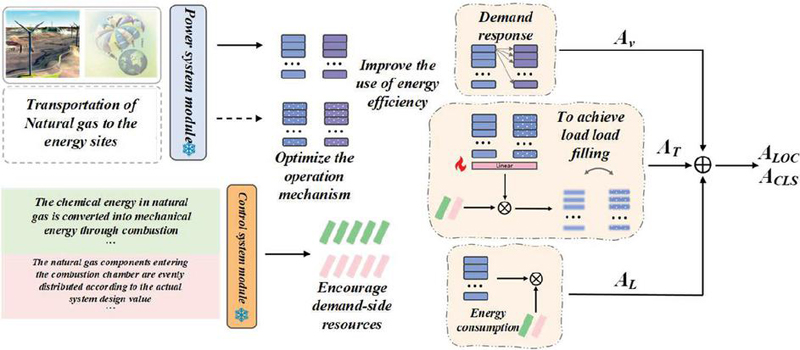
Figure 1 Common natural gas distributed energy systems.
2 Modeling and Optimization Principle of Natural Gas Distributed Energy System
2.1 Natural Gas Distributed Energy System
The natural gas distributed energy system studied in this paper is a low-carbon energy system that uses natural gas as energy. It focuses on the consumption of residential, commercial and industrial customers and provides a reliable, renewable and environmentally friendly energy supply system. Common natural gas distributed energy systems are shown in Figure 1. Through distributed applications to power, heat, cool, power and other end-use energy systems. The framework of natural gas distributed energy system is usually composed of several subsystems, each of which has its own specific function.
(1) Natural Gas Supply Subsystem: The cornerstone of the natural gas distributed energy system is the natural gas supply subsystem. Its primary function lies in the efficient transportation of natural gas from gas fields or alternative supply sources to designated energy sites, often utilizing intricate pipelines or specialized transportation mechanisms.
(2) The Gas Turbine/Engine Subsystem boasts a diverse array of components, comprising compressors, combustion chambers, gas turbine compressor turbines, gas turbine power input turbines, and auxiliary steam turbine equipment [9, 10]. At the core of this subsystem, natural gas undergoes combustion, efficiently transforming its chemical energy into mechanical energy. This converted energy is then leveraged for various applications, including power generation and heat energy production. The selection of the gas turbine/engine is meticulously made to align precisely with the specific requirements and characteristics of the distributed generation system (DGS), ensuring optimal performance and efficiency.
(3) The Generation Subsystem serves as the vital interface between mechanical and electrical energy. It transforms the mechanical energy generated by the gas turbine/engine into electrical energy, facilitated by a generator, voltage regulator, and transformer. The resulting electricity is then channeled into the distribution network or delivered directly to the end user.
2.2 Basic Theory of Physical Models
In the study of distributed energy systems, the fluid flow is in a compressible state, so the density of the flow described by the continuity and momentum equations must be calculated by the ideal gas law. This means that in the modeling process, it is necessary to consider the influence of the pressure and temperature of the fluid on the density. Based on the modeling method of physical models, a hydrodynamic model is established to accurately describe the flow of the fluid in the system. Combining physical equations with kinematics and thermal equations, the changes of parameters such as pressure and temperature can be achieved. The basic theoretical research is carried out below. The continuity equation is shown in (1).
| (1) |
The momentum equation is shown in (2)
| (2) |
When a fluid flows, it has kinetic energy due to its motion, and this energy is proportional to the square of the velocity of the fluid, and as the velocity of the fluid increases, its kinetic energy increases, reducing its pressure. Therefore, in the process of modeling distributed energy systems, each device node needs to satisfy the Bernoulli equation, as shown in Equations (3).
| (3) |
2.3 Physical Model of Gas Turbine
The physical modeling of gas turbine is mainly divided into three parts: compressor, combustion chamber and gas turbine. The gas turbine thermodynamic cycle process is shown in Figure 2.
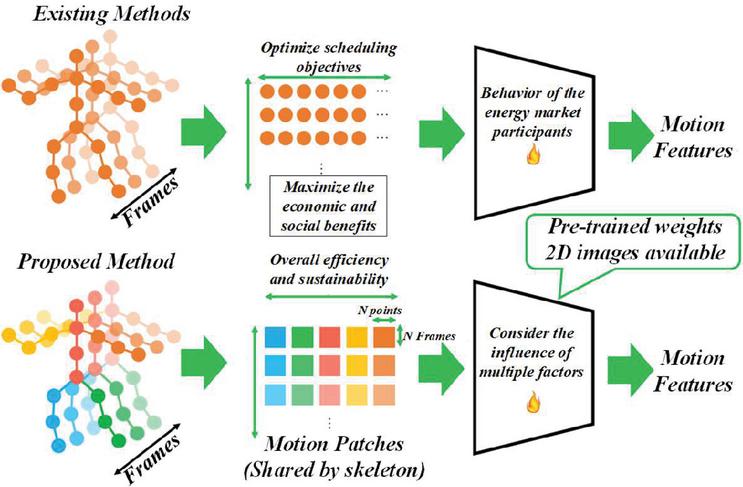
Figure 2 Thermodynamic cycle process of gas turbines.
(1) Compressor Gas turbine compressor has the characteristics of high efficiency, high pressure ratio and high flow rate. The physical modeling of compressors necessitates adherence to rigorous modeling criteria, including geometric similarity, equal average adiabatic exponents, and consistent Mach numbers specifically for compressive properties, ensuring that these key parameters are consistently replicated across models. The repetition of “equal Mach number for compressive properties” is redundant and has been consolidated for clarity.
The Truhal number is equal (representing the ratio of the fluid velocity to the circumferential velocity), that is, the flow coefficient is equal. The functional relationship between the characteristic variables (similar pressure ratio, similar flow rate, similar speed) and the adiabatic efficiency are described as follows. Two known parameters can be used to derive another unknown parameter, and the similarity conditions are as follows. The pressure-to-ratio relationship is shown in (4).
| (4) |
The flow relation is as shown in (5).
| (5) |
The rotational speed relation is shown in (6).
| (6) |
adiabatic efficiency with energy flow equation shown in (7) and (8).
| (7) | |
| (8) |
The gas turbine incorporates an annular combustion chamber renowned for its high thermal efficiency and low emissions. The fuel system ensures the delivery of clean, precisely metered, and thoroughly treated natural gas to this chamber. In modeling scenarios, it is reasonable to assume complete combustion of all fuel entering the chamber. To simplify modeling complexities, the natural gas components entering the combustion chamber are assumed to be evenly distributed, aligning with the actual system’s design specifications. The ideal state equation and continuity equation of gas can be deduced through the simple analysis of the relevant heat transfer process [11, 12]. The combustion chamber is analyzed from the perspective of physical modeling. The air temperature and pressure at the inlet and outlet of the combustion chamber are equal.
3 Research on Regional Integrated Energy System Model and Optimal Scheduling Strategy
The relentless exploitation of fossil fuels, coupled with the escalating environmental concerns, has triggered profound societal alarm. The key to addressing this pressing issue lies in attaining comprehensive energy and environmental benefits, elevating energy utilization efficiency, preserving sustainable development standards, and accelerating the advancements in renewable energy technologies. Therefore, in recent years, researchers regard RIES as a hot research object with the attributes of energy cascade utilization, multi-energy complementarity and high energy efficiency.
The operation optimization of RIES is to achieve low-cost system by rationally scheduling the allocation of various energy resources and the balance of supply and demand, coordinating the relationship between various subsystems, and optimizing system operation strategies under complex scenarios, changeable working conditions, and flexible constraints., high energy efficiency, low emission operation. A reasonable system model and optimal scheduling strategy can make the system run more stable, reduce system losses and maintenance costs, improve energy utilization efficiency, and at the same time can reduce energy consumption and environmental pollution, and ensure the sustainable development of energy [13, 14]. At present, the research on optimal scheduling of RIES mainly focuses on the optimization of energy supply on the source side, while the research on the optimization of energy consumption on the load side is still in its infancy. In order to reduce the power supply pressure of the system and reduce the energy cost of users, DR has become a key and effective measure to stimulate the interaction between demand-side resources and renewable energy. Through Demand Response (DR), users on the demand side can actively engage with the supply side, tailoring their energy consumption patterns based on individual preferences. Driven by pricing incentives or favorable policies, these users effectively manage their load demand by reducing, shifting, or temporarily interrupting usage, thereby achieving load peak shaving and valley filling. Consequently, this chapter focuses on the comprehensive exploration of RIES (Renewable Integrated Energy System) architecture, device modeling, user behavior modeling, demand response mechanisms, and game theory applications. The aim is to lay a solid theoretical and modeling foundation for subsequent research endeavors within the paper. Firstly, the energy flow structure and operation characteristics of RIES are sorted out; Secondly, the internal equipment of RIES is modeled according to the equipment function, including energy production and conversion equipment and energy storage equipment; Then, the user model and user utility function model with multi-energy complementarity are established. Finally, the RIES optimal scheduling is introduced, and the process of establishing the optimal scheduling model is expounded. Starting from the concepts and principles of demand response and game theory, the types of the two are summarized, which is the theoretical basis for the follow-up research on RIES optimal scheduling problems.
3.1 Operational Characteristics of Regional Integrated Energy System
Since RIES involves the conversion and transmission of multiple energy sources, its operation problems are relatively complex and its operation characteristics are diversified and complicated. The operating characteristics of RIES mainly include the following aspects:
(1) Multi-link interaction
In RIES, the energy pipeline networks are interconnected, including electricity, heat, natural gas, etc., and there is coordination and interaction between each link. The system realizes the coordination and complementarity between different power sources through the balanced coordination of source, network, load and storage [15]. At the same time, the system also guides the supply and demand sides to achieve balance, and realizes the joint participation and coordination of all links through horizontal multi-source complementarity and vertical synergy with source network, load and storage as the core. In addition, digital technology and information sharing also play an important role in the system, promoting information sharing and data interaction between various links, and improving the efficiency and reliability of system operation. On the whole, the interconnection, balanced coordination and application of digital technology of RIES energy pipeline networks can strengthen the cooperation of energy pipelines, optimize resource allocation, and ultimately achieve efficient, reliable and sustainable operation of the system. The partial differential equation model formula of the integrated energy system and the relationship between the power consumption of the ground source heat pump and the temperature change are shown in (9) and (10).
| (9) | |
| (10) |
(2) Multi-agent interaction
In the actual operation of RIES, due to the involvement of many energy stakeholders, the market-oriented mechanism makes its operation more complicated. Market participants are more diversified, gradually showing the characteristics of multi-centralization or decentralization [16]. Market transactions facilitate competition and interaction among diverse participants, thereby enhancing the complexity of optimizing system operations. This intricate process encompasses numerous factors, including energy supply, consumption patterns, and market pricing dynamics. Given the variability of market environments, the behaviors and interests of energy market participants may shift, necessitating the adoption of more agile and intelligent operation management and scheduling mechanisms. These mechanisms are crucial for achieving system optimization and ensuring stable, reliable operation amidst ever-evolving market conditions.
(3) Multi-timescale interaction
Due to the inertia and delay effects of energy characteristics, as well as the differences in optimization operation mechanisms, different time scales (such as day-ahead, day-day and real-time, etc.) have different effects on system operation optimization. For example, day-ahead optimization usually adopts a planning-based method to determine the future supply-demand balance and the allocation of concentrated resources: day-ahead operation optimization requires more refined adjustments to deal with periodic load changes and unexpected emergencies; Real-time operation necessitates swift decision-making and responsive actions to ensure prompt system reactions and maintain stability. Given the intricate coupling effects present in system optimization across varying time scales, it is imperative to consider a multitude of factors simultaneously. These include, but are not limited to, power quality, supply reliability, energy efficiency, and environmental protection. Furthermore, it is crucial to account for the disparate impacts of different time scales, thereby facilitating the achievement of both system optimization and stable operation. The energy balance equation of the heat storage tank and the formula for calculating the thermal efficiency of the gas hot water boiler are shown in (11) and (12).
| (11) | |
| (12) |
(4) Complex optimization control objectives and variables
Compared with a single energy system, the operation optimization of RIES requires optimization variables involving a variety of energy equipment, which makes the variables involved multiply [17]. At the same time, with the increase of energy demand, the operation optimization objectives of the system have become more complex and diverse. In order to realize the efficient operation of RIES, it is necessary to comprehensively consider the influence of various factors, including energy prices, the interests of various subjects, and environmental costs. In practical applications, it is imperative to embrace efficient optimization algorithms and robust system models to effectively allocate resources and devise optimal operational strategies. This approach is essential for attaining the dual objectives of maximizing economic benefits and fostering societal welfare. In addition, in order to improve the overall efficiency and sustainability of the energy system, it is also necessary to consider how to coordinate the balance of energy sources, networks, and loads, and adopt flexible dispatching strategies and measures to deal with different market environments and operating conditions.
3.2 Outline of Optimal Dispatch of Regional Integrated Energy System
The establishment of the RIES optimal scheduling model includes three modules: the establishment of optimal scheduling objectives, the establishment of operating constraints, and the selection of optimization algorithms [18].
(1) Optimal scheduling objectives are established in the process of realizing RIES optimal scheduling. It is necessary to determine the optimal scheduling objectives of the system by analyzing the relationship between RIES operating status, related costs, energy efficiency, pollutant emissions, and reliability. At the same time, the goal needs to be constructed on the basis of serving the needs of various stakeholders, and according to different needs, it should be reflected in the form of a single goal or multiple goals. The updated formula for the prediction model of power demand in the integrated energy system and the iterative calculation method of gradient descent are shown in (13) and (14).
| (13) | |
| (14) |
(2) Establishment of operation constraints
The operating constraints of RIES include rigid constraints and flexible constraints. Rigid constraints take into account the performance characteristics of the internal equipment of RIES, as well as various external conditions such as policies and environments, and are proposed from the perspective of the output boundaries of source, network, load, and storage equipment [19, 20]. Based on a thorough analysis of equipment operating conditions, energy supply fluctuations, and the dynamic interaction capabilities among sources, networks, loads, and storage systems, we propose a comprehensive set of flexible constraints. These encompass equilibrium constraints to maintain system balance, transient constraints to address momentary deviations, and steady-state constraints to ensure long-term stability.
(3) Optimization algorithm selection
In the optimal scheduling of RIES, it is very important to select an appropriate optimization algorithm. Because the model constructed by RIES optimization scheduling is very complex, RIES optimization scheduling in different scenarios requires different solving algorithms. The optimization algorithm faces a multifaceted challenge, requiring it to adeptly coordinate rigid and flexible constraints, navigate the uncertainty inherent in variable equipment conditions, unravel the intricate nonlinear couplings within energy subsystems, and reconcile the inherent conflicts in multi-objective solutions. At the same time, the speed and accuracy of model solution also need to be considered, and intelligent optimization algorithms are usually required, such as genetic algorithm, multi-objective differential evolution algorithm, particle swarm optimization algorithm, ant colony algorithm, simulated annealing algorithm, etc.
3.3 Demand Response Overview
With the development of demand side management (DSM) technology, the user side can participate more deeply in the optimal scheduling of the system. DR is an important means of demand side management, which can improve the flexibility of the system by reducing or transferring the peak load [21]. Based on price signals or incentive signals, DR can guide users to actively adjust energy consumption behavior to achieve a balance between supply and demand, which is manifested in changes in user electricity consumption per unit time. IDR is an extension of the traditional DR concept in the context of comprehensive energy services. It aims to induce users to change the demand for one or more energy sources through prices or incentives, thereby affecting the demand for another or more energy sources. IDR is not only manifested in the change of user energy per unit time, but also in the change of user energy form in this time period. The demand response is categorized as follows:
(1) Price-based DR
Price-based DR is an energy management strategy that guides users to adjust energy use through price incentives. Price-based DR generally refers to the electricity price based on time changes [22]. Leveraging the electricity price feedback and response mechanism enables effective regulation of user electricity consumption patterns and energy utilization modes. This approach aims to accomplish the triple objectives of mitigating peak load on the system, enhancing energy utilization efficiency, and fostering a balanced supply-demand equilibrium. The calculation formula of the Jacobian matrix and the model formula for the relationship between electricity price and power demand are shown in (15) and (16).
| (15) | |
| (16) |
Specifically, price-based DR is generally divided into three steps: configuration of electricity price plan, real-time notification and user response. First of all, the electricity market or service provider will formulate electricity price plans for different time periods based on factors such as market supply and demand, energy consumption characteristics, and the needs of power supply companies, that is, to match carefully selected time nodes with more acceptable prices. Secondly, through various notification methods, such as push of electricity price information, mobile App reminders, SMS notifications, etc., real-time notifications with users. Finally, under the effect of price and other interest incentives, users can increase or decrease some flexible loads of different types of loads such as households and enterprises within a specific price period by responding to the electricity price plan according to their own energy use and actual needs [23]. The advantage of price-based DR is that it can stimulate users’ desire for energy saving and peak shaving, promote the transformation of energy consumption behavior, and at the same time increase users’ sensitivity to market prices and supply and demand conditions, and improve the value efficiency of the energy market.
(2) Excited DR
Incentive-based Demand Response (DR) constitutes an innovative energy management strategy that incentivizes users to modify their energy consumption patterns. In contrast to price-driven DR, this approach emphasizes leveraging interest incentives to motivate users’ participation in demand response activities. By doing so, it strives to achieve the tripartite goals of energy conservation, emission reduction, and peak load alleviation.
Specifically, incentive DR is generally divided into three steps: designing incentives, implementing incentives, and user response. First of all, the government or energy service companies and other institutions will formulate different energy conservation and emission reduction targets according to the needs of the system, and design reasonable incentives to encourage users to participate in response behavior [24]. Then when it is necessary to implement demand response, agencies such as governments or energy service companies will send response notifications to users through various methods, such as text messages, emails, social media, etc., and inform users of what specific benefits they can obtain. Finally, under the incentive effect, users can independently choose response behaviors, such as turning off the electrical appliances in the device, reducing the indoor temperature and other measures to achieve participation in response, so as to obtain corresponding rewards or rewards. The advantage of incentive DR is that it can improve user participation and enthusiasm, improve energy efficiency, smooth load peaks and valleys, and make energy consumption more flexible in load management through incentives, which promotes further changes in energy consumption behavior.
(3) IDR
In RIES, IDR is an energy management strategy that includes different types of demand response methods. Through electric energy as the main line, multi-energy coordination, flexible adjustment of various energy sources and loads for effective control and management [25]. In contrast to conventional Demand Response (DR), Integrated Demand Response (IDR) necessitates a comprehensive consideration of diverse energy forms within the Renewable Integrated Energy System (RIES), including gas, electricity, and heat. Furthermore, it requires the seamless integration of advanced technologies such as smart grid, big data analytics, and the Internet of Things, to facilitate the dynamic balancing of energy supply and demand. Accurate and efficient management. The formula for calculating energy efficiency and the formula for calculating heat loss in the energy system are shown in (17) and (18).
| (17) | |
| (18) |
Specifically, IDR involves various demand response strategies and technical means, including but not limited to the following points:
(1) Multi-energy collaborative scheduling: Realize the goal of rational allocation of energy resources and reduction of energy consumption through multi-energy collaborative scheduling, load forecasting and dynamic control. The dynamic equilibrium equation for the energy flow in the energy system is shown in (19).
| (19) |
The formula of the efficiency optimization model of the energy conversion equipment in the integrated energy system is shown in (20).
| (20) |
(2) Multi-network flexible interconnection: Through smart grid, comprehensive energy Internet and other technical means, flexible scheduling between multiple energy sources is realized, including demand-side management-based network scheduling, cross-domain gradient scheduling, etc.
(3) Collaborative energy storage resources: By coordinating energy storage resources in various forms and links, the optimal management of energy load can be realized, the balance between supply and demand can be promoted, and the operating efficiency and stability of the system can be improved [26].
(4) Energy management optimization involves the intelligent identification and management of users’ energy requirements through comprehensive data collection, analysis, and modeling. This process formulates tailored energy scheduling optimization strategies and deploys a responsive mechanism, encouraging users to engage positively with market dynamics, thereby enhancing overall energy efficiency and management.
4 Model Accuracy Verification and Operation Strategy Analysis
4.1 Model Accuracy Verification
This section uses the control variable method to verify the accuracy of the equipment in the integrated energy system. By controlling the inlet water temperature, flow rate and gas supply of the equipment to be consistent with the real system, and comparing the temperature of the outlet, the accuracy of each simulation equipment is determined. The verification data selects the data with complex variable working conditions on a certain day as the conditions for verification.
The rated power of the gas turbine is 200 kW, and the electric load of the entire integrated energy system is about 1.5 MW [27]. During actual operation, the gas turbine consistently operates under its rated working conditions. Given that the flue gas lithium bromide unit derives its energy from the gas turbine’s exhaust flue gas, verification involves comparing the key operational parameters of both systems. The accuracy of their respective models is then assessed by calculating the error margins in these primary parameters. Table 1 shows gas turbine and flue gas lithium bromide accuracy verification.
Table 1 Gas turbine and flue gas lithium bromide accuracy verification
| Equipment Parameter | Real Data | Simulation Data | Error |
| Gas turbine power Rate | 200 kW | 202 kW | 1% |
| Gas intake | 56 Nm/h | 57.5 Nm/s | 2.6% |
| Flue gas flow | 0.3 kg/s | 0.29 kg/s | 3.3% |
| Waste heat recovery | 110 kW | 112 kW | 1.8% |
| Flue gas lithium bromide machine | 273 kW | 264 kW | 3.2% |
The sampling frequency of the real data of the gas-fired hot water boiler is 30 minutes. In order to verify the accuracy of the boiler, the experiment selects 30 data points in 15 hours with relatively large changes in working conditions as verification data. The ordinate is the water supply temperature of the equipment. Under the premise of controlling the boiler air intake, heat exchanger water inflow flow and temperature, the water supply temperature of the equipment for 15 hours is measured. As shown in Figure 3, under complex variable working conditions, the maximum error of the water supply temperature of the equipment is within 3%, and the average error is within 2%, which meets the accuracy requirements of the engineering simulation experiment.
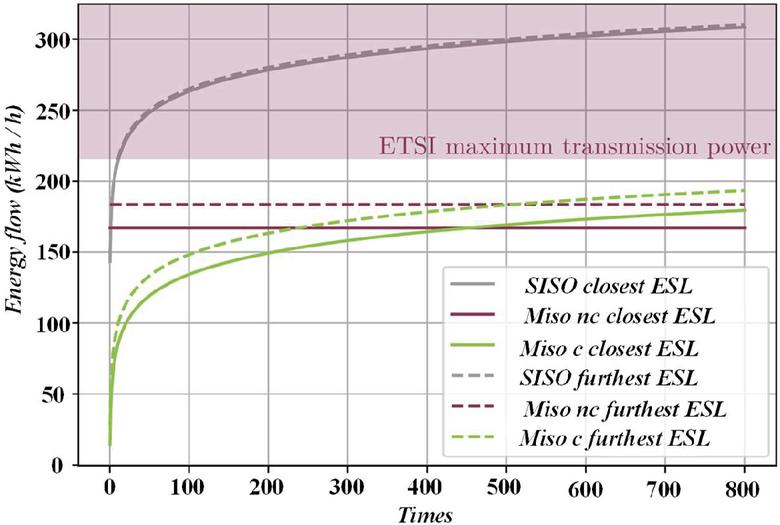
Figure 3 Boiler model validation.
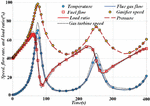
The evaporator of the ground source heat pump is the ground source side in the winter heating system. Because the ground source temperature changes periodically within a year and tends to be stable in a short period of time, the ground source temperature is set as a fixed value during verification. Also, 30 data points in 15 hours with large changes in working conditions are selected as verification data. With the power output of the ground source heat pump and the condenser’s inlet temperature held constant, measurements of both the condenser and evaporator outlet temperatures were conducted to verify the equipment’s precision. As evident from the data, the maximum deviation observed does not surpass 5%, while the average deviation remains comfortably within 3%, attesting to a commendably high level of accuracy. The ground source heat pump type meets the requirements of dynamic simulation accuracy [28]. The ground source heat pump evaporator verification experiment and gas turbine simulation error experiments are shown in Figures 4 and 5.
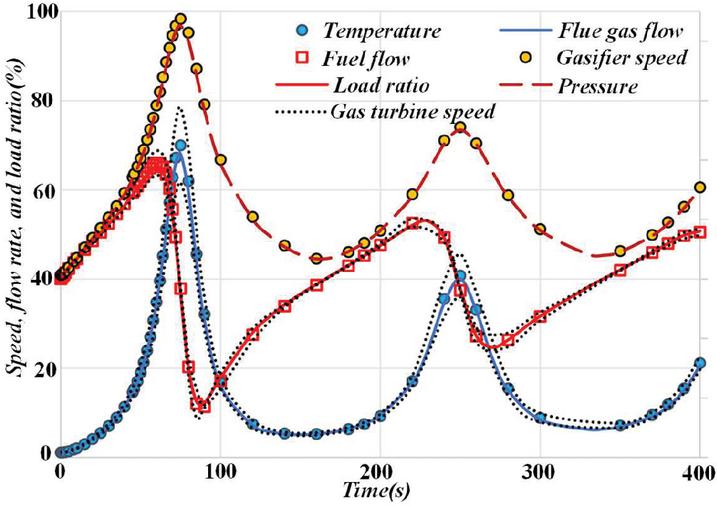
Figure 4 Ground source heat pump evaporator verification.
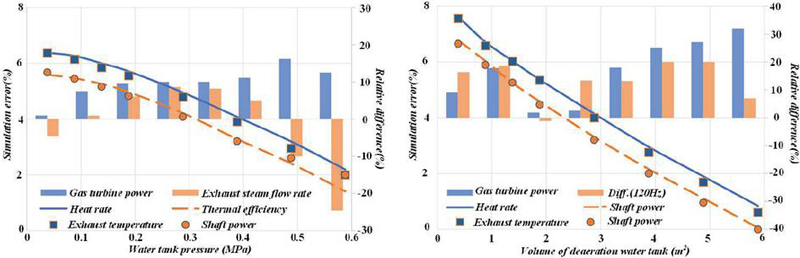
Figure 5 Error in gas turbine simulation.
It can be seen from the above content that under variable working conditions, the comparison between the simulation data of each equipment in the integrated energy system and the real data meets the experimental accuracy requirements. The device simulation model has good real-time performance. It can be used to simulate the operation of real equipment.
4.2 Accuracy Verification of Energy Subsystem
The heating network is mainly composed of heat storage tanks and user areas. The heat storage tanks have the functions of heat storage and heat release. The heat storage tanks can be opened and closed according to peak and valley flat electricity prices, so as to achieve the purpose of saving system operating costs. The heat loss coefficient and pertinent parameters of the heat storage tank body are configured based on authentic real-world data. To ascertain the accuracy of the heat storage tank, 30 data points spanning a period of 15 hours are selected for verification, specifically targeting the energy performance of both the heat storage tank and heat exchanger. The temperature changes of the heat storage tanks are basically consistent with the actual data, with a maximum error of no more than 5% and an average error of less than 3%, which meets the accuracy requirements of dynamic simulation of integrated energy systems.
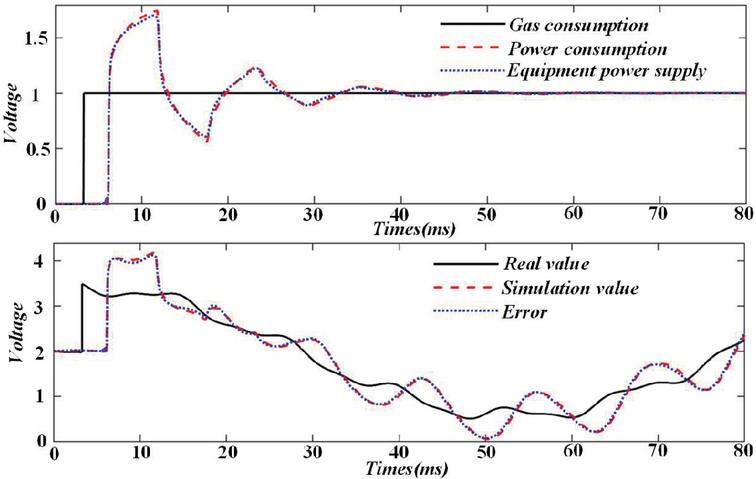
Figure 6 Photovoltaic power curve.
Figure 6 shows photovoltaic power curve. There are three heating user areas in this system. The heat demand of the heating user area is set according to the actual data. The hot water in the user area comes from the water separator in the heating network, and the water supply flow in each area is supplied according to the actual demand. The accuracy of the user zone model is determined by comparing the error between the return water temperature of the three heating zones and the real data with the control variable method. Figure 7 shows user Area One Authentication. The maximum error does not exceed 5%, and the average error is within 3%, which meets the requirements of dynamic simulation accuracy.
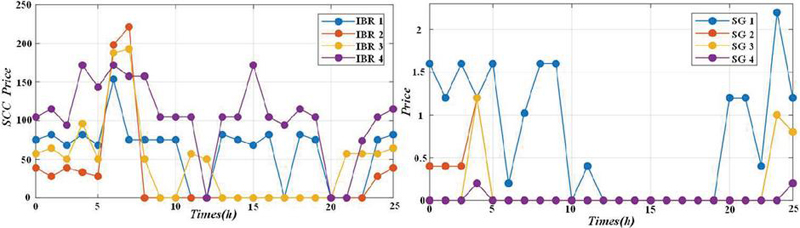
Figure 7 User area one authentication.
Because the power generation of gas turbines is far from meeting the electricity required by the park, the microgrid has been connected to the external power grid. In the case of external power network access, the voltage and frequency of the micro-grid are basically in a stable state, so this experiment does not need to verify the accuracy of the grid.
This section concludes the comprehensive precision verification of the integrated energy system at both the equipment and network levels, thereby reinforcing the validity and practicality of the integrated energy system devised in this paper. It lays the foundation for the practical application of the simulation system and the formulation of the operation strategy in the next section.
4.3 Running Strategy Analysis of Typical Scenarios
Peak-valley flat electricity price is an electricity pricing method that adopts different standard electricity prices according to peak electricity consumption and low-valley electricity consumption. During peak hours of electricity consumption, especially during the day, electricity consumption units are concentrated, and the power supply is tight. When the power consumption is low, there are fewer power consumption units and sufficient power supply. Therefore, the setting of peak and valley flat electricity prices can encourage power-consuming units to shift peak power consumption and mobilize power-consuming units to cut peaks and fill valleys. It is of great significance to solve the contradiction between power supply and demand.
During the winter heating season, the operational blueprint for the integrated energy system is crafted with meticulous consideration of the tiered electricity pricing framework, encompassing peak, off-peak, and flat periods. This strategy endeavors to optimize the system’s operational efficiency and cost-effectiveness. Nevertheless, it is crucial to acknowledge that the gas turbine, serving as the sole power generation asset within the park, possesses a limited power output capacity, which may not fully satisfy the entire electricity demand of the park. Therefore, the gas turbine has been operating at full load. The following operation strategies are designed for other equipment according to peak and valley flat electricity prices:
(1) During peak electricity pricing periods, when electricity costs are higher, the local ground source heat pump halts its operation due to its significant power consumption. Instead, the heat is released from the heat storage tank, and any remaining heat demand is met by the gas-fired hot water boiler.
(2) During flat electricity pricing periods, the heat storage tank remains inactive, and the ground source heat pump takes over to supply the heat demand. Should the local heat pump be unable to satisfy the heat requirements, the boiler provides the necessary additional heat.
(3) During the valley of electricity pricing, typically at night when heat demand is low, the user’s heat requirements are primarily met by the boiler. However, the ground source heat pump is activated to utilize this low-cost electricity period to store heat in the heat storage tank for future use. In order to prepare for the heat release of the heat storage tank during the peak period of the next day’s electricity price.
The feasibility of the aforementioned operational strategy is substantiated by applying the actual heat demand of the enterprise on a specific winter day as the load condition for the integrated energy system. As depicted in Figure 8, the x-axis represents 48 data points spanning 24 hours, while the y-axis corresponds to the heat load associated with each of these data points.
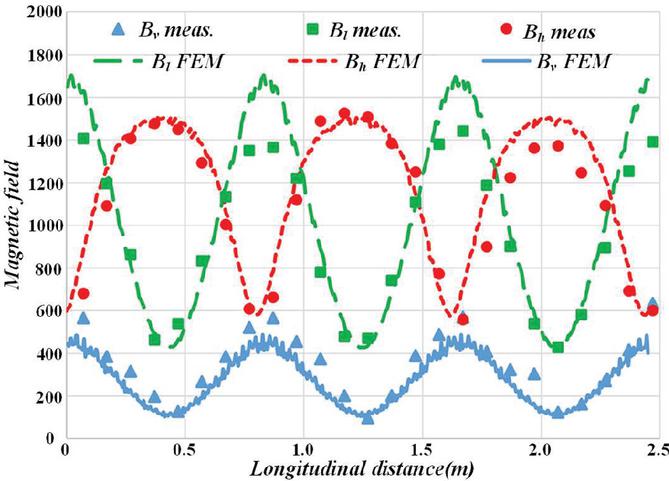
Figure 8 User thermal demand.
With the change of user’s heat demand and peak and valley flat electricity price, the operation status of ground source heat pump, boiler and heat storage tank can be adjusted to ensure user’s demand. In order to meet the effect of automatic operation of the system, this paper takes the equipment controller as the basis, and takes the thermal demand of the system as the constraint condition, and runs the above operation strategy under the premise of ensuring the stable operation of the system. Figure 9 shows the autonomic controller in the “peak-valley flat” scenario. The controller has the functions of timing, adjusting equipment power, controlling equipment start-stop and so on. The controller adjusts the power of each device according to the heat demand curve and the established strategy.
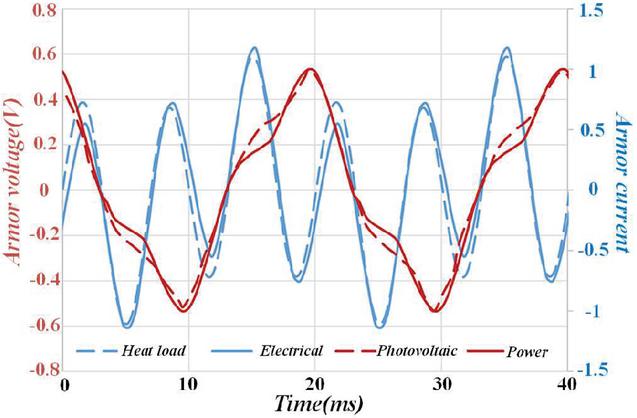
Figure 9 Autonomous controller in the “peak-valley flat” scenario.
The use of new energy can also reduce industrial operating costs and enable enterprises to meet the standards of energy conservation and emission reduction. However, because electricity is not easy to store, the mismatch between power supply and demand has caused many phenomena of “abandoning wind” and “abandoning light”. Realizing electricity-heat conversion through the comprehensive energy system can effectively solve the problems of “abandoning wind” and “abandoning light”.
Utilize the photovoltaic power generation data from a representative working day within the park, along with the park’s heat load requirements, as the basis for addressing the challenge of maximizing renewable energy consumption and minimizing operational costs for enterprises. This optimization involves adjusting the operation of ground source heat pumps, boilers, and heat storage tanks accordingly. The gas turbine is the main power generation equipment in the park, and it has always maintained a rated operating condition. The operation strategy for new energy access scenarios is as follows:
(1) At 0:00-7:00 and 22:00-24:00, the heat demand of the park is provided by boilers and heat storage tanks.
(2) During the period from 7:00 to 18:00, the power of photovoltaic power generation is relatively high at this time, providing electric energy for ground source heat pumps. At this time, the ground source heat pump is turned on and stores heat for the heat storage tank.
Select the photovoltaic power generation power of a typical working day in the park as the new energy access power of the integrated energy system, as shown in Figure 10.
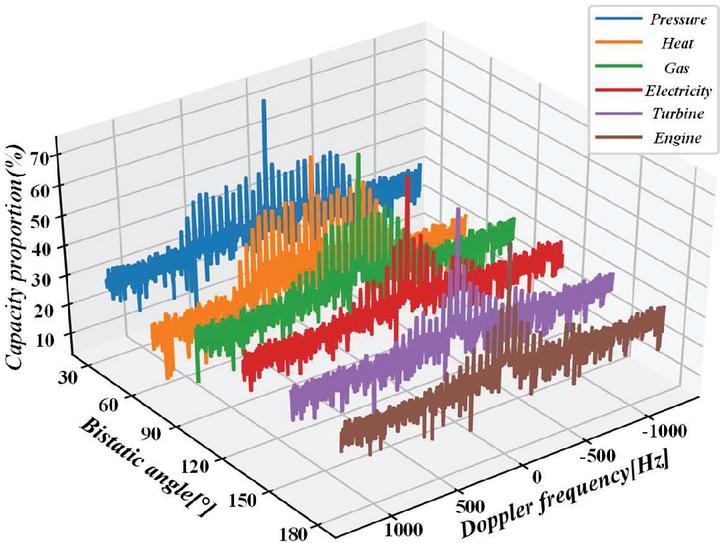
Figure 10 Photovoltaic power curve.
5 Conclusion
Based on the partial differential equation model, this paper makes deep research on the modeling and energy flow calculation method of the integrated energy system. With detailed data analysis, we have come to several notable conclusions.
First of all, in terms of modeling, we successfully integrate the models of power network, thermal network, natural gas network and coupling elements into a unified framework, especially considering the influence of multiple operating modes of compressors. This model can accurately simulate the energy transmission, conversion and storage process in the integrated energy system, especially under the three working modes of constant compressor compression ratio, constant outlet pressure and constant natural gas flow, the accuracy of the calculation results has been significantly improved.
Secondly, in the energy flow calculation method, we adopt the unified solution method and the decomposition solution method, and the two methods are compared and analyzed. Through the calculation of specific data, we find that the non-gradient descent iteration method, the gradient descent iteration method, and the decomposition solution method all have the same calculation accuracy, that is, the calculation results of the three are the same. In terms of computational efficiency, the gradient descent iterative method exhibits pronounced advantages. Precisely, within the same computational environment, it boasts a convergence rate that is approximately 30% quicker than the decomposition solution method, resulting in a reduction of computing time by roughly 25%.
Furthermore, we have derived the Jacobian matrix of the model and introduced an enhanced gradient descent iterative calculation method, which significantly enhances the computational efficiency. This approach not only accelerates the calculation speed but also guarantees the stability and precision of the results. In conclusion, the modeling and energy flow calculation methodology for comprehensive energy systems, rooted in a partial differential equation model, presented in this paper, has attained noteworthy achievements in terms of both accuracy and efficiency. These research results not only provide strong support for the optimal operation of the integrated energy system, but also provide valuable reference for future research in related fields.
References
[1] Brucker, J., Gasper, R., and Bessler, W. G. A grey-box model with neural ordinary differential equations for the slow voltage dynamics of lithium-ion batteries: Application to single-cell experiments. Journal of Power Sources, vol. 614, pp. 234918, 2024.
[2] Chen, X., Wu, X.-N., Feng, J.-C., Wang, Y., Zhang, X.-C., Lin, Y.-L., Wang, B., and Zhang, S. Nonlinear differential equations and their application to evaluating the integrated impacts of multiple parameters on the biochemical safety of drinking water. Journal of Environmental Management, vol. 355, pp. 120493, 2024.
[3] Deng, L., Fu, Y., Guo, Q., Li, Z., Xue, Y., and Zhang, Z. Energy and reserve procurement in integrated electricity and heating system: A high-dimensional covariance matrix approach based on stochastic differential equations. Energy, vol. 304, pp. 132042, 2024.
[4] Jyotish, N. K., Singh, L. K., and Kumar, C. Availability analysis of safety-critical systems of nuclear power plant using ordinary differential equations and reachability graph. Progress in Nuclear Energy, vol. 159, pp. 104624, 2023.
[5] Jyotish, N. K., Singh, L. K., and Kumar, C. Reliability Assessment of Safety-Critical Systems of Nuclear Power Plant using Ordinary Differential Equations and Reachability Graph. Nuclear Engineering and Design, vol. 412, pp. 112469, 2023.
[6] Kim, G., and Heo, G. Solving partial differential equation for atmospheric dispersion of radioactive material using physics-informed neural network. Nuclear Engineering and Technology, vol. 55(6), pp. 2305–2314, 2023.
[7] Kuzhiyil, J. A., Damoulas, T., and Widanage, W. D. Neural equivalent circuit models: Universal differential equations for battery modelling. Applied Energy, vol. 371, pp. 123692, 2024.
[8] Liu, X., Yang, L., and Zhang, Z. The attention-assisted ordinary differential equation networks for short-term probabilistic wind power predictions. Applied Energy, vol. 324, pp. 119794, 2022.
[9] Owoyele, O., and Pal, P. ChemNODE: A neural ordinary differential equations framework for efficient chemical kinetic solvers. Energy and AI, vol. 7, pp. 100118, 2022.
[10] Saini, V., Bhattacharyya, D., Purdy, D., Parker, J., and Boohaker, C. Nonlinear state estimation of a power plant superheater by using the extended Kalman filter for differential algebraic equation systems. Applied Thermal Engineering, vol. 251, pp. 123471, 2024.
[11] Székely, L., Kicsiny, R., Hermanucz, P., and Géczi, G. Explicit analytical solution of a differential equation model for solar heating systems. Solar Energy, vol. 222, pp. 219–229, 2021.
[12] Taboga, V., Gehring, C., Cam, M. L., Dagdougui, H., and Bacon, P.-L. Neural differential equations for temperature control in buildings under demand response programs. Applied Energy, vol. 368, pp. 123433, 2024.
[13] Wang, J., Pang, X., Yin, F., and Yao, J. A deep neural network method for solving partial differential equations with complex boundary in groundwater seepage. Journal of Petroleum Science and Engineering, vol. 209, pp. 109880, 2022.
[14] Arsene, C., and Parisio, A. Deep convolutional neural networks for short-term multi-energy demand prediction of integrated energy systems. International Journal of Electrical Power & Energy Systems, vol. 160, pp. 110111, 2024.
[15] Chen, L., Yang, D., Cai, J., and Yan, Y. Robust optimization based coordinated network and source planning of integrated energy systems. International Journal of Electrical Power & Energy Systems, vol. 157, pp. 109864, 2024.
[16] Chong, Z., Yang, L., Jiang, Y., and Zhou, W. Hybrid-timescale optimal dispatch strategy for electricity and heat integrated energy system considering integrated demand response. Renewable Energy, vol. 232, pp. 121123, 2024.
[17] Hu, C., Li, D., Zhao, W., and Xi, H. Deep reinforcement learning-based scheduling for integrated energy system utilizing retired electric vehicle battery energy storage. Journal of Energy Storage, vol. 97, pp. 112774, 2024.
[18] Hu, R., Zhou, K., Yang, J., and Yin, H. Management of resilient urban integrated energy system: State-of-the-art and future directions. Journal of Environmental Management, vol. 363, pp. 121318, 2024.
[19] Liang, T., Zhang, X., Tan, J., Jing, Y., and Liangnian, L. Deep reinforcement learning-based optimal scheduling of integrated energy systems for electricity, heat, and hydrogen storage. Electric Power Systems Research, vol. 233, pp. 110480, 2024.
[20] Lin, S., Zhou, J., Tan, J., and Wu, Q. CVaR-based planning of park-level integrated energy system considering extreme scenarios of energy prices. International Journal of Electrical Power & Energy Systems, vol. 159, pp. 110001, 2024.
[21] Liu, X., Zu, L., Wei, Z., Wang, Y., Pan, Z., Xiao, G., and Jenkins, N. Two-layer optimal scheduling of integrated electric-hydrogen energy system with seasonal energy storage. International Journal of Hydrogen Energy, vol. 82, pp. 1131–1145, 2024.
[22] Mullanu, S., Chua, C., Molnar, A., and Yavari, A. Artificial intelligence for hydrogen-enabled integrated energy systems: A systematic review. International Journal of Hydrogen Energy, 2024.
[23] Shao, Y., Wang, J., Ding, J., and Zhang, Y. Stochastic scheduling optimization of integrated energy system based on hybrid power to gas and hydrogen injection into gas grid. International Journal of Hydrogen Energy, vol. 80, pp. 381–393, 2024.
[24] Wang, C., Chen, S., Zhao, J., Zhou, Y., Wei, Z., and Zheng, S. Coordinated scheduling of integrated electricity, heat, and hydrogen systems considering energy storage in heat and hydrogen pipelines. Journal of Energy Storage, vol. 85, pp. 111034, 2024.
[25] Wang, J. L., Yan, T., and Pan, W. G. Design and evaluation of integrated energy system combining solar energy and compressed-air energy storage. Renewable Energy, vol. 232, pp. 121068, 2024.
[26] Wang, L. L., Xian, R. C., Jiao, P. H., Chen, J. J., Chen, Y., and Liu, H. G. Multi-timescale optimization of integrated energy system with diversified utilization of hydrogen energy under the coupling of green certificate and carbon trading. Renewable Energy, vol. 228, pp. 120597, 2024.
[27] Yu, J., Chen, L., Wang, Q., Zhang, X., and Sun, Q. Towards sustainable regional energy solutions: An optimized operational model for integrated energy systems with price-responsive planning. Energy, vol. 305, pp. 132278, 2024.
[28] Zhao, Y., Yang, Z., Guo, Y., Song, H., and Sun, H. An optimal dispatch strategy of off-grid park integrated energy system considering source volatility. Energy Reports, vol. 12, pp. 1597–1607, 2024.
Biography
Xiaofeng Xu, A Master of Department of Computational Applied Mathematics and Operations Research, Rice University; Houston, United States. And main research areas include model building, data analysis, etc.
Strategic Planning for Energy and the Environment, Vol. 43_4, 979–1006.
doi: 10.13052/spee1048-5236.4349
© 2024 River Publishers