Measuring Cultural Intensity in Urban and Rural Areas in Greece
Konstantinos Chalioris1,*, Roido Mitoula1, Anastasia-Aspasia Gospodini2 and Maria Manola3
1Department of Economics and Sustainable Development, School of Environment, Geography and Applied Economics, Harokopio University (HUA), Attica, Greece
2Department of Planning and Regional Development, University of Thessaly, Volos, Greece
3Department of Tourism Management, University of West Attica, Attica, Greece
E-mail: kchalioris@hua.gr
*Corresponding Author
Received 10 February 2025; Accepted 06 May 2025
Abstract
This study examines cultural participation in urban and rural areas of Greece, analyzing engagement levels, preferences, and barriers to access. Using survey data, we assess how factors such as geography, age, gender, and employment status influence cultural engagement. The Cultural Intensity Index reveals significant disparities in participation, with younger individuals and students displaying higher engagement. An ANOVA analysis confirms that regional and demographic differences play a crucial role in shaping cultural behaviors. Comparisons with Barcelona’s cultural survey further illustrate the impact of socioeconomic inequalities on participation. The study emphasizes the need for targeted cultural policies that promote accessibility, inclusivity, and equitable distribution of cultural opportunities across Greece.
Keywords: Cultural intensity index, cultural policy, cultural engagement, sustainability, socioeconomic factors, cultural development.
1 Introduction
In recent years, we have increasingly encountered the concept of “sustainability” in various contexts, such as “sustainable situations,” “sustainable debt,” and “sustainable development.” Even though the word means different things, it seems perfectly fine to use it. This may be because when we use the term “sustainability,” we implicitly refer to actions we take in the present that do not pose a threat to the future. On this basis, the concept of sustainable development is defined. In the present, it meets our needs without compromising future generations’ ability to do so. In September 2015, the United Nations General Assembly adopted the 2030 Agenda for Sustainable Development, which would constitute the global plan for sustainable development by 2030. We are considering whether the concept of culture has a place in sustainable development. We note that there is not a single Sustainable Development Goal (SDG) that is directly related to culture; the final agenda makes many direct references to cultural elements. But what does the word “culture” mean so that we can think about it in terms of both sustainable development and an economic model? According to UNESCO’s definition: “Culture is the set of distinctive spiritual, material, intellectual, and emotional features of society or a social group, and it encompasses, in addition to art and literature, lifestyles, ways of living together, value systems, traditions, and beliefs.” In our attempt to demonstrate that the concept of “culture” is not easily defined (OECD, Culture and Local Development, 2015), we searched further for definitions. What we found affirms that culture is a broad and multifaceted concept with various definitions depending on the field of study or context. Here are several definitions of culture, depending on the discipline. For example, in
1. anthropology, culture refers to the beliefs, customs, values, practices, and social behavior of a particular nation, people, or other social group. It includes language, art, rituals, and other forms of human expression passed down from generation to generation. E.B. Tylor (19th-century anthropologist) states that “Culture, or civilization, taken in its broad, ethnographic sense, is that complex whole which includes knowledge, belief, art, morals, law, custom, and any other capabilities and habits acquired by man as a member of society,”
2. sociology, culture is the sum of the shared attitudes, values, goals, and practices that characterize a group or society. It encompasses both material aspects (like tools, architecture) and non-material aspects (such as norms, laws, and institutions),
3. cultural studies, culture is viewed as a dynamic process of shared meanings and practices that are continuously being produced and reproduced in everyday life. It involves the ways in which societies create and interpret symbols, texts, and practices,
4. a business context, corporate culture refers to the shared values, attitudes, standards, and behaviors that characterize the functioning of an organization. It influences decisions, work environments, and relationships among employees.
Having said all of these, it is clear that culture is a dynamic and multifaceted concept that takes on different meanings across disciplines, reflecting societal beliefs and traditions (anthropology), influences on both material and non-material (sociology), the creation and interpretation of meaning (cultural studies), or shaping organizational values and practices (business). Regardless of these differing perspectives, culture has a universal influence on human interactions and collective identity, emphasizing the various ways people interact with their social and physical contexts.
We note that indeed, culture cannot be defined unambiguously, but it is related to the SDGs, and we will try to look at it in an even more specific context: that of culture and local development, especially after the decline or disappearance of large traditional industries at the end of the last century. The latter was replaced by cultural tourism, or, differently, by cultural activities that in multiple ways contribute to local development while meeting some of the needs of the residents. With all of this in mind, the purpose of this study is to examine the engagement in cultural activities in urban and rural areas.1 To this end, we run a questionnaire covering Athens, which is the Greek capital, and several rural areas in Greece. The questionnaire was initially used by Barcelona by the local government to map the cultural needs. Moreover, we identify how the respondents perceive participation in cultural activities and what their needs are for more or other cultural activities.
The rest of the paper is organized as follows: Section 2 discusses the concept of culture and its importance. Section 3 describes the questionnaire and the findings regarding Barcelona. Section 4 analyzes the findings of the questionnaire in Greece, and Section 5 compares the results between urban and rural areas. Section 6 introduces the cultural participation index, depicts the ANOVA test results, and includes relevant discussion. Finally, section 7 concludes.
2 The Importance of Culture
2.1 The role of culture in local development and sustainability
Culture serves as a vital catalyst for local development by creating jobs, generating economic value, and enhancing quality of life. The Organisation for Economic Cooperation and Development (OECD)2 emphasizes that cultural and creative sectors are key drivers of development, generating wealth, creating jobs, and spurring innovation, thereby making places more attractive to live, work, and invest in.
Identifying and valorizing cultural assets-such as libraries, civic centers, parks, schools, and other traditional and non-traditional spaces-contributes to building a positive image of a place or region. The Urban Institute’s Arts and Culture Indicators Project (ACIP) highlights that cultural vitality, evidenced by the presence of cultural assets and activities, plays a significant role in community development and enhances the quality of life (see, for example, [13]).
Investments in cultural infrastructure, including libraries and civic centers, have been shown to engage residents and attract visitors, thereby contributing to local economic development. A report by the Michigan State University3 emphasizes that such cultural investments can revitalize communities, promote social interaction, and stimulate economic growth. Furthermore, the National Governors Association reports4 that through the creative industries, states have an opportunity to create jobs, attract investments, generate tax revenues, and stimulate local economies. By leveraging these cultural assets, communities can attract residents, visitors, and innovators, thereby fostering economic development and improving the overall quality of life.
However, while cultural investments stimulate economic growth, they also pose challenges such as gentrification, displacement of artistic communities, and reliance on political funding. Participants in cultural initiatives often criticize the lack of political will and the limited capacity of decision-makers to incorporate culture into development strategies. They also highlight the passivity within the cultural sector, which frequently depends on government subsidies. Without a strong value system, culture can be at risk of instrumentalization, leading to cultural homogenization, exclusion, or even security concerns.
The role of culture in urban regeneration and rural development is well-documented in academic literature (see, for example, [11, 10]). In urban contexts, culture-led regeneration has been instrumental in revitalizing decayed neighborhoods, transforming them into vibrant cultural hubs such as museums, galleries, and performance venues. These initiatives attract visitors, stimulate local economies, and create employment opportunities. Additionally, [11] discuss how culture-led regeneration has become a feature of cities seeking to revive former industrial and waterfront sites, emphasizing its impact on economic and social revitalization.
Yet, urban revitalization programs can lead to rising property values and living costs, making gentrification a major cultural development issue (see, for example, [17]). Investment in cultural infrastructure can improve communities but also displace local artists and grassroots cultural projects. As wealthier individuals and corporations move into formerly affordable regions, cultural manifestations risk becoming more commercialized, catering to new demographics while eroding local customs. This shift replaces community-driven activities with market-driven cultural products, threatening cultural authenticity and diversity. Moreover, independent artists, small cultural organizations, and alternative creative hubs struggle to afford increasing rents in gentrifying neighborhoods, reducing artistic experimentation and diversity. Policymakers must balance economic growth and cultural preservation by implementing safeguards such as rent controls for cultural spaces or zoning protections for artist communities.
Another significant challenge is the reliance of cultural institutions on government funding. While public support is essential for sustaining cultural initiatives, it also makes cultural organizations vulnerable to political agendas and economic downturns. Governments may allocate funding based on ideological priorities, favoring projects aligned with their values while marginalizing alternative or critical artistic expressions. This dependency can limit artistic freedom, leading to self-censorship among cultural practitioners who fear losing financial support. Furthermore, cultural sectors are frequently among the first to experience funding reductions during financial crises, threatening the stability of artistic institutions and initiatives. The Greek financial crisis demonstrated the vulnerability of publicly funded cultural organizations, as austerity measures led to drastic budget cuts, forcing many institutions to close or seek alternative revenue streams ([30]).
Over-reliance on public funding discourages cultural organizations from developing diversified financial strategies. While government support is necessary, private sponsorships, philanthropic grants, and community-driven financial models can provide greater financial resilience. Cultural institutions that cultivate partnerships with businesses, foundations, and local communities are better equipped to sustain their activities despite fluctuations in public funding.
In rural areas, the preservation of intangible cultural heritage-such as traditional crafts, practices, and customs-plays a significant role in promoting tourism and generating employment. [4] examine how intangible cultural heritage can promote sustainable rural development by creating value for rural communities, highlighting the importance of cultural activities in attracting visitors and stimulating local businesses. Investing in cultural infrastructure, especially in rural regions, is equally essential. According to the National Governors Association,5 improving a state’s cultural and creative partnership infrastructure can boost community participation and economic growth. Community-driven projects are critical to increasing local cultural involvement. The Council of Europe highlights the need to identify barriers to citizen participation and find solutions to promote involvement in cultural heritage governance. Furthermore, incorporating arts and culture into broader community development strategies can enhance social equity and economic growth. PolicyLink6 emphasizes the utilization of arts and culture as a means to deliver development that aligns with the priorities of low-income communities, fostering inclusive and equitable growth.
From a policy perspective, the European Union (EU) has implemented several measures to promote cultural activities across its member states. A cornerstone of these efforts is the Creative Europe programme, which aims to support the cultural, creative, and audiovisual sectors. In addition to Creative Europe, the EU has established a Strategic Framework for Cultural Policy,7 which outlines the Union’s approach to cultural heritage and activities. This framework emphasizes the integration of culture into various policy areas, including education, innovation, and regional development. It also highlights the importance of cultural heritage in fostering social cohesion and a shared European identity. Furthermore, the European Framework for Action on Cultural Heritage, introduced in December 2018, builds upon the successes of the European Year of Cultural Heritage 2018. This framework ensures a lasting impact by promoting and safeguarding cultural heritage across Europe. These initiatives reflect the EU’s commitment to preserving its rich cultural heritage and promoting cultural activities, recognizing their vital role in fostering social cohesion, diversity, and economic growth.
2.2 Cultural diplomacy and festivals
Cultural diplomacy serves a range of purposes, from advancing economic and commercial interests to fostering bilateral relations and reducing tensions during conflict. It involves diverse actors such as artists, academics, government officials, and cultural institutions ([6, 19, 18]). As a tool for enhancing soft power ([5]), cultural diplomacy relies on two-way communication and cultural exchanges ([20]). Cities, as dynamic intersections of place, space, and people, provide fertile ground for the development of political, social, and cultural institutions. The interaction between cities and culture shapes the public sphere and influences their national and international portrayal ([3]).
Festivals, as centers of artistic and social expression, play a critical role in fostering transnational exchanges and advancing cultural diplomacy ([9, 12, 14, 24, 20]). Research primarily focuses on festivals’ roles in events, tourism, and leisure ([25, 29, 1, 21, 22]) or their contribution to cultural diplomacy through cinema ([16, 27, 28]). However, the role of festivals in smaller cities and their contributions to cultural diplomacy in areas like theater and music remain underexplored ([9]). Moreover, festivals contribute to social capital by fostering community cohesion, leveraging local networks, and providing platforms for diverse voices ([1, 7, 23]). Their economic and cultural significance has been recognized by the European Commission (2011), which highlights their impact on tourism and city branding. As dynamic sites for cultural diplomacy, festivals enable states, private actors, and civil society to negotiate and express cultural power through discourse and practice ([8]).
3 Cultural Needs in Barcelona
Athens and Barcelona are two Mediterranean cities rich in cultural heritage, each offering unique experiences to their citizens. Athens, the cradle of Western civilization, is deeply rooted in history, with iconic landmarks such as the Acropolis, the Ancient Agora, and countless archaeological sites that serve as a constant reminder of its classical past. The city’s cultural life revolves around open-air theaters, traditional music, and philosophical discourse, blending antiquity with contemporary artistic expression. Meanwhile, Barcelona is a city where modernism and Catalan identity shape its cultural landscape. From Antoni Gaudí’s surreal architectural masterpieces like the Sagrada Família to the vibrant street performances along La Rambla, the city pulsates with artistic energy. Museums such as the Museu Picasso and the Joan Miró Foundation celebrate Barcelona’s avant-garde contributions, while its strong literary tradition and festivals like La Mercè highlight the dynamic cultural life. Both cities embrace their histories while fostering innovation, offering residents a deep sense of identity through architecture, art, and communal celebrations. Initiatives related to culture are present in both cities. For example, in Athens, the “Culture is Athens”8 initiative offers free educational programs and workshops for children aged 6–12 at Creative Learning Centers, such as the Neos Kosmos Cultural Centre. Additionally, the city’s dynamic urban culture includes open-air festivals and street art, providing residents with diverse cultural experiences.9 Similarly, Barcelona’s extensive network of civic and social centers offers a wide range of activities, from cookery and IT classes to concerts and dance lessons, fostering community engagement and cultural enrichment.10 Moreover, the city’s alternative cultural spaces, such as Nau Ivanow and Miscelánea, provide platforms for contemporary art, music, and collaborative projects, enriching the cultural landscape for locals.11
In 2020, the results of the first survey on cultural participation and needs in Barcelona12 highlight a broad spectrum of engagement with cultural activities, encompassing both legitimate and non-legitimate cultural activities. The distinction between legitimate and non-legitimate cultural activities follows the definition given by Bourdieu in his seminal work [2], who explored how cultural tastes and dispositions serve as markers of social distinction and power. According to Bourdieu, legitimate cultural activities are institutionalized forms of participation, whereas broader cultural practices include informal or community-driven engagement. Bourdieu theorized that society is divided into various “fields,” such as art, education, and politics, each with its set of norms and hierarchies. Within these fields, certain cultural forms are deemed legitimate and are often aligned with the tastes and practices of the dominant social classes. For example, classical music, fine arts, and literature are typically considered part of legitimate culture, as they are upheld by institutions like universities and academies. This institutional endorsement confers a sense of authority and superiority to these cultural forms. Bourdieu also introduced the concept of cultural capital, which he defined as familiarity with the legitimate culture within a society-what might be termed “high culture.” This form of capital includes knowledge, skills, and education that provide individuals with a higher status in society. Families often transmit cultural capital to their children by exposing them to various cultural experiences, such as visiting museums, attending concerts, or discussing literature and art. It’s important to note that legitimate culture is not inherently superior but is constructed as such through social processes that reflect and reinforce existing power dynamics. By valuing certain cultural practices over others, societies perpetuate social stratification, as those who possess cultural capital aligned with legitimate culture are more likely to access opportunities and resources. To identify the engagement in non-legitimate cultural activities, the questionnaire engages questions asking specifically about the involvement in the following activities: “walking around the city,” “going to restaurants, bars, etc.,” “walking in nature,” “going to fairs and markets,” “doing sports and playing group games,” “participation in traditional or popular events,” “activities related to arts, crafts, woodwork, etc.,” “storytelling,” “discos, clubs, dance halls, etc.,” and “participation in religious and spiritual activities.” Based on the answers we received, it is found that while 62% of residents frequently access legitimate cultural activities and 40% participate in cultural practices, significant gaps remain, with 38% never engaging in legitimate culture and 60% avoiding cultural practices altogether. Digital cultural participation is particularly limited, with only a small fraction of the population sharing their creative works online. Additionally, collective participation appears constrained, as 38.5% of respondents do not engage in any group cultural activities. These findings highlight persistent inequalities in cultural access, reinforcing the argument that institutional recognition of culture plays a crucial role in shaping participation patterns. Future policies should aim to democratize cultural engagement by providing equitable access to both legitimate and non-legitimate cultural activities. Addressing these disparities requires policies that promote inclusivity in both legitimate and non-legitimate cultural activities.
3.1 Inequalities in cultural participation
The survey reveals stark inequalities in cultural participation influenced by socioeconomic and demographic factors such as neighborhood income, gender, age, education, and origin. Residents of low-income neighborhoods face greater barriers to accessing legitimate cultural activities compared to those in middle- and high-income areas. This “postcode effect” underscores the territorial inequities that limit cultural access for economically disadvantaged groups.
Gender differences are also evident. Women are more likely to participate in social entities and community-focused activities, while men often engage in sports clubs. These patterns reflect broader societal norms, with women’s higher engagement in cultural activities linked to traditional roles emphasizing community and caretaking. Age further shapes participation, as older individuals are less involved in cultural activities and collective entities, while younger participants show a preference for non-legitimate cultural expressions such as alternative artistic practices. Policies that nurture these interests could strengthen youth engagement in meaningful cultural activities.
Education level is a significant driver of cultural participation, with higher educational attainment correlating with greater involvement in legitimate culture. Non-EU nationals, meanwhile, exhibit lower participation in legitimate cultural activities but are more equitably engaged in non-legitimate cultural activities such as community festivals. Family influence emerges as a critical factor, particularly the role of mothers in fostering their children’s cultural engagement. Children whose mothers actively participate in cultural activities are more likely to exhibit similar interests and needs.
3.2 Cultural needs and values
The survey highlights widespread cultural aspirations among Barcelona’s residents. A notable 83% of respondents express a desire to engage more in non-legitimate cultural activities, while 72% show similar interest in legitimate cultural activities. However, 38% perceive themselves as participating less than their peers, suggesting that self-perceptions and social comparisons may discourage greater engagement. Addressing these perceptions through targeted awareness campaigns could help shift behaviors and improve participation rates.
The findings also underscore the importance of arts education, with half the population reporting some form of artistic or cultural training. Education not only fosters cultural engagement but also shapes aspirations, as those with higher education levels demonstrate broader cultural needs. Initiatives like the FUSE project in Ireland and Artesania de Catalunya in Spain highlight the potential of innovative programs to bridge educational gaps and enhance cultural participation in underserved communities.
Public cultural institutions are highly valued, with libraries and civic centers playing a pivotal role in community life. Respondents indicate that the closure of these spaces would significantly impact both individuals and the broader community, underscoring their public value. Arts education in schools is similarly regarded, receiving an average importance score of 8.9 out of 10.
3.3 Barriers and opportunities
Cost remains the most significant barrier to cultural participation, highlighting the need for subsidized programs or free access to cultural activities. Geographic accessibility is another critical factor; ensuring a more equitable distribution of cultural opportunities across neighborhoods could address territorial disparities. Personal interests also play a key role in participation, emphasizing the importance of tailoring programs to reflect the diverse needs of the community. Additionally, the presence of family or friends in cultural activities boosts engagement, pointing to the value of communal experiences.
Community-driven initiatives that address these barriers can foster greater inclusion. By prioritizing affordability, accessibility, and diversity, Barcelona can create a more equitable cultural landscape. Addressing income-based and territorial inequalities, fostering gender- and age-sensitive programs, and supporting underrepresented groups will collectively enhance cultural participation and satisfaction.
4 Survey Analysis
We conducted the survey using Google Forms, reaching participants through a combination of targeted distribution strategies to ensure demographic diversity. Undergraduates from an Athens university, where students from all over the country study, played an important part in achieving diversity. They, in turn, distributed the questionnaire link via email and social media (mostly Facebook) to their family and fellow villagers. To ensure representativeness, the questionnaire was distributed via a variety of online channels, including social media groups, community forums, and professional networks, with the goal of reaching people of all ages, genders, education levels, and geographic locations. We tracked response rates in real time and, as needed, increased outreach efforts to balance underrepresented demographic groups. To further validate the sample’s representativeness, key demographic variables of respondents were tracked (such as age, gender, and education).
While voluntary online surveys include some self-selection bias, monitoring allowed us to improve the generalizability of our findings.
We received a total of 1502 responses, with 899 responses from females and 575 responses from males. The remaining respondents did not answer to the question. The responses were received from 68 municipalities, with the majority of them located in the prefecture of Attica. Therefore, if we divide the responses into those within and outside of Attica, we obtain 1026 and 476, respectively. We also asked about the duration of their residency in the municipality. The category with the biggest frequency was “more than 10 years” (1076 responses), followed by “4–9 years” (178 responses) and “1–3 years” (159 responses). Seventy-eight respondents replied, “Less than a year.”. As for the age of the respondents, we have received 185 responses from individuals between the ages of 16 and 24, 76 from individuals between the ages of 25 and 34, 119 from individuals between the ages of 35 and 44, 187 from individuals between the ages of 45 and 54, 93 from individuals between the ages of 55 and 64, and 22 from individuals over the age of 65. Additionally, eight individuals were under the age of 16, and three declined to respond. Regarding their current work situation, 485 are students or undergraduates, 367 are private sector servants, 322 are public servants, 118 are self-employed, 77 perform unpaid household tasks, 76 are unemployed, and 46 did not answer the question.
Figure 1 shows the percentages of those who would like to participate in a club. 31% choose to participate in a sports club, probably because of the popularity and the accessibility of sports. Sports clubs often attract a high number of participants due to their physical and social benefits. For example, they offer structured activities, competition, and camaraderie, making them appealing to a broad audience.
Moreover, many educational institutions and communities actively promote sports participation, and the rise of health consciousness may also encourage people to join sports-related groups. Artistic or cultural clubs (28%) provide creative outlets for individuals interested in music, theater, dance, painting, and other cultural activities. These clubs allow for self-expression and personal development, which may appeal to those who prefer non-competitive activities, and they also tend to attract people with specific talents or aspirations in the arts. 28% in an artistic or cultural club, 19% in a group where there will be a group activity, and in smaller percentages, participation in a social group or intellectual club (14% and 7% respectively). Groups centered around a specific activity, which are favored by the 19% of the respondents, may appeal to those who enjoy collaboration and shared experiences. These could include hobbies like hiking, board games, or volunteering, which provide structured yet informal socialization opportunities. Finally, we identified lower participation in social and intellectual clubs. Social clubs (14%) may have lower participation because informal socializing is already integrated into everyday life through friendships, workplaces, or online interactions. On the other hand, intellectual clubs (7%)-such as book clubs, philosophy discussion groups, or debate societies-may appeal to a niche audience that enjoys deep discussions and academic-style engagement. Intellectual engagement often requires commitment and effort, which might deter casual participants. Additionally, to identify the importance of culture at the neighborhood level, we asked the questions “Would it bother you if your local neighborhood library closed?” and “Would it bother you if your neighborhood cultural center closed?”. The results, as they are shown in Figure 2, show that the cultural activity at the neighborhood level is important, as well as at the border.
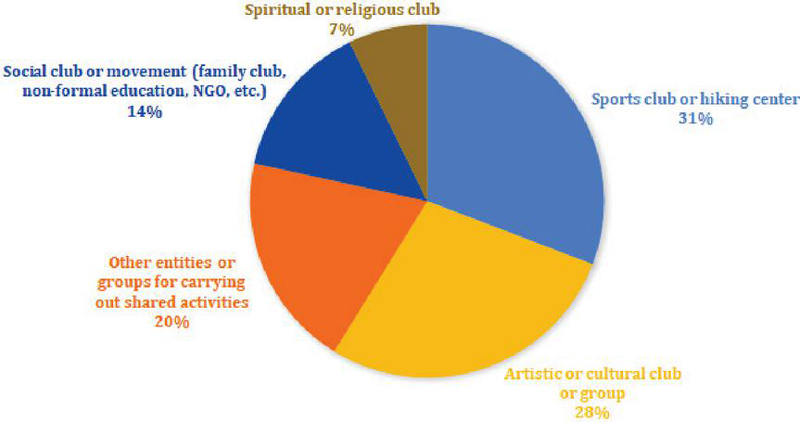
Figure 1 Responses obtained to the question: “Which of the group(s) would you participate in?”.
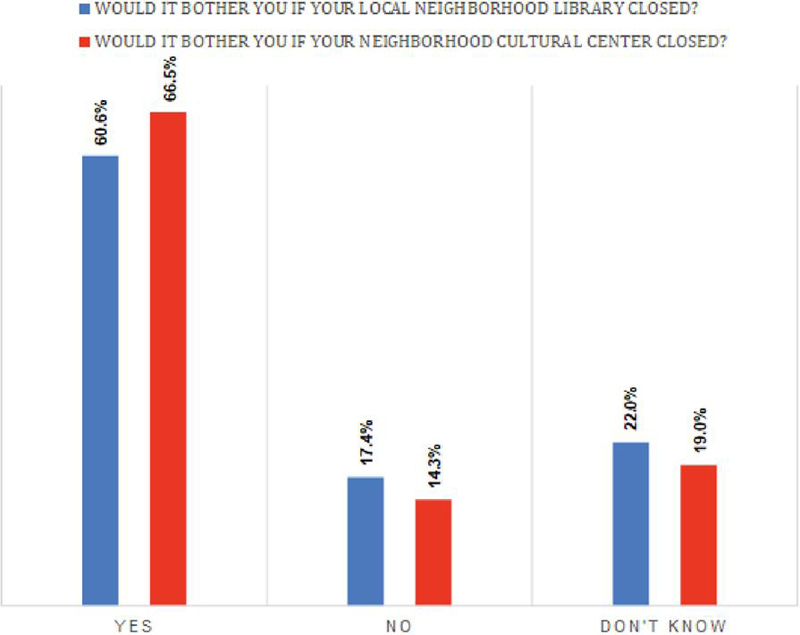
Figure 2 Responses obtained to the question: “Would you be bothered if…”.
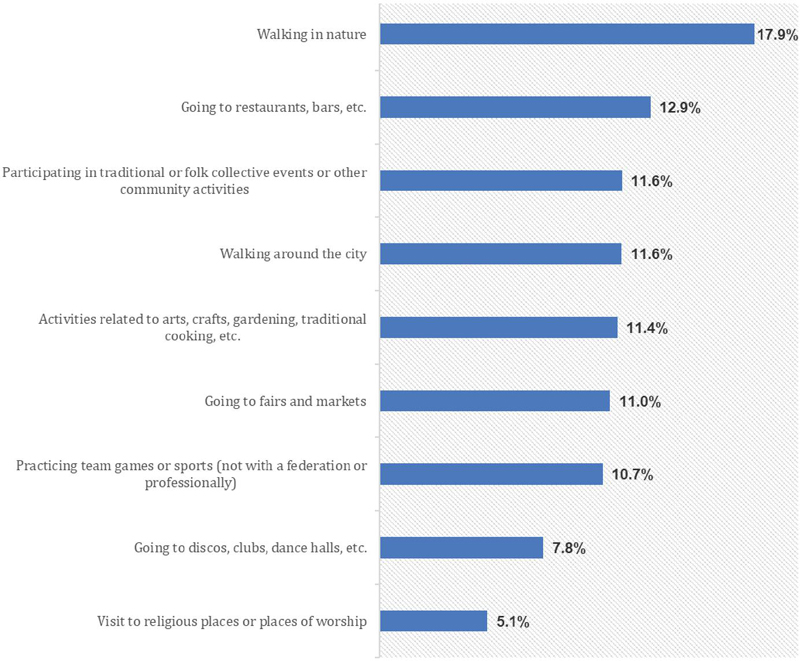
Figure 3 Responses obtained to the question: “Would you like to spend more time doing any of the activities?”.
Figure 3 presents the responses to the question about whether individuals would like to spend more time engaging in various activities reveals notable differences in preferences. The most desired activity is walking in nature, with 17.9% of respondents expressing a wish to do so more often, suggesting a strong interest in outdoor and recreational experiences. Social activities such as going to restaurants, bars, and cafés also rank high, with 12.9% of people wanting to increase their participation, reflecting the importance of socializing in everyday life. Traditional and cultural activities, including participating in folk events (11.6%) and engaging in arts, crafts, and gardening (11.4%), also receive considerable interest, highlighting an appreciation for heritage and creative pastimes. Similarly, walking around the city (11.6%) and visiting fairs and markets (11.0%) indicate a desire for exploration and engagement in local culture. Meanwhile, 10.7% of respondents wish to spend more time practicing team sports recreationally, suggesting a moderate interest in physical activities outside of professional or organized sports settings. Nightlife activities, such as going to discos or dance halls, are less popular, with only 7.8% wanting to engage in them more frequently. Finally, visits to religious places or places of worship receive the least interest, with just 5.1% of respondents indicating a desire to increase their participation. These results suggest that people generally prioritize outdoor, social, and cultural activities over religious or nightlife engagements when considering how they would like to allocate their leisure time.
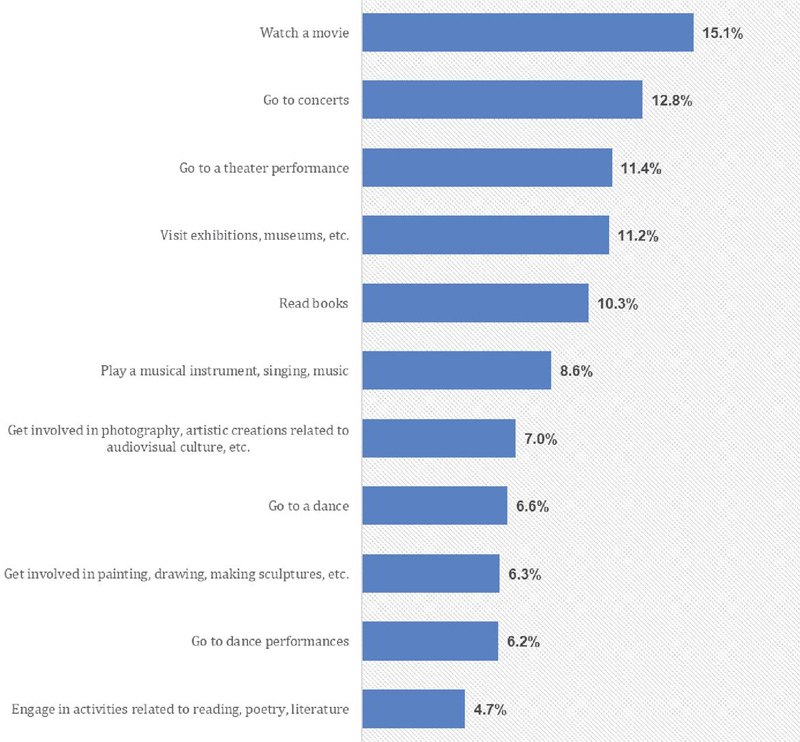
Figure 4 Responses obtained to the question: “Do you think you participate in cultural activities more or less than others your age?”.
Figure 4 shows the responses to the question about cultural participation in comparison to others of the same age revealing a varied level of engagement across different activities. Watching movies emerges as the most common cultural activity, with 15.1% of respondents believing they engage in it more than their peers, suggesting that film remains a widely accessible and popular form of entertainment. Concert attendance follows at 12.8%, reflecting a strong interest in live music events. Theater performances (11.4%) and visits to exhibitions and museums (11.2%) also rank high, indicating a significant portion of respondents see themselves as more engaged in performing and visual arts than their counterparts. Reading books, an individual cultural activity, is recognized by 10.3% of respondents, emphasizing the role of literature in personal enrichment. Musical practice, including playing an instrument or singing, is noted by 8.6%, while activities related to audiovisual culture, such as photography and artistic creations, stand at 7.0%. Participation in dance-related activities, whether attending performances (6.2%) or going to a dance (6.6%), remains moderate. Meanwhile, active involvement in the visual arts, including painting, drawing, and sculpture, is acknowledged by 6.3% of respondents. Finally, only 4.7% feel they engage in reading, poetry, or literature-based activities more than their peers, making it the least recognized area of increased participation. These findings suggest that while film, music, and performing arts are common cultural interests, more specialized or creative pursuits such as literature and fine arts see comparatively lower levels of engagement relative to others of the same age group.
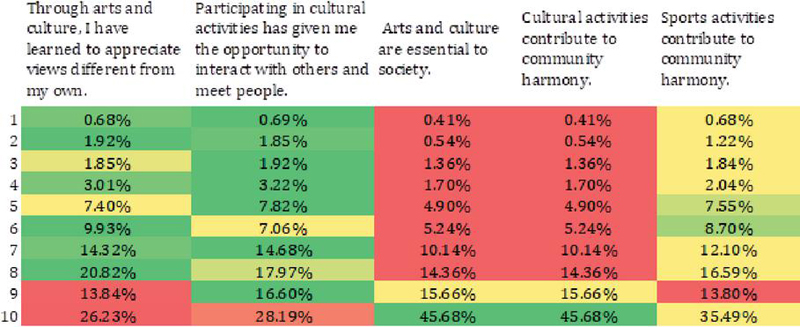
Figure 5 Responses obtained to the question: “Could you tell me to what extent you agree with the following statements? (0: Totally disagree, 10: Totally agree)”.
Additionally, the results demonstrate a strong overall agreement with the statements regarding the impact of arts, culture, and sports on individuals and society (Figure 5). The highest levels of agreement, represented by a score of 10, show that 26.23% of respondents believe that arts and culture have helped them appreciate different perspectives, while an even higher 28.19% acknowledge that cultural activities provide opportunities to interact with others. The strongest consensus is found in the belief that arts and culture are essential to society, with 45.68% of respondents rating it at the highest level, mirroring the same percentage for the role of cultural activities in promoting community harmony. Although sports are also recognized as contributing to community harmony, with 35.49% of respondents strongly agreeing, this percentage is slightly lower than that for cultural activities. Mid-range responses (scores 5–8) further support the overall trend, indicating that the majority of respondents lean toward agreement. Lower levels of disagreement (scores 1–4) suggest that only a small portion of participants fail to see the benefits of arts, culture, and sports, reinforcing the widespread acknowledgment of their positive impact.
5 Cultural Preferences and Participation in Urban and Rural Areas
5.1 The Role of Public and Natural Spaces
The questionnaire proceeds to monitor the way that the respondents understand the cultural activities, their preferences, and their needs. To record those, the first question asked is: “What are the 3 most important places for cultural life in a neighborhood for you?”, and the possible answers are: art or music school, bookstore, café or bar, cinema, club, community center, concert venue, cultural center, elementary/secondary/kindergarten, exhibition space or museum, library, neighborhood, park or beach, religious center, senior center, shopping mall, square, theater, and “other.”
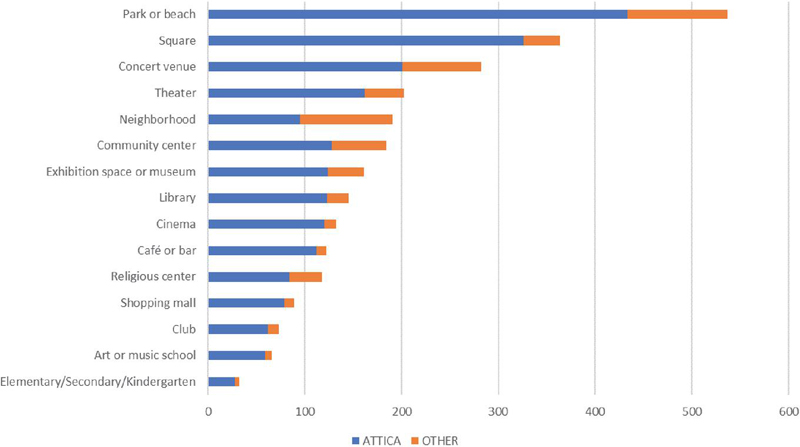
Figure 6 Responses obtained to the question: “What are the 3 most important places for cultural life in a neighborhood for you?”.
Figure 6 shows the popularity of each. The park or the beach are the most important places for cultural life, followed by the neighborhood square, the second most popular. Let us here discuss the cultural life preferences in urban and rural areas, through a structured comparison of the results between urban and rural areas, analyzing the key differences and patterns in cultural space preferences.
Public spaces, such as “parks, beaches, and squares”, hold significant importance in both urban and rural settings. In urban areas, “parks and beaches” received the highest number of mentions (20.3%), followed by “squares” (15.3%). These findings suggest that city residents rely heavily on open spaces for cultural and social activities, likely due to the dense built environment and limited access to private outdoor areas. In contrast, in rural areas, parks and beaches remain the most valued spaces (18.4%), but squares are much less prominent (6.8%). The lower emphasis on squares in rural settings may indicate that cultural life is more decentralized, with interactions occurring directly within neighborhoods rather than in designated public spaces.
5.2 Neighborhood as a Cultural Hub
One of the most notable differences between urban and rural respondents is the emphasis on the “neighborhood” as a cultural space. The difference in the percentages suggests that while cities offer a wider variety of cultural venues, local neighborhoods still play a key role in fostering cultural interactions. In rural areas, where formal cultural institutions are fewer, the neighborhood might serve as an essential hub for social life, reinforcing community bonds and informal gatherings.
5.3 Institutional and Formal Cultural Spaces
Urban residents showed a much stronger preference for “structured cultural spaces”, such as “concert venues (9.4%)”, “theaters (7.6%)”, “exhibition spaces or museums (5.8%)”, and libraries (5.8%). These spaces are also prominent in rural areas, where “concert venues” received 14.4%, “theaters” 7.1%, “exhibition spaces or museums” 6.6%, and, “libraries” 3.9%. The availability of these institutions in cities likely explains this trend, as urban areas provide a greater variety of cultural activities, performances, and public events. Rural residents, although may have limited access to these venues, they are assumed central to their cultural experience.
5.4 The Importance of Community and Religious Centers
In rural areas, “community centers” (10%) and “religious centers” (6.1%) play a crucial role in cultural life. While community centers were also recognized in urban areas (6%), religious centers were more prominent in rural settings. This difference suggests that, in rural communities, these spaces may serve as essential gathering points, not only for religious activities but also for social and cultural events. In contrast, urban cultural life appears to be more secular and dispersed across various entertainment and artistic venues.
5.5 The Presence of Commercial and Social Gathering Spaces
Urban respondents identified “café or bar” (5.2%) as key cultural spaces, while their rural counterparts mentioned them far less (1.8%). This contrast highlights the role of informal social venues in urban cultural life, where cafés and bars often serve as meeting points for discussions, artistic performances, and networking. Similarly, “shopping malls” were more commonly chosen in urban areas (3.7%) than in rural areas (1.8%), reflecting differences in commercial infrastructure and consumer behavior. In cities, malls often double as cultural and recreational spaces, hosting events, exhibitions, and entertainment options, whereas in rural areas, they are less accessible or relevant to cultural activities.
5.6 The Influence of Accessibility on Cultural Preferences
One of the most striking observations from the dataset is how “accessibility shapes cultural life”. Urban respondents had higher participation in a diverse range of cultural venues, while rural respondents emphasized more “local and informal gathering spaces”. This difference may stem from “geographical constraints, lower population density, and fewer cultural investments” in rural areas. The strong preference for “neighborhoods, religious centers, and community centers” in rural settings reinforces the idea that cultural life there is often self-organized and community-driven, in contrast to the institutionalized and event-based cultural engagement seen in urban areas.
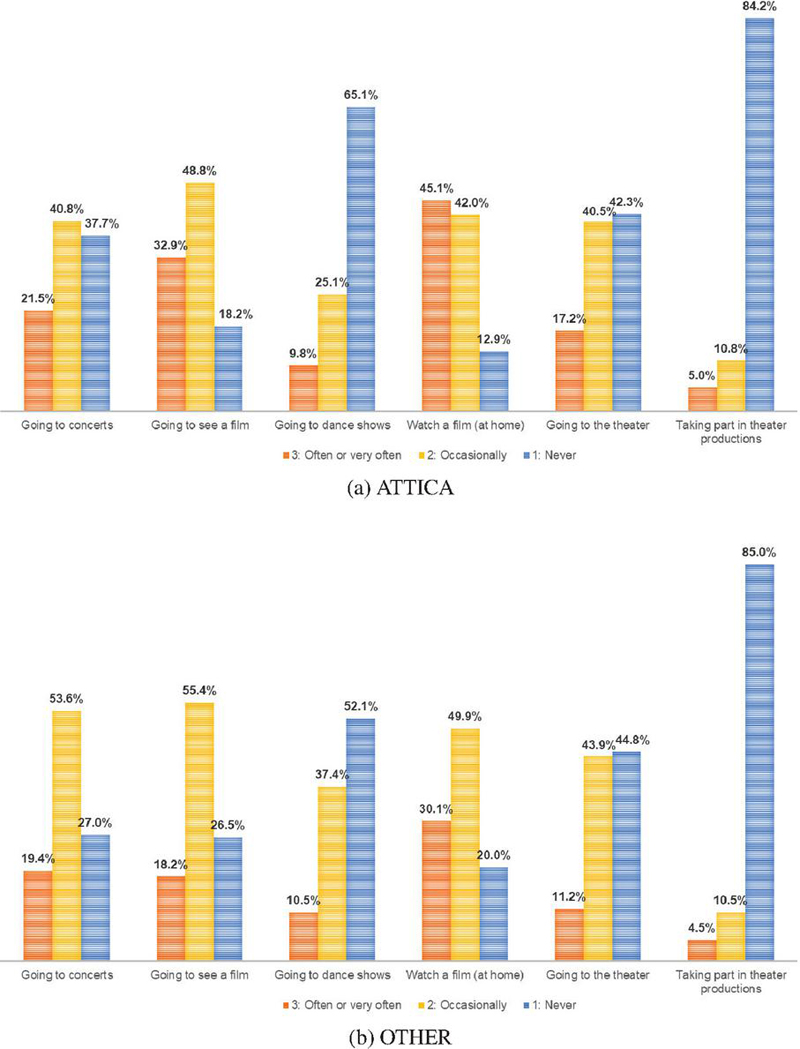
Figure 7 Responses obtained to the question: “Have you done any of these activities in the last six months?” 1: Never, 2: Occasionally, 3: Often or very often.
5.7 Cultural Engagement in the Last Six Months: Urban vs. Rural Differences
In Figure 7, the responses about the activity of the respondent in the last six months are presented. The results indicate significant differences between urban and rural areas in participation in cultural activities over the past six months, which can largely be attributed to differences in accessibility, infrastructure, and lifestyle. In both contexts, going to concerts is a relatively infrequent activity, though rural respondents report a lower percentage of those who “never” attend (27.02%) compared to urban respondents (37.69%). This could suggest that while concerts are less frequent in rural areas when they do occur, they may be significant local events that draw higher attendance. However, occasional attendance is more common in rural areas (53.59% vs. 40.78%), likely due to the sporadic nature of large-scale music events in non-urban settings, whereas frequent attendance remains slightly higher in urban areas (21.54% vs. 19.39%), reflecting the greater availability of concerts in cities.
Going to see a film follows a similar pattern, with occasional attendance being more common in rural areas (55.36%) than urban ones (48.85%). This may be due to fewer cinemas in rural regions, leading people to visit them only when they make a specific effort to do so. On the other hand, frequent film-going is much more common in urban settings (32.93% vs. 18.16%), which is likely a reflection of the greater number of movie theaters, film festivals, and special screenings available in cities, as well as more flexible schedules that allow urban dwellers to engage in cultural activities more regularly.
Dance shows are the least attended activity in both settings, with 65.13% of urban respondents and 52.05% of rural respondents never attending. However, rural respondents report slightly more engagement in this activity, with 10.50% attending frequently compared to 9.82% in urban areas. One possible explanation for this is that dance performances in rural areas may be more closely tied to local traditions, folk culture, or community events, whereas in urban settings, dance performances tend to be more formal, such as ballet or contemporary dance shows, which attract a niche audience.
Watching films at home is significantly more common across both regions, but urban respondents report a higher percentage of frequent viewing (45.11%) compared to rural respondents (30.07%). This trend could be influenced by factors such as access to high-speed internet, streaming services, and home entertainment technologies, which are more widespread in cities. In rural areas, limited internet infrastructure, less frequent releases of films on digital platforms, or a greater reliance on social forms of entertainment could contribute to lower engagement with home cinema.
Attendance at the theater shows similar patterns in both areas, with the majority of respondents either never or only occasionally attending. However, urban residents report slightly higher frequent attendance (17.20% vs. 11.21%), which can be attributed to the greater availability of theaters, a wider variety of performances, and more cultural promotion in cities. In contrast, rural theater attendance may be constrained by fewer venues, longer travel distances, and a reliance on amateur or community theater productions.
Finally, participation in theater productions is minimal in both settings, with over 84% of respondents in both groups stating they have never engaged in this activity. However, urban residents report slightly higher occasional and frequent participation (10.77% and 5.02%) compared to rural respondents (10.50% and 4.50%). This could be linked to the presence of drama schools, university theater programs, and organized community theater groups in cities, which provide more opportunities for involvement in performances. In rural areas, while theater productions may be less institutionalized, they may still exist as part of school or local cultural initiatives, though with fewer resources and participants.
Overall, the results highlight that urban residents tend to participate more frequently in structured cultural events, reflecting greater availability, accessibility, and variety in cultural offerings. Rural residents, on the other hand, engage in cultural activities occasionally but with slightly more variation depending on local opportunities, social traditions, and infrastructural constraints. The patterns suggest that while rural respondents may have fewer formal cultural institutions, they may still engage in cultural experiences through community-based activities, festivals, and local gatherings, shaping a different but equally valuable cultural landscape.
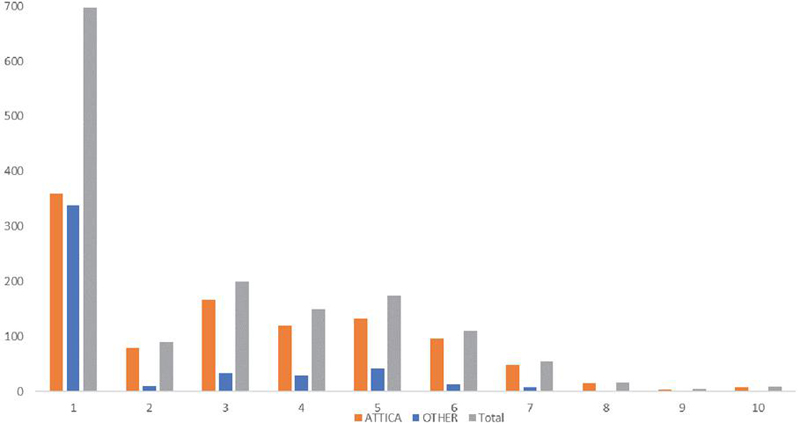
Figure 8 Cultural Intensity Index histogram.
Table 1 Demographics of cultural intensity index.
| Cultural intensity | 1 | 2 | 3 | 4 | 5 | 6 | 7 | 8 | 9 | 10 |
| PREFECTURE | ||||||||||
| ATTICA | 35% | 8% | 16% | 12% | 13% | 9% | 5% | 1% | 0% | 1% |
| Other | 71% | 2% | 7% | 6% | 9% | 3% | 1% | 0% | 0% | 0% |
| Total | 698 | 89 | 199 | 149 | 173 | 110 | 55 | 16 | 5 | 8 |
| Age | ||||||||||
| less than 16 | 11.3% | 5.6% | 22.5% | 23.9% | 12.7% | 11.3% | 8.5% | 2.8% | 0.0% | 1.4% |
| 16 24 | 36.0% | 5.3% | 13.8% | 10.1% | 15.0% | 11.9% | 6.0% | 1.2% | 0.6% | 0.2% |
| 25 34 | 37.8% | 8.5% | 16.9% | 12.4% | 13.4% | 8.0% | 1.5% | 0.5% | 0.0% | 1.0% |
| 35 44 | 52.7% | 6.2% | 11.1% | 7.5% | 9.7% | 4.4% | 4.9% | 1.8% | 0.9% | 0.9% |
| 45 54 | 67.0% | 5.7% | 6.5% | 7.5% | 7.9% | 3.2% | 0.7% | 0.7% | 0.0% | 0.7% |
| 55 64 | 60.4% | 4.5% | 13.0% | 9.7% | 8.4% | 2.6% | 1.3% | 0.0% | 0.0% | 0.0% |
| 65 | 45.8% | 8.3% | 31.3% | 4.2% | 6.3% | 2.1% | 0.0% | 2.1% | 0.0% | 0.0% |
| No answer | 0.2% | 0.0% | 0.0% | 0.0% | 0.0% | 0.0% | 0.0% | 0.0% | 0.0% | 0.0% |
| Total | 693 | 89 | 199 | 149 | 173 | 109 | 55 | 16 | 5 | 8 |
| Gender | ||||||||||
| Female | 51.9% | 5.1% | 11.0% | 8.2% | 11.3% | 7.0% | 3.4% | 1.2% | 0.3% | 0.3% |
| Male | 37.6% | 7.3% | 16.7% | 12.9% | 12.2% | 7.5% | 3.8% | 0.9% | 0.3% | 0.9% |
| Total | 683 | 88 | 195 | 148 | 172 | 106 | 53 | 16 | 5 | 8 |
| Current work situation | ||||||||||
| Did not answer | 47.8% | 2.2% | 2.2% | 19.6% | 15.2% | 4.3% | 8.7% | 0.0% | 0.0% | 0.0% |
| Private sector servant | 55.3% | 5.7% | 13.1% | 8.4% | 8.4% | 6.0% | 2.2% | 0.0% | 0.3% | 0.5% |
| Public servant | 57.5% | 7.1% | 10.9% | 6.2% | 9.0% | 5.0% | 1.9% | 1.6% | 0.3% | 0.6% |
| Self employed | 53.4% | 7.6% | 12.7% | 11.9% | 6.8% | 3.4% | 0.8% | 2.5% | 0.0% | 0.8% |
| Student/Undergraduate | 29.7% | 4.9% | 14.2% | 12.8% | 16.9% | 11.8% | 7.2% | 1.6% | 0.6% | 0.2% |
| Unemployed | 40.8% | 7.9% | 21.1% | 7.9% | 11.8% | 7.9% | 0.0% | 0.0% | 0.0% | 2.6% |
| Unpaid household tasks | 53.2% | 6.5% | 18.2% | 9.1% | 9.1% | 2.6% | 1.3% | 0.0% | 0.0% | 0.0% |
| Total | 689 | 89 | 198 | 149 | 173 | 109 | 55 | 16 | 5 | 8 |
6 Cultural Participation Index
The structure of the questionnaire allows the respondents to choose multiple answers to each question. We define the total number of their activities assumed to be the Cultural Intensity Index, which measures the engagement in cultural activities from 1 (lowest) to 10 (highest), showing distinct patterns across different demographics. Figure 8 shows the histogram of the Cultural Intensity Index, where it is clear that it is a right skewed distribution with its mode at one, whether we refer to the cultural intensity of the urban, the rural, or the whole sample. Table 1 shows that cultural participation remains limited for the majority, with most respondents engaging in only one or two activities. It is clear that there are age patterns. Cultural engagement is highest among younger individuals, particularly those aged 16–24, where participation is more evenly spread across different intensity levels. Notably, 36% of this age group engages in only one activity, but 15% participate in five. In contrast, older groups, such as those 45–54 and 55–64, are more concentrated at the lowest levels, with over 60% engaging in only one cultural activity. Interestingly, the 65 group has a relatively higher proportion (31.3%) engaging in three cultural activities.
Regarding gender trends, women tend to engage more in lower-intensity cultural activities, with 51.9% participating in just one activity, compared to 37.6% of men. However, men are slightly more represented at moderate cultural intensities (e.g., 16.7% of men engage in three activities vs. 11% of women), while engagement at the highest levels remains low for both genders.
The employment status highlights important findings. Students and undergraduates display the most diverse cultural engagement, with 29.7% participating in a single activity but notable proportions engaging in five (16.9%), six (11.8%), and seven (7.2%) activities. Public and private sector employees mostly engage in one to three activities, with very few reaching higher intensities. Self-employed individuals show a relatively even spread up to five activities but low representation beyond that. Unemployed individuals and those involved in unpaid household tasks generally show lower cultural engagement, with over 50% participating in only one activity.
6.1 ANOVA test results
We performed an ANOVA test to identify relationships between the Cultural Intensity Index and some features. Table 2 shows the results of the ANOVA test. They appear significant relationships between the index measuring engagement in cultural activities and various demographic and behavioral factors. The prefecture in which an individual resides exhibits the strongest association, with an F-statistic of 111.0543 and a highly significant p-value of 0.0000, indicating substantial regional differences in cultural participation. Age and work status also show highly significant effects (F 14.8936 and 15.0129, respectively, both p 0.0000), suggesting that cultural engagement varies across different life stages and employment conditions. Gender also plays a role, albeit to a lesser extent, with an F-statistic of 6.1671 and a p-value of 0.0022, indicating a statistically significant but weaker association.
Table 2 ANOVA results. 1: Concerts, 2: Seeing a film, 3: Dance shows, 4: Film at home, 5: Theatre, 6: Theatre production.
| Prefecture | Age | Gender | Work status | 1 | 2 | 3 | 4 | 5 | 6 | |
| F-stat | 111.0543 | 14.8936 | 6.1671 | 15.0129 | 4.736 | 4.2546 | 2.9585 | 10.612 | 0.9754 | 1.1784 |
| p-value | 0.0000 | 0.0000 | 0.0022 | 0.0000 | 0.0089 | 0.0144 | 0.0522 | 0.0000 | 0.3773 | 0.3081 |
Among the specific cultural activities, watching films at home (F 10.612, p 0.0000) shows a strong relationship with overall cultural engagement, suggesting that home-based cultural consumption aligns with broader participation trends. Going to concerts (F 4.736, p 0.0089) and seeing films in theaters (F 4.2546, p 0.0144) are also significantly associated with cultural engagement, indicating that individuals who participate in these activities are likely to engage in other cultural pursuits. Dance shows, while nearing significance (F 2.9585, p 0.0522), fall just outside the conventional 0.05 threshold, suggesting a weaker or more variable relationship. On the other hand, attending theater performances (F 0.9754, p 0.3773) and participating in theater productions (F 1.1784, p 0.3081) do not show significant associations with overall cultural engagement, indicating that these activities may be more specialized or independent from broader participation trends.
Overall, the findings highlight that cultural engagement is significantly shaped by geographic, demographic, and behavioral factors, with notable regional, age-related, and occupational differences. Moreover, certain cultural activities, particularly film consumption and concert attendance, are more strongly linked to overall engagement, while theater-related activities appear to be less predictive.
7 Conclusions and Discussion
This study has explored cultural participation in urban areas-represented by the capital, Athens-and several rural areas of Greece. The findings indicate that public spaces such as parks and squares are vital cultural assets in both contexts, yet their role varies depending on local infrastructure and accessibility. Another key insight from the research is the influence of socioeconomic and demographic factors in shaping cultural engagement. The Cultural Intensity Index reveals that cultural participation is higher among younger individuals, particularly students, while older populations and those in rural areas show lower engagement levels. Gender and employment status also play a role, with women engaging more in lower-intensity cultural activities and students exhibiting the most diverse participation. The ANOVA analysis confirms that cultural engagement is significantly influenced by geographical location, age, and work status, underscoring the need for targeted cultural policies.
The comparison with Barcelona’s cultural survey provides a broader context, demonstrating similar trends in cultural inequalities driven by income, education, and accessibility. The barriers identified-including financial constraints and the uneven distribution of cultural infrastructure-emphasize the need for inclusive policies to ensure equitable access to cultural opportunities.
Overall, these findings highlight the importance of designing policies that cater to the distinct needs of urban and rural communities. While cities should continue to support a diverse range of cultural institutions, rural areas would benefit from strengthened community-based initiatives and investments in local cultural assets. Addressing income-based and territorial inequalities, fostering gender- and age-sensitive programs, and supporting underrepresented groups will be crucial for enhancing cultural participation across Greece.
Promoting citizen engagement in cultural activities requires targeted and actionable policy measures. One effective approach is the implementation of subsidized programs to make cultural experiences more accessible to low-income groups. UNESCO recommends adopting policies that grant subsidies and awards for cultural goods and services, ensuring they reach a broad audience, especially in areas overlooked by commercial enterprises. By implementing these policies-subsidizing cultural programs, investing in infrastructure, fostering community-driven initiatives, and integrating culture into community development-governments can enhance citizen participation in cultural activities, leading to more vibrant and inclusive societies.
Particularly in rural areas, integrating cultural policies into broader development strategies is essential for fostering cultural engagement. One approach is to incorporate cultural initiatives into rural cohesion policies, ensuring that cultural activities are part of a comprehensive framework for regional development. The European Union emphasizes the importance of aligning cultural policies with economic and social strategies to create synergies that benefit rural communities.13 Another crucial policy measure involves leveraging funding programs specifically designed for cultural and creative sectors. The European Agricultural Fund for Rural Development (EAFRD) provides financial resources to restore and protect cultural heritage, support artistic initiatives, and promote rural tourism. These programs help sustain cultural activities and make them more accessible to residents in rural areas.14 Additionally, investing in cultural infrastructure, such as libraries, community centers, and performance spaces, provides essential venues for cultural expression and engagement. Without proper infrastructure, participation in cultural activities remains limited, particularly in less urbanized regions.
Cultural policies must account for gender and age disparities to ensure inclusivity and equitable participation. One approach is to conduct policy audits to evaluate existing laws and initiatives through a gender-sensitive lens. UNESCO advocates for systematic assessments of cultural policies to identify gaps in gender representation and opportunities for improvement.15
Developing inclusive programs tailored to different age groups and genders is also necessary. Cultural activities should be accessible to all demographics, considering the specific needs of children, the elderly, and marginalized groups. Integrating arts and cultural programs into broader community development strategies allows for more equitable cultural engagement.16 Additionally, educational initiatives that challenge traditional gender roles and promote equality from an early age can have a lasting impact. Schools and community centers play a key role in reshaping societal norms through cultural education and interactive programs.17
Furthermore, ensuring broad participation in policy development is critical to fostering inclusive cultural policies. Encouraging women, youth, and marginalized communities to take part in cultural policy-making processes ensures diverse perspectives are represented. International organizations, such as the Council of Europe, emphasize that participatory governance in cultural policies leads to more effective and equitable outcomes.
Footnotes
1The classification follows Eurostat methodology, https://ec.europa.eu/eurostat/web/rural-development/methodology.
2Available at https://www.oecd.org/en/topics/policy-issues/local-employment-and-economic-development.html
3Available at https://www.canr.msu.edu/planning/uploads/landpolicy/Livability_6-8_MMPGSPortfolio_WCAG2.0_updated_072816.pdf
4Available at https://www.nga.org/publications/arts-the-economy-using-arts-and-culture-to-stimulate-state-economic-development
7https://culture.ec.europa.eu/
9https://www.thisisathens.org/
10https://www.barcelona.cat/internationalwelcome/en/need/lifestyle
11See, for example, https://blueprojectfoundation.org/, https://www.cccb.org/en
12Survey on Cultural Participation and Needs in Barcelona, undertaken by the Technical Secretariat of the Barcelona Institute of Culture (Barcelona Cultural Data Observatory), can be found at https://barcelonadadescultura.bcn.cat/wp-content/uploads/2020/04/CulturalSurvey2019_Report_EN.pdf.
13Available at https://eur-lex.europa.eu/eli/C/2024/1040/oj
14Available at https://culture.ec.europa.eu/node/1160
15https://www.unesco.org/en/gender-equality-empowerment
16Available at https://www.nga.org/wp-content/uploads/2019/01/NGA_RuralArtsReport.pdf
17Available at https://www.agenda21culture.net/sites/default/files/files/documents/en/report_9_-_cultural_policies_and_gender_equality_-_en_1.pdf
References
[1] Arcodia, C., and Whitford, M.. Festival attendance and the development of social capital. Journal of Convention & Event Tourism, 8(2):1–18, 2006.
[2] Bourdieu, Pierre. Distinction: A Social Critique of the Judgment of Taste, translated by R. Nice. Harvard University Press, 1984.
[3] Beall, J., and Adam, D.. Cities, prosperity and influence. The role of city diplomacy in shaping soft power in the 21st century, 2017. Available at https://www.britishcouncil.org/sites/default/files/g229_cities_paper.pdf.
[4] Cerquetti M, Ferrara C, Romagnoli A, Vagnarelli G. Enhancing Intangible Cultural Heritage for Sustainable Tourism Development in Rural Areas: The Case of the “Marche Food and Wine Memories” Project (Italy). Sustainability, 14(24):16893, 2022.
[5] Clarke, D.. Theorising the role of cultural products in cultural diplomacy from a cultural studies perspective. International Journal of Cultural Policy, 22(2):147–163, 2016.
[6] Clarke, D., Cento Bull, A., and Deganutti, M.. Soft power and dark heritage: multiple potentialities. International Journal of Cultural Policy, 23(6):660–674, 2017.
[7] Derrett, R.. Making sense of how festivals demonstrate a community’s sense of place. Event Management, 8:49-58, 2003.
[8] Dines, N.. Moroccan city festivals, cultural diplomacy and urban political agency. International Journal of Politics, Culture, and Society, 2020. https://doi.org/10.1007/s10767-020-09390-4.
[9] Dragicevic S., M. (Ed.). Cultural diplomacy: Arts, festivals and geopolitics. Belgrade: Creative Europe Desk, 2017.
[10] Evans, G.. Measure for Measure: Evaluating the Evidence of Culture’s Contribution to Regeneration. Urban Studies, 42(5-6):959–983, 2005.
[11] Evans, G. and and Shaw, P.. The Contribution of Culture to Regeneration in The UK: A Report to the DCMS – Evans and Shaw, LondonMet, 2004.
[12] Goirizelaia, M., and Iturregui, L.. From cultural showcases to public diplomacy agents: Basque-American festivals in the United States. Diaspora Studies, 12(2):193–209, 2019.
[13] Jackson, Maria-Rosario, Joaquin Herranz, and Florence Kabwasa-Green. Cultural vitality in communities: Interpretation and indicators. Culture, Creativity, and Communities Program, The Urban Institute, 2006.
[14] Isar, Y. R.. Cultural diplomacy: India does it differently. International Journal of Cultural Policy, 23(6):705–716, 2017.
[15] Isard, Walter. The General Theory of Location and Space-Economy. Quarterly Journal of Economics, LXIII (November): 476–506.a, 1949.
[16] Herrschner, I.. The role of art in German cultural diplomacy: An analysis of the festival of German films in Melbourne, Australia. Media War & Conflict, 11, 2016. https://doi.org/10.7220/2029-8668.11.07.
[17] Hristova, D., Aiello, L.M. and Quercia, D.. The New Urban Success: How Culture Pays. Frontiers in Physics, 6:27, 2018.
[18] Kolokytha, O. (2021). Cultural diplomacy in Greece during the crisis. A critical overview. In Location Theory and Regional Economic Growth. Journal of Political Economy, D. North, Douglas. 1956. 63:243–58, 2021.
[19] Mark, S. (2009). A Greater Role for Cultural Diplomacy. Netherlands: Netherlands Institute for International Relations.
[20] Schneider, C. P.. The unrealized potential of cultural diplomacy: “Best practices” and what could Be, if only. The Journal of Arts Management, Law, and Society, 39(4):260–279, 2009.
[21] Quinn, B.. Arts festivals and the city. Urban Studies, 42(5/6):927–943, 2005.
[22] Quinn, B.. Problematising ‘festival tourism’: Arts festivals and sustainable development in Ireland. Journal of Sustainable Tourism, 14(3):288–306, 2006.
[23] Quinn, B., and Wilks, L.. Festival connections: People, place and social capital. In G. Richards, M. P. de Brito, & L. Wilks (Eds.), Exploring the social impacts of events 15–30, 2013. Oxon: Routledge.
[24] Razlogova, E.. World cinema at Soviet festivals: Cultural diplomacy and personal ties. Studies in European Cinema, 2019. https://doi.org/10.1080/17411548.2019.1686893
[25] Robertson, M., Rogers, P., and Anna, L.. Progressing socio-cultural impact evaluation for festivals. Journal of Policy Research in Tourism, Leisure and Events, 1(2):156–169, 2009.
[26] Rodríguez Campo, L., Domínguez Vila, T., Alén González, E., and Braña-Rey, F.. Community-centred perspectives on intangible cultural heritage: authenticity and emotional experiences in Galicia’s Festa do Boi. Journal of Tourism and Cultural Change, 22(5–6):512–532, 2024.
[27] Solter, A. A.. Festival circus, golden gnomes and cultural diplomacy. The Audi Festival of German films in the context of multicultural festivals in Australia. Studies in Australasian Cinema, 9(2):190–204, 2015.
[28] Szondi, G.. Public Diplomacy and nation Branding: Conceptual Similarities and Differences. Discussion Papers in Diplomacy. Netherlands Institute of International Relations ‘Clingendael’, 2008. Available at https://www.clingendael.org/sites/default/files/pdfs/20081022_pap_in_dip_nation_branding.pdf.
[29] Williams, M., and Bowdin, G. A. J.. Festival evaluation: An exploration of seven UK arts festivals. Managing Leisure, 12(2–3):187–203, 2007.
[30] Zaimakis, Y.. Autonomy, degrowth and prefigurative politics: Voices of solidarity economy activists amid economic crisis in Greece. Partecipazione e Conflitto, 11:95–120, 2018.
Biographies
Konstantinos Chalioris is a PhD candidate and economist who works to preserve and promote cultural assets through local organizations and cultural groups. Since 2000, he has overseen a company that manufactures and exports precise metal components.
He has also held key positions in athletics, most recently acting as General Director of the Olympic Athletic Center of Athens (OAKA) “Spiros Louis” since 2020. In this capacity, he is in charge of managing Greece’s largest sports facilities. He also serves on the General Secretariat of Sports’ Health Scientific Committee, where he contributes to the formulation of pandemic health guidelines. He also chairs the Secretariat’s Working Committee, which oversees and evaluates sports facilities in the Attica region. He has worked on the organizing committees for major sporting events, including the Acropolis Rally (Motorsport Greece) and the Tour of Hellas (Cycling Greece).
He is also actively interested in research, having contributed to scientific studies and published in international journals. He has also attended various scientific conferences focusing on the advancement of culture and sports.

Roido Mitoula is Professor at Harokopio University of Athens. She holds a BA in “Political Sciences and Public Administration” from National Kapodistriako University of Athens, an MA in “Architecture of Space” and a Ph.D in “Urban Planning and Spatial Design” from N.T.U.A. She has scientific publications and has participated in numerous Greek and international Conferences. She is researcher in the Laboratory of Applied Economics and Sustainable Development of Harokopio University and she co-operated with the Laboratory of Urban Design of N.T.U.A. She specialises in issues of “Sustainable Development”.
He was Head of the Department of Home Economics and Ecology from November 2015 to November 2017. She is Editor of Sustainable Development, Culture, Traditions Journal (SDCT-Journal www.sdct-journal.com) (ISSN 2241-4010) and Editor of Greek Journal “B A, , , O, K (www.sdct-journal.gr) (ISSN 2241-4002). She is a member of the Committee of the Graduate Program “Sustainable Development” of Harokopio University and is responsible for the “Local Development”. She is a member of Scientific Committees and reviewer in scientific journals and Conferences. She has organized Scientific Seminars, Scientific Conferences and Scientific Meetings on Urban Environment and Regional Development. She is the national representative of Greece in European Union programs related to Sustainable Development.

Anastasia-Aspasia Gospodini is Dipl. Architect, MSc, PhD in Urban Planning & Design, Bartlett School, UCL; Professor of Urban Planning & Design, Director of “Urban Morphology & Design” research Lab, Director of the MSc Course “Urban Regeneration, Urban Redevelopment & Real Estate”, University of Thessaly, Greece; In this MSc course, she teaches three modules: (a) urban renewal policies, (b) policies for sustainable and resilient cities, and (c) policies for smart cities. She has served as Vice President in the Planning Authority of Thessaloniki grater area (2010–11). Her research interests focus on urban renewal, redevelopment & regeneration; urban landscapes; place identity; urban tourism, shrinking Greek cities. She has published many research papers in scientific journals, and co-authored and edited over 10 books. Her published work has been awarded 4 international prizes, by AESOP & GPEAN in 2005, 2006, 2007, 2008, for the best published paper in urban planning. Her published work has received over 900 citations. She is member of the Editorial Board in 8 international journals of urban planning & design; and she is Chair of the Organising and Scientific Committees in the series of international conferences on ‘CHANGING CITIES: Spatial, Design, Landscape and Socioeconomic dimensions’ (2013, 2015, 2017, 2019) which has been attracting strong interest by the global academic community in the last decade.

Maria Manola is an Associate Professor at the Department of Tourism Management at the University of West Attica.
She holds a degree from the Department of Italian Language and Literature at the Aristotle University of Thessaloniki, as well as a diploma from the Marasleio Pedagogical Academy. She completed her Master degree at the Aristotle University of Thessaloniki in the field of Language Teaching. Her PhD was also obtained from the same university and department, specializing in Italian Language and Literature.
She has participated in numerous international conferences and has been involved in scientific research and studies on literary tourism, Italian tourism terminology, cultural tourism, and cultural entrepreneurship.
She is the author of several books related to her fields of expertise.
Strategic Planning for Energy and the Environment, Vol. 44_4, 665–698.
doi: 10.13052/spee1048-5236.4442
© 2025 River Publishers