Locability in Sustainable Place Branding: A Digital Marketing and Technology Perspective
Maria Briana1,* and George Malindretos2
1Department of Economics and Sustainable Development, Harokopio University of Athens, Greece
2Department of Economics and Sustainable Development, Harokopio University of Athens, Greece
E-mail: mbriana@hua.gr; gmal@hua.gr
*Corresponding Author
Received 25 February 2025; Accepted 06 April 2025
Abstract
This study introduces the concept of locability and its importance in fostering social cohesion, economic resilience, and environmental sustainability in the digital era through emerging technologies. Locability emerges at the intersection of geography, technology, and sustainability. It stands out as a crucial framework ensuring visibility, accessibility, and strong associations, all building blocks for a place to be effectively branded in terms of sustainable development. Transferring the term from linguistics in place branding, locability goes beyond locality, influences the place identity formation, and refers to how a place builds upon technology to be visible, accessible, differentiated, and therefore, well-lived. It also encapsulates the power of all stakeholders, both individuals and communities, to digitally encompass all cognitive, affective, conative, and evaluative elements linked to the place identity, enhancing the sense of belonging. In this context, technological innovations, such as artificial intelligence, augmented reality, and social media platforms, are shaping locability by enhancing visibility, accessibility, facilitating instantaneous but strong interactions, through storytelling and disseminating authentic narratives. Moreover, at the very heart of locability lies sustainability, aiming at improving economic, social, and environmental conditions, promoting resilience, and fostering a sense of belonging. Understanding and integrating locability within place branding theory and practice ensures that places leverage digital marketing practices to cultivate communities that are more inclusive, resilient, and environmentally sustainable.
Keywords: sustainability, place identity, technology-driven, social media, digital platforms, strategic communication.
1 Introduction
Branding involves the processes of cognitive mapping and reputation management [1, 2]. The foundational principles and models pertinent to product branding and corporate branding have traditionally been explored within place branding context, enriching both the theoretical and practical learning [3, 4]. Place branding focuses on managing distinctive image associations [5, 6], building on place identity to assist in positive image and constructive reputation [7–9]. What is more, in an era where digital technologies are transforming the way places are conceived, perceived, and experienced, [10–12], place branding has evolved from a purely symbolic concept into a dynamic and experiential approach [13].
Experiences are “sensations, feelings, cognitions and behavioral responses evoked by brand-related stimuli” [14, p. 54]. The experience construct is holistic in nature [15]. The place experience construct embodies the intricate interactions of individuals when they engage in with their environments, integrating cognitive, emotional, and sensory elements. As analyzed by Eshuis & Ripoll González [13], place brands are marketing systems that invite dynamic interactions among symbolic, discursive, institutional, and material elements, shaping stakeholders’ perceptions and experiences of place, thus place branding calls for multi-sensory, embodied experiences. Experiential aspects of consumption, presented by Holbrook and Hirschman [16], are always of critical importance for place branding theory and practice. In this line, an integrated conceptual framework developed by Swain et al. [17] puts the place brand experience among the brand equity-related factors that have a significant impact on people’s beliefs, attitudes, intentions and behaviors towards a place. As Campelo et al. [18] argue “the experience of engagement and interaction requires presence (being in) and action (being with), always influenced by physical, historical, social, and cultural aspects that, together, contribute to creating a shared sense of place”.
Nowadays, however, places go digital. The phenomenon of digital transformation exerts a significant impact on place branding through advanced digital marketing methodologies, increased community engagement, and the co-creation of meaningful interactions [19]. The COVID-19 pandemic has fostered a real connection among communities and a shared responsibility about the future [20], leading to indigenous and local knowledge exchange and meaningful interactions among diverse stakeholders. Moreover, digital transformation is not just an isolated phenomenon that the Covid-19 world abruptly brought to light, rather reflects the evolution of Information Technology-enabled transformation. Bounfour [21] describes digital transformation as “a new development in the use of digital artifacts, systems and symbols within and around organizations”. Vial [22] broadens its definition, it being “a process that aims to improve an entity by triggering significant changes to its properties through combinations of information, computing, communication, and connectivity technologies” and including enlarged individual, organizational, and societal contexts. To sum up, a long-term perspective encompassing the profound changes taking place both in society and economy is therefore needed [21]. In this transition, places cannot afford to turn a blind eye.
The way people experience places has changed with the advent of digital technologies, particularly with social media and with artificial intelligence (AI) and augmented reality (AR) [23, 24]. Thus, community involvement in the digital world is encouraged, the allure and competitiveness of places is improved, and sustainable development is supported [25, 26]. This changes the perception of place brands and locability becomes an essential aspect for sustainable place branding. Locability is thus a tech-enabled ability of stakeholders of place to provide visibility, accessibility, differentiation and in that way to construct a culture of wellbeing. This evolution creates the grounds for technologies to enable places to participate in the global dialogue that is dedicated to the orchestration of diverse programmes and initiatives contributing to well-being [27, 28]. Locability may further buttress processes for some stakeholders with stakes in place to balance the logarithm of economic growth against that of environmental and cultural sustainability and further increase the very singularness of the place. Locability brings in digital tools and platforms to empower places to engage local stakeholders and simultaneously have access to reaching external ones, thus driving better engagement between all stakeholders, while achieving sustainability.
This paper aims at conceptualizing locability within place branding and showing how it relates to emerging technologies and sustainable development, providing rationale for positive future development for all. It investigates digital innovations that can foster resident engagement, encourage ecological and socially responsible tourism, and reinforce place identities sustainably. Having locability a common ground for critical engagement, this study addresses the discussion on how tech-driven strategies could pursue more durable and cooperative place branding practices moving towards places that encompass social solidarity, economic resilience, and eco-sustainability.
Originally grounded in the field of linguistics, locability concerns the cognitive and communicative frameworks through which individuals evaluate and establish common reference points within discourse. This notion transcends mere linguistic confines and extends into the realm of place branding, wherein the capacity to position and distinguish a location within a competitive global context parallels the linguistic axiom of referential precision. In this context it is crucial to explore the ways in which digital platforms shape place identities, thus advancing inclusivity and engagement through a diverse range of linguistic articulations and cultural depictions. As technological innovations continue to advance, the importance of locability in place branding extends beyond simple digital visibility to include sustainability by enabling locales to proficiently address their environmental, social, and economic impacts through digital innovation. This manuscript attempts to illustrate how digital instruments can elevate not only the accessibility and engagement of a place but also contribute to the enduring sustainability of both the ecosystem and the community.
In what follows the concept of locability will be defined and elaborated, the role of technology in enhancing locability, and finally, the significance of locability for sustainable place branding. In summary, this manuscript aims at providing a conceptual foundation to understand and adopt locability in increasingly evolving digital environments, characterized by information overload, the erosion of boundaries between the material and digital worlds, the universal availability of personal data to various actors, and abrupt transformations due to fast-paced technological progress that heavily impact identity building processes for individuals and places.
2 Conceptualizing Locability
According to Wang and Prominski [29] locality is one of the basic properties of a place, including the natural and cultural attributes of the place. It was considered to be a crucial determinant of human-land interactions, which is about the emotional bond and social identity with a place urban or rural. For Peiren [30], locality is constituted as a conduit through which social constructs and cultural memories flow, guiding the ways that individuals perceive their environment and themselves in relation to it. In branding, locality(ies) is used to describe the strategy of localizing global brands in the brick-and-mortar environment and its success in establishing genuine engagement with specific communities, through in-store curation [31]. For instance, locality focuses on the relationship between a local and a global presence, which builds relevance to the brand and its customer. Locality is derived from the identity of a place that embodies all the unique aspects in terms of culture, heritage, and natural resources, and can be used to build a differentiating brand image. By creating a unique narrative that highlights the distinct characteristics of a place, stakeholders can effectively differentiate themselves in an increasingly saturated market [32]. Connections influenced by tangible aspects, such as architecture and landscape, as well as intangible elements like memories, experiences, and cultural narratives or interactions with their environment contribute to the evolution of place identity [33], which in turn influences place branding strategies.
Locality is integral to differentiating a place from others in a competitive global market, where cities, regions, and countries struggle for attention [34]. According to Govers [35, pp. 72–73] “Places offer environments that allow for product offerings to be brought to international markets, such as tourism product market combinations, investment opportunities, exported goods, cultural offerings, employment and housing opportunities or international study programme offerings”. Emphasising local culture, heritage, and integrating local elements into place branding not only enhances the economic value for a place but also fosters a sense of belonging among its residents and secures local support to reinforce the place brand identity. Locality arises, satisfied citizens become ambassadors to the externals, exchanges are strengthened and bridges are built [36, 37]. After all, “There are people behind a place brand: The inhabitants and other internal stakeholders as well as the interactions between them” [38]. This identity-driven approach encourages community engagement, leading to collaborative efforts to maintain the authenticity of place identity [39], to enhance the emotional connection between the place and its stakeholders and to a cohesive and relevant image of the place.
Given that place branding is increasingly viewed as an experiential, multi-sensory construct inviting all stakeholders to engage with a place through its symbolic, discursive, and material elements [13], locality emphasizes the importance of co-creating experiences that differentiate a place. In that connection, the narrative exploration of place identities, as seen in Latvian cities by Ozolina [40], highlights the importance of intangible attributes such as stories and cultural manifestations in creating authentic and convincing place brand identities. Locality can also serve as a strategic resource in industries like music, where place brands act as judgment devices that lower search costs and enhance recognition in markets with excess supply [41]. The role of local creatives in place branding, as also seen in the Blue Mountains of Australia, highlights the importance of authenticity and stakeholder participation in developing a brand that resonates with both locals and visitors [42]. On the contrary, in Indonesia, for example, the lack of attention to cultural elements in city branding has led to public criticism and the need for rebranding efforts [43].
Beyond locality comes locability. Locability is a linguistic term referring to the assessment of the speaker and the listener to determine whether they can see a particular referent in their common knowledge or not and subsequently if they should use the definite article the [44]. The idea is called definiteness, and it is a critical aspect of communication because it makes sure both participants understand what or whom the other is referring to, enriching their interaction and allowing for a clearer exchanges [45]. Knowledge of the different audience and speaker roles perspective enforces clarity and specificity in communication, which affects the organization and conveying of information in the language beyond just the construction of sentences and the application of pronouns. This principle of referential clarity is extrapolated from the linguistic domain to the conceptual sphere as it pertains to place branding, where a similar mechanism of identification and differentiation of places plays a critical role in the international arena.
Similar to the concept of definiteness in linguistic discourse, which guarantees a shared understanding of a particular referent, place branding is predicated upon a collective acknowledgment of a location’s distinctive identity. In both instances, a system of indicators and contextual signals facilitates identification: In the realm of linguistics, the definite article “the” denotes a referent that is either previously established or readily identifiable within a discourse. Conversely, in the context of place branding, branding components (e.g., slogans, symbols, historical accounts) serve as “definite articles,” directing audiences to recognize and associate a place with a unique identity. Employing methodological analogical reasoning, we can correlate essential linguistic characteristics of locability with strategic elements of place branding such as shared knowledge and cultural associations, definiteness, and place differentiation and contextual relevance and audience perception, as presented in Table 1. Similar to how locability in language is contingent upon a shared cognitive framework between the speaker and the listener, effective place branding relies on mutual cultural and historical associations between a place and its audience. To give an example, the capital of France is internationally acknowledged as “the city of love” due to collective cultural narratives such as “the Eiffel Tower” is part of discourse due to its global symbolic significance.
Table 1 Methodological stages of locability from linguistics to place branding
| Stage | Locability in linguistics | Locability in place branding |
| Identification of the referent | The speaker and listener identify a specific referent within shared knowledge |“the Eiffel Tower” refers to a known landmark. | A place is defined within a shared cultural and historical framework |“Paris as the City of Love”. |
| Contextual relevance | The use of the definite article “the” depends on whether the referent is known or can be inferred from context. | Place branding adapts narratives based on audience perception and relevance. |
| Symbolic & semantic markers | Linguistic markers provide clarity in reference. | Logos, slogans, and symbols act as “definite articles” to enhance place identification. |
| Shared recognition & cognitive mapping | The listener’s ability to recognize the referent depends on prior knowledge and discourse context. | A place gains visibility and awareness through established narratives and cultural associations. |
| Differentiation & competitive positioning | Definiteness distinguishes a referent from others. | Effective place branding from their competitors. |
| Structural impact on communication | Locability affects sentence construction and meaning clarity. | Place branding shapes tourism, investment, and identity formation through strategic messaging. |
Moreover, in linguistic contexts, definiteness serves to specify a particular referent; in place branding, a robust identity distinguishes a place from its competitors. To give another example: “The Big Apple” (New York) and “The Eternal City” (Rome) function as definitive linguistic markers, thereby assisting audiences in promptly “locating” these cities conceptually within a densely populated global landscape. Lastly, just as linguistic locability is subject to variation based on the context of discourse, place branding should demonstrate adaptability to diverse audiences and cultural perspectives. A city may highlight its historical significance to heritage to tourists while emphasizing high tech innovation to investors, thereby ensuring that its identity remains “locatable” across varied communicative contexts.
As a dynamic construct, locability transcends the notion of locality by incorporating essential functional and communicational attributes that empower a place to interact meaningfully with residents, visitors, investors, and all relevant stakeholders. In the context of place branding, locability emerges at the intersection of geography, technology, and sustainability. It represents the ability of all stakeholders to leverage digital tools to enhance visibility, accessibility, and engagement while maintaining their cultural and environmental integrity. In contrast to place branding based on tangible and traditional promotional tactics, locability incorporates real-time, data-informed, and interactive methodologies that cultivate dynamic and customized experiences for both users and businesses, thereby enhancing a more profound connection and engagement with the place in the digital era.
This revolutionary shift not only improves the prominence of locations but also empowers stakeholders to undertake informed decision-making that can lead to sustainable development and enhanced community well-being. The digital environment is characterized by dynamic, automatic, repetitive, addictive, ubiquitous, and immersive qualities. These have profound impacts on human perceptions, cognition and the underlying neural systems impacting social and personal lives, cognition, decisions and behaviours [46]. Through the power of technology and data analytics, locability offers a more dynamic approach to place branding, allowing for continuous adjustment and improvement of strategies based on user feedback and changing trends. This adaptability not only ensures that branding efforts stay relevant, but also encourages businesses, governmental organizations, and citizens within that community to work together to develop a genuine story that reflects the character of the place. This holistic methodology fosters belonging with community stakeholders, whose joint efforts expand local culture and promote economic development, all whilst maintaining the unique characteristics that set communities apart.
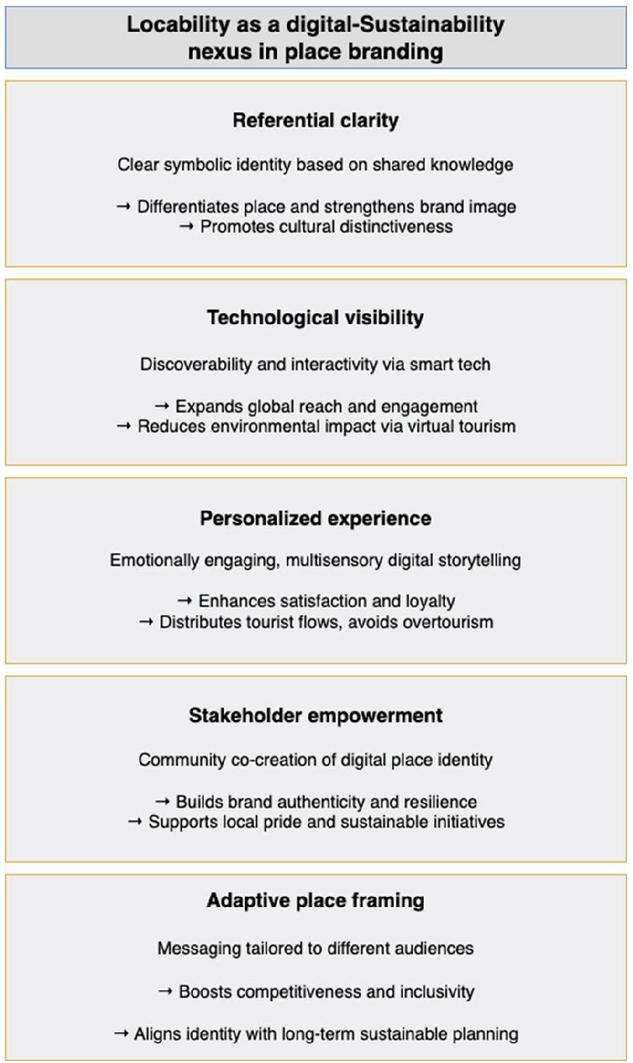
Figure 1 Locability theoretical framework.
Essentially, locability is all the digital or technological glue that can be used to discover, experience, or interact with places seamlessly and meaningfully. This includes the use of GPS technology, mobile applications, and augmented reality features that improve user enjoyment and allow real-time data on locations to be made available. Similarly, as the article comments, augmented reality (AR) and virtual reality (VR), artificial intelligence (AI) and big data analytics and social media and digital marketing can develop immersive place experience, personalize engagement, build social interaction, and co-create place identity. By integrating these components, locability enhances the way individuals, businesses, and institutions connect with and experience places, making places more adaptable, interactive, and sustainable.
In a nutshell, while digital place branding often emphasizes elements of visibility and engagement, the notion of locability presents a more intricate framework. It transcends conventional branding strategies to encompass the interactive, real-time, and multisensory experiences of a location, facilitated by the advent of emerging technologies. In contrast to locality, which is primarily concerned with static cultural-geographic components, or place branding, which focuses on the management of reputation, locability drawing on the linguistic notion of definiteness, spatial discoverability, user-centered design principles, and technology-mediated personalization.
3 The Role of Technology in Enhancing Locability
Technology is the key enabler of locability, promising great place experiences. Table 2 gives a summary of tech-driven approaches in urban planning that lead the transition to a more sustainable future, transforming both economy and society. Smart city infrastructure such as Internet of Things (IoT) sensors, digital traffic systems, and public transport optimization, geo-tagging and mapping that help people navigate cities efficiently, augmented reality and AI tourism guides that enhance visitor experiences, planning based on real-time data to improve mobility and sustainability, and social media and digital platforms that communicate a city’s identity online, build on the strategic use of technology and innovation to create a holistic urban experience for internal and external stakeholders [47].
Table 2 The role of technology in locability
| Tech-driven | ||
| Approaches | Contribution to locability | Impact on place experience |
| Smart city infrastructure (IoT, sensors, traffic systems) | Enables real-time monitoring, adaptive urban planning, and efficient resource management. | Improves sustainability, enhances mobility, and ensures smarter city operations. |
| Geo-tagging & digital mapping | Helps people navigate cities seamlessly, offering location-based recommendations. | Enhances accessibility, convenience, and personalized wayfinding. |
| Public transport optimization & mobility tech | Integrates smart transport networks, ride-sharing, and AI-driven route planning. | Reduces congestion, improves connectivity, and enhances urban mobility. |
| Tech AR & AI tourism guides | Provides immersive, interactive experiences and digital storytelling for visitors. | Enhances cultural tourism, making places engaging and experiential. |
| Artificial Intelligence & big data analytics | Personalizes recommendations, predicts visitor needs, and optimizes city services. | Creates data-driven, responsive environments tailored to user preferences. |
| Social media & digital place branding | Showcases a city’s identity online, fostering engagement and global visibility. | Turns visitors and residents into brand ambassadors, shaping place perception. |
More specifically, the sector of IoT sensors collects instantaneous data streams about roadway congestion, air cleanliness, energy expenditure, and the multifaceted dynamics of metropolitan life. Innovative traffic control systems capitalize on AI capabilities to calibrate signals, ease traffic flow, and protect pedestrians [48]. Public services (encompassing waste management, light in public spaces, and security) effectively respond to the dynamically changing real-time environment. The initiation and marketing of smart city projects requires a strategic approach that considers the input of various stakeholders, including citizens, to ensure that the branding aligns with the city’s actual capabilities and aspirations [49, 50].
Nevertheless, to establish a competitive local identity, a smart city’s brand is managed with certain emphasis on local arrangements and engaging with inhabitants and citizens in long-term initiatives [51]. Thus in building smart city brand identity in South Tangerang, the city should optimized its human capital to reduce technological and institutional gaps, fostering regional competitiveness [52]. Emerging smart cities, such as Songdo, Masdar, and Skolkovo, demonstrate the effectiveness of place branding approaches to create exclusive, technology-oriented environments deliberately designed to bring together high-caliber residents and businesses [53]. Furthermore, the attractiveness of a smart city brand can play an important role in attracting other user groups, such as investors and tourists, and showing how the city is innovative and sustainable [54]. Smart destination branding enables entrepreneurship opportunities and competitive advantage by incorporating new capabilities and investigating new paths for enhancing city brand equity [55].
Global positioning system (GPS)-based navigation applications facilitate navigation within urban contexts [56, 57]. Geo-tagging entails a real-time geographical data synchronization that tailor the proposals according to user. Such advanced solutions have a large impact on access to spaces for tourism, local residents, and everyday people alike [58]. Geo-tagging also offers a digital representation of places, readily available to prospective visitors on social networks like Instagram. Communities can pinpoint the unique cultural and natural resources of their area through mapping, building a stronger sense of identity and pride in their community [59]. Users are able to document and share their experiences relating to public places on social media and digital platforms through geo-tagged images and content fostering a collective memory of these spaces [60]. User-generated content acts as a pool of local narratives; when tapped into place branding strategies content demonstrates unique cultural characteristics. Indeed, geo-social tagging converts places into stories, where communities co-create cultural value through shared digital stories [61]. By doing so, local identities become relatable and appealing to residents and visitors alike, while adding another storytelling component to local identities through placemaking.
By using artificial intelligence-based systems for route optimization significantly reduces travel times. Cutting-edge public transportation systems integrate real-time tracking, frictionless fare-less travel, and cooperative ride-sharing functionalities. Mobility-as-a-Service (MaaS) ecosystems weave together varied transportation methods, including buses, bicycles, and electric scooters. Augmented Reality applications seamlessly incorporate fascinating digital dimensions into the real world (such as historical insights, dining menus, and cultural stories). Virtual companions powered by Artificial Intelligence provide customized recommendations and real-time translations. AR-enhanced urban explorations infuse vigor into historical and cultural narratives, captivating audiences through compelling storytelling. Moving to another place for vacation can be costly and often troublesome if we consider bad weather, strikes, and other inconveniences for a traveller. Virtual Reality and Augmented Reality technologies can lift this barrier and help (potential) tourists replicate some of the experiences at their home [62]. For instance, replication of cultural sites might be one of potential application [63]. However even very advanced VR and/or AR applications may seem inadequate for people who think that visiting a place offers a unique set of stimuli (visual, aural even psychological) that cannot be replaced or even described.
Artificial Intelligence and its ever-increasing capacity of producing convincing and interacting avatars offers extensive capabilities in terms of personalizing the experience of a place to a visitor. User interactions are analysed, and travel trends, preferences, and necessities can be predicted. Big data empowers urban strategists to refine infrastructure and services in accordance with demand. AI-powered chatbots and digital aides (such as city-tailored AI guides) elevate user involvement. Real-time data enables urban environments to monitor atmospheric pollutants, manage waste disposal, and optimize energy utilization. Smart power networks facilitate the optimal allocation of electrical resources. Eco-friendly design projects, like living roofs and energy-conserving structures, are directed by insights derived from AI analysis.
Personalization of information offered to visitors can now be much more thorough and nuanced, in multiple languages (with nearly real-time translation) and in augmented environment tuned to different ages, interests, and expertise level [64]. AI solutions personalize virtual tourism experiences based on individual preferences, fostering a deeper understanding of local ecosystems and cultures [65]. Predictive analytics help manage tourist flows, ensuring that popular sites remain accessible without compromising ecological integrity. Advanced spatial audio processing techniques, such as the Insight Explorer system that utilizes AI and audio AR to deliver immersive narratives through AR smart glasses, enhancing landmark identification and user engagement, contribute to a more profound immersive experience [66].
Digital platforms such as Instagram, Twitter, and TikTok shape a city’s online identity through the artistic contributions of its users. Creative hashtags, geofilters, and live streaming contribute to the increased prominence and interaction surrounding different locations. Digital influencers and online assessments shape the community’s perception of various locales. We always assume that local people have a much better understanding of a place that usually do not share with visitors or at least are unwilling to do so. However, influencers are uniquely placed to channel this knowledge via social media. It is possible that they act to that effect unknowingly, it may be desirable for a place to cooperate in order to produce and communicate a coherent message related to the image of a place [67].
There is not a single way to transform a city blending newer technologies and sustainable practices: a city’s history, geography, economy as well as the overall climate of the country lead the way. Introduction of smart technologies follows the growing sophistication of technological tools. There is significant work to be done in order to blend them with the brand of the city. This is a task, however, that has been described as an “organizational challenge” [51]. Successful examples, like the one of Malmö in Sweden, display a step by step approach of turning an old industrial zone into a friendlier area before focusing on a district, and set specific goals for its sustainability profile [68]. In any case, a long-term vision should be shared by all stakeholders, which is not always apparent in the real world [69]. European cities, like Amsterdam, Barcelona or Vienna, typically lead the way in introducing smart features for enhancing mobility, eg smart traffic monitoring systems, real-time traffic management via social media, smart electric vehicle charging stations or smart parking [70]. For example, the urban infrastructure of Amsterdam has been carefully constructed to reduce vehicular congestion and improve public health, thus reflecting a deep commitment to sustainable urban transportation principles [71, 72].
4 Locability and Sustainable Place Branding
When integrated within the framework of place branding, locability enables places to evolve into increasingly interactive, personalized, and discoverable entities, thereby inspiring, connecting and enabling critical stakeholders and communities towards sustainable living. Sustainable place branding involves creating a positive, credible identity for a place that emphasizes environmental stewardship, community engagement, and cultural heritage [73]. The necessity of community engagement, visitor satisfaction, and ecological awareness to facilitate the progress of sustainable tourism and protect indigenous heritage has never been so high [74]. For example, Copenhagen has placed significant emphasis on cycling and public transportation, thereby fostering environmentally sustainable commuting alternatives [75, 76].
To begin with, locability facilitates the establishment of digital platforms that link travellers with regional enterprises, thereby fostering direct assistance for the economic development of the community. Platforms that showcase local craftsmen, agricultural markets, and community retail establishments can assist visitors in uncovering genuine experiences while simultaneously enhancing the local economic framework. Farhan and Sunuantari [77] describe a digital infrastructure for the branding of rural tourism within the jurisdiction of Batu Malang City, fostering partnerships among governmental entities, academic institutions, media organizations, and commercial enterprises, thereby raising visibility and ensuring growth of all enterprises. Aligning branding efforts with sustainable urban development goals to attract responsible tourism and investment is crucial for all [78]. Branding strategies empowered by technology hold the promise of bringing attention to regional cultural events, festive gatherings, and culinary experiences, thereby attracting tourists to contribute their financial resources to the local economy. Illustrative social media campaigns that effectively present regional culinary landscapes or cultural festivities attract visitors while motivating them to investigate and patronize local enterprises.
Sustainable development in tourism is not a new concept [79], but its recent rise in popularity is reshaping the industry. In recent years we have seen a significant effort for converging these concepts which can be applied independently from each other. When it comes to intrinsic characteristics, one must find a working balance between their promotion and coping with a potentially larger crowd of visitors than one anticipated or one that can be handled effectively. Overtourism, the “concentration of tourist flows in specific areas” [80] is observed in increasingly more areas. Sooner or later both practitioners and those who lay down strategies about place management and development should cope with this reality that potentially derails any plans for the image of a place. “Getting right” strategy is considered hard [81] since there are many variables to consider. It has been noted, for instance, that a branding strategy may be successful enough so it would contribute to excessive tourism flows in a place [82] in a runaway effect. Therefore, a comprehensive strategy should help mitigate such an effect.
In that respect, locability introduces sophisticated data analytics techniques to analyse visitor behaviors and identify areas with heightened foot traffic. For instance, places may deploy visitor management frameworks that furnish real-time data regarding crowd densities, thereby guiding tourists toward attractions with diminished visitor loads during periods of peak attendance. So, locability might be effective in bringing more balanced development in tourism, reducing overtourism by better handling tourists’ flows, and, on the other hand, promoting lesser-known areas better tuned to specific groups of people (e.g., families, adventurous travellers, food tourism etc). This approach is surely paired with a focus on technologies that replicate the experience of a place in an electronic way.
5 Conclusion
The term locality refers to a place that is defined by culturally, socially, and environmentally embedded specific characteristics, while locability describes the ability to find, visit and interact with a place in a digital manner using technology, such as geo-location applications, augmented reality, and smart city infrastructure. It provides the enriching experience of a place and encourages engagement using digital technologies, making the environment clearer, more useful, and interactive. Locality entails a geographical location and its cultural identity. Locability refers to the means by which individuals’ position, experience, and engage with a place through the use of technology. Understanding the emerging relationship between locality and locability can inform urban planning and community building that connects people with their built and natural environments on a level that matters. This interaction ensures not only that the lives of the people are enriched but sustainable practices are in place that honors the culture and future while also nurturing the economic responsibility of an area.
In contrast to existing digital place branding concepts, which predominantly emphasizes the promotion of a locale’s identity and appeal via online content and marketing methodologies, locability incorporates a more interactive, technologically advanced paradigm. It transcends mere representation by enabling direct digital interaction with a place through augmented reality, geo-location services, and smart city infrastructure. This differentiation guarantees that locability encompasses not only visibility but also the enhancement of user experience, engagement, and sustainability within the realm of place branding.
To sum up, locability is a tech-based driver of sustainable place branding aiming at the health and welfare of people and the planet, represented by environmental sustainability, social wellbeing, and economic equity. Locability supports places to be smart, interactive, and unique. It transforms how people find, visit, and connect with places digitally, ensuring platforms remain visible, relevant, engaging, and agile in a world where the pace of digital change continues to accelerate. In any event, locability poses challenges and restrictions such as digital exclusion, privacy or data protection concerns.
Future scholarly inquiries may concentrate on the integration of locability within established urban planning frameworks, thereby offering novel perspectives on how technological advancements can effectively reconcile the dichotomy between the physical and digital realms. Subsequent research could further examine the enduring effects of locability on the social and cultural dynamics of communities, especially regarding the preservation of cultural identities in the context of advancing digital technologies. Moreover, there exists a promising avenue for investigation into the economic advantages associated with locability-oriented place branding, assessing its potential contributions to sustainable tourism, local entrepreneurship, and comprehensive economic growth in both urban and rural settings. The development of indicators to assess locability enabling evaluation on a continuous basis.
6 Future Directions & Implications
Locability can provide a framework to understand and evaluate how policymakers, urban planners, and marketers apply their strategies. This aligns with current trends on sustainability, it opens, however, a whole new array of questions: Is locability independent from sustainability or are they co-dependent properties? What can be a working mix for a destination to reach sustainability objectives and unique city destination brand? Finally, one may explore cases in which branding and overtourism are co-constitutive (cause and escalate each other) in circular fashion. To advance the practical application of locability, forthcoming research will concentrate on investigating empirical implementations, exemplified by case studies of urban environments and destinations that have adeptly integrated locability into their frameworks for urban development and tourism. Furthermore, we aspire to analyze the influence of advanced technologies and digital platforms in facilitating locability, exemplifying through specific instances how these instruments augment user experiences and promote sustainable tourism initiatives. Finally, it will be crucial to evaluate the methods by which locability can be efficiently assimilated into policy frameworks and urban planning methodologies to foster sustainable, habitable environments that cater to the needs of all stakeholders.
It is important to study how emerging technologies like Artificial Intelligence impact locability and the urban user experience. As these technologies continue to change the way we explore and engage with our surroundings, bringing more convenience, accessibility and engagement to our lives by creating personalized experiences, the effectiveness of different digital platforms and their ability to improve locability in various demographics and in geographic regions needs to be investigated further. An in-depth analysis of user interactions that can help understand locability derives directly from these technologies, for example, mobile applications and smart devices which support real-time navigation and information sharing. The pragmatic implementations of these technologies, encompassing AI-driven recommendation systems and location-based services, shall be scrutinized in forthcoming research initiatives to attain a thorough comprehension of their impact on locability and urban experiences.
The long-term impacts of locability on sustainable tourism, such as decreasing over-tourism and boosting lesser-known sites also require careful attention. This may include analysis of the challenges and limitations these technologies encounter, such as privacy concerns, and divides that may limit equitable access to their benefits. By advancing the understanding of tourist behavior as well as preferences regarding digital tools guiding sustainable travel choices as effective as possible, research on these areas will provide an analysis of tendencies among these tools and insight into possibilities for enabling more responsible tourism for everyone involved. Additionally, later studies will assess the opportunities for collaboration among stakeholders – including municipal authorities, commercial enterprises, and community organizations – to create locability solutions that simultaneously advance sustainability and encourage local economic development.
We are familiar with the supporting policies for IoT, data analytic and smart infrastructure integration for locability improving in urban areas but still an understudied subject. In future research, it will need to examine how the use of technology and digital tools and perspectives provides better allocation of resources, better provision of public services, and greater engagement of citizens. In addition, the government should also encourage business and communities to work together in creating locability solutions that are beneficial to local economies and improve the quality of urban living. Co-creation can encourage innovation and allow for localized responses to societal needs through customized solutions, played out across sectors in a manner conducive to sustainable development in urban municipalities, drawing from the unique strengths of each area of expertise.
Urban planners, on the other hand, could still research how they use smart technologies and data-driven insights to improve urban design and planning practices while promoting effective navigation, accessibility, and sustainability. Not only does this make urban living easier, but it also helps keep cities flexible and responsive to the changing needs of their residents and more resilient and vibrant communities. Finally, in our consideration of locability, enhancing it through a diversity of experiences, within a short distance, may also be a creative way of interacting with an energetic and stimulating living environment whilst reducing our reliance on cars led to promote a healthy urban environment. One consideration is how to involve internal stakeholders in the planning process using crowdsourced data to identify key locability features that reflect community needs and identity.
Last but not least, using of digital tools marketers must set out the marketing mechanisms to utilize geo-tagging, as well as location-based data to target both tourists and locals for local businesses and attractions. Digital marketing is naturally about delivering personalized content and offers, which ultimately support mobility by walking of cycling, but also helps build a sense of community support. As locals use this AR, VR, and interactive content to showcase their culture and engage visitors in unique ways, not only does this increase visitor numbers, but it also encourages residents to share their stories and experience with their community as they support local businesses, making them more invested in their community, reinforcing local ties and strengthening economic resilience. Finally, the need to develop and cultivate online spaces that facilitate communal engagement and user-driven content that foster the sharing of experiences, recommendations, and events should be explored further.
References
[1] L. De Chernatony, “Brand Management Through Narrowing the Gap Between Brand Identity and Brand Reputation,” Journal of Marketing Management, vol. 15, no. 1–3, pp. 157–179, Apr. 1999, doi: 10.1362/026725799784870432.
[2] Å. S. Lockert, H. Bjørnå, and M. S. Krane, “Policy Transfer of Branding and Reputation Management: Motivations, Challenges, and Opportunities for a Small Rural Municipality,” Public Performance & Management Review, vol. 43, no. 2, pp. 461–482, Mar. 2020, doi: 10.1080/15309576.2019.1694545.
[3] G. Hankinson, “The management of destination brands: Five guiding principles based on recent developments in corporate branding theory,” J Brand Manag, vol. 14, no. 3, pp. 240–254, Feb. 2007, doi: 10.1057/palgrave.bm.2550065.
[4] G. Hankinson, “Rethinking the place branding construct,” in Rethinking Place Branding, M. Kavaratzis, G. Warnaby, and G. J. Ashworth, Eds., Cham: Springer International Publishing, 2015, pp. 13–31. Accessed: May 06, 2021. [Online]. Available: http://link.springer.com/10.1007/978-3-319-12424-7\_2.
[5] M. Boisen, K. Terlouw, P. Groote, and O. Couwenberg, “Reframing place promotion, place marketing, and place branding - moving beyond conceptual confusion,” Cities, vol. 80, pp. 4–11, Oct. 2018, doi: 10.1016/j.cities.2017.08.021.
[6] G. Botschen, K. Promberger, and J. Bernhart, “Brand-driven identity development of places,” JPMD, vol. 10, no. 2, pp. 152–172, Jun. 2017, doi: 10.1108/JPMD-07-2016-0051.
[7] A. Acharya and Z. Rahman, “Place branding research: a thematic review and future research agenda,” Int Rev Public Nonprofit Mark, vol. 13, no. 3, pp. 289–317, Oct. 2016, doi: 10.1007/s12208-015-0150-7.
[8] P. Foroudi, S. Gupta, P. Kitchen, M. M. Foroudi, and B. Nguyen, “A framework of place branding, place image, and place reputation: Antecedents and moderators,” QMR, vol. 19, no. 2, pp. 241–264, Apr. 2016, doi: 10.1108/QMR-02-2016-0020.
[9] N. Morgan, A. Pritchard, and R. Pride, Destination Brands: Managing Place Reputation. London: Routledge, 2011.
[10] J. Dai and F. Liu, “Embracing the digital landscape: enriching the concept of sense of place in the digital age,” Humanit Soc Sci Commun, vol. 11, no. 1, p. 724, Jun. 2024, doi: 10.1057/s41599-024-03200-4.
[11] M. Główczyński, “Digital placemaking: experiencing places through mobile media,” in A Research Agenda for Digital Geographies, T. Osborne and P. Jones, Eds., Edward Elgar Publishing, 2023, pp. 199–210. doi: 10.4337/9781802200607.00027.
[12] M. Kavaratzis and M. J. Hatch, “The dynamics of place brands: an identity-based approach to place branding theory,” Marketing Theory, vol. 13, no. 1, pp. 69–86, Mar. 2013, doi: 10.1177/1470593112467268.
[13] J. Eshuis and L. Ripoll González, “Conceptualising place branding in three approaches: towards a new definition of place brands as embodied experiences,” JPMD, Jul. 2024, doi: 10.1108/JPMD-11-2023-0109.
[14] J. J. Brakus, B. H. Schmitt, and L. Zarantonello, “Brand Experience: What is It? How is it Measured? Does it Affect Loyalty?,” Journal of Marketing, vol. 73, no. 3, pp. 52–68, May 2009, doi: 10.1509/jmkg.73.3.052.
[15] P. C. Verhoef, K. N. Lemon, A. Parasuraman, A. Roggeveen, M. Tsiros, and L. A. Schlesinger, “Customer Experience Creation: Determinants, Dynamics and Management Strategies,” Journal of Retailing, vol. 85, no. 1, pp. 31–41, Mar. 2009, doi: 10.1016/j.jretai.2008.11.001.
[16] M. B. Holbrook and E. C. Hirschman, “The Experiential Aspects of Consumption: Consumer Fantasies, Feelings, and Fun,” J CONSUM RES, vol. 9, no. 2, p. 132, Sep. 1982, doi: 10.1086/208906.
[17] S. Swain et al., “Place Branding: A Systematic Literature Review and Future Research Agenda,” Journal of Travel Research, vol. 63, no. 3, pp. 535–564, Mar. 2024, doi: 10.1177/00472875231168620.
[18] A. Campelo, R. Aitken, M. Thyne, and J. Gnoth, “Sense of Place: The Importance for Destination Branding,” Journal of Travel Research, vol. 53, no. 2, pp. 154–166, Mar. 2014, doi: 10.1177/0047287513496474.
[19] B. James Keegan, “Keeping pace with the digital transformation of place,” in A Research Agenda for Place Branding, D. Medway, G. Warnaby, and J. Byrom, Eds., Edward Elgar Publishing, 2021. doi: 10.4337/9781839102851.00019.
[20] L. Reynolds, “COVID-19 and the participatory place branding impasse: a study of actor agency,” JPMD, vol. 16, no. 4, pp. 561–576, Oct. 2023, doi: 10.1108/JPMD-10-2022-0099.
[21] A. Bounfour, Digital Futures, Digital Transformation: From Lean Production to Acceluction. in Progress in IS. Cham: Springer International Publishing, 2016. doi: 10.1007/978-3-319-23279-9.
[22] G. Vial, “Understanding digital transformation: A review and a research agenda,” The Journal of Strategic Information Systems, vol. 28, no. 2, pp. 118–144, Jun. 2019, doi: 10.1016/j.jsis.2019.01.003.
[23] N. Al Siyabi, J. Marsden, and B. Guo, “How Social Media Contributes to Place Branding,” in Social Media and Modern Society – How Social Media Are Changing the Way We Interact with the World Around, J. Višňovský and J. Majerová, Eds., IntechOpen, 2024. doi: 10.5772/intechopen.1006639.
[24] J. De San Eugenio Vela, J. Nogué, and R. Govers, “Visual landscape as a key element of place branding,” JPMD, vol. 10, no. 1, pp. 23–44, Mar. 2017, doi: 10.1108/JPMD-09-2016-0060.
[25] F. Guida and E. Finesso, “The Brand as a Place. For a Model Interpreting Identity in the Digital Age.,” in IASDR 2023: Life-Changing Design, Design Research Society, Oct. 2023. doi: 10.21606/iasdr.2023.288.
[26] N. Vlasova, E. Kulikova, and V. Katochkov, “Digital Marketing of Place Leadership,” in Sustainable Leadership for Entrepreneurs and Academics, W. Strielkowski, Ed., in Springer Proceedings in Business and Economics, Cham: Springer International Publishing, 2019, pp. 103–110. doi: 10.1007/978-3-030-15495-0_11.
[27] M. J. Fernandez-Osso Fuentes, B. J. Keegan, M. V. Jones, and T. E. MacIntyre, “Conceptualizing digital placemaking in nature for wellbeing,” Technological Forecasting and Social Change, vol. 204, p. 123440, Jul. 2024, doi: 10.1016/j.techfore.2024.123440.
[28] I. Robeyns, “Wellbeing, place and technology,” Wellbeing, Space and Society, vol. 1, p. 100013, 2020, doi: 10.1016/j.wss.2020.100013.
[29] F. Wang and M. Prominski, “Landscapes with locality in urban or rural areas,” Indoor and Built Environment, vol. 29, no. 8, pp. 1047–1052, Oct. 2020, doi: 10.1177/1420326X20938321.
[30] S. Peiren, “Place: A Carrier of Social Construction and Cultural Memory,” in New Perspectives on Geography of Media, in Qizhen Humanities and Social Sciences Library, Singapore: Springer Nature Singapore, 2023, pp. 145–168. doi: 10.1007/978-981-99-2111-9_6.
[31] H. J. Schau, M. A. Akaka, and R. C. Segabinazzi, “Localized globalization through structures of common difference and the in-store curation of a glocal retailscape,” Journal of Retailing, vol. 99, no. 4, pp. 634–653, Dec. 2023, doi: 10.1016/j.jretai.2023.11.007.
[32] L. Ripoll-González and L. Lester, “‘All for One, One for All’: communicative processes of co-creation of place brands through inclusive and horizontal stakeholder collaborative networks,” Communication & Society, pp. 59–76, 2018, doi: 10.15581/003.31.4.59-76.
[33] G. Nanda and A. K. Meel, “Theorizing the Construct of Place-Identity,” in Cities’ Vocabularies and the Sustainable Development of the Silkroads, S. Kostopoulou, G. Herrera-Franco, J. Wood, and K. Al-Kodmany, Eds., in Advances in Science, Technology & Innovation, Cham: Springer Nature Switzerland, 2023, pp. 33–42. doi: 10.1007/978-3-031-31027-0_4.
[34] M. Kavaratzis, G. Warnaby, and G. J. Ashworth, Eds., Rethinking Place Branding. Cham: Springer International Publishing, 2015. doi: 10.1007/978-3-319-12424-7.
[35] R. Govers, “Why place branding is not about logos and slogans,” Place Brand Public Dipl, vol. 9, no. 2, pp. 71–75, May 2013, doi: 10.1057/pb.2013.11.
[36] A. Campelo, “Rethinking sense of place: sense of one and sense of many,” in Rethinking Place Branding, M. Kavaratzis, G. Warnaby, and G. J. Ashworth, Eds., Cham: Springer International Publishing, 2015, pp. 51–60. doi: 10.1007/978-3-319-12424-7_4.
[37] B. Casais and P. Monteiro, “Residents’ involvement in city brand co-creation and their perceptions of city brand identity: a case study in Porto,” Place Brand Public Dipl, vol. 15, no. 4, pp. 229–237, Dec. 2019, doi: 10.1057/s41254-019-00132-8.
[38] M. Florek, “In search of a place brand identity model,” in Marketing Countries, Places, and Place-associated Brands, N. Papadopoulos and M. Cleveland, Eds., Edward Elgar Publishing, 2021. doi: 10.4337/9781839107375.00015.
[39] E. Nursanty, “The anatomy of place branding: relating place transformation to community identity,” Place Brand Public Dipl, vol. 17, no. 1, pp. 19–35, Mar. 2021, doi: 10.1057/s41254-019-00157-z.
[40] L. Ozoliòa, “A study of place and identity: the main features of distinctive place brand identity,” CC, vol. 17, pp. 42–56, Nov. 2022, doi: 10.55877/cc.vol17.75.
[41] P. Adler, “Brand on the run: place brands as judgement devices and sources of local advantage in the music industry,” Regional Studies, pp. 1–17, Mar. 2024, doi: 10.1080/00343404.2024.2306326.
[42] K. Sandbach, “Authenticity, local creatives and place branding: a case study from the Blue Mountains, Australia,” JPMD, vol. 15, no. 2, pp. 149–166, Apr. 2022, doi: 10.1108/jpmd-06-2020-0057.
[43] F. Lestari, M. Md Dali, and N. Che-Ha, “Local Identity Consideration in Maintaining Place Branding Sustainability (The Case In Indonesia),” JTHEM, vol. 5, no. 19, pp. 14–29, Jun. 2020, doi: 10.35631/JTHEM.519002.
[44] M. Ekiert and Z. Han, “8. L1-Fraught Difficulty: The Case of L2 Acquisition of English Articles by Slavic Speakers,” in Crosslinguistic Influence in Second Language Acquisition, R. Alonso Alonso, Ed., Multilingual Matters, 2016, pp. 147–172. doi: 10.21832/9781783094837-010.
[45] R. Laury, “Definiteness and reflexivity: Indexing socially shared experience,” PRAG, pp. 401–420, Jul. 2022, doi: 10.1075/prag.11.4.03lau.
[46] A. Kirjakovski, “Rethinking perception and cognition in the digital environment,” Front. Cognit., vol. 2, p. 1266404, Dec. 2023, doi: 10.3389/fcogn.2023.1266404.
[47] M. Nilssen, “To the smart city and beyond? Developing a typology of smart urban innovation,” Technological Forecasting and Social Change, vol. 142, pp. 98–104, May 2019, doi: 10.1016/j.techfore.2018.07.060.
[48] F. M. M. Cirianni, A. Comi, and A. Quattrone, “Mobility Control Centre and Artificial Intelligence for Sustainable Urban Districts,” Information, vol. 14, no. 10, p. 581, Oct. 2023, doi: 10.3390/info14100581.
[49] G. Masik, I. Sagan, and J. W. Scott, “Smart City strategies and new urban development policies in the Polish context,” Cities, vol. 108, p. 102970, Jan. 2021, doi: 10.1016/j.cities.2020.102970.
[50] R. Vijaygopal, R. Bennett, and S. Savani, “Initiation, marketing and branding of smart city projects: a study of decision processes,” Journal of Marketing Management, vol. 39, no. 17–18, pp. 1833–1861, Nov. 2023, doi: 10.1080/0267257X.2023.2172448.
[51] M. Grebosz-Krawczyk, “Place branding (r)evolution: the management of the smart city’s brand,” Place Brand Public Dipl, vol. 17, no. 1, pp. 93–104, Mar. 2021, doi: 10.1057/s41254-020-00167-2.
[52] U. Salamah and M. R. Yananda, “Constructing A Smart City Brand Identity: The Case of South Tangerang,” Jurnal Komunikasi Indonesia, vol. 7, no. 3, pp. 269–277, Jan. 2019, doi: 10.7454/jki.v7i3.9776.
[53] O. Kolotouchkina and G. Seisdedos, “Place branding strategies in the context of new smart cities: Songdo IBD, Masdar and Skolkovo,” Place Brand Public Dipl, vol. 14, no. 2, pp. 115–124, May 2018, doi: 10.1057/s41254-017-0078-2.
[54] R. Vulfovich, “The Importance of ‘Smart City’ Characteristics for a City Brand. Comparative Perspective,” in Electronic Governance and Open Society: Challenges in Eurasia, vol. 1135, A. Chugunov, I. Khodachek, Y. Misnikov, and D. Trutnev, Eds., in Communications in Computer and Information Science, vol. 1135, Cham: Springer International Publishing, 2020, pp. 55–70. doi: 10.1007/978-3-030-39296-3_5.
[55] F. Basbeth, N. H. Abd Ghani, and U. Sedyowidodo, “Smart Destination Branding: The Need for New Capability and Opportunities for Entrepreneurship,” in 2018 International Conference on ICT for Smart Society (ICISS), Semarang: IEEE, Oct. 2018, pp. 1–5. doi: 10.1109/ICTSS.2018.8549943.
[56] T. Alam, A. A. Hadi, and R. Q. S. Najam, “Designing and implementing the people tracking system in the crowded environment using mobile application for smart cities,” Int J Syst Assur Eng Manag, vol. 13, no. 1, pp. 11–33, Feb. 2022, doi: 10.1007/s13198-021-01277-7.
[57] F. Fonseca et al., “Use and Perceptions of Pedestrian Navigation Apps: Findings from Bologna and Porto,” IJGI, vol. 10, no. 7, p. 446, Jun. 2021, doi: 10.3390/ijgi10070446.
[58] O. Mansourihanis, M. Hemmati, S. V. Afshar, S. Eshaghi, and G. Varinliolu, “Exploring the Role of Location-Based Games in Managing Tourist Destinations Under Climate Change Challenges: A Gap Analysis Review,” Case Studies in the Environment, vol. 9, no. 1, p. 2439123, Jan. 2025, doi: 10.1525/cse.2025.2439123.
[59] A. Deffner, E. Psatha, and N. Karachalis, “Resource Mapping and Place Branding as a Strategy Approach in an Attempt to Establish Cross-Border Areas of Greece and Albania as Tourism Destinations,” Tourism and Hospitality, vol. 3, no. 1, pp. 80–99, Jan. 2022, doi: 10.3390/tourhosp3010006.
[60] G. Arrigoni and A. Galani, “From Place-Memories to Active Citizenship: The Potential of Geotagged User-Generated Content for Memory Scholarship,” in Doing Memory Research, D. Drozdzewski and C. Birdsall, Eds., Singapore: Springer Singapore, 2019, pp. 145–168. doi: 10.1007/978-981-13-1411-7_8.
[61] E. Bonacini, “Stories on Geographies: Geo-Social Tagging for Co-Creation of Cultural Value,” International Journal of Heritage in the Digital Era, vol. 2, no. 2, pp. 221–243, Jun. 2013, doi: 10.1260/2047-4970.2.2.221.
[62] Z. Baran and H. Baran, “The Future of Digital Tourism Alternatives in Virtual Reality:,” in Advances in Hospitality, Tourism, and the Services Industry, L. Oliveira, Ed., IGI Global, 2022, pp. 58–84. doi: 10.4018/978-1-7998-8528-3.ch004.
[63] F. Poux, Q. Valembois, C. Mattes, L. Kobbelt, and R. Billen, “Initial User-Centered Design of a Virtual Reality Heritage System: Applications for Digital Tourism,” Remote Sensing, vol. 12, no. 16, p. 2583, Aug. 2020, doi: 10.3390/rs12162583.
[64] L. Chen, Z. Wang, and H. Pang, “Collaborative AI Enabled Place Branding: A Hybrid-Narrative Review and Prospects for Future Research,” JSS, vol. 12, no. 04, pp. 536–566, 2024, doi: 10.4236/jss.2024.124037.
[65] B. Singh, C. Kaunert, and S. Lal, “AI-Driven Solutions for Virtual Tourism: Balancing Visitor Experience and Ecosystem Conservation,” in Advances in Hospitality, Tourism, and the Services Industry, F. Hosseini and S. Bhartiya, Eds., IGI Global, 2025, pp. 21–40. doi: 10.4018/979-8-3693-7388-0.ch002.
[66] Y. J. Almujareb, H. S. Aljuwaihel, R. A. AlTahous, A. K. Almaghrabi, and A. S. Karar, “Enhancing Tourist Experiences with AI: The Integration of LLMs and Audio Augmented Reality,” in 2024 IEEE 21st International Conference on Smart Communities: Improving Quality of Life using AI, Robotics and IoT (HONET), Doha, Qatar: IEEE, Dec. 2024, pp. 44–49. doi: 10.1109/HONET63146.2024.10822973.
[67] C. Lorgeoux and P. K. P. Divakaran, “How Foreign Social Media Influencers Help Shape Destination Country’s Tourism Image: The Case of South Korea’s Tourism Image in France,” Tourism Analysis, vol. 28, no. 2, pp. 337–347, May 2023, doi: 10.3727/108354223x16773677647966.
[68] D. Parks and H. Rohracher, “From sustainable to smart: Re-branding or re-assembling urban energy infrastructure?,” Geoforum, vol. 100, pp. 51–59, Mar. 2019, doi: 10.1016/j.geoforum.2019.02.012.
[69] T. Aragonez, G. C. Alves, and A. Blanco-González, “Strategic Management of City Brands and Its Influence in Smart Cities,” in Sustainable Smart Cities, M. Peris-Ortiz, D. R. Bennett, and D. Pérez-Bustamante Yábar, Eds., in Innovation, Technology, and Knowledge Management, Cham: Springer International Publishing, 2017, pp. 79–88. doi: 10.1007/978-3-319-40895-8_6.
[70] M. Yavuz, M. Cavusoglu, and A. Corbaci, “Reinventing tourism cities: Examining technologies, applications, and city branding in leading smart cities,” JGBI, vol. 3, no. 1, pp. 57–70, 2018, doi: 10.5038/2640-6489.3.1.1029.
[71] N. Pourmohammad-Zia and M. Van Koningsveld, “Sustainable urban logistics: A case study of waterway integration in Amsterdam,” Sustainable Cities and Society, vol. 105, p. 105334, Jun. 2024, doi: 10.1016/j.scs.2024.105334.
[72] S. Kahlmeier et al., “Prioritising health in mobility planning: unlocking the health protential of Sustainable Urban Mobility Plans (SUMPs),” European Journal of Public Health, vol. 34, no. Supplement_2, p. ckae114.103, Sep. 2024, doi: 10.1093/eurpub/ckae114.103.
[73] E. Botha, “Operationalising branding through a sense of place toolkit,” JTF, Dec. 2024, doi: 10.1108/JTF-10-2023-0227.
[74] G. S. Aidoo, C. O. Kwaning, A. K. Opoku, A. Owusu, V. O. – Ansah, and E. O. Afriyie, “Cultural tourism, place branding, and sustainable development: The role of community engagement, visitor’s satisfaction and environmental awareness,” 2576-8484, vol. 8, no. 6, pp. 9609–9632, Dec. 2024, doi: 10.55214/25768484.v8i6.4063.
[75] M. Freudendal-Pedersen, M. R. Lindberg, K. Hartmann-Petersen, and T. H. Christensen, “Outgrowing the Private Car—Learnings from a Mobility-as-a-Service Intervention in Greater Copenhagen,” Sustainability, vol. 15, no. 17, p. 13187, Sep. 2023, doi: 10.3390/su151713187.
[76] A. Nikolaeva, “Smart Cities and (Smart) Cycling: Exploring the Synergies in Copenhagen and Amsterdam,” Journal of Urban Technology, vol. 31, no. 1, pp. 29–49, Jan. 2024, doi: 10.1080/10630732.2024.2322007.
[77] R. M. Farhan and M. Sunuantari, “Digital Based Sustainable Tourism Village Brand as a Village Economic Driver,” wacana, vol. 23, no. 2, pp. 215–225, Dec. 2024, doi: 10.32509/wacana.v23i2.3534.
[78] A. M. Morrison and J. A. Coca-Stefaniak, “City branding and sustainable urban development,” in Handbook on Sustainable Urban Tourism, C. Maxim, A. M. Morrison, J. Day, and J. A. Coca-Stefaniak, Eds., Edward Elgar Publishing, 2024, pp. 348–364. doi: 10.4337/9781803926742.00035.
[79] A. Gkoumas, “Evaluating a standard for sustainable tourism through the lenses of local industry,” Heliyon, vol. 5, no. 11, p. e02707, Nov. 2019, doi: 10.1016/j.heliyon.2019.e02707.
[80] A. Capocchi, C. Vallone, M. Pierotti, and A. Amaduzzi, “Overtourism: A Literature Review to Assess Implications and Future Perspectives,” Sustainability, vol. 11, no. 12, p. 3303, Jun. 2019, doi: 10.3390/su11123303.
[81] H. Skinner, “Place Branding—The Challenges of Getting It Right: Coping with Success and Rebuilding from Crises,” Tourism and Hospitality, vol. 2, no. 1, pp. 173–189, Mar. 2021, doi: 10.3390/tourhosp2010010.
[82] H. Séraphin, M. Zaman, S. Olver, S. Bourliataux-Lajoinie, and F. Dosquet, “Destination branding and overtourism,” Journal of Hospitality and Tourism Management, vol. 38, pp. 1–4, Mar. 2019, doi: 10.1016/j.jhtm.2018.11.003.
Biographies

Maria Briana is a postdoctoral researcher at the Department of Economics and Sustainable Development at Harokopio University. She holds a PhD from Panteion University’s Department of Communication, Media, and Culture. With over a decade of teaching experience, her research focuses on strategic communication, social media marketing, place branding, crisis management, and sustainable development. In addition to her academic work, she has extensive professional experience in communication roles across various institutions and organizations. She currently serves at the Hellenic Parliament, specializing in electronic administration and management.

George Malindretos is Professor of Logistics and Supply Chain Management at Harokopio University of Athens, Greece, Dept. of Economics & Sustainable Development. He holds a Transport Engineering Degree from National Technical University of Athens, Greece, MSc in Logistics and Transportation from Cranfield University, UK and Ph.D. in Business Process Re-engineering from Panteion University, Athens. With more than 20 years teaching experience, he has published among others two books in Supply Chain and Entrepreneurship and edited the book ‘Markets, Business and Sustainability’ with distinguished authors from all over the world. He has participated in projects for introducing and building-up Logistics in retailing and manufacturing Greek and multinational companies. He is a team member of experts for designing Strategic Research and Innovation in the field of Transport & Supply Chain in Greece, Evaluation Committee member of the European Logistics Association Certification in Greece, as well as a member of the Working Group at SEVT.
Strategic Planning for Energy and the Environment, Vol. 44_4, 699–726.
doi: 10.13052/spee1048-5236.4443
© 2025 River Publishers