Regulatory Framework for Innovation and Advancing Climate Neutrality Through Circular Economy Sandboxes
Natalia Zamfir1,*, Olesea Plotnic2, Mihaela Tofan3, Isidora Milošević4 and Maria Menshikova5
1Moldova State University, Faculty of Law, Chisinau, Republic of Moldova
2State University of Moldova, Chişinău, Republic of Moldova
3University Alexandru Ioan Cuza of Iasi, Romania and Scientific Researcher at Institute of Legal Research Acad. Andrei Radulescu, Romanian Academy, Romania
4University of Belgrade, Technical Faculty in Bor, 19210 Bor, Serbia
5Business Organization at Universitas Mercatorum, Italy
E-mail: natalia.zamfir@usm.md; plotnicolesea.aum@gmail.com; mtofan@uaic.ro; imilosevic@tfbor.bg.ac.rs; maria.menshikova@unimercatorum.it
*Corresponding Author
Received 10 June 2025; Accepted 07 July 2025
Abstract
The paper focuses on analyzing how decoupling economic growth from resource use reflects on transitioning to circular systems of production and consumption, which are essential to achieving climate neutrality by 2050. The hypothesis is that the current economy favors excessive consumption and endangers natural resources. The activities of extraction, processing and disposal of materials generate various negative environmental impacts, including the increase of greenhouse gas emissions, which jeopardies the achievement of essential environmental protection goals. The research shows that it is imperative to promote stricter resource efficiency policies and to advance the circular economy throughout the value chain, replacing traditional business models with circular ones. Today, the failure to accelerate innovation in the circular economy is more evident than ever, as the supporters of innovations face the challenge of framing their solutions within the relevant laws, policies and norms set by regulators during the development and implementation phases.
This study is based on a comprehensive analysis of legislation and policy documents from various relevant sectors. The main objective of the study is to examine the strategic role of the Circular Economy Sandbox as a key mechanism for fostering innovation. This research confirms the hypothesis that the sandbox, by creating a flexible regulatory environment, the sandbox allows for the temporary testing of new products, technologies, services and business models and it provides for temporary exemptions from certain restrictive legal provisions – such as those relating to spatial planning, construction, environmental protection or tax procedures – while ensuring compliance with fiscal rules.
Keywords: Consumption, climate neutrality, sandbox, innovation, circular economy, environmental protection.
1 Introduction
In the present context of growing consumption and large-scale resource use, the need to address the global crises caused by climate change and environmental degradation, including the depletion of natural resources, is constantly growing and increasingly urgent. The problems in connection to the rising greenhouse gas emissions, pollution, inequitable resource use, energy inefficiency, biodiversity loss and excessive waste generation continue to worsen and show no signs of abating [1]. Beyond their immediate negative impact, these persistent crises create on the long run deep uncertainty about the sustainable future of humanity [2]. Although isolated analysis where developed and some solutions were formulated, it is our view that global and regional crises cannot be addressed in single or narrow approaches, as they are deeply interconnected both on causality and effect levels. The investigations carried out in individual lines research are able to reflect the dysfunctions of a global economic system that encourages overconsumption, weakens social cohesion and degrades natural capital, yet they lack the possibility of wide impact on real economic activity. The extraction, processing and disposal of material resources have significant environmental impacts, contribute to increased greenhouse gas emissions and jeopardize the achievement of internationally agreed climate and environmental goals [3]. To reduce resource consumption and minimize environmental impacts, a decisive shift towards resource efficiency policies and the promotion of a circular economy throughout the value chain is essential. This means replacing linear economic models – based on “extract-produce-discard” – with circular models that use resources in a sustainable way [4].
The European Union has developed an extensive legal framework and has implemented large policies to favour the transition to a circular economy, its cumulated actions proving the potential to reduce pressure on natural resources and support sustainable economic development and job creation [5]. This transition is essential to achieving the European Union’s goal of climate neutrality by 2050, while helping to halt the loss of biodiversity [6]. A robust transition towards a circular economy is crucial to mitigate the risks associated with dangerous climate change. Yet, achieving the Paris Agreement’s central goal of limiting global warming to between 1.5C and 2C [7] will require even stronger efforts for the adoption of additional comprehensive policy and legislative packages that promote transformative change, in line with EU declarative standards and ambitious environment protection goals. Given the accelerated pace of change, driven in large part by the decarbonization target, innovation, one of the main drivers of progress, will be essential to support the complex economic transformation required to meet these targets [8]. This research focuses on how components of this transition, such as digitalisation, decentralisation, decarbonisation, sustainability, consumer empowerment, innovative financing, renewable energy development, management of intermittent resources, pollution prevention, low carbon gases, circularity, sustainable raw material supply and carbon capture, are able to develop innovative and scalable solutions. Moreover, given that almost half of the CO2 emission reductions required by 2050 will have to come from technologies that are not yet available on the market, it is imperative that innovation efforts are significantly accelerated during this decade.
The paper is structured starting with a brief introduction (Section 1), followed by an explanatory literature review and brief explanation of methodological design (Section 2); it presents the gaps in policy and regulatory sandboxes for circular business models (Section 3) towards the EU regulatory framework (Section 4), which justifies the promoting circular economy innovation through the implementation of regulatory sandboxes (Section 5) and facilitating the conclusion and the future lines of research (presented in Section 6).
2 Data and Methodology
The methodological approach for the research that supports this paper on regulation improvements for the protection of the circular economy is based on analysing regulatory frameworks, policies, and practices related to supporting circular economic models. The paper investigates regulatory frameworks using mixed-methods designs and case study approach in real-world implementations of circular economy regulations in the current global context.
The data collection stage was based on legal document analysis, collection and review of legal texts, policy documents, regulatory guidelines, and government reports. The literature review included academic articles, white papers, and policy analysis papers on circular economy and environmental regulation and relevant interviews and expert opinion were consulted. To fulfil the objective of this article, which is to evaluate the significance of regulatory sandboxes in the circular economy as an approach to sustainable development policies and the development of innovations in this area, primary information was gathered from official European Commission websites, specialized digital journals and other pertinent sources.
The analytical framework for elaborating this research included the evaluation of legal and policy instruments using specific tools as environmental policy integration evaluation, regulatory impact analysis, institutional analysis and development estimation, comparative analysis of different regulatory regimes (EU vs. national frameworks) and thematic and conceptual research, including the identification of key themes such as waste prevention and producer responsibility.
Based on this elaborated methodological approach, we evaluated the effectiveness of the legal framework and its coherence with sustainability goals, towards economic feasibility. Some limitations of the research were anticipated (e.g. timeframe constraints, data availability and policy implementation gaps).
Furthermore, this research employs a multi-level governance approach to explore how regulatory sandbox objectives can be integrated into experimental regulatory frameworks without compromising legal certainty or market integrity. This layered methodology enables both conceptual exploration and the development of policy-relevant recommendations that promote a circular economy through innovative regulatory instruments.
3 Accelerating the Transition to Climate Neutrality and Circular Economy Innovation
The need to achieving climate neutrality is beyond any argument nowadays, despite some intriguing political declarations or demagogical unrealistic discourse. This imperative goal requires balancing greenhouse gas emissions with their removal from the atmosphere. The EU very ambitious target to achieve full climate neutrality by 2050 aligns with the net greenhouse gas (GHG) emissions expectation to drop by 90% by 2040 [9]. The European Climate Change Act also sets an interim binding target to reduce net GHG emissions with minimum 55% by 2030, compared to 1990 levels [10]. The current resource crisis highlights the urgency of accelerating the transition to a circular economy. This crisis is mainly fueled by the slow development of secondary materials that can be reintegrated into production processes, as well as a significant lack of innovation in the sector. The situation is particularly worrying because, according to a 2019 global report by the International Resource Panel (IRP), the extraction and processing of materials is responsible for around 50% of global greenhouse gas (GHG) emissions [11]. As of 2020, GHG emissions from the global extractive industry had reached 7.7 billion tons of CO2 equivalents (CO2e), accounting for approximately 15.0% of the global anthropogenic GHG emissions (excluding GHG emissions from land use, land-use change, and forestry activities (LULUCF) [3]. Some estimations point out that even with energy policies based on efficiency or zero-carbon energy sources, emissions from industry sectors (steel, aluminium, cement, and plastic) will reach cumulatively 649 billion tons of CO2 by 2100 [12]. Manufacturing with materials extracted from nature that are disposed of after use generates significant amounts of waste and contributes negatively to climate change. Approximately 96 billion tons of primary materials were extracted and consumed globally in 2019, but only 9% were recycled [13]. The general layout of activity development is not better in the waste sector, where a significant human-made source of global greenhouse gas (GHG) emissions is constantly manifested. According to a study conducted by the United Nations Environment Programme (UNEP) and the European Union (EU), if no improvements are made to current waste management systems, GHG emissions from the sector are projected to rise to 203.4 million tonnes of CO2 equivalent (Mt CO2e) by 2030 and to 289.5 Mt CO2e by 2050. However, by implementing effective waste management strategies, emissions could be reduced by approximately 1% to over 160%, depending on the scale and ambition of the interventions [14]. Promoting the circular economy could help reduce global GHG emissions by up to 40% [15].
It is our research hypothesis that achieving the decarbonization goal will require a comprehensive set of changes, including increased support for the dedicated scientific work, development and market deployment of innovative technologies, revision of existing economic incentives, the introduction of new mechanisms to promote sustainable value chains, development of enabling infrastructure, and lifestyle changes of the end consumers, including mobility, dietary, housing or consumption behaviour and the development of enabling infrastructure [16–18]. The consequential tested hypothesis is that the failure to accelerate innovation in the circular economy currently is more present than ever. On the objective level, on a circularity rate of 11.8% in 2023, European market consumes a higher proportion of recycled materials than other world regions, yet improvements have been limited in recent years. Unfortunately, the global recycling rate is only 7.2%, with most products ending up as waste [19]. The relevant doctrine shows that the high cost of innovative technologies used in manufacturing, combined with the slow pace of development of sustainable solutions, perpetuates dependence on primary natural resources. This dependence not only undermines national security, including energy security, but also contributes significantly to rising GHG emissions and reinforces unsustainable consumption patterns among both businesses and the general population in different countries all over the world [20, 21].
Without innovation and system change, circularity becomes a “semantic trap” that justifies weak sustainability practices [22]. It must be emphasized that carbon neutrality is a tough and challenging task related to global security, but it can be attained with the help of technology innovation (TI) [23]. In this tumultuous global context, the European Union promotes the Just Transition Mechanism (JTM), as the essential tool to ensure that the transition towards a climate-neutral economy takes place in a fair and inclusive manner, by providing comprehensive technical and advisory support to the most affected regions. Although considering the large importance of the research and sustainable development of economy, it is demonstrated that adequate financing is a key factor in advancing circularity. Recent estimates put in evidence that for reaching these target investments of e260 billion/year till 2030, which is 1.94% of EU’s annual gross domestic product in 2020, are required [24].
By adhering to our decarbonisation commitments, we can adapt to the inevitable consequences of climate change in a cost-effective manner while ensuring respect for our citizens’ right to a healthy environment.
4 Gaps in Policy and Regulatory Sandboxes for Circular Business Models
Given the rapid pace of innovation, it is essential that policy makers remain vigilant, proactively anticipate emerging trends and adapt existing legislation and policy frameworks. This will ensure that society can reap the full benefits of innovation while minimizing potential risks and disruptions. At the same time, innovation is a key driver of economic growth, progress and prosperity. The ability to create innovative products, services and business models generates social value and is essential to remain competitive, including in the circular economy. Developments in innovation require the constant attention of policy makers to anticipate them and adapt existing legislation and policies to ensure that society can fully benefit from the innovation process, including the transition to the circular economy principles [25]. For example, innovative research projects must take existing regulations into account during development. In addition, disruptive innovations may fall under outdated regulatory frameworks or be outside of them altogether. Regulatory rules can slow down the development and implementation of innovations and undermine investor and consumer confidence [26].
Innovators and entrepreneurs often need to twist or break regulatory rules to develop innovations. Existing laws and regulations may not be suitable to accommodate new technologies, leading innovators to either operate in a regulatory grey area or even clearly bypass and violate existing laws [27]. Innovators are constantly facing the complex challenge of aligning new solutions with existing legal frameworks, public policies, standards, and regulations, from the development phase through to implementation. As they lack the possibility to develop and replicate new solutions in real contexts, an experimental space is needed to test new goods, services and business models in a real-world environment, without applying ordinary innovation regulations [28]. One explanation for this situation is the over-centralization of the national research system, in which public support for research and technological development is granted only to accredited academic institutions. These institutions are not highly motivated to develop collaborative relationships with private beneficiaries of research, and research results are often not relevant to economic actors. At the same time, economic actors are reluctant to risk their limited resources, as they receive virtually no public budget support to sustain their innovative activities. In these cases, alternative financing (e.g. participatory budgeting) can play an important role in enabling collaborative innovation processes and building innovative capacity [29]. Along with this, the speed and nature of innovation pose many challenges, as regulators need to keep pace with innovation and understand its impact to ensure that regulation remains relevant. Over-regulation and regulatory uncertainty can discourage investment in innovation, as well as impede implementation of sustainable practices, distort the operation of the market, undermine productivity, diminish growth and social wealth and sustainability [30].
Given the dynamics of technological progress, it is likely that the appropriate regulatory approach (or mix of approaches) will need to be regularly adapted to ensure that regulation remains fit for purpose. The disruptive changes brought about by innovation create a strong need to strengthen and systematize the use of regulatory policy tools. As highlighted in the OECD Recommendation on Agile Regulatory Governance to Harness Innovation, this could include in particular:
– developing more flexible, iterative and adaptive ex ante and ex post assessments; Fostering coherence and joined-up approaches through effective co-operation between the supra national, national and sub-national levels of government;
– developing governance frameworks to enable the development of agile and future-proof regulation such as outcome-based regulations (e.g. data-driven regulation and rules as code, co-regulation and non-regulatory approaches such as voluntary codes or standards;
– developing new enforcement strategies to promote compliance: governments should prioritize responsive and compliance-promoting approaches to regulatory delivery focusing on outcomes and based on risk-proportionality rather than focusing primarily on the letter of the rules [31].
Regulators need to ensure that regulation simultaneously encourages innovation, guides it towards desired policy objectives (e.g. safety, green and digital transitions), and delivers public and market value. In some cases, reconciling the needs of innovators and regulators requires a degree of flexibility or space for experimentation, subject to appropriate safeguards, where the regulatory framework may be less rigid in certain circumstances [32]. In this scenario, the Circular Economy Sandbox could become an essential tool for promoting innovative experimentation by providing a flexible regulatory framework that facilitates the temporary testing of innovative products, technologies and services, enhancing the quality of circular product and business model design [33]. This mechanism could allow for temporary exemptions from certain restrictive legal regulations, such as those related to spatial planning, construction, environmental protection or tax procedures, while ensuring fiscal compliance. The implementation of sandboxes thus contributes to accelerating the transition to sustainable solutions and to creating an environment conducive to innovation.
On the conceptual level, the Circular Economy Sandbox (CES) is a regulatory innovation framework designed to support the development and implementation of circular economy initiatives [34]. It provides a controlled and flexible legal or policy space where businesses, innovators, and policymakers can experiment with circular solutions – like product reuse systems, waste reduction strategies, or resource-sharing platforms, without immediately being bound by traditional regulatory constraints [35]. Just like a “regulatory sandbox” in fintech allows startups to test new financial products under a regulator’s oversight, a circular economy sandbox allows testing of circular business models (e.g., leasing rather than selling products), facilitating trial runs of policy instruments, like digital product passports or take- back schemes [36]. CES offers the context for time-limited exemptions or flexibilities from existing regulations (e.g., waste laws or labeling requirements) and supports the cooperation between governments, innovators, and researchers to shape flexible and tailored to innovation regulation.
5 EU Regulatory Experimentation Framework
5.1 Regulatory Sandboxes: General Consideration
The concept of CES is relatively new yet it is already used in many EU countries. This instrument was first introduced in August 2014 as part of the UK’s global FinTech policy. Shortly thereafter, the UK Financial Conduct Authority (FCA) launched the first FinTech regulatory sandbox [37]. These initial sandboxes, which will operate between 2015 and 2020, were designed to promote effective competition in the interests of consumers. Regulatory sandboxes proved to be forward-looking tools, providing flexible solutions to navigate uncertain market conditions [38]. In 2020, the FCA launched the Digital Sandbox to support innovative firms in addressing the challenges posed by COVID-19. This new sandbox was set up as a pilot initiative to create potentially permanent digital testing environments for financial services [39].
At the European level, many projects have aimed to grant exemptions from tariff regulation, as experimentation in the energy sector can also improve the learning curve for regulators and stimulate technical developments [40]. The following are examples of such cases from other European countries:
– Italy, energy communities – a project focusing on self-consumption within communities;
– Portugal – to improve demand response from customers connected to very high, high and medium voltage levels, an experimental scheme was introduced using network tariffs to encourage industrial consumers to shift their energy consumption.
Regulatory sandboxes allow innovators and regulators to explore the relationship between innovation and regulation by using a combination of experimental tools. Regulatory sandboxes are structured frameworks for cooperation with competent authorities that allow innovators to develop and test new ideas, products, business models and services in a controlled real-world environment under the supervision of a competent authority.
Existing legislative rules or their application may be suspended during the test under certain conditions. Competent authorities may also provide tailored guidance to participants in regulatory sandboxes to address legal uncertainties about how rules and legal requirements apply to specific products or services developed in the sandbox project [41]. Regulatory sandboxes are always limited in time and scope.
5.2 Strategic Regulatory Initiatives in the European Union
In the European Union, there are already several regulatory initiatives that recommend or establish the possibility of creating regulatory experimentation frameworks as an effective tool to promote innovation in the circular economy [42]. Below, we outline the main European legislative acts that refer to regulatory experimentation frameworks:
The conclusions of the 2020 European Council on regulatory sandboxes underline the need to create tools within a robust regulatory framework, adapted to future needs and capable of meeting the challenges of the digital age [43]. These conclusions support the use of regulatory sandboxes and experimentation clauses, including within EU legislation.
The amendment to Directive (EU) 2018/2001 on the promotion of the use of energy from renewable sources introduces a new paragraph in art.15, which regulates the implementation of regulatory sandboxes: “Member States shall promote the testing of new technologies in the field of renewable energy in pilot projects in a real-world environment, for a limited period of time, in accordance with applicable EU legislation and accompanied by appropriate safeguards to ensure the secure operation of the electricity system and to avoid disproportionate impacts on the functioning of the internal market, under the supervision of a competent authority. The revised Better Regulation Toolbox, published in 2021, included “regulatory sandboxes” as part of tool 69: New policy methods and tools and best practices for their implementation.
Commission Recommendation (EU) 2022/822 of 18 May 2022 on accelerating authorization procedures for renewable energy projects and facilitating power purchase agreements (point 32) encourages Member States to “establish regulatory sandboxes to grant specific exemptions from national, regional or local legislative or regulatory frameworks to innovative technologies, products, services or approaches, with the aim of facilitating authorization to support the deployment and integration into the system of renewable energy, storage or other decarbonization technologies, in compliance with Union law”.
The 2022 Communication “A New European Innovation Agenda” highlights that resources from the Horizon Europe programmes and the Interregional Innovation Investment Instrument under the European Regional Development Fund will be used to promote cooperation between regions, including support for regulatory sandboxes. The European Commission’s proposal for a Regulation establishing a framework of measures to strengthen the European ecosystem to produce technology-based products contributing to the “net-zero emissions” objective includes a specific article on regulatory sandboxes for technologies contributing to the “net-zero emissions” objective. This article allows Member States to introduce such regulatory exemptions.
In addition, the explanatory memorandum of this proposed Regulation emphasises that regulatory sandboxes for technologies contributing to the net-zero emissions objective provide the necessary mechanisms to ensure the long-term competitiveness and innovation capacity of European industry through production capacity, testing environments and experimental frameworks [44]. The European Commission has highlighted the following characteristics of regulatory sandboxes:
• when a regulatory sandbox is set up in an already regulated area, its purpose is to provide legal certainty on how existing rules apply to a pilot project with an innovative objective;
• a regulatory sandbox can help the regulator understand new risks and the impact of regulation on innovative technologies or products. This cold ultimately lead to changes in legislation or a different interpretation of the law to ensure that it remains appropriate for current decarbonization objectives;
• when a regulatory sandbox is set up in an unregulated environment, its purpose is to explore and determine whether regulation is feasible and desirable;
• in addition, regulatory sandboxes serve to: (i) identify new business models; (ii) improve the functionality of innovations; (iii) establish standards and protocols; and (iv) integrate new solutions, products and services into society.
In the context of aligning the Republic of Moldova’s legislation with European Union standards, adopting the regulatory sandbox mechanism in the circular economy sector is an effective way of creating a regulatory framework for controlled experiments. The mechanism enables the temporary testing of products, technologies, services, business models and innovative approaches in a controlled environment to promote innovation. Furthermore, implementing this instrument helps to fulfil the commitments made under the EU acquis and the Energy Community Decarbonisation Plan.
6 Promoting Circular Economy Innovation Through the Implementation of Regulatory Sandboxes
Experimentation spaces allow innovators and regulators to explore the relationship between innovation and regulation using a combination of experimental tools. The most used experimental tool is regulatory sandboxes, which are also the subject of the draft law proposed for adoption. Existing rules or their application may be suspended during the test under certain conditions. Competent authorities may also provide tailored guidance to participants in regulatory sandboxes to address legal uncertainty about how rules and legal requirements apply to specific products or services developed in the sandbox project [45]. Regulatory learning occurs when authorities gain insight into the risks and opportunities associated with emerging technologies and innovations, as well as any gaps or shortcomings in the current regulatory and supervisory framework. This is particularly relevant in areas where new technologies are required. Regulatory learning enables competent authorities to gain a better knowledge and understanding of the risks and opportunities, as well as the potential need for changes or new interpretations of existing legislation, in order to effectively address new technological developments and enable innovation [46]. The aim of regulatory learning can be to gain information from emerging innovation activities within an experimental space.
Regulatory learning as a key requirement ensures that before and after a regulation is implemented, its potential and actual impact on innovation is considered. It helps regulators:
– anticipate unintended negative impacts on innovators,
– adjust rules based on real-world outcomes,
– and maintain a dynamic, innovation-friendly regulatory environment [47].
This process can therefore improve the regulatory governance of innovation by incorporating a broader evidence base together with flexible, participatory and anticipatory elements. The process of regulatory learning is increasingly being organized within regulatory experimentation spaces in order to gather evidence in a more systematic and structured way on the need to adapt or introduce regulation, while ensuring a level playing field and fostering competitive developments [48].
A regulatory framework for innovative testing projects in circular economy should set out the conditions under which exemptions may be granted and the criteria for their evaluation. The evaluation criteria can ensure that the parties applying for such a project meet the minimum requirements for safe and appropriate testing activities. An application for a project should be subject to an eligibility criterion indicating that the applicant has consulted relevant stakeholders.
To be approved, the innovative project must meet the following conditions:
(a) it has an innovative dimension and thus the potential to make a significant contribution to the circular economy;
(b) the applicant identifies a regulatory obstacle that significantly prevents or hampers the implementation of the pilot project;
(c) it has the capacity to contribute to the improvement of regulations and the regulatory learning process;
(d) it ensures consumer protection during the implementation phase.
In order to initiate a circular economy innovative regulatory sandbox project, a natural or legal person must submit a request to the Commission on Innovative Regulation in the Circular Economy to start the authorisation process, including a detailed description of the project – its location and planned duration – and a justification of how each regulatory provision for which an exemption is requested significantly prevents or hampers the implementation of the project [49]. In order to reach a decision in such cases, the Commission on Innovative Regulation in the Circular Economy will consult all relevant institutional stakeholders, including the general public. In addition, the Commission on Innovative Regulation in the Circular Economy may identify appropriate regulatory provisions for testing and launch calls for projects from interested innovators, using an authorization procedure similar to the one described above when the initiative comes from an innovator.
When authorizing participation in the regulatory sandbox, the Commission on Innovative Regulation in the Circular Economy will specify the specific exemptions granted, their expiry dates, the reporting obligations of the participant and any other conditions deemed necessary for the compliance of the approved project.
During the implementation phase, the participant is subject to reporting obligations, while the Commission on Innovative Regulation in the Circular Economy has monitoring and control responsibilities. The aim of reporting and monitoring is to ensure that the experiment is conducted in accordance with the framework and experimental conditions. In addition, the Commission on Innovative Regulation in the Circular Economy systematically collects evidence on the success of the experiment. Monitoring also helps to ensure that safeguards are respected and that no harm is caused to consumers or other stakeholders that would justify the suspension or termination of the project. In addition, if shortcomings are identified during the experiment, they need to be adjusted and corrected accordingly.
As part of the final evaluation, the project will be assessed on the basis of pre-established indicators. In addition, and as a key objective of the whole system from a regulatory learning perspective, the Commission on Innovative Regulation in the Circular Economy assesses whether it is necessary and appropriate to introduce new or updated elements in the regulatory framework based on the lessons learned. If such changes are required, the Commission on Innovative Regulation in the Circular Economy will propose the necessary measures to the Government. The Government may take all necessary measures within its competence to implement the proposed changes, coordinate public institutions and authorities in the implementation process or propose the necessary legislative amendments to Parliament.
Wider societal benefits can be achieved through the publication of reports and lessons learned, as well as the communication of results to various stakeholders.
In order to stimulate innovation processes, it is proposed to regulate the concept of an “innovative regulatory sandboxes in the circular economy, which aim to support innovative solutions by granting temporary exemptions from certain regulatory requirements.
If this objective is not achieved, the following situations may arise
– the absence of a regulatory framework that makes it easier for applicants to obtain the necessary support for the implementation of innovative regulatory sandbox projects in the circular economy, due to the lack of a well-coordinated and clearly structured process;
– ambiguities regarding the roles, duties and responsibilities of competent authorities and stakeholders involved in circular economy regulatory sandbox projects, which hinders the effective promotion and development of such projects;
– the lack of a sustainable process for public consultation and participation in the promotion of innovative circular economy regulatory sandbox projects;
– the lack of a process for identifying and assessing risks associated with investments in innovative circular economy regulatory sandbox projects.
7 Conclusions
With almost half of the CO2 reductions required by 2050 expected to come from technologies that are not yet on the market, a major innovation effort will be needed in this decade. However, innovative solutions often involve higher risks, which is a challenge for a sector that typically seeks the highest possible standards of security of supply and is traditionally risk-averse.
Given the rapid pace of change in the circular economy, driven in part by the sector’s decarbonisation targets, innovation – one of the key levers – is essential to enable the complex transformation of the sector needed to meet these targets. We propose that the draft regulatory act on Innovative Regulation in the Circular Economy establishes a legal framework that enables the implementation of a regulatory mechanism for innovation in the circular economy and the temporary testing of innovative solutions.
The purpose of this framework is to stimulate innovation, including the acceleration of the commercialisation process of research results, for the benefit of consumers and to support states in meeting its decarbonisation commitments. Innovative testing projects will be evaluated by the Commission on Innovative Regulation in the Circular Economy, and the approved regime will have an initial term of up to 7 years, with the possibility of a justified extension of up to a further 5 years. Each testing project will be approved by a Government Decision.
For the effective implementation of this draft law, secondary regulations need to be developed and adopted, including:
• the Regulation on the Commission on Innovative Regulation in the Circular Economy;
• the Regulation on the Implementation of Innovative Projects in the Circular Economy. These regulations will create a favourable legal framework to guide, support and apply the necessary exemptions for companies involved in innovative activities.
The Regulation on the Implementation of Innovative Projects in the Circular Economy regulates the following aspects:
• identification of purpose, objectives and scope: defining the purpose of the regulation and the specific objectives for innovative projects;
• definition of procedure for evaluating innovative projects: the methods by which innovative projects are proposed, evaluated and approved;
• definition of eligibility criteria: the conditions that projects must meet in order to be accepted;
• monitoring of innovative projects: the mechanisms by which compliance with the conditions laid down in the government decisions approving the pilot projects is monitored, as well as the progress and impact of the projects implemented;
• reporting of relevant data and information by participants: reporting requirements for participants, including the frequency and content of reports, for the purpose of monitoring innovation and compliance in the implementation of innovative projects.
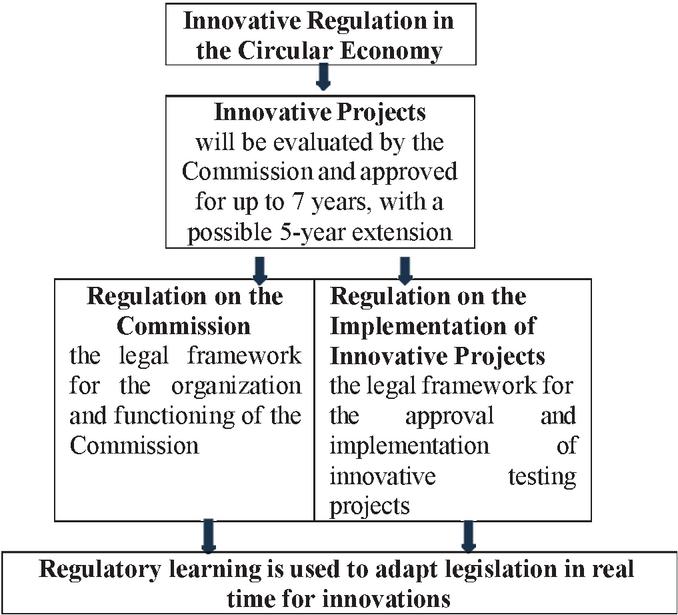
Figure 1 Legal framework of regulatory circular economy sandboxes.
This study offers important implications for policymakers, regulators and innovators striving to align innovation with sustainability goals through the implementation of circular economy sandboxes. By enabling regulatory flexibility in a controlled environment, these mechanisms foster experimentation, accelerate technological diffusion. Under certain conditions that ensure consumer safety and protection, existing rules or their application may be suspended during the implementation of experiments necessary to accelerate innovation. Competent authorities may also provide participants in regulatory sandboxes with bespoke advice and guidance to address any legal uncertainties surrounding the application of rules and legal requirements to specific products or services developed within the respective sandbox project.
The paper underscores the necessity of regulatory learning to adapt legislation in real-time and to ensure innovation is guided by public interest and environmental objectives. However, several limitations must be acknowledged. Firstly, the analysis is largely conceptual and based on secondary sources, lacking empirical data from implemented sandbox projects in the circular economy domain. Secondly, the applicability of the proposed framework may vary across countries due to differences in regulatory cultures, institutional capacities, and political will. Lastly, the social dimension of sandbox experimentation – such as public perception, stakeholder inclusion, and equitable access to innovation – remains underexplored. Future research should focus on evaluating real-world cases of circular economy sandboxes, analysing their impact on innovation outcomes, and sustainability targets. Comparative studies across different countries could further reveal best practices and contextual challenges. In addition, interdisciplinary approaches are needed to integrate legal, economic, and social perspectives, offering a more holistic understanding of how regulatory sandboxes can be leveraged to advance the circular economy and climate neutrality agenda.
Acknowledgments
This publication is based upon work from COST Action CA22124 supported by COST (European Cooperation in Science and Technology). COST is a funding agency for research and innovation networks. Actions help connect research initiatives across Europe and enable scientists to grow their ideas by sharing them with their peers. This boosts their research, career and innovation. http://www.cost.eu.
The contents of this document are the sole responsibility of the CA22124 and can under no circumstances be regarded as reflecting the position of the European Union or/and COST.
References
[1] Zhechen Zhang, Zhonghao Chen, Jiawen Zhang, Yunfei Liu, Lin Chen, Mingyu Yang, Ahmed I. Osman, Mohamed Farghali, Engui Liu, Dalia Hassan, Ikko Ihara, Kun Lu, David W. Rooney, Pow-Seng Yap, ‘Municipal solid waste management challenges in developing regions: A comprehensive review and future perspectives for Asia and Africa’. In Science of The Total Environment, Volume 930, 2024.
[2] E. Javanmardi, S. Liu, N. Xie, ‘Exploring the Challenges to Sustainable Development from the Perspective of Grey Systems Theory’. pp. 11, 70. Systems 2023.
[3] Xiaoqi Zheng, Yonglong Lu, Cuimei Ma, Jingjing Yuan, Nils Chr Stenseth, Dag O. Hessen, Hanqin Tian, Deliang Chen, Yi Chen, Sheng Zhang, ‘Greenhouse gas emissions from extractive industries in a globalized era‘. In Journal of Environmental Management, Volume 343, 2023.
[4] C. Chiarot, R.E. Cooper Ordoñez, C. Lahura, ‘Evaluation of the Applicability of the Circular Economy and the Product-Service System Model in a Bearing Supplier Company’. Sustainability, p. 14, 2022.
[5] K. Hartley, R. van Santen, J. and Kirchherr, ‘Policies for transitioning towards a circular economy: Expectations from the European Union (EU). Resources, conservation and recycling’, p. 155, 2020.
[6] J. L. Castle, D. F. and Hendry, ‘Five sensitive intervention points to achieve climate neutrality by 2050, illustrated by the UK’, Renewable Energy, 2024. 120445.
[7] Agreement P., Paris agreement. In report of the conference of the parties to the United Nations framework convention on climate change (21st session, 2015: Paris), Retrived December (Vol. 4, No. 2017, p. 2). Getzville, NY, USA: Hein Online, 2015.
[8] Nicholas Stern, Anna Valero, ‘Innovation, growth and the transition to net-zero emissions’, In Research Policy, Volume 50, Issue 9, 2021.
[9] Ashutosh Tiwari, ‘Acceleration of Green Transition: How Advanced Materials Fuel the Future of Net-Zero’, In Advanced Materials Letters [J] 2024.
[10] Bäckstrand, K. ‘Towards a climate-neutral union by 2050? The European green deal, climate law, and green recovery’, In Routes to a resilient European Union: interdisciplinary European studies, pp. 39–61, Cham: Springer International Publishing. 2022.
[11] Global Resources Outlook: Natural Resources for the Future We Want. 2019.
[12] Gemma Duran-Romeo, Ana M. Lopez, et al. ‘Bridging the gap between circular economy and climate change mitigation policies through eco-innovations and Quintuple Helix Model’. In Technological Forecasting and Social Change [J] 2020.
[13] United Nations Environment Programme, 2024. Global Resources Outlook 2024: Bend the Trend – Pathways to a Liveable Planet as Resource Use Spikes.
[14] Phyo Zaw Oo, Trakarn Prapaspongsa, Valadimir Strezov et al. ‘The role of global waste management and circular economy towards carbon neutrality’, In Sustainable Production and Consumption[J], pp. 498–510. 2024.
[15] Ellen MacArthur Foundation. ‘Completing the Picture: How the Circular Economy Tackles Climate Change’. 2019, reprinted 2021.
[16] N. Labanca, Â. G. Pereira, M. Watson, K. Krieger, D. Padovan, L. Watts and L. Mehta, ‘Transforming innovation for decarbonisation? Insights from combining complex systems and social practice perspectives’. In Energy Research & Social Science, 65. 2020.
[17] P. Upham, B. Sovacool and B. Ghosh, ‘Just transitions for industrial decarbonisation: A framework for innovation, participation, and justice’. In Renewable and Sustainable Energy Reviews, 167. 2022.
[18] L. Costa, V. Moreau, B. Thurm, W. Yu, F. Clora, G. Baudry and Kropp, J. P. ‘The decarbonisation of Europe powered by lifestyle changes’. In Environmental Research Letters, 16(4), 2021.
[19] Accelerating the circular economy in Europe. EEA Report 13/2023.
[20] S. Erdoğan, N. D. Çakar, R. Ulucak, Danish and Y. Kassouri. ‘The role of natural resources abundance and dependence in achieving environmental sustainability: evidence from resource-based economies’. In Sustainable Development 29(1), 143–154. 2021.
[21] J. Gao and M. Tian, ‘Analysis of over-consumption of natural resources and the ecological trade deficit in China based on ecological footprints’. In Ecological indicators 61. 2016.
[22] J. Kirchherr, D. Reike and M. Hekkert, ‘Conceptualizing the circular economy: An analysis of 114 definitions’. Resources, Conservation and Recycling [J]. pp.221–232. 2017.
[23] Ran Tao, Chi-Wei Su, et al., ‘Can Fintech development pave the way for a transition towards low-carbon economy: A global perspective’. In Technological Forecasting and Social Change [J]. 2022.
[24] S. Filipović, N. Lior and M. Radovanović, ‘The green deal–just transition and sustainable development goals Nexus’, Renewable and Sustainable Energy Reviews, 168. 2022.
[25] N. Suchek, C. I. Fernandes, S. Kraus, M. Filser and H. Sjögrén, ‘Innovation and the circular economy: A systematic literature review’. In Business Strategy and the Environment. 30(8). 2021.
[26] A. Butenko and P. Larouche, ‘Regulation for innovativeness or regulation of innovation?’. In Law, Innovation and Technology, 7(1). pp. 52–82. 2015.
[27] David S. Lucas, Caleb S. Fuller, et al., Made to be broken? A theory of regulatory governance and rule-breaking entrepreneurial action’, In Journal of Business Venturing [J]. 2022.
[28] M. Cartel, E. Boxenbaum and F. Aggeri, ‘Just for fun! How experimental spaces stimulate innovation in institutionalized fields’, In Organization Studies 40(1), 65–92. 2019.
[29] M. Pulkkinen, L. M. Sinervo and K. Kurkela, ‘Premises for sustainability – participatory budgeting as a way to construct collaborative innovation capacity in local government’, In Journal of Public Budgeting, Accounting & Financial Management, 36(1), pp. 40–59. 2024.
[30] M. Kovac, and A. S. Vandenberghe, ‘Over-regulation, Degradation of the Rule of Law and Implementation of Sustainable Practices’. In Challenges on the Path Toward Sustainability in Europe pp. 271–295. 2020. Emerald Publishing Limited.
[31] Case Studies on the Regulatory Challenges Raised by Innovation and the Regulatory Responses. OECD. 2021.
[32] D. Ahern, ‘The New Anticipatory Governance Culture for Innovation: Regulatory Foresight, Regulatory Experimentation and Regulatory Learning’. In Eur Bus Org Law Rev. 2025.
[33] H. W. Müller and K. Remke, ‘Circular Systems Sandbox: A Process Tool for Circular Systems Design and Rebound Effect Reduction’. In Journal of Business Venturing Design. 2025.
[34] Abhijna Neramballi, Leonidas Milios, Tomohiko Sakao, Johannes Matschewsky. ‘Toward a policy landscape to support the product-as-a-service design process for a circular economy’. In Journal of Industrial Ecology, Volume28, Issue 5, pp. 1045–1059. 2024.
[35] Julian Kirchherr, Nan-Hua Nadja Yang, Frederik Schulze-Spüntrup, Maarten J. Heerink, Kris Hartley, ‘Conceptualizing the Circular Economy (Revisited): An Analysis of 221 Definitions’, Resources, Conservation and Recycling, Volume 194, 2023.
[36] Vasileios Rizos, Julie Bryhn, ‘Implementation of circular economy approaches in the electrical and electronic equipment (EEE) sector: Barriers, enablers and policy insights’, In Journal of Cleaner Production, Volume 338, 2022.
[37] Giulio Cornelli, Sebastian Doerr, Leonardo Gambacorta and Ouarda Merrouch. ‘Regulatory sandboxes and fintech funding: evidence from the UK’, BIS Working Papers No 901.
[38] Zühre Aydın, Okan Yardımcı. ‘Regulatory sandboxes and pilot projects: Trials, regulations, and insights in energy transition’, In Engineering Science and Technology, an International Journal, Volume 56, 2024.
[39] Sofia Ranchordás. ‘Experimental Lawmaking in the EU: Regulatory Sandboxes’, University of Groningen Faculty of Law Research Paper Series p. 3 No. 12/2021.
[40] F. Gangale, A. Mengolini, L. Covrig, S. Chondrogiannis, R. Shortall, ‘Making energy regulation fit for purpose. State of play of regulatory experimentation in the EU – Insights from running regulatory sandboxes’, European Commission – JRC Science for policy report. 2024.
[41] Stefan Philipsen, Evert F. Stamhuis, Martin de Jong, ‘Legal enclaves as a test environment for innovative products: Toward legally resilient experimentation policies’, Regulation & Governance. 15, pp. 1128–1143. 2021.
[42] Angelina De Pascale, Giuseppe Di Vita, Carlo Giannetto, Giuseppe Ioppolo, Maurizio Lanfranchi, Michele Limosani, Katarzyna Szopik-Depczyńska, ‘The circular economy implementation at the European Union level. Past, present and future’, In Journal of Cleaner Production, Volume 423, 2023.
[43] Council conclusions on regulatory sandboxes and experimentation clauses as tools for a resilient and future-proof regulatory framework to address disruptive challenges in the digital age. 2020.
[44] Council of European Energy Innovator – CEER Paper on Regulatory Sandboxes in Incentive Regulation, Distribution Systems Working Group, Ref: C21-DS-74-04, 2022.
[45] Ahmad Alaassar, Anne-Laure Mention, Tor Helge Aas, ‘Exploring a new incubation model for FinTechs: Regulatory sandboxes’, Technovation, Volume 103. 2021.
[46] Natalia Díaz-Rodríguez, Javier Del Ser, Mark Coeckelbergh, Marcos López de Prado, Enrique Herrera-Viedma, Francisco Herrera, ‘Connecting the dots in trustworthy Artificial Intelligence: From AI principles, ethics, and key requirements to responsible AI systems and regulation, Information Fusion’, Volume 99, 2023.
[47] Knut Blind. ‘The Impact of Regulation on Innovation’, Nesta Working Paper No.12/02.
[48] OECD Public Governance Policy Papers. Regulatory Experimentation: Moving ahead on the Agile – Regulatory Governance Agenda. April 2024.
[49] Buocz, T., Pfotenhauer, S., and Eisenberger, I. ‘Regulatory sandboxes in the AI Act: reconciling innovation and safety?’, In Law, Innovation and Technology, 15(2), pp. 357–389. 2023.
Biographies

Natalia Zamfir Associate Professor of Law at the State University of Moldova, specialising in international and EU environmental law. Since February 2024, she is a member of the Espoo Convention Implementation Committee. She has been a member of the Chisinau Bar Association since 2010. She has over two decades of experience in academia and legislative drafting, particularly in the areas of the Law on Fluorinated Greenhouse Gases and the Climate Actions Law. She has extensive experience in academic curriculum development and has been actively involved in the creation and implementation of a new course on international and EU environmental law. She has experience in coordinating and participating in EU projects within the programme of the Introducing Problem Based Learning in Moldova: Towards Enhancing Students (PBLMD), Erasmus+.

Olesea Plotnic Full Professor of Law at Moldova State University, specializing in Consumer Law, European Business Law, and Intellectual Property Law. A licensed lawyer, accredited CEDR mediator, and arbitrator, she holds a Master’s in Business Law from Sorbonne University Paris and has over two decades of legal experience. Since 2012, she has served as a trainer at the National Institute of Justice, contributing to the education of judges and prosecutors, while also supervising doctoral research since 2015. Her previous role as Deputy Director of the State Inspection for Market Surveillance and Consumer Protection (2008–2015) reflects her strong engagement in regulatory practice.
Dr. Plotnic is deeply involved in international academic and research initiatives, holding multiple Jean Monnet Chairs and participating in EU-funded projects on consumer rights, social entrepreneurship, and circular economy. She currently leads the ECO4ALL COST Action (2023–2027) and is affiliated with prestigious research institutions in France. Her academic contributions have earned her several national awards, and she is a prolific author in EU legal studies. Fluent in four languages, she actively promotes interdisciplinary and cross-border cooperation in law and policy.

Mihaela Tofan Full Professor of European Financial Law at Alexandru Ioan Cuza University of Iaşi and scientific researcher at the Institute for Legal reseacrh Acad. Andrei Rădulescu. She holds the Jean Monnet Chair in European Financial Law and directs the Jean Monnet Centre of Excellence on European Financial Resilience and Regulation. She was Fulbright Scholar at NYU School of Law (2019) and at Fordham University School lf Law (2024) and she is practising lawyer at the Iaşi Bar. She has over two decades of academic and legal experience and she holds habilitation in administrative science (2019) an legal science (2022). Her research focuses on European financial and fiscal law, EU monetary integration and tax regulation, and she has authored several books, including Tax Avoidance and European Law (Routledge, 2022). She has participated in numerous international academic collaborations and she is a lecturer and invited professor at leading institutions in Romania and abroad.

Isidora Milošević Full professor at the University of Belgrade, Technical Faculty in Bor, Department of Engineering Management, with 18 years of experience there. Her research field areas are New technology and innovation, Digitalization, Strategic management of new technology, and Strategic and business planning. She has published over 145 scientific papers, 36 of them in journals with an impact factor, one book, one practicum, and numerous invited and plenary lectures. She has participated in 15 national and international projects and edited four international monographs. Her citation number in Google Scholar is 1103, and h-index is 17. She participated in designing and developing the software solution for the strategic decision-making of managers and other stakeholders. She is a member of the scientific board in the International May Conference on Strategic Management (IMCSM) and the International Conference on Management, Enterprise, and Benchmarking (MEB). She is the Head of the commission for publishing activities at the University of Belgrade, the Technical Faculty in Bor. Her ORCID ID is 0000-0001-5539-8253.

Maria Menshikova Associate Professor of Business Organization at Universitas Mercatorum (Italy). She has held teaching positions at several prestigious Italian and international universities, delivering courses such as Organization of Tourism Enterprises, Organization of Financial Intermediaries, Organization and Human Resource Development, Talent Acquisition and Management, Diversity Management, and New Forms of Work Organization and Smart Working. Her research focuses on the impact of digital technologies on work organization, as well as on innovative and sustainable human resource management strategies and practices across various sectors and contexts.
Strategic Planning for Energy and the Environment, Vol. 44_4, 793–818.
doi: 10.13052/spee1048-5236.4447
© 2025 River Publishers