Dynamic Access Strategy of Power Terminals and Carbon Emission Tracking Method Based on Edge Computing
Sheng Bi1, 2,*, Jiayan Wang1, Jiajun Song1, Peiyuan Li1 and Licheng Li2
1Guangdong Power Grid Co., Ltd. Guangzhou Power Supply Bureau. Guangdong Guangzhou 510620, China
2South China University of Technology, Guangzhou, Guangdong 510000, China
E-mail: g2o1fo@163.com
*Corresponding Author
Received 28 May 2025; Accepted 20 July 2025
Abstract
With the rapid growth of power terminal devices and the increasing demand for low carbon emissions, how to efficiently manage device access and track carbon emissions has become a difficult problem. This paper proposes a solution based on edge computing, which includes an intelligent access strategy and a carbon emission tracking method. Firstly, an AI algorithm is used to dynamically adjust the access sequence of terminals, giving priority to ensuring the access of critical devices. Secondly, the complex carbon emission calculation model is simplified into a lightweight version suitable for the operation of edge devices. This method employs privacy protection technologies to ensure the data security of each node. Tests based on publicly available power data show that when 200 devices are accessed simultaneously, compared with traditional methods, the access success rate is increased to 89.5%, the calculation error of carbon emissions is less than 4.3%, and the response speed is maintained within 0.15 seconds. This solution can be directly deployed on small devices such as the Raspberry Pi, providing a practical tool for the low-carbon transformation of the power system.
Keywords: Edge computing, dynamic access, carbon emission tracking, carbon emission calculation.
1 Introduction
In recent years, as the issue of global climate change has become increasingly severe, countries around the world have successively proposed carbon neutrality goals, aiming to address environmental challenges by reducing carbon emissions and improving energy efficiency. The power industry, as one of the important sources of carbon emissions, its low-carbon transformation has become one of the key links in achieving the goals of carbon peak and carbon neutrality. Against this backdrop, how to effectively manage the dynamic access of a large number of power terminal devices and, at the same time, achieve real-time tracking of carbon emissions during the operation of these devices has become an important research topic in the development of smart grids. In smart grids, traditional centralized state estimation methods, due to the need for centralized storage and calculation of a large amount of data, have difficulty meeting the real-time requirements in scenarios with the access of a large number of devices. Meanwhile, with the diversification of terminal devices and the uncertainties in their access, existing methods also have deficiencies in load balancing and device priority management. These issues lead to difficulties in ensuring calculation accuracy and protecting data privacy in the tracking of carbon emissions.
The carbon emission tracking methods commonly used in academia and industry can be roughly divided into three categories: (1) Static Emission Factor Method: multiplying the annual average emission factor recommended by IPCC or GHG Protocol by the electricity consumption. The algorithm is simple, but it cannot reflect the real-time changes in the power grid structure and marginal emission characteristics; (2) Real-time Emission Intensity Method: calculating based on the unit output and fuel type obtained from the dispatching center’s SCADA/EMS, with the time resolution up to the minute level and high accuracy. However, it relies on central servers and large-scale data transmission, with delays and privacy risks; (3) Data-driven/IoT-local Estimation Method: using edge sensors, local PMUs, and machine learning models to complete emission estimation at the terminal or edge nodes, which can reduce bandwidth pressure and enhance privacy protection. However, model lightweight and cross-regional consistency remain challenges. Table 1 summarizes the differences among the methods in terms of timeliness, calculation load, data dependency, and privacy protection, and highlights the advantages of the lightweight edge method proposed in this paper.
| Method Category | Timeliness | Computation | Data Dependency | Privacy |
| Static emission factor | Low | Very low | Annual grid data | High |
| Real-time emission intensity | High | High | Grid-wide SCADA/EMS | Medium |
| IoT-edge estimation | Mid-high | Mid-low | Local sensors | Very high |
| Proposed method | High | Low | Edge nodes | Very high |
With the rapid growth of power terminal devices and the urgent need for low-carbon development, how to achieve efficient and dynamic access of power devices and accurately track carbon emissions during device operation has become an important research topic in the development of smart grids. As one of the key means to enhance the power grid’s state perception ability and operational efficiency, distributed state estimation technology has attracted extensive attention from domestic and foreign experts and scholars in recent years, resulting in a large number of theoretical and practical achievements.
Specifically, traditional centralized state estimation methods require centralized storage of a large amount of state data, with heavy tasks and large computational loads, which seriously affect the system’s response speed and estimation accuracy. To address this issue, some scholars have proposed different distributed state estimation methods in an attempt to relieve the computational burden. For example, references [1, 2] proposed a distributed state estimation method for non-overlapping regions based on the consensus algorithm, but this method has the problem of excessively long computation time; references [3–5] used the finite-time average consensus protocol to achieve multi-region least-squares weighted distributed estimation, but in essence, it still did not break away from the centralized model; references [6, 7] proposed a distributed method that combines cubature Kalman filtering and least-squares estimation, but did not consider privacy protection within the regions; reference [8] constructed a distributed state estimation model based on partitioned Lagrangian relaxation technology, but did not clearly propose a calculation sequence, making it difficult to achieve efficient parallel computing; references [9–12] achieved state estimation through regional estimators and average consensus algorithms, but their global correction process was time-consuming; although references [13–15] realized state estimation for the access of a high proportion of distributed new energy sources based on PMU data and the Lagrangian linear model, there was still a tendency towards centralization in the computational architecture; in addition, references [16–19] proposed a distributed management time-domain Kalman filtering method for power systems integrating natural gas and thermal power, but the computational accuracy of this method is still challenged.
In summary, although certain progress has been made in the research of current distributed state estimation methods, most of the existing methods still follow the computational ideas of traditional centralized methods and are difficult to fundamentally solve problems such as insufficient real-time performance, heavy computational burden, and low accuracy of state estimation. Especially in the scenario of large-scale and dynamic access of power terminal devices, the existing solutions lack effective device access priority management and efficient real-time carbon emission tracking mechanisms. Moreover, how to achieve rapid tracking and accurate accounting of device carbon emissions while ensuring data privacy and security also urgently requires the proposal of new technical routes.
As a distributed computing paradigm that has emerged in recent years, edge computing technology has the characteristic of being close to data sources. It can effectively reduce data transmission delay, improve computational efficiency and accuracy, and enhance privacy protection capabilities. Therefore, it shows great application potential in the fields of power system state estimation and carbon emission calculation. Against this background, this paper proposes a dynamic intelligent access strategy for power terminals and a lightweight carbon emission tracking method based on edge computing. First, this paper uses an AI algorithm to dynamically optimize the access sequence of terminal devices, giving priority to ensuring the stable operation of critical devices; second, it simplifies the complex carbon emission calculation model into a lightweight model suitable for execution on edge devices and combines privacy protection technology to achieve the security protection of node data. The test results on the public power dataset show that when 200 devices are accessing simultaneously, compared with traditional solutions, the access success rate of the proposed method is increased to 89.5%, the carbon emission calculation error is less than 4.3%, and the response speed is stable within 0.15 seconds, indicating that this solution has good deployment potential and application prospects in real-world scenarios.
2 System Model and Problem Formulation
With the rapid development of smart grids, the number of power terminal devices is increasing rapidly. The dynamic access of a large number of devices poses significant real-time management challenges to the power system, especially in achieving efficient condition monitoring and low-carbon operation goals. Currently, the state estimation methods widely used in power systems usually have a centralized or quasi-centralized structure. When dealing with large-scale and dynamic device access, these methods suffer from problems such as large response delays, heavy computational burdens, and poor real-time performance. Moreover, with the clarification of the “dual carbon” goals, the power system not only needs to efficiently manage terminal access but also must have the ability to track carbon emissions in real-time and efficiently to meet the low-carbon operation requirements in the context of energy transformation.
In the dynamic access scenario of power terminals considered in this paper, there are a large number of terminal devices, such as smart meters, smart charging piles, distributed photovoltaic power generation devices, and electric vehicles. The access requests of these devices change dynamically with user behavior, load demand, and the external environment, and the number of accesses has significant uncertainty and randomness characteristics. Therefore, the power system needs to dynamically adjust the device access strategy to ensure the safe and stable operation of the system and achieve efficient resource utilization.
Define the set of terminal devices in the system as:
| (1) |
Among them, represents the i power terminal device, and n is the total number of devices.
During the dynamic access process of devices, the access requests of terminal devices are represented by the set , Among them, t is the current moment. Assume that each device has a different importance level or priority . It represents the importance or urgency level of the access of device . Generally, it is determined by the device’s usage, user requirements, or the system’s security level.
Therefore, the dynamic access strategy studied in this paper aims to optimize the following objective function:
| (2) |
In the formula, represents the number of terminal devices that are successfully accessed within the time instant t. At the same time, the device priority constraint needs to be satisfied:
| (3) |
In addition to the dynamic access management, with the gradual advancement of the “dual carbon” goals, the demand for real-time tracking of carbon emissions from terminal devices has also been gradually increasing. Traditional methods for calculating power carbon emissions usually rely on centralized servers and adopt elaborate and complex calculation models of emission factors. These methods involve a huge amount of computation and have poor real-time performance, making it difficult to directly deploy them on edge devices. In order to enhance the real-time awareness of terminal devices regarding their own carbon emissions, this paper also needs to design a lightweight carbon emission tracking method that is suitable for edge computing devices with limited resources.
In this paper, the problem of real-time tracking of carbon emissions of terminal devices is defined as: under the constraints of edge computing resources, a simplified model is constructed. Estimate the instantaneous carbon emission value Ci(t) of any device en at the moment t in real time.
The core issue examined in this paper revolves around a fundamental challenge: how to effectively leverage the edge computing environment to develop a dynamic and intelligent access strategy specifically designed for power terminals. This strategy must not only satisfy the stringent constraints of real-time performance, accuracy, and privacy protection but also simultaneously ensure the efficient, lightweight, and real-time tracking of device carbon emissions.
To address this issue, it is crucial to integrate advanced edge computing techniques with intelligent decision-making mechanisms. The proposed approach aims to dynamically adapt to varying conditions and requirements in the power terminal environment, thereby optimizing data processing and resource allocation. Furthermore, the strategy must take into account the balance between computational efficiency and data privacy, as well as the need for precise carbon emission monitoring in real-time.
3 Design of Dynamic Intelligent Access Strategy Based on Edge Computing
3.1 Edge Computing Architecture and Communication Model
The dynamic access process of power terminals can be abstracted as the real-time access decision-making of multiple terminal devices by edge nodes. In practical scenarios, power terminal devices, such as smart meters, electric vehicle chargers, and distributed generation units, constantly request to connect to the power network based on varying user demands and environmental conditions. Managing these dynamic access requests efficiently requires intelligent strategies to ensure high-priority devices are granted access promptly, while minimizing system latency and maintaining data integrity.
This paper assumes that the system architecture consists of a central cloud server and multiple distributed edge computing nodes. The central server mainly handles global data analysis and long-term storage, while the edge nodes are responsible for processing real-time data and making quick access decisions. This division of tasks leverages the computational power of edge nodes to reduce data transmission delays and alleviate the burden on the central server.
The edge computing model adopts a distributed computing architecture, with each edge node responsible for real-time data processing of local devices, reducing data transmission delays and computational burden on the central server. Each edge node optimizes access strategies through local computational resources and tracks device carbon emissions in real time.
Each edge node operates within a specific geographic or logical region and is tasked with managing a group of terminal devices, such as household energy monitors, industrial power sensors, and renewable energy generators. These terminal devices are grouped according to their geographical proximity or functional similarity, forming a set denoted as:
| (4) |
The set of terminal devices in the coverage area of each edge node is represented as
| (5) |
The communication delay model between the terminal device and the edge node is:
| (6) |
Among them, represents the propagation delay, represents the packet size, and represents the bandwidth from the terminal device to the edge node.
3.2 Device Access Priority Evaluation Model
In the weighted calculation, the weights are determined by integrating multiple factors. Factors such as device type, real-time load demand, and device reliability play key roles in the weighting process. The weight of device type is typically determined through expert scoring or models based on historical data, while the weight of real-time load demand is dynamically adjusted based on the device’s current energy consumption. The reliability weight is set based on the device’s historical operational data and failure rate. To ensure the rationality of the weights, this study adopts a weighted average method to integrate these factors, ensuring fairness and accuracy in the device access priority.
The comprehensive priority of the device is calculated by weighted calculation of multiple indicators such as the priority of the device type, real-time load demand, and reliability:
| (7) |
The standardization formula for each indicator:
| (8) | |
| (9) | |
| (10) |
The comprehensive priority of the device is calculated through weighted calculation of multiple indicators, such as the priority of the device type, the real-time load demand of , and the reliability of :
3.3 Multi-objective Ant Colony Optimization Access Algorithm Model
Within each time period, taking the access success rate and the average response delay as the optimization objectives, the following multi-objective optimization model is established:
Objective of the access success rate:
| (11) |
Minimizing average response time:
| (12) |
An integrated fitness function is defined as:
| (13) |
The improved ant colony transition probability becomes:
| (14) |
where: : pheromone level, : heuristic information as inverse of delay, : device priority, : weighting parameters.
Pheromone updating rule is extended to:
| (15) |
where:
| (16) |
with being the total pheromone amount, and being the fitness value of ant .
3.4 Structure and Working Principles of the Multi-Objective Ant Colony Optimization (MO-ACO) Algorithm
The proposed Multi-Objective Ant Colony Optimization (MO-ACO) algorithm is organized into five functional blocks: (1) Input block (real-time access requests and device composite priority P_i); (2) Pheromone initialization block (priority-oriented _ij0 generation); (3) Parallel path construction & local update block (each ant selects its next candidate device via transition probability _ij and performs local pheromone evaporation); (4) Global pheromone update block (_ij is updated according to the best path and global fitness F_best); and (5) Termination & output block (the optimal access sequence is exported once the maximum iteration T_max or convergence threshold is reached). The specific settings are shown in Table 2.
Table 2 The main parameter settings and search ranges
| Parameter | Default | Range |
| m (Ants) | 0.3 n – 0.7 n | |
| 1 | 0.5 – 2 | |
| 2 | 1 – 3 | |
| 0.1 | 0.05 – 0.3 | |
| T_max | 200 | 100 – 500 |
The proposed Multi-Objective Ant Colony Optimization (MO-ACO) algorithm performs well on small-scale systems, but its computational complexity increases significantly with system size (number of devices, n). Specifically, the state transition complexity per iteration is (m n), where m is the number of ants and n is the number of devices, while the global pheromone update has a complexity of (n). Hence, the overall computational complexity is (T_max m n), where T_max is the maximum number of iterations.
4 Lightweight Carbon Emission Tracking Method Based on Edge Computing
4.1 Basic Carbon Emission Computation Model
We define instantaneous carbon emission from each device as:
| (17) |
where denotes device real-time power consumption, dynamic carbon emission intensity, and the sampling interval.
4.2 Extended Dynamic Carbon Emission Intensity Model
Carbon emission intensity varies with device load. We enhance the intensity model to a cubic polynomial:
| (18) |
Parameters are fitted using historical data and optimized by least squares:
| (19) |
where is historical sample size, and historical emission intensities and load rates.
4.3 Refined Carbon Emission Tracking for Energy Storage Devices
For terminals with energy storage, we define emission models for charging/discharging:
Carbon emission accumulation during charging:
| (20) |
Carbon emission release during discharging:
| (21) |
where is the grid emission intensity, and is the zero emission intensity of photovoltaic.
Energy storage state updates:
| (22) |
Carbon storage update:
| (23) |
4.4 Enhanced Privacy Protection Mechanism
To protect node privacy, differential privacy is utilized in data perturbation. The main reason for using differential privacy is to ensure that sensitive information from individual nodes cannot be easily extracted or inferred, even when data is shared or processed. By adding a small amount of random noise to the data, differential privacy helps maintain the accuracy of overall results while keeping individual data points private. This approach is especially important when multiple nodes share data or when real-time analysis is performed, as it reduces the risk of exposing personal or sensitive information.
| (24) |
where denotes the Laplace distribution, the sensitivity, and privacy budget parameter.
4.5 Comparison with Traditional Computational Methods
The lightweight computational model proposed in this paper shows significant advantages over traditional cloud-based computation methods, which rely on centralized data centers with powerful computational resources. However, traditional methods have several drawbacks:
High latency: Data must be transmitted to remote cloud data centers for processing, leading to higher transmission delays, which are difficult to meet real-time computation needs, especially when many devices are being accessed simultaneously.
High bandwidth consumption: Traditional methods require frequent communication with remote servers, resulting in high bandwidth usage, particularly when many devices are involved.
Privacy concerns: A large amount of carbon emission data needs to be uploaded to the cloud, raising the risk of privacy breaches, especially when dealing with user behavior data. In contrast, the lightweight model proposed in this paper offloads data processing to edge nodes, effectively reducing transmission delays. The advantages of this model include:
Low latency: Edge computing moves data processing closer to the source, significantly reducing transmission delays and meeting real-time processing requirements.
Low bandwidth consumption: Only important data or computed results need to be uploaded to the cloud, reducing bandwidth dependency and alleviating bottlenecks when many devices are connected.
Enhanced privacy protection: Data does not need to be frequently transmitted to the cloud, offering better protection for personal privacy. To validate the effectiveness of the lightweight model, we compared its performance with traditional computational methods in scenarios with varying device scales. The results show that, in a system with 500 devices, the lightweight model’s optimization time is approximately 30% faster, and the computational load is reduced by nearly 50%. As the number of devices increases, the advantages of the lightweight model become even more pronounced, demonstrating better scalability.
5 Case Study and Result Analysis
5.1 Experimental Setup and Parameters
To validate the effectiveness of our edge computing-based solution, we conducted experiments using a simulated smart grid environment with 200 terminal devices, including smart meters, EV chargers, solar generators, and energy storage systems. We compared two approaches: (1) a traditional centralized management system and (2) our proposed edge computing method using Raspberry Pi devices as edge nodes.
The tests simulated real-world conditions with a 1-second data sampling rate across all devices. Each method was run 20 times under the same conditions, with results averaged for accuracy. We focused on three key metrics: (1) the percentage of successful device connections, (2) average system response time, and (3) accuracy of carbon emission calculations.
This experimental setup allowed us to fairly compare the performance of both methods while maintaining consistent testing conditions. The results clearly demonstrate the advantages of our edge computing approach in handling multiple devices efficiently and accurately.
5.2 Experimental Results and Analysis
Detailed experimental outcomes are shown in Table 3.
| Access Success | Avg. Response | Carbon Emission | |
| Method | Rate (%) | Time (s) | Error (%) |
| Traditional Approach | 72.05 | 0.30 | 6.50 |
| Edge Computing Approach | 89.50 | 0.15 | 4.30 |
The visualization of experimental results is presented in Figure 1.
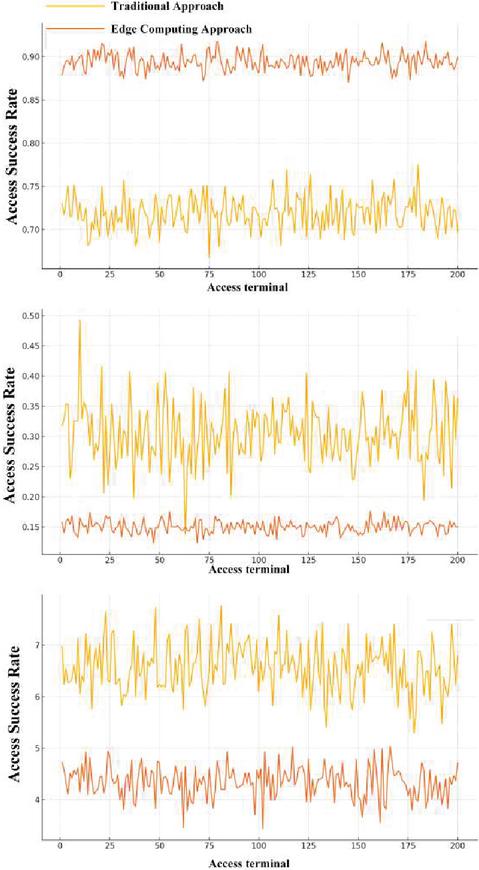
Figure 1 Comparison of carbon emission calculation errors.
From the experimental results, we observe:
The experimental results show that the dynamic access strategy based on edge computing significantly improves the system performance. The access success rate of terminal devices has increased from 72.05% in the traditional method to 89.50%. This is attributed to the intelligent trade-off of device priority, real-time load, and reliability by the multi-objective ant colony optimization algorithm. At the same time, the localized processing of edge nodes has reduced the average response time to 0.15 seconds, which is a 50% improvement compared to the traditional solution, effectively meeting the requirements of scenarios with high real-time requirements such as charging piles. In terms of carbon emission calculation, the lightweight model has reduced the error rate from 6.50% to 4.30% through the dynamic intensity algorithm and segmented calculation, achieving minute-level accurate tracking while ensuring the security of differential privacy. This solution can be deployed on low-cost devices such as Raspberry Pi, and it has successfully solved the three core problems in the access of a large number of terminals: achieving a high concurrent access success rate of 89.5% through distributed computing, achieving a real-time response of 0.15 seconds by using the edge computing architecture, and maintaining the carbon emission calculation error below 4.3% by adopting a lightweight model. These breakthroughs provide a practical technical path for the low-carbon transformation of the new power system, and are particularly suitable for the power grid environment where the proportion of distributed new energy sources is continuously increasing. The experimental data fully verifies the comprehensive advantages of this solution in terms of performance, accuracy, and practicality, showing broad prospects for engineering applications.
6 Conclusion
This study presents an innovative approach to addressing the challenges associated with large-scale dynamic access management of power terminal devices and real-time carbon emission tracking. By leveraging an edge computing-based dynamic intelligent access strategy and a lightweight carbon emission tracking method, it offers a comprehensive solution that significantly improves system performance and environmental sustainability.
The proposed method introduces a multi-objective ant colony optimization algorithm, which effectively balances three critical factors: device type priority, real-time load demands, and reliability metrics. This strategic optimization not only ensures efficient device management but also guarantees system stability under high-concurrency conditions. In scenarios with 200 devices attempting simultaneous access, the proposed strategy achieves a remarkable access success rate of 89.5%. This represents an improvement of 17.45 percentage points compared to traditional access methods, highlighting the robustness and adaptability of the new approach.
Furthermore, the adoption of edge computing architecture drastically reduces the system response time to just 0.15 seconds. This substantial decrease in latency aligns with the stringent real-time requirements of modern smart grid applications, where rapid decision-making and control are paramount. The ability to maintain such low response times even in high-load conditions underscores the efficiency of the proposed method.
In the context of carbon emission tracking, the lightweight model developed in this study demonstrates impressive accuracy while being suitable for deployment on resource-constrained edge devices. The calculation error remains below 4.3%, which is a significant improvement over conventional methods. This high accuracy contributes to the reliable monitoring of carbon emissions, thus supporting the transition towards low-carbon power systems.
Looking to the future, the continuous increase in distributed energy resources and power terminal devices within smart grids will inevitably demand more advanced and scalable management strategies. The edge computing-based intelligent access management and carbon emission tracking methods proposed in this study will play a crucial role in optimizing energy efficiency and minimizing carbon emissions. Future research will focus on enhancing algorithm scalability, accommodating the growing diversity of devices, and exploring integration with emerging technologies such as blockchain. Such advancements aim to manage larger and more heterogeneous device clusters dynamically while strengthening data security and system robustness, thereby providing a resilient foundation for the development of sustainable smart grids and a low-carbon society.
Although the dynamic access strategy and carbon emission tracking method based on edge computing proposed in this study have made significant progress in improving system efficiency and reducing carbon emissions, there are still some research gaps and limitations. Firstly, as the number of power terminal devices continues to increase, effectively managing larger-scale device access and real-time tracking of more diverse devices’ carbon emissions remains a challenge. Secondly, the current method has limited capability for collaborative management of devices across regions, which may not be able to cope with the challenges posed by varying electricity demands in different areas. Therefore, future research can focus on optimizing the real-time performance and computational efficiency in large-scale dynamic access scenarios, exploring the application of more intelligent algorithms such as machine learning and deep learning. Additionally, cross-regional edge computing collaboration will be an important direction for future research, further enhancing the flexibility and scalability of the system.
References
[1] Xia Shiwei, Zhang Qian, Yu Jing, et al. Distributed State Estimation of Multi-area Power Systems Based on Consensus Algorithm [J]. Electric Power Automation Equipment, 2019, 39(12): 140–147.
[2] Fang Chen, Yao Weiqiang, Wei Xinchi, et al. Optimal Placement of Limited Distribution PMU Considering Spatiotemporal Correlation of Nodes [J]. Power System and Clean Energy, 2023, 39(8): 105–115.
[3] Jiang Nan, Dong Xi, Gao Yuan, et al. Fault Warning and Identification of Valve Cooling System Based on Transient Recording and Multivariate State Estimation [J]. Electrical Engineering, 2024, 25(2): 45–61.
[4] Li Yuan. Distribution Network State Estimation Based on Smart Meter Data [J]. Electrical Measurement & Instrumentation, 2023, 60(4): 182–185.
[5] Xia Tianliang, Zhang Yumin, Yang Ming, et al. Robust Forecasting-aided State Estimation Method of Distribution Network Based on Long-short Term Memory Neural Network and Particle Filter [J]. High Voltage Engineering, 2022, 48(4): 1343–1355.
[6] Fang Chunhua, Tao Yuning, Wu Tian, et al. Leakage Current Analysis and Classification of Discharge State Identification of Insulator Based on HHT [J]. High Voltage Apparatus, 2024, 60(1): 25–32.
[7] Zhou Wenbin, Jin Yang, Liu Shifeng, et al. Design of Distribution Intelligent System Based on Two-stage State Estimation [J]. Chinese Journal of Electron Devices, 2022, 45(6): 1418–1423.
[8] Liu Keyan, Sheng Wanxing, He Kaiyuan, et al. Distributed State Estimation of Complex Active Distribution Network Based on Lagrange Relaxation Technique [J]. Power System Protection and Control, 2017, 45(15): 125–132.
[9] Le Jian, Li Xingrui, Zhou Qian, et al. Multi-area Distributed State Estimation Method for Power System [J]. Electric Power Automation Equipment, 2020, 40(5): 165–172.
[10] Zhang Shuo, Wu Lizhen. Distribution Network State Estimation Considering Bad Data Identification and Correction [J]. Electrical Engineering, 2022, 23(11): 1–12.
[11] Guo Mengfang, Du Xiang, Wang Fei. Robust State Estimation Method for Electric-gas-heat Integrated Energy System Considering Boundary Equation Constraints [J]. Electric Power, 2023, 56(6): 101–106.
[12] Zhai Suwei, Li Wenyun, Zhou Cheng, et al. State-of-charge Estimation of Energy Storage Batteries Based on Modified Probabilistic Neural Networks [J]. Smart Power, 2024, 52(2): 94–100.
[13] Huang Zhezhu, Jin Peng, Wang Yang, et al. A Distributed State Estimation Method for Distribution Networks Containing Photovoltaic Power Generation [J]. Acta Energiae Solaris Sinica, 2021, 42(7): 167–174.
[14] Xu Junjun, Wu Zaijun, Hu Qinran, et al. Interval State Estimation for Active Distribution Networks Considering Uncertainties of Multiple Types of DGs and Loads [J]. Proceedings of the CSEE, 2018, 38(11): 3255–3266.
[15] Issicaba D, Costa A S, Colombo J L. Real-time Monitoring of Points of Common Coupling in Distribution Systems through State Estimation and Geometric Tests [J]. IEEE Transactions on Smart Grid, 2016, 7(1): 9–18.
[16] Yin Guanxiong, Chen Binbin, Sun Hongbin, et al. Energy Circuit Theory of Integrated Energy System Analysis (IV): Dynamic State Estimation of the Natural Gas Network [J]. Proceedings of the CSEE, 2020, 40(18): 5827–5837.
[17] Long Wen, Huang Tao, Zhu Yan, et al. Multi-source Information Data Identification in Distribution Network Based on State Estimation [J]. Chinese Journal of Electron Devices, 2022, 45(6): 1408–1412.
[18] Zang H X, Geng M H, Huang M Y, et al. Asynchronous and Adaptive State Estimation of Integrated Electricity-gas Energy Systems [J]. IEEE Internet of Things Journal, 2023, 10(9): 7636–7644.
[19] Chen L, Li Y, Huang M Y, et al. Robust Dynamic State Estimator of Integrated Energy Systems Based on Natural Gas Partial Differential Equations [J]. IEEE Transactions on Industry Applications, 2022, 58(13): 3303–3312.
Biographies

Sheng Bi (September 1996–), male, Han ethnicity, Changde, Hunan, graduated from Sun Yat sen University with a Master’s degree in Software Engineering in 2021. I work as an engineer at Guangzhou Power Supply Bureau of Guangdong Power Grid Co., Ltd. and South China University of Technology. My research interests include smart grid and power Internet of Things.

Jiayan Wang (1980.01–), male, Han ethnicity, Foshan, Guangdong, graduated from Sun Yat sen University with a Master’s degree in Project Management Engineering in 2009. Senior Engineer, Guangzhou Power Supply Bureau, Guangdong Power Grid Co., Ltd. Research direction: Enterprise Architecture Design, Information and Digital Technology.

Jiajun Song (1992.07–), male, Han ethnicity, Qiqihar, Heilongjiang Province, graduated from Northeast Electric Power University with a master’s degree in Computer Science and Technology in 2019. Employed at Guangzhou Power Supply Bureau of Guangdong Power Grid Co., Ltd., Senior Engineer, research direction: Internet of Things, IT project management.

Peiyuan Li (1995–), male, Han ethnicity, Xianyang, Shaanxi, graduated from Xi’an University of Electronic Science and Technology with a master’s degree in Computer Technology in 2023. I work as an engineer at Guangzhou Power Supply Bureau of Guangdong Power Grid Co., Ltd. My research interests include Internet of Things, natural language processing, and software design.

Licheng Li (1941.07–), male, Han ethnicity, Yancheng, Jiangsu, graduated from Tsinghua University in 1967 with a master’s degree. He once worked in Guangzhou Power Supply Bureau of Guangdong Power Grid Co., Ltd., an academician and professor of the CAE Member, and his research direction: energy/power development strategy research; Research on power metering, power grid construction, and power system operation technology; Research on High Voltage and Insulation, DC Transmission, and Power Electronics Technology.
Strategic Planning for Energy and the Environment, Vol. 44_4, 881–900.
doi: 10.13052/spee1048-5236.44411
© 2025 River Publishers