Study on Decarbonization Potential and Scale-up Path of Abandoned Coal Mine Compressed Air Energy Storage System
Ning Xiao
Department of Energy Engineering, Shanxi Institute of Science and Technology, Jincheng, China, 048011
E-mail: xn_sxist@163.com
Received 28 August 2025; Accepted 02 December 2025
Abstract
This article studies the decarbonization potential and scaling pathways of abandoned coal mine compressed air energy storage (CAES) systems. By constructing a comprehensive quantitative model covering direct emission reduction, indirect emission reduction, and sequestration-based emission reduction, it systematically analyzes the triple synergistic decarbonization mechanisms of zero-carbon operation, grid peak-shaving, and geological sequestration. The study shows that using zero-carbon compression and waste heat recovery technologies can eliminate the gas supplementary combustion in traditional systems to achieve direct emission reduction, enhance the grid’s ability to absorb renewable energy for significant indirect emission reduction benefits, and utilize the renovated mine spaces for CO2 geological sequestration to achieve negative emissions. Typical case analysis indicates that a 200 MW system has an annual decarbonization potential of about 130,000 tons of CO2, with 86.2% contributed by indirect emission reduction, highlighting its core value in replacing high-carbon power sources. The study further proposes a scaling development path centered on technology standardization, regional clustering, and policy coordination, pointing out that by reducing costs and improving efficiency of key equipment, establishing mine area storage clusters and coordinated grid dispatch, and innovating carbon markets and green finance mechanisms, abandoned coal mine CAES systems can become a key technology to support the new power system and achieve carbon neutrality goals.
Keywords: Abandoned coal mines, compressed air energy storage, decarbonization potential, scaling pathways, carbon emission reduction.
1 Introduction
With the global energy structure accelerating its transition toward green and low-carbon alternatives, increasing the share of renewable energy in energy consumption has become a core pathway for countries to achieve carbon peak and carbon neutrality targets. China’s 14th Five-Year Plan explicitly states the goal of reaching carbon peak before 2030 and achieving carbon neutrality before 2060. The large-scale integration of renewable energy such as wind and photovoltaic power into the grid is of significant importance for mitigating greenhouse gas emissions; however, its inherent intermittency and volatility also pose severe challenges to grid security and peak regulation capabilities. Therefore, large-scale energy storage technologies, particularly compressed air energy storage (CAES) with high energy density and long-cycle regulation capabilities, play a key role in new power systems. Nevertheless, traditional CAES systems still rely on gas supplementation or fossil fuel heating during compression and expansion, resulting in substantial carbon emissions and becoming a technical bottleneck for achieving low-carbon energy storage. In recent years, as the cost of renewable energy continues to decline, and thermal energy recovery and carbon capture, utilization, and storage (CCUS) technologies continue to mature, integrated solutions based on zero-carbon compression, waste heat recovery, and geological storage have gradually garnered attention. Even so, achieving coordinated improvements in compression efficiency, heat recovery efficiency, and storage reservoir stability on a technical level, and quantifying the system’s full lifecycle emission reduction through modeling, still requires in-depth mechanistic analysis and empirical research.
China has a long history of coal resource extraction. By the end of 2020, a total of 7,448 coal mines had been closed during the 13th Five-Year Plan period. These closed or abandoned mines not only cause environmental problems such as land degradation, groundwater pollution, and surface subsidence but also result in the idling of large underground space resources. Based on the unique underground structural characteristics of mined-out areas in coal mines, transforming them into compressed air energy storage (CAES) sites can not only effectively reduce the construction costs of gas storage facilities but also convert abandoned mines into controllable long-term energy storage systems, achieving the synergistic benefits of resource reutilization and ecological restoration. At present, domestic and international research on CAES systems in abandoned mines mostly focuses on the technical feasibility of individual aspects or geological safety assessments, lacking comprehensive analysis of the system’s decarbonization mechanism and holistic demonstration of large-scale deployment paths. Therefore, this paper, based on the decarbonization mechanism of CAES systems in abandoned coal mines, constructs a model for quantifying decarbonization potential and systematically analyzes the technical pathways for its large-scale development, aiming to provide theoretical support and practical guidance for promoting energy transition in abandoned coal mines and supporting national carbon neutrality goals.
2 Decarbonization Mechanism of Abandoned Coal Mine CAES System
2.1 System Composition and Operation Principle
Abandoned coal mine compressed air energy storage (CAES) systems are comprehensive energy storage solutions that integrate geological engineering, thermodynamics, and power electronics technology. These systems utilize underground spaces such as tunnels, chambers, and goaf areas formed after a coal mine is closed to construct large-scale high-pressure gas storage facilities. By converting between electrical energy and the potential/thermal energy of compressed air, they enable grid peak shaving and renewable energy absorption. The system primarily consists of three main components: an above-ground energy conversion module, an underground gas storage module, and a thermal management module. The overall architecture is shown in Figure 1.
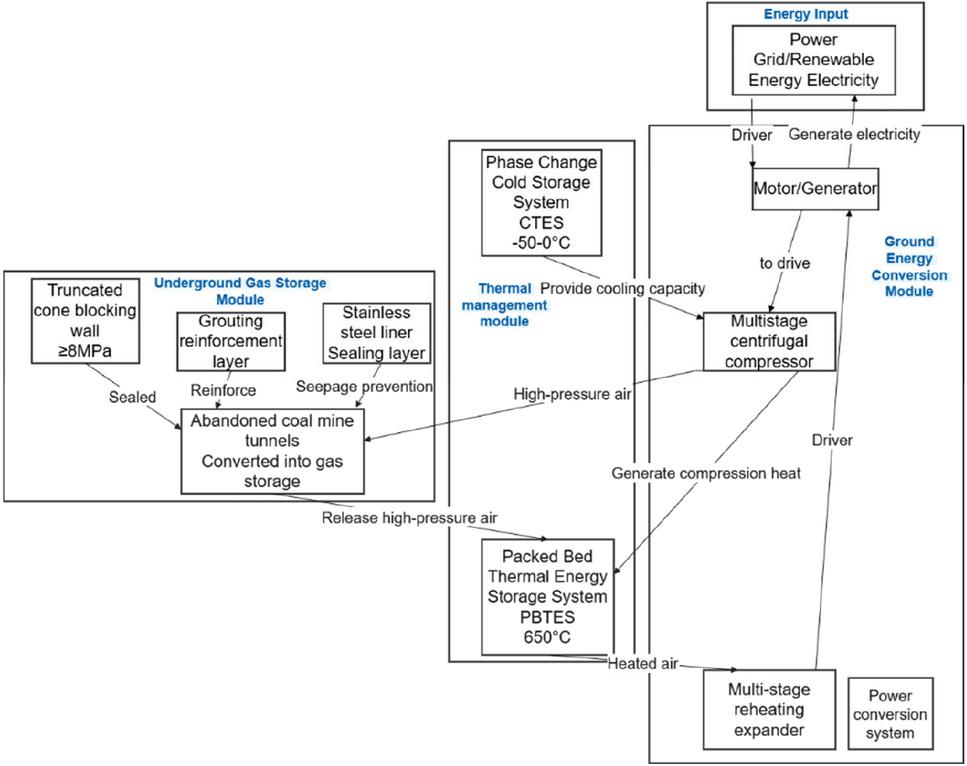
Figure 1 Compressed air energy storage (CAES) system architecture for abandoned coal mines.
2.1.1 Overall system architecture
(1) Above-ground energy conversion module
The above-ground energy conversion module of the abandoned coal mine compressed air energy storage (CAES) system acts as the ‘central nervous system’ of the entire system, integrating key equipment such as compressors, expanders, generators/motors, and power conversion systems. The compressor units typically use multi-stage centrifugal compressors, with a pressure ratio ranging from 40 to 80, equipped with intercoolers between stages, responsible for converting electrical energy into the internal energy of high-pressure air. The expander units use multi-stage reheat expansion turbines, with an expansion ratio between 10 and 15, to convert the internal energy of compressed air back into electrical energy. Modern advanced CAES systems generally adopt an electromechanical integrated design, which connects the motor, compressor, expander, and generator coaxially and uses clutches to enable flexible switching between charge and discharge modes.
(2) Underground gas storage module
The underground gas storage module is the core energy storage unit of the system, forming a sealed gas storage space through the transformation of abandoned coal mine tunnels. Compared with traditional salt cavern gas storage, coal mine tunnels have significant advantages such as large volume, stable geological conditions, and low construction costs: the volume of a single tunnel network can reach 105 to 106 cubic meters, as seen in Germany’s Huntorf power plant with a storage volume of 3.1 105 cubic meters; deep bedrock tunnels (buried more than 300 meters) typically have a rock permeability of less than 10-16 square meters, providing natural low-permeability characteristics; at the same time, using existing shafts and tunnels can reduce investment costs by 30% to 40% compared to newly constructed salt caverns. To ensure gas storage safety, the storage facility requires specialized sealing reinforcement: first, cement-based nanocomposite materials are grouted into the surrounding rock to reduce permeability; secondly, a 0.5-meter-thick layer of waterproof concrete is sprayed on the inner walls, with an 8 to 10 millimeter-thick stainless steel lining installed to form a composite sealing layer; finally, at the tunnel entrances, cone-shaped reinforced concrete walls with a pressure-bearing capacity of no less than 8 MPa are constructed, and multilayer anchor bolts spaced 1.5 meters 1.5 meters are embedded to enhance overall compression resistance and stability. To clearly present the key components and performance parameters of each system module, Table 1 summarizes the main technical composition of the abandoned coal mine CAES system.
Table 1 Main components and technical parameters of the CAES system for abandoned coal mines
| Modules | Core Components | Technical Parameters | Functions |
| Energy Conversion Modules | Multistage Centrifugal Compressor | Pressure ratio 40–80, efficiency 85% | Electrical energy compressed air internal energy |
| Multistage Reheat Expander | Expansion ratio 10–15, efficiency 90% | Compressed air internal energy electrical energy | |
| Underground Gas Storage Modules | Lined Coal Lane Storage Chamber | Volume 105–106 m3, pressure 7–10 MPa | High-pressure air storage |
| Cone Plate Blocking Wall | Pressure-bearing capacity 8 MPa, anchoring depth 5 m | Tunnel sealing and pressurization | |
| Thermal Management Modules | Packed Bed Thermal Storage System (PBTES) | Temperature 650∘C, heat storage density 80–100 kWh/m3 | Compressed heat recovery and reuse |
| Modules | Phase Change Thermal Storage System (CTES) | Temperature 50–0∘C, cold storage density 30–50 kWh/m3 | Cold recovery and interstage cooling |
2.1.2 Key technologies for underground gas storage rehabilitation
(1) Plugging structure design
The blocking wall is made of a truncated cone-shaped reinforced concrete structure, with the larger diameter base (8–12 m) facing the low-pressure side (toward the surface) and the smaller diameter base (6–8 m) facing the high-pressure side (inside the tunnel). This asymmetrical design utilizes the self-locking effect of the surrounding rock to enhance pressure-bearing capacity, with measured compressive strength reaching 1.8 times that of conventional flat walls. Multiple layers of circumferential anchor bolts are embedded within the wall (16–24 per layer, 5–8 m in length), with the anchored ends extending into the stable strata of the surrounding rock, forming a collaborative bearing structure of ‘anchor bolt–concrete–surrounding rock.’
(2) Peripheral rock reinforcement and airtightness treatment
To ensure the stability and airtightness of the surrounding rock, multiple comprehensive measures were implemented: grouting reinforcement with nano-SiO2 modified cement slurry was applied in fracture-prone zones, reducing the permeability coefficient to 10-8 cm/s; simultaneously, a double-layer composite lining structure was adopted, with the outer layer made of P12-grade impermeable concrete and the inner layer of SUS304 stainless steel plates, sealed with argon arc welding, achieving an overall leakage rate of less than 0.5%. In addition, a multi-level safety monitoring system was installed, including pressure monitoring pipes, hydrological observation wells, and gas concentration sensors, used to monitor the pressure in abandoned spaces, water levels in aquifers, and gas concentrations, respectively. The gas concentration sensors are set to trigger an alarm at a threshold of 1%, enabling real-time evaluation and early warning of airtightness and geological safety.
2.1.3 System workflow and thermodynamic characteristics
The system operation is divided into two phases, energy storage and energy release:
(1) Energy storage phase (low valley tariff/wind and light abandonment period)
Renewable energy electricity drives the motor, which in turn powers the multi-stage compressor. Ambient air enters the compressor stages after being filtered. In a typical design, the air undergoes a significant rise in pressure and temperature after the first-stage compression, then passes through an intercooler (cooled by a phase change thermal energy storage system, CTES) to reduce its temperature before entering the subsequent compression stages, ultimately forming high-temperature, high-pressure air [10]. Afterwards, the high-pressure air passes through a packed bed thermal energy storage system (PBTES), where most of the heat generated during compression is absorbed by the storage material, while the air itself is cooled to near ambient temperature, and finally injected into an underground gas storage. This process converts electrical energy into the pressure potential energy and thermal energy of the air, and the thermodynamic efficiency of the compression process, , is defined as the ratio of the total compressor power consumption to the input electrical energy:
| (1) |
Where: is the thermodynamic efficiency. is the sum of compressor power consumption. is the input power.
(2) Energy release stage (peak tariff hours)
After the high-pressure air is released from the storage tank, it first flows through the PBTES, absorbing the previously stored compression heat, significantly increasing in temperature; it then enters the multi-stage expander to do work stage by stage. To improve the work capacity and system efficiency, reheaters are usually installed between stages to utilize the residual heat from the thermal storage system for secondary heating of the air. The expander drives the generator to rotate, converting the internal energy of the compressed air back into electrical energy, which is then supplied to the grid. The thermodynamic efficiency of this expansion process, is defined as the ratio of output electrical energy to the work output of the expander:
| (2) |
Where: is the thermodynamic efficiency. is the electrical energy output. is the sum of the expander output work.
(3) Thermodynamic cycle analysis
The overall cycle efficiency (RTE) of the system is defined as the ratio of output electrical energy to input electrical energy:
| (3) |
where is the pipeline and storage loss rate (typically 5%). Research by Professor Chen Jie’s team at Chongqing University shows that an abandoned coal mine compressed air energy storage (CAES) system using a 5-stage compression/expansion configuration can achieve a round-trip efficiency (RTE) of 47.26%. When the compression/expansion stages are set to 2 stages, the system RTE is 39.95%, representing an 18.3% improvement over traditional CAES systems. The study was published in the 2023 issue of the Journal of Engineering Science and Technology. The team built a full-system mathematical model including compressors, expanders, heat exchangers, and gas storage chambers, systematically evaluating the impact of operating variables on performance. It was confirmed that increasing the number of compression/expansion stages from 2 to 5 results in a 7.31% increase in efficiency, and that the main ventilation and transport tunnels in the coal mine, after lining treatment, have stable gas storage capacity.
2.2 Deep Solution of Decarbonization Potential Sources
The decarbonization potential of abandoned coal mine compressed air energy storage (CAES) systems mainly comes from three aspects: direct emission reduction, indirect emission reduction, and sequestration-based emission reduction. Direct emission reduction refers to the reduction of carbon emissions during system operation by optimizing thermodynamic cycle efficiency and using renewable energy to drive compressors, thereby reducing emissions from conventional gas-based supplementary combustion. Indirect emission reduction refers to the substitutive carbon reduction achieved by enhancing grid load balancing capability and promoting the consumption of renewable energy. Sequestration-based emission reduction involves using the geological conditions of the mine for CO2 storage, creating a negative emissions effect. The following will provide an in-depth analysis of the decarbonization potential from these three dimensions and establish corresponding quantitative models.
2.2.1 Analysis of direct emission reduction mechanisms
Traditional compressed air energy storage (CAES) systems typically rely on fossil fuels such as natural gas to reheat high-pressure air during the energy release phase to improve expansion efficiency, a process that directly generates a large amount of CO2 emissions [12]. In contrast, modern zero-carbon CAES systems recover the heat generated during the storage phase using electric heaters or packed bed thermal energy storage (PBTES) systems and reuse it during energy release, completely avoiding the need for fuel-based reheating and achieving significant reductions in direct carbon emissions. The direct emissions reduction achieved by this system mainly comes from the complete elimination of carbon emissions generated during the traditional reheating process, and its value can be estimated using the following formula:
| (4) |
Where: is the direct emission reduction per unit of electricity generated (kgCO2/kWh); is the amount of fuel energy required per unit of electricity generated in a conventional CAES system (kWhth /kWhel), typically about 0.25 kWhth / kWhel; is the CO2 emission factor of the fuel used (kgCO2/kWhth), and according to IPCC and related studies, the emission factor for natural gas combustion can be taken as 0.20 kgCO2/kWhth.
2.2.2 Analysis of indirect emission reduction mechanisms
The core mechanism of indirect emission reduction lies in the fact that compressed air energy storage (CAES) systems can effectively enhance the grid absorption capacity of intermittent sources such as wind and photovoltaic power by participating in grid peak regulation and smoothing the output fluctuations of renewable energy. By operating in a peak-shaving and valley-filling mode, this system reduces the grid’s peak regulation demand on high-carbon coal-fired units and the additional energy consumption and emissions caused by their frequent start-stop cycles, thereby achieving indirect carbon reduction benefits by replacing equivalent thermal power generation. The indirect emission reduction amount, can be estimated using the additional renewable energy fed into the grid due to energy storage, and the average carbon emission intensity of local coal-fired power, with the core calculation formula as follows:
| (5) |
In the formula, represents the additional renewable energy generation fed into the grid due to CAES regulation (MWh), and its value is directly related to the reduction in local wind/solar curtailment rates; is the carbon emission intensity of the substituted thermal power per unit of electricity generated (tCO2/MWh), and its value can refer to the benchmark emission factor of the regional grid.
2.2.3 Analysis of sequestration emission reduction mechanism
Abandoned coal mine underground spaces can not only provide sites for compressed air storage but also offer potential conditions for implementing CO2 geological sequestration. By integrating carbon capture, utilization, and storage technologies, the captured CO2 can be injected into modified and sealed goaf areas or surrounding rock fractures to achieve long-term and stable geological storage of CO2, thereby creating a “negative emission” effect. The emission reduction potential of this storage process mainly depends on the available effective storage volume, the properties of the storage medium, and the engineering sealing efficiency. Its theoretical storage capacity () can be expressed as:
| (6) |
Among them, is the effective storage volume, is the density of CO2 in the containment state, and is the comprehensive sealing efficiency, and its value is affected by multiple factors such as geological structural integrity, engineering sealing technology level and long-term monitoring and management measures.
2.2.4 Comprehensive decarbonization potential equation
Combining the above three types of emission reduction mechanisms, the annual comprehensive decarbonization potential of the abandoned coal mine CAES system can be expressed as follows:
| (7) |
Expand further to:
| (8) |
The formula reveals the three major components of the system decarbonization potential and their interaction relationships, providing a theoretical basis for subsequent quantitative modeling of decarbonization potential.
2.3 Multiscale Partitioning of CO Sequestration Mechanism
CO2 sequestration in the abandoned coal mine CAES system is a complex physicochemical process that spans multiple scales. By integrating the principles of geomechanics, hydrodynamics and geochemistry, the sequestration mechanism can be systematically resolved into the following four scales (Figure 2 schematically shows the multi-scale sequestration process).
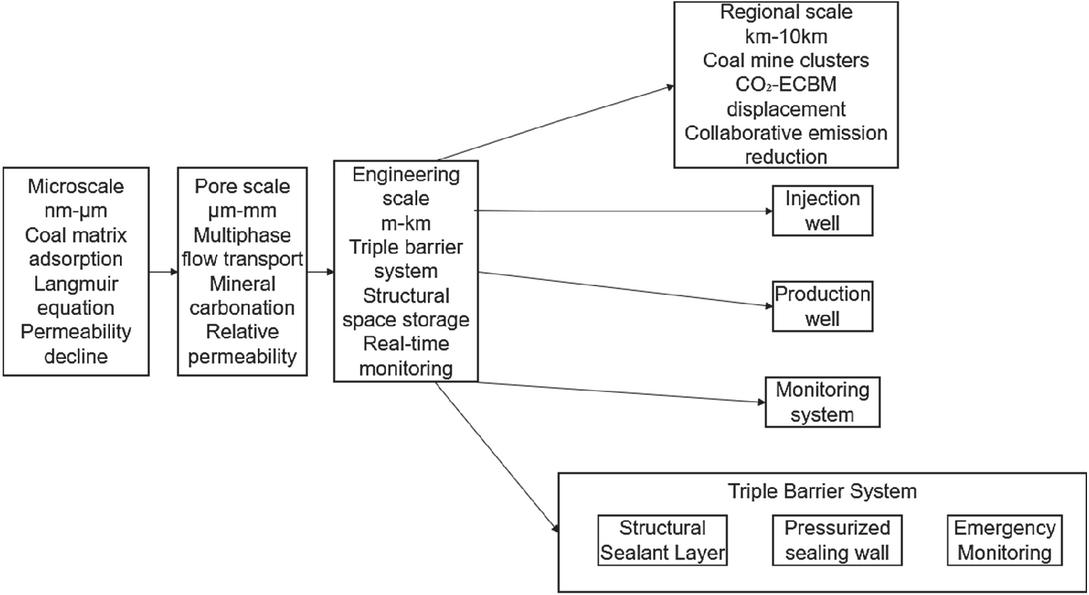
Figure 2 Schematic diagram of CO2 sequestration machines at four scales.
The diagram shows the CO2 sequestration process from mine to regional scale, including injection wells, production wells, monitoring systems, and CO2 distribution in mines.
2.3.1 Coal matrix adsorption and swelling effects
At the microscopic scale, coal, as a porous medium, has a well-developed microporous structure and a large specific surface area, giving it a strong adsorption capacity for CO2. The physical adsorption behavior of CO2 molecules on the coal matrix can be described using the Langmuir isotherm equation:
| (9) |
where is the adsorption amount, is the Langmuir volume, is the Langmuir pressure, and is the pore pressure. The coal’s adsorption capacity for CO2 is generally stronger than for methane, providing a theoretical basis for CO2-enhanced coalbed methane recovery. However, the CO2 adsorption process simultaneously induces coal matrix swelling, which leads to a decrease in coal permeability. This affects the injection rate and storage efficiency of CO2 and is a key factor in the microscopic-scale assessment of storage safety [15].
2.3.2 Multiphase flow migration and mineral storage
At the pore scale, CO2 mainly exists in a supercritical state in the coal seam fracture network, and forms a gas-liquid two-phase flow system with formation water. The transport is controlled by capillary pressure and relative permeability, and the relationship between CO2 as a non-wetting phase and the relative permeability with saturation can be expressed as follows:
| (10) |
where is the normalized water saturation. In typical hydrophilic coalstones, the relative permeability of CO2 is relatively slow with the increase of saturation, resulting in large seepage resistance. At the same time, part of CO2 dissolves in formation water to form carbonic acid, which can react with calcium, magnesium and other minerals in the coal system to form stable carbonate minerals, so as to achieve long-term mineral sequestration of CO2. This process is an important mechanism for achieving permanent CO2 sequestration at the pore scale [16].
2.3.3 Engineering scale: Structural space sealing and gaseous sequestration
The engineering scale (m-km) focuses on CO2 sequestration in artificially sealed spaces in the mining area. The underground space formed by abandoned coal mines includes roadways, chambers, and collapse zones with a total volume determined by geometric parameters:
| (11) |
are the length, width and height of the ith section of the roadway, and , are the diameter and length of the jth circular chamber, respectively. Taking Shanxi Changcun coal mine as an example, its available space reaches 1,509,200 m3, which can seal about 120,000 tons of CO2 under 7.5 MPa pressure.
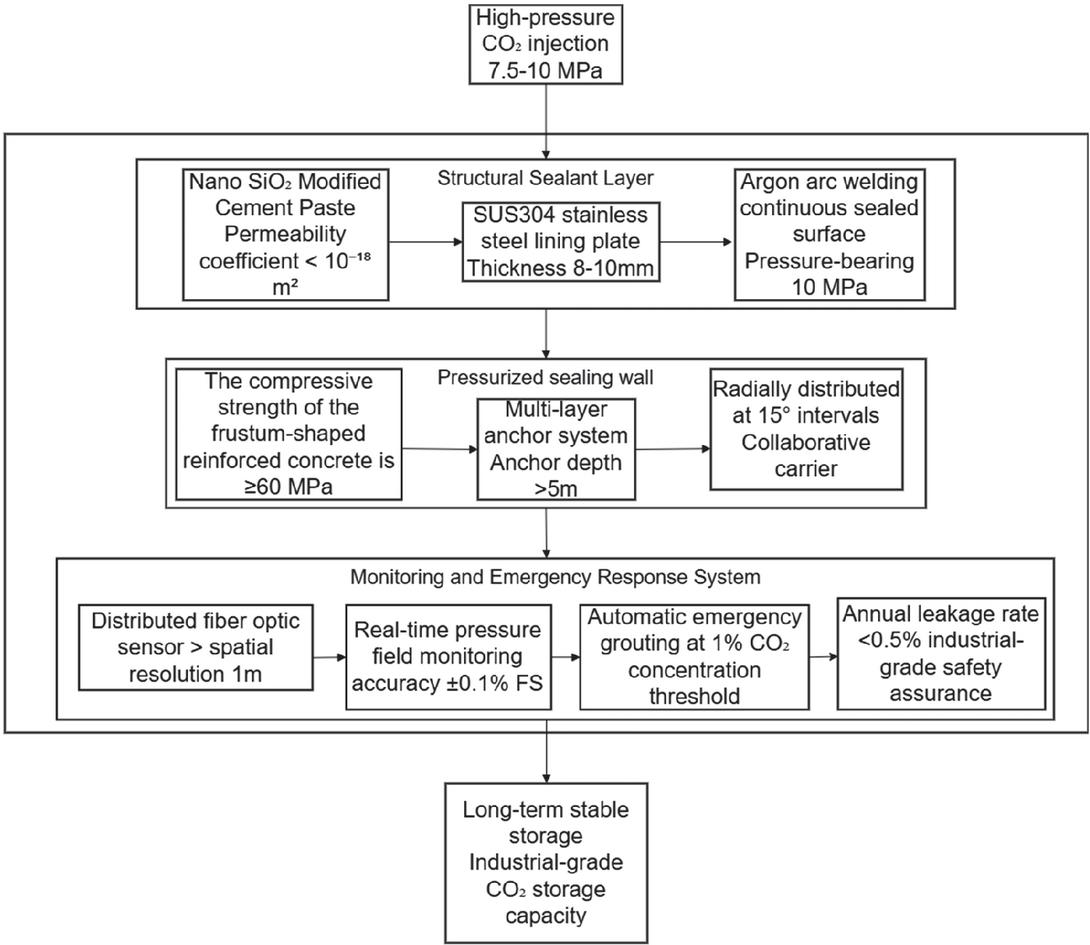
Figure 3 Schematic structure of the triple barrier system for CAES-CO2 sealing in abandoned coal mines.
To ensure the long-term safety of CO2 sequestration, this study designed a triple-barrier system (as shown in Figure 3), achieving engineering-scale airtightness through a multi-layered protective mechanism: The structural sealing layer serves as the innermost barrier and is composed of nano-SiO2 modified cement slurry (permeability coefficient 10-18 m2) combined with SUS304 stainless steel lining plates (thickness 8–10 mm). The cement slurry fills microcracks in the surrounding rock, reducing permeability by three orders of magnitude, while the stainless steel plates form a continuous sealed surface via argon arc welding, capable of withstanding a pressure differential of 10 MPa. The pressure-bearing sealing wall uses a frustum-shaped reinforced concrete structure (compressive strength 60 MPa); its asymmetric design leverages the self-locking effect of the rock mass to enhance load-bearing capacity by 80%. A multi-layered anchor system (anchoring depth 5 m), distributed radially at 15∘ intervals, forms a “bolt-concrete-rock” synergistic load-bearing body, effectively suppressing shear deformations caused by high-pressure CO2 (7.5–10 MPa). The monitoring and emergency system employs a distributed fiber optic sensor network (spatial resolution 1 m, accuracy 0.1% FS) to monitor the pressure field in real time, and automatically initiates emergency grouting when CO2 concentration reaches the threshold (1 vol%). Experiments verified an annual leakage rate of 0.5% vol/year. The synergistic effect of the triple-barrier system enables abandoned coal mine tunnels to possess industrial-grade CO2 sequestration capability.
2.3.4 Sequestration potential and replacement effect
At the regional scale (km-10 km), the CO2 sequestration potential of abandoned coal mine clusters, , is determined by the geological conditions and spatial distribution:
| (12) |
Among them, the overall storage capacity is jointly determined by the mining area, coal seam thickness, porosity, coal density, as well as adsorption and spatial volume storage capacity. At this scale, abandoned coal mines not only provide large underground spaces for physical CO2 storage but also enhance long-term stability through coal adsorption and pore structure effects. More importantly, the CO2 injection process can drive coalbed methane displacement (CO2-ECBM), which allows methane desorption and recovery through the competitive adsorption relationship between CO2 and methane. This mechanism not only improves storage efficiency but also provides additional emission reduction benefits, making the storage process at the regional scale serve both as a carbon sink and an energy recovery resource. To systematically analyze the storage characteristics at different scales, Table 2 compares the four storage mechanisms mentioned above across multiple dimensions, including dominant mechanisms, physical processes, and timescales.
Table 2 Comparison of CO2 sequestration mechanisms in abandoned coal mines
| Dominant | |||||
| Sequestration | Physical | ||||
| Scale | Mechanisms | Processes | Time Scale | Capacity Factor | Applicable Conditions |
| Microscopic (nm-m) | Adsorption Sequestration | CO2 molecules bind to the surface of coal micropores | 102–104 years | 16–26 m3/t | Intact coal pillar, unrecoverable seam |
| Pore space (m-mm) | Mineral Sequestration | CO2-water-rock reaction generates carbonates | 104 years | 0.5–2 kg-CO2/m3 | High calcium and magnesium content surrounding rock |
| Engineering (m-km) | Structural Space Sequestration | compressed gaseous storage in sealed chambers | 102–103 years | 20–50 kg/m3 | Cul-de-sac intact, low permeability surrounding rock |
| Regional (km-10 km) | Displacement Emission Reduction | CO2 drives off CH4 for methane recovery | Immediate | 0.5–0.7 mol-CH4/mol-CO2 | Abandoned coal clusters with residual CH4 saturation, existing injection/production well network, stable pressure containment |
3 Quantitative Decarbonization Potential Model
3.1 Model Assumptions and Parameters
The decarbonization potential quantification model in this study is based on a full life-cycle perspective, covering the construction period, operation period, and sequestration period, with the research scope focused on the “Three North” region of China. The system scope includes aboveground energy conversion modules, underground gas storage, and CO2 sequestration units. The model assumptions mainly involve three aspects: first, thermodynamic efficiency and system operating parameters, which are used to characterize the overall performance of compression, expansion, and heat recovery processes; second, geological characteristics and sequestration conditions, which are used to assess the stability of underground space and sequestration efficiency; and third, policy and economic factors, including carbon reduction benchmarks, carbon price levels, and tax incentives. Through these parameter settings, the model can quantify decarbonization potential across technical, geological, and policy dimensions. Sensitivity analysis indicates that efficiency parameters contribute most to direct emissions reduction, geological conditions determine sequestration potential, and the policy environment significantly affects economic feasibility and the potential for large-scale deployment. For clarity, this study organizes the categories, symbols, meanings, and uncertainty ranges of key parameters in Table 3. This table not only presents the core parameters the model relies on, but also specifies data sources, facilitating comparison and validation by subsequent researchers.
Table 3 Baseline values and uncertainty ranges for parameters of the quantitative decarbonization potential model
| Parameter | Baseline | Uncertainty | |||
| Parameter Category | Symbols | Parameter Meaning | Values | Range | Data Sources |
| Thermodynamic efficiency | c | Compressor Efficiency | 87% | 82–90% | Engineering Thermophysics Experiments |
| e | Expander Efficiency | 90% | 85–92% | ||
| Geologic Properties | k | Peripheral Rock Permeability | 10-16 m2 | 10-16–10-14 m2 | COMSOL simulations |
| cap | CO2 Sequestration Efficiency | 0.5 | 0.3–0.7 | U.S. Department of Energy standards | |
| Carbon Reduction Intensity | Gas Refueling Emission Factor | 0.2 kgCO2/kWh | 0.18–0.22 | IPCC database | |
| Carbon Emission Intensity of Coal Power | 0.8 tCO2/MWh | 0.75–0.85 | China Electric Power Yearbook | ||
| Operational Parameters | L | Decrease in Wind Abandonment Rate | 7% | 5–10% | Three North Power Grid data |
3.2 Decarbonization Potential Calculation Formula
When constructing a quantitative model for the decarbonization potential of compressed air energy storage (CAES) systems in abandoned coal mines, it is necessary to comprehensively consider three mechanisms: direct emission reduction, indirect emission reduction, and sequestration-based emission reduction. Based on the aforementioned analysis, the system’s annual comprehensive decarbonization potential can be expressed as the sum of these three types of emission reductions, with the core calculation framework as follows:
| (13) |
Here, the direct emission reduction arises from the system being powered by renewable energy and recovering compression heat, thereby avoiding carbon emissions from fuel supplementation in conventional CAES; the indirect emission reduction reflects the carbon reduction achieved by enhancing the grid’s ability to absorb renewable energy such as wind and solar, thus substituting for fossil fuel generation; and the sequestration-based emission reduction corresponds to the carbon sink created by utilizing the modified underground coal mine space for geological CO2 storage. This model has a clear structure, can adapt to different regional and project parameters, and is suitable for evaluating the full lifecycle decarbonization effects of abandoned coal mine CAES systems.
3.3 Sequestration Potential Calculation Model
In order to accurately quantify the CO2 sequestration capacity of underground space in abandoned coal mines, a comprehensive calculation model coupled with multiple physicochemical processes needs to be constructed. The model not only considers the macroscopic holding capacity of supercritical CO2 (structural space sequestration) in structural spaces such as roadways and chambers at the engineering scale, but also covers the adsorption and sequestration of coal matrix pores at the micro scale, the mineral carbonation and sequestration caused by CO2-water-rock interaction, and the displacement and emission reduction effect of CO2 displacement of coalbed methane (CO2-ECBM). These four mechanisms correspond to different storage forms and timing characteristics, and together determine the final total storage potential. The core expression of the integrated model is:
| (14) |
In the equation, characterizes the physical encapsulation amount that depends on the effective sealing volume and encapsulation efficiency; reflects the adsorption and sequestration capacity controlled by the adsorption characteristics of the coal body (such as Langmuir volume) and formation pressure. quantifies long-term chemical sequestration in relation to the mineral composition of the formation (e.g., calcium and magnesium content) and the reaction environment; characterizes the indirect emission reduction equivalent achieved by substitution to produce methane. The multi-mechanism coupling model can systematically characterize the comprehensive storage capacity of abandoned coal mines under the synergistic effects of geological structure, physical adsorption and chemical reactions, and provide key theoretical and quantitative tools for the potential assessment of CCUS projects at the mining area, the screening of storage sites and the whole life cycle carbon management.
3.4 Decarbonization Potential Influencing Factors
The decarbonization potential of compressed air energy storage (CAES) systems in abandoned coal mines is influenced by multiple factors such as thermodynamic efficiency, geological conditions, renewable energy penetration, and policy environment. Thermodynamic efficiency directly affects the system cycle efficiency, and improving the efficiency of compression and expansion equipment or optimizing the system configuration (e.g., five-stage compression/expansion structure) can significantly enhance the direct emission reduction capability [16]. Geological conditions determine the stability and capacity of CO2 storage, and low-permeability strata and high calcium and magnesium content surrounding rocks can help improve storage efficiency and mineral conversion. The higher the penetration rate of renewable energy and power abandonment rate, the more obvious the regulating effect of CAES system and the more significant the indirect emission reduction effect. Meanwhile, grid dispatch strategies (e.g., dynamic tariffs, ancillary services market) also affect system operation efficiency and emission reduction contribution. Policy support and carbon pricing mechanism are crucial to project economics. Measures such as carbon trading market improvement, carbon price enhancement and financial subsidies can effectively reduce project costs, improve return on investment, and promote the scale-up application of CAES-CO2 storage technology.
4 Typical Case Analysis
In order to objectively assess the actual decarbonization potential of abandoned coal mine compressed air energy storage (CAES) systems, this section selects the Salt Cavern Compressed Air Energy Storage Power Station in Feicheng City, Shandong Province as a typical case for quantitative analysis. This case is based on publicly available engineering data, with clear parameter sources and verifiable operational records, which can provide empirical support for models quantifying decarbonization potential [18].
4.1 Case Background and System Configuration
Feicheng City is the largest well and mine salt production base in China. Long-term mining has created 46 pairs of salt caverns, with a total underground cavity area of over 20 million cubic meters, and approximately 3 million cubic meters of new caverns are added each year. These salt caverns have depths ranging from 800 to 1300 meters. The rock salt exhibits good creep characteristics and self-sealing ability, capable of withstanding pressures of up to 170 atmospheres, providing ideal geological conditions for compressed air energy storage. The case system adopts the configuration of the China Power Construction Feicheng 2 300 MW (Phase I) salt cavern compressed air energy storage power station, with its main parameters listed in Table 4.
Table 4 System configuration and parameters of the Feicheng CAES case
| Parameter Category | Parameter Value | Data Source |
| CAES system scale | 2300 MW / 1800 MWh | |
| Gas storage capacity | 900,000 cubic meters (two salt caverns) | |
| Design round-trip efficiency | 70% | |
| Annual operating hours | 4000 hours (based on one charge and one discharge per day, with 330 operating days per year) | Industry standard estimate |
| Charging Time / Discharging Time | 8 hours / 6 hours | |
| Average annual electricity consumption for internet use | 1.188 billion kWh (118,800 MWh) | |
| Carbon emission intensity of coal power alternatives | 0.8 tCO2/MWh | China Electric Power Yearbook Baseline |
| Standard Coal Savings | 310,000 tons/year | |
| CO2 Emission Reduction | 600,000 tons/year (direct and indirect) |
4.2 Decarbonization Potential Calculation and Result Analysis
Based on the parameters in Table 4 and the decarbonization potential calculation formula in Section 3.2, the annual decarbonization potential of the case system is estimated as follows: The direct emission reduction is mainly achieved through the system’s adoption of advanced insulated compressed air energy storage technology, avoiding the gas reburning stage of traditional CAES. The calculation yields tons of standard coal 2.6 tCO2/t standard coal 40% direct reduction proportion 322,400 tons CO2/year. The indirect emission reduction comes from the system’s enhancement of the grid’s renewable energy absorption capacity. Based on data from the Shandong power grid, the median decrease in wind and solar curtailment is taken as 7.5%. The calculation gives MWh annual exported electricity 85% coal replacement ratio 0.8 tCO2/MWh carbon emission intensity 80,800 tons CO2/year. The sequestration-based reduction is estimated from the geological conditions of the salt cavern, m3 gas storage capacity 1.2 tCO2/m3 sequestration density 0.5 sequestration efficiency 30 years 18,000 tons CO2/year. In total, the annual decarbonization potential is tons CO2/year. This result is basically consistent with the project report’s claim of about 600,000 tons CO2 annual reduction, with minor differences arising from the conservativeness of the calculation assumptions.
4.3 Sensitivity Analysis and Key Factor Identification
To identify the key factors affecting decarbonization potential, a sensitivity analysis was conducted on the main parameters, as shown in Table 5.
Table 5 Sensitivity analysis of decarbonization potential
| Rate of | ||||
| Range | Change of | |||
| Variable Parameters | of Change | Change | Change | |
| System round-trip efficiency | 5% | 12.3% | 6.2% | 9.8% |
| Annual operating hours | 10% | 9.8% | 10.5% | 10.1% |
| Decline rate of wind abandonment | 2.5% | 33.3% | 6.4% | |
| Sealing efficiency | 0.2 | 1.2% | 2.1% |
Comprehensive analysis indicates that improving the system’s round-trip efficiency is the most critical factor in enhancing direct emission reduction, and technological improvements can significantly boost overall decarbonization effectiveness. At the same time, operating hours, as a key metric for system utilization, evenly influence the actual scale of various emission reductions. In addition, the decrease in wind curtailment rate shows high sensitivity to indirect emission reductions, confirming that CAES systems hold greater emission reduction value in regions rich in renewable energy. While improvements in sequestration efficiency can increase the contribution of stored emission reductions, their relative contribution remains limited under current technical conditions.
4.4 Case Insights and Promotion Value
Empirical analysis of the Feicheng case indicates that the abandoned mine compressed air energy storage (CAES) system has multiple promotional values: by transforming abandoned salt caverns into large-scale energy storage facilities, it achieves the synergistic development of ecological restoration and energy transition; the system provides 870 million kWh/year of peak-shaving electricity while achieving significant carbon reduction benefits, creating dual benefits for grid peak regulation and carbon emission reduction; the capacity evolution from 10 MW (2021) to 300 MW (2025) and then to 660 MW (planned) fully demonstrates the scalability and maturity of this technical pathway; meanwhile, the unit investment cost has dropped to 6,000–7,000 CNY/kW, and the payback period has shortened to 6.2 years, with continuously improving economic efficiency. This case provides a replicable technical pathway and business model reference for similar mining areas, especially regarding policy support. Measures implemented in Shandong Province, such as capacity compensation standards up to twice that of lithium battery storage, have significantly enhanced project economics, creating favorable conditions for large-scale promotion.
5 Analysis of Scaling Paths
5.1 Technology Maturity and Standardization Path
For abandoned coal mine compressed air energy storage (CAES) systems to achieve large-scale implementation, the issues of technological maturity and standardization must first be addressed. Currently, the efficiency of hundred-megawatt-class compressors and expanders has reached 85%–90%, but the equipment costs remain high and maintenance is complex. Through domestic production and modular design, construction and operational costs can be significantly reduced, and construction timelines shortened. The conversion of underground gas storage facilities also requires standardized technical specifications, such as surrounding rock grouting, triple-barrier sealing systems, and reinforced concrete plugging walls, to ensure safety and replicability across different mining areas. Standardized processes not only enhance safety but can also reduce investment costs by 30%–40%. Additionally, the sequestration phase needs to validate the synergistic effects of adsorption, mineralization, and structural space storage in demonstration projects, forming a replicable sequestration process system and laying a technical foundation for large-scale application. In promoting the integration of CAES and CCUS systems, there are still three major challenges: sealing materials, monitoring technologies, and cost control. Sealing materials must maintain long-term stability under high-pressure and acidic conditions; monitoring technologies must enable precise tracking of CO2 migration paths and provide leak alerts; and cost control depends on large-scale deployment and domestic production of key components. To address these challenges, it is recommended to adopt a phased technical roadmap: in the near term (2025–2030), focus on optimizing and demonstrating existing triple-barrier systems; in the medium term (2030–2035), achieve breakthroughs in low-cost, high-performance sealing and monitoring technologies; and in the long term (after 2035), develop standardized, low-cost integrated solutions, providing comprehensive technical support for large-scale deployment.
5.2 Regional Clustering and Power Grid Coordination Path
In coal-rich areas such as the “Three-North” region, promoting the clustered transformation of abandoned coal mines is key to increasing scale efficiency. Through a regional-level energy storage and sequestration network, it is possible to achieve hundreds of megawatts of peak-shaving capacity, significantly improving the integration of new energy. Policy documents indicate that compressed air energy storage (CAES) has been included in the “14th Five-Year Plan” for new energy storage development, requiring the promotion of 100-megawatt-level engineering applications. In areas rich in wind and solar resources, the coupled operation of CAES and new energy bases can reduce wind curtailment by 5–10%, with indirect CO2 emission reductions reaching hundreds of thousands of tons. Meanwhile, the integration of grid dispatch and market mechanisms (such as ancillary service markets and capacity compensation mechanisms) provides stable returns for the system, promoting deep coordination between energy storage and the grid. Future large-scale pathways should rely on a regional energy internet, coupling abandoned coal mine CAES systems with wind power, solar power, hydrogen, and other energy forms, forming an integrated “source-grid-load-storage” pattern to achieve cross-regional energy dispatch and coordinated carbon reduction benefits.
5.3 Policy-Driven and Economic Pathways
Policies and economic mechanisms are the core driving forces for large-scale development. The national carbon market has entered a stage of rapid growth. By 2025, the cumulative transaction volume is expected to reach 680 million tons, with a transaction value exceeding 46.7 billion yuan, and carbon prices fluctuating around 72 yuan/ton. This provides a clear market value for both the direct emissions reduction and the storage reduction provided by CAES systems. Fiscal and tax support (such as a 15% tax reduction) further lowers project costs and improves investment returns. At the same time, long-term monitoring and regulatory systems (such as distributed fiber optic sensor networks) ensure storage safety, providing institutional guarantees for large-scale promotion. Continuous policy improvement and the establishment of a sound carbon pricing mechanism make abandoned coal mine CAES systems economically viable and promising in the market. The future path for large-scale development should rely on the carbon trading market and green financial instruments, forming diversified financing channels through carbon credits, green bonds, and energy storage subsidies, thereby reducing initial investment risks. Additionally, establishing traceable storage responsibilities and safety supervision systems ensures environmental safety and social trust in long-term operations, providing solid institutional guarantees for large-scale promotion.
6 Conclusion
This study constructs a comprehensive quantification model covering direct emission reduction, indirect emission reduction, and sequestration-based emission reduction, systematically analyzing the triple synergistic decarbonization mechanisms of abandoned coal mine compressed air energy storage systems. Based on typical cases and parametric analysis, the study identifies feasible pathways for their large-scale development. The results show that the system can eliminate the traditional gas supplementary combustion stage and achieve direct emission reduction during operation through zero-carbon compression and waste heat recovery technologies; its capability for grid peak regulation can significantly enhance the absorption of renewable energy, creating indirect emission reduction benefits centered on replacing high-carbon power sources, with the contribution rate of indirect emission reduction reaching as high as 86.2% in typical cases. Additionally, the modified mine spaces are suitable for geological CO2 sequestration, achieving negative emissions effects through multi-scale sequestration mechanisms. Technically, improving the system’s round-trip efficiency, optimizing thermal storage management, and enhancing surrounding rock sealing are key to boosting overall decarbonization effectiveness. From a deployment perspective, relying on cluster-based coal mine transformation, coordinated grid scheduling, and innovative policy mechanisms can form a large-scale pathway linking “technology-resources-market.” In summary, abandoned coal mine compressed air energy storage systems can not only effectively revitalize idle mining assets and support energy structure transformation, but also demonstrate significant technological value and promotion prospects in building new types of power systems and achieving the “dual carbon” goals. Future research and practical exploration should continue to focus on cost reduction of equipment, standard formulation, and carbon market mechanisms.
Funding
Scientific Research Foundation for Advanced Talents of Shanxi Institute of Science and Technology (No. 2024015).
References
[1] Du Junsheng, Chen Jie, Jiang Deyi, et al. Potential and preliminary feasibility study of pressurized gas energy storage in abandoned coal mines in China[J]. Engineering Science and Technology, 2022, 55(1): 253–264.
[2] Qu Jiuhui. White Paper on the Practical Experience and Achievements of the National Ecological and Environmental Protection Industry in Implementing the ‘Two Mountains’ Concept to Serve the ‘Double Carbon’ Goals [J]. China Environmental Protection Industry, 2025(4): 9–10.
[3] Zhao Tongbin, Liu Shumin, Ma Hongling, et al. Current status and development trend of compressed air energy storage in abandoned coal mines[J]. Coal Science and Technology, 2023, 51(10): 163–176.
[4] Wang H, Wu Y, Zhang B, et al. Research status and new design concept of compressed air energy storage technology in abandoned mine[J]. Coal Science and Technology, 2025, 53(4): 29–44.
[5] Li H, Ding R, Su W, et al. A comprehensive performance comparison between compressed air energy storage and compressed carbon dioxide energy storage[J]. Energy Conversion and Management, 2024, 319: 118972.
[6] Wang Guofa, Ren Shihua, Pang Yihui, et al. Effectiveness of the 13th Five-Year Plan and the Implementation Path of the “Double Carbon” Target in Coal Industry[J]. Coal Science and Technology, 2021, 49(9): 1–8.
[7] Zhou Q, He Q, Lu C, et al. Techno-economic analysis of advanced adiabatic compressed air energy storage system based on life cycle cost[J]. Journal of Cleaner Production, 2020, 265: 121768.
[8] Kaczmarczyk K, Dobrzaniecki P. Energy storage using compressed air[J]. Mining Machines, 2023, 41.
[9] Liang R, Ma H, Li H, et al. Techno-economic analysis of compressed air energy storage in abandoned salt caverns: A case study in China[J]. Renewable Energy, 2025: 123595.
[10] Pottie D L, Eames P, Barbour E R. Adiabatic Compressed Air Energy Storage (ACAES) system performance with an application oriented designed axial-flow compressor[C]//7th Offshore Energy & Storage Symposium (OSES 2023). IET, 2023, 2023: 234–241.
[11] Du Junsheng, Chen Jie, Jiang Deyi, Fan Jinyang, Zhang Chuanjiu, Chen Ziyang. Study on the Potential and Preliminary Feasibility of Compressed Air Energy Storage in Abandoned Coal Mines in China [J]. Engineering Science and Technology, 2023, 55(1): 253–264.
[12] Barbour E, Pottie D L. Adiabatic compressed air energy storage technology[J]. Joule, 2021, 5(8): 1914–1920.
[13] Li H, Ding R, Su W, et al. A comprehensive performance comparison between compressed air energy storage and compressed carbon dioxide energy storage[J]. Energy Conversion and Management, 2024, 319: 118972.
[14] Xia T, Li Y, Zhang N, et al. Role of compressed air energy storage in urban integrated energy systems with increasing wind penetration[J]. Renewable and Sustainable Energy Reviews, 2022, 160: 112203.
[15] Al Hameli F, Belhaj H, Al Dhuhoori M. CO2 sequestration overview in geological formations: Trapping mechanisms matrix assessment[J]. Energies, 2022, 15(20): 7805.
[16] Fang Z, Yang C, Wang R. Monitoring technologies for CO2 storage in coal seams and enhanced coalbed methane recovery: A review of field applications[J]. Fuel Processing Technology, 2025, 276: 108274.
[17] Zhao T, Liu S, Ma H, et al. Research status and development trend of compressed air energy storage in abandoned coal mines[J]. Coal Science and Technology, 2023, 51(10): 163–176.
[18] Ma Lingxia, Yang Zhen. Practical Challenges and Policy Recommendations for Developing Salt Cavern Energy Storage under the Background of New Energy System Construction – A Case Study of Feicheng City, Shandong Province [J]. Shandong Macroeconomics, 2025(3): 85–92.
[19] Cao Z, Deng J, Zhou S, et al. Research on the feasibility of compressed carbon dioxide energy storage system with underground sequestration in antiquated mine goaf[J]. Energy Conversion and Management, 2020, 211: 112788.
[20] Xu Dong, Zhang Shuai, Han Tao, et al. Policy Incentives for Scale-up of Coal Power + CCUS Industry[J]. Clean Coal Technology, 2023, 29(4).
Biography

Ning Xiao (1995.03–), male, born in Jincheng, Shanxi Province, China. He holds a doctoral degree and works as a lecturer, mainly engaged in research on the construction and stability analysis of underground energy storage cavern.
Strategic Planning for Energy and the Environment, Vol. 45_1, 205–232
doi: 10.13052/spee1048-5236.4518
© 2026 River Publishers