Optimized Design and Techno-Economic Analysis of a Renewable Energy-Based EV Charging Infrastructure for Residential Community in Arid Regions
Yash Shukla1, M. Haris Bin Arif2, M. Saad Bin Arif1,* and Syed Mohd Yahya3
1Department of Electrical Engineering, Aligarh Muslim University, Aligarh, India
2Department of Engineering, University of Technology and Applied Science, Salalah, Oman
3Sustainable Energy & Acoustics Research Lab, Mechanical Engineering Department, Aligarh Muslim University, Aligarh, India
E-mail: saad.ee@amu.ac.in
*Corresponding Author
Received 17 October 2025; Accepted 02 March 2026
Abstract
Off-grid power generation has become increasingly efficient for remote and developing regions with the advancement of renewable energy technologies. Areas with limited access to the conventional grid can now depend on self-sustaining hybrid systems that offer higher reliability and lower carbon emissions compared to traditional power sources. The main objective of this study is to propose an economically viable and optimally designed system model for electric vehicle (EV) charging infrastructure. The system aims to provide a practical and sustainable solution for EV charging, considering electric vehicles as a primary mode of transportation. The motivation behind this work is to promote the adoption of renewable energy in the transportation sector, thereby contributing to a cleaner and pollution-free environment. The selected location is the capital city of the central region of Oman. The electric load of a community was synthesized for 25 households, with 60% of them owning an electric vehicle. Comprehensive system modelling, optimization, and performance evaluation were carried out under varying operating conditions. The total Net Present Cost (NPC) and Cost of Electricity (COE) of the proposed system were estimated to be $7,11,333 and $28,394 respectively. In addition, a sensitivity analysis was conducted to study the impact of variations in average solar irradiance and diesel fuel prices in Oman, as these parameters significantly influence the overall production cost of the system.
Keywords: Homer, EVs, sensitivity analysis, renewable energy, techno-economic analysis.
1 Introduction
1.1 Background
Energy is regarded as one of the key indicators of a country’s independent growth. Currently, Fossil fuels account for about 80% of global energy demand, resulting in significant environmental consequences [1]. Large thermal power plants have traditionally been the primary source of electricity, which is subsequently delivered through medium and high-voltage distribution grids [2, 3]. But then again, air pollution and greenhouse gas emissions, which are one of the main causes leading to global warming, are major sources of worry, owing to the continued use of fossil fuels for energy generation [4–6]. Other motivations to minimize dependency on fossil fuels include the rapid depletion of fossil fuel reserves, in addition to a progressive increase in energy consumption and fuel prices, which are additional reasons to minimize dependency on conventional fuel sources. [7] To overcome these challenges associated with traditional power production methods and to meet current the current growing demand, the development of renewable energy-based power production systems is gaining traction as a green alternative [8–10]. It is also important to recognize that a significant amount of the world’s population lives in rural areas that are only partially connected to the electrical grid. Geographic inaccessibility, rough terrains, a lack of electrical infrastructure, and the high cost of establishing massive grid-connected transmission lines across large ranges to deliver electricity for scarcely populated areas are all contributing to inadequate electricity distribution [11].
1.2 Challenges and Regional Context
The country of Oman is unique in terms of its greatly contrasting land profile, which ranges from deserts to the Rocky Mountains. Oman, being an oil-rich country, is highly dependent on its fossil fuels. The oil and gas sector mainly promotes Oman’s economy. The dependency of Oman on fossil fuels is discussed, how incentives are available for renewable energy resources, and the large potential for demand-side management. The country, despite having a large potential in solar energy and wind in some areas. Renewable sources do not have any major contribution to the country’s energy supply and Oman mainly relies on fossil fuels. [12] This paper finds out how well-informed the Oman government’s electrical sectors are about renewable energy and their current options. Oman’s National Strategy aims to derive 30% of electricity from renewable sources by 2030. Oman needs to utilize more of the available renewable resources. [13] In this study, the appearance and weight of renewable energy in higher education programs, as well as Oman’s commitment to renewable energy, are explored. Renewable energy not only is environmentally friendly, but it also plays a major role in the development of a country, and further use of electric vehicles improves the carbon footprints. [14] The algorithm employs a renewable production following EV charging infrastructure as well as HOMER. It is demonstrated through simulations that the microgrid built using the suggested algorithm minimizes investment costs and CO2 emissions.
1.3 Literature Review
With solar panels, no greenhouse gas emissions are emitted into the atmosphere. When compared to other energy-producing methods, solar panels have low ongoing running expenses. Solar energy potentially yields great amounts of electricity since it doesn’t require fuel, which eliminates the cost and danger of securing a fuel supply. More research on PV systems has appeared, with an emphasis on efficiency and affordability, which represent the keys to consumer investment in solar energy. The cost of producing electricity from PV panels has reduced significantly since 1990. [15] The present rise in global fuel prices drives governments to seek alternative energy sources. As a result, policymakers, environmentalists, and academics all around the globe are seeking possible renewable energy supplies to replace traditional fossil fuels while also lowering emissions [16]. Most renewable source-based systems have inconsistent supply concerns due to intermittent features, with fluctuating atmospheric circumstances, and that impacts the energy output. To address this aspect and offer a dependable power source, systems that utilize renewable energies can be combined with energy storage technologies or other non-renewable systems. In this study, the author [17] used HOMER simulations to assess the cost of power from a fuel cell-based system vs grid supply for a rural health facility in India. The findings indicated that catering to the electricity exigency from an off-grid source is economically feasible after a distance of 44 kilometres from the grid. HOMER was used by the author [18] to assess the economic feasibility of a hybrid system for a residential application in Malaysia. [19] In this paper, the author discusses about a system that incorporates diverse energy sources, which would need the least amount of fuel yearly and would cause the least environmental impact owing to a reduction in greenhouse gas emissions. [20] In this paper, the purpose is to optimize the design, planning, scaling, and operation of a hybrid, renewable energy-based microgrid with the goal of lowering the lifecycle cost while taking environmental emissions into account but electric vehicles are not taken into account. [21] Oman has high solar power available and yet the production is very low. The residential sector is the major consumer of electricity in Oman. [22] The optimal solution in order to supply consumers with electricity and the most feasible solution according to this paper is through a combination of wind, natural gas, and diesel generators for power production. A multi-energy source approach would use the lowest quantity of fuel each year, causing minimal impact on the environment. Hybrid systems will make a safer power source available for off-grid connections. [23] In this paper, the author discusses that remote areas have hidden potential for energy production but are not utilized yet. Implementing hybrid energy systems in these regions could be feasible for producing electrical energy. Several recent studies have utilized optimization techniques such as HOMER to assess the viability of hybrid renewable energy systems. [24] showed the need for greater utilization of renewable resources and the country’s high solar potential by analyzing the best hybrid renewable systems for Oman in 2023. [25] investigated the challenges preventing the adoption of electric cars in Oman and concluded that the poor integration of renewable energy sources and inadequate charging infrastructure were the biggest hurdle. In 2024, [26] used HOMER to conduct techno-economic analysis to analyse the performance of hybrid energy systems and renewable-based EV charging stations leading to reductions in emissions and running costs under different operating conditions. Additional works like [27, 28] focussed on hybrid renewable systems in the Gulf area and similar climatic conditions, showed the significance of site-specific sensitivity analysis for fuel price and solar irradiance fluctuation. In 2025 [29], new studies looked into whether using solar power and other renewable energy sources is practical and affordable for charging electric cars in Oman and nearby regions. However, not many researchers have looked at what happens when more and more people start using electric cars in remote Omani villages that rely heavily on solar panels and are not connected to the main power grid. This study aims to fill that specific gap in our knowledge.
1.4 Motivation and contribution of the Work
The main goal of this study was to find the optimal design for the electrification of a community consisting of 25 houses with 60% of them having an electric vehicle where the grid connection is not possible [30]. For achieving the aforementioned targets, the electrical load, and solar radiation data were used in the software Homer to apply techno-economic analysis. It ran simulations and provided the most feasible solutions. In addition to this, a comparative analysis is performed for different level of electric vehicle penetration, showing the effect of EV integration on emissions and system sustainability. The results further show the potential of achieving large renewable energy penetration while retaining system stability and sustainability in off-grid situations.
1.5 Organization of the Paper
The rest of the paper is organized as follows. Section 2 describes the methodology of this study, which includes the analysis and optimization of the proposed system. Section 3 presents the system components, their design, configuration and key specifications. Section 4 discusses the results and provides a detailed evaluation of the performance of the system. Finally, Section 5 concludes the paper with key findings.
2 Methodology
With countless feasible integrations of renewable and non-renewable energy sources, additional reliance on various constituents such as power demand, component and fuel costs, and the availability of energy sources on a seasonal basis all affect the cost of energy, and government policies, finding the best solution is difficult and requires extensive research [31–33]. As a consequence, numerous optimization techniques and software are developed and put to the test in order to examine the technical and financial advantages of various integration of renewable technologies in order to streamline the design of hybrid systems and maximize the utilization of renewable energy sources. The literature [34–38] has plenty of research aimed at establishing the best hybrid setup for various electrical loads. There isn’t any thorough research on the techno-economic estimation of PV, Wind, and Diesel hybrid systems in Oman that includes electric vehicles, to the best of the author’s knowledge. As a result, the primary goal of this research is to examine off-grid cities in Oman with varying climatic circumstances in order to find the optimal combination of available resources to meet each location’s electrical demand in a dependable and sustainable manner. To carry out the techno-economic analysis, the solar irradiation, wind speed, and power consumption were first presented using HOMER software simulation. The starting capital, cost of energy (COE in $/kWh), and net present cost (NPC) were used to advance, to the targets with the aim to find an ideal composition for the chosen location. The software HOMER was used to evaluate the techno-economic viability of various configurations. HOMER is an optimization software tool that can assess design alternatives for both off-grid and grid-connected power systems for remote, stand-alone, and Diesel generator applications using a variety of technologies (including wind, PV, boilers, fuel cells, and hydro). HOMER creates a model for each specific system configuration by running an hourly time-step simulation with various technological possibilities, component pricing, and resource availability as inputs. The system next evaluates the technically possible configuration and calculates the system’s overall cost of installation and operation [39]. HOMER software was used to obtain a feasible system for all conceivable combinations of the system’s components. Figure 1 shows the optimization algorithm in HOMER. This software is a strong tool for doing techno-economic evaluation for areas with limited grid connectivity. With the goal to optimize the design, size, and planning of renewable energy systems. It runs simulations based on various system configurations or hybrid combinations of components to create feasible system configurations ordered by COE (Cost of Energy) and NPC (Net Present Cost). System design configurations are optimized by reducing the objective function to the restrictions. In this study, the goal is NPC (Net Present Cost), which is the current cost of the system minus the total revenues. The load consists of only electrical load in this study and the components are PV panels, battery storage, converter, and diesel generator. The cost of the components used in the system is the standard rate provided by Homer Software. Further, the sensitivity analyses were done by varying average solar radiation per day and diesel prices.
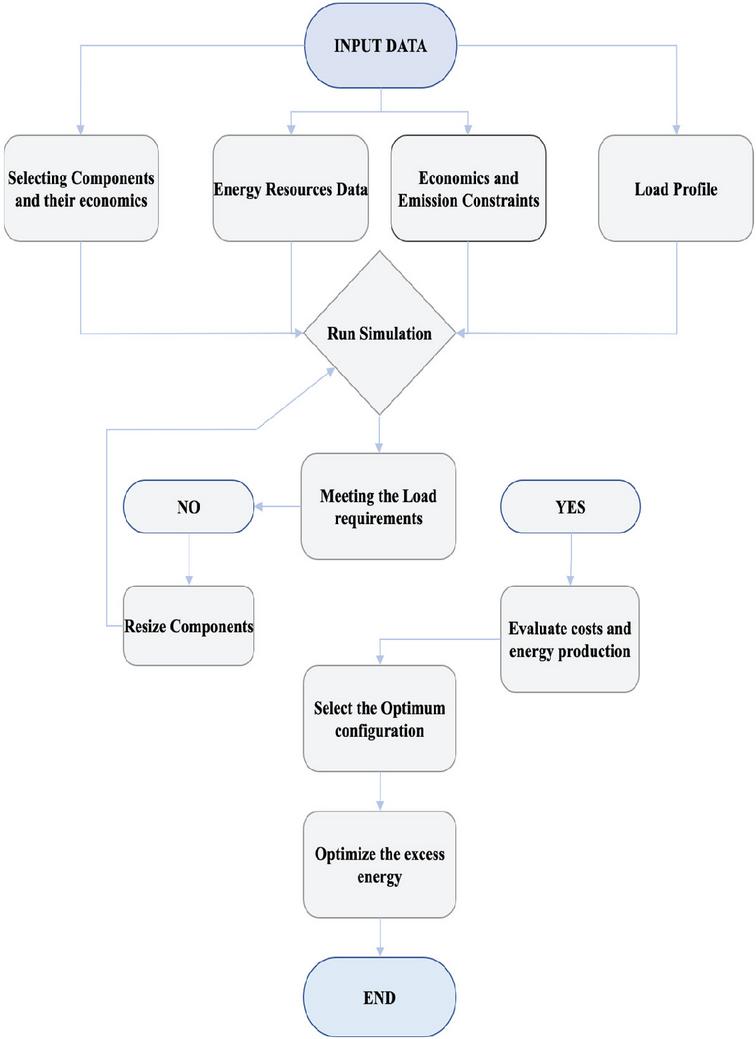
Figure 1 Flow diagram of optimization algorithm in HOMER.
2.1 Location Specification
The location selected was a residential community in central Oman named “Haima”, which is the capital of the Al-Wusta Governate. The community is situated at coordinates (19∘57′29.6′′N 56∘16′15.5′′E) and is known for its hot, arid desert climate, followed by minimal rainfall and consistently high temperatures. With an average yearly radiation of 6.16 kWh/m2/day, Haima is one of Oman’s best sites for solar energy production and is therefore ideal for solar photovoltaic (PV) installations. The location of the residential community in the map of Oman is shown in Figure 2, and the road view map of the community is depicted in the Figure 3.
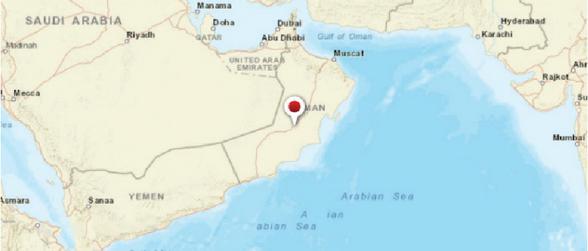
Figure 2 Location of the community on the Oman’s map.
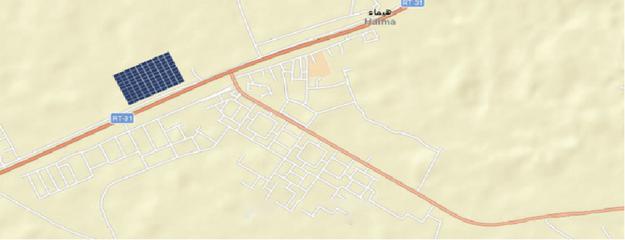
Figure 3 The road view map of the community.
2.2 Levelized Cost of Energy
The Levelized Cost of Energy (LCOE) is a financial indicator used to determine the economic performance of energy systems. It is defined as the average cost of generating usable electrical energy in ($/kWh or €/kWh) over the lifetime of a project, to determine the Levelized Cost of Energy, the software divides the yearly cost of generating electricity (total annualized cost minus the cost of feeding the thermal load) by the total electric load. The LCOE is determined by the following equation [40] –
| (1) |
Where represents the total annualized cost of the system ($/yr), is the total electrical load served (kWh/yr), and is total grid sales (kWh/year).
2.3 Net Present Cost
The net present cost, also known as life-cycle cost, is a key factor in determining the overall cost of a system over its lifetime. It is calculated by subtracting the present value of all the money the system makes during the project’s duration from the present value of installing and operating all the system’s components.
The Net Present Cost is given as:
| (2) |
Where is the total annualized cost (USD/year), and is the capital recovery factor.
The is defined as –
| (3) |
N is the project duration (year), and i is the actual interest rate (%).
2.4 Salvage Value
In Homer software, the salvage value of the software components is its remaining worth after the completion of the project’s lifespan. The salvage value of a system’s component is directly proportional to its remaining life. The salvage value lowers the NPC as it takes into account the remaining value of parts that can be sold or used.
Homer uses the following equation to calculate the salvage value of the system –
| (4) |
Where is the component’s replacement cost ($), is the remaining life of the component, and is the component lifetime (year).
2.5 Total Annualized Cost
The Total Annualized Cost (TAC) in Homer Software refers to the entire cost of owning and operating an energy system, averaged annually. It is the annualized value of the total NPC and includes all the capital, operation and maintenance (O&M), replacement, and other costs generated during the project’s lifetime. The following formula determines the total annualized cost:
| (5) |
Where is the project lifetime (year), i is the yearly real discount rate (%), is a function that returns the capital recovery factor, and is the total net present cost (USD).
2.6 Operating Cost
The operating cost in the HOMER software refers to the overall costs and revenues incurred for running and maintaining a system over its operational lifetime other than initial capital costs. It consists of operation and maintenance (O&M) costs and fuel costs. The operating cost is calculated by the given equation:
| (6) |
Where is the total annualized cost ($/yr), and is the total annualized capital cost ($/yr).
2.7 Load Estimation
This study takes into account the load of a community consisting of 25 houses with 60% of them having an electric vehicle and assuming they also have an inbuilt charger at home for charging the electric vehicle. The charger is a medium-level charger with a 3kW rating, and it charges for an average of 4 hours per day. The load was carefully examined with the peak being the summer season of July which is shown in Figure 4. The load of the houses with an electric vehicle is calculated to be approximately 475 kWh/day for 15 houses having a peak of 62.34 kW. The load of the remaining 10 houses without an electric vehicle is 78 kWh/day with a peak of 10.98 kW. The daily profile of a single house in the community is shown in Figure 5 having an electric vehicle and Figure 6 shows the daily load profile of a house without an electric vehicle.
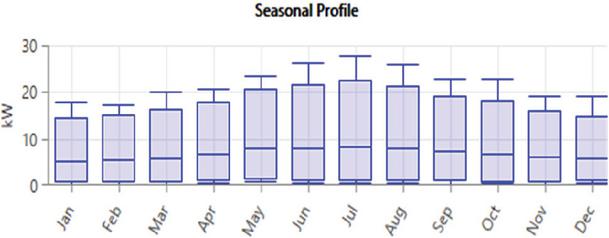
Figure 4 Monthly average of seasonal profile.
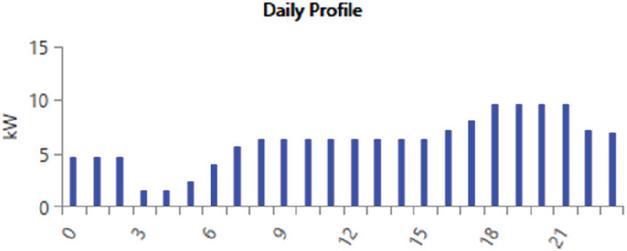
Figure 5 Electric load of a house with an Electric vehicle.
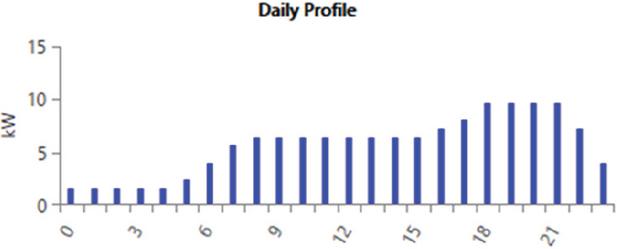
Figure 6 Electric load of a house without an Electric vehicle.
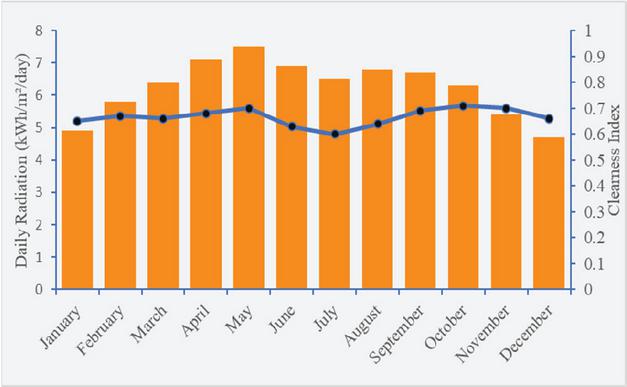
Figure 7 Monthly average of seasonal profile.
3 System Design and Specifications
The system considered is a Solar PV-Diesel based off grid system, which has mainly generator, converter, storage batteries, and PV (photovoltaic) panels. The load profile of the houses is shown in Table 1. The specifications of the components used in the system are discussed below in Table 2 and the model is depicted in Figure 8. The system uses PV panels to produce clean energy. The data for average solar radiation is provided in Figure 7. The data was obtained through Homer software. The annual average is 6.16 (kWh/m2/day).
3.1 System Design
Table 1 Load profile for HOMER optimization analysis
| Loads | Power | Units in Use | Time | Total Load (Watt-hours) |
| Ceiling Fan | 50 | 3 | 5 | 750 |
| E.V. charger | 1300 | 1 | 4 | 5200 |
| Low energy CFL’s | 24 | 3 | 4 | 288 |
| Fluorescent tubes | 40 | 2 | 4 | 320 |
| Television | 175 | 1 | 2 | 350 |
| Water pump | 750 | 1 | 0.5 | 375 |
| Electric iron | 500 | 1 | 0.25 | 125 |
| Air conditioner | 700 | 1 | 4 | 2800 |
| Total | 10.208 kWh |
Table 2 System components and sizing
| Component | Name | Size |
| PV | SG330P | 169 KW |
| Storage | 1kWh Li-Ion battery | 400 KW |
| Converter | System Generator | 50 KW |
| Generator | Diesel Generator | 81 KW |
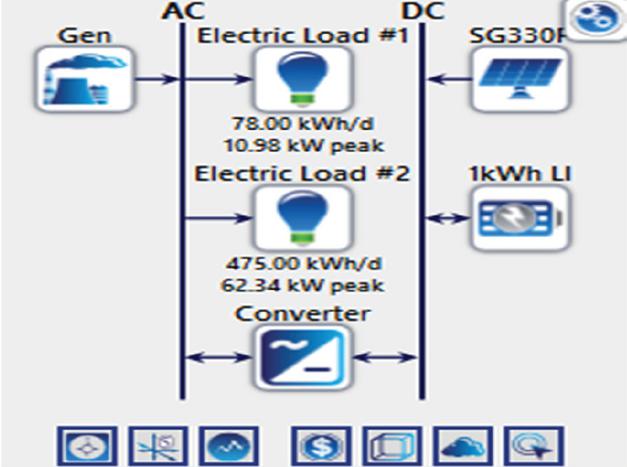
Figure 8 Schematic diagram of the system.
3.2 Solar Modules
The solar modules used in the system are the SG330P, which have a 169kW capacity. The cost per kW was considered 550$ without a converter. The PV-rated capacity is 1 kw of a single panel with 25 years of lifetime, and the operation and management cost is $10 per year. The complete specifications of the solar panels are given in Table 3.
Table 3 Specifications of the solar panels (SG330P)
| Parameters | Units | Values |
| Capital cost | $/kW | 550 |
| Replacement Cost | $/kW | 400 |
| Derating Factor | % | 80 |
| Lifetime | Years | 25 |
| Nominal Output (Pmax) | Watt | 330 |
| Voltage at Pmax | Volts | 34.35 |
| Current at Pmax | Ampere | 9.61 |
| Open circuit voltage | Volts | 41.91 |
| Open circuit current | Ampere | 10.18 |
| Module Efficiency | % | 19.78 |
3.3 Batteries
The batteries are primarily used for storing the electricity that photovoltaic panels produce to utilize at night The system requires around 400 kWh of battery backup. 4 batteries of lithium ion with 100 kWh storage were used to prevent overcrowding of batteries and reduce operation and maintenance costs. The technical specifications are given in Table 4.
Table 4 Specifications of the LI-Ion battery
| Parameters | Units | Values |
| Capital cost | $ | 70,000 |
| Replacement Cost | $ | 70,000 |
| Operation & Management | $ | 1000 |
| Nominal Voltage | Volts | 600 |
| Nominal Capacity | kWh | 100 |
| Round Trip Efficiency | % | 90 |
| Maximum discharge Current | Amperes | 500 |
| Maximum charge current | Amperes | 167 |
3.4 Converter
A converter is a power electronic device that converts electrical energy between different forms, such as from DC to AC or AC to DC. The converter has an efficiency of 85%. The capacity of the converter used is 50 kW.
3.5 Generator
A diesel generator is integrated with a PV system. 81 kW of power comes from the generator for this purpose generator with 128 kVA capacity was used. A diesel generator acts as a reliable source of power generation. The technical specifications are given in Table 5.
Table 5 Specifications of the generator
| Parameters | Units | Values |
| Capital cost | $ | 8125 |
| Replacement Cost | $ | 8125 |
| Current | Ampere | 223 |
| Output Voltage | Volts | 415 |
| Power Rating | Watts | 128 kVA |
4 Result and Discussion
The most optimal system configuration was taken into account using Homer software for simulations. Different suitable parameters were chosen for sensitivity analyses. Renewable power generation depends upon the availability of solar radiation. As its availability is unpredictable, therefore its average values will vary. The diesel prices were also varied as they also fluctuate. As these parameters were varied, their effects on the system were observed. The complete sensitivity analyses are provided in Figure 9.
The diesel prices were varied from 0.645$/liter to 0.680$/liter and the scaled average of solar radiation was varied from 5.00 (kWh/m2/day) – to 6.16 (kWh/m2/day).
4.1 System Optimization Results
The system under consideration was optimized along with sensitivity inputs using HOMER software to determine the optimal configuration of PV, Diesel Generator, and Batteries. The optimal structure consists of 145 kW by PV panels, and 81 kW by Diesel Generator with Battery storage of 371 kWh to fulfil the load demands of the community as shown in Figure 10. HOMER differentiates between results on the basis of NPC, COE, and initial capital investment. The monthly average of PV and generators is shown in Figure 11. The green bars depict the power generated by the Diesel Generator and the orange bars depict the power produced by PV panels. Solar power dominates production by generators throughout the year. The solar panels produce 231,395 kWh/year, while the generator produces 33,602 kWh/year. This system has high renewable energy penetration, and it also supports Electric Vehicles. Thus, it will help in reducing the stress from conventional sources.
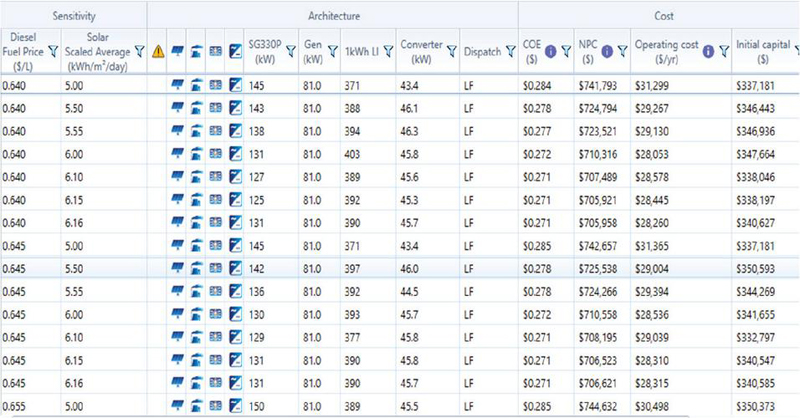
Figure 9 Results for different Sensitivity scenarios.
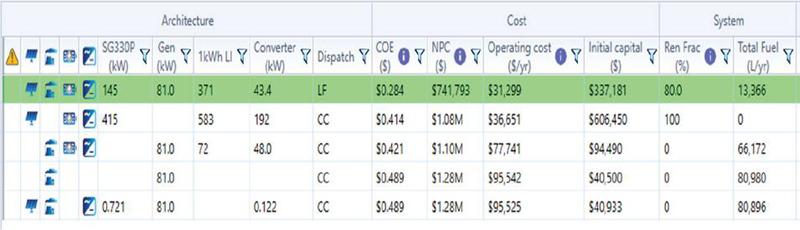
Figure 10 Optimized results.
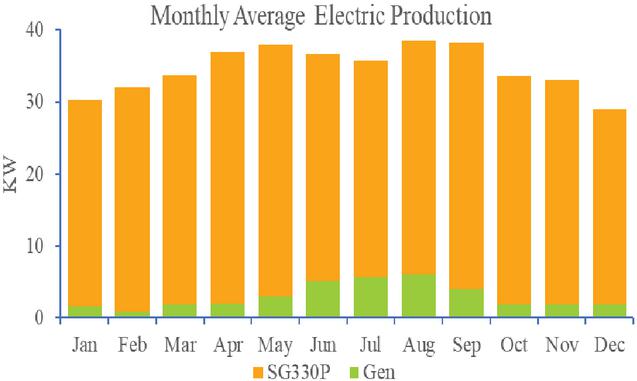
Figure 11 Monthly average of PV and generators.
4.2 Proposed System: Fuel Intake & Environmental Effects
With the analysis of fuel intake by the generator, it was observed that the maximum fuel consumed by the generator gradually increased from January, peaked in July, and then gradually decreased till December. Owing to the increased load in the summertime and decreased efficiency of PV panels due to increased temperatures. The burning of diesel produces secondary pollutants which pollute the environment furthermore noise and thermal pollution are also a major problem with diesel generators. The list of pollutants emitted by diesel generators in 60% of houses with EVs is given in Table 6 and for 30% of houses with EVs in Table 8. The overall consumption of fuel for 60% of houses with EV and the rest with IC engine cars is given in Table 7 and the overall consumption of fuel for 30% of houses with EV and the rest 70% with IC engine cars is given in Table 9.
Table 6 Emissions profile of 60% EV-equipped houses
| Quantity | Value | Units |
| Carbon Dioxide | 34,317 | Kg/year |
| Carbon Monoxide | 216 | Kg/year |
| Unburned Hydrocarbons | 9.44 | Kg/year |
| Particulate Matter | 1.31 | Kg/year |
| Sulphur Dioxide | 84.0 | Kg/year |
| Nitrogen Oxides | 203 | Kg/year |
Table 7 Fuel consumption by 60% EV-equipped houses
| Quantity | Value | Units |
| Total fuel consumed | 13,110 | L |
| Average fuel per day | 35.9 | L/day |
| Average fuel per hour | 1.50 | L/hour |
Table 8 Emissions profile of 30% EV-equipped houses
| Quantity | Value | Units |
| Carbon Dioxide | 31,894 | Kg/year |
| Carbon Monoxide | 201 | Kg/year |
| Unburned Hydrocarbons | 8.77 | Kg/year |
| Particulate Matter | 1.22 | Kg/year |
| Sulphur Dioxide | 78.1 | Kg/year |
| Nitrogen Oxides | 189 | Kg/year |
Table 9 Fuel consumption by 30% EV-equipped houses
| Quantity | Value | Units |
| Total fuel consumed | 12,184 | L |
| Average fuel per day | 33.4 | L/day |
| Average fuel per hour | 1.39 | L/hour |
4.3 Comparative Study
For analysing the feasibility of the system, a comparative study of two configurations is done.
Case 1: 60% of houses have EVs, while 40% of houses have normal IC engine vehicles.
Case 2: 30% of houses have EVs, while 70% of houses have normal IC engine vehicles.
The total cost of Generator, Li-ion batteries, and PV panels in Case 1 is more as compared to Case 2, but at the expense of increased pollution from vehicles, a major drawback is that taillight emissions are not localized, and treating them is a cumbersome task. The pollutant graph comparison shows the number of pollutants ejected by diesel generators while running for a yearly profile. Figure 13 presents the overall cost summary for both scenarios.
The integration of solar energy with diesel generators aids in reducing the pollution caused by generators, by using EVs as a mode of transport, the taillight emissions are eliminated, which is a major contributor to pollution, and further adding the batteries as a backup power source also increases renewable energy penetration. Also, with EVs included in the system the pollution caused is indirectly transported to the generating stations, the pollutants are much easier to capture and treat as they now come from a point source. Adding batteries not only reduces pollution but also makes the system more economical.
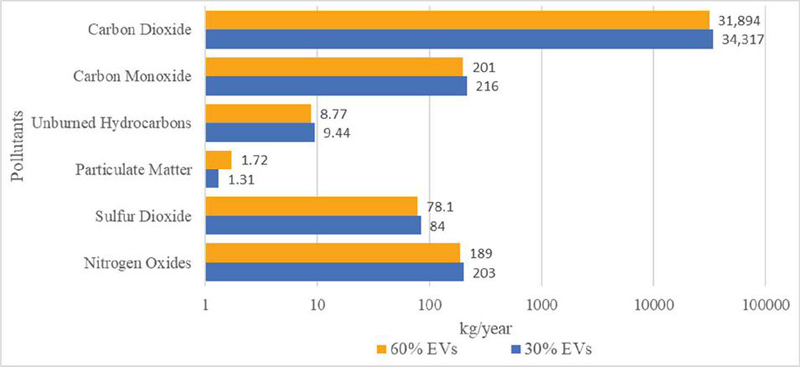
Figure 12 Pollutants graph for houses having 60% and 30% EVs.
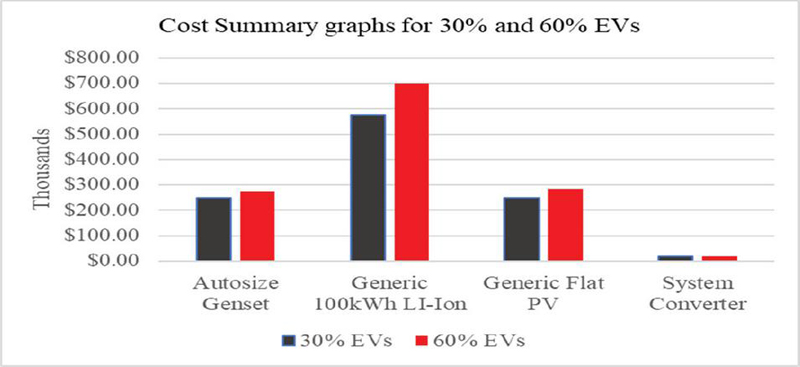
Figure 13 Cost summary graphs for 30% and 60% EVs.
4.4 Environmental Impact
The emission Factor is used to examine the emissions from IC engines, Diesel vehicles have the highest Emission factor for Carbon monoxide, having the average values as follows: 35.12 21.37 g/kg fuel and CNG vehicles have the highest Emission Factor for Hydro Carbons, with the average of 28.15 11.97 g/kg fuel and as the vehicles ages the emissions increase even further whereas the electric vehicles only run via electricity. Figure 12 illustrates the pollutants levels for houses having 60% and 30% EVs. With electric vehicles charging via stand-alone hybrid systems vehicle pollution is eliminated. The noise pollution caused by diesel engines is also reduced. In comparison with a regular diesel engine car, the EV helps in the elimination of pollution and it also helps in reducing running costs. Since EVs are more cost-effective than gasoline or diesel, charging an electric vehicle is more affordable than filling it up with fuel for traveling needs. With the usage of EVs, they are more feasible for reducing carbon emissions even further when powered by a renewable energy source.
5 Conclusion
This work presents a novel optimal design and a techno-economic assessment of a hybrid solar PV-diesel system for Haima, a city in Oman, that has limited grid connection and a high penetration of electric vehicles, by explicitly integrating residential electric vehicles’ charging demand into the system with climatic and economic conditions, thereby helping to reduce pollution. The most feasible solution was proposed, consisting of 129 kW generated by PV panels and 81 kW generated by a diesel engine. The initial investment totalled $344,268, with a net present cost of $711,333 and an operating cost of $28,394. The excess electricity produced is about 34,000 kWh/year; thus, the external grid connection isn’t required. The net present cost is feasible as it is for 25 years of projection. The designed system has high renewable energy penetration and reduced carbon emissions, the system also takes into account the charging of Electric Vehicles, which will help in reducing carbon emissions further. In addition, the sensitivity analysis highlights the impact of solar irradiance and diesel fuel price variations on the system. Future work will focus on incorporating real-time load data along with vehicle-to-grid (V2G) operation, and energy management strategies to enhance the system’s overall performance and reliability.
References
[1] K. Rahman, R. Saidur, W. Hew, and K. R. Ullah, “Comparative study of stand-alone and hybrid solar energy systems suitable for off-grid rural electrification: A review,” Renewable and Sustainable Energy Reviews, vol. 27, pp. 738–752, Jan. 2013, doi:10.1016/j.rser.2013.06.043.
[2] A. KanasePatil, R. P. Saini, and M. Sharma, “Integrated renewable energy systems for off grid rural electrification of remote area,” Renew Energy, vol. 35, pp. 1342–1349, Jan. 2010, doi:10.1016/j.renene.2009.10.005.
[3] E. D. Giannoulis and D. Haralambopoulos, “Distributed Generation in an isolated grid: Methodology of case study for Lesvos – Greece,” Appl Energy, vol. 88, pp. 2530–2540, Jan. 2011, doi:10.1016/j.apenergy.2011.01.046.
[4] G. Shafiullah, A. Than Oo, A. B. M. S. Ali, D. Jarvis, and P. Wolfs, “Prospects of renewable energy – a feasibility study in the Australian context,” Renew Energy, vol. 39, pp. 183–197, Jan. 2012, doi:10.1016/j.renene.2011.08.016.
[5] A. Bazyari, A. A. Khodadadi, A. Haghighat Mamaghani, J. Beheshtian, L. Thompson, and Y. Mortazavi, “Microporous titania-silica nanocomposite catalyst-adsorbent for ultra-deep oxidative desulfurization,” Appl Catal B, vol. 180, Jan. 2015, doi:10.1016/j.apcatb.2015.06.011.
[6] A. Haghighat Mamaghani, S. Fatemi, and M. Asgari, “Investigation of Influential Parameters in Deep Oxidative Desulfurization of Dibenzothiophene with Hydrogen Peroxide and Formic Acid,” International Journal of Chemical Engineering, vol. 2013, Jan. 2013, doi:10.1155/2013/951045.
[7] S. Pintaldi, S. White, G. Morrison, G. Rosengarten, and R. Taylor, “Solar-assisted absorption air-conditioning systems in buildings: Control strategies and operational modes,” Appl Therm Eng, vol. 92, Jan. 2015, doi:10.1016/j.applthermaleng.2015.09.081.
[8] M. H. Ashourian, S. M. Cherati, A. A. Mohd Zin, N. Niknam, A. S. Mokhtar, and M. Anwari, “Optimal green energy management for island resorts in Malaysia,” Renew Energy, vol. 51, pp. 36–45, 2013, doi:10.1016/j.renene.2012.08.056.
[9] O. Hafez and K. Bhattacharya, “Optimal planning and design of a renewable energy based supply system for microgrids,” Renew Energy, vol. 45, pp. 7–15, Jan. 2012, doi:10.1016/j.renene.2012.01.087.
[10] A. Haghighat Mamaghani, B. Najafi, A. Casalegno, and F. Rinaldi, “Long-term economic analysis and optimization of an HT-PEM fuel cell based micro combined heat and power plant,” Appl Therm Eng, vol. 99, Jan. 2016, doi:10.1016/j.applthermaleng.2016.02.021.
[11] J. Dekker and S. Chowdhury, “Economic analysis of PV/diesel hybrid power systems in different climatic zones of South Africa,” in International Journal of Electrical Power & Energy Systems, Jan. 2010, pp. 1–8. doi:10.1109/PES.2010.5588197.
[12] Y. Al Hatmi, C. S. Tan, A. Al-Badi, and Y. Charabi, “Assessment of the consciousness levels on renewable energy resources in the Sultanate of Oman,” Renewable and Sustainable Energy Reviews, vol. 40, pp. 1081–1089, Jan. 2014, doi:10.1016/j.rser.2014.08.012.
[13] H. A. Kazem, “Renewable energy in Oman: Status and future prospects,” Renewable & Sustainable Energy Reviews – RENEW SUSTAIN ENERGY REV, vol. 15, pp. 3465–3469, Jan. 2011, doi:10.1016/j.rser.2011.05.015.
[14] S.-G. Yoon and S.-G. Kang, “Economic Microgrid Planning Algorithm with Electric Vehicle Charging Demands,” Energies (Basel), vol. 10, no. 10, 2017, doi:10.3390/en10101487.
[15] W. Hoffmann, “Seite 1 von 13 PV Solar Electricity Industry: Market Growth and Perspective,” Solar Energy Materials and Solar Cells, vol. 90, pp. 3285–3311, Jan. 2006, doi:10.1016/j.solmat.2005.09.022.
[16] R. Barreto, “Fossil fuels, alternative energy and economic growth,” Econ Model, vol. 75, Jan. 2018, doi:10.1016/j.econmod.2018.06.019.
[17] S. Munuswamy, K. Nakamura, and A. Katta, “Comparing the cost of electricity sourced from a fuel cell-based renewable energy system and the national grid to electrify a rural health centre in India: A case study,” Renew Energy, vol. 36, pp. 2978–2983, Jan. 2011, doi:10.1016/j.renene.2011.03.041.
[18] K. Y. Lau, F. Yousof, S. N. Md Arshad Hashim, M. Anwari, and A. H. Yatim, “Performance analysis of hybrid photovoltaic/diesel energy system under Malaysian conditions,” Energy, vol. 35, pp. 3245–3255, Jan. 2010, doi:10.1016/j.energy.2010.04.008.
[19] S. Abdul-wahab, K. Mujezinovic, and A. Al-Mahruqi, “Optimal design and evaluation of a hybrid energy system for off-grid remote area,” Energy Sources, Part A: Recovery, Utilization, and Environmental Effects, vol. 44, pp. 1–13, Jan. 2019, doi:10.1080/15567036.2019.1656308.
[20] O. Hafez and K. Bhattacharya, “Optimal planning and design of a renewable energy based supply system for microgrids,” Renew Energy, vol. 45, pp. 7–15, Jan. 2012, doi:10.1016/j.renene.2012.01.087.
[21] J. Al-Saqlawi, K. Madani, and N. Dowell, “Techno-economic feasibility of grid-independent residential roof-top solar PV systems in Muscat, Oman,” Energy Convers Manag, vol. 178, pp. 322–334, Jan. 2018, doi:10.1016/j.enconman.2018.10.021.
[22] M. J. Khan and M. T. Iqbal, “Pre-feasibility study of stand-alone hybrid energy systems for applications in Newfoundland,” Renew Energy, vol. 30, no. 6, pp. 835–854, 2005, doi:10.1016/j.renene.2004.09.001.
[23] A. Razmjoo, A. Ahmadi, and A. Davarpanah, “Energy Sources, Part A: Recovery, Utilization, and Environmental Effects Implementation of energy sustainability using hybrid power systems, a case study Implementation of energy sustainability using hybrid power systems, a case study,” Energy Sources, Part A: Recovery, Utilization, and Environmental Effects, vol. 46, Jan. 2019, doi:10.1080/15567036.2019.1687623.
[24] H. A. AL Hinai, A. M. Ariffin, and M. Osman, “Revolutionizing Oman’s energy network with an optimal mixture renewable energy source,” 2023, AIMS Press. doi:10.3934/energy.2023032.
[25] U. Ahmed, B. A. Fida, V. R. R. Thumiki, and S. S. Hamdun Al Marhoobi, “Electric vehicles adoption challenges in Oman: a comprehensive assessment and future prospects for sustainable cities,” Frontiers in Sustainable Cities, vol. 6, 2024, doi:10.3389/frsc.2024.1360203.
[26] M. F. Roslan et al., “Techno-economic impact analysis for renewable energy-based hydrogen storage integrated grid electric vehicle charging stations in different potential locations of Malaysia,” Energy Strategy Reviews, vol. 54, Jul. 2024, doi:10.1016/j.esr.2024.101478.
[27] M. Bilal Ali, A. Altamimi, S. Ali Abbas Kazmi, Z. A. Khan, and S. Alyami, “Techno-economic-environmental optimization of on-grid hybrid renewable energy-electric vehicle charging stations in BTS infrastructure,” Energy Conversion and Management: X, vol. 23, Jul. 2024, doi:10.1016/j.ecmx.2024.100644.
[28] A. Fatih G�ven, “Design and Optimization of Renewable Energy-Based Electric Vehicle Charging Stations: A Case Study in Yalova,” 2024.
[29] Santoshi Kanagala, Ramesh Palanisamy, and Sreekanth Nethagani, “Techno-Economic Optimization of Solar-Powered EV Charging Stations in Muscat, Oman using HOMER Grid,” International Transactions on Electrical Engineering and Computer Science, vol. 4, no. 4, pp. 213–226, Nov. 2025, doi:10.62760/iteecs.4.4.2025.162.
[30] M. K. Deshmukh and S. S. Deshmukh, “Modeling of hybrid renewable energy systems,” Renewable and Sustainable Energy Reviews, vol. 12, no. 1, pp. 235–249, 2008, doi:10.1016/j.rser.2006.07.011.
[31] Z. Li, F. Boyle, and A. Reynolds, “Domestic application of solar PV systems in Ireland: The reality of their economic viability,” Fuel and Energy Abstracts, vol. 36, pp. 5865–5876, Jan. 2011, doi:10.1016/j.energy.2011.08.036.
[32] S. Sinha and S. S. Chandel, “Review of software tools for hybrid renewable energy systems,” Renewable and Sustainable Energy Reviews, vol. 32, pp. 192–205, 2014, doi:10.1016/j.rser.2014.01.035.
[33] R. Luna-Rubio, M. Trejo-Perea, D. Vargas-V�zquez, and G. J. R�os-Moreno, “Optimal sizing of renewable hybrids energy systems: A review of methodologies,” Solar Energy, vol. 86, no. 4, pp. 1077–1088, 2012, doi:10.1016/j.solener.2011.10.016.
[34] Y. Katsigiannis and P. Georgilakis, “Optimal sizing of small isolated hybrid power systems using tabu search,” Journal of Optoelectronics and Advanced Materials, vol. 10, pp. 1241–1245, Jan. 2008.
[35] A. D. Bagul, Z. M. Salameh, and B. Borowy, “Sizing of a stand-alone hybrid wind-photovoltaic system using a three-event probability density approximation,” Solar Energy, vol. 56, no. 4, pp. 323–335, 1996, doi:10.1016/0038-092X(95)00116-9.
[36] T. Markvart, “Sizing of hybrid photovoltaic-wind energy systems,” Solar Energy, vol. 57, no. 4, pp. 277–281, 1996, doi:10.1016/S0038-092X(96)00106-5.
[37] G. C. Seeling-Hochmuth, “A combined optimisation concet for the design and operation strategy of hybrid-PV energy systems,” Solar Energy, vol. 61, no. 2, pp. 77–87, 1997, doi:10.1016/S0038-092X(97)00028-5.
[38] J. K. Kaldellis, D. Zafirakis, and E. Kondili, “Optimum autonomous stand-alone photovoltaic system design on the basis of energy pay-back analysis,” Energy, vol. 34, no. 9, pp. 1187–1198, 2009, doi:10.1016/j.energy.2009.05.003.
[39] S. Kumar Nandi and H. Ranjan Ghosh, “Techno-economical analysis of off-grid hybrid systems at Kutubdia Island, Bangladesh,” Energy Policy, vol. 38, no. 2, pp. 976–980, 2010, doi:10.1016/j.enpol.2009.10.049.
[40] UL Renewables, “HOMER Pro Manual.” Accessed: Jan. 26, 2025. [Online]. Available: https://support.ul-renewables.com/homer-manuals-pro/index.html.
Biographies

Yash Shukla is a final-year undergraduate student pursuing a Bachelor’s degree in Electrical Engineering at Zakir Husain College of Engineering and Technology, Aligarh Muslim University (AMU), Aligarh, India. He has worked as a Research Intern at the Centre for Advanced Research in Electrified Transportation (CARET), AMU, where he contributed to projects on wireless charging systems for electric vehicles. He has also contributed to research on IoT-based data acquisition systems. His research interests include power electronics, renewable energy systems, and intelligent energy management systems.

M. Haris Bin Arif is an architect and academic with over thirteen years of combined experience in architectural practice and education. Since 2015, he has been a lecturer at the University of Technology and Applied Sciences, where he actively engages in teaching, curriculum development, and academic assessment processes. His academic role is complemented by ongoing involvement in professional practice, enriching his teaching with real-world insights. His experience spans residential, commercial, institutional, and defense projects, including work on Salalah Airport, Experion Windchants, and collaborations with the Indian Air Force and U.S. Army Corps of Engineers.

M. Saad Bin Arif is a researcher and Assistant Professor of Electrical Engineering at Aligarh Muslim University (AMU), Aligarh, India. Dr. Saad holds a Bachelor’s degree in Electrical Engineering, a Master’s degree in Power Systems and Driving from AMU, and a PhD in Power Engineering from Universiti Teknologi Malaysia, Malaysia. His research is focused on developing novel circuit designs for power electronic converters and improving the efficiency of solar and hybrid energy systems. He contributed to power electronics and renewable energy systems through his research, publications, and professional services.

Syed Mohd Yahya received his Bachelor’s degree in Mechanical Engineering from ZHCET, AMU, Aligarh in 2010 and PhD from Applied Mechanics Department IIT Delhi in 2015. He joined the Department of Mechanical Engineering at ZHCET, AMU, Aligarh 2015 as an Assistant Professor and working as Associate Professor since 2023. Dr. Yahya got three projects from different govt. funding agency in his early career namely UGC start-up grant, TEQIP-II Seed Money and DST-SERB. Recently Dr. Yahya has received Early Career Research award from Ministry of Science and Technology Govt. of India. His research interests include Mixed convective turbulence, Modelling of droplet motion in fibrous media, Pool boiling heat transfer in nanofluids, Investigation of thermo-physical properties of nanofluids, and its applications in energy harvesting. He also design new elective courses like Biofluid Dynamics and changes the existing syllabi of many UG/PG courses. Presently he is working on Hybrid PV/Thermal system and collaborating with Prof. Peter R N Childs, Faculty of Engineering, Dyson School of Design Engineering, Imperial college London.
Strategic Planning for Energy and the Environment, Vol. 45_3, 853–878
doi: 10.13052/spee1048-5236.4539
© 2026 River Publishers